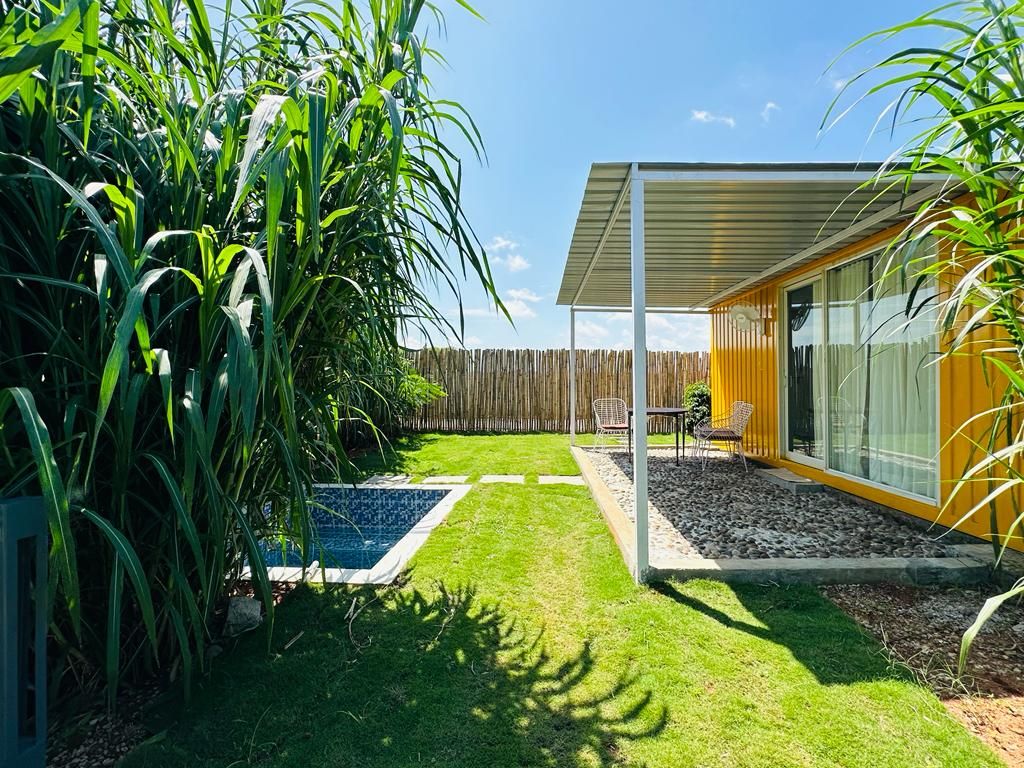
Peaceful places near Shamshabad
This guide highlights tranquil monuments, open water bodies, and spiritual landmarks located within forty kilometres of Shamshabad. It suits travellers, families, and city residents looking for relaxing day trips and reflective spaces away from heavy traffic. From expansive heritage gardens to quiet lake shorelines, each spot provides a distinct atmosphere for unwinding.
Historic monuments with calm garden settings
Travellers seeking calm surroundings near Shamshabad often turn to the region's grand historic sites. The Qutub Shahi Tombs, located approximately 16 kilometres from Shamshabad, are frequently highlighted by travel creators for their quiet grandeur. This royal necropolis holds the tombs of the Qutub Shahi dynasty rulers, set within landscaped heritage gardens near Golconda Fort. The wide lawns, restored pathways, and centuries-old stone domes create a reflective setting where you can stroll without the rush of urban traffic.
Another significant historic landmark nearby is Makkah Masjid, situated about 13 kilometres away near the historic centre of Hyderabad. Commissioned during the seventeenth century, its monumental granite architecture and expansive central courtyard provide a peaceful spiritual environment for visitors who appreciate Deccani history and craftsmanship.
Lakeside retreats and quiet architecture
If you enjoy open water and breezy shorelines, Osman Sagar, often called Gandipet, lies roughly 19 kilometres from Shamshabad. Commissioned in the early twentieth century as a flood control reservoir, the lake serves as a wide open-air destination suited for morning walks, quiet sunsets, and relaxed day trips by the water.
For unique architectural appreciation in quiet quarters, the Paigah Tombs are located around 14 kilometres from Shamshabad in Santosh Nagar. The site preserves delicate stucco artistry, intricate geometric patterns, and carved marble screens that commemorate the noble Paigah family. Further out on the northwestern edge, about 40 kilometres from Shamshabad, Shri Jagannath Temple in Isnapur offers a peaceful stone courtyard modeled on traditional Odishan sacred design.
Hilltop views and cultural landmarks
Perched on the Naubat Pahad hillock approximately 18 kilometres from Shamshabad, Birla Temple provides both contemplative quiet and panoramic views across the urban landscape and Hussain Sagar. Built entirely from white Rajasthani marble, this temple dedicated to Lord Venkateswara attracts those seeking a calm vantage point during quiet hours of the day.
Travellers interested in a quiet indoor cultural excursion often visit the Salar Jung Museum, situated roughly 15 kilometres from Shamshabad along the Musi River. Housing an extensive personal collection gathered by the Salar Jung noble family, the museum's galleries offer an immersive, quiet setting to explore historical textiles, sculptures, and artefacts from across the globe.
Best time to visit
The climate around Shamshabad is characteristically semi-arid, with warm summers, moderate rains, and mild winters. The most comfortable period to explore outdoor grounds, reservoir banks, and heritage complexes is between October and February. During these months, daytime temperatures are moderate, making walking tours through gardens and courtyards pleasant.
The monsoon months between July and September bring lush greenery to tomb gardens and replenish water levels at Osman Sagar, though occasional heavy showers can alter open-air plans. Summer months from March to May bring high temperatures, so visits during this season are best planned for early mornings or late afternoons.
Tips for your trip
Travel times from Shamshabad depend largely on route conditions and city traffic, so setting out early in the morning is the easiest way to experience these sites at their quietest. When visiting spiritual grounds such as Birla Temple, Makkah Masjid, or Shri Jagannath Temple, modest attire is customary, and footwear must be left outside designated sanctums.
Open heritage properties like the Qutub Shahi Tombs involve walking across expansive grounds, so carry water and wear comfortable shoes. Entry rules, camera guidelines, and daily operational schedules can vary, so verify these locally prior to your departure.
Where to stay
If you want to turn your day trip into a restful weekend, consider staying outside the congested central areas. Quiet homestays, nature retreats, and rustic camps near Shamshabad and the surrounding countryside are available on HireACamp. These rural and semi-rural lodgings provide an unhurried base from which to explore the region's historic landmarks, lakes, and shrines.
Written with AI from creators' posts and map data. Check prices and timings locally before you go.
7 places · 11 creator recommendations · Updated today
Ranked by how many independent creators recommend each place, not by who paid. The list updates itself as new posts come in.


Frequently asked questions
Which peaceful places near Shamshabad are most recommended by creators?
The Qutub Shahi Tombs and Salar Jung Museum are among the most highlighted locations by independent travel creators, followed by lakeside retreats like Osman Sagar.
Is there a scenic lake to visit near Shamshabad?
Osman Sagar, also known as Gandipet, is located approximately 19 kilometres from Shamshabad and provides wide open shores for relaxing walks and sunset views.
What is the best time of day to visit heritage monuments near Shamshabad?
Early mornings shortly after opening hours offer the quietest experience and cooler temperatures, especially for large outdoor areas like the Qutub Shahi Tombs.
Which quiet temples can be visited near Shamshabad?
Birla Temple on Naubat Pahad provides scenic vistas and serene marble courtyards, while Shri Jagannath Temple in Isnapur offers a peaceful environment with traditional Odishan architecture.
How far are these peaceful places from Shamshabad?
Most of the featured destinations are situated between 13 and 20 kilometres from Shamshabad, with Shri Jagannath Temple located approximately 40 kilometres away.
Stays near Shamshabad
Make a trip of it