
Ajay River
Riverside spot near Bolpur, West Bengal
200 m from Bolpur
The nearest town, for stays, food and fuel.
The Ajay River winds through the rustic heartland of West Bengal, carving a gentle boundary between the districts of Birbhum and Purba Bardhaman. Near Bolpur and Bhedia, its wide sandy bed and quiet banks provide a calm outdoor retreat away from busy market towns. Travellers visit this scenic riverbank to experience the timeless landscape of rural Bengal, gentle river breezes, and golden sunsets over the water.
Getting there
By road
- From BolpurNearest town1 min · 300 m
- From Kolkata3 hr 40 min · 161 km
- From Ranchi6 hr 55 min · 317 km
Typical drive times without traffic. Stations and airports from OLA Maps; distances and typical drive times from OpenStreetMap (© OpenStreetMap contributors); notes from creators' Reels.
About Ajay River
Written with AI from map data and general knowledge. Check prices and timings locally before you go.
The Landscape of Ajay River
The Ajay River is an intrinsic part of the geography and folklore of the Rarh region of West Bengal. Rising in the neighboring hills of Jharkhand, the river flows eastward, passing through undulating landscapes of red soil before meandering past villages, paddy fields, and bamboo groves near Bolpur and Bhedia. In this stretch, the riverbed widens significantly, revealing vast expanses of pale silt and fine river sand that contrast sharply with the terracotta earth of the Birbhum border.
The character of the river changes dramatically with the turn of the seasons. During the dry winter and summer months, the stream recedes into gentle channels snaking through broad sandbars, creating peaceful pockets where cattle graze and migratory river birds forage. After the monsoon rains, the river fills from bank to bank, turning into a broad, flowing waterway that nourishes the surrounding fertile floodplains. For city dwellers and weekend explorers, standing on the banks offers a sweeping, uninterrupted horizon that captures the slow, grounded rhythm of village life.
Things to Do at Ajay River
A visit to the Ajay River is largely about slowing down and engaging with nature. Walking barefoot along the cooler patches of the sandbars during the early morning or late afternoon is one of the most relaxing ways to spend time here. The open skies make the riverbank a remarkable location for photography, especially as evening descends and local fishing skiffs drift across the water beneath shifting shades of orange and violet.
Birdwatching is another rewarding pursuit along the riverbanks. Throughout the winter, shallow sand pools and marshy edges attract waders, pond herons, kingfishers, lapwings, and small flocks of migratory ducks. Visitors often combine a peaceful walk with an outdoor picnic under the shade of riverside babool or eucalyptus trees. Because there are no commercial entertainment setups or crowded promenades, the soundscape is dominated entirely by rustling breeze, calling birds, and the soft lapping of current against the shore.
Read more
Best Time to Visit Ajay River
The most pleasant period to visit the Ajay River runs from late October through February. During these winter months, the weather in the Birbhum and Bardhaman plains is crisp and clear, with daytime temperatures hovering comfortably in the low to mid-twenties. The mild sun allows travellers to spend prolonged hours walking on the open sands without feeling fatigued.
Autumn, especially around September and October, brings a unique visual charm to the riverbank. During this festive season, expansive thickets of Kash grass, or wild sugarcane reeds, burst into silvery-white blooms all along the sandy floodplain. Swaying gently against bright blue autumn skies, the blooming Kash fields create a quintessential Bengal panorama celebrated in classic literature and cinema. Summers, from March to June, bring intense heat with daytime temperatures often climbing above forty degrees Celsius, making open riverside strolls uncomfortable except in the twilight hours. The monsoon months of July and August bring heavy rains that dramatically raise the water level, which is dramatic to watch from higher ground but necessitates staying well clear of the shifting sandy bed.
How to Reach Ajay River
The Ajay River near Bhedia is conveniently accessed from the university town of Bolpur and the surrounding travel corridor. Bolpur Shantiniketan is the primary railway junction nearby, well connected by regular express and intercity trains from major transit hubs such as Howrah, Sealdah, and Kolkata. The smaller station at Bhedia is also within short commuting distance for passenger train services.
From Bolpur town, travellers can hire local auto-rickshaws, e-rickshaws, or private taxis to reach the approach roads leading down to the riverbed near Bhedia. The drive traverses scenic village roads shaded by mango orchards and lined with traditional clay homes. Visitors arriving by personal car or motorbike can reach the area via regional highways connecting Panagarh, Ilambazar, and Bolpur. Approaching the river directly usually involves parking near the paved embankment and continuing the final short stretch on foot over unpaved village paths.
Places to Visit Nearby
The surrounding region is exceptionally rich in rural crafts, literature, and religious architecture. Just a short drive away lies Nanoor, renowned as the historic home of the medieval lyric poet Chandidas and celebrated for its ancient brick temple complexes and vibrant kantha embroidery tradition. Further down the rural routes is Dwariapur, famous for its generational community of metal artisans who create intricate dokra brass artifacts using the traditional lost-wax casting technique.
Cultural explorers can also travel to Kogram, positioned near the confluence where the Kunur River meets the Ajay River, an area steeped in local lore and rural literature. Pilgrims and temple enthusiasts often include trips to the nearby Mangal Chandi Temple, the sacred Attahas Shakti Peeth, and the ancient Kshirgram Maa Jogadya Temple. To the south towards Panagarh, travellers will find community landmarks like the Guru Nanak Gurudwara and roadside eateries like Gill Dhaba, making it easy to weave the quiet river stop into a broader exploration of historic Bengal.
Tips for Your Visit
Because the Ajay River is an undeveloped natural site, visitors should arrive prepared. There are no convenience stalls or formal drinking water outlets along the sandbanks, so it is essential to carry an adequate supply of drinking water, light snacks, and sun protection such as hats, sunglasses, and sunscreen. Comfortable, easy-to-clean footwear is advisable, as fine sand inevitably finds its way into shoes.
Safety is paramount when exploring riverbeds. While the water may seem calm and shallow in winter, river bottoms can feature sudden drop-offs, underwater silt shelves, or soft patches of sinking mud. Avoid wading into unfamiliar waters or attempting to swim across the main current. If visiting during or shortly after the rainy season, always observe the river from higher, firm ground. Travellers should also take care to practice responsible tourism by carrying back all plastic wrappers and discarded containers to ensure the rural environment remains pristine.
Where to Stay Near Ajay River
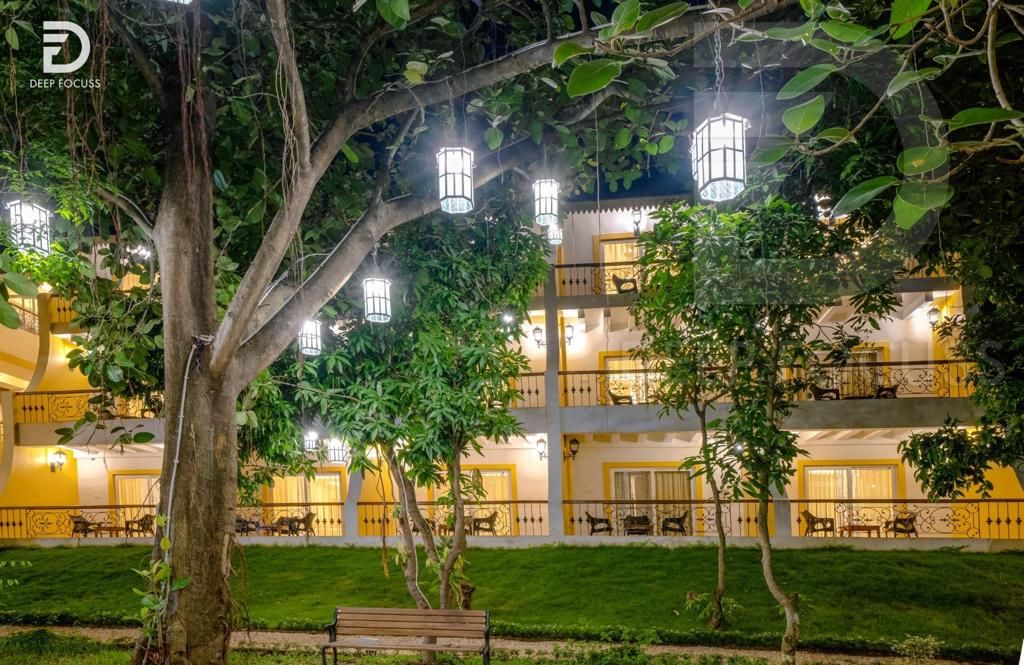
While there are no permanent hotels directly on the open riverbanks, travellers have access to an appealing variety of nearby accommodation options. The town of Bolpur and the surrounding Shantiniketan artistic enclave host welcoming homestays, boutique eco-camps, and guesthouses designed around sustainable regional architecture. Staying in a village homestay close to the river allows you to wake up to misty mornings and experience authentic Bengali home-cooked meals prepared with seasonal local produce.
You can explore and book verified nature stays, farm retreats, and rustic campsites in the Bolpur and Birbhum region through HireACamp. Staying nearby provides an ideal base for exploring both the cultural landmarks of Shantiniketan and the peaceful open landscapes of the Ajay river basin.
Frequently asked questions
What is the best season to see Kash grass at Ajay River?
The famous white Kash grass blooms along the sandy edges of the Ajay River during the autumn months of September and October, coinciding with the festive season in West Bengal.
Can you swim in the Ajay River near Bolpur?
Swimming is not recommended because riverbeds in the region frequently have unpredictable silt currents, soft sand pockets, and sudden depressions under the surface.
Are there public facilities or food stalls directly on the riverbank?
No, the riverbank is a natural rural site without commercial stalls or public restrooms, so visitors should carry their own drinking water, food, and essentials.
How do you reach the river from Bolpur town?
You can reach the river approach near Bhedia from Bolpur by hiring a private taxi, auto-rickshaw, or driving personal vehicles along the rural connecting roads, followed by a short walk to the sand.
What historic or craft villages are located close to Ajay River?
Nearby heritage destinations include Nanoor, known for its historic temples and kantha embroidery, Dwariapur, famous for traditional dokra metal craft, and Kogram at the river confluence.
Where you'll be
Near Bhdia, Bolpur Sriniketan, WB · 1 stay nearby shown with prices
Stays near Ajay River
Book a place to stay close by
More places near Ajay River
Within 20 km
Built from 0 Instagram posts by 0 creators. Every tip links back to the post it came from, and where creators disagree we show both sides.






