
Anaimalai Hills
Peak near Vettaikkaranpudur, Tamil Nadu
7.9 km from Vettaikkaranpudur
The nearest town, for stays, food and fuel.
The Anaimalai Hills, also known as the Elephant Mountains, form a majestic stretch of the Western Ghats straddling the border of Tamil Nadu and Kerala near Pollachi. Rising above lush tea estates, deciduous woodlands, and dense shola-grassland ecosystems, these highlands draw travellers for their cool climate, diverse wildlife, and peaceful mountain landscapes. The region provides an ideal retreat for hikers, birdwatchers, and nature lovers seeking unhurried exploration in southern India.
Getting there
By road
- From VettaikkaranpudurNearest town17 min · 9.2 km
- From Coimbatore1 hr 50 min · 70 km
- From Kochi4 hr 20 min · 173 km
- From Madurai4 hr 25 min · 199 km
Typical drive times without traffic. Stations and airports from OLA Maps; distances and typical drive times from OpenStreetMap (© OpenStreetMap contributors); notes from creators' Reels.
About Anaimalai Hills
Written with AI from map data and general knowledge. Check prices and timings locally before you go.
About the Anaimalai Hills
The Anaimalai Hills are a prominent mountain range within the southern Western Ghats, situated primarily in the Pollachi region of Tamil Nadu and extending westward into Kerala. Known historically as the Elephant Mountains due to their resident herds of wild Asian elephants, these hills feature varied topography ranging from lower foothill scrub and moist deciduous forests to rolling tea and coffee plantations, high-altitude montane shola forests, and windswept grasslands.
The town of Vettaikkaranpudur and the bustling hub of Pollachi serve as key gateways to the range. Historically inhabited by indigenous tribal communities, the slopes were developed for tea, cardamom, and teak plantations under British administrative rule in the nineteenth and twentieth centuries. Today, large swathes of the hills are protected under wildlife sanctuaries and tiger reserves, preserving exceptional endemic biodiversity and serving as an essential catchment for rivers that feed agricultural plains downstream.
Things to do in the Anaimalai Hills
Exploring the Anaimalai Hills centres on experiencing its wild landscapes and plantation culture. One of the most popular activities is taking scenic drives across winding ghat roads that cut through dense canopies and emerald-green tea estates. These routes offer sweeping valley views and frequent sightings of endemic wildlife, including lion-tailed macaques, Nilgiri langurs, and malabar giant squirrels.
Nature walks and birdwatching are exceptionally rewarding throughout the foothills and intermediate elevations. The hills harbour several Western Ghats endemics, such as the Malabar grey hornbill, white-bellied treepie, and Nilgiri wood pigeon. For those interested in serene outdoor settings, the streams, reservoirs, and reservoirs scattered across the hillsides provide tranquil spots to picnic and appreciate mountain views away from urban noise.
Read more
Wildlife and ecology of the range
The Anaimalai Hills form one of the most ecologically significant landscapes in peninsular India. The region's altitudinal gradient supports distinct habitat types that shelter endangered flora and fauna. The contiguous forest tracts are famous for healthy populations of Asian elephants, Bengal tigers, Indian leopards, gaur (Indian bison), and dhole (wild dogs).
Much of this natural wealth is conserved through the Anamalai Tiger Reserve and adjoining protected sanctuaries. The higher reaches harbour remnant populations of the Nilgiri tahr, a mountain ungulate adapted to steep grassy precipices. Plant lovers will encounter native shola species, tree ferns, wild orchids, and medicinal herbs that thrive in the cool, moist microclimates created by perennial cloud cover and heavy rainfall.
Best time to visit the Anaimalai Hills
The best time to visit the Anaimalai Hills is between October and March, when the weather is consistently cool, dry, and pleasant for outdoor exploration and road travel. Daytime temperatures during these months remain comfortable, while early mornings and nights can turn quite chilly, especially at higher elevations.
The southwest monsoon arrives in June and lasts through September, transforming the hills into a vibrant green expanse of active waterfalls and mist-draped ridgelines. While the monsoon brings rich beauty, it also brings heavy precipitation, occasional road closures, and active leeches on forest paths. The summer months from April to May bring warmer conditions to the foothills, though the upper elevations remain cooler than the plains, offering a modest respite from lowland heat.
Places to visit around the Anaimalai Hills
Travellers visiting the Anaimalai Hills can explore several notable destinations nearby. Monkey Falls, situated roughly thirteen kilometres from the base, is a popular natural waterfall surrounded by rocky cliffs and evergreen trees. Close to the falls lies Aliyar Dam, which features a vast reservoir backwater against the foothills along with landscaped public park areas.
Further up into the protected forests, the Topslip area within the Anamalai Tiger Reserve offers regulated access to wilderness zones and nature trails. Travellers can also explore regional water bodies like Kadamparai Dam and Thirumoorthy Dam, both known for their scenic backdrops. For history enthusiasts, the historic Palakkad Fort across the state border in Kerala provides a cultural excursion within comfortable driving distance.
How to reach the Anaimalai Hills
The Anaimalai Hills are accessible by road from key hubs in Tamil Nadu and Kerala. The nearest major transport junction is Pollachi, located at the base of the hills, while the larger transit gateway is Coimbatore, which has a major railway station and an airport connecting to major Indian cities. Palakkad in Kerala also provides convenient rail access.
From Pollachi or Vettaikkaranpudur, local buses, taxis, and private vehicles travel up the well-engineered ghat roads into the hills. The drive entails multiple hairpin bends with panoramic vistas of the plains below. Travellers driving themselves should exercise caution on narrow mountain stretches, yielding to uphill traffic and large plantation trucks.
Tips for your visit
Because substantial sections of the Anaimalai Hills fall under reserved forests and protected catchment zones, travellers should remain mindful of conservation guidelines. Do not litter, avoid single-use plastics, and refrain from feeding monkeys or wild animals along the roadside. Forest check-posts operate along the entry points; keep personal identification handy and verify route regulations locally before setting out.
If you plan to walk on forest fringes or trails during or right after the monsoon, wear sturdy footwear and carry leech protection such as salt or tobacco powder. Mountain weather can change quickly from sunny to overcast and windy, so pack layers, light woollens, and waterproof jackets regardless of the season.
Where to stay in the Anaimalai Hills
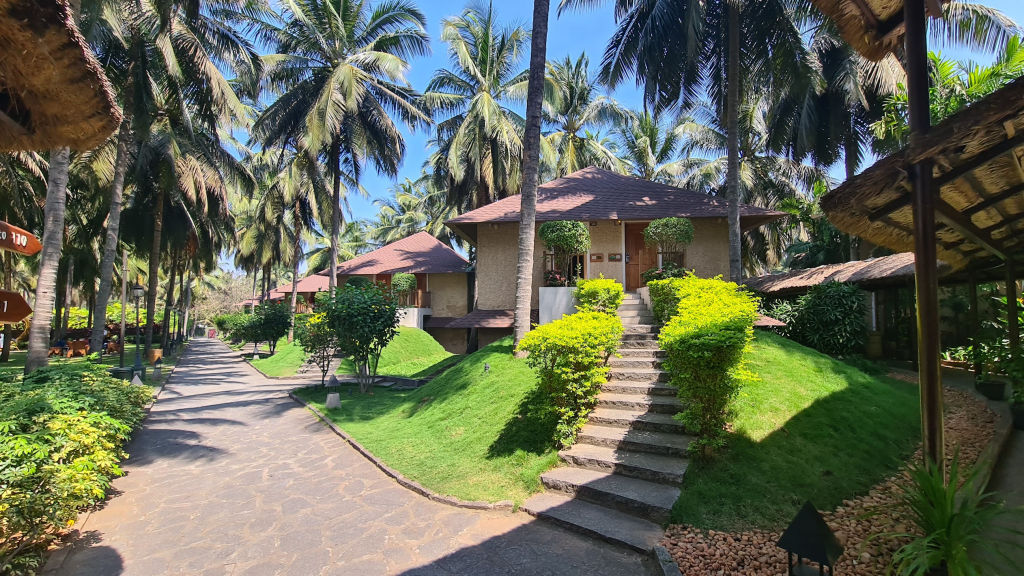
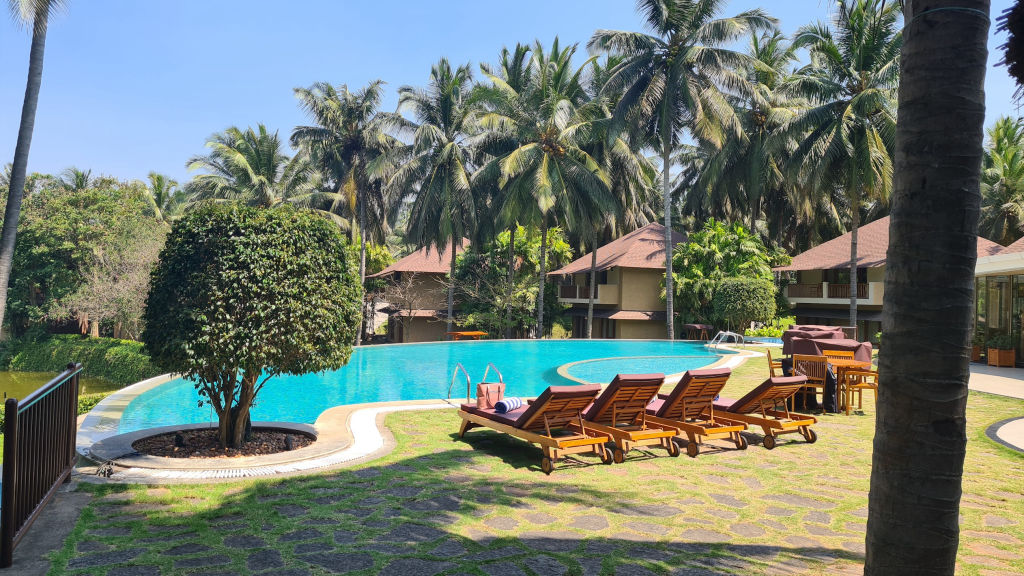
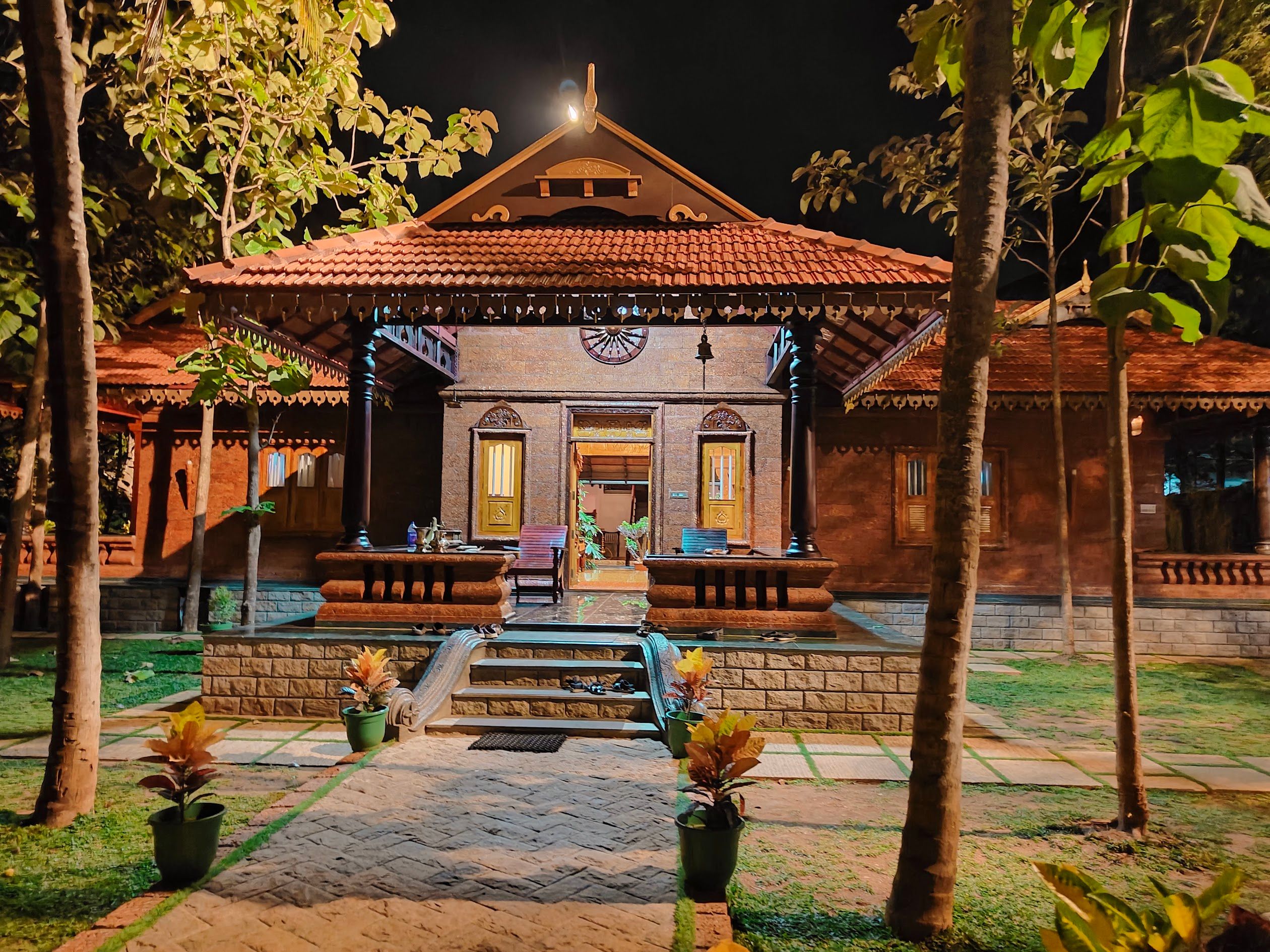
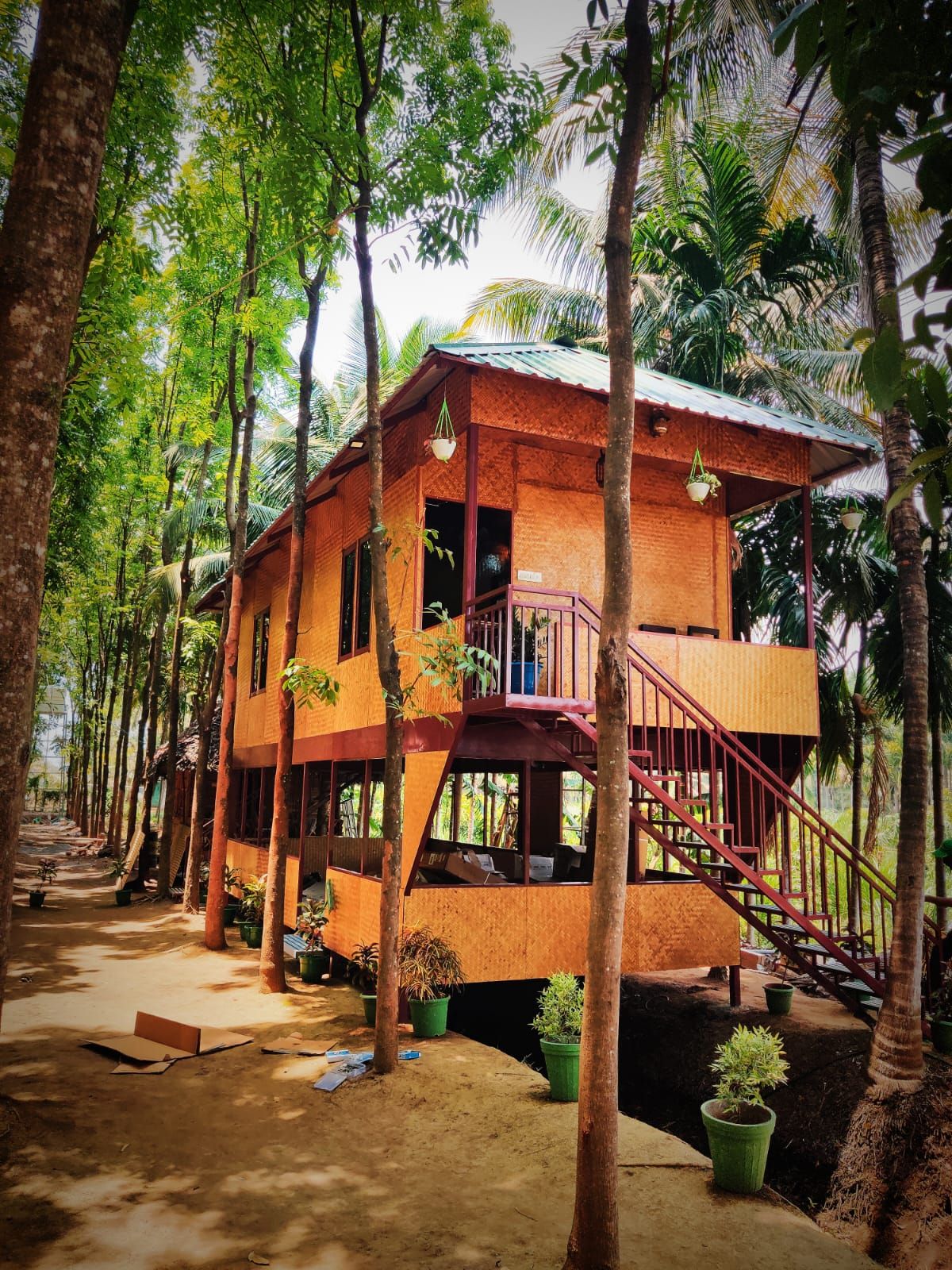
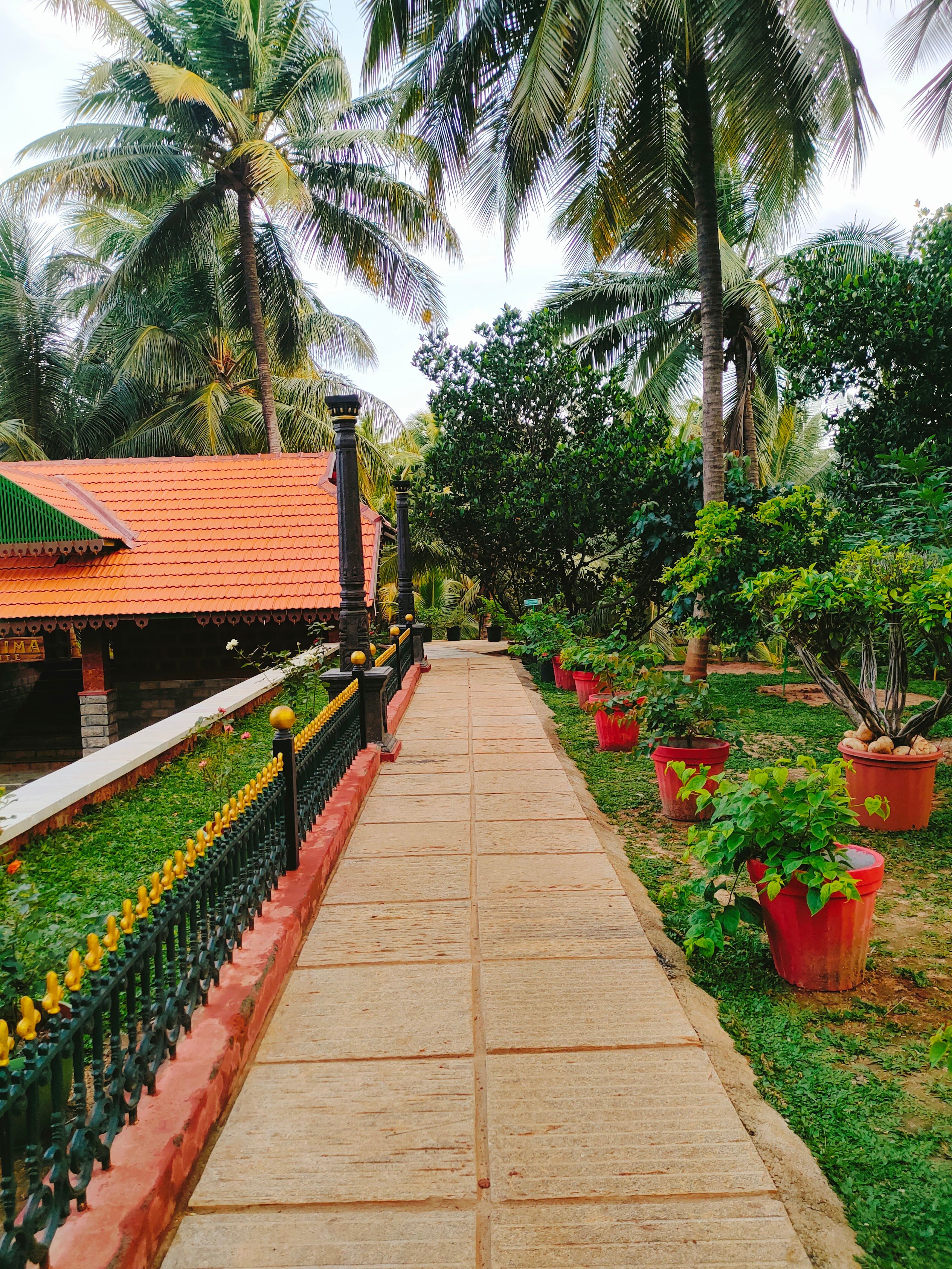
Accommodation options around the Anaimalai Hills range from riverside retreats and quiet village settings near Pollachi and Vettaikkaranpudur to heritage bungalows nestled within high-altitude tea plantations. Staying at lower elevations allows easy day trips to dams and waterfalls, while hillside stays provide peaceful mornings and crisp mountain air.
Travellers interested in outdoor escapes, plantation homestays, and campsite experiences can discover and book verified stays throughout the Anaimalai region on HireACamp. Booking in advance is recommended during long weekends, holidays, and peak winter months.
Frequently asked questions
Where are the Anaimalai Hills located?
The Anaimalai Hills are located in the Western Ghats along the border of Tamil Nadu and Kerala, easily accessible via Pollachi and Vettaikkaranpudur.
What is the best season to visit the Anaimalai Hills?
The most pleasant season to visit is from October to March, when rainfall subsides and days are clear and cool. The monsoon months between June and September offer lush greenery but bring heavy rains.
What wildlife can be seen in the Anaimalai Hills?
The range is home to Asian elephants, Nilgiri tahr, gaur, lion-tailed macaques, Nilgiri langurs, and a wide variety of birds, butterflies, and reptiles.
How do I reach the Anaimalai Hills from Coimbatore?
You can travel by road from Coimbatore to Pollachi and proceed upward along the ghat road via Vettaikkaranpudur or Aliyar, using private cabs or regular state transport buses.
Are there waterfalls and dams to visit near the Anaimalai Hills?
Yes, nearby attractions include Monkey Falls, Aliyar Dam, Kadamparai Dam, and Thirumoorthy Dam, all set against the backdrop of the Western Ghats.
Where you'll be
Pollachi Sub-District · 9 stays nearby shown with prices
Stays near Anaimalai Hills
Book a place to stay close by




More places near Anaimalai Hills
Within 20 km


Lists for this area
Ranked by how many creators recommend each place


Built from 0 Instagram posts by 0 creators. Every tip links back to the post it came from, and where creators disagree we show both sides.






