
Ananthanatha Swamy Jain Temple
Temple near Kalpetta, Kerala
3.4 km from Kalpetta
The nearest town, for stays, food and fuel.
Ananthanatha Swamy Jain Temple, also known as the Puliyarmala Jain Temple, is an ancient place of worship dedicated to Lord Ananthanatha, the fourteenth Jain Tirthankara. Located at Puliyarmala near Kalpetta in the Wayanad region of Kerala, it stands as an enduring testament to the rich Jain heritage in South India. Travellers and heritage enthusiasts visit to admire its traditional Dravidian stone architecture, intricate carvings, and tranquil hilltop setting.
Getting there
By road
- From KalpettaNearest town7 min · 4 km
- From Mysuru2 hr 55 min · 139 km
- From Coimbatore4 hr 50 min · 217 km
- From Bengaluru5 hr · 282 km
Typical drive times without traffic. Stations and airports from OLA Maps; distances and typical drive times from OpenStreetMap (© OpenStreetMap contributors); notes from creators' Reels.
About Ananthanatha Swamy Jain Temple
Written with AI from map data and general knowledge. Check prices and timings locally before you go.
About Ananthanatha Swamy Jain Temple
Ananthanatha Swamy Jain Temple is one of the most prominent historic Jain shrines in Kerala. Situated on a gentle slope at Puliyarmala, just outside Kalpetta, the shrine venerates Lord Ananthanatha, the fourteenth Tirthankara in Jain tradition. The temple is locally often referred to simply as the Puliyarmala Jain Temple, serving both as an active place of peaceful worship for the Jain community and as an evocative historical site for cultural travellers.
The complex stands amidst the lush, rolling greenery typical of Wayanad. Away from busy commercial streets, the temple grounds exude a quiet, contemplative atmosphere that is well suited for meditation, reflection, and quiet walks around the stone courtyards. Visiting this shrine offers a distinct cultural perspective on Kerala, illustrating how different spiritual traditions found a welcoming home along the trading paths of the Western Ghats centuries ago.
History and Jain Heritage in Wayanad
Wayanad has a notable and deep-rooted Jain connection that dates back hundreds of years. During the medieval period, mercantile routes crossed through the high passes of the Western Ghats, bringing traders, monks, and settlers from Karnataka and surrounding regions into northern Kerala. These communities established settlements, trading hubs, and spiritual sanctuaries across the plateau, leaving behind monuments that have survived through the ages.
Ananthanatha Swamy Jain Temple is among the best-preserved of these structures. Historically, it was also associated with regional military movements and local dynasties, earning alternative colloquial names during the eighteenth-century campaigns of the Mysore rulers. Over time, while several other stone Jain structures across the district weathered into picturesque ruins, the Puliyarmala temple has remained well-tended and maintained, serving as an important cultural anchor for regional Jain heritage.
Read more
Architecture of the Temple
The temple showcases traditional Dravidian architectural elements seamlessly executed in stone. Its carved granite pillars, detailed lintels, and multi-tiered tower reflect classical southern Indian masonry traditions. The structure rises in stepped tiers adorned with small stupas and decorative motifs, culminating in a sculpted finial that catches the sunlight above the tree line.
Inside, the sanctum sanctorum houses beautifully sculpted idols, including the revered image of Lord Ananthanatha. A brass stupa and stone carvings depicting Jain motifs, lotus patterns, and seated ascetics feature across the corridors. The outer hall is supported by solid stone pillars that keep the interior remarkably cool even during warm afternoons. Walking barefoot along the smooth, cool stone floors of the open courtyard allows visitors to closely inspect the detailed stonework and appreciate the craftsmanship of the artisans who built it.
Best Time to Visit
The cooler months from October to March offer the most comfortable weather for visiting Ananthanatha Swamy Jain Temple and exploring the wider Kalpetta area. During this post-monsoon and winter period, daytime temperatures in Wayanad remain mild, the skies are generally clear, and walking outdoors in the temple courtyards is pleasant.
The monsoon season, which runs from June through September, transforms the surrounding landscapes into vibrant shades of green. While heavy downpours are common and outdoor movement requires rain gear, the misty hill slopes and rain-washed stone of the temple offer a serene and atmospheric experience for travellers who enjoy the rains. Summers from March to May can be warm during midday, making early mornings and late afternoons the ideal hours for a quiet visit.
How to Reach the Temple
Ananthanatha Swamy Jain Temple is located along the Kalpetta–Mananthavadi Road at Kainatty Junction in Puliyarmala. Because it is only a few kilometres from the centre of Kalpetta, the administrative capital of Wayanad, reaching the temple is straightforward. Local auto-rickshaws, taxis, and public buses running along the highway connect the temple gates to the town centre in a matter of minutes.
Travellers arriving by train usually alight at Kozhikode railway station, which is the major railhead on the Malabar coast. From Kozhikode, the road journey winds up the scenic Thamarassery ghat pass to Kalpetta, typically taking around two and a half to three hours depending on mountain traffic. Kozhikode International Airport and Kannur International Airport are the closest air gateways, both connected to Kalpetta by scenic highway routes.
Tips for Your Visit
Ananthanatha Swamy Jain Temple is an active place of prayer, so modest attire is expected. Visitors should ensure their shoulders and knees are covered before entering the complex. Footwear must be removed at the entrance steps, and it is best to carry socks during sunny mid-afternoons when the stone paving can become warm underfoot.
Photography policies inside the inner sanctum may vary, so it is recommended to check locally with the temple caretakers before taking photographs inside the shrine. Silence should be maintained inside the prayer halls. To experience the most peaceful ambience, plan your arrival during the early morning hours when chanting and quiet rituals take place in the crisp hill air.
Places to Visit Nearby
Exploring Puliyarmala puts you in close reach of several other historical and natural landmarks in Wayanad. Further north, the historic ruins of the Panamaram Jain Temple offer a fascinating look at medieval stone carvings standing amidst open countryside. Travellers interested in temple history can also travel eastward to explore the ancient stone Jain temple in Sulthan Bathery, another prominent remnant of the region's historical trading corridors.
For outdoor lovers, the hills surrounding Kalpetta provide panoramic vantage points, spice plantations, and forest reserves. Karapuzha Reservoir, the walking trails of Chembra Peak, and numerous coffee estates are easily combined with a morning stop at the Puliyarmala shrine, creating a rich itinerary that covers both the cultural and natural charms of the Wayanad plateau.
Where to Stay
Kalpetta and its surrounding hill slopes offer a wide range of stay options, from rustic rural retreats to quiet homestays nestled inside coffee and pepper plantations. Staying near Kalpetta provides practical access to transport links, local markets, and various tourist routes heading north, south, and east across Wayanad.
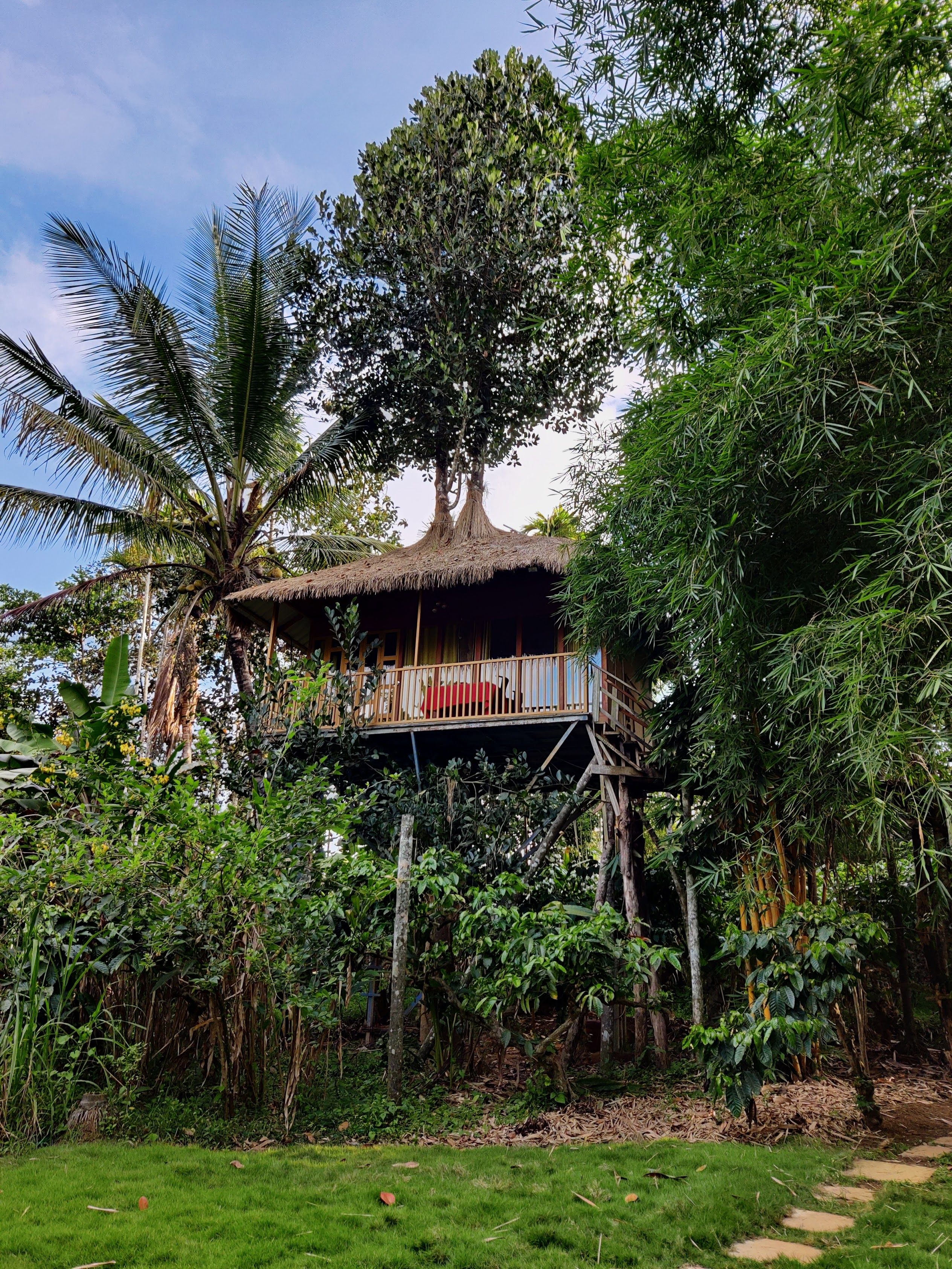
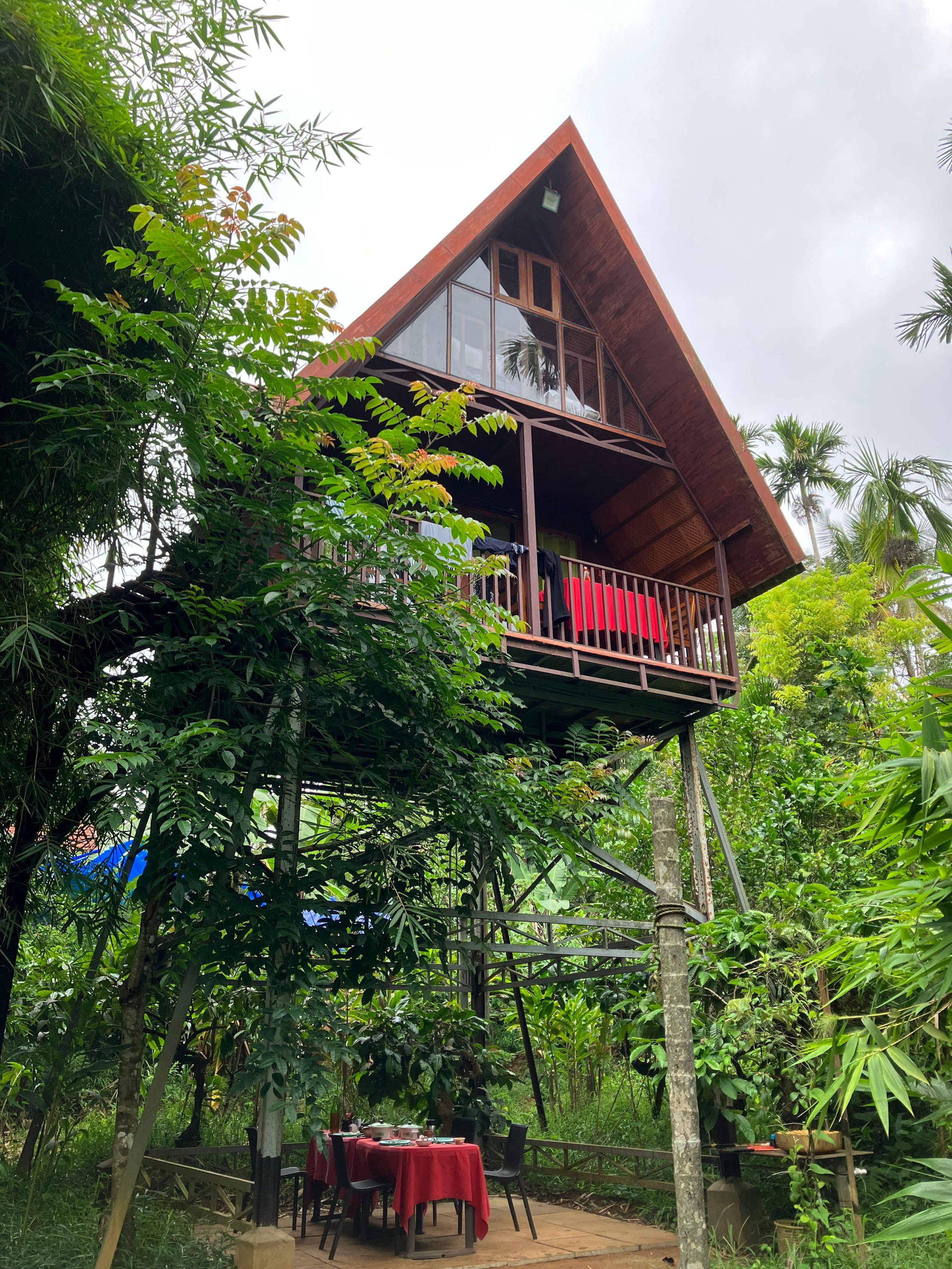
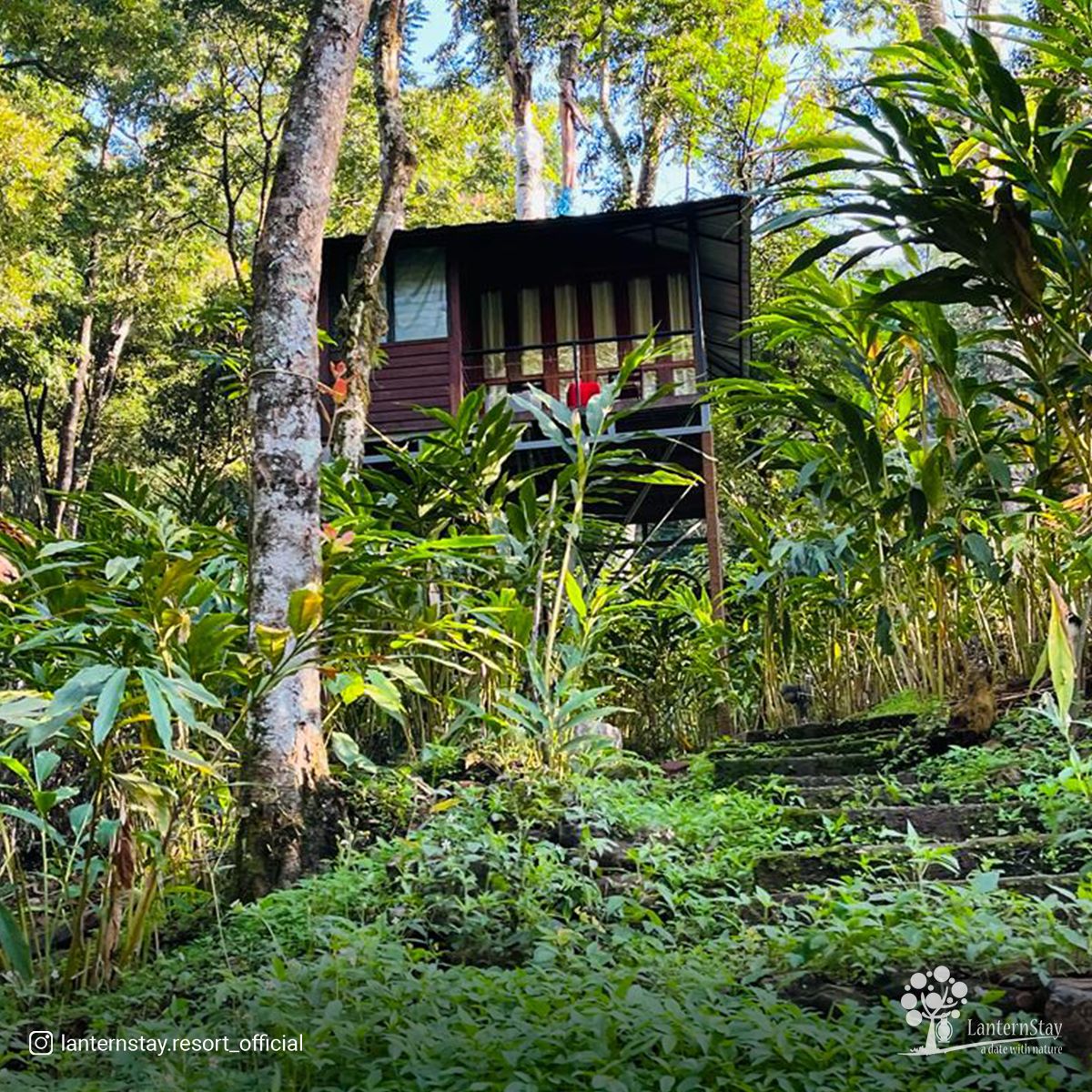
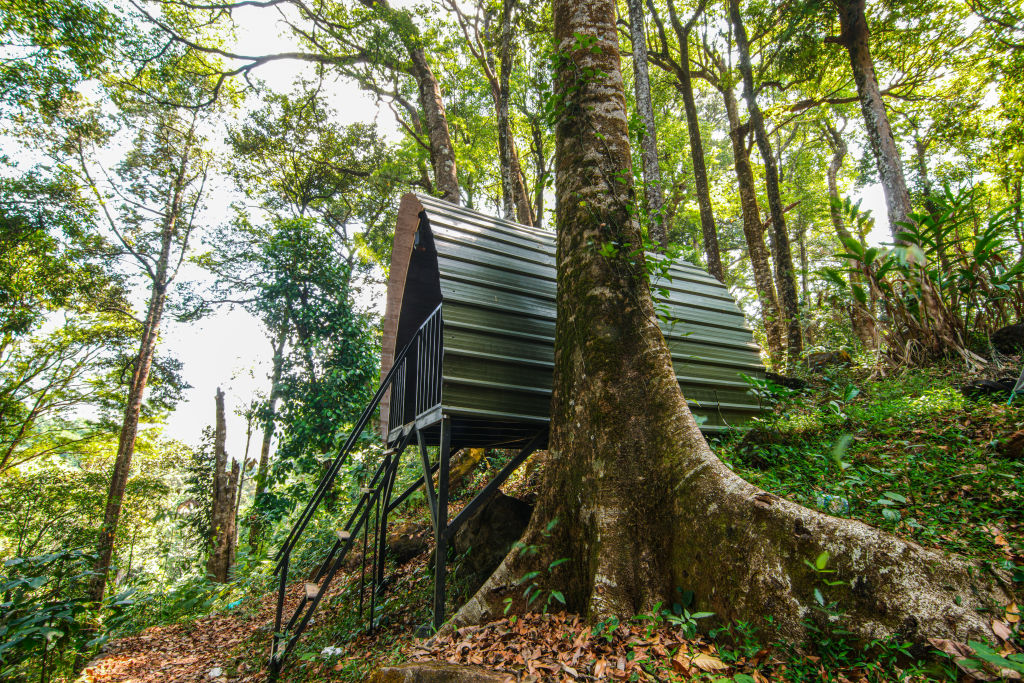
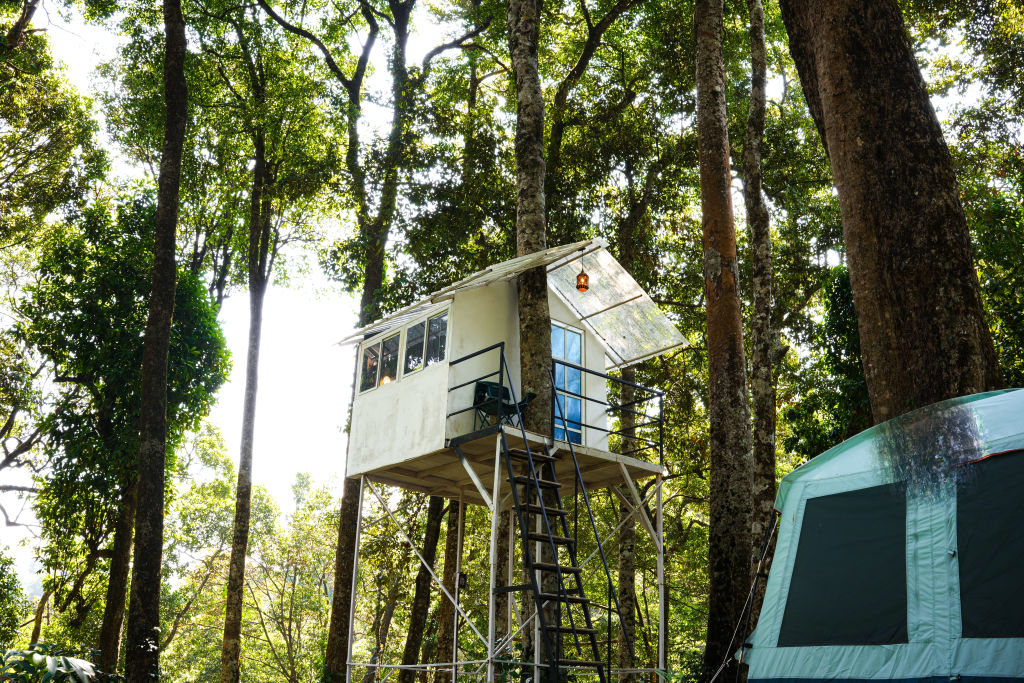
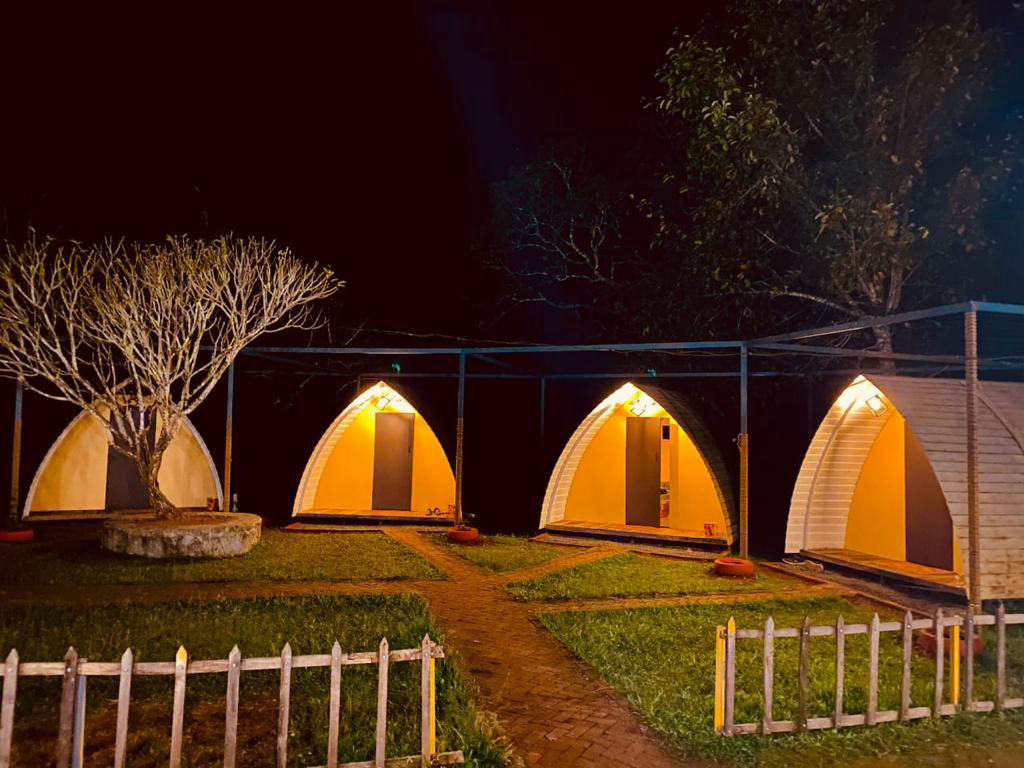
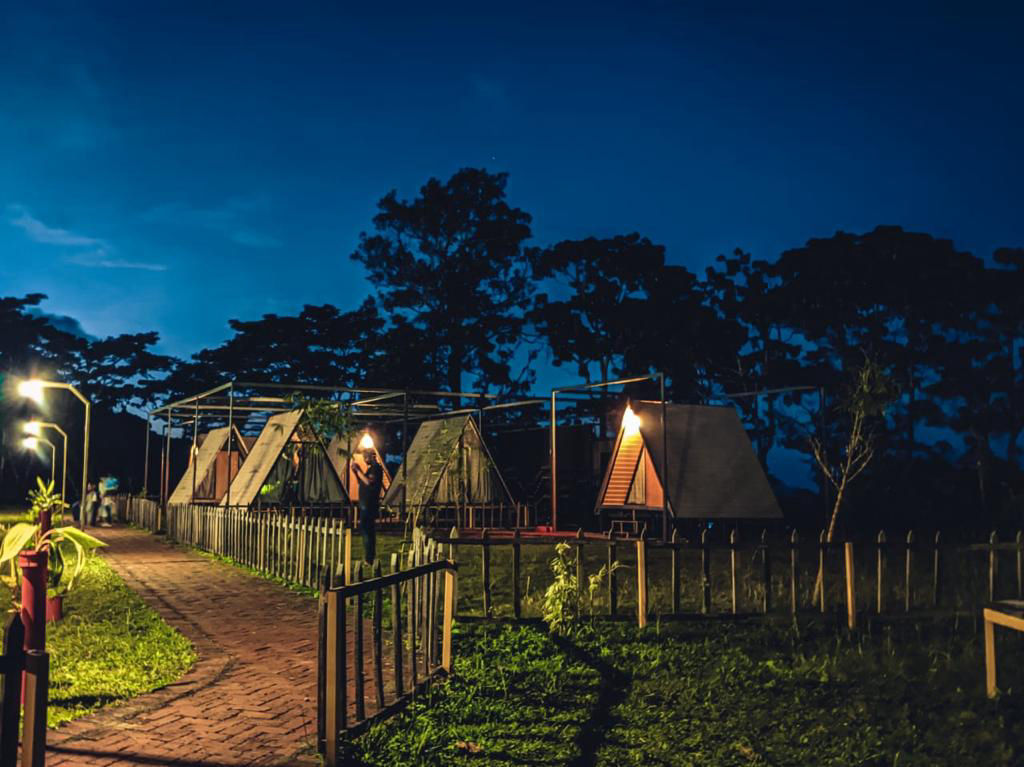
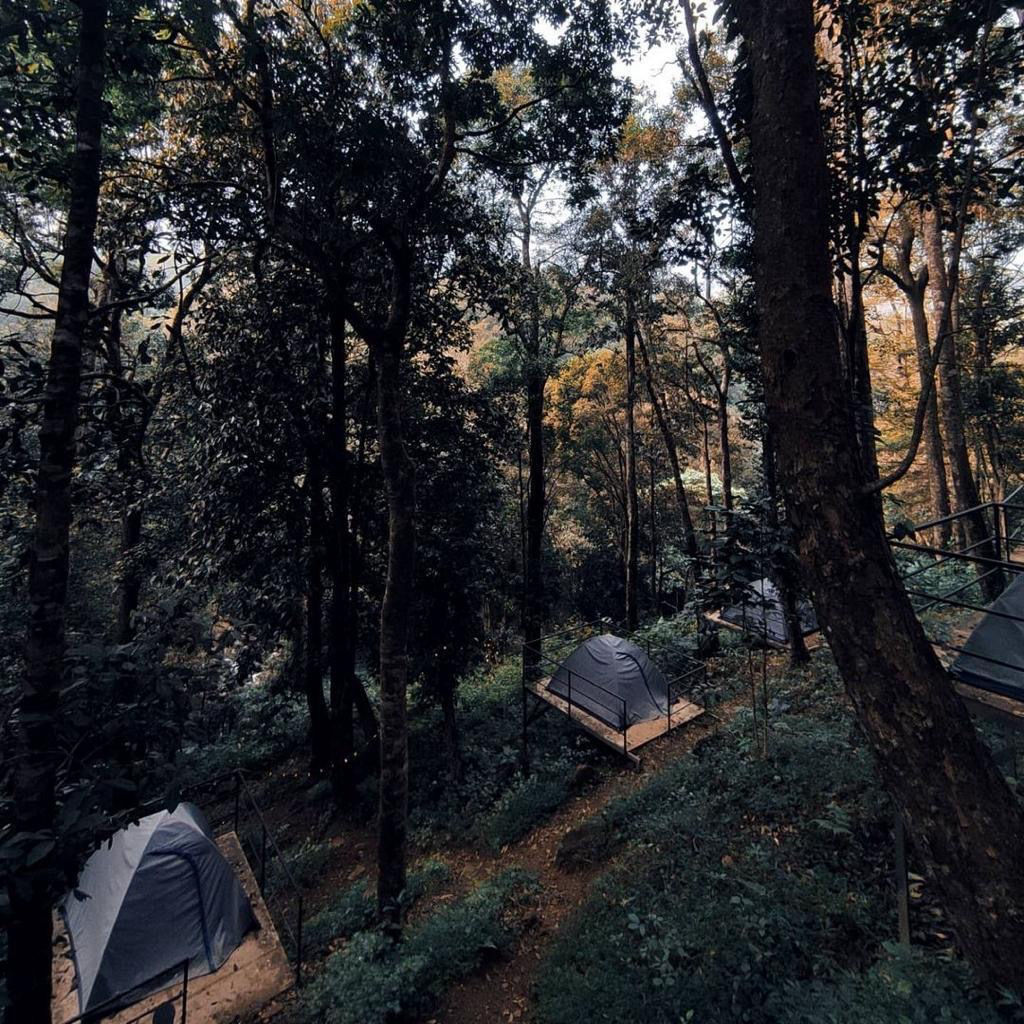
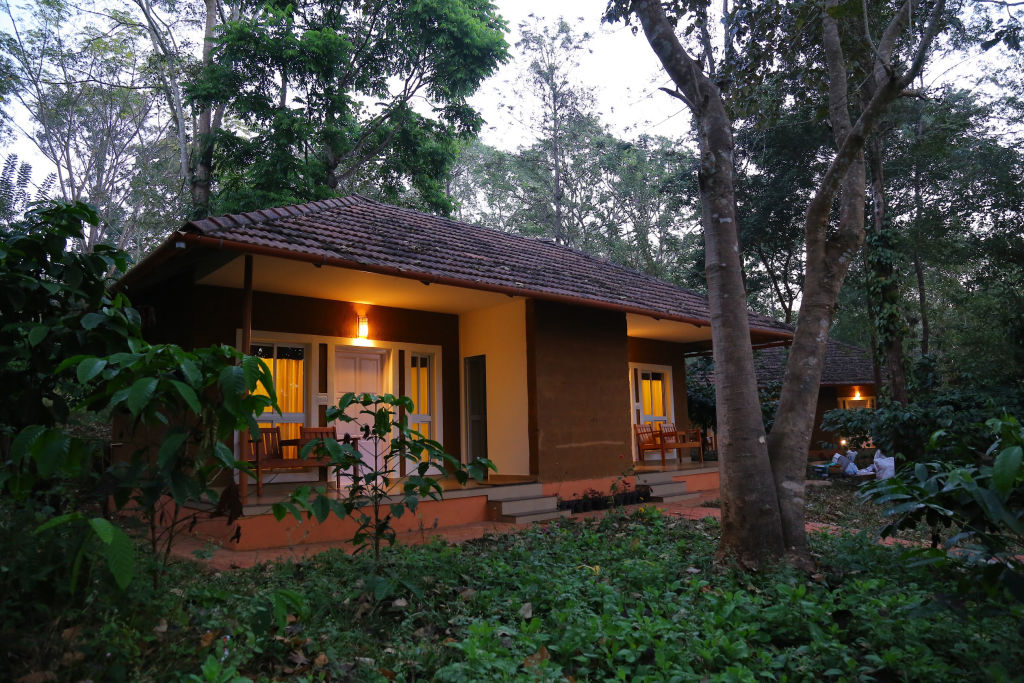
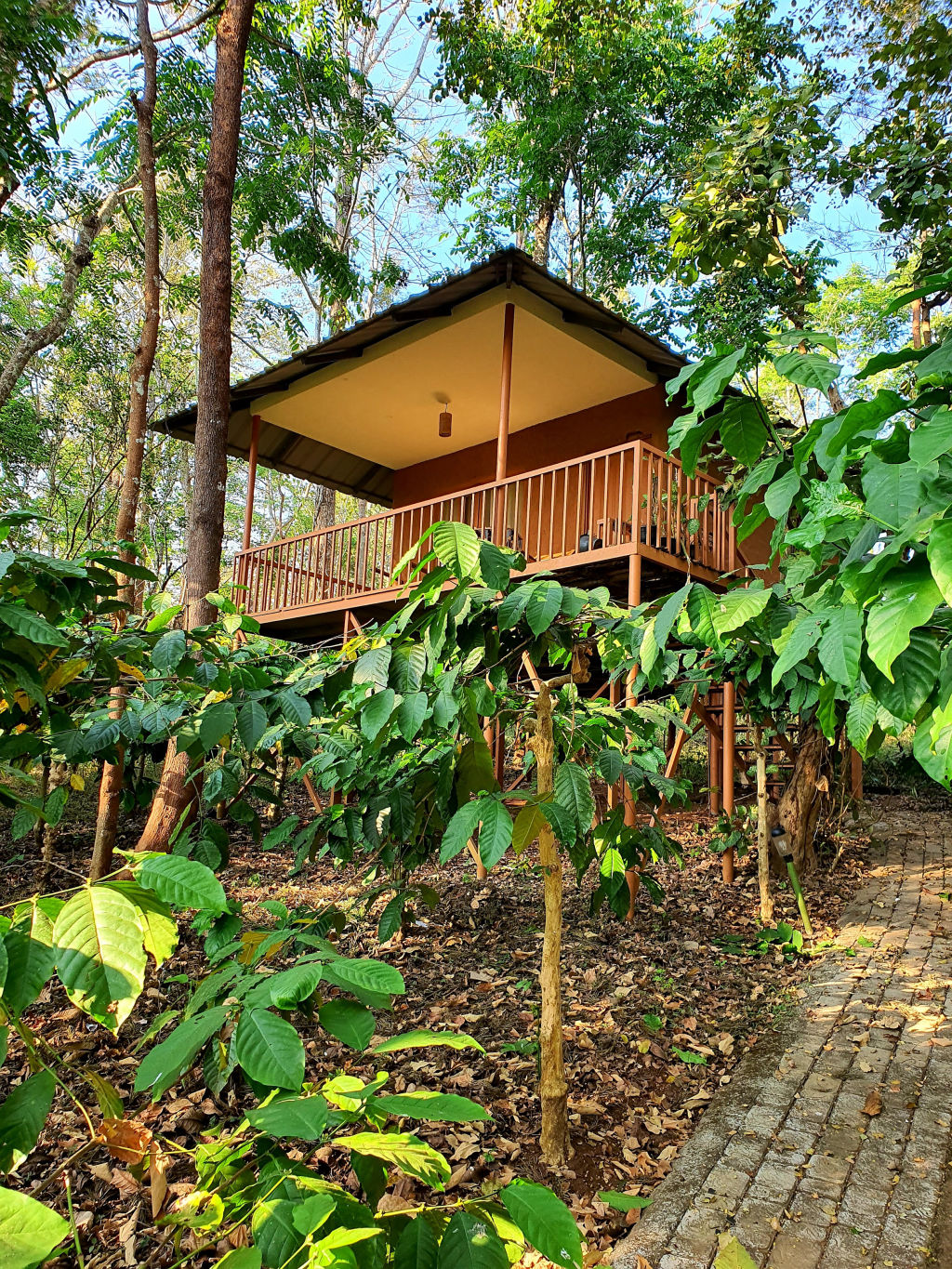
Travellers who prefer sleeping closer to nature can look for plantation farm stays, independent cottages, or scenic campsites tucked into the valleys around the town. A selection of verified homestays, nature camps, and outdoor getaways around Kalpetta can be booked directly on HireACamp.
Frequently asked questions
Which deity is worshipped at Ananthanatha Swamy Jain Temple?
The temple is dedicated to Lord Ananthanatha, who is venerated as the fourteenth Tirthankara in the Jain faith.
Where is the temple located?
The temple is situated at Puliyarmala near Kainatty Junction, along the Kalpetta–Mananthavadi Road, just a short drive from central Kalpetta in Wayanad, Kerala.
Is there a dress code for visiting the temple?
Yes, visitors are expected to dress modestly with shoulders and knees covered, and shoes must be removed before entering the courtyard and sanctum.
What is the architectural style of Ananthanatha Swamy Jain Temple?
The shrine is constructed in classical Dravidian style, featuring intricately carved granite pillars, stone halls, and a multi-tiered carved tower.
What are the visiting hours and entry fees?
The temple generally welcomes visitors during morning and late afternoon hours, but specific prayer schedules and entry guidelines should be checked locally on arrival.
Where you'll be
Kalpetta - Mananthavadi Road, Puliyarmala, Kainatty Junction, Kalpetta · 12 stays nearby shown with prices
Stays near Ananthanatha Swamy Jain Temple
Book a place to stay close by


More places near Ananthanatha Swamy Jain Temple
Within 20 km


Built from 0 Instagram posts by 0 creators. Every tip links back to the post it came from, and where creators disagree we show both sides.






