
Ashtamudi Lake
Lake near Karuva, Kerala
2.5 km from Karuva
The nearest town, for stays, food and fuel.
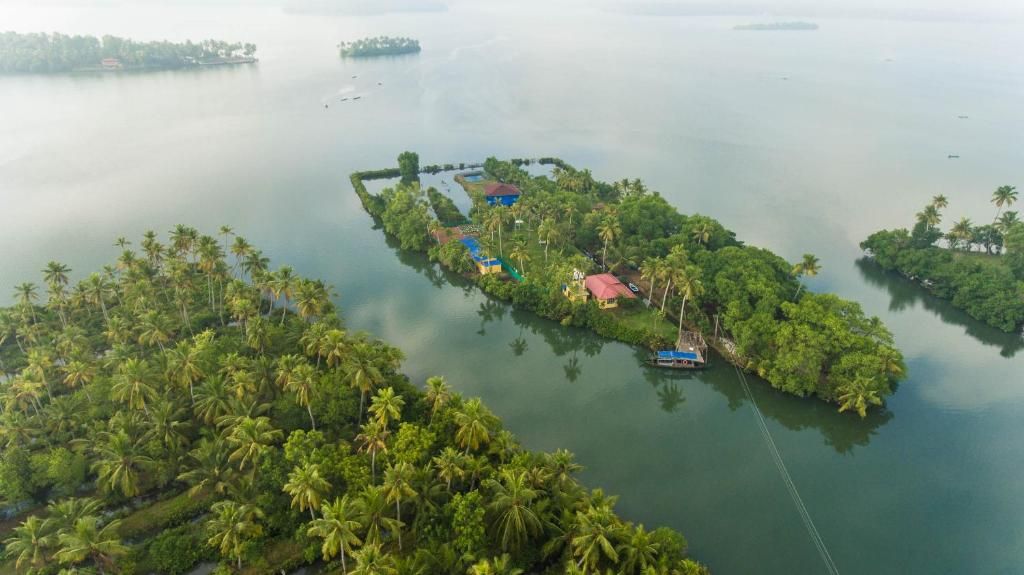
Ashtamudi Lake is a sprawling, palm-fringed estuary in Kerala, famously recognized as one of the major gateways to the state's iconic backwaters. Taking its name from its unique topography of eight distinct branches, the lake attracts travellers looking to experience tranquil waterways, mangrove ecosystems, and traditional village life. Situated near the settlement of Karuva, it offers a peaceful alternative to busier backwater hubs while providing easy access to southern Kerala's coastal stretch.
Getting there
By road
- From KaruvaNearest town32 min · 7.1 km
- From Thiruvananthapuram2 hr 35 min · 80 km
- From Kochi3 hr 20 min · 138 km
- From Madurai5 hr 50 min · 266 km
Typical drive times without traffic. Stations and airports from OLA Maps; distances and typical drive times from OpenStreetMap (© OpenStreetMap contributors); notes from creators' Reels.
About Ashtamudi Lake
Written with AI from map data and general knowledge. Check prices and timings locally before you go.
About Ashtamudi Lake
Ashtamudi Lake derives its name from two Malayalam words: ashta meaning eight and mudi meaning branch or arm. This refers to the eight prominent channels that branch out from the main body of water before emptying into the Arabian Sea at the Neendakara bar mouth. Covering a vast surface area in Kollam district, it is the second-largest wetland ecosystem in Kerala and holds international importance as a designated Ramsar site.
The lake is fed primarily by the Kallada River, which flows down from the Western Ghats before meeting the tidal waters of the coast. This mix of fresh and saline water supports an extraordinarily rich aquatic ecosystem, including dozens of fish species, crustaceans, and migrating waterbirds. Traditional Chinese fishing nets line sections of the water, operating on counterweighted wooden frames that have been part of the local fishing heritage for centuries.
Along its meandering banks, you will find quiet village settlements, coconut groves, and small-scale cottage industries such as coir retting and boat building. The lake plays an integral role in the livelihoods of local communities, creating a living landscape where traditional water transport, fishing, and nature exist in close balance.
Things to do at Ashtamudi Lake
The quintessential experience at Ashtamudi Lake is taking to the water. Slow-paced boat cruises allow you to witness the changing moods of the estuary, passing by dense clumps of mangroves, tiny islets, and waterfront villages. Many visitors choose to hire traditional houseboats or motorboats to explore the broader channels, while country canoes provide access to narrow, quiet canals where larger boats cannot navigate.
Birdwatching is particularly rewarding along the sheltered stretches and mangrove clusters. Depending on the season, you can spot kingfishers, cormorants, egrets, herons, and migratory wetland species feeding along the mudflats. Observing local fishermen working with casting nets, shellfish divers collecting clams, and craftsmen processing coir fiber offers authentic glimpses of rural Kerala life.
For those interested in active outdoor recreation, the calmer bays of the lake and surrounding backwaters offer opportunities for kayaking, rowing, and basic water sports. The slow rhythm of the lake also makes its shores an appealing place for landscape photography, sketching, and quiet walks during the early morning and late evening.
Read more
Best time to visit Ashtamudi Lake
The post-monsoon and winter months from October to March are generally considered the best time to visit Ashtamudi Lake. During this window, the weather is relatively dry and comfortable, with warm days, cool breezes off the water, and mild evenings. Water clarity improves, and migratory birds arrive in significant numbers, making it the most pleasant season for long boat rides and outdoor exploration.
The summer months, spanning from April to May, bring high temperatures and substantial humidity. While mid-day heat can make open boating exhausting, early mornings and late afternoons on the water remain scenic and significantly less crowded.
The southwest monsoon arrives in June and continues through August, often followed by the northeast monsoon in October and November. The monsoon transforms the surrounding landscape into vibrant shades of green and fills the lake to its brim. Heavy rainfall and windy conditions can lead to temporary disruptions in boat services, but travellers seeking atmospheric cloudy skies and lush coastal scenery often appreciate this period.
How to reach Ashtamudi Lake
Ashtamudi Lake is centrally located in southern Kerala, with the historic port city of Kollam acting as the primary transit point. The lakeside village of Karuva and other boarding points along the estuary can be easily reached by road from Kollam city centre.
If you are arriving by train, Kollam Junction is the nearest major railway station. It is an important junction on the southern railway network, with frequent long-distance and intercity train connections to major cities like Thiruvananthapuram, Kochi, Kozhikode, Bengaluru, and Chennai. Taxis, auto-rickshaws, and local buses run regularly between the railway station and points around the lake.
For air travellers, Trivandrum International Airport is the closest airport, situated roughly seventy to eighty kilometres south of the lake area. The drive from the airport typically takes around two to two and a half hours, depending on regional traffic along the national highway. Kochi's Cochin International Airport is another alternative to the north, usually requiring a drive of roughly three and a half to four hours.
Places to visit nearby
A trip to Ashtamudi Lake pairs naturally with visits to the surrounding coastal and cultural attractions of southern Kerala. Roughly twenty-two kilometres to the south lies Kappil Beach, a unique coastal stretch where the backwaters of Edava-Nadayara Lake meet the Arabian Sea, separated only by a narrow coastal road.
Just a short drive beyond Kappil is Varkala, famed for its striking laterite cliffs that overlook Varkala Beach, Odayam Beach, and Edava Beach. Here, you can experience coastal walking trails, expansive ocean vistas, and local cultural landmarks like the ancient Janardhana Swamy Temple and the Varkala Aquarium.
Inland, about thirty-three kilometres from the lake, stands Jatayu Earth's Center at Chadayamangalam. This prominent tourism and cultural park features the world's largest bird sculpture, dedicated to the mythical character Jatayu, set atop a rocky hill with cable car access and panoramic views of the surrounding countryside.
Tips for your visit
When spending time on Ashtamudi Lake, prepare for the tropical coastal climate. Carry effective sun protection, including wide-brimmed hats, polarized sunglasses to cut water glare, and lightweight cotton clothing. Drinking plenty of water is essential during day trips, especially during midday cruises.
Always verify local boat operating schedules and safety equipment before embarking on water excursions. Ensure that life jackets are available on board and worn as directed, particularly on smaller open canoes. Because the lake is an ecologically fragile wetland, take care not to dispose of plastic, food packaging, or other waste into the water or onto the banks.
If you plan to visit villages or lakeside temples, dress modestly out of respect for local community norms. Carrying cash in smaller denominations is helpful, as small ferry crossings, country canoe operators, and village tea stalls may not always have reliable digital payment facilities.
Where to stay around Ashtamudi Lake
Accommodation choices around Ashtamudi Lake range from quiet waterside homestays to experiential eco-stays nestled within coconut groves and backwater inlets. Staying close to the water offers the benefit of serene sunrises, quiet evenings away from urban noise, and direct access to morning boat departures.
Travellers interested in finding authentic homestays, nature retreats, and lakeside camps can explore options listed on HireACamp. Booking a stay that borders the lake lets you slow down and fully immerse yourself in the unhurried rhythm of the backwaters.
Frequently asked questions
Why is it called Ashtamudi Lake?
The lake gets its name from two Malayalam words: ashta meaning eight and mudi meaning branch, referring to the eight distinct channels into which the body of water divides across the landscape.
What is the best time of year to visit Ashtamudi Lake?
The most pleasant time to visit is from October to March, when the weather is warm and dry, lake breezes are cooling, and migratory waterbirds are present throughout the estuary.
Can you do boat cruises and canoeing on Ashtamudi Lake?
Yes, boating is the main attraction, with options ranging from larger motorboats and traditional houseboats on the main lake to small country canoes that explore narrow mangrove canals.
Which is the nearest airport to Ashtamudi Lake?
Trivandrum International Airport is the nearest airport, located approximately seventy to eighty kilometres south of the lake area, usually reached in about two to two and a half hours by road.
Are there beaches to visit near Ashtamudi Lake?
Yes, coastal destinations such as Kappil Beach, Edava Beach, and the cliffside shores of Varkala Beach are located within twenty to thirty kilometres of the lake.
Where you'll be
Kerala · 1 stay nearby shown with prices
Stays near Ashtamudi Lake
Book a place to stay close by
More places near Ashtamudi Lake
Within 20 km


Built from 0 Instagram posts by 0 creators. Every tip links back to the post it came from, and where creators disagree we show both sides.






