
Baba Bhalku Rail Museum
Museum near Shoghi, Himachal Pradesh
800 m from Shoghi
The nearest town, for stays, food and fuel.
Baba Bhalku Rail Museum is a dedicated heritage railway museum situated in the Shimla Rural region of Himachal Pradesh, close to the town of Jutogh. It pays homage to the local legend Baba Bhalku, whose uncanny navigational assistance helped British engineers carve out the historic Kalka-Shimla railway line. Visitors come to witness a fascinating repository of vintage railway relics, archival photographs, and operational artifacts from the colonial era.
Getting there
By road
- From ShoghiNearest town10 min · 3.5 km
- From Chandigarh2 hr 20 min · 102 km
- From Dehradun4 hr 25 min · 218 km
- From Ludhiana4 hr 35 min · 218 km
Typical drive times without traffic. Stations and airports from OLA Maps; distances and typical drive times from OpenStreetMap (© OpenStreetMap contributors); notes from creators' Reels.
About Baba Bhalku Rail Museum
Written with AI from map data and general knowledge. Check prices and timings locally before you go.
The Legend Behind Baba Bhalku Rail Museum
The construction of the mountain railway connecting Kalka to Shimla was one of the most daring engineering feats of the late nineteenth and early twentieth centuries. During the tunneling of the rugged Himalayan slopes, British engineers faced immense structural and topographical challenges. When the work stalled on key stretches, a local villager and ascetic named Bhalku stepped forward to offer his guidance.
According to documented local history, Bhalku possessed an extraordinary intuitive understanding of the mountain terrain. Armed with only a solid wooden staff, he tapped on rock faces and walked the ridges to show the chief engineers the ideal path for tunnels and tracks. His uncanny guidance prevented catastrophic delays and helped create the scenic alignment that stands today as a UNESCO World Heritage site. Baba Bhalku Rail Museum was established to preserve this fascinating crossroad of local lore and imperial rail history, honouring the unsung figure who made the mountain line possible.
Exhibits and Artifacts on Display
Inside the museum, travellers are treated to a compact yet richly detailed collection of vintage instruments, rail fittings, and personal memorabilia from the early 1900s. The exhibits trace the day-to-day workings of the narrow-gauge train through decades of service in high-altitude conditions.
Among the displays are heavy brass signal lanterns, antique track-inspection tools, cast-iron seals, and historic wall clocks that once maintained precise schedules across mountain stations. Glass cases display delicate fine-bone crockery stamped with the crest of the railway line, used in first-class dining cars during summer migrations to Shimla. You will also find handwritten survey registers, engineering blueprints, rare sepia photographs of tunneling crews, and period uniforms worn by rail staff through varying eras.
Read more
Best Time to Visit
The museum can be visited throughout the year, but the experience is shaped by the shifting seasons of the Shimla hills. Spring and summer, stretching from March to June, offer clear skies and comfortable daytime temperatures, making this period the most popular time for travellers visiting the Jutogh and Shimla belt.
The monsoon months between July and September bring heavy rain and periodic mist to the surrounding valleys. While the green slopes look lush, mountain roads require extra care during these weeks due to sporadic landslides. Autumn brings crisp air and exceptional visibility across the ridges through October and November. Winter, from December to February, turns the area cold and occasionally frosty. If you enjoy crisp mountain air and quieter sightseeing, visiting in winter provides a peaceful experience, though you should bundle up in heavy woollens.
How to Reach Baba Bhalku Rail Museum
The museum is located in the Shimla Rural region near Jutogh, well connected by road and rail networks that service the higher reaches of Himachal Pradesh. Travellers typically approach the site from Shimla or nearby transit hubs.
If you arrive by train, traveling on the Kalka-Shimla toy train route brings you right into the spirit of the museum before you even step through its doors. By road, the area is accessible via the main Himalayan expressway from Chandigarh and Kalka. Local taxis and public buses ply regularly between central Shimla, Jutogh, and the museum. For exact transport timings and local connections, it is best to inquire at nearby transit stands upon arrival.
Tips for Your Visit
Set aside about an hour to comfortably browse the galleries, read the descriptive placards, and absorb the history at an unhurried pace. Because the museum is situated in a hill station environment, wear comfortable walking shoes suitable for paved inclines and stone stairways.
Photography permissions and visiting hours can change depending on administrative updates, so visitors should check current access rules locally upon reaching the entrance. To make the most of your journey, combine this stop with a short ride on the narrow-gauge railway itself. Doing so brings the exhibits to life as you cross the very stone-arch bridges and tunnels documented inside the gallery.
Places to Visit Nearby
A visit to the museum pairs naturally with several scenic and cultural landmarks across the Shimla Rural region. Just two kilometres away rises Tara Devi Hill, a revered ridge-top shrine offering sweeping panoramic views across surrounding forested valleys and snow-clad ranges.
Down in the valley around six kilometres away lies Sadhupul Lake, a calm water spot popular for relaxed riverside outings, along with the sacred Shree Ramlok Mandir. Heading toward central Shimla, roughly nine kilometres away, brings you to the wide pedestrian promenade of The Ridge and the neo-Gothic Christ Church. Those venturing slightly farther can explore the serene temple precinct of Kali Tibba, the quiet hill terraces of Dagshai with its Sunset Point, or the forested approaches leading toward Pinjore and Nalagarh.
Where to Stay
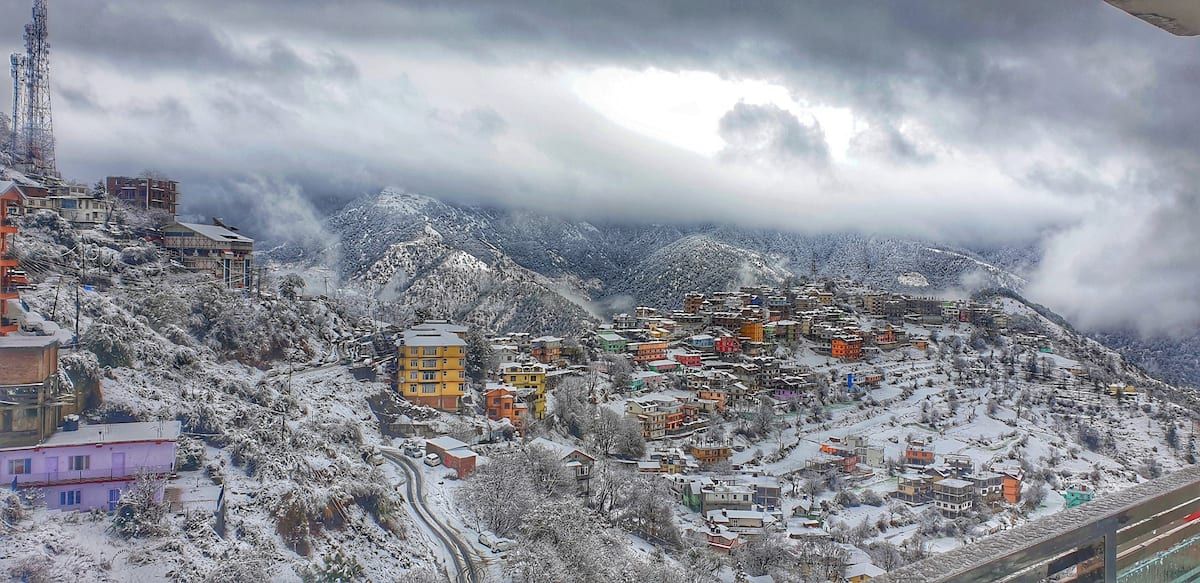
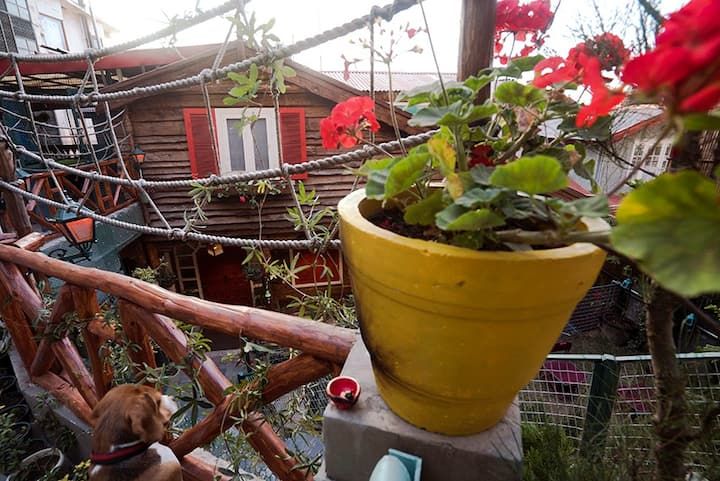
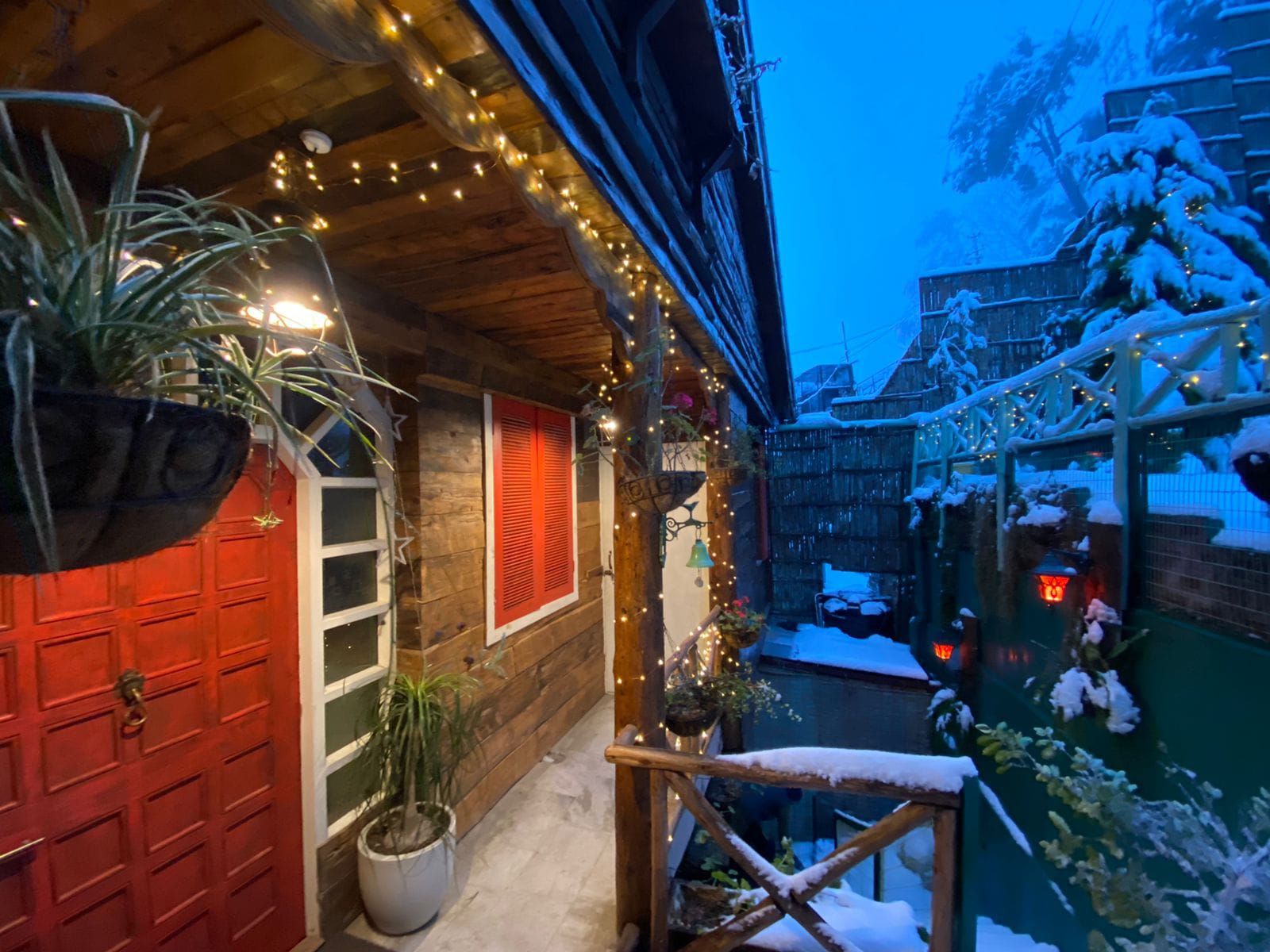
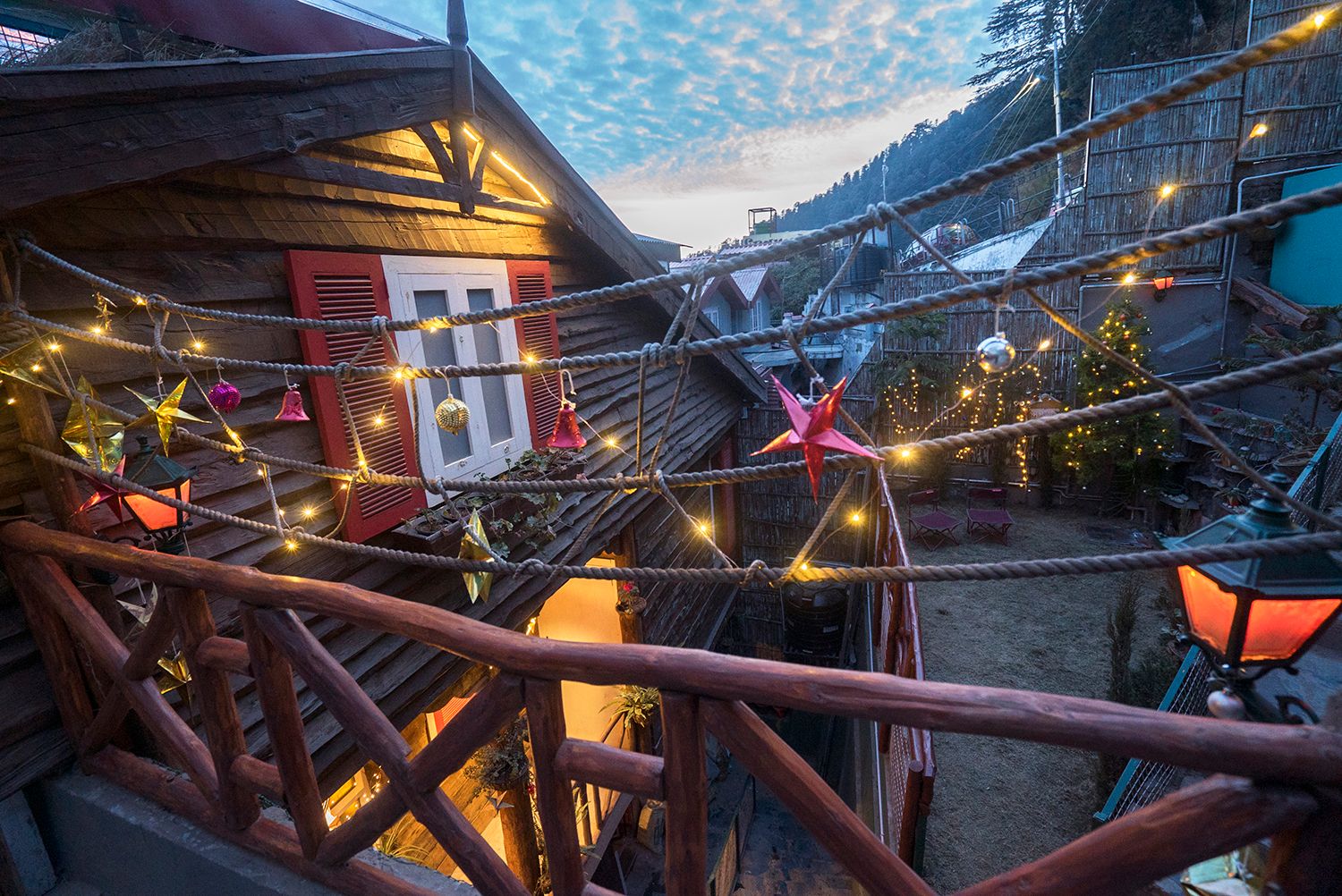
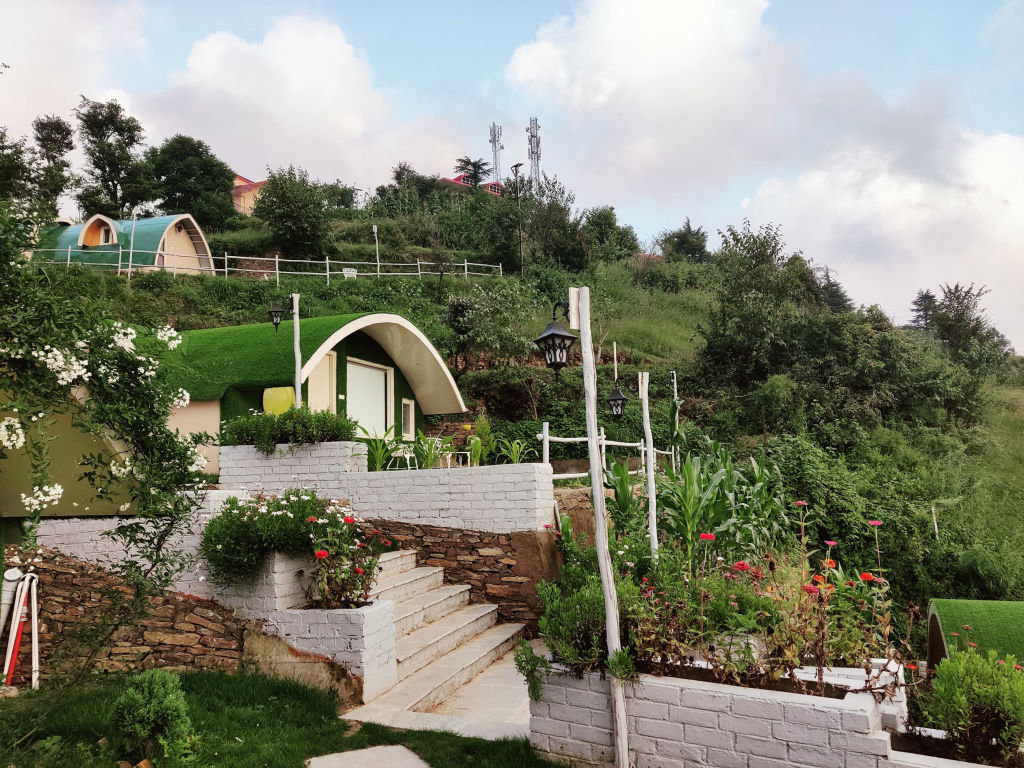
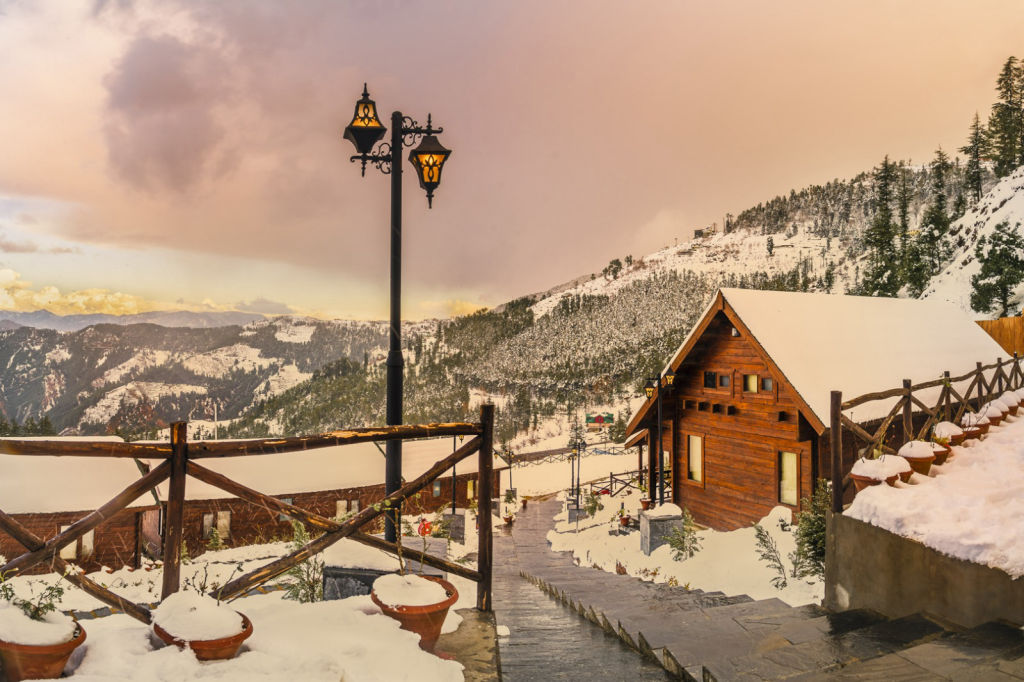
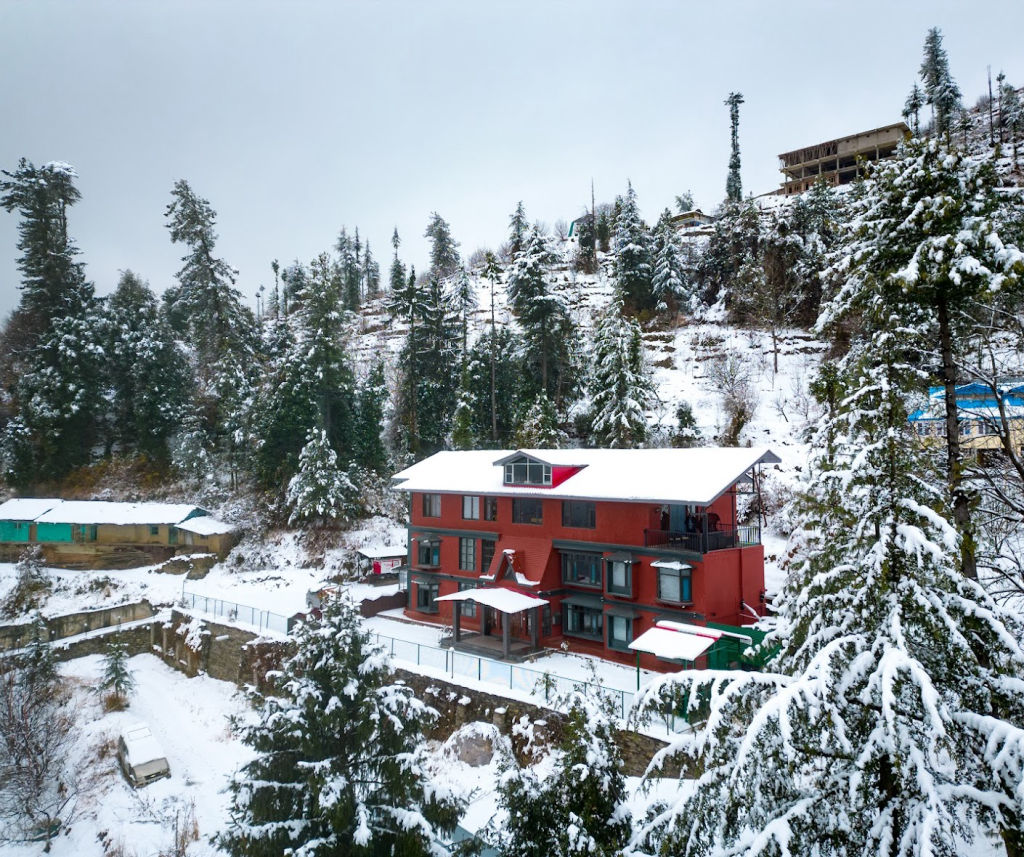
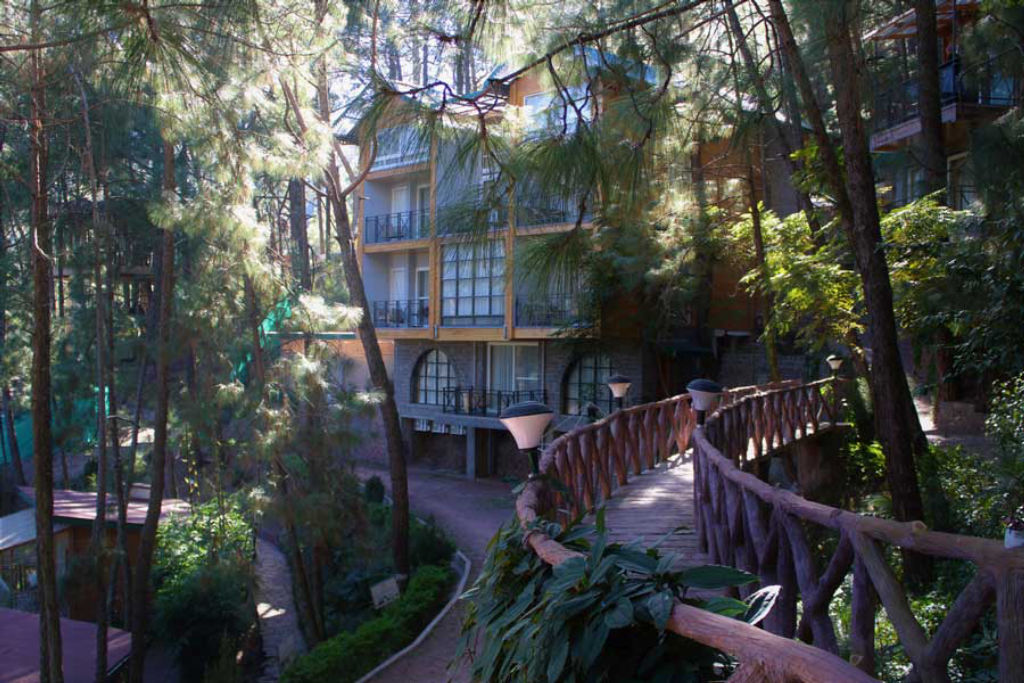
Staying near Jutogh and Shimla Rural allows travellers to enjoy tranquil hill scenery away from the dense bustle of the central town market. The area features a variety of peaceful mountain cottages, traditional countryside homestays, and scenic campsites set against pine and deodar forests.
Whether you are looking for an authentic homestay hosted by a Himachali family, a scenic nature camp on the forested fringes, or a relaxed village retreat, you can find and book an ideal stay nearby on HireACamp.
Frequently asked questions
Who was Baba Bhalku?
Baba Bhalku was a local hill ascetic whose intuitive route-finding and staff-tapping technique helped British engineers survey and align the challenging Kalka-Shimla narrow-gauge railway.
Where is Baba Bhalku Rail Museum located?
The museum is situated in the Shimla Rural region of Himachal Pradesh, near the town of Jutogh and close to the historical rail route of Shimla.
What kind of items are exhibited in the museum?
Visitors can see rare historical photographs, colonial-era brass lamps, operational instruments, seals, track tools, vintage uniforms, and antique dining crockery from the Kalka-Shimla line.
How much time is needed to explore the museum?
Most travellers spend between 45 minutes to an hour exploring the galleries and reading the informative historical displays.
Can I visit other attractions alongside Baba Bhalku Rail Museum?
Yes, nearby spots like Tara Devi Hill, Sadhupul Lake, Shree Ramlok Mandir, and Shimla's iconic Ridge are within easy driving distance.
Where you'll be
Shimla Rural(T) · 12 stays nearby shown with prices
Stays near Baba Bhalku Rail Museum
Book a place to stay close by
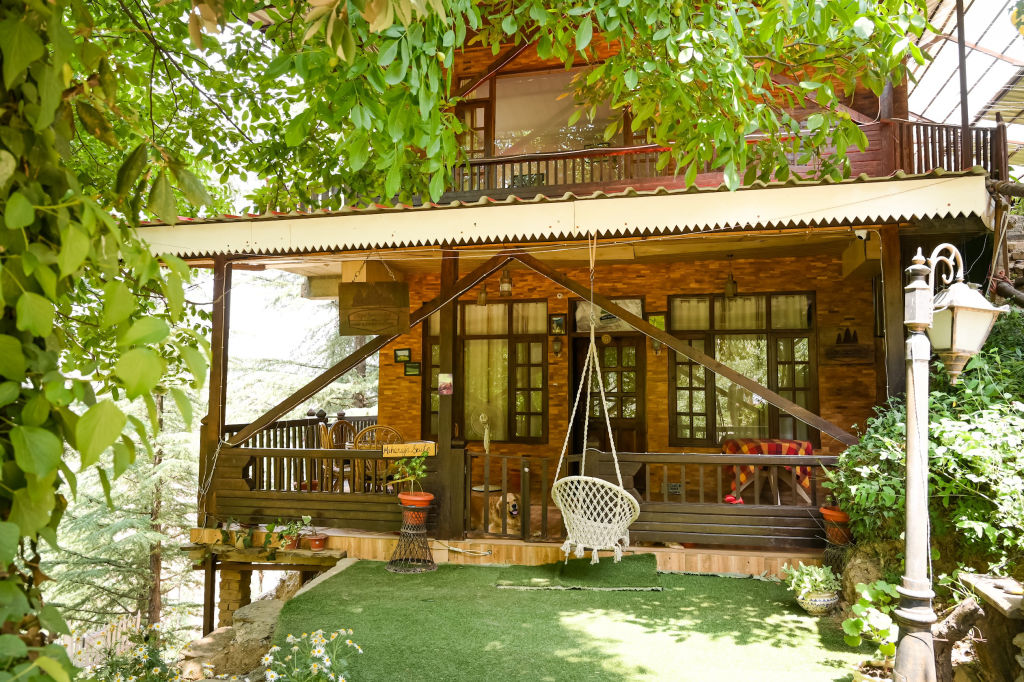
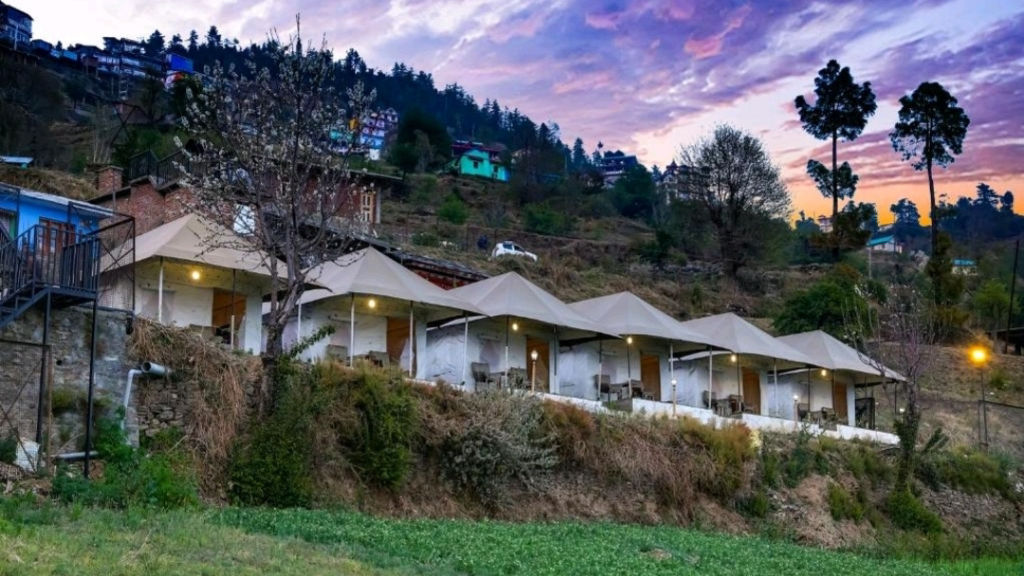
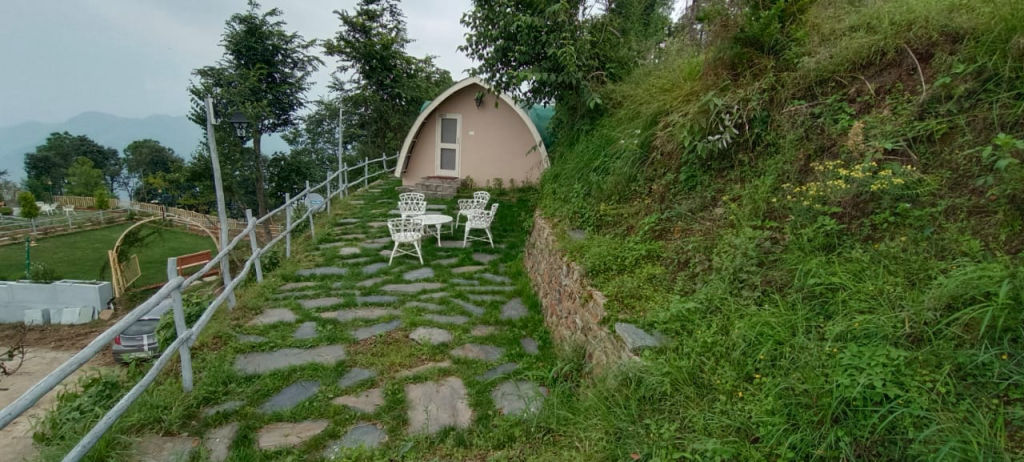
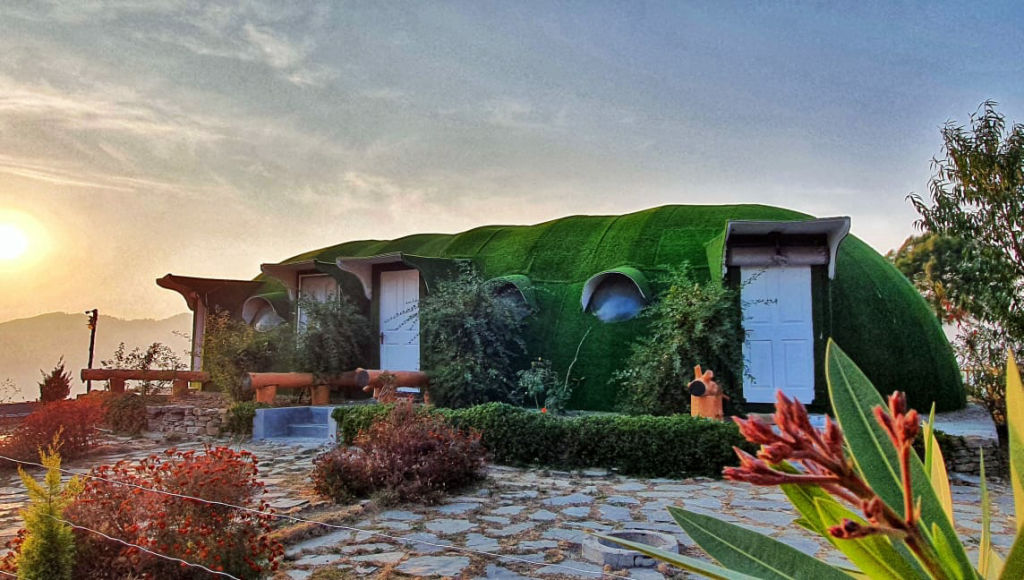
More places near Baba Bhalku Rail Museum
Within 20 km


Lists for this area
Ranked by how many creators recommend each place


Built from 0 Instagram posts by 0 creators. Every tip links back to the post it came from, and where creators disagree we show both sides.






