
Ballarpur
Destination in Maharashtra
Ballarpur, historically known as Ballalpur, is an industrial and heritage town situated in the Chandrapur district of eastern Maharashtra. Resting on the eastern bank of the Wardha River, the town is widely recognized for its ancient Gond-era fortifications, extensive paper manufacturing, and coal mining heritage. Travellers often visit to explore its historic riverside ruins and use it as a strategic transit hub for wilderness excursions into the Tadoba forest belt.
Getting there
By road
- From Nagpur3 hr 55 min · 187 km
- From Hyderabad8 hr 30 min · 413 km
Typical drive times without traffic. Stations and airports from OLA Maps; distances and typical drive times from OpenStreetMap (© OpenStreetMap contributors); notes from creators' Reels.
About Ballarpur
Written with AI from map data and general knowledge. Check prices and timings locally before you go.
Understanding Ballarpur and its Heritage
Ballarpur holds a storied place in the annals of central India. Founded centuries ago by the Gond dynasty, the town served as a seat of power before the royal capital was shifted to nearby Chandrapur. The Gond king Khandkya Ballal Shah, who is credited with the founding of the settlement, established strongholds along the riverbanks that left an indelible mark on the landscape. Today, the town reflects a compelling coexistence between ancient feudal monuments and heavy industrialization.
Over the course of the twentieth century, Ballarpur transformed into a vital economic engine within Maharashtra. The establishment of major paper mills alongside deep coal reserves under Western Coalfields Limited reshaped the town into an industrial nerve centre. Even as chimney stacks and conveyor belts rose across its periphery, the cultural roots of the Gondi people and rural Vidarbha traditions remained intact. The Wardha River flows steadily alongside the settlement, carving out fertile plains and seasonal wetlands that contrast sharply with the industrial zones.
Things to See and Do in Ballarpur
A primary highlight within the town is the Ballarpur Fort, situated directly along the banks of the Wardha River. While substantial portions of the fort now lie in quiet ruin, the surviving stone bastions, defensive ramparts, and arched gateways provide a tangible connection to the Gond kings. Exploring the outer walls at sunrise or late afternoon allows visitors to examine the dry-stone construction techniques and take in panoramic views of the river as it bends through the open landscape.
Another distinctive attraction is the Ballarshah Railway Station itself. Renowned across India for its visual transformation, the station premises have been adorned with expansive murals and tribal artworks. Local artists have painted the walls with vivid depictions of Tadoba's wildlife, Gond folk traditions, and local biodiversity. Walking through the concourses offers an engaging introduction to the flora and fauna of Vidarbha before one even sets foot inside the forests.
Travellers interested in everyday town life can spend time strolling through the central bazaars. The local markets reflect the diverse communities drawn to Ballarpur's industries, offering seasonal Maharashtrian produce, local bamboo handicrafts, and roadside tea stalls where residents gather to discuss daily affairs.
Read more
Wildlife and Nature Getaways Nearby
Ballarpur serves as an exceptional springboard for exploring some of India's most celebrated wildlife habitats. Most notably, the southern and western gateways to the Tadoba Andhari Tiger Reserve, such as Moharli, are located within convenient driving distance. Moharli Lake and the adjacent buffer forests offer tranquil waterscapes where water birds congregate and wildlife occasionally approaches the shore to drink during the cooler hours of the day.
Beyond the famed tiger reserve, the broader Chandrapur district features fragmented teak woodlands, scrub forests, and seasonal water bodies that sustain a wide range of native fauna. Sloth bears, leopards, spotted deer, and wild boars roam the peripheral jungles, while raptors and wetland birds frequent the rural water tanks. Planning a day trip from Ballarpur toward the forest peripheries offers an ideal escape into untamed central Indian wilderness.
Best Time to Visit Ballarpur
The climate in Ballarpur is typical of the Vidarbha region, characterized by distinct seasonal extremes. The winter months from October to February are generally considered the best time to visit. During this period, daytime temperatures remain moderate and pleasant for sightseeing around the fort ruins, while nights can become surprisingly cool and crisp. This season also coincides with optimal conditions for birdwatching and wildlife safaris in the surrounding district.
From March onward, summer arrives with formidable intensity. Temperatures frequently climb above forty degrees Celsius through April and May, making outdoor excursions arduous during the middle of the day. However, wildlife sightings around remaining waterholes in nearby reserves often peak during late summer. The monsoon season, which runs from late June through September, brings relief from the heat and transforms the parched brown countryside into vibrant green fields, though high humidity and swollen river levels can limit certain outdoor pursuits.
How to Reach Ballarpur
Ballarpur is unusually well connected by rail due to its role as a key junction on the major north-south railway corridor of India. Ballarshah Junction serves as a crucial stop for long-distance express trains connecting Delhi, Mumbai, Chennai, Bengaluru, and Hyderabad. The station handles round-the-clock traffic, making rail travel the most convenient and dependable option for arriving directly in town.
By road, Ballarpur is linked to the district headquarters at Chandrapur, located just a short drive to the north. Regular state transport buses, auto-rickshaws, and private taxis run between the two towns continuously throughout the day. For travellers arriving by air, Dr. Babasaheb Ambedkar International Airport in Nagpur is the closest major commercial airport. From Nagpur, visitors can reach Ballarpur by hiring a private vehicle or boarding an intercity train, traversing the route in approximately three to four hours depending on traffic and train schedules.
Tips for Travellers Visiting Ballarpur
Because Ballarpur experiences intense heat for much of the year, packing light, breathable cotton clothing and carrying sun protection such as hats, sunglasses, and high-factor sunscreen is essential. Staying consistently hydrated is critical if you are exploring the outdoor ramparts of the fort or walking through the open town streets.
If you intend to combine your visit to Ballarpur with a safari into Tadoba or excursions to Moharli Lake, make sure to plan safari permits and vehicle bookings well in advance, as quotas for forest entry are strictly monitored. When wandering around the historic fort along the river, wear sturdy footwear, as pathways through the ruins are unpaved, uneven, and surrounded by wild brush. Travellers should also verify local guidance before venturing near the riverbank during the monsoon, when water levels can rise rapidly.
Where to Stay in and Around Ballarpur
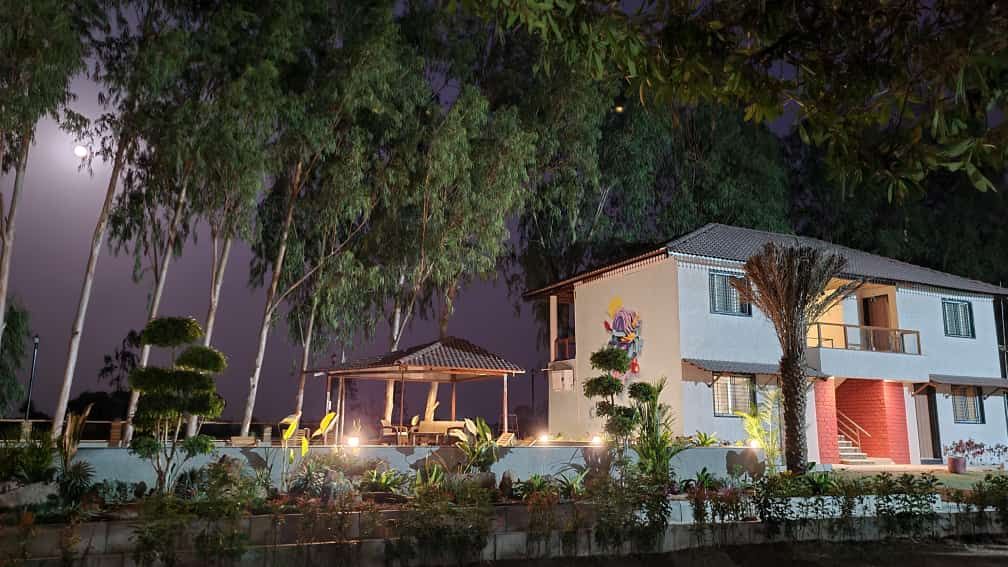
Accommodation choices directly inside Ballarpur mainly cater to business travellers, transit passengers, and budget visitors seeking straightforward urban lodging. Many travellers choosing to explore the wider region base themselves along the natural fringes outside the town, closer to the forested zones and village outskirts.
For those looking for authentic rural settings, tranquil nature retreats, or tented open-air camps within easy reach of the wilderness corridors, HireACamp provides access to unique local stays and scenic getaways throughout the Chandrapur region. Booking in the surrounding buffer belts lets you enjoy serene starry skies, campfire evenings, and peaceful village surroundings away from the hustle of industrial centres.
Frequently asked questions
What is the historical significance of Ballarpur Fort?
Ballarpur Fort was constructed during the reign of the Gond rulers, notably King Khandkya Ballal Shah, prior to the shifting of the royal capital to Chandrapur. Situated on the banks of the Wardha River, the fort served as a fortified stronghold and royal residence, featuring thick stone bastions and strategic riverfront defences.
Why is the Ballarshah Railway Station famous?
Ballarshah Junction gained widespread recognition for its beautification project, which transformed the station walls into an open gallery of tribal Gond paintings and detailed murals celebrating the wildlife of the Tadoba forests.
How far is Ballarpur from Tadoba Andhari Tiger Reserve?
The southern entry gates of Tadoba, such as the Moharli gate, are located approximately 35 to 40 kilometres from Ballarpur, making the town a convenient transit stop for travellers heading into the reserve.
What is the best season to plan a trip to Ballarpur?
The ideal period to visit is from October to February, when temperatures are comfortable for walking around historic sites and exploring nearby nature reserves without the oppressive heat of summer.
How do I reach Ballarpur from Nagpur?
You can reach Ballarpur from Nagpur by boarding one of the frequent express trains that stop at Ballarshah Junction, or by road via private taxi or state transport bus, which typically takes around three to four hours.
Where you'll be
1 stay nearby shown with prices
Stays near Ballarpur
Book a place to stay close by
Things to do in Ballarpur
31 places creators recommend within 30 km
Built from 0 Instagram posts by 0 creators. Every tip links back to the post it came from, and where creators disagree we show both sides.






