
Banas River
Riverside spot near Nathdwara, Rajasthan
1.3 km from Nathdwara
The nearest town, for stays, food and fuel.
The Banas River flows through the heart of the Mewar region in Rajasthan, skirting past the pilgrimage town of Nathdwara. Originating in the nearby Khamnor Hills of the Aravalli Range, its banks and wide riverbed offer an open, quiet natural setting close to significant historical and cultural landmarks. Travellers stop here to enjoy calm riverside walks, observe rural Rajasthani life, and take a peaceful pause amidst the scenic desert-edge topography.
Getting there
By road
- From NathdwaraNearest town8 min · 2.6 km
- From Jodhpur4 hr 10 min · 206 km
- From Ahmedabad6 hr 20 min · 310 km
- From Jaipur7 hr 10 min · 353 km
Typical drive times without traffic. Stations and airports from OLA Maps; distances and typical drive times from OpenStreetMap (© OpenStreetMap contributors); notes from creators' Reels.
About Banas River
Written with AI from map data and general knowledge. Check prices and timings locally before you go.
The Banas River at Nathdwara
The Banas River is one of the most significant watercourses in Rajasthan, holding deep cultural and ecological importance for the Mewar region. Its headwaters rise just southwest of Nathdwara in the Khamnor Hills of the Aravalli Range. Because it is an entirely intra-state river that eventually joins the Chambal, the Banas has sustained local agriculture, historic settlements, and biodiversity across southern Rajasthan for centuries.
Around Nathdwara, the river winds through a terrain characterized by low rocky ridges, scrub forests, and broad sandy floodplains. While the town is renowned across India for its spiritual landmarks, the banks of the Banas provide an unhurried, natural contrast. Here, the riverbed opens up wide, offering expansive views of open skies, native thorn scrub, and pastoral countryside where local herdsmen graze their cattle.
Landscape and natural setting
The Banas is predominantly a seasonal river fed by monsoonal downpours and watershed drainage from the surrounding Aravalli hills. During the rainy season and the cooler months that follow, shallow streams and channels meander through broad banks of silt, fine sand, and smooth river pebbles. In drier stretches of the year, parts of the riverbed reveal expansive sandy stretches fringed by hardy riparian vegetation.
The banks support a diverse variety of indigenous trees and shrubs, such as babool, neem, and date palms, along with hardy grasses that secure the sandy soils. This riparian corridor serves as a sanctuary for local birdlife. Early mornings often reveal species such as white-throated kingfishers, egrets, pond herons, red-wattled lapwings, and migratory waterbirds that pause in the shallow pools. It is a quiet ecosystem that showcases the resilient beauty of Rajasthan's river valleys.
Read more
Best time to visit Banas River
The ideal time to visit the Banas River near Nathdwara is from late August through February. The late monsoon months of August and September bring life to the river basin, filling the dry channels with flowing water and turning the surrounding scrub hills surprisingly green. The air is cool and clean during this period, making outdoor time along the banks very pleasant.
The winter season, lasting from November to February, brings daytime temperatures that are moderate and comfortable, usually accompanied by clear blue skies. Nights and early mornings can get fairly chilly, which adds to the charm of morning walks along the riverbed. By late March, the summer heat begins to intensify significantly. May and June see very high afternoon temperatures, and the river largely recedes into scattered pools and dry sandbanks, making daytime exploration uncomfortable.
Things to do along the river
Spending time along the Banas River is primarily an exercise in slowing down and appreciating Rajasthan's rural outdoors. A morning or late-afternoon stroll along the banks offers sweeping vistas of the riverbed and the hills on the horizon. The open horizons make it a rewarding spot for outdoor photography, especially around sunrise and golden hour when the light bounces softly off the water and wet sand.
Birdwatching is another popular activity. The isolated pools and sluggish channels attract varied avian life, making a pair of binoculars well worth carrying. Visitors who prefer quiet contemplation often find a shady spot under the trees lining the high banks to read, sketch, or enjoy a picnic. It is advisable to tread lightly, take all waste back with you, and steer clear of waterlogged clay sections along the deeper water pools.
Places to explore nearby
The stretch around Nathdwara is rich with historical, architectural, and natural attractions situated within a short drive. Rakt Talai and the Haldighati Museum, both roughly 9 to 13 kilometres away, offer an immersive look into the historic Battle of Haldighati and the life of Maharana Pratap. Nearby, the Maharana Pratap National Monument stands as another important commemorative site.
For those interested in regional heritage and architecture, Kumbhalgarh Fort sits approximately 33 kilometres to the northwest, perched high on the Aravalli crest with its famous defensive walls and rugged surroundings. Chikalwas Dam, about 14 kilometres away, offers another pleasant waterside stop. Pilgrims and cultural travellers can also visit local shrines such as Kunteshwar Mahadev Temple, Shree Vitthalnathji Mandir, Charbhuja Temple, and Dwarkadhish Temple, all scattered within a convenient radius across the Rajsamand district.
Travel tips for your visit
Before heading down to the riverbed, take time to observe the ground conditions. During and right after the monsoon, water levels can rise quickly following rainfall in the catchment areas of the Aravallis, and saturated river sands can be treacherous underfoot. Always maintain a sensible distance from swift currents or deep mud.
Comfortable, sturdy footwear that can handle sand, dust, and gravel is essential. Sun protection, including a wide-brimmed hat, sunglasses, and high-SPF sunscreen, is recommended year-round given the lack of tree shade directly on the open river plain. Carry plenty of drinking water, particularly outside the winter months. There are no commercial facilities on the natural riverbanks, so make sure to pack necessary essentials and respect the local ecosystem by leaving no litter behind.
How to reach Banas River
The Banas River skirts Nathdwara, which is well-connected by road to the rest of Rajasthan. Udaipur is the primary transit gateway, located roughly 40 to 50 kilometres to the south along National Highway 58. State transport buses, private coaches, and intercity taxis connect Udaipur and other surrounding towns directly to Nathdwara at regular intervals.
The nearest airport is Maharana Pratap Airport in Dabok, near Udaipur, which handles daily flights from major Indian metropolitan centres. For rail travellers, Mavli Junction and Udaipur City railway stations provide broad-gauge rail connectivity to broad national networks. From Nathdwara town centre, local auto-rickshaws or private vehicles can easily transport visitors to various quiet vantage points and crossings along the Banas.
Where to stay
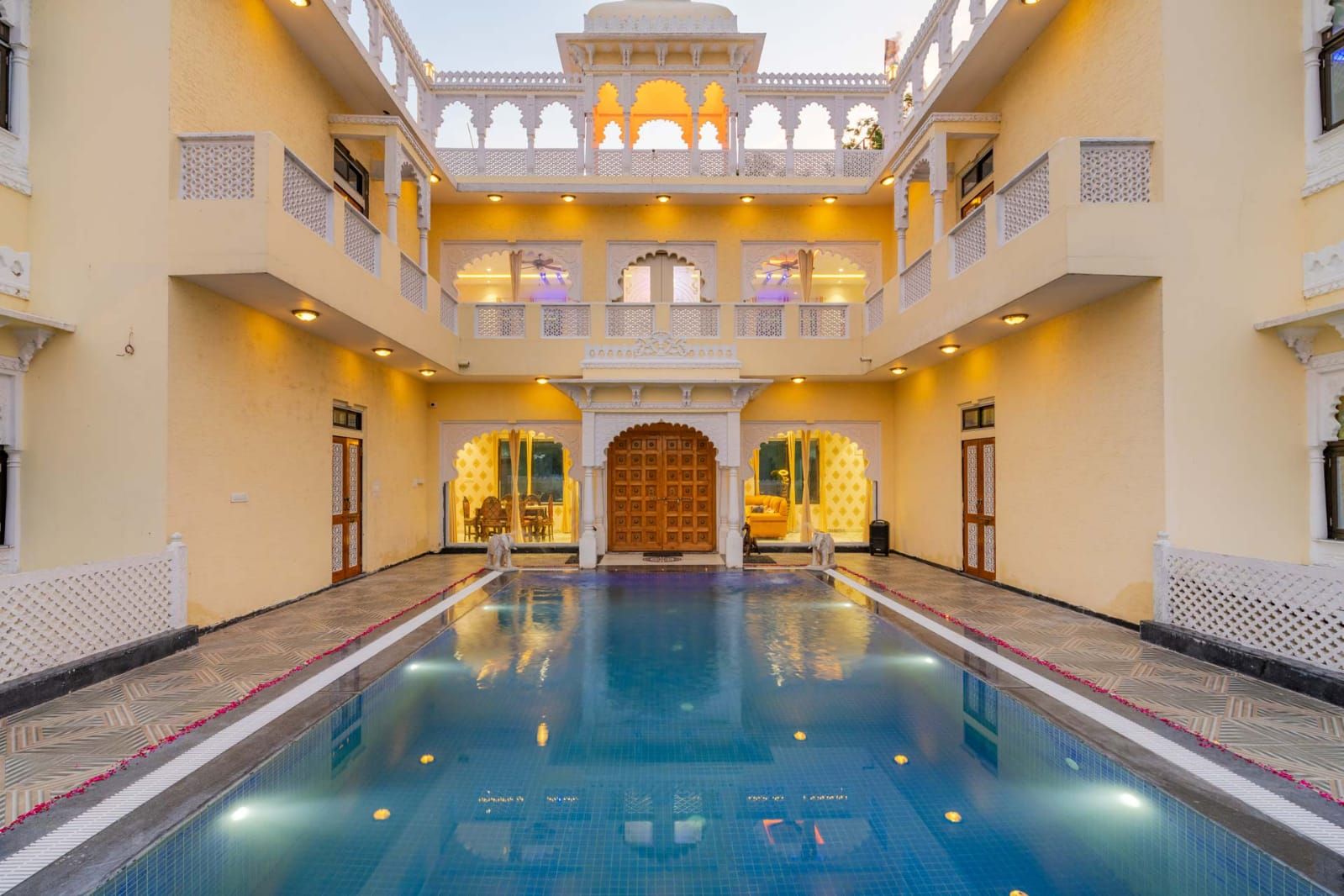
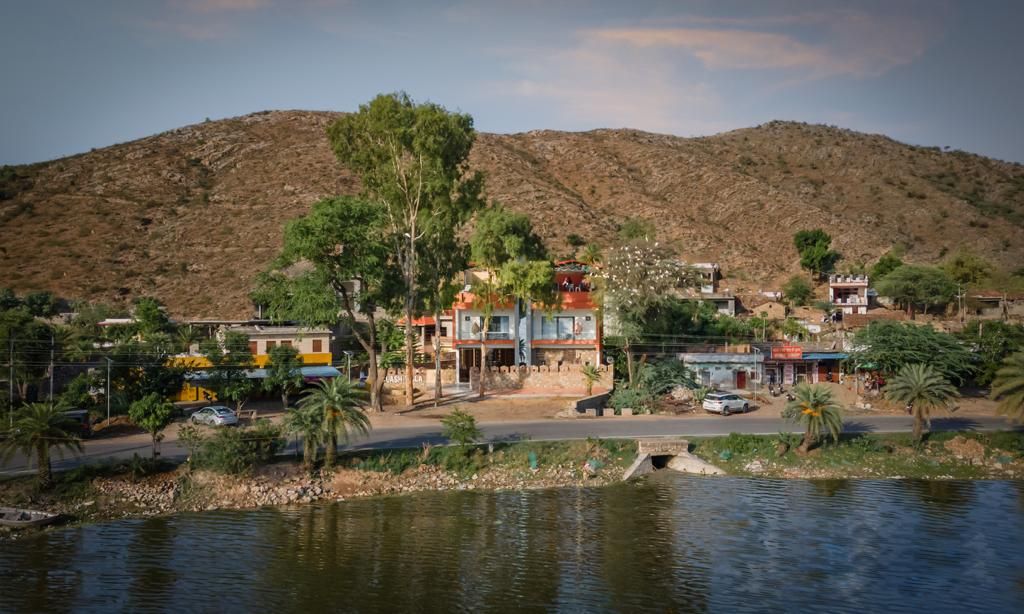
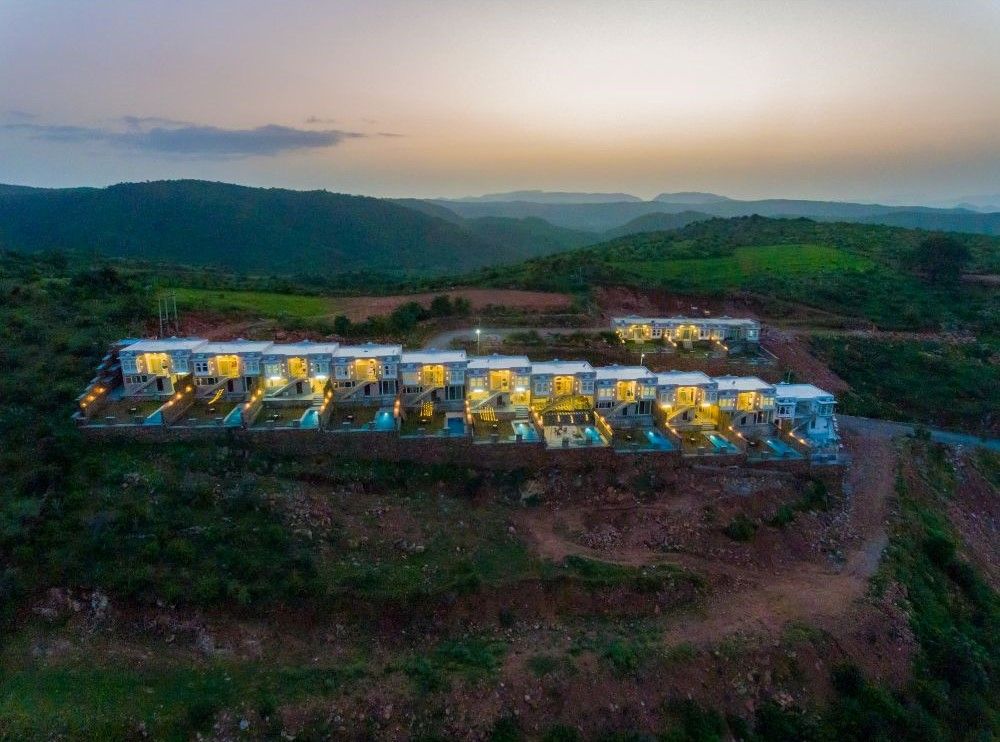
Travellers visiting the Banas River and Nathdwara can choose from a range of traditional and experiential accommodations in the surrounding countryside. If you are seeking rural stays, quiet homestays, or riverside camps set amidst the hills and farm fields of southern Rajasthan, you can browse available options on HireACamp. Booking in advance is recommended during holiday periods and festival dates when Nathdwara attracts large numbers of travellers.
Frequently asked questions
Is the Banas River perennial or seasonal?
The Banas River is largely a seasonal river that flows strongly during and immediately after the monsoon. During the hot summer months, surface flow often dries up, leaving sandbanks and scattered pools.
Can you swim in the Banas River near Nathdwara?
Swimming is generally not recommended due to shifting sand bottoms, unpredictable currents during high-water periods, and variable water depths. Visitors are advised to enjoy the river from the banks.
How far is the Banas River from Udaipur?
The river sections near Nathdwara are approximately 45 kilometres north of Udaipur, which takes around one hour by car via National Highway 58 under typical driving conditions.
Are there entry fees or set timings to visit the riverbanks?
There are no official entry fees or standard opening hours for visiting natural stretches of the riverbank, but it is best to visit during daylight hours between sunrise and dusk for safety.
What historic sites are close to the Banas River in this region?
The historic pass of Haldighati, Rakt Talai, the Maharana Pratap National Monument, and the mountain fortress of Kumbhalgarh are all located within convenient driving distance of the river.
Where you'll be
Nathdwara · 3 stays nearby shown with prices
Stays near Banas River
Book a place to stay close by
More places near Banas River
Within 20 km
Built from 0 Instagram posts by 0 creators. Every tip links back to the post it came from, and where creators disagree we show both sides.






