
Banashankari Amma Temple
Temple near Bengaluru, Karnataka
6.5 km from Bengaluru
The nearest town, for stays, food and fuel.
Banashankari Amma Temple is one of the most prominent and revered Hindu shrines in south Bengaluru, dedicated to Goddess Banashankari, an incarnation of Goddess Parvati. Situated along Kanakapura Road, the temple is widely known for its unique tradition of devotees lighting lamps made of hollowed lemon peels during Rahukala. Travellers and pilgrims visit to experience its deep-rooted neighbourhood traditions, lively temple fairs, and enduring spiritual significance.
Getting there
By road
- From BengaluruNearest town25 min · 8.4 km
- From Mysuru2 hr 15 min · 146 km
- From Coimbatore6 hr 20 min · 323 km
- From Chennai7 hr 10 min · 362 km
Typical drive times without traffic. Stations and airports from OLA Maps; distances and typical drive times from OpenStreetMap (© OpenStreetMap contributors); notes from creators' Reels.
About Banashankari Amma Temple
Written with AI from map data and general knowledge. Check prices and timings locally before you go.
The significance of Banashankari Amma Temple
Banashankari Amma Temple stands as an important spiritual and cultural anchor in the southern part of Bengaluru. The presiding deity is Goddess Banashankari, also venerated as Shakambhari, known in Hindu tradition as a protective and benevolent manifestation of Goddess Parvati. While the historic primary seat of Goddess Banashankari is located in Badami in northern Karnataka, this shrine in Bengaluru was established in 1915 by a devout local resident named Somanna Shetty, who brought an idol from Badami and consecrated it here.
Over the decades, the surrounding locality grew rapidly around the shrine and took the name Banashankari after the temple itself. Unlike many traditional temples where the inauspicious astrological period of Rahukala is avoided for auspicious ceremonies, Banashankari Amma Temple is celebrated specifically for rituals performed during Rahukala. Devotees believe that praying to the goddess during this window helps dispel hardship, overcome obstacles, and bring prosperity to their households.
Rituals and unique traditions
The most distinctive custom at Banashankari Amma Temple is the offering of lemon peel lamps, locally referred to as nimbe deepa. Worshippers cut fresh lemons into halves, carefully scoop out the pulp, invert the rinds to create small organic cups, fill them with oil or ghee, and light cotton wicks inside. Dedicated prayer pavilions within the temple grounds hold hundreds of these glowing citrus lamps, filling the courtyards with a warm fragrance of burning sesame oil and lemon zest.
This ritual is performed predominantly on Tuesdays, Fridays, and Sundays, which are traditional days of reverence for the Mother Goddess. Tuesday afternoon Rahukala draws especially massive crowds of women and families. Alongside the daily aratis and special abhishekams, the temple hosts grand festivities during the nine days of Navaratri and during the annual chariot festival, known as Banashankari Jatre, when the utsava murti is taken through the surrounding streets in an ornate wooden ratha.
Read more
Best time to visit Banashankari Amma Temple
Bengaluru enjoys a moderate and pleasant climate for most of the year, making the temple accessible across all seasons. The winter months from October to February are generally the most comfortable time to visit, characterized by cooler daytime temperatures and mild, breezy evenings that make standing in outdoor queues far more agreeable.
Travellers interested in witness-bearing regional religious culture should plan their visit during the festive periods. Sharad Navaratri, occurring between September and October, brings elaborate floral decorations, classical musical programmes, and continuous pujas. Another major occasion is the annual temple fair held during the Hindu month of Pushya, typically falling in December or January, when vibrant market stalls line the surrounding avenues. If you prefer a quiet and unhurried visit, weekday mornings outside of Rahukala timings offer the most peaceful atmosphere.
How to reach Banashankari Amma Temple
Banashankari Amma Temple is located directly on Kanakapura Road in south Bengaluru, making it one of the easiest landmarks in the city to reach via public transit. The Banashankari Metro Station on the Green Line of Namma Metro is situated directly across from the temple entrance, allowing travellers to arrive quickly from major transport hubs such as Majestic, Yeshwanthpur, and the central shopping districts.
For those travelling by bus, the Banashankari Bus Terminal is located right beside the temple, with numerous city buses connecting it to virtually every corner of the Bengaluru metropolitan area. Auto-rickshaws and app-based cabs operate continuously throughout the district. If you are arriving from Kempegowda International Airport, the journey spans approximately forty-five kilometres and typically takes an hour and a half to two hours depending on city traffic.
Places to visit around the temple
A visit to Banashankari Amma Temple can easily be combined with several cultural and natural highlights in south and central Bengaluru. Just two kilometres away is Ranga Shankara, a celebrated community theatre space in JP Nagar known for staging plays, musical performances, and cultural readings almost every evening.
A short drive north brings you to Lalbagh Botanical Garden, a historic two-hundred-and-forty-acre expanse featuring century-old trees, a serene lake, and a famous iron-and-glass conservatory inspired by London's Crystal Palace. Nearby, history lovers can explore Tipu Sultan's Summer Palace, an elegant two-storey teakwood monument built in the late eighteenth century. If you are interested in a longer day trip, heading south leads to Bannerughatta National Park with its protected forests and wildlife safari, while travelling west toward Magadi leads to the monolithic granite summit of Savandurga Hill.
Tips for your visit
Because crowds peak dramatically during Rahukala on Tuesdays, Fridays, and Sundays, plan your visit early in the morning if you want to avoid lengthy queues. Expect waiting times to lengthen considerably during festival periods and public holidays.
Visitors are requested to dress modestly in line with traditional Indian temple etiquette. Footwear is not permitted inside the inner perimeter, and safe shoe-keeping stalls are available near the gates for a nominal convenience. Stalls outside the complex sell offerings such as flowers, coconuts, and lemons for lamps, but bringing offerings is completely optional. Photography is strictly prohibited within the inner sanctum, so ensure your phone and camera remain stored away while inside the prayer halls.
Where to stay
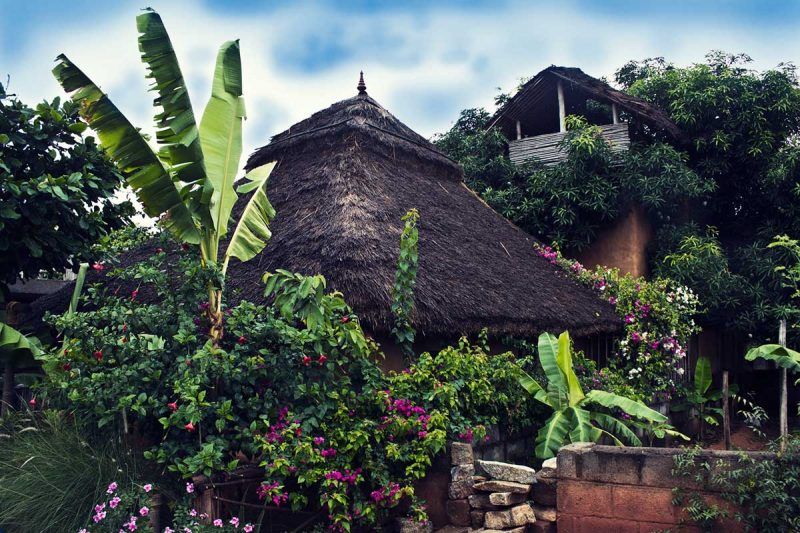
South Bengaluru offers convenient access to historic avenues, green gardens, and the rustic rural landscapes that stretch south toward the Cauvery basin. Whether you are looking for a homestay in a quiet residential neighbourhood, a farm retreat along the Kanakapura belt, or an outdoor campsite in the rocky countryside around the city, you can find and book your ideal stay on HireACamp. Staying slightly outside the dense core lets you enjoy peaceful natural surroundings while keeping the city's celebrated temples and cultural hubs within an easy drive.
Frequently asked questions
What is Banashankari Amma Temple famous for?
The temple is renowned across Karnataka for its tradition of worshipping Goddess Banashankari during Rahukala, an astrological period typically considered inauspicious, and for devotees lighting sacred lamps crafted from hollowed lemon rinds.
How do I get to Banashankari Amma Temple using the metro?
Take the Green Line of Namma Metro and disembark at the Banashankari Metro Station. The temple entrance is situated right across the street from the station exits.
When is the most crowded time at the temple?
Crowds reach their peak during Rahukala hours on Tuesdays, Fridays, and Sundays, as well as during the annual Navaratri festival and the winter Banashankari Jatre fair.
Is there a dress code at Banashankari Amma Temple?
While there is no strict institutional uniform, visitors are expected to wear modest, traditional, or conservative attire, and footwear must be removed before entering the inner temple premises.
Can I take photographs inside Banashankari Amma Temple?
Photography is strictly prohibited inside the inner sanctum and main prayer areas, though visitors may take pictures of the exterior facade from outside the active worship zones.
Where you'll be
Karnataka · 1 stay nearby shown with prices
Stays near Banashankari Amma Temple
Book a place to stay close by
More places near Banashankari Amma Temple
Within 20 km


Lists for this area
Ranked by how many creators recommend each place


Built from 0 Instagram posts by 0 creators. Every tip links back to the post it came from, and where creators disagree we show both sides.






