
Bhatsa Dam
Dam near Khardi, Maharashtra
9.1 km from Khardi
The nearest town, for stays, food and fuel.
Bhatsa Dam is an expansive earthfill and gravity dam located near the town of Shahapur in Maharashtra's Thane district. Built across the Bhatsa and Corna rivers, the reservoir serves as a primary source of municipal drinking water for Mumbai while offering scenic views of the surrounding Sahyadri hills. Travellers and nature enthusiasts visit to experience its tranquil waters, green monsoon valleys, and peaceful picnic spots away from city life.
Getting there
By road
- From KhardiNearest town33 min · 13 km
- From Nashik2 hr · 88 km
- From Mumbai 2 hr 30 min · 113 km
- From Pune4 hr · 193 km
Typical drive times without traffic. Stations and airports from OLA Maps; distances and typical drive times from OpenStreetMap (© OpenStreetMap contributors); notes from creators' Reels.
About Bhatsa Dam
Written with AI from map data and general knowledge. Check prices and timings locally before you go.
About Bhatsa Dam
Constructed in the late twentieth century across the Bhatsa and Corna rivers, Bhatsa Dam is one of the most critical hydraulic structures supplying municipal drinking water to the Mumbai Metropolitan Region. Situated just outside Shahapur in the Thane district of Maharashtra, the dam stands as an impressive engineering project set against the rugged backdrop of the Sahyadri mountains.
The dam impounds an enormous volume of freshwater, forming an extensive catchment basin that reaches deep into the forested valleys of the Western Ghats. Beyond its essential functions of water storage, irrigation, and power generation, the scenic nature of the reservoir has made it a favoured retreat for road-trippers and outdoor lovers from across western Maharashtra.
The landscape and setting
The landscape surrounding Bhatsa Dam is typical of the scenic Konkan foothills and the lower reaches of the Western Ghats. Rolling hillocks, dense deciduous tree cover, and small agrarian villages frame the water body on all sides. While the summer months reveal golden grasslands and exposed rock faces, the southwest monsoon blankets the entire region in vibrant green hues, feeding countless small streams that flow directly into the reservoir.
The expansive water surface creates a thriving habitat for local birdlife, particularly during the post-monsoon and winter seasons. Visitors can often spot egrets, cormorants, pond herons, and kingfishers hunting along the shallow margins. Winding rural roads border parts of the reservoir, taking travellers past quiet village settlements, fertile farms, and wooded trails that provide intermittent vistas of the shimmering blue water.
Read more
Things to do at Bhatsa Dam
A visit to Bhatsa Dam is primarily an open-air escape focused on nature appreciation, photography, and gentle relaxation. Many travellers visit simply to take long, quiet walks along the surrounding vantage roads, taking in panoramic views of the water stretching towards the mountain horizon. Early morning hours are particularly rewarding, as mist often floats across the reservoir surface before burning off under the morning sun.
The peaceful tree-shaded clearings and gentle slopes near the backwaters serve as popular picnic destinations for families and small groups. It is an ideal setting to relax with homemade snacks, read a book, or sketch the landscape. Nature and birding enthusiasts can carry a pair of binoculars to watch avian activity in the surrounding foliage. When water levels are high during the monsoon, observing the controlled release of water downstream is a majestic sight, though visitors must always stay within designated and safe observation zones.
Best time to visit Bhatsa Dam
The optimal time to plan a trip to Bhatsa Dam is either during the monsoon months from July to September or throughout the cooler winter period between October and February. Each season presents a distinct natural setting.
During the monsoon, the region experiences substantial rainfall that turns the hillsides lush and ensures the reservoir is filled to capacity. Heavy mist, low-hanging clouds, and the sound of rushing water make this the most popular period for photography and scenic road drives. For travellers who prefer crisp, dry weather suitable for walking and exploring nearby country lanes without getting wet, the post-monsoon and winter months are ideal. Between November and February, daytime temperatures remain moderate and pleasant, followed by comfortably cool evenings.
How to reach Bhatsa Dam
Bhatsa Dam is easily reached by road from major urban hubs such as Mumbai, Thane, and Nashik. From Mumbai and Thane, drivers take the Mumbai-Nashik Highway (National Highway 160) towards Shahapur. From Shahapur town, local asphalt roads branch off toward the dam catchment area. The road journey usually takes roughly two to three hours under normal traffic conditions.
For visitors travelling from Nashik, the route leads southwest along the same highway, descending through the scenic curves of Kasara Ghat before reaching Shahapur. If you choose to travel by public transit, suburban local trains on the Central Railway network run frequently from Mumbai to Asangaon or Atgaon railway stations. From these stations, local auto-rickshaws, shared taxis, or local buses can be hired to complete the final leg of the journey, though having a personal car or bike offers the greatest freedom to explore the shoreline.
Places to visit near Bhatsa Dam
The region around Shahapur and the adjoining Igatpuri range offers a wealth of natural and historical attractions that pair nicely with a trip to Bhatsa Dam. A short drive away lies Tansa Lake, another expansive freshwater lake surrounded by a peaceful wildlife reserve known for forest trails and birdwatching. Slightly farther northeast along the Sahyadri range, travellers can seek out Ashoka Waterfall and Bhavali Dam, both celebrated for their seasonal cascades and dramatic vantage points.
For those interested in hiking and historical exploration, the ancient hilltop forts of Gorakhgad and Kavnai offer rewarding trekking routes with expansive views over the surrounding plains. The world-renowned Sandhan Valley and the towering peak of Kalsubai, the highest point in Maharashtra, are also situated in this broader geographical belt. Culture enthusiasts can visit the historic Shree Amruteshwar Temple at Ratanwadi, an intricately carved stone shrine dedicated to Lord Shiva that dates back to the twelfth century.
Tips for travellers visiting Bhatsa Dam
Because Bhatsa Dam is a vital municipal water asset, security regulations are actively enforced. Access to the main dam crest and operational control buildings is generally restricted to authorised personnel. Travellers should pay close attention to local signage, respect barriers, and follow any directions given by security guards on duty.
Swimming in the reservoir is dangerous and should be avoided entirely. Water depths can drop off suddenly, and underwater currents combined with soft silt present serious risks to swimmers. When visiting, keep in mind that commercial facilities and food stalls near the water's edge are minimal. It is wise to bring your own drinking water, food, and basic emergency supplies. During the monsoon, ensure you have rain gear, waterproof footwear with reliable grip, and water-resistant bags for electronics. Finally, visitors are urged to carry back all plastic wrappers, bottles, and food containers to preserve the cleanliness of this essential watershed.
Where to stay near Bhatsa Dam
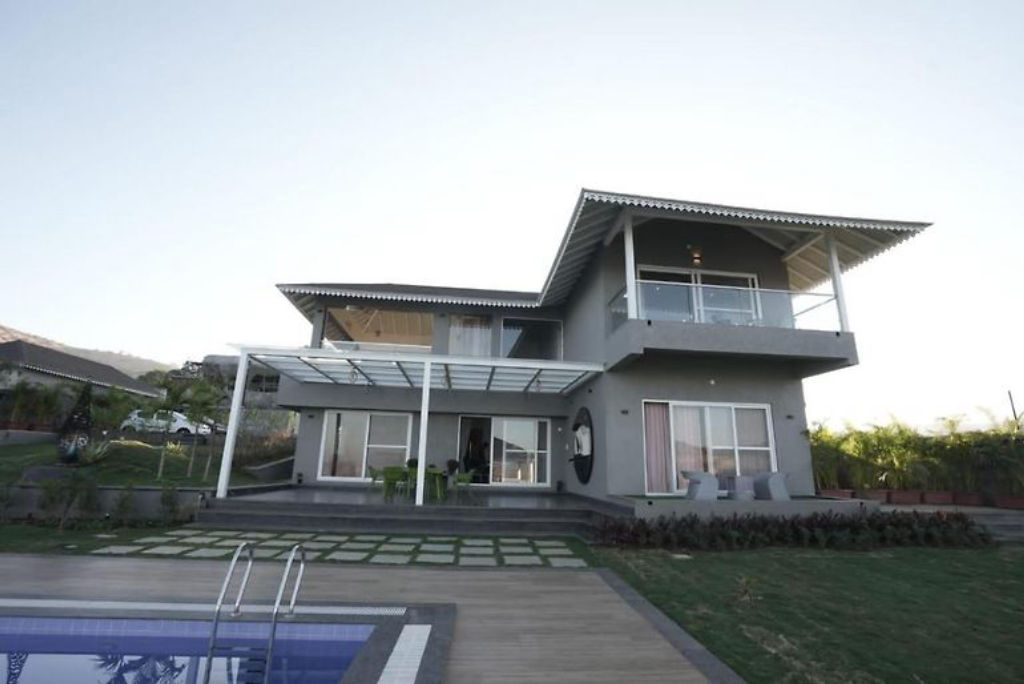
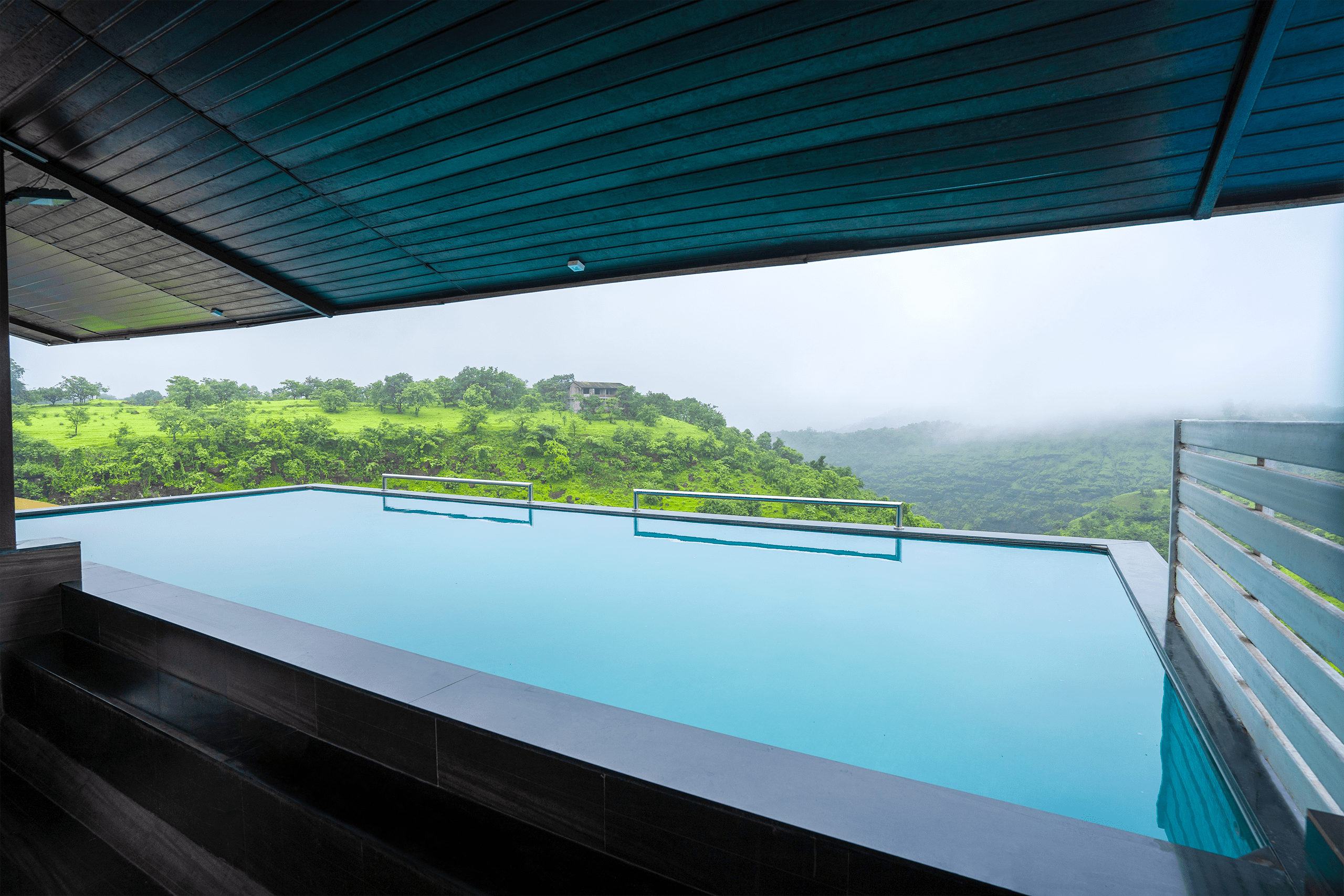
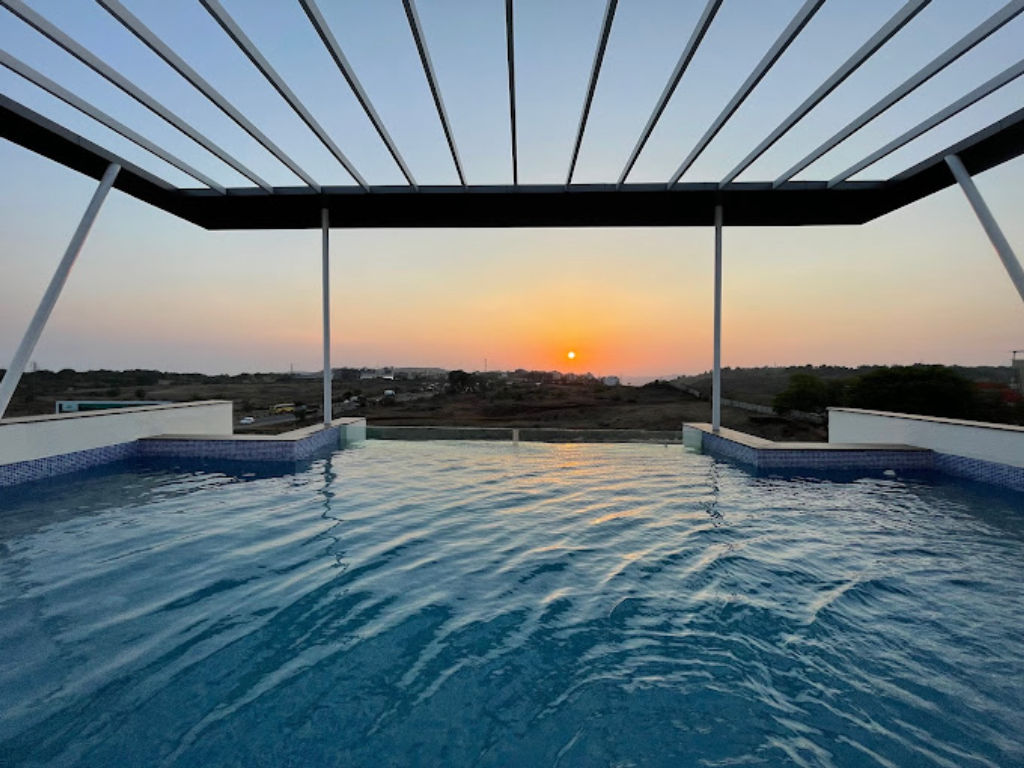
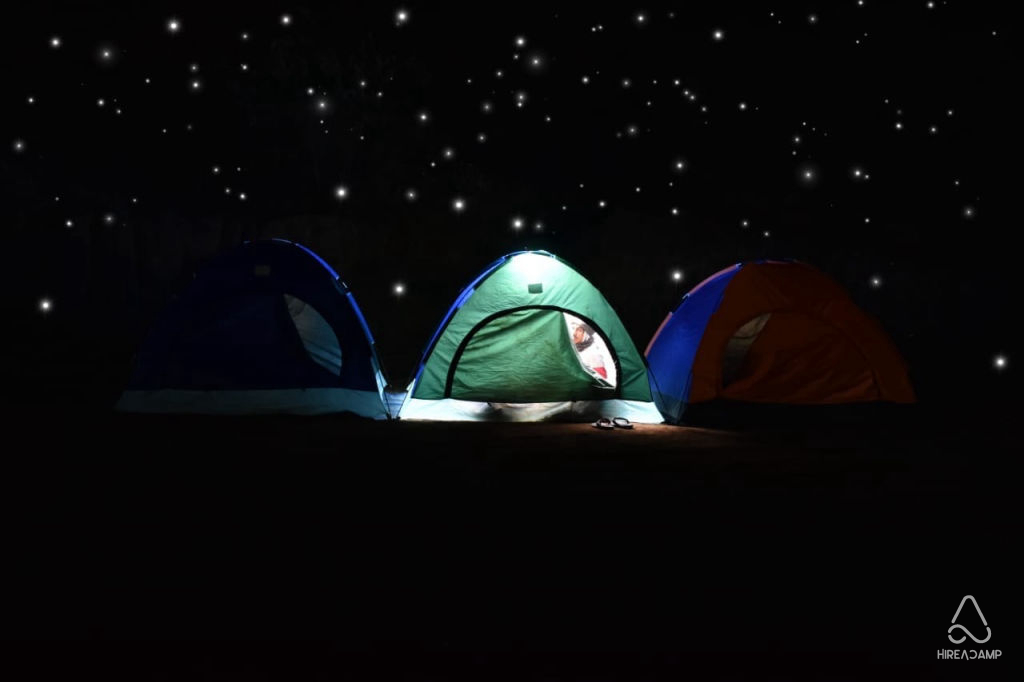
If you wish to turn your visit into an overnight weekend escape, the countryside around Shahapur offers several nature-centric lodging possibilities. Accommodations in the region focus on open-air relaxation, ranging from rustic riverside campsites and family-friendly farm stays to comfortable eco-cottages tucked into the rural greenery.
To explore and reserve rural stays, outdoor campsites, and independent homestays near Bhatsa Dam and the surrounding Sahyadri foothills, you can browse available options on HireACamp. Arranging your stay well in advance is recommended during peak monsoon weekends and winter public holidays when nature escapes across Maharashtra see high demand.
Frequently asked questions
Where is Bhatsa Dam located?
Bhatsa Dam is located near Shahapur in the Thane district of Maharashtra, India, situated along the foothills of the Western Ghats.
Can visitors swim in Bhatsa Dam?
Swimming in the dam reservoir is not permitted and is unsafe due to deep water, strong currents, and thick underwater silt.
What is the best time of year to visit Bhatsa Dam?
The monsoon months from July to September offer lush green scenery and full waters, while the winter period from October to February brings pleasant, dry weather for sightseeing.
Is Bhatsa Dam suitable for a day trip from Mumbai?
Yes, Bhatsa Dam is typically a two- to three-hour drive from Mumbai and Thane via National Highway 160, making it an easy and rewarding day trip.
Are there entry fees or visitor permissions required for Bhatsa Dam?
While public roadside viewpoints around the reservoir are free to access during daylight hours, the operational dam wall and crest gates are restricted, and visitors must check local security regulations upon arrival.
Where you'll be
Bhatsa Dam, nagar, Shahapur, MH · 4 stays nearby shown with prices
Stays near Bhatsa Dam
Book a place to stay close by
More places near Bhatsa Dam
Within 20 km


Lists for this area
Ranked by how many creators recommend each place


Built from 0 Instagram posts by 0 creators. Every tip links back to the post it came from, and where creators disagree we show both sides.






