
Bhongir Fort
Fort near Bhongir, Telangana
600 m from Bhongir
The nearest town, for stays, food and fuel.
Bhongir Fort, also known as Bhuvanagiri Fort, is an imposing medieval hill fortification situated atop a massive monolithic granite rock in Telangana. Built during the Western Chalukya dynasty, the site attracts trekkers, outdoor adventurers, and history buffs eager to climb its unique dome-shaped hill. Travellers visit to explore the ruined stone citadel, see ancient rainwater cisterns, and enjoy panoramic views across the Deccan plains.
Getting there
By road
- From BhongirNearest town3 min · 1.2 km
- From Hyderabad1 hr 25 min · 48 km
Typical drive times without traffic. Stations and airports from OLA Maps; distances and typical drive times from OpenStreetMap (© OpenStreetMap contributors); notes from creators' Reels.
About Bhongir Fort
Written with AI from map data and general knowledge. Check prices and timings locally before you go.
History and architecture of Bhongir Fort
Bhongir Fort rests atop a singular, smooth, egg-shaped monolithic rock that rises dramatically above the surrounding countryside in eastern Telangana. The fortress traces its origins back to the tenth century, when it was established by the Western Chalukya ruler Tribhuvanamalla Vikramaditya VI. Originally named Tribhuvanagiri in honour of the monarch, the name gradually softened over time to Bhuvanagiri and eventually became Bhongir.
Over subsequent centuries, the citadel changed hands and was fortified by several prominent Deccan dynasties, including the Kakatiyas, the Bahmani Sultanate, the Qutb Shahis of Golconda, and later the Nizams of Hyderabad. Each ruler added defensive features and functional buildings to the site. The natural geography of the monolith, with its sheer vertical granite drops, provided formidable natural protection against invading armies. Down through the entrance levels, one can still observe remains of thick stone battlements, arched gateways, secret escape paths, and remnants of military quarters designed to withstand prolonged sieges.
The trek up Bhongir Fort
Climbing Bhongir Fort is an engaging outdoor experience that differs markedly from conventional hill treks. Rather than walking along packed-dirt paths or switchback trails, climbers make their way directly up the exposed, curving face of the granite monolith. Steps have been chiselled straight into the solid stone, and sturdy safety railings are embedded along the steeper sections to provide support.
As you ascend, the gradient steepens, giving trekkers an exhilarating sense of height with the town and highway stretching out far below. The trek generally takes between forty-five minutes and an hour and a half depending on fitness levels and the frequency of rest stops. Because there is virtually no tree cover along the exposed rock, the sun can heat up the surface rapidly. Starting early in the morning makes for a comfortable and breezy climb, allowing you to witness the sunrise lighting up the Telangana countryside.
Read more
What to see at the summit
Reaching the summit of Bhongir Fort reveals a vast stone plateau populated by remnants of the fortress's storied past. At the highest point stands the ruined royal palace, also known as the mahal, constructed with stone arches and masonry pillars that show the classic architectural blending of regional Hindu and Islamic design styles. From this elevated platform, visitors are treated to an unobstructed, panoramic view spanning miles in every direction.
Water security was paramount for ancient garrisons, and the summit features an ingenious network of rock-cut ponds and cisterns. These deep catchments collected and preserved seasonal rainwater, allowing troops to survive extended blockades. Several of these stone pools still contain water through much of the year. Walking across the plateau also brings you past aged iron cannons, watchtower bases, and the skeletal walls of storehouses and stables.
Best time to visit Bhongir Fort
The most favourable period to visit Bhongir Fort runs from October through March. During these autumn and winter months, the weather across the Deccan plateau is relatively cool and mild, creating ideal conditions for an open-air hike up unshaded rock faces.
Conversely, the summer months from April to June bring blistering heat, with temperatures regularly surpassing forty degrees Celsius. The dark granite of the monolith absorbs and radiates solar heat, making an ascent in the middle of the day physically demanding and dehydrating. The monsoon season, which lasts from July to September, cools the landscape and blankets the surrounding fields in green. However, rainfall makes the smooth granite slopes slick and difficult to negotiate, meaning travellers visiting during rainy periods must exercise extra caution during the descent.
How to reach Bhongir Fort
Bhongir is situated in eastern Telangana and is very accessible from major transit hubs in the state. The fort rises directly beside the town of Bhongir, making the base approachable by local auto-rickshaws or walking from transport drop-off points.
Travelers heading from Hyderabad can take the national highway heading east, where regular road transport services and state buses connect the capital to Bhongir. Bhongir also functions as an active rail stop, with several suburban and passenger trains running along the railway line between Hyderabad and Kazipet. For those driving personal vehicles or taking taxis, the route follows well-maintained roads leading right to the designated parking grounds at the base of the fort.
Places to visit around Bhongir
A trip to Bhongir Fort can easily be extended to include other cultural and outdoor destinations within the surrounding district. Adjacent to the hill is the renowned Rock Climbing School Bhongir, where climbers gather to practice bouldering and rock-craft techniques on the challenging natural granite faces.
Those interested in local heritage and temples can make a trip to the historic Keesaragutta Sri Rama Lingeswara Swamy Temple or the Cheeryal Lakshmi Narasimha Swamy Temple, both set amidst tranquil rocky landscapes. Nature lovers can head out toward Narapally Reserve Forest for quiet wooded trails and birdwatching. If travelling with family, recreational choices such as BluThunder Water Park, District Gravity, and the film sets of Ramoji Film City are accessible by road for a full weekend itinerary.
Tips for your visit to Bhongir Fort
Because the ascent involves walking across bare stone surfaces, wearing appropriate footwear is crucial. Choose sports shoes or trekking footwear with solid rubber tread, as flat-soled or smooth shoes will easily slip on the curved granite.
There are no functional shops, cafes, or water refill points once you start climbing past the lower gates. Carry at least two litres of drinking water per person along with energy snacks, electrolyte drinks, a hat, and sun protection. It is best to begin the climb at dawn to avoid the harsh midday heat and to climb unhurriedly. Keep your hands free by carrying your gear in a secure backpack, which ensures you can hold onto the support railings securely while navigating the steeper sections.
Where to stay near Bhongir Fort
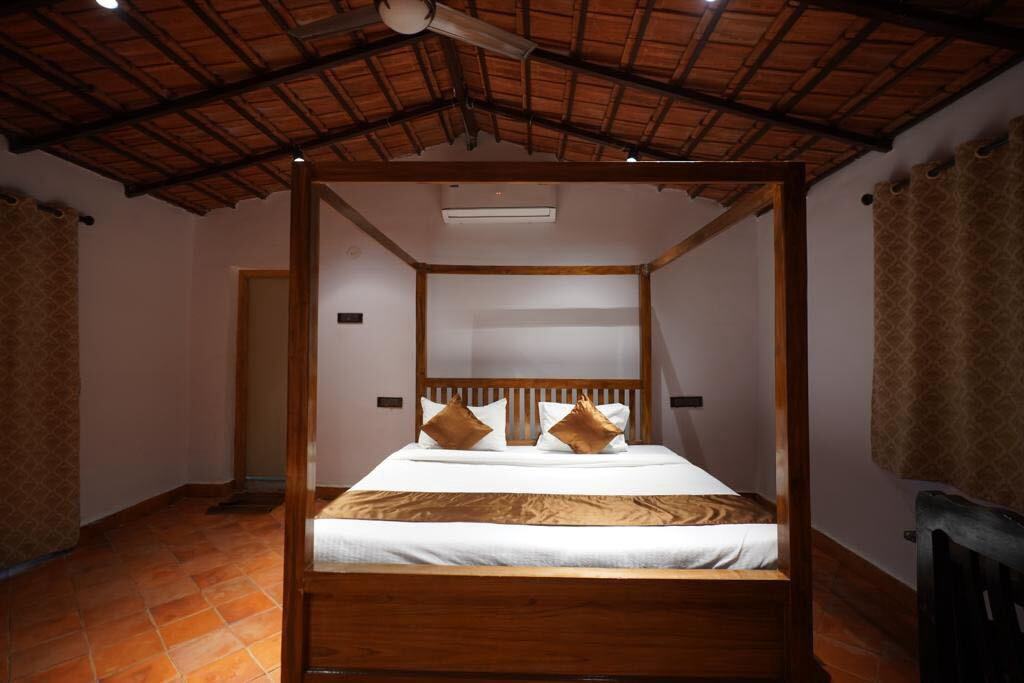
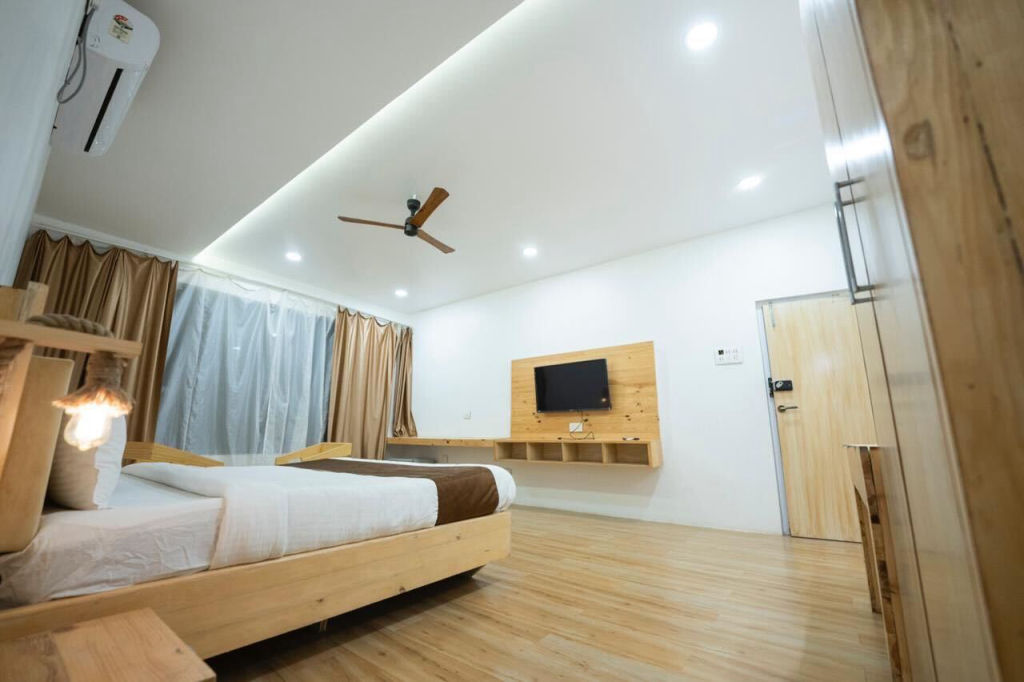
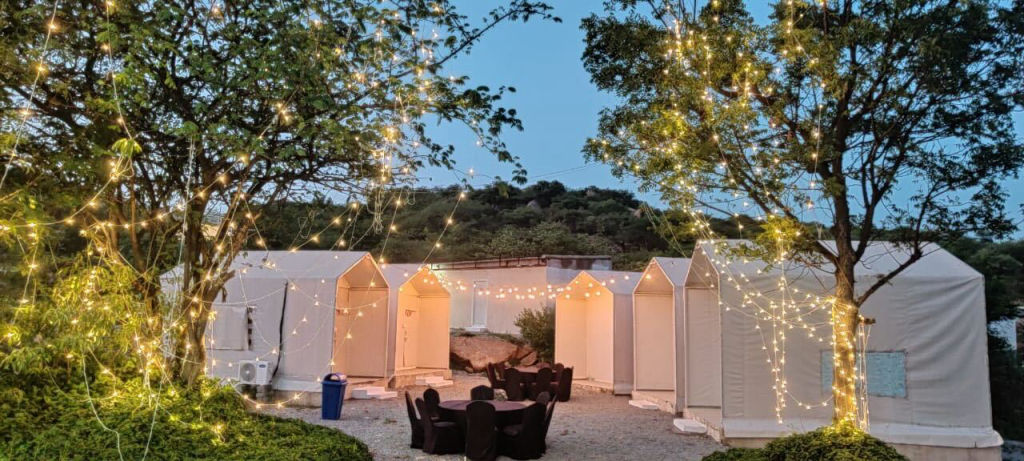
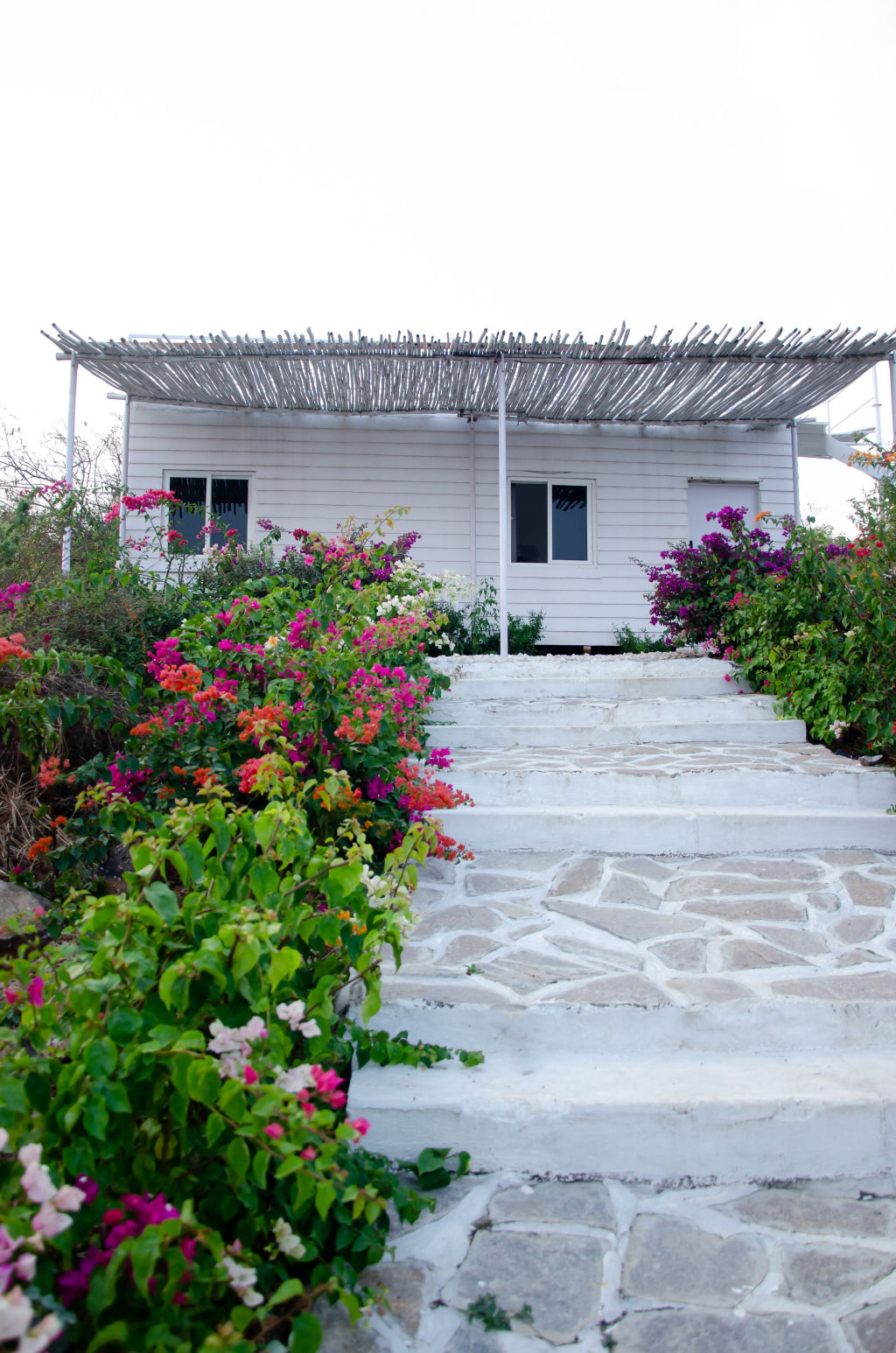
If you wish to make Bhongir Fort part of a broader weekend getaway rather than a quick day trip, there are a variety of scenic accommodations across the district. You can discover comfortable campsites, rustic homestays, and outdoor getaways located around Bhongir and the tranquil outskirts of eastern Telangana on HireACamp. Booking a stay close to the fort lets you rise early, reach the base before sunrise, and explore nearby temples and natural trails at an unhurried pace.
Frequently asked questions
How difficult is the trek to the top of Bhongir Fort?
The trek is moderately challenging due to the steep slope across smooth granite, though steps and railings are installed to assist climbers. Anyone with basic physical fitness can complete the ascent comfortably at a steady pace.
How long does it take to climb Bhongir Fort?
The climb typically takes forty-five minutes to an hour and a half depending on your stamina and pace. Exploring the ruins and viewpoints at the summit usually takes an additional one to two hours.
Are there food and water stalls at the top of Bhongir Fort?
No, there are no vendors, shops, or drinking water facilities once you begin the climb onto the rock. Visitors should carry adequate drinking water, snacks, and personal supplies from the base.
What is the best time of day to start climbing Bhongir Fort?
Early morning is the best time to start the climb, as the granite rock has not yet absorbed the day's heat. Morning treks also offer cooler breezes, softer sunlight, and clear views over the town.
Who originally built Bhongir Fort?
Bhongir Fort was originally commissioned in the tenth century by the Western Chalukya ruler Tribhuvanamalla Vikramaditya VI and was named Tribhuvanagiri. It was later modified and used by the Kakatiyas, Bahmani Sultanate, and Qutb Shahi rulers.
Where you'll be
Bhongir · 4 stays nearby shown with prices
Stays near Bhongir Fort
Book a place to stay close by
More places near Bhongir Fort
Within 20 km


Built from 0 Instagram posts by 0 creators. Every tip links back to the post it came from, and where creators disagree we show both sides.






