
Bojjannakonda
Ruins near Anakapalle, Andhra Pradesh
2.4 km from Anakapalle
The nearest town, for stays, food and fuel.
Bojjannakonda is an ancient Buddhist rock-cut complex located near Anakapalle in Andhra Pradesh, India. Dating between the fourth and ninth centuries CE, the site features hillside monoliths, stupas, and cave sanctuaries carved out of local rock. Travellers and heritage enthusiasts visit to admire its unique architectural legacy, explore its peaceful setting, and take in panoramic views of the surrounding rural countryside.
Getting there
By road
- From AnakapalleNearest town10 min · 4.4 km
- From Visakhapatnam49 min · 26 km
Typical drive times without traffic. Stations and airports from OLA Maps; distances and typical drive times from OpenStreetMap (© OpenStreetMap contributors); notes from creators' Reels.
About Bojjannakonda
Written with AI from map data and general knowledge. Check prices and timings locally before you go.
The Buddhist Heritage of Bojjannakonda
Bojjannakonda sits on an isolated hillock near the village of Sankaram, just a short drive from the bustling commercial town of Anakapalle. The site represents one of the most prominent rock-cut Buddhist complexes in coastal Andhra Pradesh, with historical origins tracing roughly between the fourth and ninth centuries CE. Historically, the area flourished as a major center of Buddhist learning and devotion, reflecting transitions through Hinayana, Mahayana, and later Vajrayana traditions.
Archaeological excavations revealed a thriving monastic life that once bustled with monks, pilgrims, and scholars. Carved out of the local khondalite rock formations, the complex preserves monolithic stupas, meditative chambers, and relief panels depicting the life and teachings of the Buddha. Today, Bojjannakonda stands as a quiet and atmospheric open-air museum, giving visitors an authentic glimpse into the spiritual and artistic traditions of ancient Kalinga.
Architecture and Features of the Site
The architectural layout of Bojjannakonda is defined by terraced rock carvings, pillared halls, and distinctive brick and stone stupas resting across the hillside. The central highlight of the hill is a prominent rock-cut stupa surrounded by numerous smaller votive stupas erected by devotees over generations. Monolithic panels carved directly into the cavernous rock display seated and standing figures of the Buddha, depicted in postures of meditation and teaching, alongside relief sculptures of celestial attendants and Bodhisattvas.
Visitors ascending the stone steps will find two primary levels of rock-cut caves. The lower level includes a pillared vihara that served as living quarters and prayer areas for resident monks. Above it, the upper caves shelter finely carved imagery, while the summit opens up to sweeping panoramas of the surrounding agricultural plains and the adjacent hillock of Lingalakonda, which itself hosts hundreds of rock-cut stupas. The contrast between weathered dark stone and vibrant green farmlands creates a striking atmosphere for photography and contemplative walking.
Read more
Best Time to Visit Bojjannakonda
The best time to visit Bojjannakonda is during the post-monsoon and winter months, running from October through March. During this period, the coastal climate of Andhra Pradesh softens considerably, bringing mild daytime temperatures, lower humidity, and cool morning breezes that make walking up the exposed stone steps comfortable.
In contrast, the summer months from April to June are characterized by intense heat and high humidity, making open-air exploration arduous during mid-day hours. The monsoon season, which usually extends from July to September, transforms the surrounding countryside into a lush green carpet and fills local water bodies, offering stunning photographic opportunities. If visiting during the wetter months or early autumn, plan explorations for early morning to avoid occasional rainfall and afternoon heat.
How to Reach Bojjannakonda
Bojjannakonda is located in the Anakapalle sub-district of Andhra Pradesh, making it easily accessible from major transit hubs in the region. The nearest commercial town is Anakapalle, located just a few kilometers away, which is well connected by state highways and the national rail network. Frequent passenger trains and express trains stop at Anakapalle railway station, connecting it directly with regional cities.
Visakhapatnam serves as the principal entry point for travellers arriving from further afield. The city features an active domestic airport with scheduled flights connecting major Indian metros, as well as a major junction railway station. From Visakhapatnam, one can hire a taxi, rent a vehicle, or board a regional bus bound for Anakapalle. Once at Anakapalle, local auto-rickshaws and taxis operate regularly towards Sankaram village, dropping visitors close to the base of the hill where the stone stairway begins.
Tips for Your Visit
A visit to Bojjannakonda involves climbing stone stairs cut into the hillside, so wearing sturdy, comfortable walking shoes with good grip is recommended. The site has minimal overhead shade along the exposed stone pathways, meaning a sun hat, sunglasses, and an umbrella can make your trek far more comfortable, especially on clear and sunny mornings.
Bring an adequate supply of drinking water and light refreshments, as amenities directly at the base of the monument are limited. Carry cash for small local expenses such as parking or refreshments in nearby villages. When walking through the caves and among the ancient stupas, be mindful to treat the archaeological remains with care by avoiding leaning on delicate carvings, staying on designated paths, and taking all personal litter back with you to preserve the pristine nature of this heritage location.
Places to Visit Near Bojjannakonda
Exploring Bojjannakonda can easily be combined with other historical and natural attractions scattered around the Anakapalle and Visakhapatnam belt. Just a short drive away lies Kondakarla Ava, a sprawling natural freshwater wetland known for its peaceful country boat rides, lotus-filled waters, and varied resident and migratory birdlife. It provides a tranquil escape into nature after an archaeological morning.
Heading east toward the coast brings travellers to Visakhapatnam and its varied coastline. Here, visitors can explore cultural and spiritual sites such as the ancient hilltop temple of Sri Varaha Lakshmi Narasimha Swami in Simhachalam, or Ross Hill Church overlooking the natural harbor. Along the coastal stretch, Ramakrishna Beach, Yarada Beach, and Rushikonda Beach offer seaside walks and dramatic ocean vistas. For panoramic vantage points, Kailasagiri and the Dolphin's Nose Lighthouse offer elevated views of the Bay of Bengal, while the VMRDA INS Kursura Submarine Museum and the TU 142 Aircraft Museum along the beach promenade highlight India's maritime and naval history.
Where to Stay
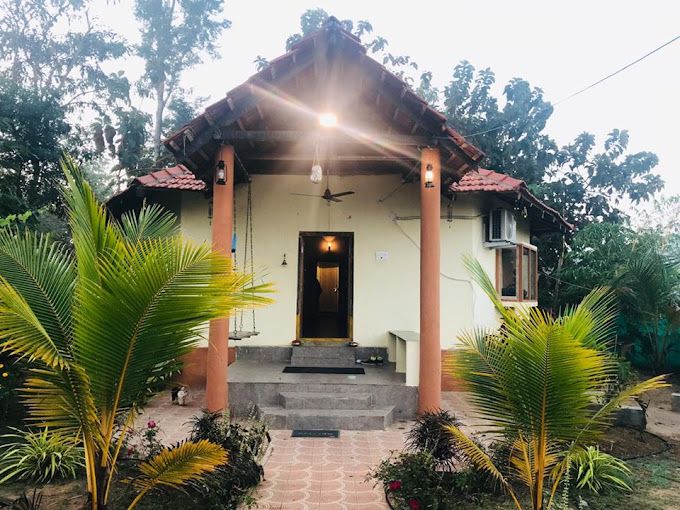
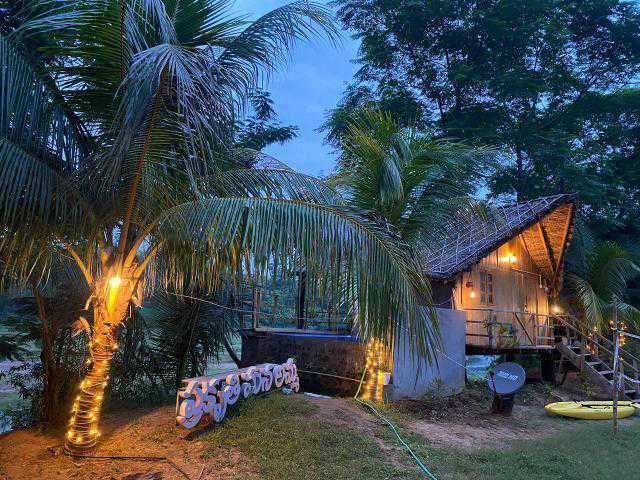
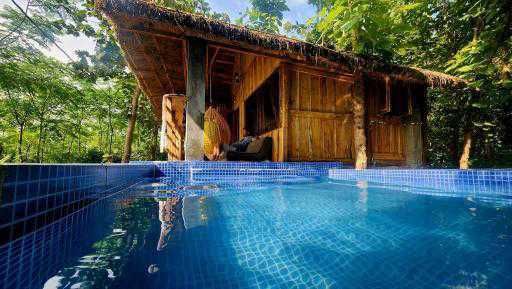
Travellers visiting Bojjannakonda have diverse accommodation options depending on their preferred travel pace and setting. The neighbouring city of Visakhapatnam offers a comprehensive selection of urban stays close to the coastline and key transport centers. For those who prefer a quieter and more grounded experience close to nature, homestays, rural retreats, and eco-friendly campsites located around the valleys and coastal outskirts provide an authentic local stay.
You can browse and book handpicked homestays, campsites, and nature getaways in the region through HireACamp. Booking a stay nestled near the coastal countryside allows travellers to explore Bojjannakonda early in the morning before daytime temperatures rise, ensuring a relaxed and memorable journey.
Frequently asked questions
Where is Bojjannakonda located?
Bojjannakonda is located near Sankaram village in the Anakapalle sub-district of Andhra Pradesh, approximately a short drive from the town of Anakapalle.
What is the historical significance of Bojjannakonda?
It is an ancient Buddhist archaeological complex dating between the fourth and ninth centuries CE, featuring rock-cut stupas, pillared viharas, and carved statues of the Buddha.
How much time is required to see Bojjannakonda?
Most visitors spend between one and a half to two hours exploring the caves, climbing to the upper stupas, and admiring the surrounding views.
Is Bojjannakonda suitable for children and senior citizens?
While the site is accessible, reaching the upper caves and stupas involves climbing a series of open rock-cut stone steps, which may require moderate physical effort for seniors.
Are food and water available at the ruins?
Facilities directly at the monument site are minimal, so it is recommended to carry your own water bottle and light snacks, or dine in the nearby town of Anakapalle.
Where you'll be
Anakapalle Sub-District · 3 stays nearby shown with prices
Stays near Bojjannakonda
Book a place to stay close by
More places near Bojjannakonda
Within 20 km


Lists for this area
Ranked by how many creators recommend each place


Built from 0 Instagram posts by 0 creators. Every tip links back to the post it came from, and where creators disagree we show both sides.






