
Bor Wildlife Sanctuary
Wildlife sanctuary near Bordharan, Maharashtra
4.2 km from Bordharan
The nearest town, for stays, food and fuel.
Bor Wildlife Sanctuary is a protected forest reserve located near Wardha and Nagpur in the Vidarbha region of Maharashtra. Established around the Bor Dam catchment area, it serves as a critical tiger corridor connecting larger reserves in Central India. Visitors travel here to experience central Indian wildlife safaris, birdwatching along the reservoir, and quiet nature trails through dry deciduous forests.
Getting there
By road
- From BordharanNearest town9 min · 3 km
- From Nagpur1 hr 50 min · 80 km
- From Bhopal8 hr 20 min · 393 km
Typical drive times without traffic. Stations and airports from OLA Maps; distances and typical drive times from OpenStreetMap (© OpenStreetMap contributors); notes from creators' Reels.
About Bor Wildlife Sanctuary
Written with AI from map data and general knowledge. Check prices and timings locally before you go.
About Bor Wildlife Sanctuary
Bor Wildlife Sanctuary is one of the more compact yet ecologically significant nature reserves in Maharashtra. Located primarily within the Wardha district while easily accessible from Nagpur, the sanctuary covers an area characterized by undulating hills, mixed dry deciduous woodlands, and open grasslands. The habitat is shaped largely by the Bor River and the reservoir formed by the Bor Dam, which creates a vital perennial water source that supports rich resident wildlife.
Despite its relatively small footprint compared to sprawling national parks like Pench or Tadoba, Bor holds special significance within the Central Indian tiger landscape. It acts as an essential wildlife corridor connecting neighbouring forest blocks, allowing big cats and other large mammals to disperse naturally between protected habitats. The mix of teak, bamboo, tendu, and riverine foliage offers shelter to a high density of carnivores and herbivores, making the sanctuary an important stronghold for biodiversity in eastern Maharashtra.
Wildlife and Birdlife at Bor
The dry deciduous forest of Bor Wildlife Sanctuary sustains a diverse range of mammalian species. Bengal tigers and Indian leopards are the apex predators that move through these woodlands, alongside dholes, jungle cats, and striped hyenas. Herbivores are well represented throughout the reserve, with regular sightings of spotted deer, sambar, nilgai, wild boar, and barking deer foraging along forest edges and near natural clearings.
Birdlife around the reservoir and woodland canopy is equally varied. The open waters of Bor Dam draw numerous migratory waterfowl during the winter season, as well as resident waterbirds such as openbill storks, egrets, and cormorants. In the forested interior, birdwatchers can watch for species like the Indian pitta, grey hornbill, golden oriole, and various birds of prey that hunt over the dry woodland canopy.
Read more
Things to do at Bor Wildlife Sanctuary
The primary way to experience the sanctuary is by taking a morning or afternoon forest safari. Authorized vehicles travel along designated safari tracks within the tourism zone, accompanied by local forest guides who assist in tracking animal movements, interpreting calls, and sharing insights about the flora and fauna of the region. A safari allows visitors to absorb the quiet rhythm of the dry forest away from heavy tourist traffic.
In addition to wildlife drives, nature observation around the reservoir perimeter is a rewarding activity. The tranquil setting of the lake provides a pleasant backdrop for landscape photography, especially during the early morning and late afternoon hours. Travellers who enjoy slower exploration can spend time appreciating the distinctive central Indian flora, watching woodland birds, and observing waterbirds along the fringes of the dam.
Best time to visit
The winter months from October to February offer the most comfortable climate for visiting Bor Wildlife Sanctuary. During this period, daytime temperatures remain moderate and pleasant, making outdoor safaris enjoyable. The landscape retains green foliage after the monsoon, and wintering migratory birds arrive around the reservoir in steady numbers.
From March to May, the summer heat sets in with high daytime temperatures typical of the Vidarbha region. While hot and arid, summer is considered the most reliable period for mammalian sightings. As interior natural pools dry up, wildlife frequently gathers near the Bor Dam and designated watering holes, increasing the likelihood of spotting large carnivores. The sanctuary experiences the southwest monsoon from June to September; during this season, certain tracks may become impassable or closed depending on local forest regulations, so visitors should check local conditions beforehand.
How to reach Bor Wildlife Sanctuary
Bor Wildlife Sanctuary is readily accessible from Nagpur, which serves as the major transit gateway for the region. Nagpur features Dr. Babasaheb Ambedkar International Airport, connecting the city to major Indian metropolitan centres such as Mumbai, Delhi, Hyderabad, and Pune. Nagpur Junction is also a principal railway hub on the national network with extensive train connectivity.
From Nagpur, visitors can travel by road towards Wardha via national and state highways. The drive typically takes between one and a half to two hours depending on local road conditions and starting points. Wardha railway station is another convenient rail access point located relatively close to the sanctuary gates. Taxis and private vehicle rentals are widely available from both Nagpur and Wardha for the day trip or an overnight safari journey.
Tips for your visit
When planning a visit to Bor Wildlife Sanctuary, it is helpful to keep central Indian weather in mind. In the winter months, morning safaris can be unexpectedly cold, so carrying layers such as a windbreaker or light woollen sweater is advisable. In the warmer months, lightweight, breathable cotton clothing, wide-brimmed hats, sunglasses, and generous supplies of drinking water are essential.
Wear neutral-coloured clothing such as olive, khaki, or brown to blend into the forest landscape, and avoid bright colours or loud patterns. Safari tracks can be dusty, so protective covers for cameras and binoculars are practical additions to your daypack. Always heed the instructions of forest guides and drivers, maintain silence during wildlife sightings, and strictly avoid littering to preserve the pristine nature of the reserve.
Places to visit nearby
Travellers visiting Bor Wildlife Sanctuary can combine their forest trip with several cultural and natural attractions located in the surrounding countryside. A short drive away lies the historical Kelzar Siddhivinayak Temple, perched on a hill with broad views over the plains. Other religious sites in the immediate region include Brihaspati Mandir and Surabardi Shiva Temple.
For those interested in tranquil outdoor spots, Kanholi Talab and Jhilpi Lake provide peaceful waterside settings suitable for a relaxing break. Further natural excursions can be planned to Salaimendha forest park and dam, or to Zilpi Waterfall during and immediately after the monsoon season when the seasonal falls are active.
Where to stay near Bor
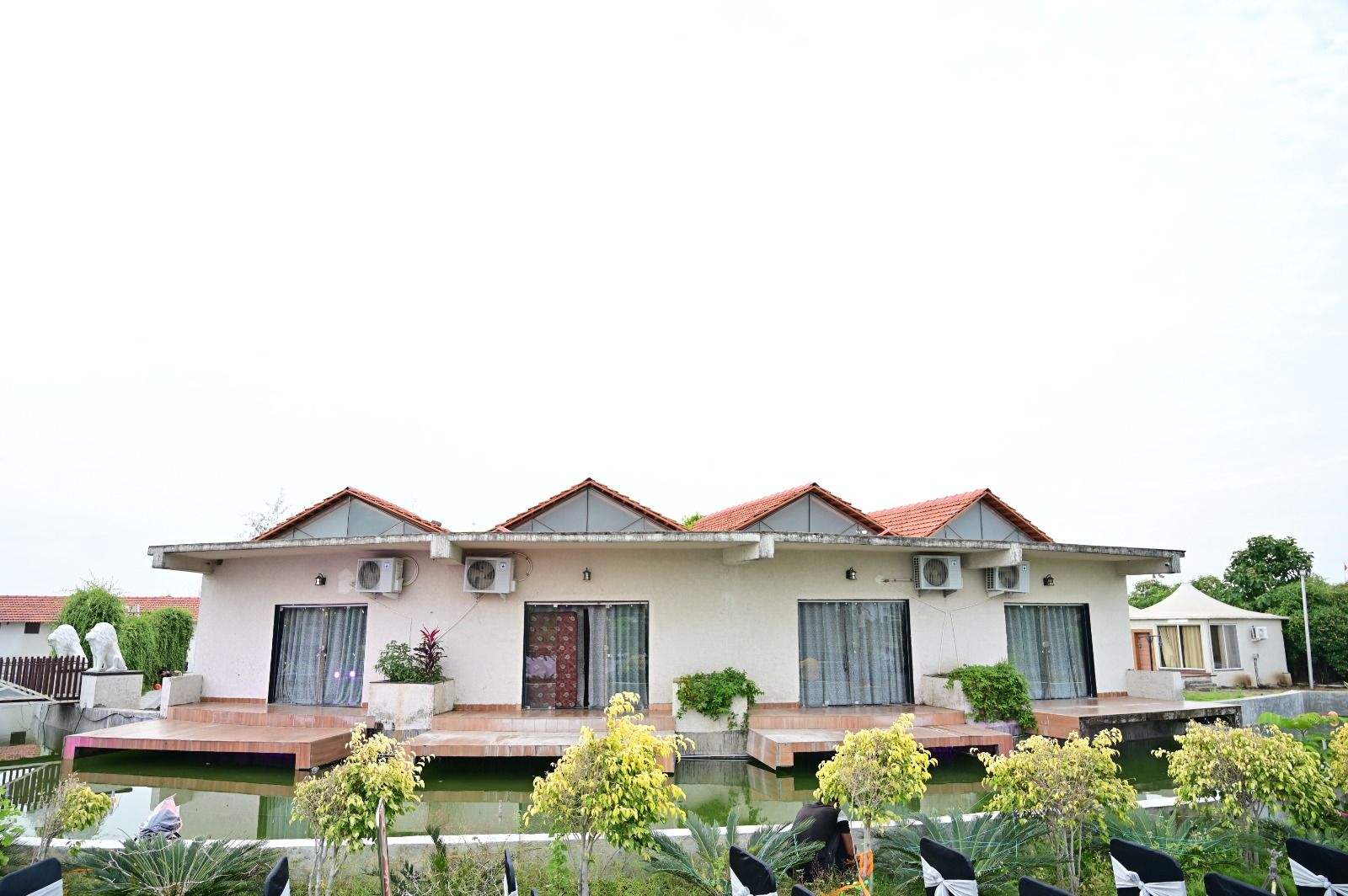
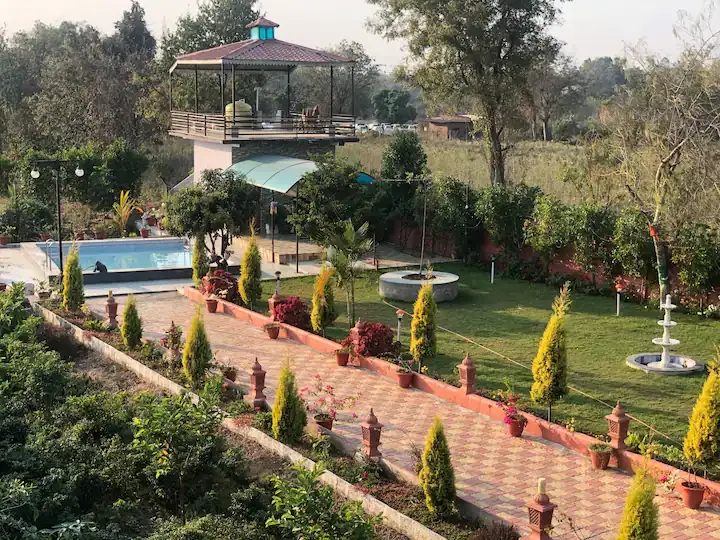
Accommodation options around Bor Wildlife Sanctuary cater to travellers seeking an immersive nature getaway. Visitors can choose from rural eco-resorts, farm stays, and private cottages situated on the fringes of the reserve, which allow guests to remain close to early morning safari departures.
Travellers interested in outdoor stays, private campsites, and welcoming family-run homestays around Bor and the broader Nagpur region can browse suitable accommodation listings directly on HireACamp.
Frequently asked questions
Where is Bor Wildlife Sanctuary located?
Bor Wildlife Sanctuary is situated in the Wardha district near Nagpur in the Vidarbha region of Maharashtra, India.
What animals can I see at Bor Wildlife Sanctuary?
The sanctuary is home to Bengal tigers, leopards, wild dogs, striped hyenas, sambar, chital, nilgai, wild boars, and a diverse variety of woodland and water birds.
How far is Bor Wildlife Sanctuary from Nagpur?
Bor Wildlife Sanctuary is located within driving distance of Nagpur, typically taking around one and a half to two hours by road under normal traffic conditions.
What is the best season to explore the sanctuary?
The period between October and February is best for pleasant weather and birdwatching, while March to May offers higher chances of mammal sightings around water sources.
Where you'll be
Nagpur · 2 stays nearby shown with prices
Stays near Bor Wildlife Sanctuary
Book a place to stay close by
More places near Bor Wildlife Sanctuary
Within 20 km


Built from 0 Instagram posts by 0 creators. Every tip links back to the post it came from, and where creators disagree we show both sides.






