
Butterfly Research Centre and Museum
Museum near Bhimtal, Uttarakhand
1.3 km from Bhimtal
The nearest town, for stays, food and fuel.
The Butterfly Research Centre and Museum in Bhimtal is home to one of the largest private insect collections in India, showcasing thousands of butterfly and moth species. Perched amidst the forested slopes of the Kumaon hills in Uttarakhand, it offers visitors a detailed window into the rich biodiversity of the Western Himalayas. Travelers and nature enthusiasts visit to learn about entomology, local natural history, and the delicate ecological balance that sustains mountain wildlife.
Getting there
By road
- From BhimtalNearest town13 min · 3.6 km
- From Dehradun6 hr 35 min · 307 km
- From New Delhi6 hr 50 min · 316 km
- From Lucknow7 hr 40 min · 423 km
Typical drive times without traffic. Stations and airports from OLA Maps; distances and typical drive times from OpenStreetMap (© OpenStreetMap contributors); notes from creators' Reels.
About Butterfly Research Centre and Museum
Written with AI from map data and general knowledge. Check prices and timings locally before you go.
About the Butterfly Research Centre and Museum
The Butterfly Research Centre and Museum is tucked away on a wooded hillside in Bhimtal, set on an estate steeped in regional natural history. Founded by the Smetacek family, who dedicated decades to documenting the insect fauna of the Himalayas, the repository has grown into a landmark institution for naturalists across the country. The collection includes thousands of preserved specimens of butterflies, moths, beetles, and other insects gathered from various altitudes and microclimates across India and neighbouring regions.
Beyond simply displaying mounted insects, the centre serves as an active research space for entomology, forest ecology, and environmental studies. The quiet residential feel of the estate, surrounded by mixed oak, pine, and broadleaf woodland, offers a setting where visitors can connect with the raw natural heritage of the Kumaon region. It presents a thoughtful contrast to conventional tourist viewpoints, giving travelers a deeper appreciation of the smaller creatures that keep forest ecosystems thriving.
What to see inside the museum
Inside the museum, glass-topped wooden cases and drawers hold an extraordinary array of Lepidoptera specimens, ranging from brilliantly iridescent swallowtails to giant atlas moths with wingspans larger than a human hand. Each box is meticulously organized, with tags indicating taxonomic classification, collection dates, and habitats. The contrast of vibrant wing patterns, camouflage adaptations, and structural variations provides an immediate masterclass in evolutionary biology.
Apart from butterflies and moths, the museum displays an assortment of beetles, cicadas, and other forest invertebrates that inhabit the Himalayan belt. The curators and guides on site often share fascinating stories behind particular finds, explaining how shifts in vegetation and climate have impacted native insect populations over the decades. It is an educational journey that appeals equally to curious children, biology students, and casual travelers.
Read more
Best time to visit Bhimtal
The museum and surrounding Kumaon hills can be visited throughout the year, but the experience varies with the changing seasons. The spring and summer months from March to June offer pleasant temperatures, clear mountain air, and active wild butterfly populations in the surrounding forests, making it an ideal period for outdoor nature walks alongside your museum stop.
Monsoon arrives between July and September, turning the hills lush green and triggering dramatic insect activity across the valleys, though mountain roads can experience intermittent weather delays. For travelers who prefer brisk mountain weather, the autumn months of October and November bring crystal-clear skies and crisp breezes. Winter from December to February is peaceful and cold, with quiet trails and calm lake views across Bhimtal.
How to reach the Butterfly Research Centre
Bhimtal is well connected by road to the plains of northern India and neighbouring hill towns in Uttarakhand. The nearest railhead is Kathgodam Railway Station, situated roughly thirty kilometers away at the foot of the hills. From Kathgodam, shared and private taxis operate regularly along the winding uphill road through Ranibagh and Bhowali to Bhimtal.
If you are arriving by air, the closest domestic airport is Pantnagar, located about sixty kilometers south of Bhimtal, from which road transfers are available. Travelers driving from Delhi or elsewhere in the National Capital Region can follow the national highway route via Moradabad, Rampur, and Haldwani. Once in Bhimtal, the museum is easily accessible by local cab or auto-rickshaw from the town center.
Tips for your visit
Because the research centre is a specialized institution located on private grounds, it is best to confirm visiting arrangements locally before heading up the hill. Give yourself at least an hour to observe the collection without rushing, as the details on individual displays are remarkably fine.
Treat the mounted specimens with great care and avoid tapping on display glass. Photography regulations can vary depending on research protocols, so always ask permission before taking pictures inside. Wearing comfortable walking shoes is recommended, as the approach road and garden paths involve gentle inclines typical of Kumaon hillside settlements.
Places to visit nearby
A visit to the butterfly museum pairs naturally with time spent exploring the wider Bhimtal valley. Bhimtal Lake, with its central island and tranquil shoreline, offers boating and leisurely waterfront strolls away from the busier roads of the district. The neighbouring lake district towns of Sattal and Naukuchiatal are a short drive away, known for dense birding woodlands and scenic walking trails.
Those interested in mountain wildlife can also plan a day trip up to Nainital to explore high-altitude peaks, viewpoints like Lariakanta, and historical sites such as the Naina Devi Temple. The surrounding pine-clad ridges offer numerous day hikes that pass through rural Kumaoni hamlets and terrace fields.
Where to stay near Bhimtal
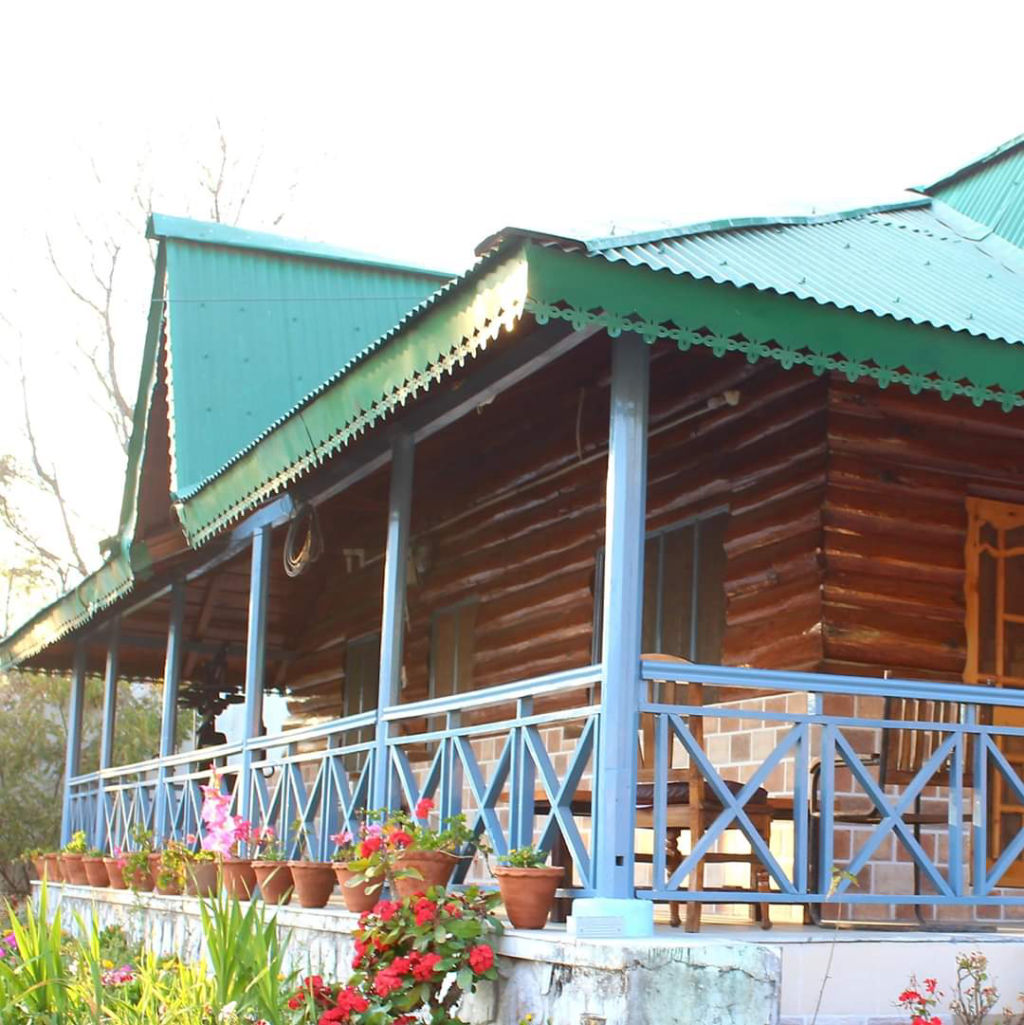
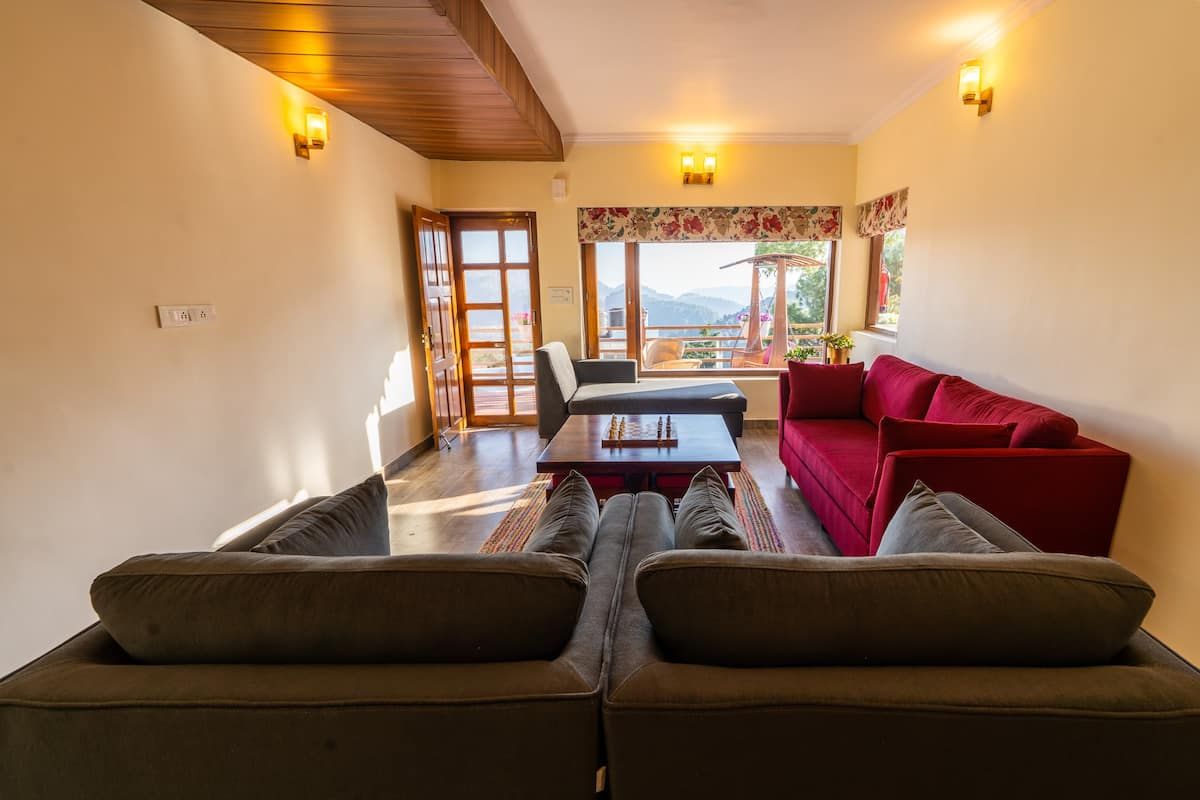
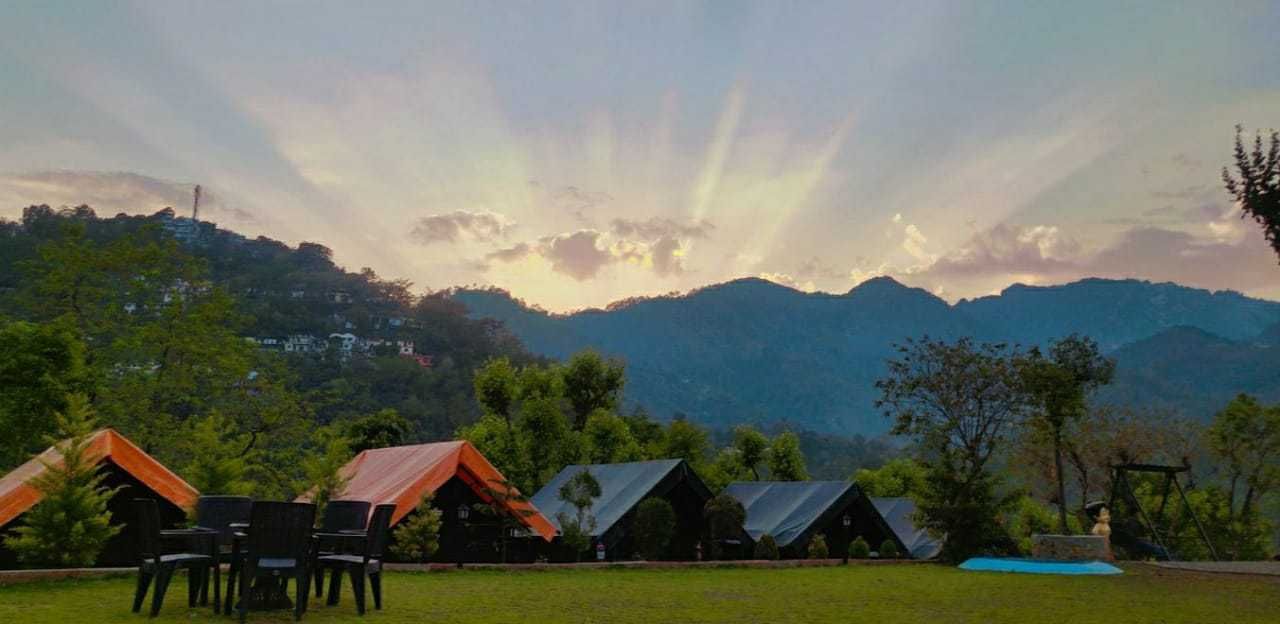
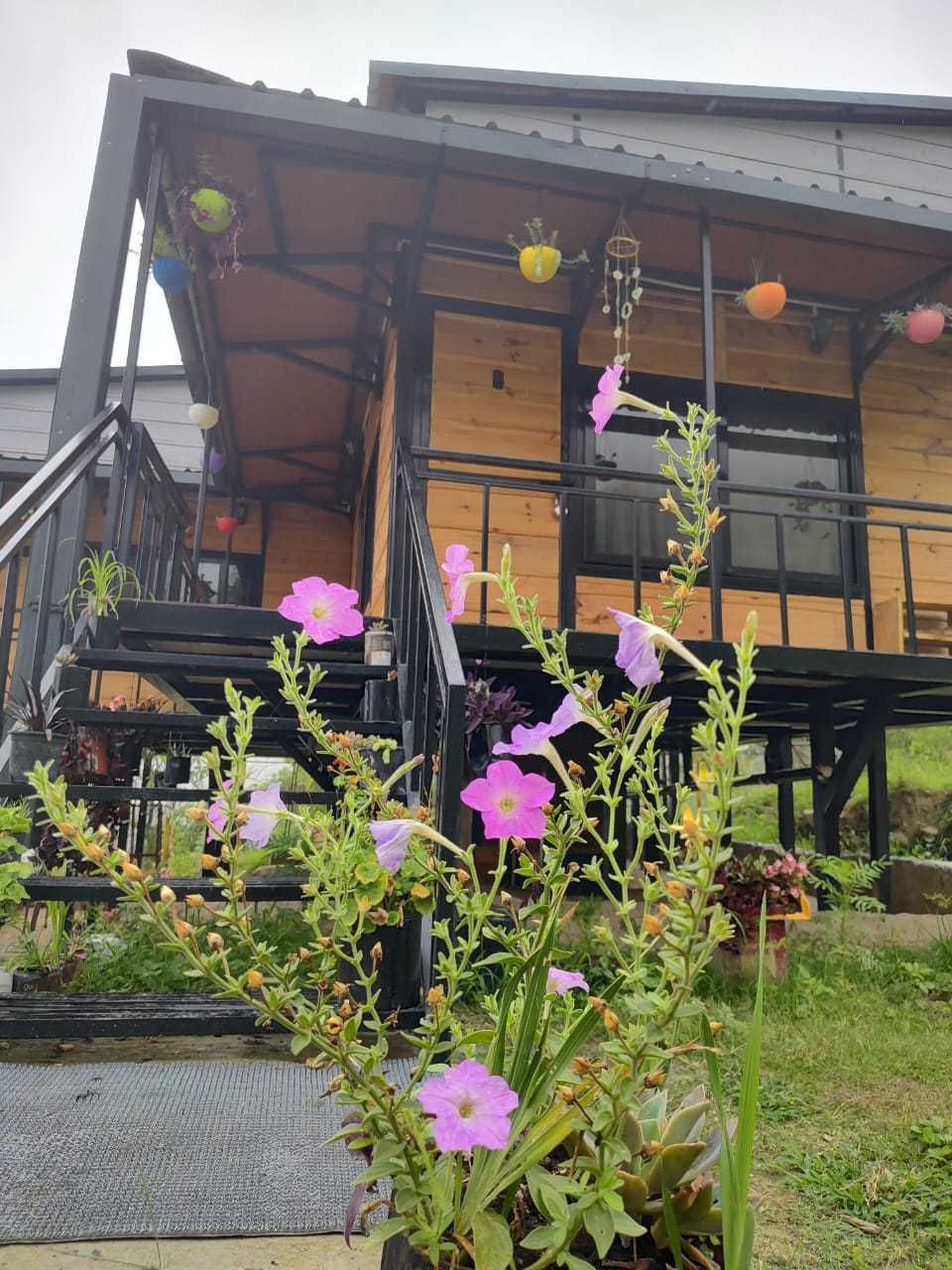
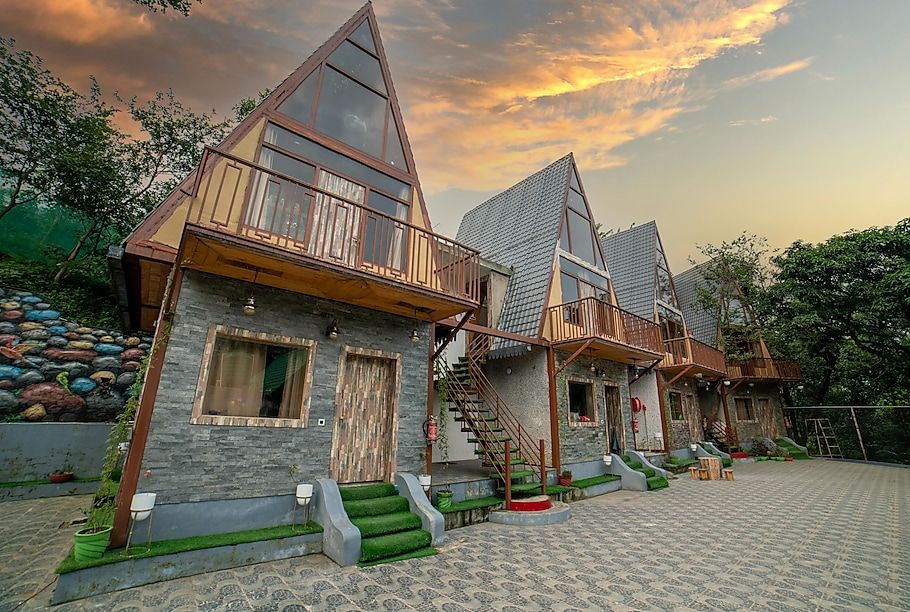
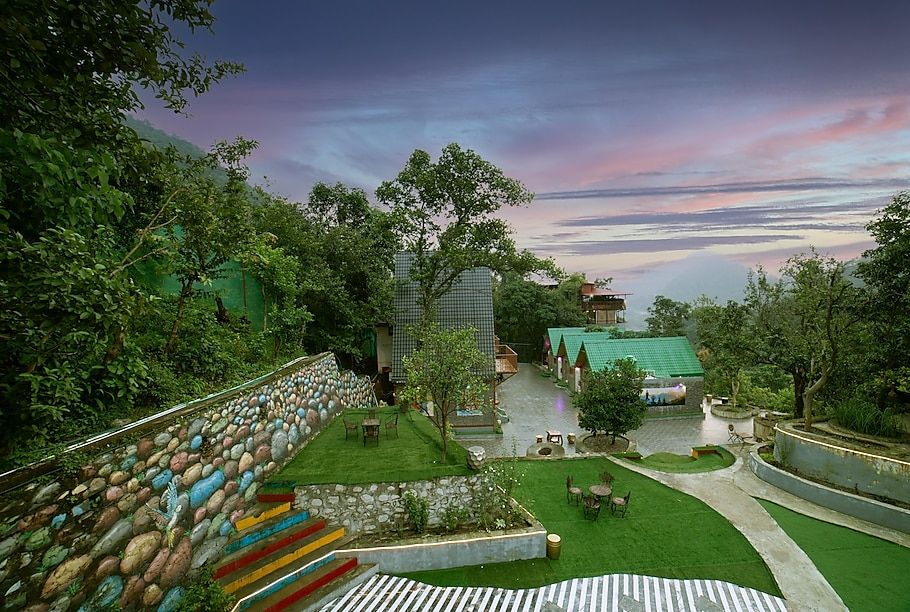
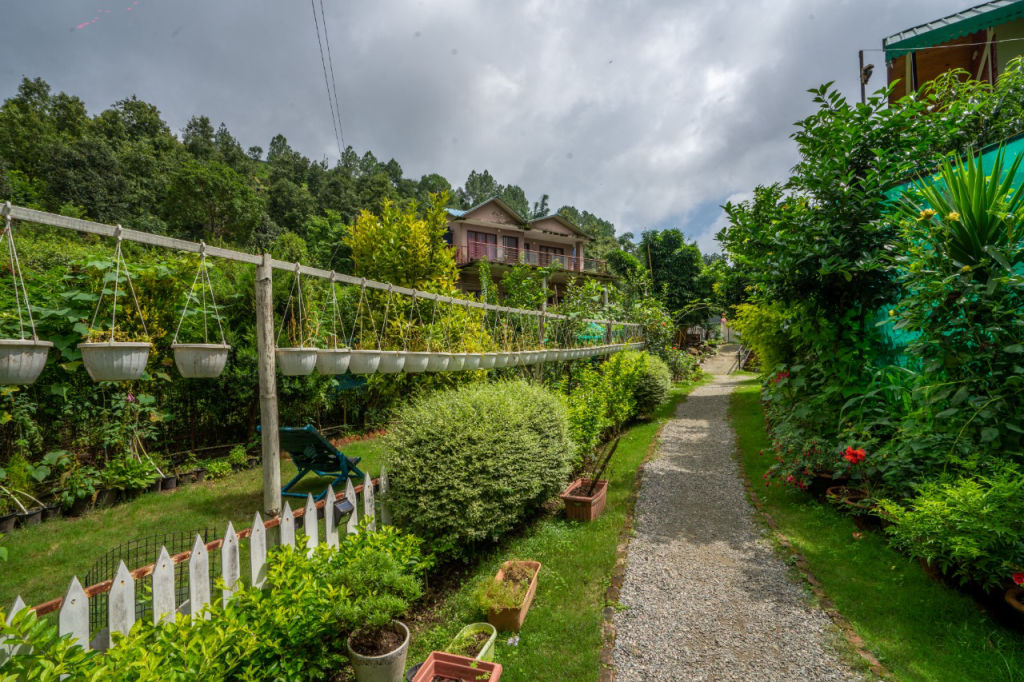
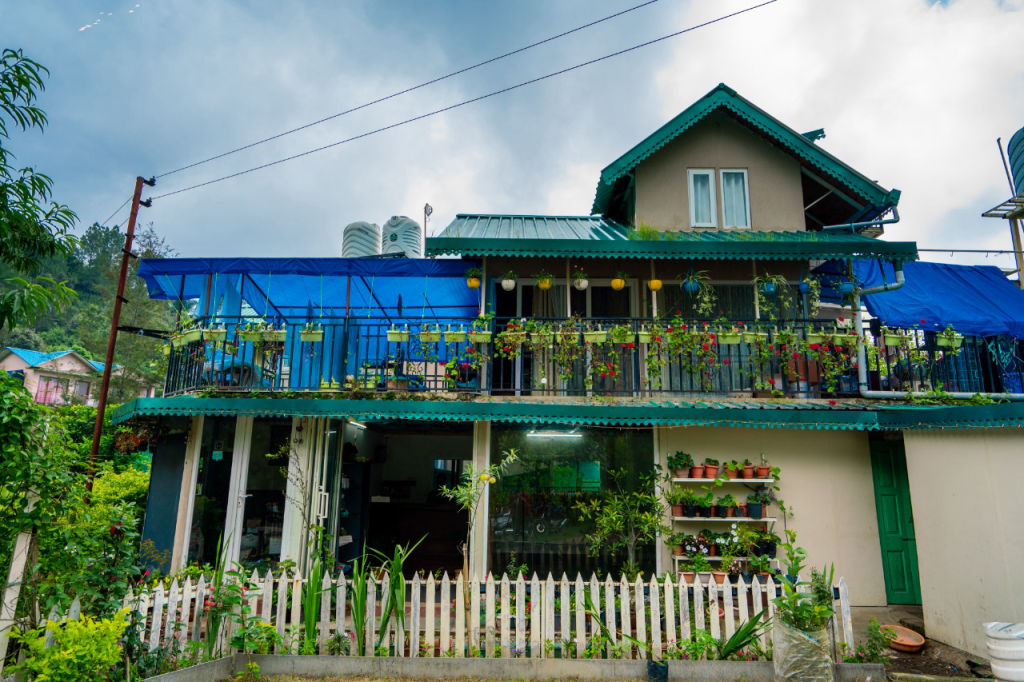
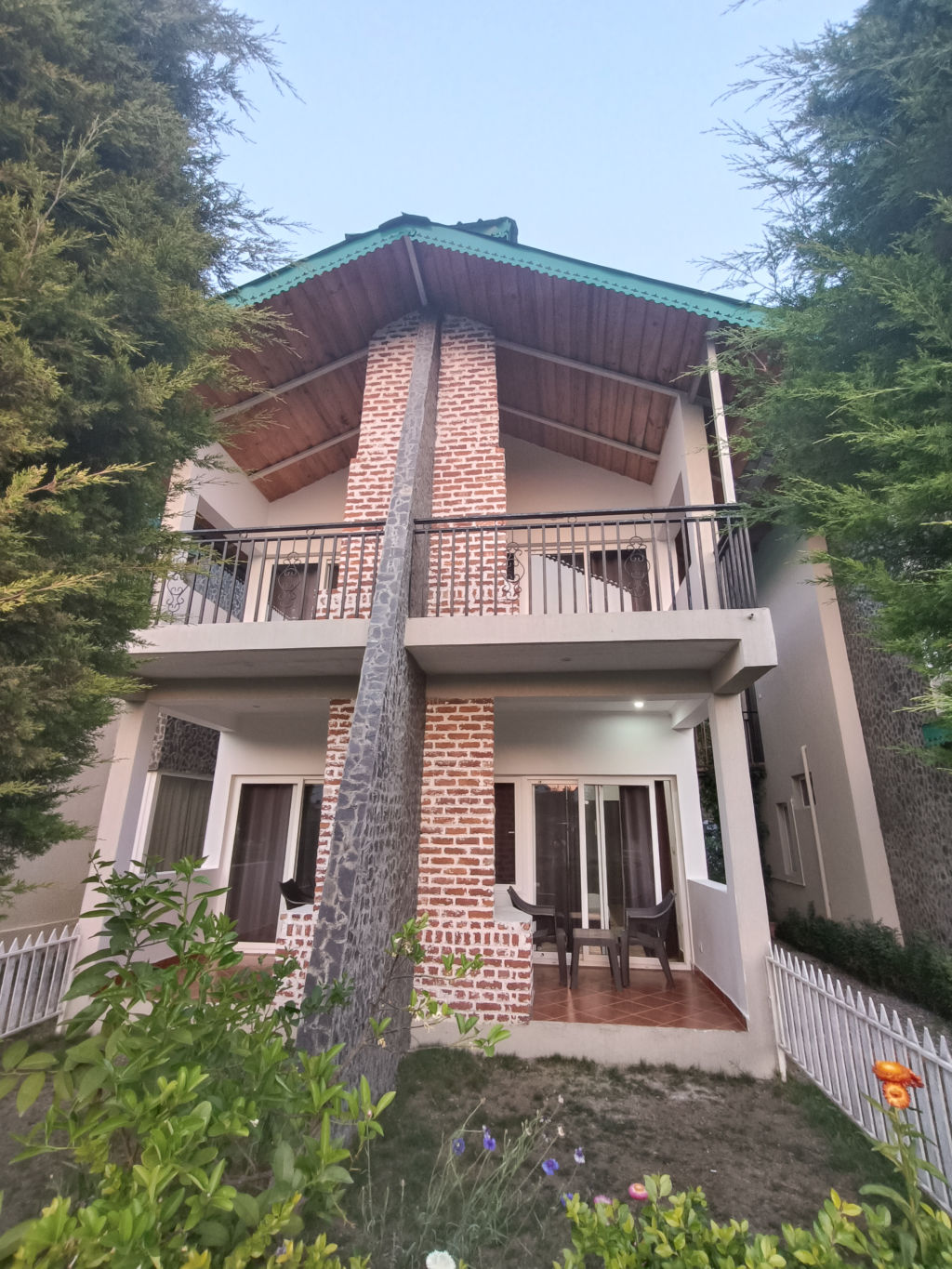
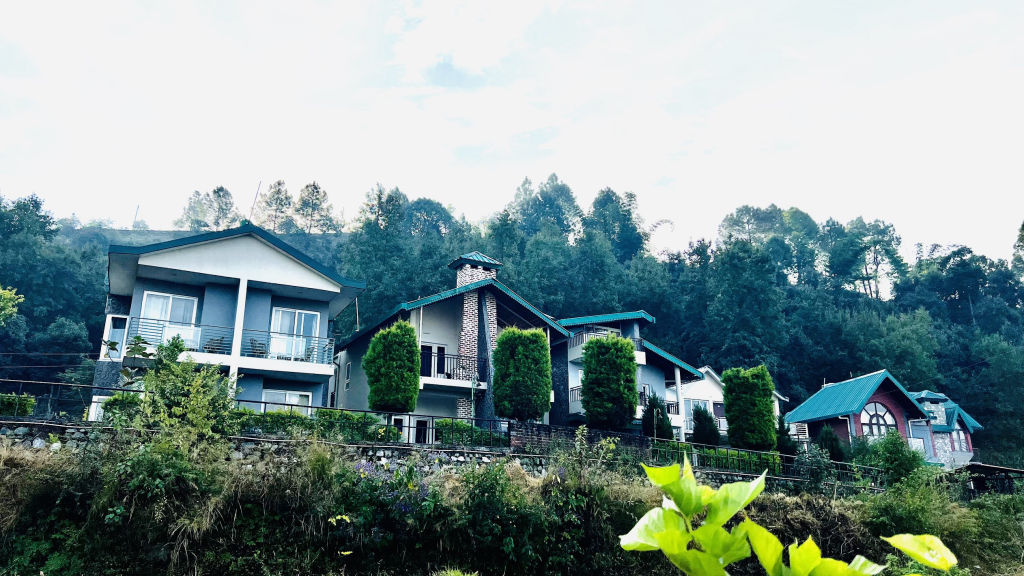
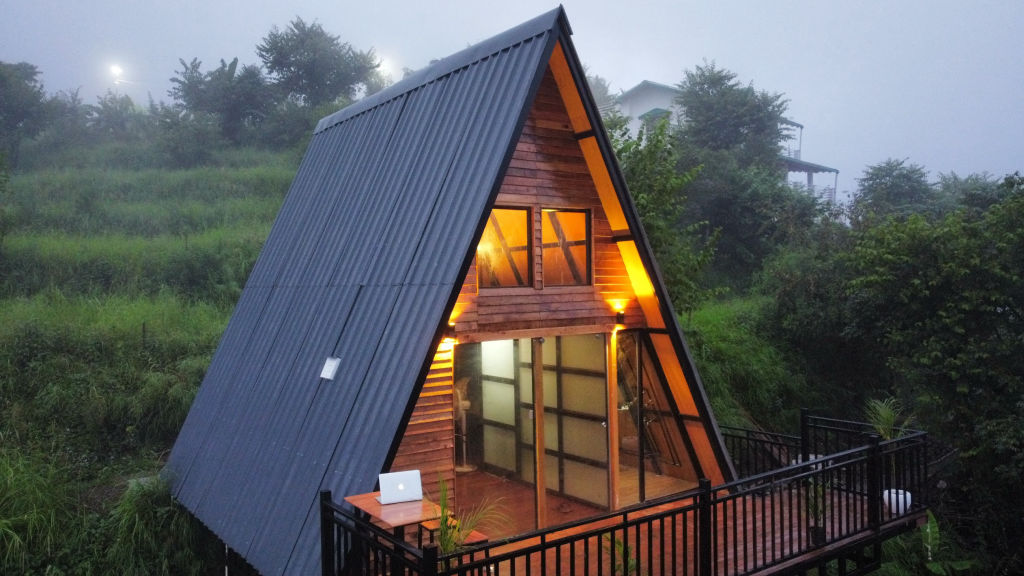
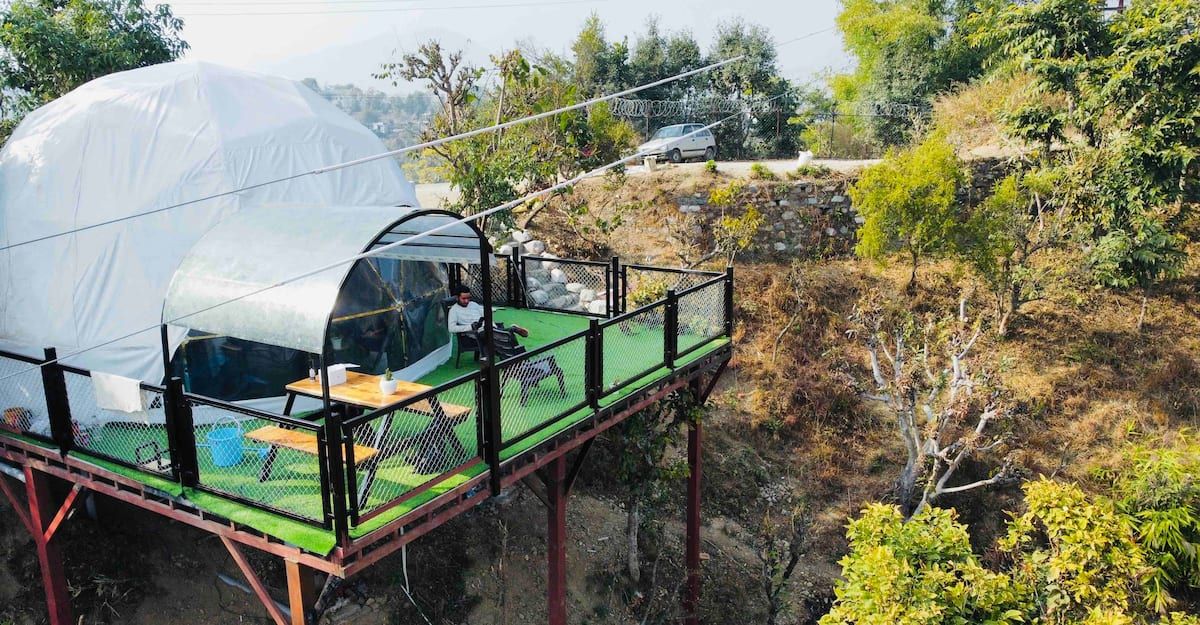
The hills around Bhimtal and the neighbouring lakes are dotted with inviting places to unwind after a day of exploration. Travelers can choose from peaceful riverside and forest campsites, rustic cottages, and family-run homestays tucked into traditional fruit orchards.
You can find and book vetted nature stays, hillside camps, and experiential homestays across Bhimtal on HireACamp. Staying slightly away from the main town center allows you to wake up to birdsong, misty valley views, and direct access to mountain walking paths.
Frequently asked questions
What is the Butterfly Research Centre and Museum known for?
It is widely recognized for housing one of the largest and oldest private collections of butterflies, moths, and other insects in India, representing decades of entomological research in the Himalayas.
Where is the Butterfly Museum located?
The museum is located on a quiet wooded hillside in Bhimtal, a scenic lake town in the Nainital district of Uttarakhand.
Can families and school groups visit the museum?
Yes, the museum is popular with students, nature enthusiasts, and families who want to learn about Himalayan biodiversity and insect ecology.
Are there specific visiting hours or entry rules?
Because the centre operates as an active research space and family estate, hours and access guidelines should be checked locally in Bhimtal upon arrival.
How much time is needed to explore the Butterfly Research Centre?
Most visitors spend between forty-five minutes and an hour and a half exploring the displays and discussing the specimens with caretakers.
Where you'll be
Bhimtal · 12 stays nearby shown with prices
Stays near Butterfly Research Centre and Museum
Book a place to stay close by
More places near Butterfly Research Centre and Museum
Within 20 km
Built from 0 Instagram posts by 0 creators. Every tip links back to the post it came from, and where creators disagree we show both sides.






