
Bylakuppe
Destination in Karnataka
Bylakuppe is a peaceful settlement located near the border of Kodagu and Mysuru districts in Karnataka. Renowned as one of the largest Tibetan settlements in India, it draws travellers looking to experience Buddhist monastic life, intricate temple art, and a vibrant cultural heritage. Nestled amidst agrarian plains and gentle hills, it also serves as a relaxing threshold to the Western Ghats.
Getting there
By road
- From Mysuru1 hr 55 min · 83 km
- From Mangaluru3 hr 25 min · 170 km
- From Bengaluru4 hr 10 min · 230 km
- From Coimbatore6 hr 25 min · 303 km
Typical drive times without traffic. Stations and airports from OLA Maps; distances and typical drive times from OpenStreetMap (© OpenStreetMap contributors); notes from creators' Reels.
About Bylakuppe
Written with AI from map data and general knowledge. Check prices and timings locally before you go.
Understanding Bylakuppe and Its Heritage
Bylakuppe is home to one of the most significant Tibetan communities established outside the Himalayas. The settlements began taking shape in the early 1960s when land was allocated by the state of Karnataka to rehabilitate arriving Tibetan refugees. Over several decades, what began as temporary encampments and dense scrubland gradually transformed into thriving agricultural settlements, cultural centers, and world-renowned centers of Buddhist learning.
The town is divided into two primary settlements: Lugsum Samdupling and Dickyi Larsoe. Wandering through the settlements offers a distinct shift in atmosphere from the surrounding South Indian landscape. Prayer flags flutter across streets and homes, small stupas stand beside rural crossroads, and resident monks and families go about daily routines. For travellers interested in sociology, history, and spiritual traditions, Bylakuppe represents a remarkable preservation of Tibetan identity, language, and Buddhist scholarship.
Monasteries and Sacred Spaces in Bylakuppe
The architectural and spiritual center of Bylakuppe is centered around its expansive monastic universities. The most famous is the Namdroling Monastery, commonly referred to as the Golden Temple. Inside its expansive prayer hall stand towering gilded statues of Buddha Shakyamuni, Padmasambhava, and Amitayus. The walls are covered in detailed murals illustrating Buddhist cosmology, deities, and historical teachers, created with intricate brushwork and rich natural pigments.
Visiting during morning or late afternoon prayer assemblies allows visitors to witness monks gathered for synchronized chanting, accompanied by the deep rumble of long horns, rhythmic clashing of cymbals, and the resonance of drums. Beyond the primary hall, the town features other quieter shrines, philosophical colleges, and smaller monasteries such as the Chowkur Tibetan Monastery situated a short drive away. Respectful conduct is appreciated throughout these active religious institutions, where silence and modesty should be observed.
Read more
Things to Do in and Around Bylakuppe
Beyond visiting the monasteries, taking the time to explore the residential quarters reveals a lively and welcoming town life. The local markets near the central settlements feature small shops selling Tibetan crafts, including handwoven carpets, traditional thangka scroll paintings, singing bowls, prayer beads, and woolen garments. These markets provide a steady glimpse into the craftsmanship preserved across generations.
Sampling the local culinary offerings is another essential experience. Several small local eateries and bakeries run by Tibetan families serve freshly steamed momos, hearty bowls of thukpa noodle soup, steamed tingmo bread, and traditional butter tea. For a contrast in spiritual history, travelers can also venture out to the nearby Sidilu Mallikarjuna Temple or make an excursion to Bettadapura Hill, an ancient granite peak that offers an energetic hike and sweeping panoramic views of the surrounding rural plains.
Day Trips and Getaways Nearby
Because of its strategic geographic location, Bylakuppe serves as an easy base for discovering both the river systems of Mysuru and the forested highlands of Kodagu. Just a short journey west brings you toward Dubare along the banks of the Cauvery River, an area popular for river walks and deciduous forest scenery. Further up into the hills lies Madikeri, where travelers can take in mountain vistas at Raja's Seat and explore lush coffee plantations.
For those drawn to untamed nature and wildlife, the fringes of Nagarahole National Park lie within driving distance to the south, home to dense teak forests, wild elephants, gaurs, and spotted deer. If you prefer peaceful water bodies and rural landscapes, Chunchanakatte Falls offers a picturesque natural setting where the Cauvery River tumbles down rocky cascades amidst rural fields. These nearby spots make it simple to combine cultural sightseeing with outdoor excursions.
Best Time to Visit Bylakuppe
Bylakuppe enjoys a generally moderate climate throughout the year, but the post-monsoon and winter months from October to March are the most pleasant for sightseeing. During this period, the days are bright, clear, and mildly warm, while the evenings and early mornings are refreshingly cool, making it ideal for walking between temples and exploring outdoor markets.
The monsoon season, extending from June to September, brings heavy rainfall to the surrounding region. While the fields turn strikingly green and the nearby waterfalls swell with water, persistent rains can sometimes disrupt open-air travel and hiking plans. Summers from March to May are typically warm, with daytime temperatures rising significantly, though mornings remain comfortable. Visiting around the Tibetan New Year, known as Losar, provides an opportunity to see traditional masked dances and community celebrations, though specific festival dates vary each year according to the lunar calendar.
How to Reach Bylakuppe
Bylakuppe is located directly off the state highway connecting Mysuru and Kushalnagar, making it straightforward to reach by both private vehicle and public transport. The nearest major rail junction is in Mysuru, which connects extensively to major cities across South India. From Mysuru, regular state-run buses and private taxis ply toward Kushalnagar and Madikeri, stopping directly at the Bylakuppe turnoff.
For air travellers, the closest major international airport is Kempegowda International Airport in Bengaluru, while Kannur International Airport in Kerala and Mysuru Airport offer alternative flight connections. Driving from Bengaluru typically takes around five to six hours depending on traffic conditions, following the expressway toward Mysuru before continuing westward along the rural highway.
Where to Stay Around Bylakuppe
While simple guest facilities run by monasteries are sometimes available for visitors seeking quiet study, most travellers choose to stay in the surrounding region. Neighboring towns such as Kushalnagar and the broader Kodagu district offer a diverse selection of accommodations ranging from traditional coffee estate homestays to riverside eco-retreats.
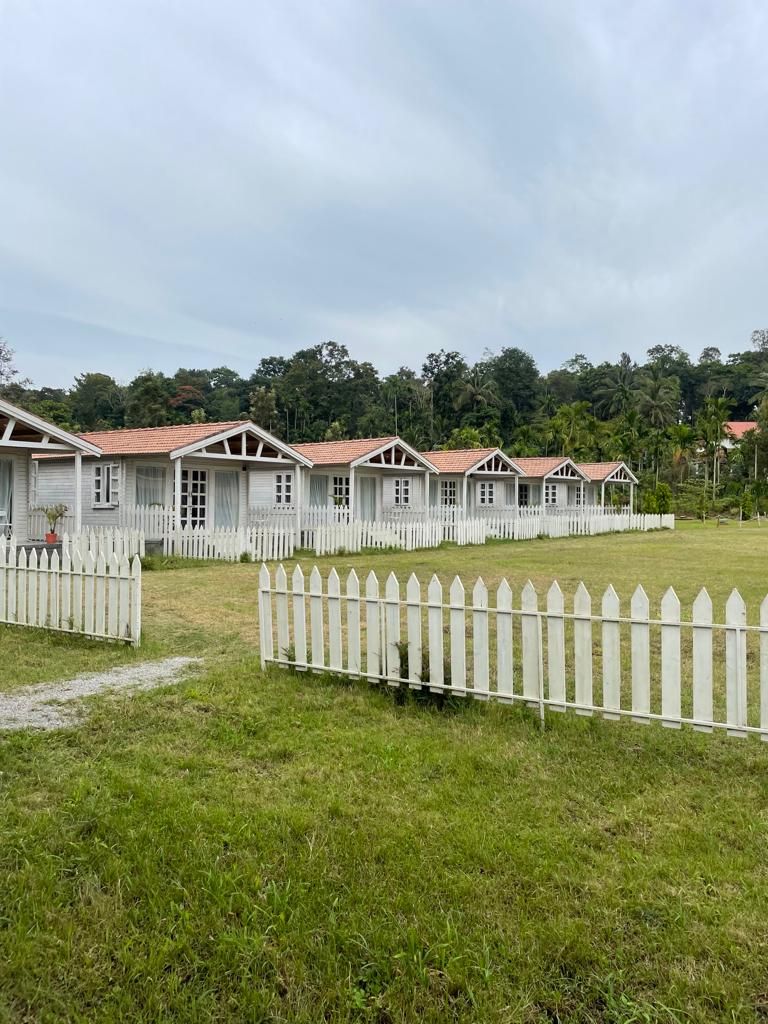
Whether you are looking for a peaceful nature camp amidst rolling hills, a plantation cottage, or a quiet family-run homestay close to town, suitable stays can be discovered and reserved on HireACamp. Booking your stay a short drive from the settlement allows you to enjoy both the cultural calm of Bylakuppe and the natural beauty of the Coorg countryside.
Frequently asked questions
What is Bylakuppe most famous for?
Bylakuppe is famous for being one of the largest Tibetan settlements in India and the home of the Namdroling Monastery, widely known as the Golden Temple, along with its rich Buddhist heritage and cultural markets.
Can tourists visit the monasteries in Bylakuppe?
Yes, tourists are welcome to visit the monastic complexes, walk through the courtyards, view the intricate murals, and quietly observe prayer gatherings. Visitors are expected to dress modestly and respect monastic guidelines regarding silence.
How much time is required to explore Bylakuppe?
Most visitors spend a half day to a full day exploring the primary monasteries, shopping in the local Tibetan market, and enjoying traditional food, though staying longer allows time for day trips into the surrounding countryside.
Are photography and filming permitted inside the temples?
Photography is generally permitted in the outdoor courtyards and inside certain temple halls without the use of flash, but restrictions often apply in specific sanctums. Always look for signage or inquire locally before taking pictures of resident monks or religious proceedings.
What kind of clothing should I wear when visiting Bylakuppe?
Modest, comfortable clothing that covers the shoulders and knees is recommended out of respect for the monastic community. Slip-on footwear is convenient, as shoes must be removed before entering any prayer hall.
Where you'll be
1 stay nearby shown with prices
Stays near Bylakuppe
Book a place to stay close by
Things to do in Bylakuppe
48 places creators recommend within 30 km


Built from 0 Instagram posts by 0 creators. Every tip links back to the post it came from, and where creators disagree we show both sides.






