
Coin Museum (Shanti-Krishna Museum of Money and History)
Museum near Anjaneri, Maharashtra
1 post
Guide from 1 post by 1 creator
@the_wandering_partners
Hidden gem
Far fewer reviews than places like it nearby, yet creators keep finding it.
2.9 km from Anjaneri
The nearest town, for stays, food and fuel.
The Coin Museum, officially known as the Shanti-Krishna Museum of Money and History, is located within the campus of the Indian Numismatic, Historical and Cultural Research Foundation near Anjaneri along the Nashik to Trimbakeshwar road. Set against the rolling backdrop of the Sahyadri ranges, the museum documents the long evolution of coinage, currency, and trade across the Indian subcontinent from ancient kingdoms to modern times. Visitors travel here to examine detailed displays of historical coins, numismatic molds, and educational dioramas that highlight India's rich economic and politica…
Getting there
By road
- From AnjaneriNearest town14 min · 6.7 km
- From Nashik45 min · 20 km
- From Mumbai 3 hr 55 min · 197 km
- From Pune5 hr 20 min · 234 km
By train, bus or air
- Mumbai Naka Bus StationNearest bus stand29 min · 19 km
- Shree Air Vision Manufacturing Of Air Distribution ProductsNearest airport27 min · 18 km
Typical drive times without traffic. Places, distances and typical drive times from OLA Maps; notes from creators' Reels.
About Coin Museum (Shanti-Krishna Museum of Money and History)
Written with AI from creators' posts and map data. Check prices and timings locally before you go.
About the Coin Museum
The Coin Museum, also recognized as the Shanti-Krishna Museum of Money and History, operates under the Indian Numismatic, Historical and Cultural Research Foundation (INHCRF). Established to foster study and public interest in Indian numismatics, the museum functions as a dedicated center where scholars, students, and general travellers can trace the tangible record of the subcontinent's commercial past. Situated near Vadholi and Anjaneri, approximately twenty kilometers west of Nashik, the institution combines research facilities with public exhibition galleries in an open, quiet campus.
Money in India has a documented history spanning over two and a half millennia, beginning with early punch-marked coins produced during the era of the Janapadas and the Mauryan Empire. The exhibits guide visitors through dynastic changes, showcasing how power shifts, territorial expansions, and cultural encounters shaped the metals, scripts, and imagery used in legal tender. For anyone interested in archaeology, metallurgy, or political history, the collection provides a visual narrative of how India traded with the wider world, including the Roman Empire, Central Asian kingdoms, and maritime partners across the Indian Ocean.
Exhibits and displays to explore
Inside the galleries, the displays are arranged chronologically and thematically to explain both the context and the mechanics of coinage. Original specimens and meticulously produced casts represent coins issued by prominent dynasties, including the Mauryas, Kushans, Guptas, Western Kshatrapas, Satavahanas, Delhi Sultans, Mughals, the Marathas, and European colonial powers. Alongside royal portraiture and religious symbols, visitors can observe how scripts such as Brahmi, Kharosthi, Persian, and various regional Indian alphabets evolved across coin surfaces.
Beyond finished currency, a distinctive feature of the Coin Museum is its emphasis on ancient manufacturing techniques. Dioramas and technical illustrations show how metal was smelted, poured into molds, hammered, and stamped using manually engraved dies. Displays of clay coin molds from historical excavations demonstrate how unauthorized casting or official minting occurred in antiquity. Informational panels describe the chemical compositions of gold, silver, copper, and billon coins, giving visitors an understanding of ancient metallurgy and economic standards.
Read more
Best time to visit the Coin Museum
The museum can be visited throughout the year, but the surrounding landscape and general climate vary dramatically by season. The winter months from October to February bring mild, sunny days and cool evenings, with temperatures typically ranging between twelve and twenty-eight degrees Celsius. This season is considered the most comfortable time for road travel, exploring the museum campus, and visiting nearby historical sites in the Nashik and Trimbakeshwar belt.
The monsoon season from June to September transforms the countryside surrounding Anjaneri and Brahmagiri into lush green hills with mist and seasonal streams. Driving along the Trimbakeshwar road during this period is especially scenic, although heavy rain showers are frequent. Summer months from March to May can be hot during midday, with temperatures often climbing past thirty-eight degrees Celsius. Travellers visiting during the warmer months usually plan their museum stop in the morning or combine it with indoor sightseeing in Nashik.
How to reach the Coin Museum
The Coin Museum is located on the Nashik-Trimbakeshwar Road near Anjaneri, making it easily accessible from major cities in western India. From central Nashik, the journey is roughly twenty kilometers and takes about forty-five minutes under typical traffic conditions. Local buses, shared taxis, and private auto-rickshaws run regularly along the Trimbakeshwar highway from Nashik's central bus depots, and visitors can ask to be dropped near the Anjaneri or Vadholi turnoffs.
Travellers arriving from Mumbai can drive via National Highway 160 across the Thal Ghat into Nashik, covering around one hundred and ninety-seven kilometers in about three hours and fifty minutes. From Pune, the distance is approximately two hundred and thirty-four kilometers, usually taking around five hours and twenty minutes via the Pune-Nashik highway. For visitors driving from southern Gujarat, Surat is about two hundred and fifty-one kilometers away, taking roughly six hours, while Vadodara is about three hundred and seventy-five kilometers away, requiring an estimated travel time of seven hours and forty minutes. Nashik Road railway station is the nearest rail connection, served by express trains from Mumbai, Pune, and northern India.
Places to visit nearby
Because the Coin Museum sits right along the primary route between Nashik and Trimbak, it can easily be combined with multiple regional landmarks. The famous Trimbakeshwar Jyotirling Mandir lies just nine kilometers further west, positioned at the base of the sacred Brahmagiri Peak, which rises ten kilometers from the museum. Adventurous travellers often trek up Brahmagiri or nearby Anjaneri, an imposing table-topped peak located only six kilometers away, traditionally revered as the birthplace of Lord Hanuman.
For those drawn to dramatic hill topography and trekking, the sheer rock-cut steps of Harihar Fort sit roughly sixteen kilometers to the west. Travellers looking for relaxing natural settings can detour to Gangapur Dam, twelve kilometers away, or take in seasonal cascades like Someshwar Waterfall and Dugarwadi Waterfall. Closer to Nashik city, the ancient Buddhist rock-cut caves of Pandav Leni, the historic Shree Kalaram Mandir, and Sita Gufa offer additional historical depth to a weekend itinerary.
Tips for your visit
Plan to spend between one and two hours in the galleries to comfortably read the informative descriptions and study the coin molds and dioramas. Since the museum is part of an active academic foundation, visitors are expected to maintain quiet decorum inside the halls. Photography policies for specific galleries and archives can change, so it is recommended to inquire at the reception desk upon entering regarding camera usage.
There are limited food and beverage options directly within the campus grounds, though several small roadside stalls, tea shops, and countryside eateries are scattered along the Nashik-Trimbakeshwar highway. Because opening schedules, closing days, and visiting guidelines may vary on regional holidays or academic breaks, travellers should verify operational timings locally before planning their journey.
Where to stay near the Coin Museum
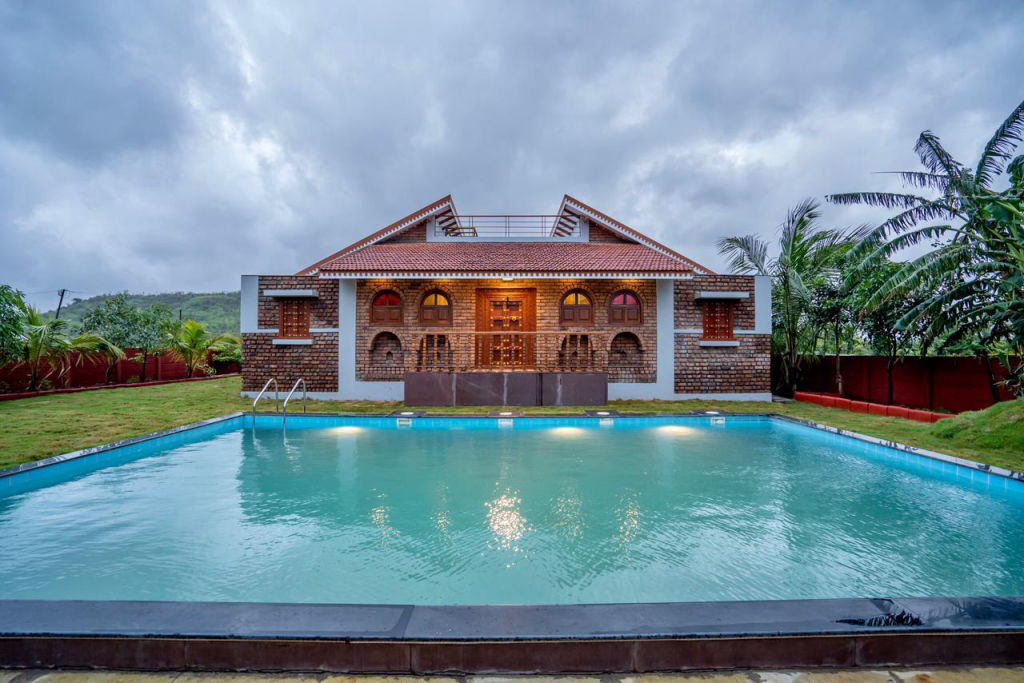
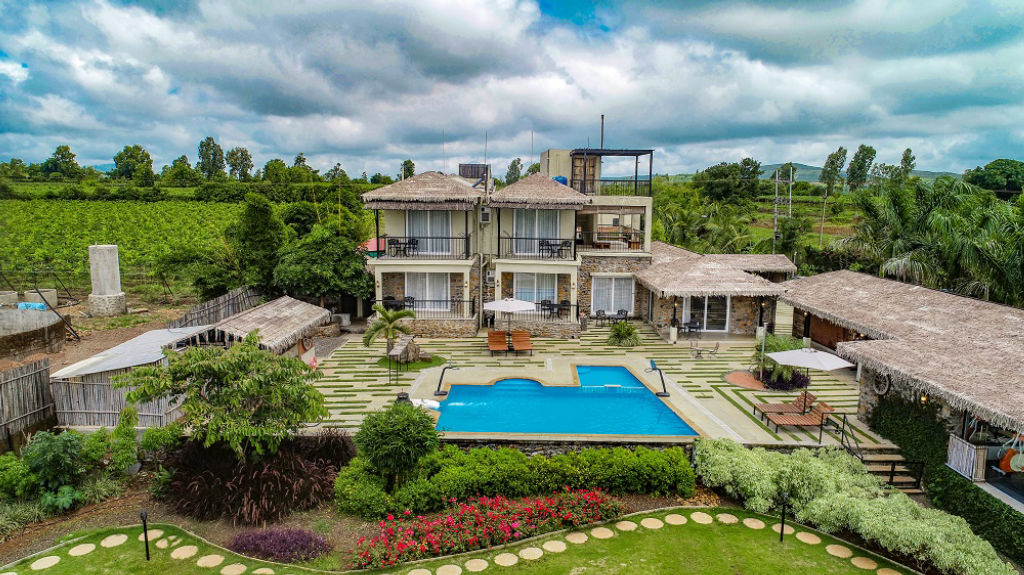
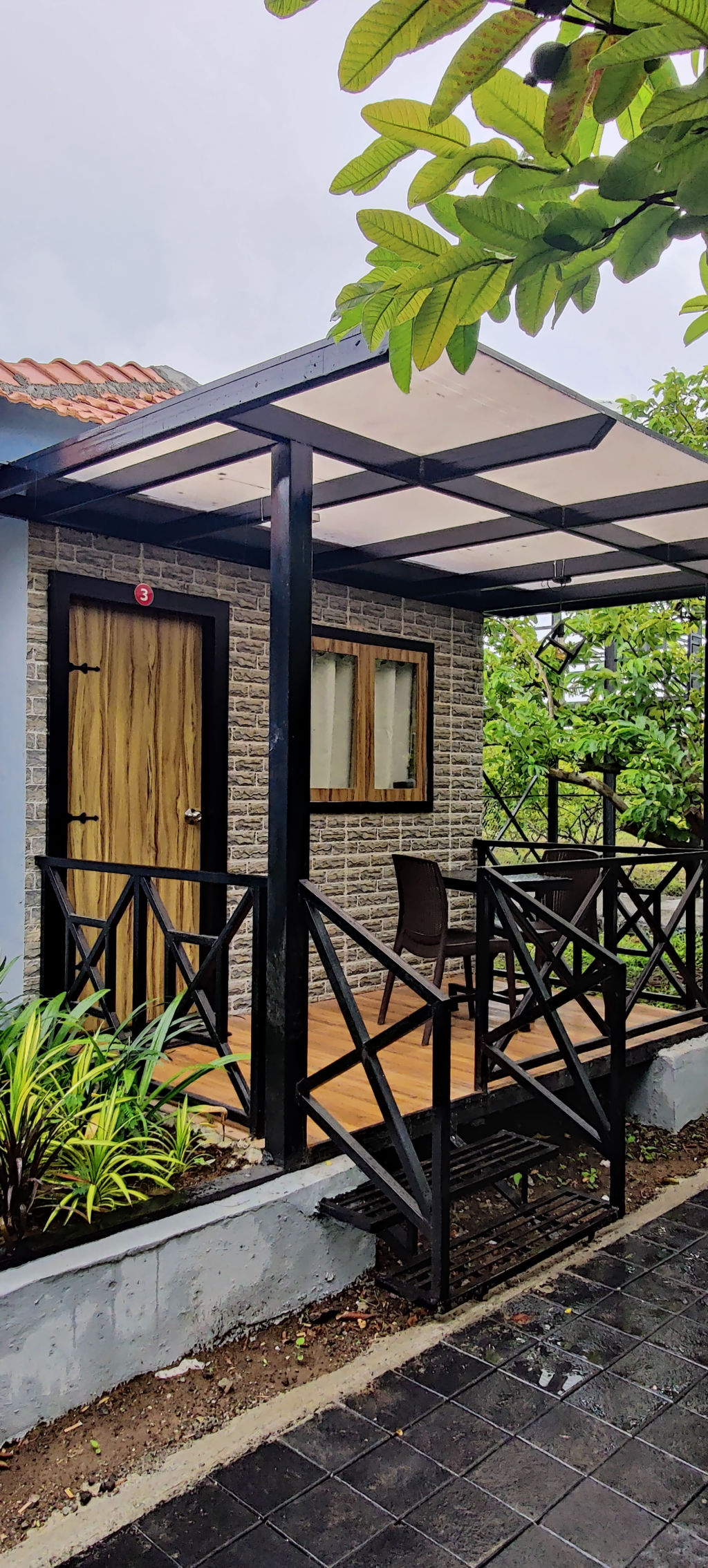
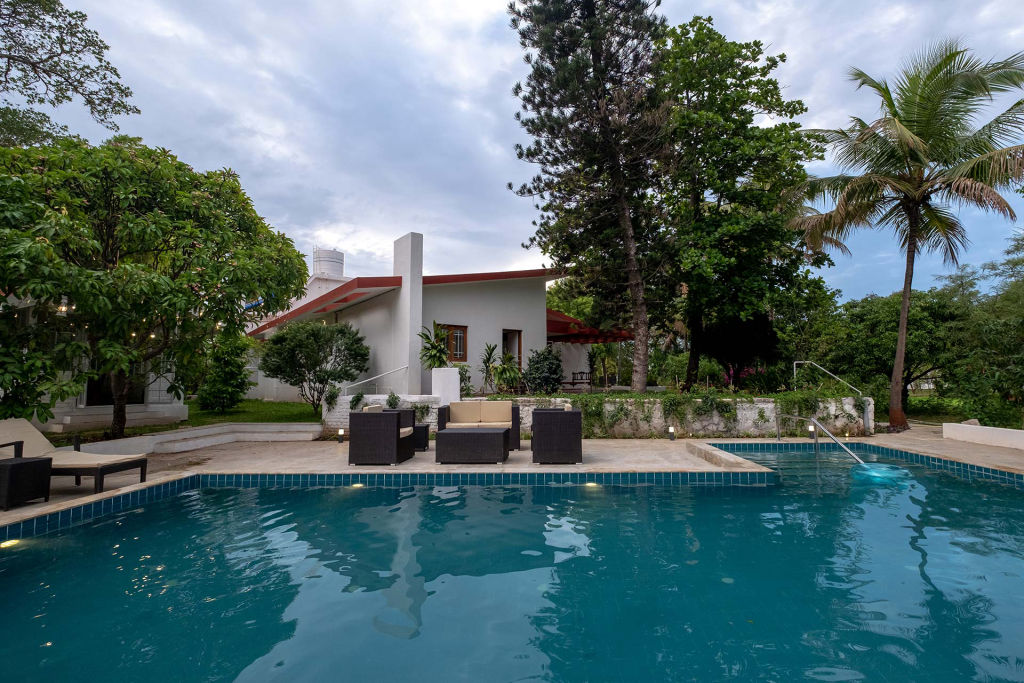
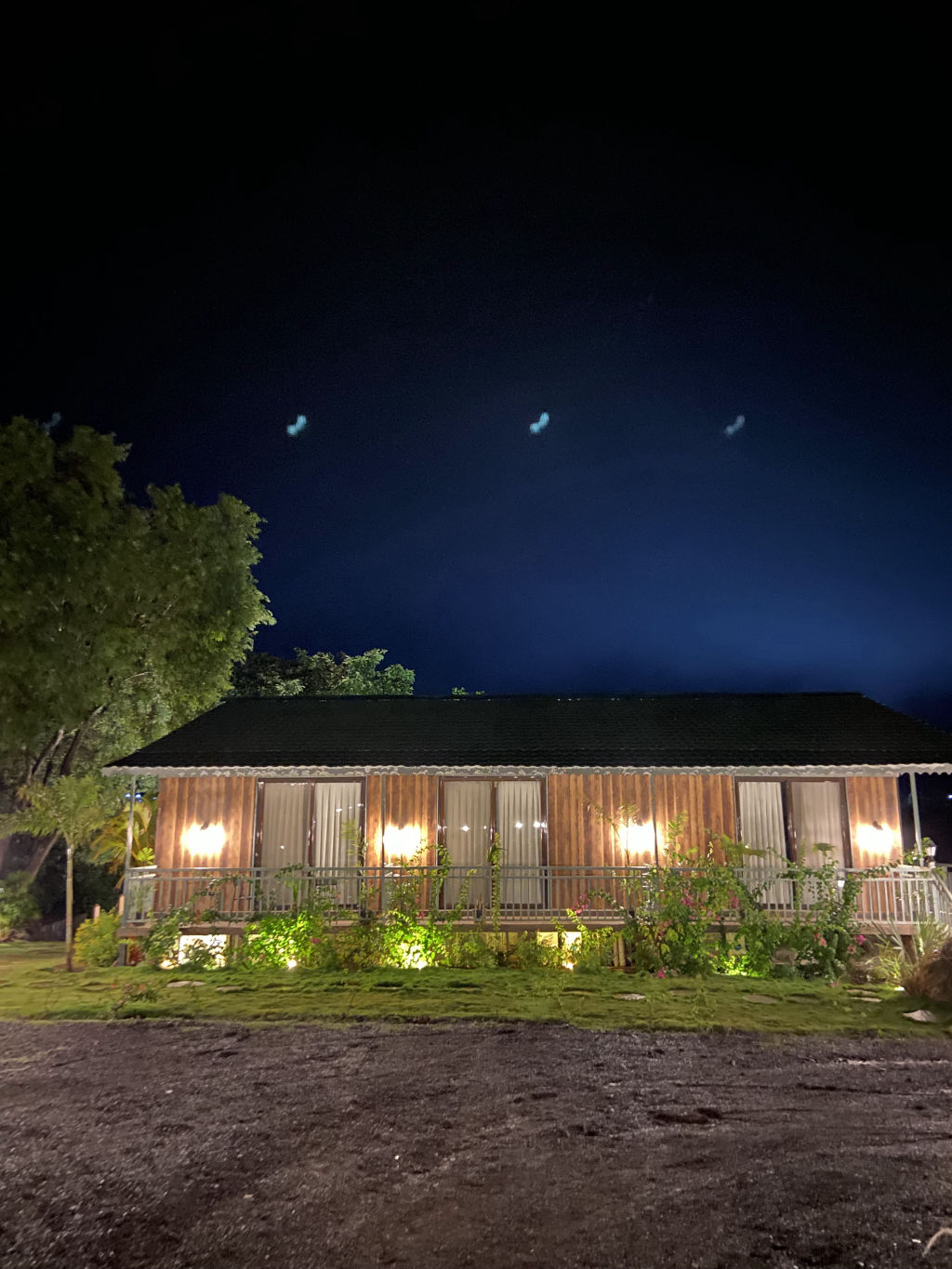
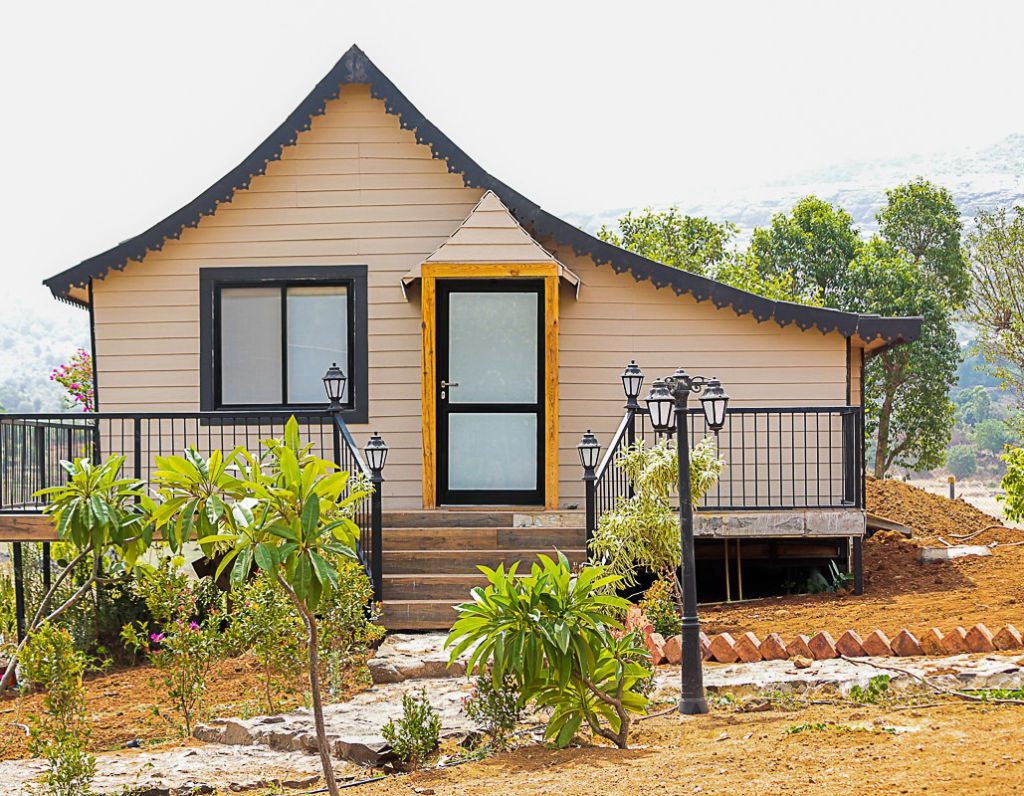
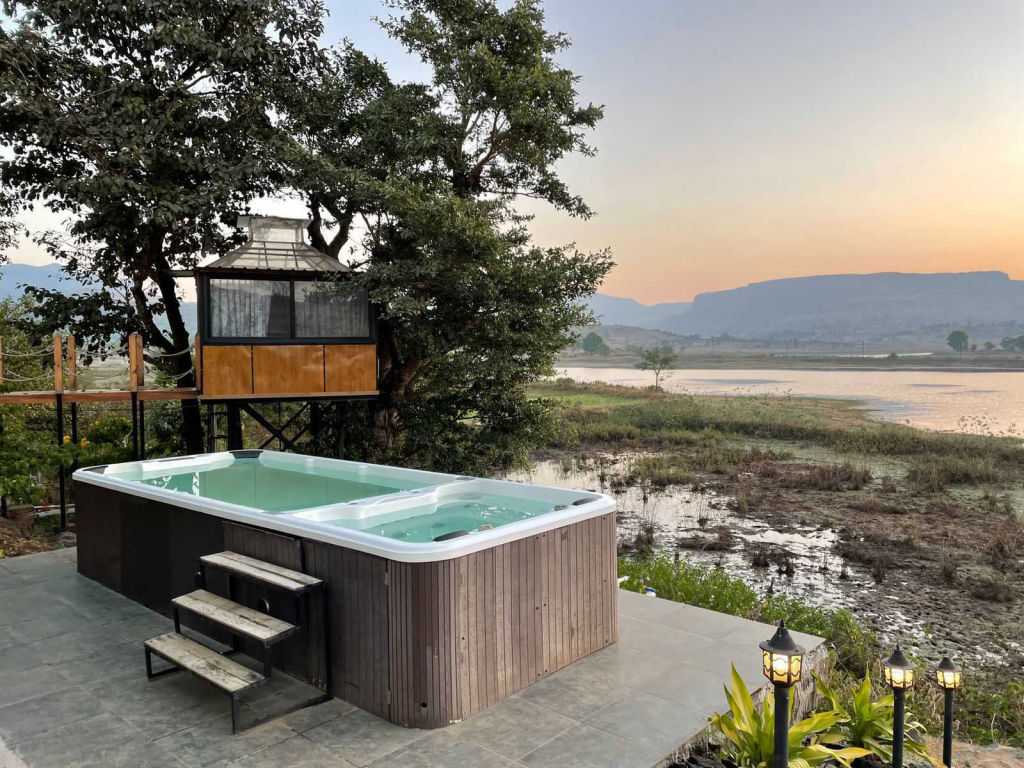
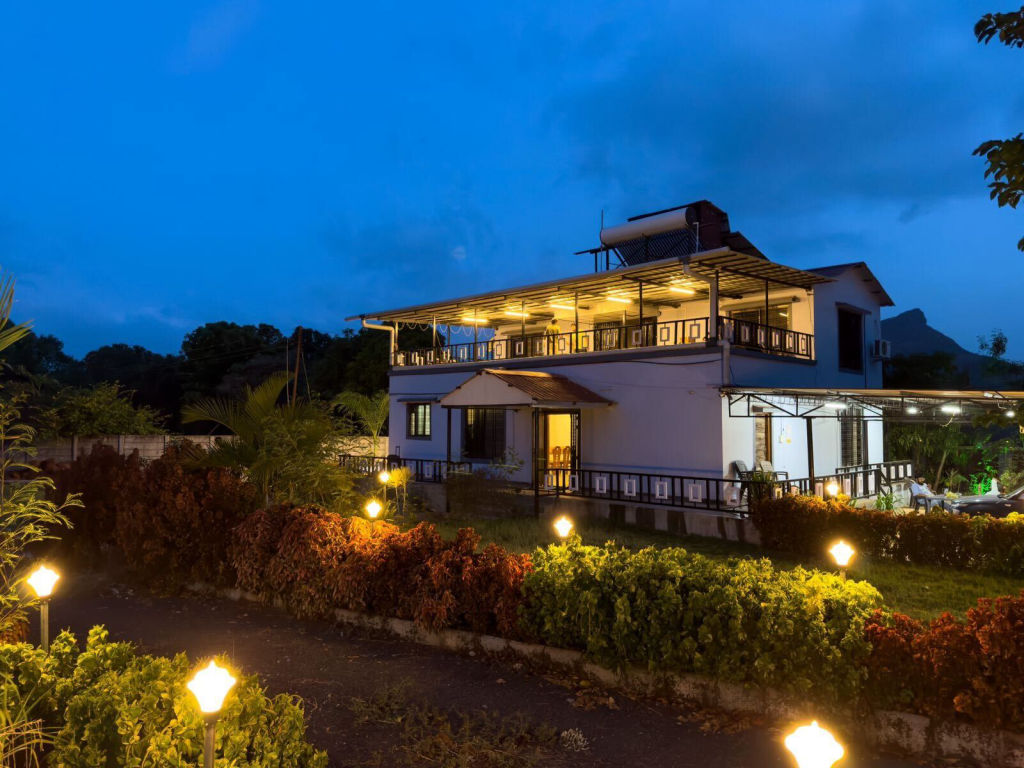
The countryside surrounding Anjaneri, Trimbak, and Gangapur offers a diverse mix of accommodations for travellers seeking to stay close to nature. Rural homestays, private farmhouses, boutique cottages, and scenic outdoor campsites can be found across the valley facing the Anjaneri cliffs. These lodgings provide an unhurried base from which to explore the museum, local vineyards, and mountain trails. You can find and book vetted camps, homestays, and unique nature stays in this region on HireACamp.
Frequently asked questions
What is the Coin Museum in Nashik known for?
The museum is known for its extensive research-based collection of ancient, medieval, and modern Indian coins, casting molds, minting tools, and dioramas illustrating the history of currency in India.
Where is the Coin Museum located?
It is located on the INHCRF campus near Vadholi on the Nashik-Trimbakeshwar Road, near Anjaneri, approximately twenty kilometers west of central Nashik.
How much time is required to see the Coin Museum?
Most visitors spend between one and two hours to browse through the chronological coin exhibits, technical illustrations, and educational displays.
Can I visit the Coin Museum on the way to Trimbakeshwar?
Yes, the museum is situated directly along the main Nashik-Trimbakeshwar highway, just nine kilometers before the Trimbakeshwar temple town, making it a convenient stop.
What is the best season to visit the Coin Museum?
The winter months from October to February offer pleasant weather for exploring the museum and nearby outdoor destinations, while the monsoon season brings green landscapes across the surrounding hills.
Where you'll be
INHCRF Campus, Opposite Grape County Resort, Near Vadholi, Trambakeshwar Rd, Phata, Nashik, Anjaneri, Maharashtra 422213 · 8 stays nearby shown with prices
As seen on Instagram
The posts this guide is built from
Stays near Coin Museum (Shanti-Krishna Museum of Money and History)
Book a place to stay close by
Often visited together
Creators who went here also showed these


More places near Coin Museum (Shanti-Krishna Museum of Money and History)
Within 20 km


Lists for this area
Ranked by how many creators recommend each place


Built from 1 Instagram post by 1 creator. Every tip links back to the post it came from, and where creators disagree we show both sides.


