
Colaba
Destination in Maharashtra
Colaba is a historic coastal neighbourhood situated at the southern tip of Mumbai in Maharashtra. Known for its grand colonial architecture, bustling street markets, and panoramic waterfront views along the Arabian Sea, it serves as the cultural and historic anchor of the city. Travellers visit Colaba to immerse themselves in Mumbai's rich past, walk along heritage avenues, and explore vibrant local art and seaside promenades.
Getting there
By road
- From Mumbai 18 min · 7.4 km
- From Pune2 hr 55 min · 153 km
- From Nashik4 hr · 188 km
- From Surat6 hr 55 min · 320 km
Typical drive times without traffic. Stations and airports from OLA Maps; distances and typical drive times from OpenStreetMap (© OpenStreetMap contributors); notes from creators' Reels.
Colaba and South Mumbai Travel Itineraries
A practical exploration of Colaba and South Mumbai, covering the Kala Ghoda arts district, historic museums, bustling street markets, and coastal promenades along the Arabian Sea.
1-Day Colaba Culture, Shopping, and Promenade
Best for travellers with a single day wanting a blend of art, shopping, and waterfront views.
Day 1
Arts, Causeway Shopping, and Sunset Promenade
morning
Chhatrapati Shivaji Maharaj Vastu SangrahalayaAbout 2 hr
The museum opens to visitors at 10:15 AM. Entry is ₹200 for Indian adults.
midday
Jehangir Art GalleryAbout 45 min · 100 m from the last stop
Entry to the gallery is free for all visitors.
midday
Bake House CafeAbout 1 hr · 100 m from the last stop
Tea and snacks for two cost approximately ₹500 to ₹800.
afternoon
Colaba CausewayAbout 1 hr 30 min · 1.7 km from the last stop
Visit during the afternoon to avoid the heaviest crowds. Street items typically range from ₹100 to ₹500.
evening
Marine DriveAbout 1 hr · 3.3 km from the last stop
There is no entry fee. Sit along the sea-facing promenade wall to unwind and watch the waves.
- Bargaining can reduce quoted street market prices by 20% to 40% in Mumbai. Carry both cash and UPI options when visiting stalls along Colaba Causeway.
- At Chor Bazaar, be cautious when purchasing antiques as many displays are reproductions; only shop if you know how to authenticate items and negotiate firmly.
- Skip Elephanta Caves if travelling on a tight schedule, as the return ferry trips, ticket queues, and walking require a full day.
Visit lengths are suggestions; distances are straight-line between stops.
About Colaba
Written with AI from map data and general knowledge. Check prices and timings locally before you go.
About Colaba and its Heritage
Colaba represents one of the oldest parts of Mumbai, originally existing as one of the seven islands that once comprised the archipelago. Under colonial governance, land reclamation projects connected these scattered islands into a contiguous city, transforming Colaba into a major military cantonment and trade hub. Today, walking through Colaba feels like stepping across distinct eras, where stately Victorian Gothic and Indo-Saracenic facades sit side-by-side with leafy residential lanes and modern city energy.
The neighbourhood borders the Arabian Sea on both its eastern and western sides, giving it a distinctive coastal character. The sea breeze moves through its broad avenues and narrow bylanes, creating an atmosphere that contrasts with the fast-paced financial districts further north. Along its historic waterfront stands the Gateway of India, an imposing basalt arch built to commemorate the royal visit of King George V and Queen Mary in the early twentieth century. This monument remains a central gathering point for travellers and residents who come to watch wooden passenger ferries bob in the harbour against the backdrop of open water.
Things to do in Colaba
A primary highlight of visiting Colaba is exploring its lively street markets and historic streets on foot. Colaba Causeway is famous for its vibrant footpath stalls that stretch along the central thoroughfare. Here, visitors browse through a colourful array of brass artefacts, vintage curios, handcrafted jewellery, books, and regional textiles. Bargaining is part of the street shopping culture, and the energetic atmosphere offers an unfiltered look into the city's commercial rhythm.
Beyond shopping, taking a slow walking tour of Colaba's residential quarters reveals charming architectural details, old wooden shuttered balconies, and peaceful courtyards tucked behind main roads. An afternoon stroll along the sea wall overlooking the harbour provides stunning views of Mumbai's maritime traffic, ranging from naval ships and cargo vessels to traditional fishing crafts returning at dusk. The streets are also lined with established bakeries, old-school Irani cafes, and atmospheric food spots where you can sample classic Mumbai snacks and refreshing beverages.
Read more
Exploring Art and Culture Nearby
Just north of Colaba lies Kala Ghoda, Mumbai's premier arts district. Easily accessible by foot or a short taxi ride, this neighbourhood is packed with contemporary art spaces, designer boutiques, and heritage institutions. Among them is the National Gallery of Modern Art, which hosts significant collections of modern Indian painting and sculpture within a grand historic building. The entire district is designed for relaxed wandering, with broad sidewalks shaded by mature banyan and rain trees.
A short distance further leads to Marine Drive, the sweeping coastal promenade that curves along Back Bay. Known locally as the Queen's Necklace due to the glowing street lamps that trace the shoreline after dusk, it is a favourite evening spot for watching the sun sink into the Arabian Sea. Visitors gather along the paved promenade to catch the cool ocean breeze, watch waves crash against the concrete tetrapods, and observe the vibrant street life that gathers as the workday ends.
Coastal Getaways and Excursions
Colaba acts as an ideal launchpad for exploring the wider coastal region of Maharashtra. Regular passenger ferries depart from the jetties near the Gateway of India, whisking travellers across Mumbai Harbour towards Elephanta Island. The island is renowned for the Elephanta Caves, an ancient rock-cut cave temple complex dedicated to Lord Shiva, carved between the fifth and eighth centuries. Exploring the massive rock chambers and intricately sculpted reliefs offers a tranquil retreat from the city.
Ferries also run south across the harbour towards Mandwa Jetty, providing a scenic gateway to the coastal towns and beaches of the Konkan mainland. From Mandwa, travellers can venture deeper into Raigad district towards historic maritime fortresses such as Kolaba Fort near Alibaug, which stands dramatically on a rocky island just off the shore. These nearby coastal getaways make it easy to combine an urban exploration of Colaba with seaside day trips and relaxed outdoor escapes.
Best time to visit Colaba
The ideal time to visit Colaba is during the winter months, from November to February. During this season, Mumbai experiences pleasant, dry weather with mild daytime temperatures and cool evening sea breezes, making it comfortable to spend entire days outdoors walking between monuments and markets. Cultural festivals, art exhibitions, and open-air events across south Mumbai also peak during this period.
The summer months, spanning March through May, bring higher heat and intense coastal humidity, which can make midday walking tours tiring without frequent hydration stops. The monsoon arrives in June and continues through September, bringing heavy, dramatic rains that wash over the coastal streets. While the monsoon transforms the western coast and nearby hills into lush green landscapes, outdoor sightseeing in the city can be disrupted by localized waterlogging and rough sea conditions that temporarily halt ferry operations.
How to reach Colaba
Colaba is well connected to the rest of Mumbai and nearby regional hubs by rail, road, and water. For rail travellers, the nearest major railheads are Chhatrapati Shivaji Maharaj Terminus and Churchgate station, both located within a short drive. These stations connect South Mumbai to nationwide rail routes as well as the city's suburban train network, allowing convenient access from suburban hubs.
Travellers arriving by air land at Chhatrapati Shivaji Maharaj International Airport in the northern suburbs. From the airport, metered black-and-yellow taxis, app-based cabs, and public transport move passengers south towards Colaba via coastal arterial routes and sea bridges. If you are travelling from coastal Konkan towns across the harbour, frequent passenger catamarans and ferries operate between Mandwa and the jetties near the Gateway of India, offering a convenient and scenic water route into the heart of the neighbourhood.
Where to stay around Colaba
Staying in or around Colaba places you within walking distance of many of South Mumbai's top historic landmarks, galleries, and scenic waterfronts. The neighbourhood offers a diverse range of accommodations, from traditional guesthouses housed in heritage buildings to comfortable city stays. The area's walkable layout and proximity to public transport make it a practical base for independent travellers and families alike.
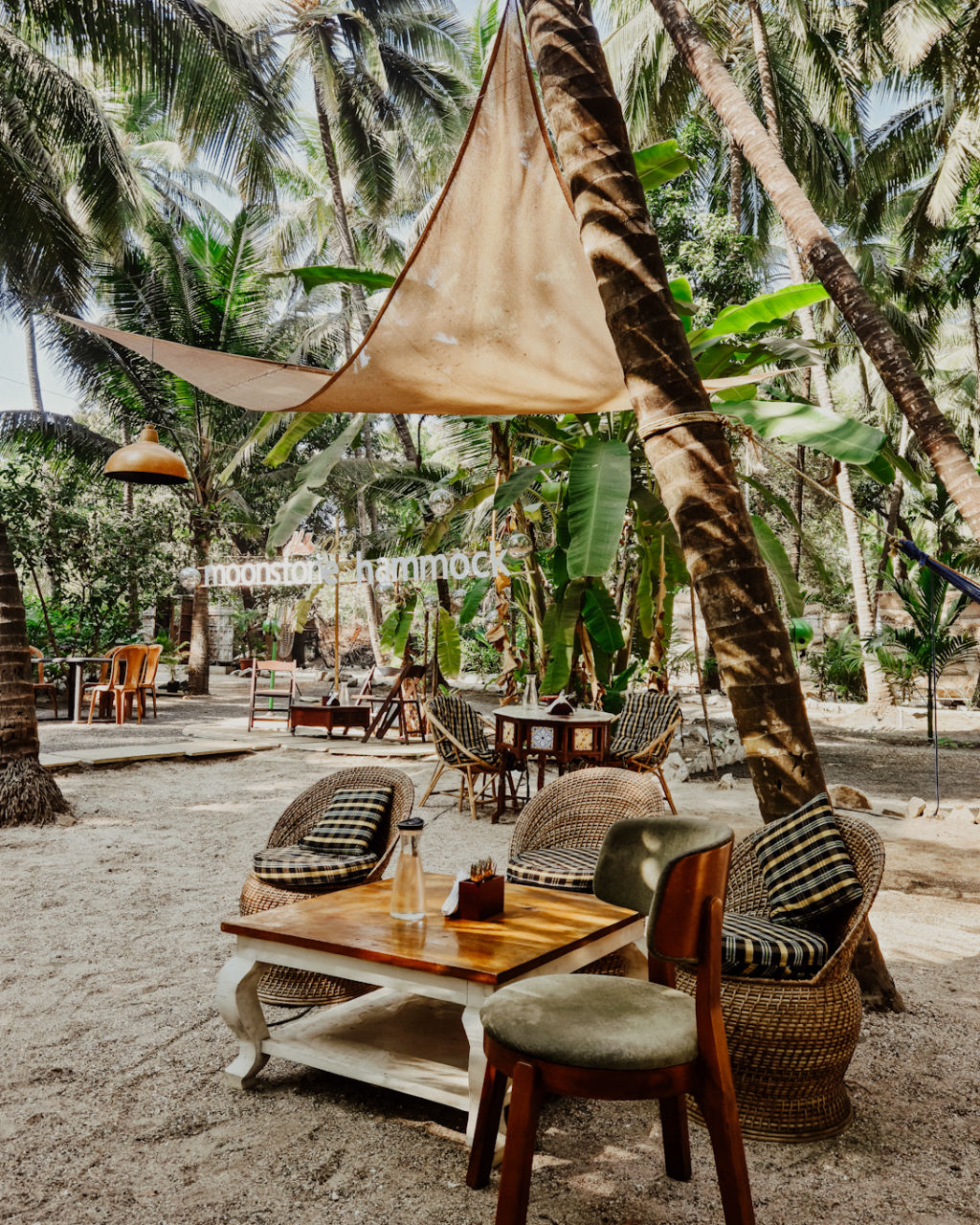
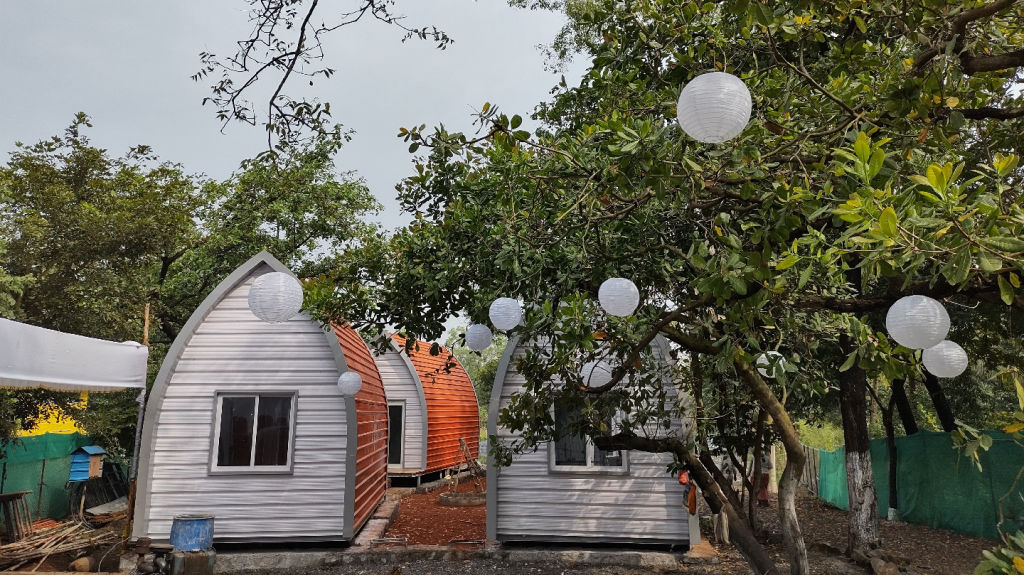
If you prefer a quieter retreat away from the bustle of the metropolis after spending your days sightseeing in Colaba, the broader region offers plenty of relaxing options. Homestays, rustic farm stays, and scenic coastal camps located across Mumbai Harbour in the coastal belts of Alibaug and Raigad can be easily discovered and booked on HireACamp, giving you the flexibility to balance urban heritage with natural surroundings.
Frequently asked questions
Is Colaba easy to explore on foot?
Yes, Colaba is one of the most walkable neighbourhoods in Mumbai, featuring wide sidewalks along major roads and compact distances between historic buildings, street markets, and the waterfront.
Can I take a ferry from Colaba to Elephanta Caves?
Yes, regular passenger ferries depart from the jetties located right near the Gateway of India in Colaba to take visitors directly to Elephanta Island. It is advisable to check local schedules at the jetty before heading out.
What should I wear while visiting Colaba?
Light, breathable cotton clothing and comfortable walking shoes are ideal for exploring Colaba year-round. If you visit during the monsoon season between June and September, be sure to carry reliable rain gear and water-resistant footwear.
Are boat services available to Alibaug from Colaba?
Yes, passenger ferries and speedboats operate between the jetties at Colaba and Mandwa Jetty, which acts as the coastal entry point for Alibaug and nearby Konkan beach towns.
Where you'll be
2 stays nearby shown with prices
Stays near Colaba
Book a place to stay close by
Things to do in Colaba
47 places creators recommend within 30 km


Lists for this area
Ranked by how many creators recommend each place


Built from 0 Instagram posts by 0 creators. Every tip links back to the post it came from, and where creators disagree we show both sides.






