
Colva
Destination in Goa
Colva is a historic coastal town located in South Goa, famed for its sweeping stretch of white sand along the Arabian Sea. It serves as a relaxed seaside hub where visitors can enjoy traditional Goan village life, seaside promenades, and calm water activities. Travellers head here to experience the gentler, less commercial side of Goa's coast while remaining close to the cultural heart of Margao.
Getting there
By road
- From Pune9 hr 35 min · 462 km
Typical drive times without traffic. Stations and airports from OLA Maps; distances and typical drive times from OpenStreetMap (© OpenStreetMap contributors); notes from creators' Reels.
About Colva
Written with AI from map data and general knowledge. Check prices and timings locally before you go.
About Colva and its coastal heritage
Colva is one of the oldest and most celebrated coastal settlements in South Goa. Long before modern tourism arrived, it was a prosperous fishing village favoured by colonial-era aristocracy, whose stately mansions and ancestral homes still stand in the leafy lanes extending back from the shore. The village radiates outward from the imposing Church of Our Lady of Mercy, founded in the seventeenth century and renowned for its annual religious festivities.
The shoreline at Colva is part of an uninterrupted twenty-four kilometre sweep of fine white sand that runs from Bogmalo in the north down toward Mobor in the south. The beach itself is broad and gently shelving, flanked by coconut groves, sand dunes, and patches of scrub vegetation typical of the Konkan littoral. Early in the mornings, traditional fishing boats can still be seen launching through the shore break, maintaining a way of life that has persisted along these shores for generations.
Things to do in Colva
The primary attraction in Colva is its sprawling beach, which provides ample space for long, unhurried walks along the tideline. In the morning hours, the shoreline is tranquil and breezy, making it an excellent spot for running, swimming, or watching shorebirds forage in the wet sand. As the afternoon wanes, the central beach area fills with local families, vendors selling roasted corn and fresh coconuts, and travellers gathering to watch the sunset paint the Arabian Sea in shades of amber and rose.
Water sports are popular along the central beachfront during the dry season. Operators offer parasailing, jet skiing, banana boat rides, and speed boat cruises just beyond the breakers. Those seeking quieter shores can simply walk north toward Sernabatim or south toward Benaulim, where the crowds quickly thin out and the sound of the surf dominates.
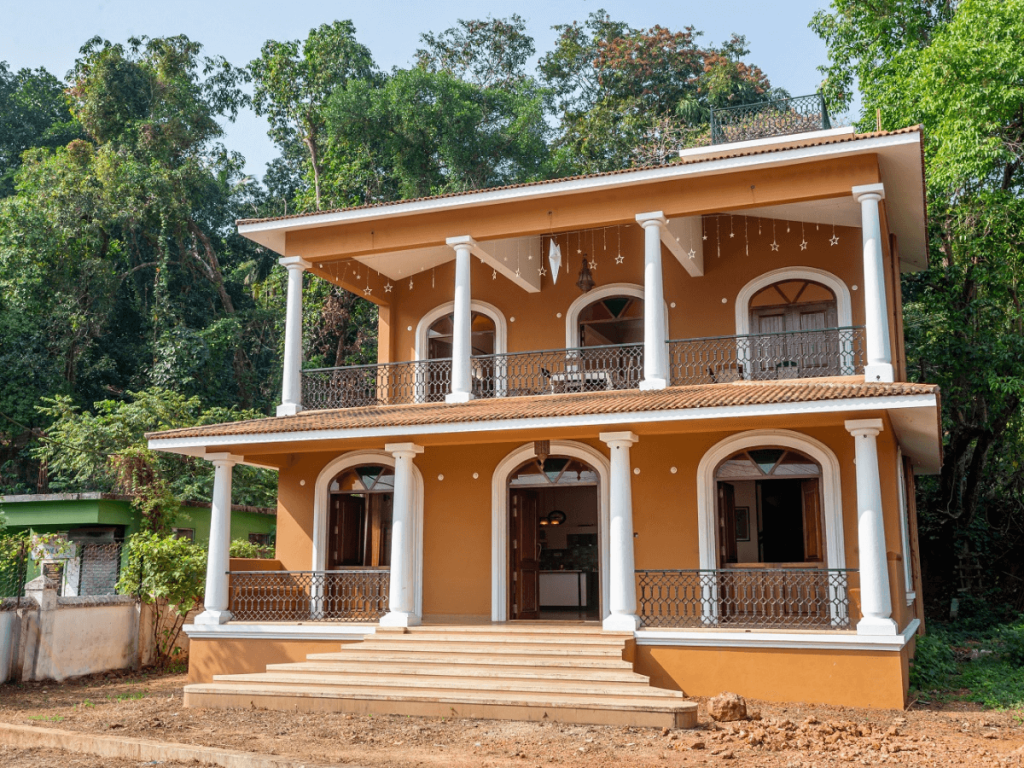
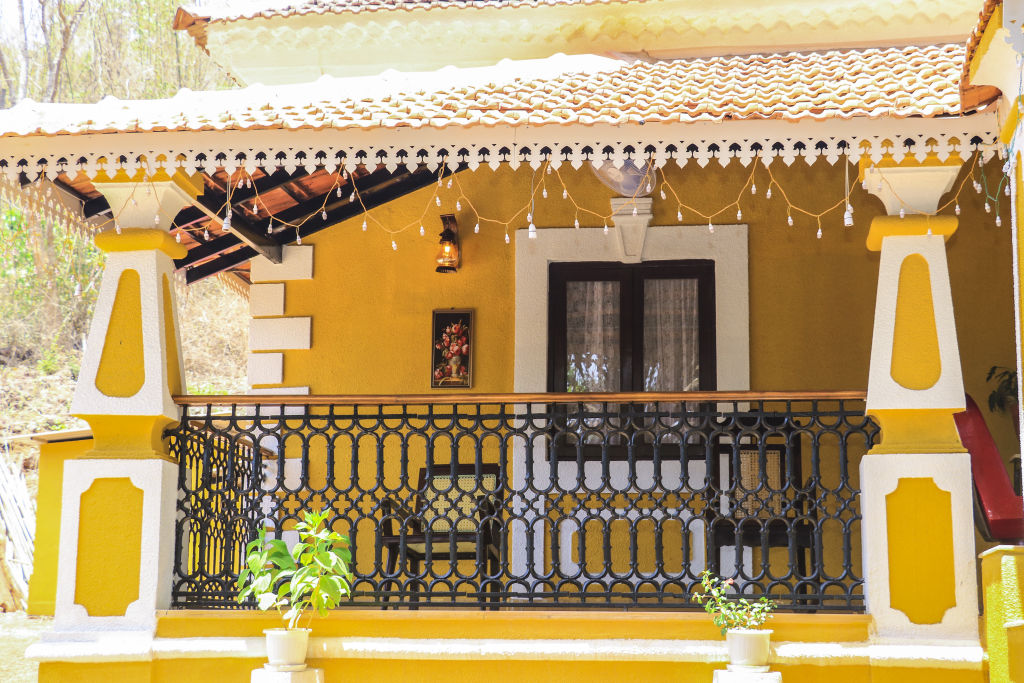
Away from the water, wandering the lanes of the village provides insight into rural Goan architecture. Traditional Portuguese-Goan houses with oyster-shell window panes, decorative balcões, and vibrant tiled roofs are scattered among tropical gardens. A stop at the historic church in the village square offers a peaceful pause and a chance to admire the high vaulted ceiling and gilded altars characteristic of Goan church architecture.
Read more
Day trips and getaways near Colva
Colva's central position in South Goa makes it a convenient base for exploring both the coastline and the interior hinterlands. Just a few kilometres to the east lies Margao, Goa's cultural capital and commercial heart. Visitors can spend a morning navigating Margao's bustling covered market, filled with local spices, dried fish, hand-rolled sausages, and seasonal fruits, followed by an architectural walk through the historic Latin quarter of Fontainhas or the heritage quarter of Comba.
Heading south along the coast brings you to quiet, palm-shaded beaches such as Varca, Cavelossim, and Betul. At Betul, where the Sal River empties into the sea, a small hillock and quiet fishing harbour provide sweeping panoramic views over the estuary. Nature lovers can also venture further south toward Cabo de Rama, where an ancient cliff-top fort overlooks dramatic rocky coves and pristine turquoise water.
For a change of landscape, a drive inland toward the Western Ghats reveals a lush tapestry of spice plantations, freshwater streams, and quiet forested reserves. Taking a day trip to explore historic heritage mansions in Chandor or the freshwater sanctuaries deeper in the foothills offers a rich counterpoint to days spent relaxing on the sand.
Best time to visit Colva
The ideal time to visit Colva is between November and February, during the pleasant winter months. During this period, the weather along the coast is dry, sunny, and temperate, with daytime temperatures hovering around thirty degrees Celsius and cool sea breezes developing by mid-afternoon. The sea remains calm and suitable for swimming, and all beachfront services and water sports operate normally.
March through May brings increasing heat and humidity as summer takes hold. While midday hours can feel intense, early mornings and late evenings remain atmospheric and breezy. This shoulder season offers uncrowded beaches and a much slower pace of life for travellers who do not mind the coastal warmth.
The southwest monsoon arrives in June and continues through September, transforming the entire landscape into an emerald expanse. While the sea turns rough and swimming is prohibited during the monsoon, Colva takes on a deeply romantic, quiet character. Rains fall in heavy, dramatic bursts, the countryside turns vibrant green, and the village settles into an unhurried rhythm that appeals to writers, nature lovers, and slow travellers.
How to reach Colva
Colva is well connected to major transport hubs across Goa. For travellers arriving by air, Goa's older international airport at Dabolim is located approximately twenty-five kilometres north of the town, with an approximate driving time of forty-five minutes depending on traffic. The newer airport at Mopa in North Goa is considerably further, taking around two hours by road.
If arriving by rail, Margao Railway Station, also known as Madgaon Junction, is situated merely seven kilometres east of Colva. As the primary railway station in South Goa, Madgaon handles trains from Mumbai, Bengaluru, Delhi, and other major Indian cities. Taxis and auto-rickshaws are readily available outside the station, and the drive to the beach takes about fifteen to twenty minutes.
Colva is also well served by local bus services that run frequently throughout the day between the Margao municipal bus stand and Colva's main church square. For maximum flexibility during your stay, renting a scooter, motorcycle, or car is widely considered the most practical way to explore the surrounding coastline and heritage villages.
Tips for your visit
When spending time on Colva beach, take note of safety flags posted by lifeguards before entering the water. Strong undercurrents and shifting sandbars can develop, particularly near river outlets and during the change of seasons. Swim only in designated zones supervised by beach patrols.
Colva is relatively compact, but comfortable walking sandals are recommended for exploring the sandy stretches and village streets. The coastal sun can be strong throughout the year, so bring sun protection, a wide-brimmed hat, and light cotton clothing. Carrying a reusable water bottle helps reduce single-use plastic waste on the fragile beach ecosystems.
Respect local customs when visiting village shrines, churches, and residential lanes. Modest attire covering shoulders and knees is appreciated when stepping inside historical churches or quiet parish grounds.
Where to stay in Colva
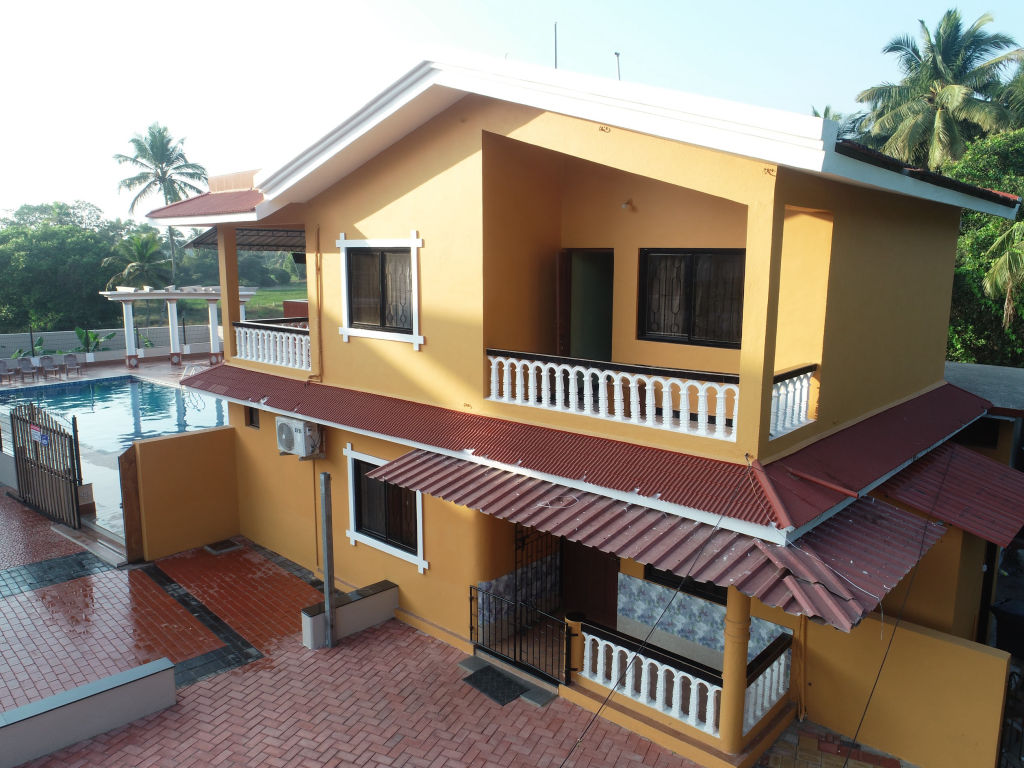
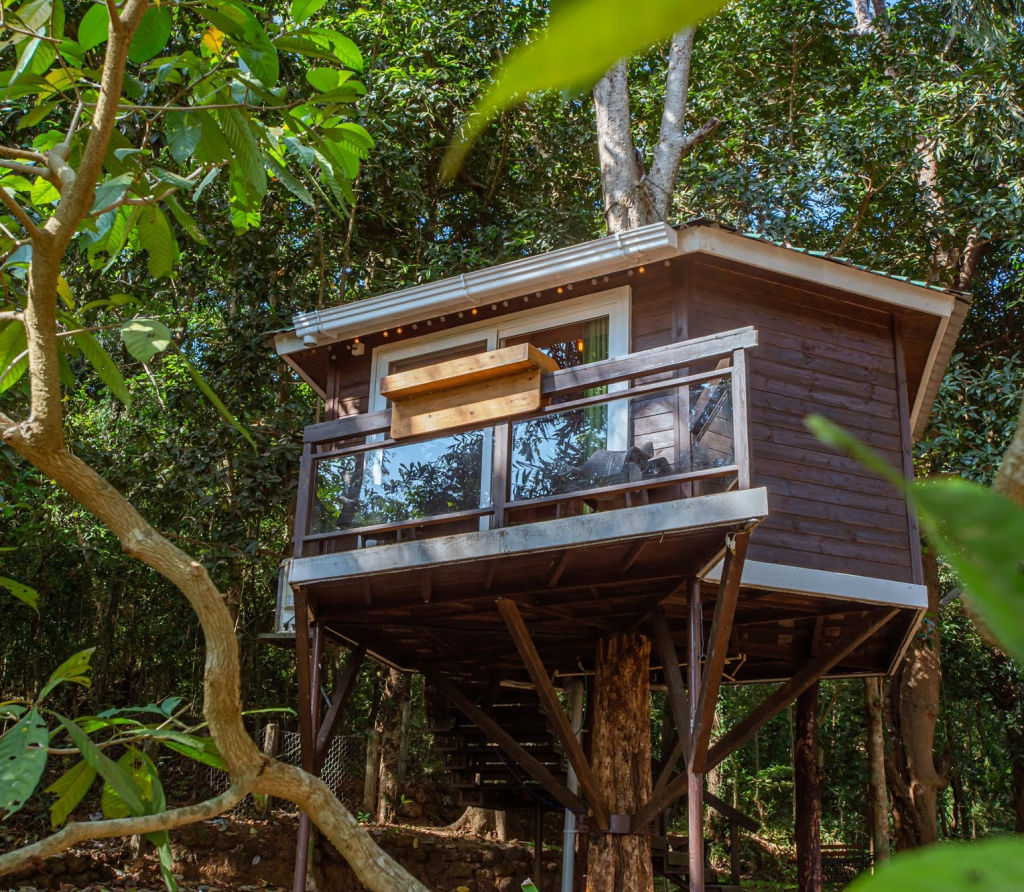
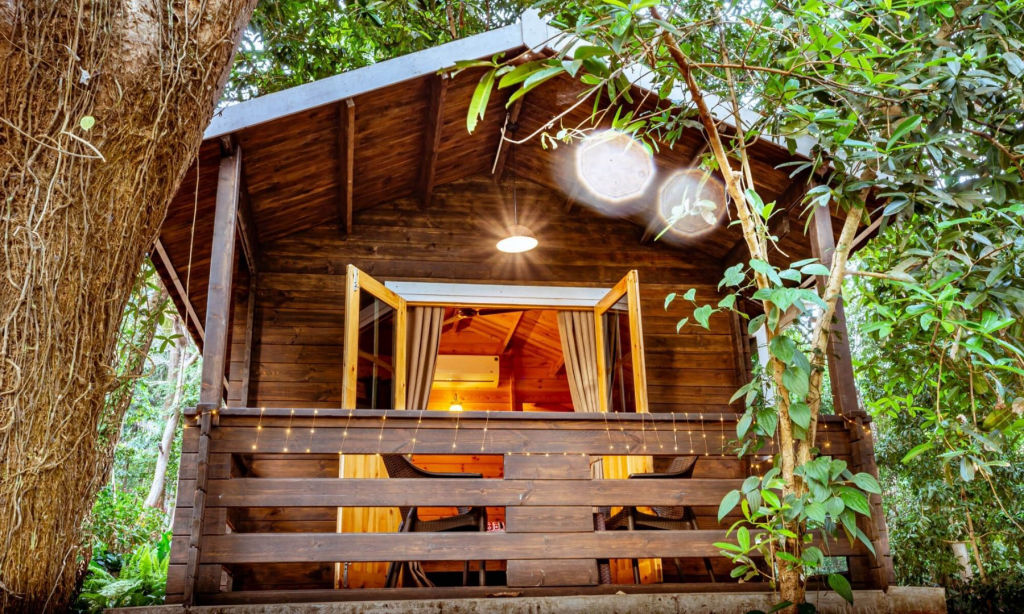
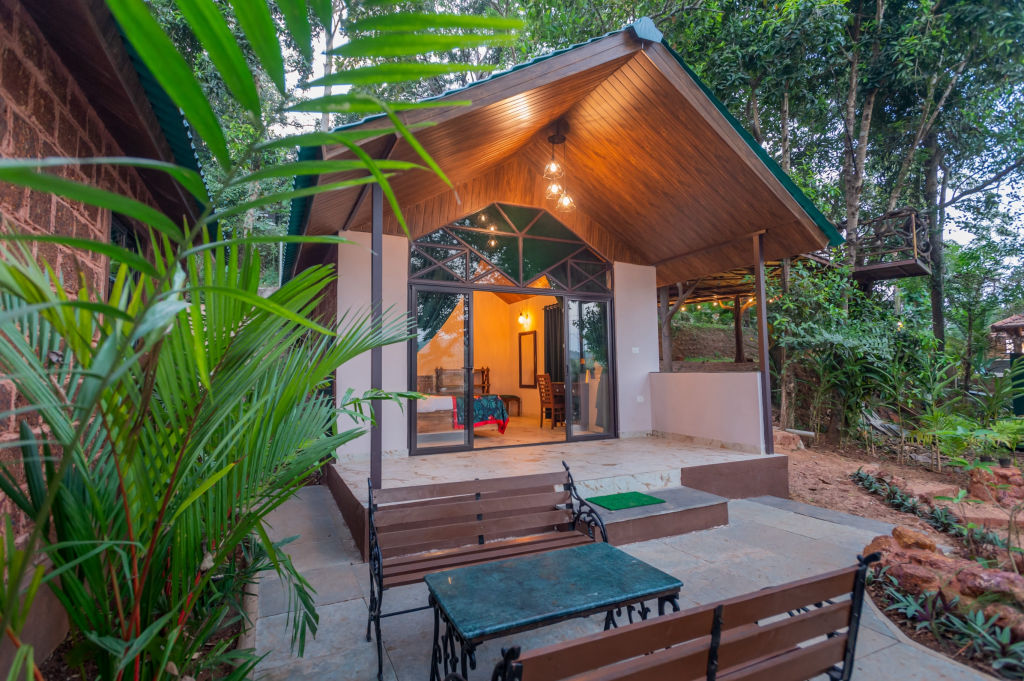
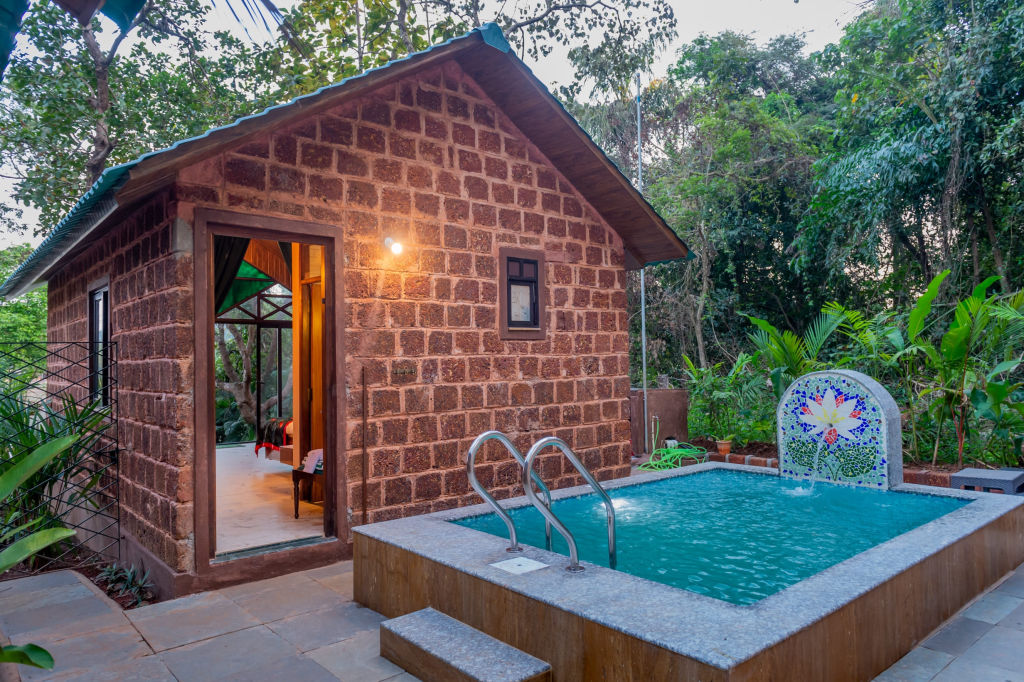
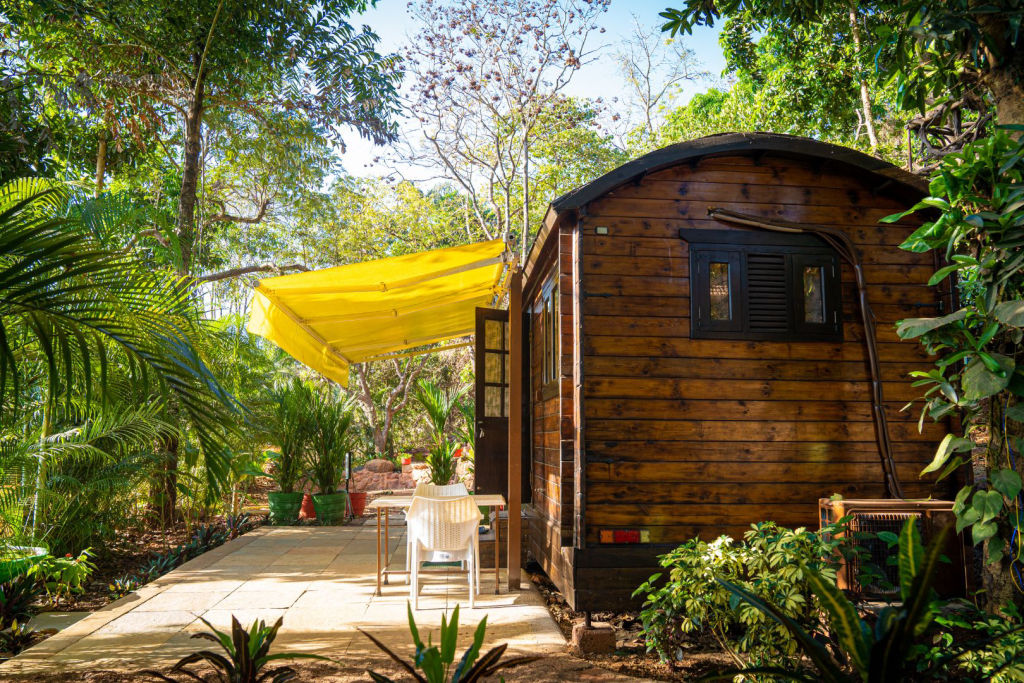
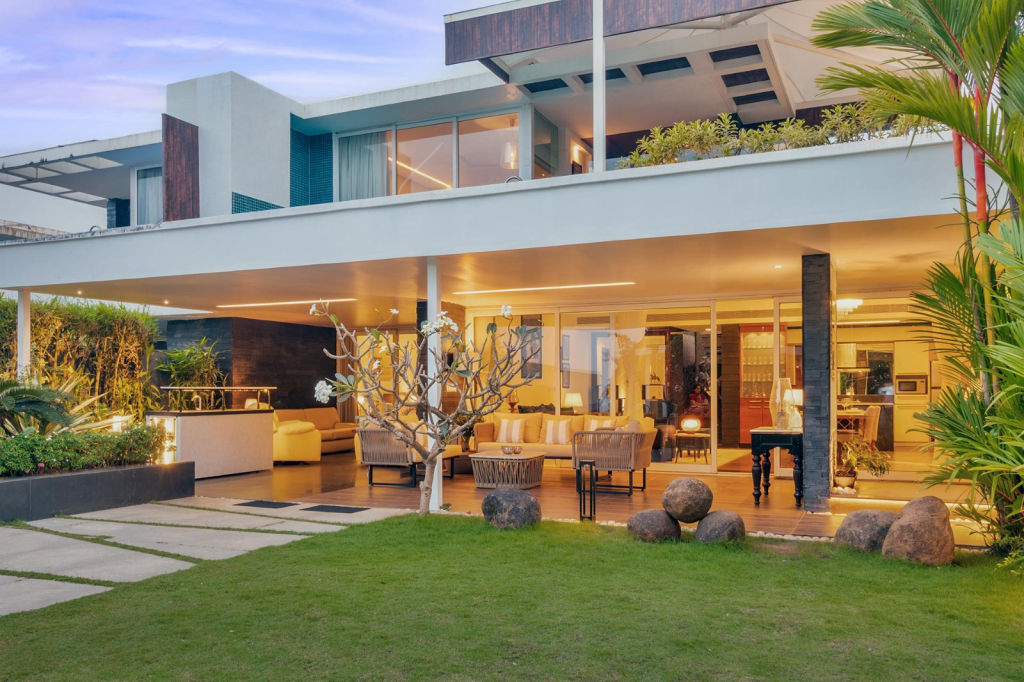
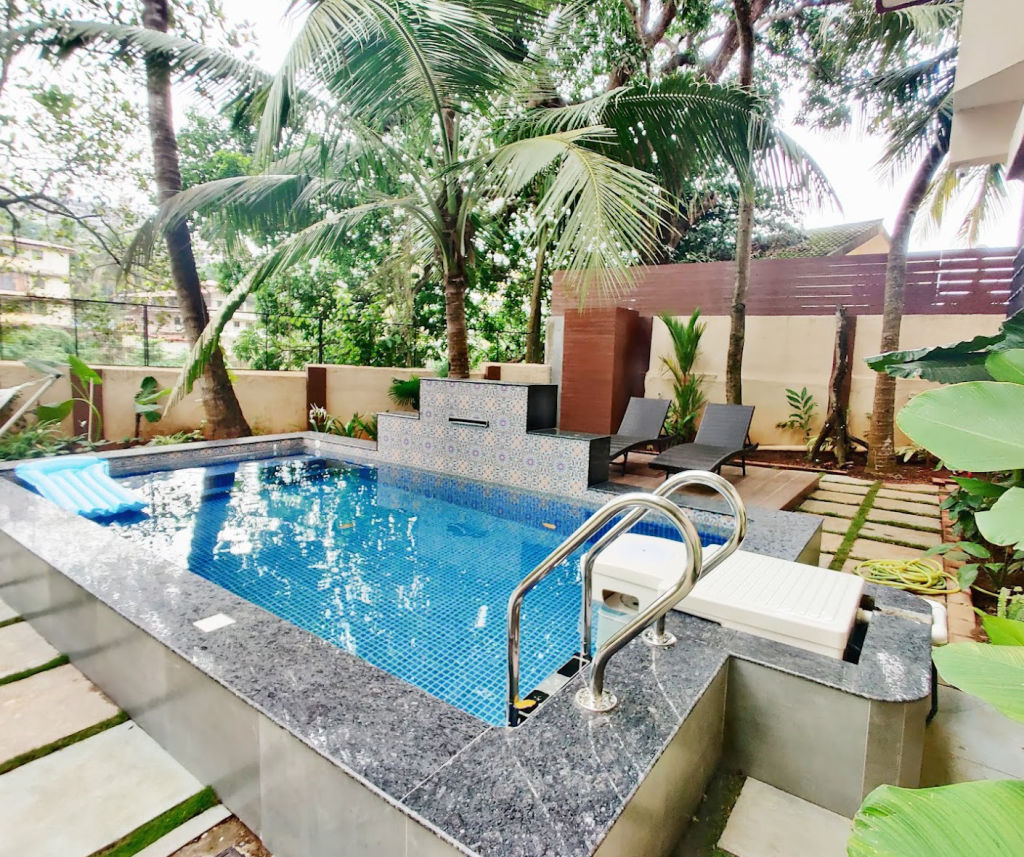
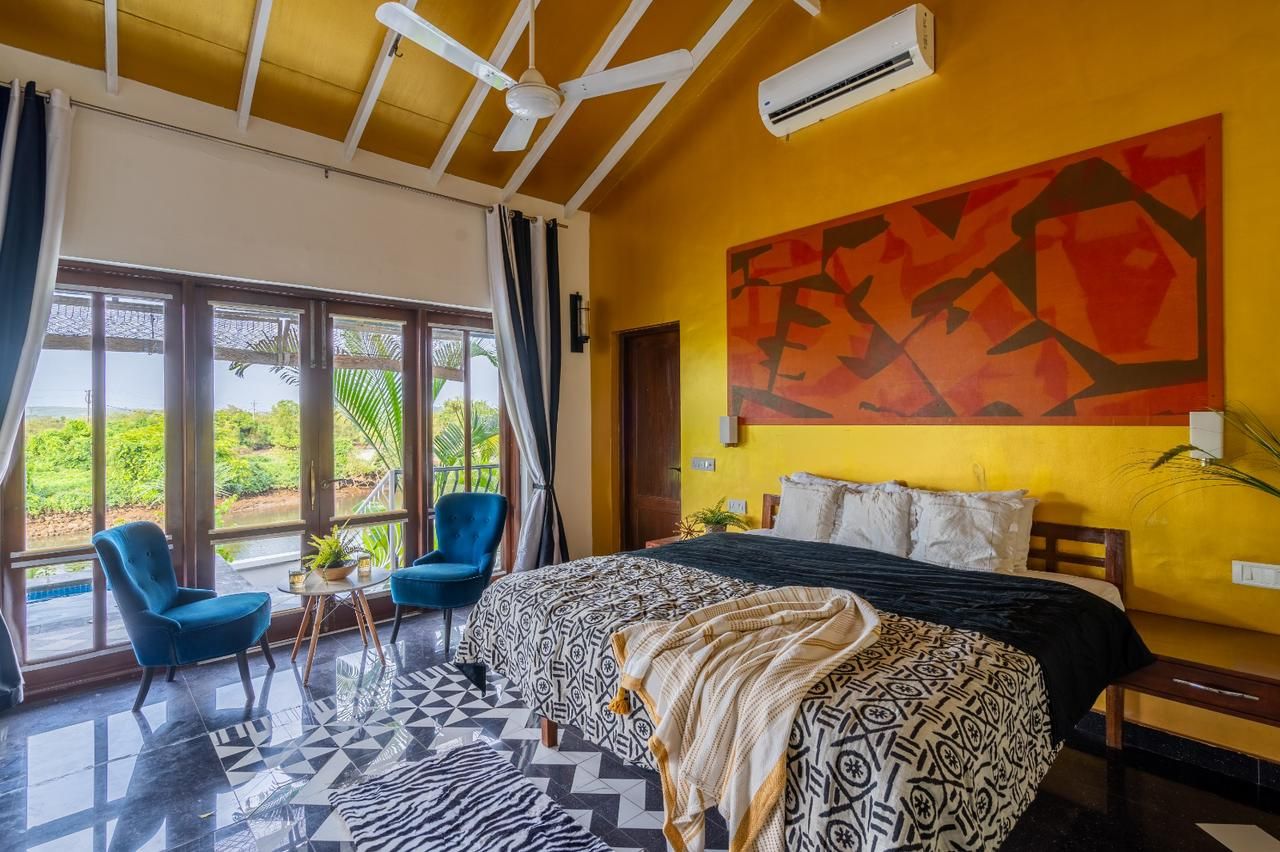
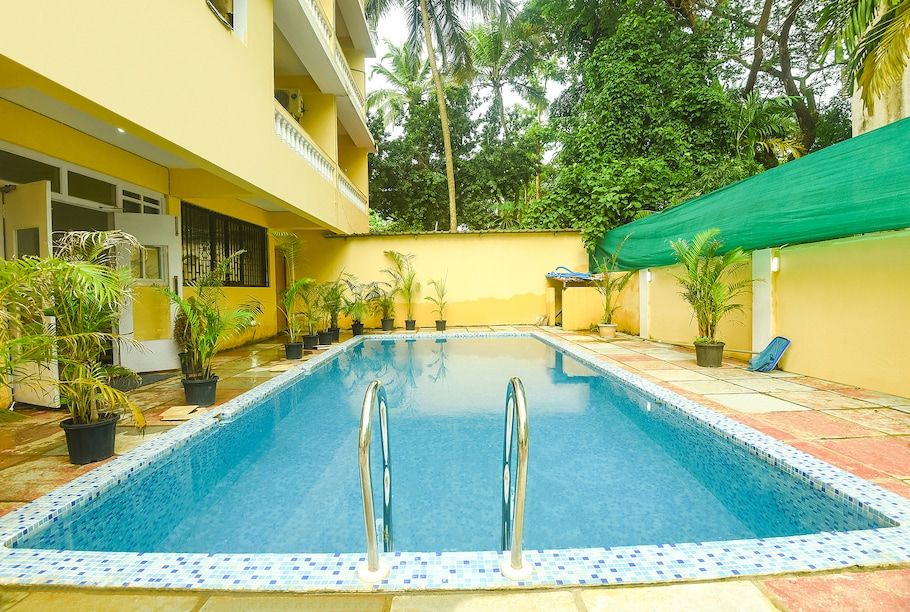
Colva offers an appealing range of accommodation choices that reflect its laid-back South Goan character. Visitors can choose between tranquil homestays tucked into traditional residential neighbourhoods, peaceful village guesthouses sheltered beneath coconut groves, and airy coastal lodgings within walking distance of the Arabian Sea.
Staying slightly set back from the primary beach approach allows travellers to enjoy peaceful nights while remaining close to markets, bakeries, and transport links. For travellers seeking verified homestays, nature retreats, and outdoor getaways in and around Colva, options can be browsed and booked directly on HireACamp.
Frequently asked questions
Is Colva Beach suitable for swimming?
Yes, Colva Beach is generally safe for swimming during the dry months from November to May. Always follow the lifeguard flags and swim only within marked safety zones.
How far is Colva from Margao?
Colva is located approximately seven kilometres west of Margao, taking roughly fifteen to twenty minutes by road under normal traffic conditions.
What is Colva known for?
Colva is renowned for its sweeping white-sand beach, historic Church of Our Lady of Mercy, peaceful coastal village atmosphere, and traditional South Goan heritage.
Can I visit Colva during the monsoon season?
Yes, Colva can be visited during the monsoon from June to September to experience lush greenery and a tranquil atmosphere, although swimming in the sea is not permitted.
How do I get around Colva and neighbouring beaches?
Renting a scooter or car is the most convenient way to travel around Colva, though local auto-rickshaws, taxis, and public buses to Margao are also easily accessible.
Where you'll be
12 stays nearby shown with prices
Stays near Colva
Book a place to stay close by
Things to do in Colva
48 places creators recommend within 30 km
Built from 0 Instagram posts by 0 creators. Every tip links back to the post it came from, and where creators disagree we show both sides.






