
Curtorim
Destination in Goa
Curtorim is a picturesque agrarian village nestled in the Salcete sub-district of South Goa, situated just east of the city of Margao. Famed for its expansive network of freshwater lakes, fertile paddy fields, and heritage churches, it offers an authentic glimpse into Goa's rural heartland. Travellers, birdwatchers, and heritage enthusiasts visit to experience its tranquil countryside atmosphere and traditional village landscape.
Getting there
By road
- From Pune9 hr 45 min · 468 km
Typical drive times without traffic. Stations and airports from OLA Maps; distances and typical drive times from OpenStreetMap (© OpenStreetMap contributors); notes from creators' Reels.
About Curtorim
Written with AI from map data and general knowledge. Check prices and timings locally before you go.
About Curtorim
Curtorim holds a unique position in South Goa's cultural and agricultural topography. Known historically as a granary of the region, the village is defined by its vast khazan lands, an intricate and traditional estuarine farming and water management system engineered over centuries. Here, dykes, sluice gates, and bunds govern the flow of water into expansive paddy fields and interconnected freshwater lakes. These wetlands not only support indigenous varieties of red rice but also create a thriving inland habitat for wildlife.
The village presents a calm and refreshing contrast to the bustling coastal belt of Goa. Its winding village roads are flanked by ancestral Goan-Portuguese mansions, modest village homes, leafy groves of coconut and areca nut palms, and open vistas across marshlands. A rooted sense of community life prevails, where the rhythm of the day is dictated by morning walks to the village square, farming duties, and church bells echoing across the water.
Things to do in Curtorim
Birdwatching is one of the most rewarding pursuits in Curtorim, particularly around its numerous freshwater bodies and surrounding marshes. As the monsoon subsides, the lakes become seasonal sanctuaries for a remarkable array of resident and migratory birds. Early mornings offer opportunities to spot storks, herons, egrets, cormorants, purple swamphens, and various species of kingfishers skimming across the water.
Walking or cycling through the interior village roads allows you to appreciate the architectural heritage and rural rhythm of South Goa. You can visit the historic local church, situated alongside a sweeping lake, where white lime-washed facades reflect against the still water. Beyond architecture, take time to observe traditional agricultural routines, walk along the grassy dykes between paddy fields, or simply sit by the water's edge at sunset to watch local fishermen cast their nets.
Read more
Places to visit around Curtorim
Due to its central position in South Goa, Curtorim serves as an excellent starting point for exploring both the inland hinterlands and coastal landmarks. A short drive south brings you to the hill at Paroda, where the ancient Shri Chandreshwar Bhootnath Temple stands. Perched atop a wooded hill, this sacred temple site offers panoramic views across South Goa's verdant canopy and distant hills.
For those interested in ecclesiastical architecture, the neighbouring villages and sub-districts house several historic landmarks, including the Church of Our Lady Mother of the Poor, St. Michael's Church, and Our Lady of Rosary Church. Each presents classic Goan church architecture, complete with ornate altars and peaceful courtyards. If you want to experience the coastline, the wide sandy expanse of Colva Beach lies only a short drive to the west, making it easy to enjoy the Arabian Sea before returning to the inland quiet of Curtorim.
Best time to visit Curtorim
The winter months from November to February represent the most comfortable time to visit Curtorim. During this period, the days are bright and sunny with moderate daytime temperatures and cooler, breezy evenings. This season is particularly ideal for birdwatching, cycling, and walking along the open paddy bunds, as humidity levels drop significantly.
The monsoon season from June to September transforms the village into a lush landscape of intense greenery. Rains replenish the lakes, fill the sluice canals, and breathe life into the paddy fields. While heavy rainfall may limit extended outdoor walking, it is an evocative time for travellers who appreciate mist-covered fields and quiet countryside living. The summer months from March to May bring higher heat and humidity, making early mornings and late evenings the best windows for outdoor exploration.
How to reach Curtorim
Curtorim is easily accessible from major transport hubs in Goa, owing to its proximity to the city of Margao. The nearest major railway hub is Madgaon Junction, located roughly eight kilometres away. Madgaon is well connected with direct trains running regularly to Mumbai, Bengaluru, Delhi, Kochi, and other key Indian cities. From the railway station, local buses, auto-rickshaws, and pre-booked taxis are readily available to complete the short journey into the village.
If you are arriving by air, Goa is served by two international airports: Dabolim Airport in the south and Manohar International Airport at Mopa in the north. Dabolim is considerably closer, with road journeys typically taking under an hour depending on traffic. For those driving from nearby towns like Panaji or coastal South Goa, well-maintained state highways and arterial rural roads make for a smooth and scenic drive.
Tips for visiting Curtorim
Curtorim is a living agricultural village rather than a commercial tourist zone, so visitors should respect local customs and daily routines. When walking near lakes and agricultural lands, stick to established bunds and paths to avoid stepping on cultivated crops or disturbing resting birds. Dress modestly when visiting village chapels, churches, and nearby temples, and always ask for permission before photographing private homes or local residents.
Hiring a bicycle or a two-wheeler is one of the best ways to explore the narrow village roads and interior lanes that larger vehicles cannot easily navigate. If you plan to spend time outdoors observing birds or walking near the wetlands, carry a pair of binoculars, insect repellent, a water bottle, and comfortable footwear suitable for unpaved paths.
Where to stay in Curtorim
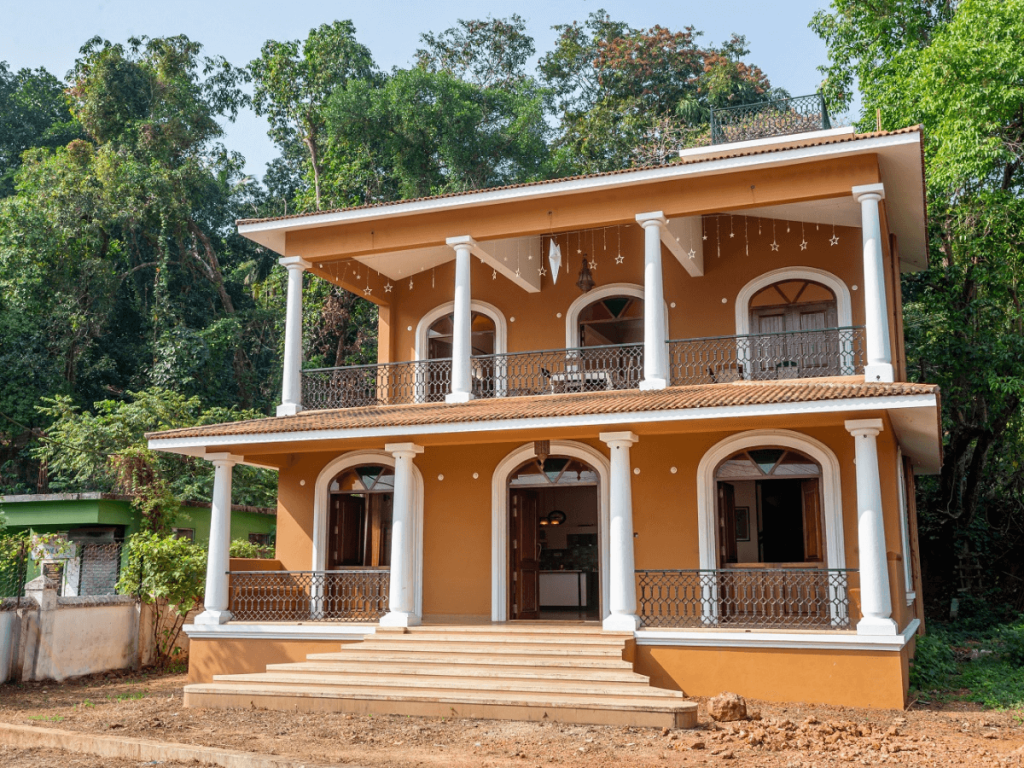
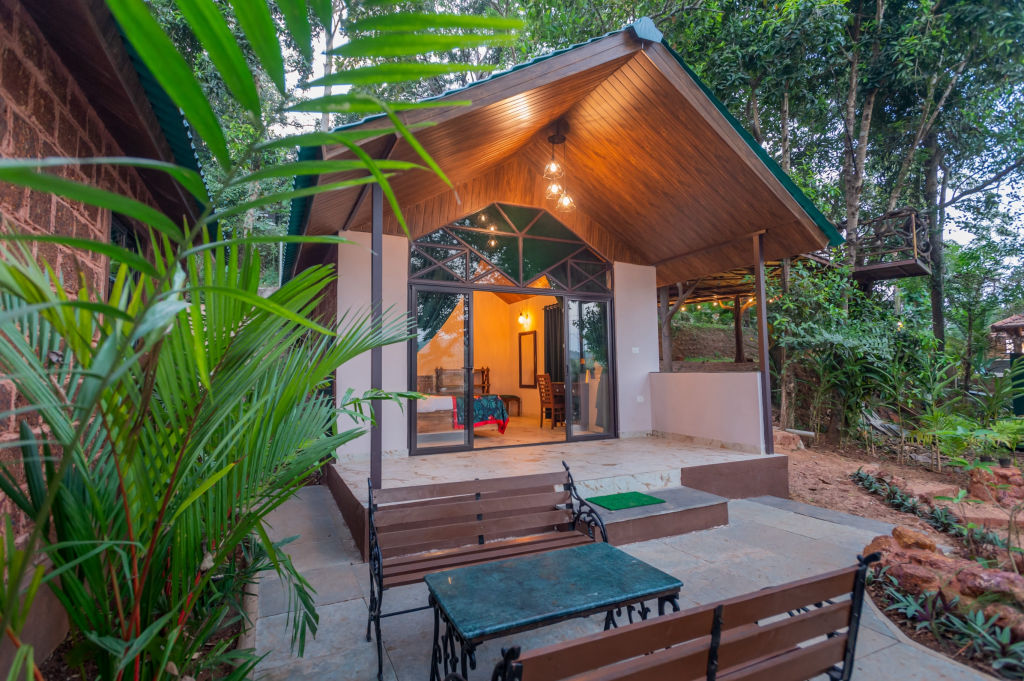
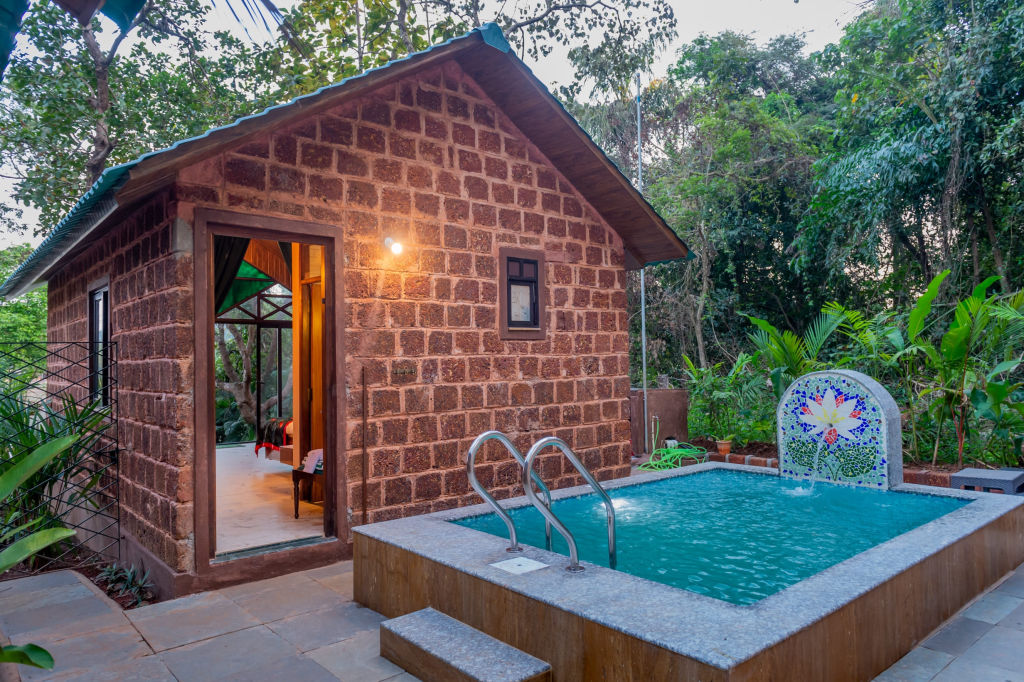
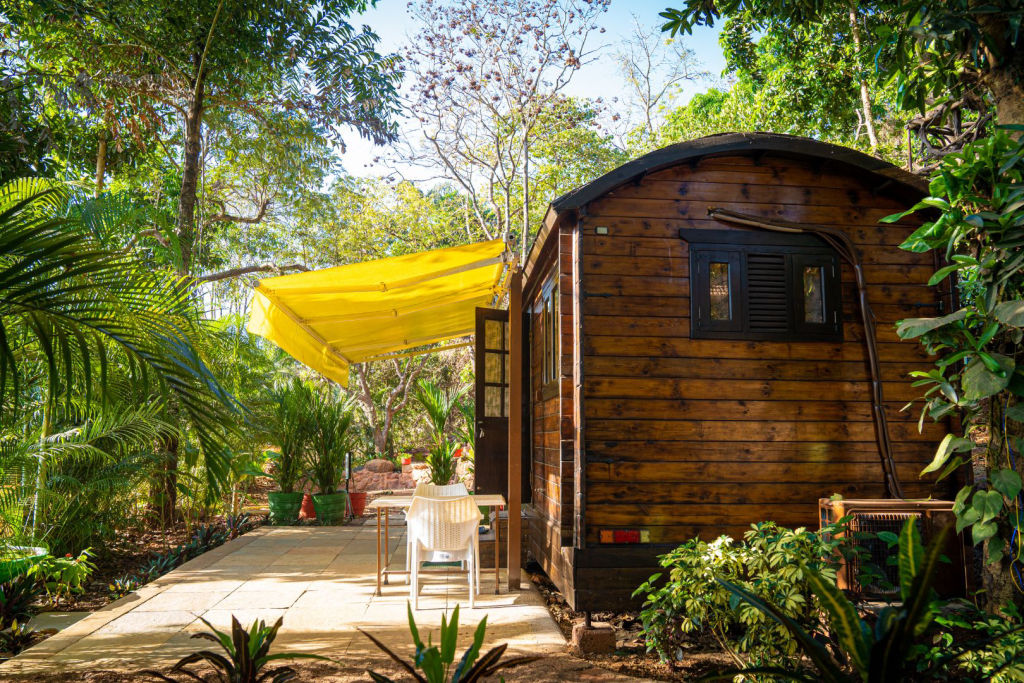
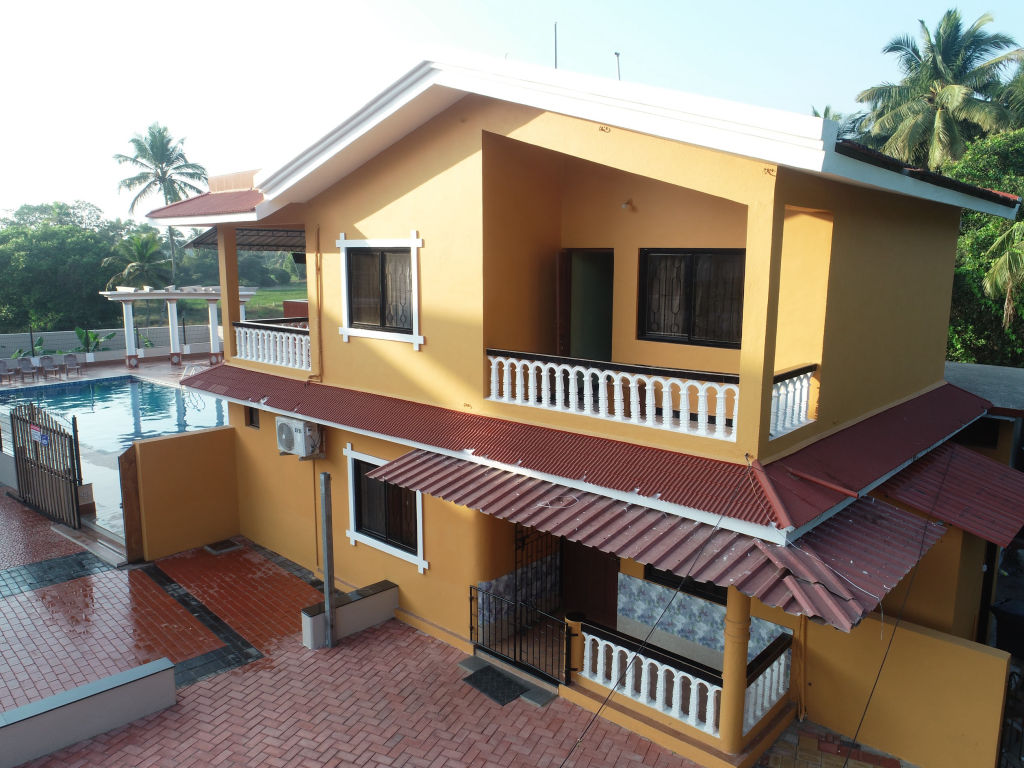
Staying in Curtorim offers a distinct experience compared to typical beachfront resorts. Accommodations in and around the village focus on peaceful residential settings, natural surroundings, and authentic hospitality. Travellers can find heritage homestays, restored ancestral houses, and quiet retreats tucked away near water bodies or amidst palm groves.
These stays provide a slow-paced environment where you can enjoy traditional home-cooked meals and wake up to birdsong. You can find and book homestays, rural cottages, and nature-focused stays in Curtorim and nearby areas on HireACamp.
Frequently asked questions
What is Curtorim known for?
Curtorim is renowned for its vast khazan lands, interconnected freshwater lakes, traditional paddy farming, and historic Portuguese-era houses and churches.
Is Curtorim a good destination for birdwatching?
Yes, Curtorim's wetlands, lakes, and marshes attract numerous resident and migratory waterbirds, especially during the winter months from November to February.
How far is Curtorim from Colva Beach?
Curtorim is located roughly seven to eight kilometres east of Colva Beach, making it easy to visit the coast while staying inland.
What is the nearest railway station to Curtorim?
Madgaon Junction in Margao is the nearest major railway station, located about eight kilometres away.
What is the best way to get around Curtorim?
Bicycles and two-wheelers are ideal for exploring Curtorim's narrow village roads, lakeside tracks, and surrounding rural lanes.
Where you'll be
8 stays nearby shown with prices
Stays near Curtorim
Book a place to stay close by



Things to do in Curtorim
48 places creators recommend within 30 km
Built from 0 Instagram posts by 0 creators. Every tip links back to the post it came from, and where creators disagree we show both sides.






