
Delhi Darwaza
Monument near Matiyala, Delhi
5.4 km from Matiyala
The nearest town, for stays, food and fuel.
Delhi Darwaza is a historic gateway located in the Najafgarh area of western Delhi. Built during the late Mughal period when Najafgarh served as a fortified outpost, it once marked the primary route leading east toward the walled city of Delhi. Today, travellers and history enthusiasts visit the site to witness a lingering fragment of regional military architecture set right amidst a bustling modern neighbourhood.
Getting there
By road
- From MatiyalaNearest town19 min · 6 km
- From New Delhi1 hr 5 min · 32 km
- From Dehradun4 hr 5 min · 269 km
- From Jaipur4 hr 40 min · 309 km
Typical drive times without traffic. Stations and airports from OLA Maps; distances and typical drive times from OpenStreetMap (© OpenStreetMap contributors); notes from creators' Reels.
About Delhi Darwaza
Written with AI from map data and general knowledge. Check prices and timings locally before you go.
History and Architecture of Delhi Darwaza
Delhi Darwaza dates back to the late eighteenth century, a period shaped by the twilight years of the Mughal Empire. The area of Najafgarh takes its name from Mirza Najaf Khan, a prominent general and court noble during the reign of Emperor Shah Alam II. Najaf Khan established a fortified outpost here to defend the western approaches to the capital and secure the rural hinterland. The defensive stronghold was enclosed by perimeter walls punctured by several monumental gates, of which Delhi Darwaza was among the most prominent.
The gate is constructed using traditional stone rubble and brick masonry bonded with lime mortar, characteristic of late Mughal civic works. Designed to control movement and withstand local uprisings, the gateway originally featured high-arched entryways capable of permitting mounted cavalry and supply wagons. While surrounding sections of the old fortification have diminished under the weight of modern urban expansion, the remaining framework of Delhi Darwaza continues to evoke the defensive landscape of eighteenth-century Delhi.
The Setting in Najafgarh
Najafgarh presents a distinct contrast compared to the planned avenues of central and southern Delhi. Historically a rural market settlement positioned at the intersection of trade routes between Haryana and the imperial city, it has evolved into a densely populated, lively suburban locality. The surrounding streets are characterized by narrow lanes, local bazaars, bustling sweet shops, and continuous commercial activity.
Visiting Delhi Darwaza offers a look at heritage embedded directly into everyday life. Rather than resting inside a manicured archaeological park, the monument stands alongside contemporary shops and residences. Exploring the vicinity allows travellers to experience the unhurried traditional commerce of an old settlement while observing how historic architecture adapts to present-day urban density.
Read more
Best Time to Visit Delhi Darwaza
The climate of Delhi is continental, characterized by sharp contrasts between summer and winter. The ideal window to visit Delhi Darwaza runs from October through March. During these months, the daytime weather remains relatively cool and pleasant, making it comfortable to explore outdoor monuments and navigate the open-air markets on foot.
The summer months between April and June bring intense heat and dry conditions, with midday temperatures routinely climbing high. If you travel during late spring or summer, plan your outing for the early morning hours before the heat peaks. The monsoon arrives in July and lingers into September, bringing periodic heavy downpours that can cause water accumulation in the narrow roads of Najafgarh. Regardless of the month, starting your walk early in the morning ensures fewer crowds and clearer views of the gate.
How to Reach Delhi Darwaza
Delhi Darwaza is situated in Najafgarh, positioned on the western edge of the National Capital Territory of Delhi. The area is well connected to the rest of the capital through public transit and road networks.
The Delhi Metro provides a convenient route, with the Grey Line extending directly to Najafgarh station. From the metro terminus, you can hire an e-rickshaw or auto-rickshaw for the short ride to the gateway, or simply walk through the local market streets. For those travelling by road from central Delhi, the drive generally proceeds westward via Uttam Nagar or Dwarka along the main Najafgarh road. Road journeys are subject to typical city traffic delays, particularly during peak office hours, so public transit is often the most predictable choice.
Tips for Your Visit
Because Delhi Darwaza is located inside a busy market zone, practical preparation helps ensure a smooth trip. Wear comfortable walking shoes, as navigating the surrounding alleys is best done on foot. The streets can be crowded with pedestrians, carts, and two-wheelers, so keeping your belongings secure and remaining alert to moving traffic is recommended.
Photography is generally permitted, though bringing heavy camera gear or tripods may draw significant attention in the compact market spaces. A handheld camera or mobile phone works best for capturing architectural details without obstructing local movement. As always when exploring living historic neighbourhoods, treat the surrounding community and private homes with respect.
Places to Visit Around the Area
A visit to Delhi Darwaza can be combined with other heritage and leisure destinations across southwest and central Delhi. Roughly twenty to twenty-five kilometres to the east lie some of the capital's celebrated landmarks, including the historic complex of Qutab Minar and the Mehrauli Archaeological Park, which holds centuries of pre-Mughal and Mughal remains.
The medieval enclave of Hauz Khas Fort, overlooking an ancient reservoir, is also located within a straightforward drive. For a change of pace, you can travel towards central Delhi to stroll the gardens of Lodhi Garden or browse the colonial-era colonnades of Connaught Place. Travellers interested in wetlands and birdwatching can also look into the rural outskirts beyond Najafgarh, where open farmlands and local drainage basins attract seasonal avian visitors during the cooler months.
Where to Stay
Najafgarh sits within the larger National Capital Territory, meaning visitors have an extensive range of accommodation choices available across the wider metropolitan region. The nearby sub-city of Dwarka offers convenient connectivity to western Delhi, while south and central Delhi provide historic neighbourhoods with distinct local character.
Travellers who prefer quieter retreats, rural escapes, or nature-focused properties slightly away from the urban bustle can explore independent homestays and outdoor stays in the surrounding countryside and peripheral regions. You can find unique camps, heritage homestays, and regional getaways listed on HireACamp to suit your travel style.
Frequently asked questions
What is the historical significance of Delhi Darwaza in Najafgarh?
Delhi Darwaza was an entry gate of the fortified settlement built by Mirza Najaf Khan in the late eighteenth century. It served as the primary gateway leading toward the historic city of Delhi.
Is Delhi Darwaza easily accessible via the Delhi Metro?
Yes, you can take the Delhi Metro Grey Line to Najafgarh station. From there, local e-rickshaws and auto-rickshaws can take you to the monument in a short drive.
Are there any entry fees to visit Delhi Darwaza?
The gateway stands within an open, inhabited urban neighbourhood, but visitors should check locally for any specific access regulations or maintenance guidelines upon arrival.
What is the best time of day to explore the gateway?
Early mornings are ideal because street traffic and bazaar crowds are minimal, allowing you to examine the historic stonework comfortably.
Where you'll be
Najafgarh, Delhi, DL · 2 stays nearby shown with prices
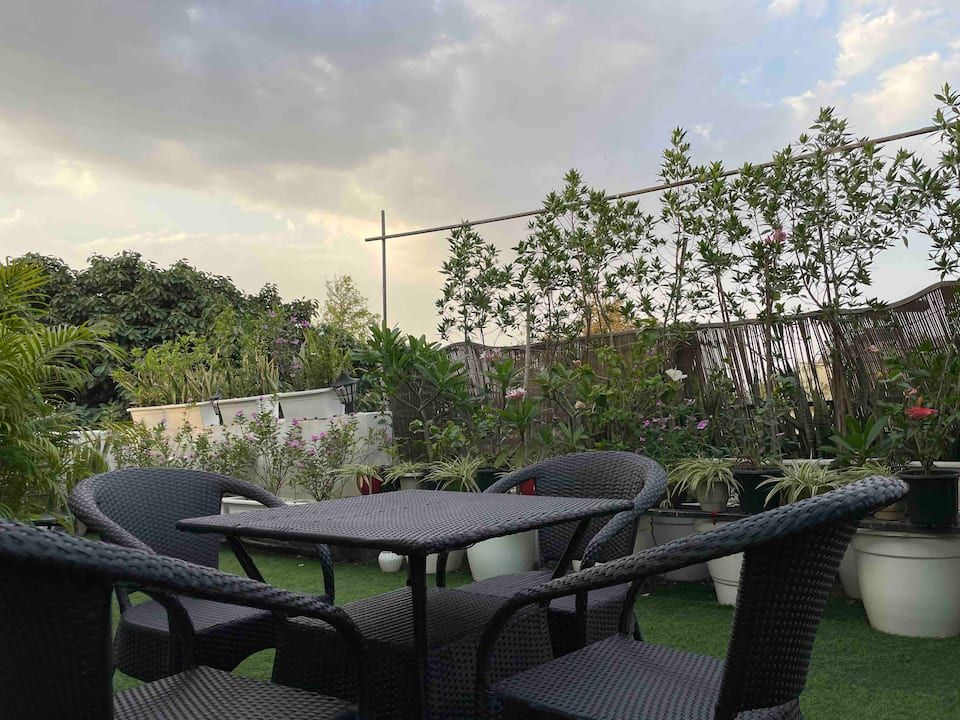
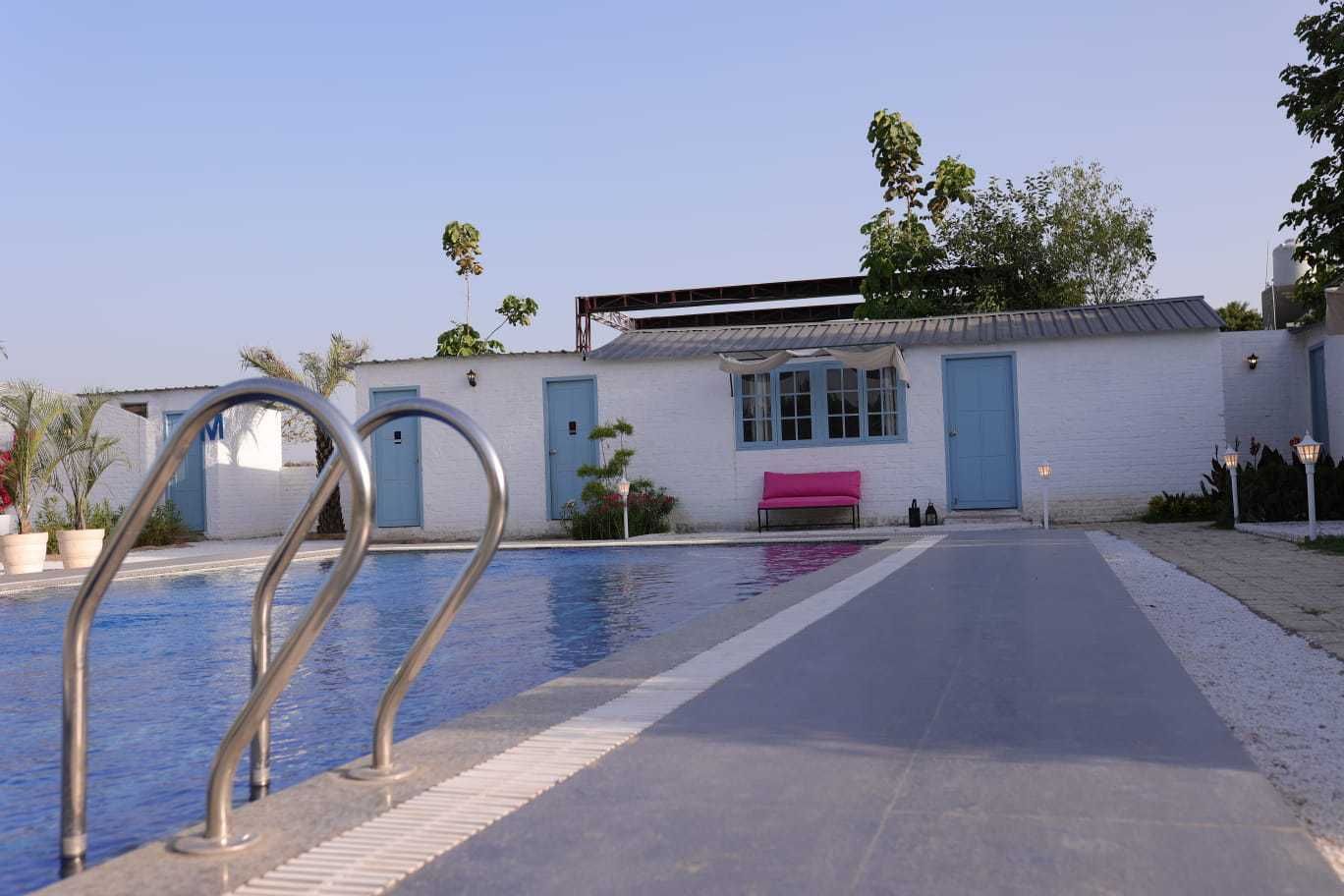
Stays near Delhi Darwaza
Book a place to stay close by
More places near Delhi Darwaza
Within 20 km


Lists for this area
Ranked by how many creators recommend each place


Built from 0 Instagram posts by 0 creators. Every tip links back to the post it came from, and where creators disagree we show both sides.






