
Dham Dam
Dam near Wardha, Maharashtra
Dham Dam is an earthen and masonry irrigation dam built across the Dham River in the Wardha district of Maharashtra. Set against the open agricultural backdrop of the Vidarbha region, it offers visitors wide water vistas, peaceful surroundings, and quiet countryside roads. People visit the reservoir for leisurely day trips, birdwatching, and as a scenic detour while touring nearby wildlife reserves and historic landmarks.
Getting there
By road
- From Nagpur1 hr 50 min · 104 km
- From Bhopal7 hr 15 min · 358 km
Typical drive times without traffic. Stations and airports from OLA Maps; distances and typical drive times from OpenStreetMap (© OpenStreetMap contributors); notes from creators' Reels.
About Dham Dam
Written with AI from map data and general knowledge. Check prices and timings locally before you go.
About Dham Dam and Its Landscape
Dham Dam is situated in Wardha district in eastern Maharashtra, constructed across the course of the Dham River. The reservoir primarily functions as an irrigation source for surrounding agricultural tracts, ensuring water availability for regional crops such as cotton, soybean, and pulses. Over the years, the expansive body of water created by the dam has become a restful outdoor destination for residents and regional travellers.
The topography around Dham Dam features the characteristic open plains and low rolling undulations of the Deccan plateau. Quiet village paths, small orchards, and crop fields border the water, offering a serene escape from busy commercial centres. Because the area remains primarily an irrigation work rather than an engineered tourist park, it retains an authentic, unhurried rural atmosphere where open skies and wide horizons dominate the view.
Best Time to Visit Dham Dam
The ideal time to plan a trip to Dham Dam is between October and February, when the post-monsoon and winter seasons bring comfortable temperatures to eastern Maharashtra. During these months, the daytime heat remains gentle, mornings are crisp, and the surrounding countryside retains the green cover gained during the rains. It is the best window for walking along the bund, birdwatching, and enjoying outdoor picnics.
The monsoon period from July through September transforms the region, replenishing the reservoir and reviving local watercourses. While rain showers make the landscape verdant and dynamic, muddy access roads and strong weather can occasionally complicate travel. Conversely, summers from March to June in Vidarbha are notoriously dry and intense, with afternoon temperatures routinely rising above forty degrees Celsius, making extended daytime visits uncomfortable.
Read more
Things to Do Around Dham Dam
Visiting Dham Dam is suited to travellers who appreciate simple, self-directed outdoor pursuits. Walking along the accessible embankments gives you a clear view across the water expanse and a vantage point to appreciate the scale of the civil engineering work. The calm water surface and gentle breezes make early morning or late afternoon walks particularly relaxing.
Birdwatching is another rewarding activity around the reservoir. During the post-monsoon and winter months, the shallow edges and peripheral wetlands attract resident aquatic birds like egrets, herons, lapwings, and kingfishers, as well as seasonal migratory waterfowl. Photography enthusiasts will find ample inspiration in the interplay of light on the water, rural pastoral scenes, and sunset silhouettes over the embankment.
Places to Visit Near Dham Dam
A trip to Dham Dam can easily be combined with several prominent attractions in Wardha district. Just a short drive away lies Madan Dam, another serene reservoir in the same river network that offers similar quiet beauty for road-trippers. For those interested in nature and wildlife, Bor Wildlife Sanctuary and Bor Reservoir are located nearby, where dry deciduous forests house leopards, sloth bears, spotted deer, and rich woodland bird species.
Historical and cultural sites are also within convenient reach around the town of Wardha and Sevagram. Travellers can visit the Sevagram Ashram, the renowned commune founded by Mahatma Gandhi during India's independence movement. Nearby, the Gitai Mandir monument, Magan Sangrahalaya rural museum, and temples such as the Lakshmi Narayan Mandir and Brihaspati Mandir provide deep insight into the region's spiritual and social heritage.
How to Reach Dham Dam
Dham Dam is accessible by road from Wardha, which serves as the administrative and transit headquarters of the district. The drive from Wardha passes through rural roads and agricultural countryside. Using a private car, personal two-wheeler, or a chartered taxi from the town offers the greatest flexibility, as public bus services to the water's edge may be infrequent.
Wardha Junction and Sevagram Junction are the major railway stations nearby, featuring frequent rail connections to major cities including Nagpur, Mumbai, Pune, and Hyderabad. For travellers arriving by air, Dr. Babasaheb Ambedkar International Airport in Nagpur is the closest airport facility, located around eighty kilometres to the northeast. From Nagpur, one can hire a cab or take a train to Wardha to begin the final leg to the dam.
Tips for Your Visit to Dham Dam
Because Dham Dam is not an active commercial resort, on-site tourist amenities are minimal. Visitors should carry an adequate supply of drinking water, light snacks, and sun protection such as hats or umbrellas. Sturdy footwear is recommended if you plan to walk along earthen tracks or rocky embankments, which can be slippery or muddy following rains.
Safety should remain a top priority throughout your trip. The water in the reservoir can be deep, with uneven sub-surface terrain and unexpected currents, making swimming inadvisable. Travellers should also take care to practice responsible ecotourism by carrying all personal plastic waste and food packaging back with them, leaving the reservoir environment clean for local wildlife and villagers.
Where to Stay near Dham Dam
There are no major hotels located directly along the shores of Dham Dam. Most visitors choose to base their stay in the town of Wardha, where standard business hotels, heritage guest lodges, and municipal accommodation options are readily available.
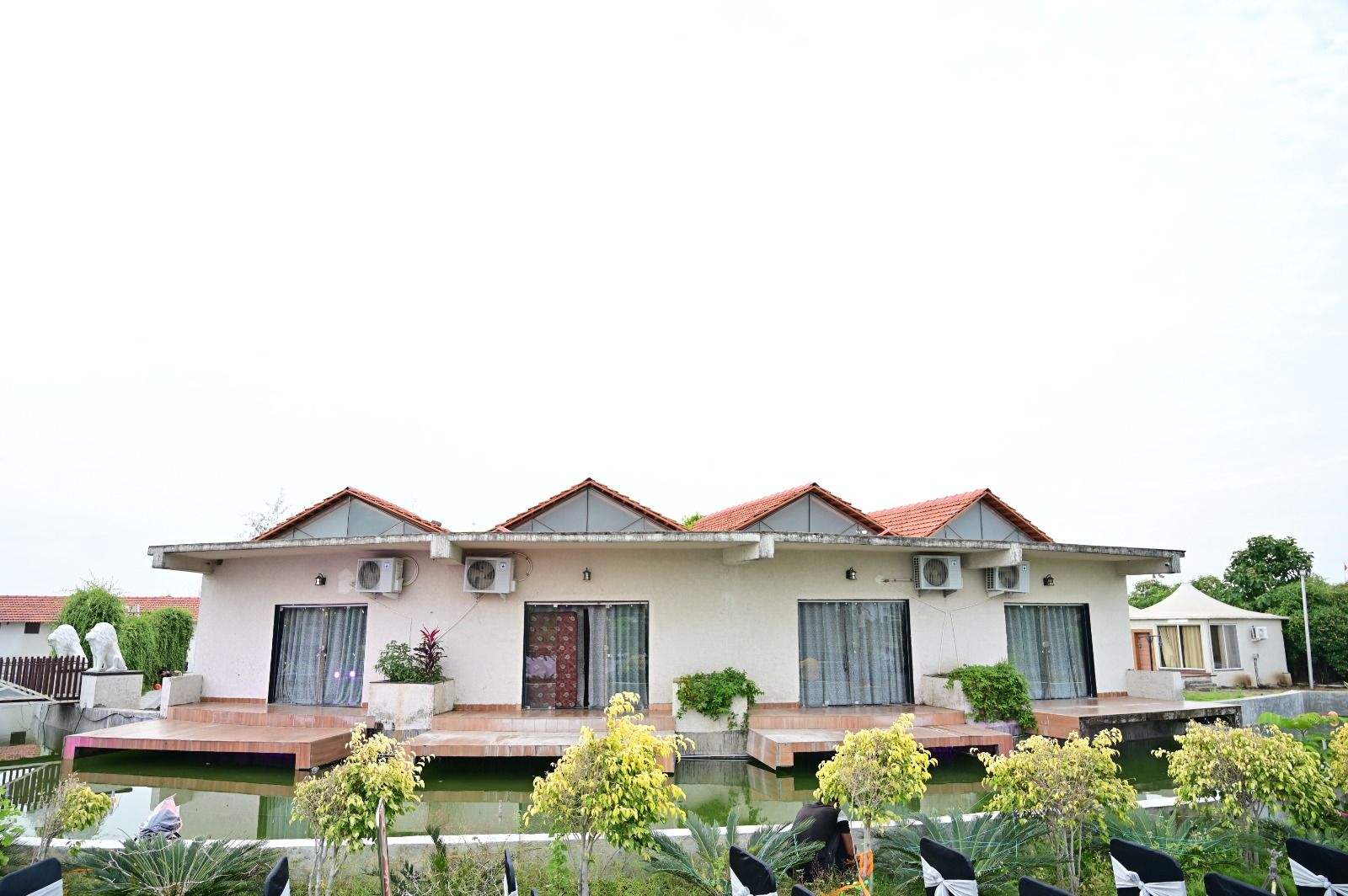
If you prefer staying close to nature, rural farm stays, eco-lodges, and experiential campsites in the surrounding countryside and near the fringes of Bor Wildlife Sanctuary offer memorable alternatives. You can search for outdoor-focused retreats, homestays, and rustic camps across the region on HireACamp to match your travel itinerary.
Frequently asked questions
Where is Dham Dam located?
Dham Dam is situated across the Dham River in the Wardha district of Maharashtra, within easy driving distance of Wardha town.
Can visitors swim in Dham Dam?
Swimming in Dham Dam is not advised due to sudden drops in water depth, muddy edges, and the lack of dedicated lifeguards or rescue facilities.
What is the best time of year to visit Dham Dam?
The winter months from October to February are the best time to visit, featuring pleasant daytime temperatures, green surroundings, and active birdlife.
Are there food and beverage stalls at Dham Dam?
Facilities around the reservoir are minimal, so visitors should plan ahead and carry their own drinking water and snacks.
What attractions can be visited along with Dham Dam?
You can combine a visit to Dham Dam with stops at Madan Dam, Bor Wildlife Sanctuary, and the historic Sevagram Ashram near Wardha.
Where you'll be
Wardha, MH · 1 stay nearby shown with prices
Stays near Dham Dam
Book a place to stay close by
More places near Dham Dam
Within 20 km

Built from 0 Instagram posts by 0 creators. Every tip links back to the post it came from, and where creators disagree we show both sides.






