
Dhauladhar
Peak near Khajjiar, Himachal Pradesh
6.3 km from Khajjiar
The nearest town, for stays, food and fuel.
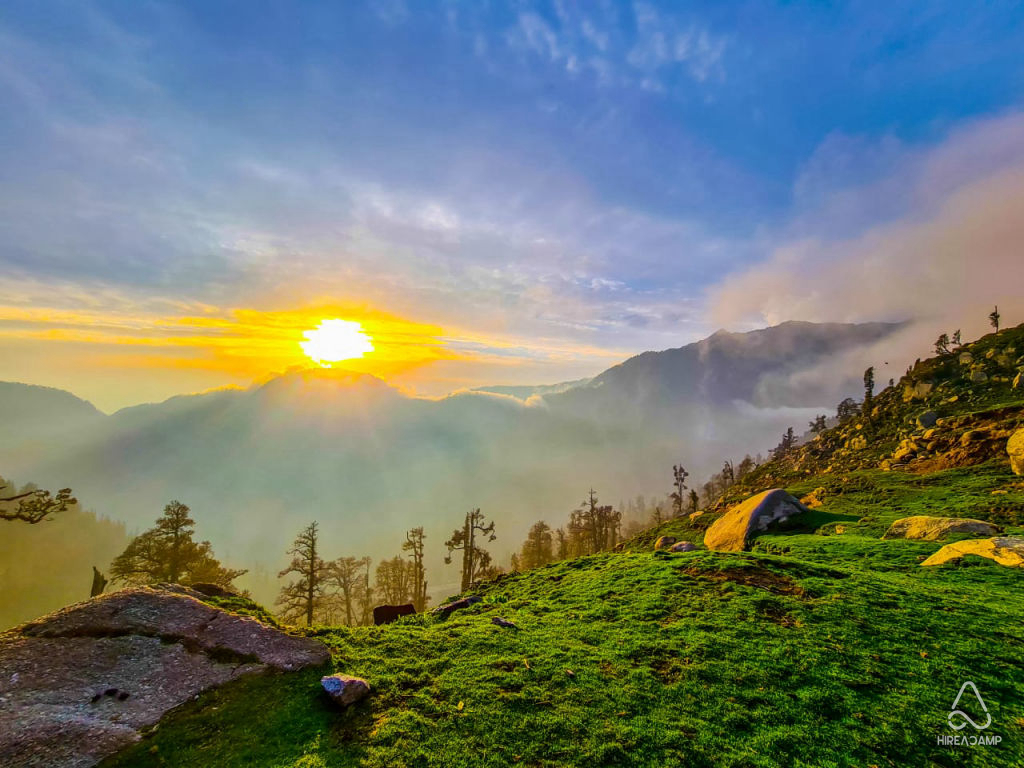
Rising sharply above the Kangra and Chamba valleys in Himachal Pradesh, the Dhauladhar range forms one of the most striking mountain barriers in the Outer Himalayas. Known for its rugged granite crests, snow-draped ridges, and sweeping meadows, the massif draws trekkers, nature lovers, and mountaineers throughout the year. Its lofty heights and accessible passes offer vantage points overlooking alpine forests, river valleys, and distant Himalayan peaks.
Getting there
By road
- From KhajjiarNearest town57 min · 23 km
- From Amritsar5 hr 25 min · 245 km
- From Ludhiana6 hr 45 min · 301 km
- From Chandigarh8 hr 10 min · 327 km
Typical drive times without traffic. Stations and airports from OLA Maps; distances and typical drive times from OpenStreetMap (© OpenStreetMap contributors); notes from creators' Reels.
About Dhauladhar
Written with AI from map data and general knowledge. Check prices and timings locally before you go.
Understanding the Dhauladhar Range
The Dhauladhar range, literally translated as the white crest, stretches across northern India and dominates the skyline of Himachal Pradesh. Unlike many other Himalayan chains that rise in gradual steps, the Dhauladhar shoots abruptly out of the Shivalik foothills, creating a dramatic contrast between low-lying subtropical valleys and sheer alpine rock faces. The geological formation is predominantly composed of hard granite, which gives the peaks their distinctive grey and silver sheen when bare of snow.
From the high ridgelines, one looks southward over the sprawling Kangra Valley and northward into the serene forested folds of Chamba and the Ravi River basin. The geography of the range acts as a barrier to the southwest monsoon, causing high annual rainfall and heavy winter snowfall. This unique climate supports lush temperate woodlands of deodar cedar, oak, and rhododendron at mid-elevations, yielding to open subalpine meadows, scree slopes, and icy couloirs higher up.
Things to Do Around Dhauladhar
Outdoor exploration is the primary draw of the Dhauladhar region. Hikers can choose from gentle ridge walks through pine groves to multi-day alpine crossings across high mountain passes. The trails lead through quiet shepherd settlements, where the semi-nomadic Gaddi community grazes flocks of sheep and goats during the warmer months, offering a rare look at pastoral Himalayan life.
For those seeking panoramic vistas without rigorous climbing, elevated high points like Jot provide expansive views across the Dhauladhar ridges and down into the Chamba Valley. Birdwatching and wildlife tracking are rewarding along the forest margins, where you may spot monal pheasants, laughingthrushes, and soaring birds of prey. In the evenings, clear mountain air makes the ridgelines prime locations for stargazing and astrophotography away from dense urban light pollution.
Read more
Best Time to Visit Dhauladhar
The range experiences four distinct seasons, each offering a completely different atmosphere. Summer runs from April to June and is the most comfortable period for sightseeing, day hikes, and high-altitude trekking. During these months, the snow melts from lower slopes, daytime temperatures remain pleasant, and rhododendrons splash the mountainsides with deep shades of red and pink.
The monsoon arrives in July and lingers until early September. While the hills turn extraordinarily green and mountain streams roar with life, heavy rainfall can make trails slick and trigger landslides along mountain access roads, so travel during this period requires careful planning and local condition checks. Autumn, spanning mid-September to November, brings crystal-clear skies, crisp air, and some of the finest mountain visibility of the year.
Winter blankets the upper Dhauladhar peaks in deep snow from December through March. High passes become impassable to casual walkers, but lower vantage points and trails attract snow enthusiasts seeking winter landscapes and quiet solitude.
How to Reach Dhauladhar
The nearest historic town and logistical base for this section of the range is Chamba, located in northwestern Himachal Pradesh. Chamba is well connected by road to major transport hubs across Himachal Pradesh and neighboring Punjab. Regular state-run buses and private taxis ply to Chamba from Pathankot, which houses the nearest broad-gauge railway station. The drive from Pathankot to Chamba winds through scenic river canyons and pine-clad hills.
For air travel, the closest regional airports are Kangra Airport near Gaggal and Sri Guru Ram Dass Jee International Airport in Amritsar. From Kangra Airport, you can drive northward via mountain passes or circuitous valley roads towards Chamba and the surrounding highlands. Once in Chamba or high transit points like Jot, local roads and walking paths lead deeper into the foothills and ridge systems of the Dhauladhar massif.
Places to Visit Nearby
Several picturesque destinations lie within easy striking distance of the Dhauladhar crest near Chamba. Jot, located just along the motorable ridge pass, serves as an exceptional vantage point with unobstructed perspectives of the jagged snow peaks and the rolling meadows below. It is a popular stopping point for travellers driving between the Chamba and Kangra valleys.
A short drive downhill leads to Khajjiar, a saucer-shaped meadow surrounded by dense cedar woods with a small lake at its centre, often compared to Swiss alpine pastures. Nearby, the Kalatop Wildlife Sanctuary features well-marked walking trails through thick coniferous forest where barking deer, serow, and diverse bird species reside.
Across the southern slopes of the range lies McLeod Ganj, renowned as the seat of the Tibetan community in exile and the gateway to classic Dhauladhar trails like the trek towards Triund. Travellers can also explore the historic temples of Chamba town and the expansive waters of Ranjit Sagar Dam further southwest along the Punjab-Himachal border.
Tips for Your Visit
High-altitude weather in the Dhauladhar can change within minutes. Clear morning skies frequently give way to afternoon cloud cover, gusty winds, and sudden showers or snowfall. Always carry sturdy, waterproof trekking shoes, a windproof outer shell, and layered fleece or down clothing, even when setting out on a seemingly mild day.
Stay well hydrated and allow time to acclimatise if you are arriving directly from the plains and embarking on steep ascents. Carry a reliable headlamp, power bank, and basic first-aid kit on every trail. Because cellular network coverage can be patchy or absent across upper ridges and remote valleys, download offline navigation maps and inform someone of your planned route before heading out into the mountains. Always practice responsible travel by packing out all non-biodegradable waste.
Where to Stay Around Dhauladhar
The region around the Dhauladhar range offers accommodation styles tailored to outdoor lovers and quiet retreats. Travellers can choose between scenic outdoor campsites pitched in high meadows, rustic mountain homestays hosted by local Himachali families, and secluded cottages set within cedar groves near Chamba and surrounding hamlets.
Staying in a village homestay allows you to enjoy warm home-cooked meals, learn about local mountain culture, and gain valuable firsthand advice on nearby trails. You can discover and book verified campsites, peaceful nature retreats, and authentic homestays throughout this region on HireACamp.
Frequently asked questions
Where is the Dhauladhar range located?
The Dhauladhar range is part of the Lesser Himalayas located primarily in the state of Himachal Pradesh in northern India, rising above the Kangra and Chamba valleys.
What is the best time to visit the Dhauladhar mountains?
The most favorable months for visiting and trekking are from April to June and from mid-September to November, when weather is mild and visibility is at its best.
What is the nearest town to this part of Dhauladhar?
Chamba is the nearest major town, offering road connectivity, markets, administrative facilities, and heritage attractions.
Can beginners hike in the Dhauladhar region?
Yes, while the high passes demand mountaineering skills, lower ridgelines, forest trails around Kalatop, and meadow viewpoints like Jot are suitable for beginners and casual walkers.
Where can I find accommodation near Dhauladhar?
You can find local homestays, nature retreats, and experiential campsites in the foothills and surrounding valleys on HireACamp.
Where you'll be
1 stay nearby shown with prices
Stays near Dhauladhar
Book a place to stay close by
More places near Dhauladhar
Within 20 km
Built from 0 Instagram posts by 0 creators. Every tip links back to the post it came from, and where creators disagree we show both sides.






