
Dolphin's Nose
Viewpoint near Vellagavi, Tamil Nadu
1.9 km from Vellagavi
The nearest town, for stays, food and fuel.
Dolphin's Nose is an iconic natural rock promontory protruding over a deep ravine near Kodaikanal in Tamil Nadu. Perched high amidst the forested Palani Hills, the cliff edge provides sweeping panoramic views of rugged valleys and distant plains. Travellers hike down through pine forests and mountain trails to experience its dramatic drop and misty mountain atmosphere.
Getting there
By road
- From Madurai3 hr · 122 km
- From Coimbatore4 hr 15 min · 173 km
- From Kochi6 hr 30 min · 281 km
- From Thiruvananthapuram7 hr 45 min · 345 km
Typical drive times without traffic. Stations and airports from OLA Maps; distances and typical drive times from OpenStreetMap (© OpenStreetMap contributors); notes from creators' Reels.
About Dolphin's Nose
Written with AI from map data and general knowledge. Check prices and timings locally before you go.
The Landscape of Dolphin's Nose
Dolphin's Nose is one of the most recognized natural vantage points around Kodaikanal, set into the rugged southern slopes of the Palani Hills. The cliff derives its name from a large, flat slab of natural granite that extends outward into empty air over an immense vertical drop, bearing an uncanny resemblance to the beak of a dolphin. Venturing onto this rocky shelf opens up expansive vistas across plunging gorges, steep green valleys, and, on clear days, the distant plains of Tamil Nadu stretching far toward the horizon.
The setting is shaped by typical Western Ghats hill vegetation, ancient trees, and rapidly changing highland weather. At this altitude, clouds and wisps of fog frequently sweep upward through the valley, briefly concealing the drop in white vapor before breaking away to reveal sunlit slopes, terraced fields, and dense forest below.
Trekking to Dolphin's Nose
Reaching Dolphin's Nose requires a foot journey through forested mountain paths, usually starting from the edge of Vattakanal village on the outskirts of Kodaikanal. The trail winds steadily downward through mixed woods of eucalyptus and pine, navigating a terrain marked by exposed tree roots, loose gravel, and irregular stone steps. Along the way, the path offers quiet woodland scenery, dappled mountain light, and the distinctive scent of damp soil and cedar needles.
While heading down to the viewpoint is straightforward, the return walk is an uphill climb that demands a moderate level of physical fitness. The continuous incline can be tiring on the knees and calves, especially for casual walkers unused to mountain trails. Taking a measured pace, stopping for breath at shaded clearings, and carrying sufficient drinking water makes the hike enjoyable and manageable for most travellers.
Read more
Best Time to Visit Dolphin's Nose
The climate in the Palani Hills remains relatively mild throughout the year, but the experience at Dolphin's Nose depends heavily on the season. The post-monsoon and winter window from October to March is widely considered the best time to hike the trail. During these months, the air is crisp, dry, and cool, which creates prime conditions for long-range visibility and clear panoramic views from the cliff.
The summer months from April to June provide a refreshing break from the heat of the plains, though the trail can see higher visitor numbers during this holiday period. The monsoon season from July to September turns the valley exceptionally green and charges seasonal streams, but it also makes the dirt path slick and muddy. Dense monsoon cloud cover can also roll in for days at a time, completely obscuring the valley below and limiting the viewpoint to a wall of white fog.
Safety Tips for Dolphin's Nose
Because Dolphin's Nose is an exposed natural rock formation jutting over a sheer vertical precipice, caution is critical throughout your visit. There are minimal railings or safety barriers at the outermost rock edge, meaning visitors must exercise good judgment and remain well within stable ground. Rocks can be slick from dew, rain, or mountain moisture, so wearing sturdy hiking shoes with strong grip is essential.
Mountain winds can pick up unexpectedly along the cliff face, which can catch walkers off guard and impact balance. Avoid attempting risky poses for photographs near the edge. The trail itself has uneven footing, so take your time on the descent and ascent. Additionally, carrying your own water and packing all personal rubbish back out helps preserve the mountain paths and keeps the natural landscape clean.
Places to Explore Nearby
A hike to Dolphin's Nose can easily be combined with exploring nearby attractions around the Kodaikanal plateau. Following the trail beyond the main viewpoint leads toward Echo Rock, another impressive cliff shelf that provides dramatic valley views and natural acoustic reflections across the ravine.
Back toward town, Bryant Park offers a gentler outdoor stop with manicured lawns, terraced gardens, and seasonal botanical displays. Travellers interested in regional culture can drive toward Poomparai to see the ancient temple dedicated to Lord Murugan and view the traditional terraced vegetable farms that stripe the surrounding hillsides. Farther down the slopes toward the plains, sights like Kumbakkarai Falls and the expansive waters of Vaigai Dam showcase the contrasting environments of the foothills.
How to Reach Dolphin's Nose
Travel to Dolphin's Nose begins with reaching the main hill station of Kodaikanal. Madurai is the primary transit city in the region, offering both an airport and extensive rail connections to major Indian cities. Kodai Road railway station serves as another practical rail terminus at the base of the hills. From these transit hubs, travellers can take state transport buses or private taxis up the winding ghat roads to Kodaikanal town.
From Kodaikanal, local taxis and auto-rickshaws can take you to the trailhead near Vattakanal. Because the trail cannot accommodate motor vehicles, the final distance down to Dolphin's Nose must be completed entirely on foot along the designated hillside path.
Where to Stay near Dolphin's Nose
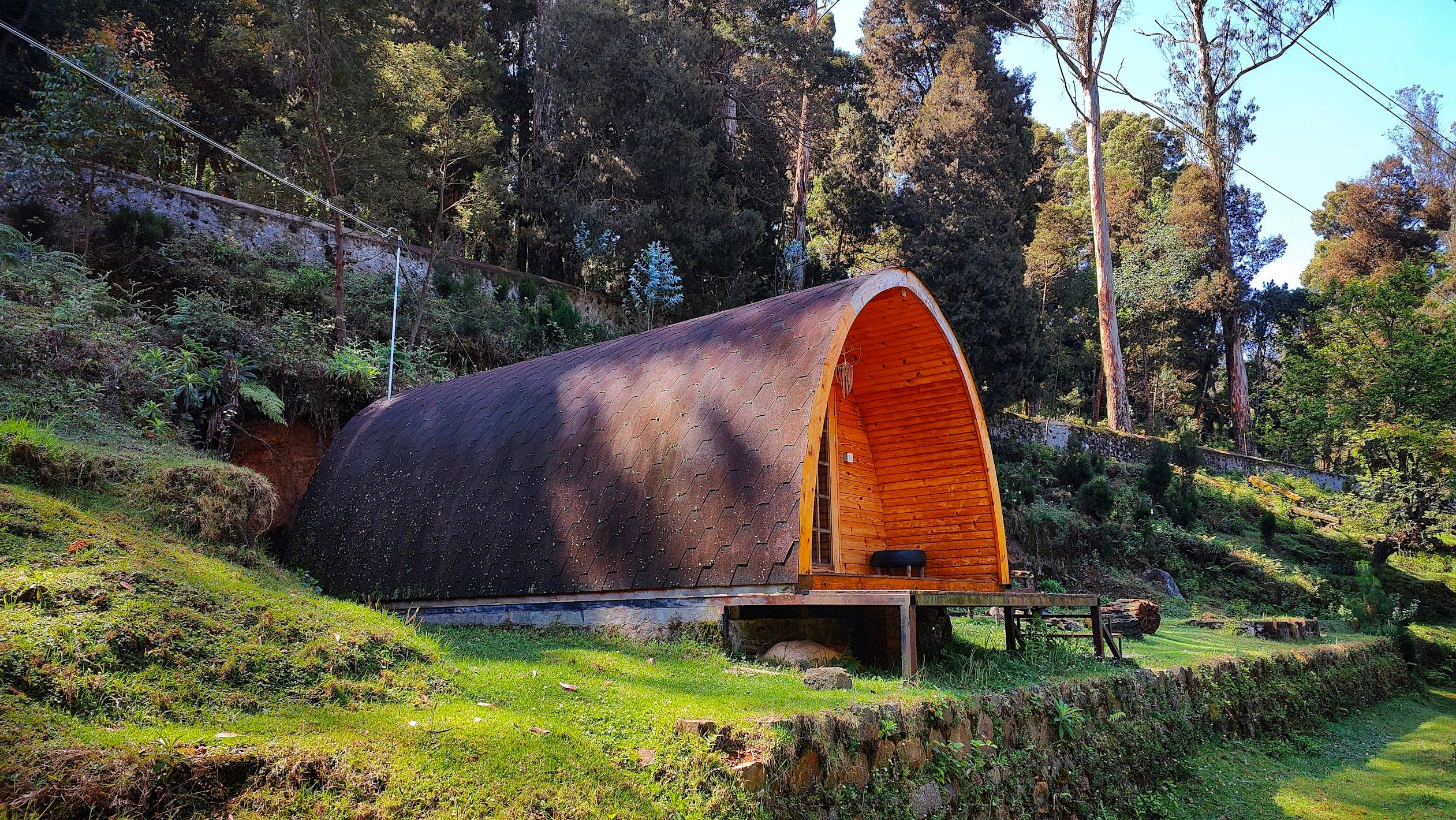
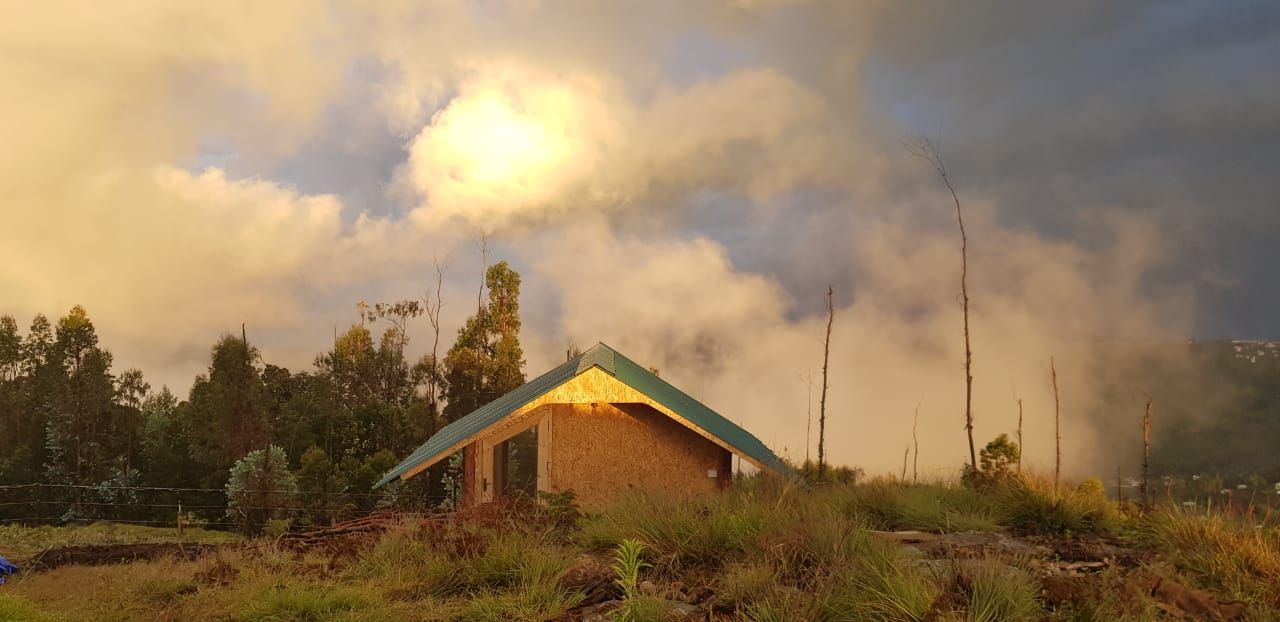
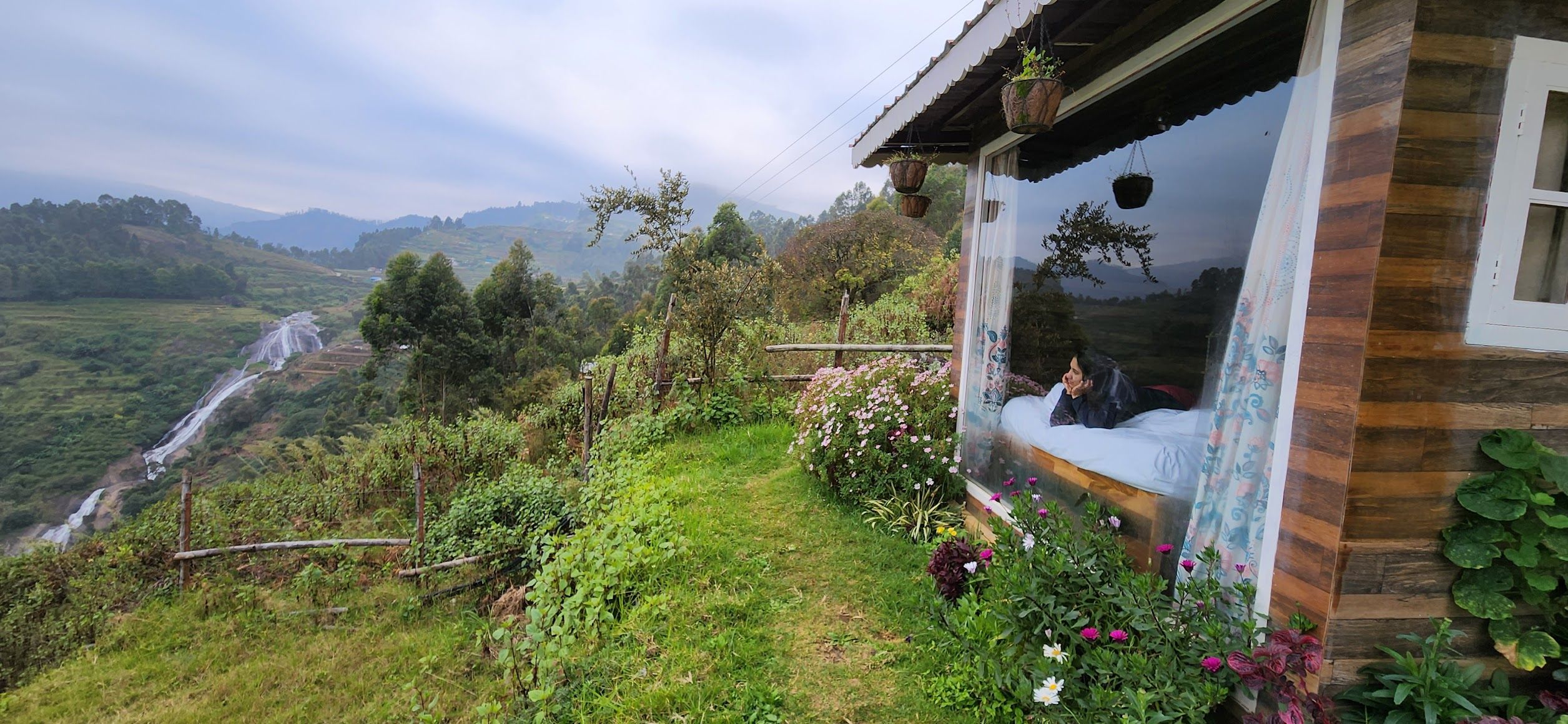
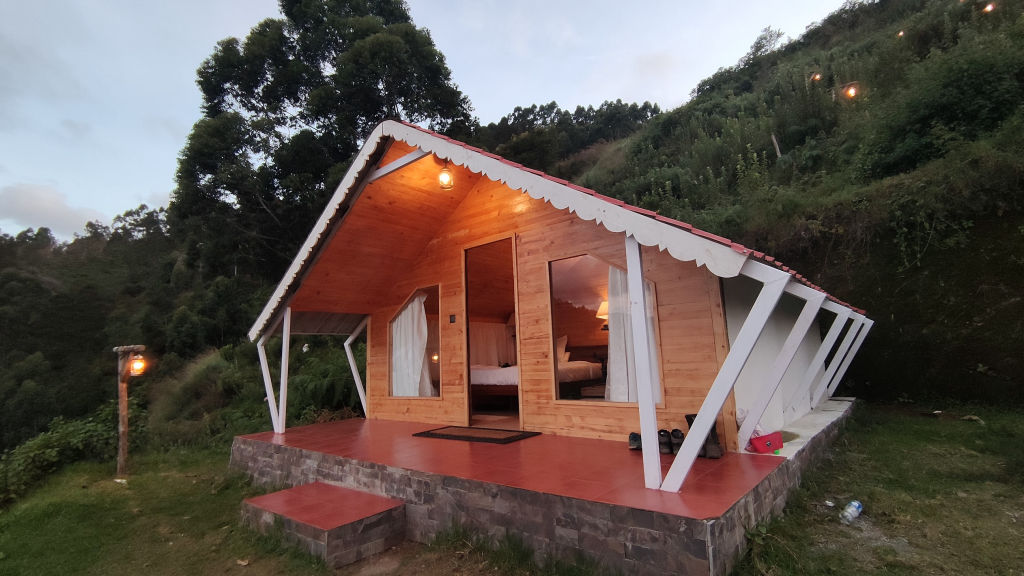
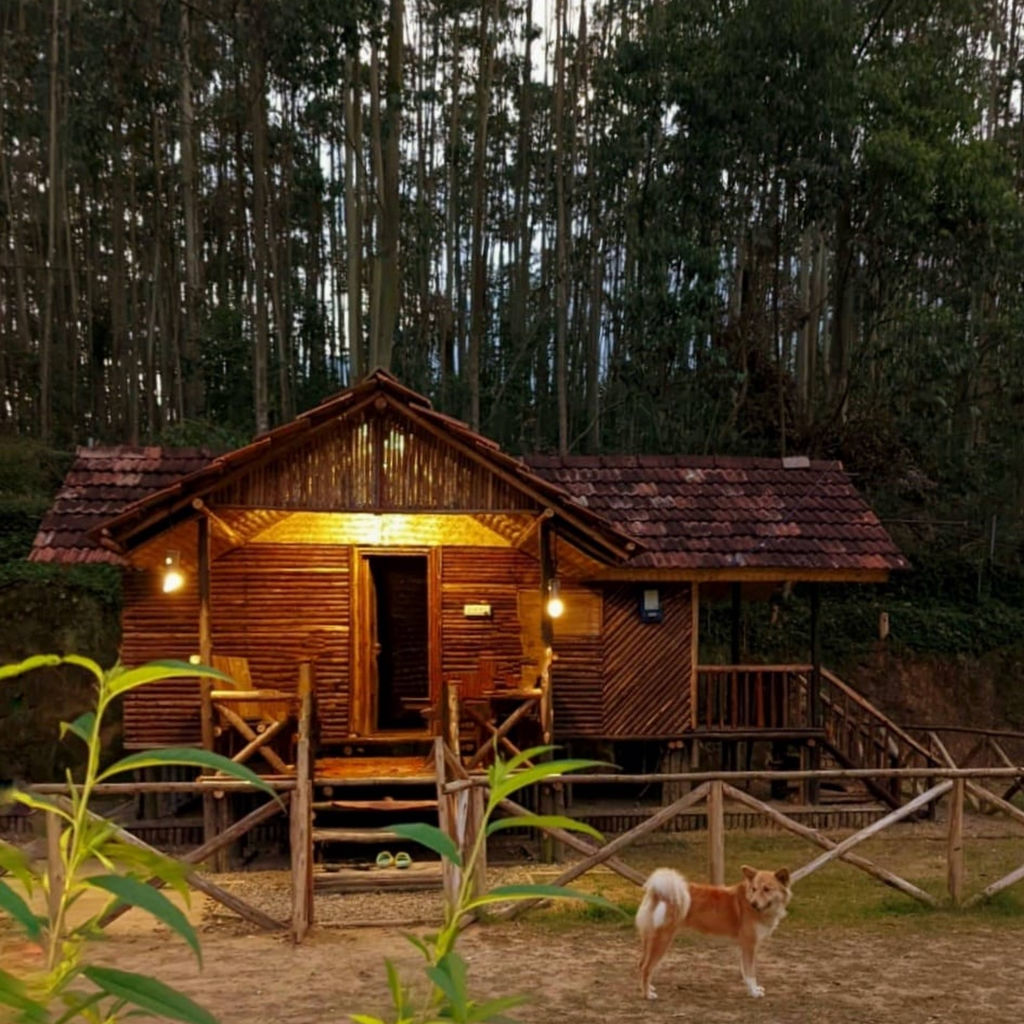
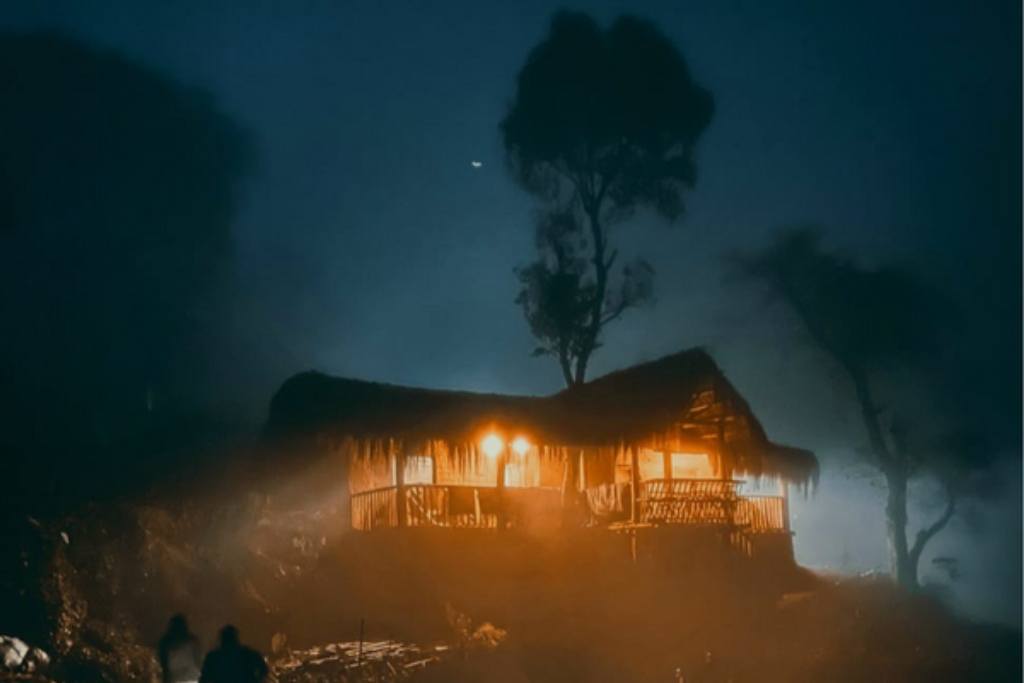
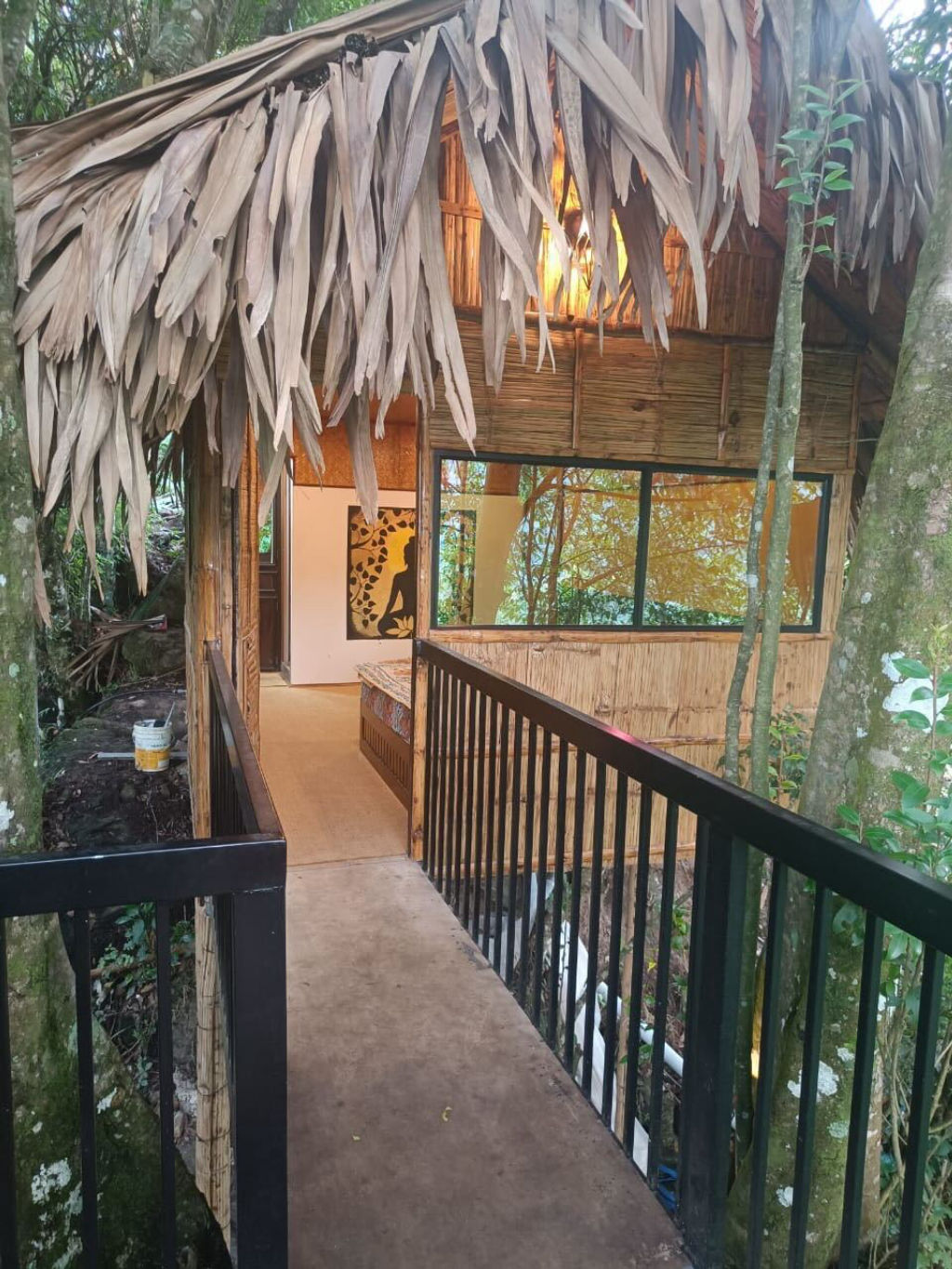
Finding accommodation near Kodaikanal allows you to experience the natural rhythm of the hills and start your hike early in the day. Lodging options in the area include quiet hillside homestays, rustic cottages surrounded by pear orchards, and peaceful nature stays perched on forest margins. Staying outside the central town hub offers easy access to walking paths and tranquil mountain air. Travellers looking for curated outdoor stays, cottages, and campsites around Kodaikanal can find and book options on HireACamp.
Frequently asked questions
How long is the hike to Dolphin's Nose?
The walk down from the trailhead usually takes thirty to forty-five minutes, while the return uphill climb takes about an hour depending on your fitness level and pace.
Can vehicles drive all the way to Dolphin's Nose?
No, vehicular roads end near Vattakanal. The remaining route to Dolphin's Nose must be completed on foot along a rocky mountain trail.
Is the trail to Dolphin's Nose suitable for beginners?
Yes, beginners with basic physical stamina can complete the hike. However, the path is rocky, uneven, and steep on the way back, so wear proper footwear and take regular rest breaks.
What is the best time of day to visit Dolphin's Nose?
Visiting early in the morning is ideal because the air is cooler for the hike and the skies are generally clear before afternoon mist rolls in to cover the valley.
What should I carry on the trek to Dolphin's Nose?
Carry adequate drinking water, wear shoes with reliable tread, bring a light jacket or rain cover for unpredictable weather, and take a bag to bring all your trash back out.
Where you'll be
Tamil Nadu · 10 stays nearby shown with prices
Stays near Dolphin's Nose
Book a place to stay close by



More places near Dolphin's Nose
Within 20 km


Built from 0 Instagram posts by 0 creators. Every tip links back to the post it came from, and where creators disagree we show both sides.






