
Dubare Forest
Forest near Madikeri, Karnataka
500 m from Madikeri
The nearest town, for stays, food and fuel.
Dubare Forest is an expansive woodland belt along the Cauvery River in the Kodagu district of Karnataka, easily accessible from Madikeri. Renowned for its rich deciduous foliage, gentle riverbanks, and thriving wildlife, it is a favourite getaway for outdoor enthusiasts and nature lovers. Visitors travel here to immerse themselves in quiet wilderness, spot indigenous birds, and experience the lush, green slopes of the Western Ghats.
Getting there
By road
- From MadikeriNearest town2 min · 700 m
- From Mysuru2 hr 35 min · 120 km
- From Mangaluru2 hr 45 min · 135 km
- From Bengaluru4 hr 50 min · 267 km
Typical drive times without traffic. Stations and airports from OLA Maps; distances and typical drive times from OpenStreetMap (© OpenStreetMap contributors); notes from creators' Reels.
About Dubare Forest
Written with AI from map data and general knowledge. Check prices and timings locally before you go.
Understanding Dubare Forest
Dubare Forest occupies a sprawling natural tract in Kodagu, shaped by the contours of the river Cauvery and the foothills of the Western Ghats. The landscape is a rich tapestry of moist deciduous forest, bamboo clumps, and thick canopies of rosewood and teak. Because of its perennial water sources and dense tree cover, the area has long served as a vital ecological corridor for native wildlife.
Historically, the woodlands around Dubare were known for forest camps and wildlife conservation initiatives, particularly concerning Asian elephants. Today, it offers travellers a tranquil escape from urban rush, trading paved streets and crowded viewpoints for the hum of cicadas, gentle river currents, and earthy forest paths.
Wildlife and Natural Beauty in Dubare
The diverse vegetation of Dubare Forest supports an impressive variety of fauna. Wandering near the forest perimeter or along designated riverbanks often yields sightings of spotted deer, sambar, wild boars, and agile Malabar giant squirrels darting through the high branches. Elephant herds frequently move through the broader forest corridor, making the region an essential preserve for South Indian pachyderms.
For birdwatchers, the canopy comes alive at sunrise and twilight. Kingfishers hover over the water, while hornbills, woodpeckers, and forest babblers call from the deep tree canopy. Even away from active animal trails, the sheer density of native flora—carpeted with ferns, mosses, and wild river shrubs—makes an unhurried walk through the outskirts an invigorating sensory experience.
Read more
Things to Do Around Dubare Forest
Spending time along the riverbank is one of the most popular pastimes in the Dubare area. The shallow stretches of the Cauvery River provide a quiet setting to sit, listen to the moving water, and take in the natural surroundings. Travellers often spend quiet mornings walking beside the river shallows or taking photographs of the mist rising off the tree line.
Nature walks and gentle hiking along the edges of the forest give visitors an intimate perspective on Kodagu's plant and insect life. While venturing into restricted forest zones requires forest department permissions and official guides, the peripheral trails and plantation tracks offer pleasant walking routes. If river conditions allow during post-monsoon months, gentle boating and rafting in permitted river sections are frequently arranged locally by regional operators.
Best Time to Visit Dubare Forest
The post-monsoon and winter months, spanning from October to March, represent the most comfortable time to explore Dubare Forest. During this season, temperatures stay pleasant throughout the day, the air is crisp, and the Cauvery flows with calm, clean water. Wildlife is often active during the cooler morning and late afternoon hours, providing great conditions for outdoor strolls.
From June to September, the southwest monsoon brings heavy, relentless downpours to Kodagu. While the forest turns dramatically green and streams swell to full capacity, forest trails can become treacherous, slippery, and infested with leeches, and river currents can turn hazardous. The summer months from April to May are warmer, but the canopy still offers respite, and early mornings remain relatively mild for nature exploration.
How to Reach Dubare Forest
Dubare Forest is conveniently situated near Madikeri, the district headquarters of Kodagu. If travelling by air, the nearest airports are Mangaluru International Airport, Kannur International Airport, and Kempegowda International Airport in Bengaluru. From any of these hubs, you can hire a private taxi or take a state transport bus toward Kodagu.
Rail travelers can alight at Mysuru Junction or Hassan Railway Station, both of which have strong road connectivity to Kodagu. From Madikeri or Kushalnagar, Dubare Forest is reached via well-paved district roads winding past spice estates and rural hamlets. Driving down by private car or motorbike is popular, as the scenic roads through Kodagu offer picturesque views of coffee plantations and shade trees.
Tips for Your Visit to Dubare Forest
When planning your visit, keep in mind that Dubare is a sensitive ecological sanctuary. Always respect the natural surroundings by packing out all trash and avoiding the use of disposable plastics. Bright clothing and loud music should be avoided to prevent alarming the local fauna, especially near elephant movement corridors.
Dress in breathable cotton clothing in neutral shades such as olive, beige, or brown. If visiting during or shortly after the monsoon months, wear sturdy walking shoes with reliable grip and carry insect repellent to safeguard against forest leeches and mosquitoes. River currents can be deceptively strong, so never enter deep or unfamiliar water without local guidance, and always verify current safety protocols on the ground before undertaking water activities.
Where to Stay Near Dubare Forest
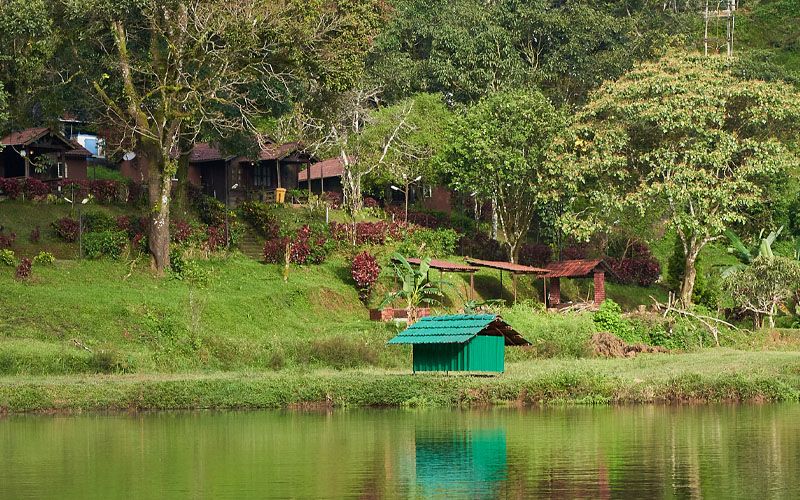
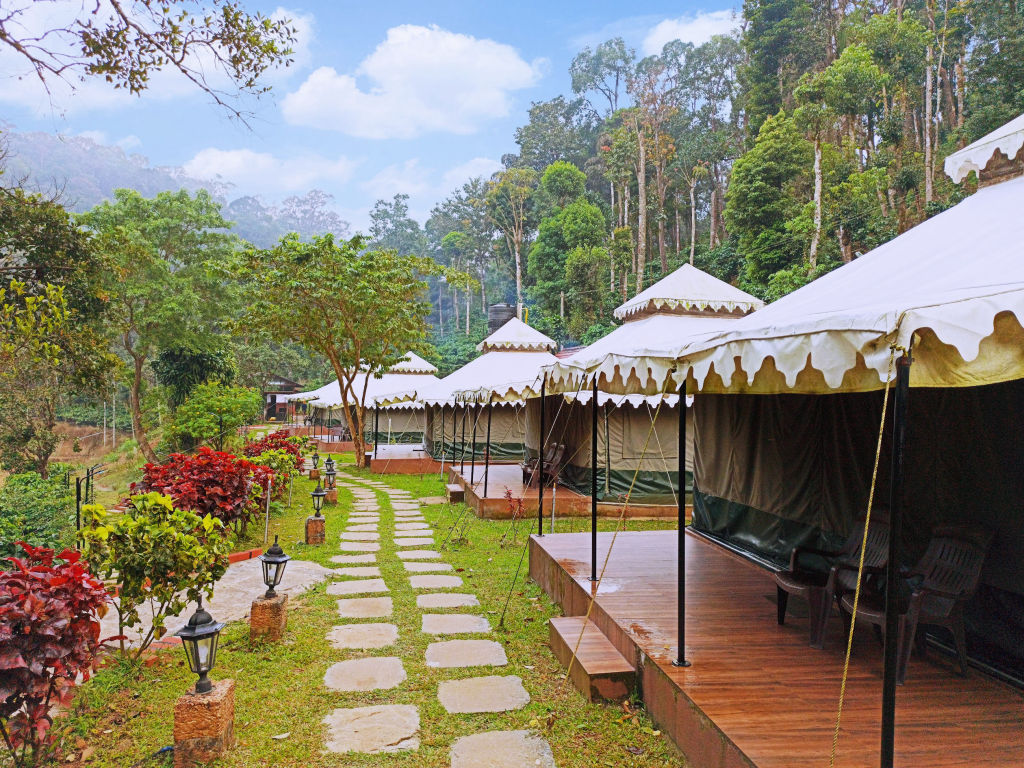
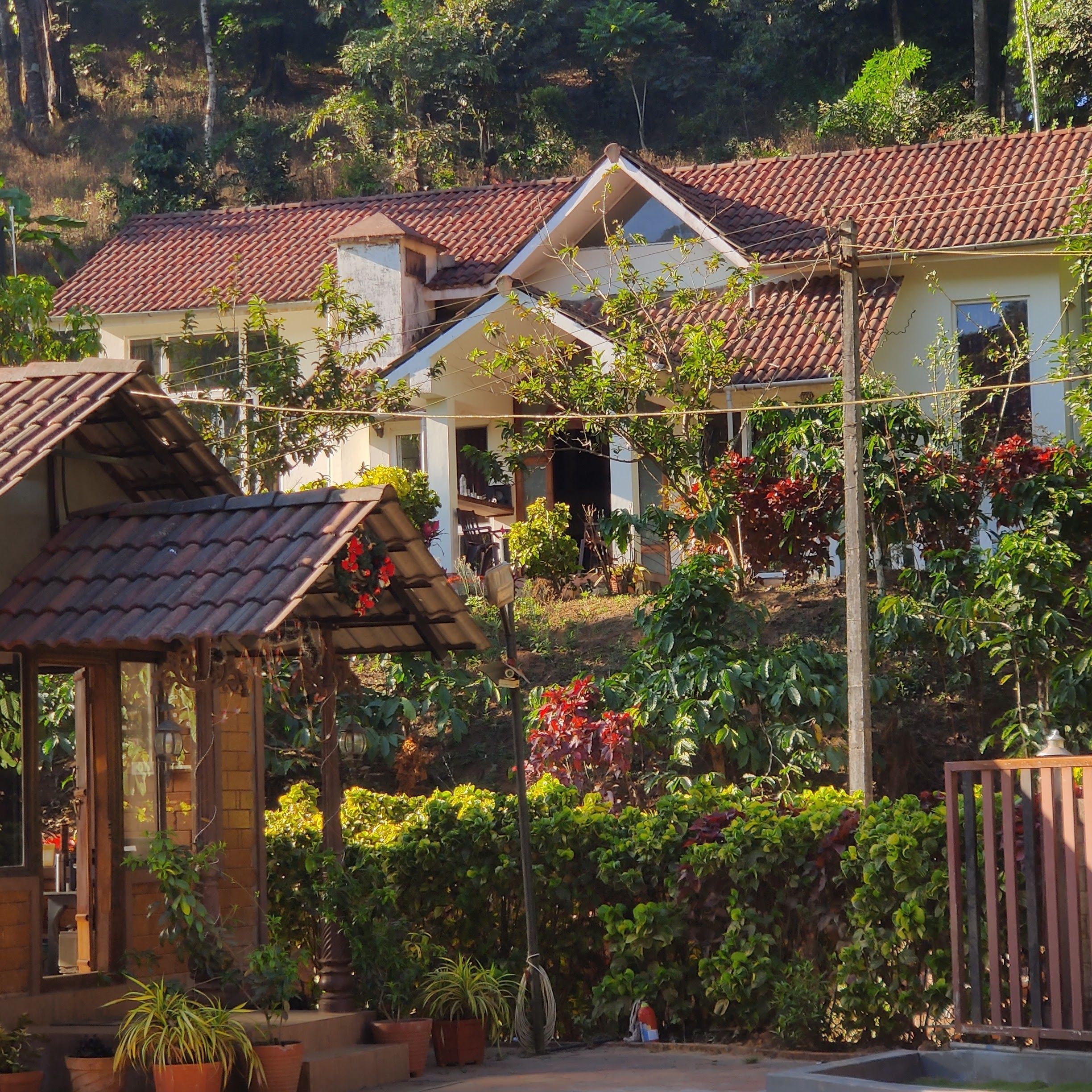
Staying close to the forest allows you to wake up to birdsong and experience the cooler, mist-draped mornings of the district. The surrounding areas, extending towards Madikeri and Kushalnagar, feature an array of plantation stays, peaceful nature homestays, and riverside rustic retreats.
Those looking for immersive outdoor experiences can explore camping and homestay options listed on HireACamp. Booking a stay nestled within a private estate or by the edge of the river provides the ideal base for enjoying Kodagu's hospitality, sampling home-cooked local meals, and unwinding in nature after a day in the woods.
Frequently asked questions
What is Dubare Forest famous for?
Dubare Forest is best known for its riverine landscape along the Cauvery River, rich deciduous biodiversity, and historic connection to Asian elephant conservation.
How far is Dubare Forest from Madikeri?
Dubare Forest is located in the Kodagu region, roughly a short drive from Madikeri, easily reached via local state highways and plantation roads.
Can visitors spot wildlife in Dubare Forest?
Yes, visitors frequently spot deer, giant squirrels, various birds, and sometimes wild elephants along peripheral forest tracts and riverbanks.
Is it safe to visit Dubare Forest during the monsoon?
While the forest is exceptionally lush during the monsoon, heavy rainfall can cause strong river currents, slippery trails, and leeches, requiring extra caution and flexible travel plans.
Are there places to stay near Dubare Forest?
Yes, a wide selection of homestays, nature retreats, and eco-camps situated near the forest edges and coffee estates can be found on HireACamp.
Where you'll be
Madikeri, KA · 3 stays nearby shown with prices
Stays near Dubare Forest
Book a place to stay close by
More places near Dubare Forest
Within 20 km


Built from 0 Instagram posts by 0 creators. Every tip links back to the post it came from, and where creators disagree we show both sides.






