
Dudhwa National Park
National park near Dudhwa, Uttar Pradesh
2 posts · 2 sourced tips
Guide from 2 posts by 2 creators
@desi.kanpur, @things2doinlucknow
Hidden gem
Far fewer reviews than places like it nearby, yet creators keep finding it.
6.7 km from Dudhwa
The nearest town, for stays, food and fuel.
Loved by 2 creators
2 posts on Instagram.
Travel Routes to Dudhwa National Park
Driving distance and travel time details for reaching Dudhwa National Park from major cities in Uttar Pradesh.
Good to know
Tips from creators' posts. Each one links to its source.
Getting there
By road
- From DudhwaNearest town22 min · 10 km
- From Lucknow4 hr 35 min · 216 km
- From Kanpur5 hr 55 min · 310 km
- From New Delhi7 hr 5 min · 450 km
By train, bus or air
- Palia KalanNearest railway station18 min · 12 km
- Dhangadhi AirportNearest airport44 min · 34 km
Typical drive times without traffic. Stations and airports from OLA Maps; distances and typical drive times from OLA Maps and OpenStreetMap (© OpenStreetMap contributors); notes from creators' Reels.
About Dudhwa National Park
Written with AI from creators' posts and map data. Check prices and timings locally before you go.
About Dudhwa National Park
Dudhwa National Park sits in the northern Terai belt of Uttar Pradesh, close to the border with Nepal. The landscape is shaped by the floodplains of Himalayan rivers, producing a fertile mix of alluvium, wetlands, and thick forest tracts. Unlike many arid or rocky scrub forests in central India, Dudhwa is intensely green and water-rich, dominated by towering sal trees and tall elephant grasses that can grow several metres high.
The park forms the core of the larger Dudhwa Tiger Reserve, which also encompasses neighbouring sanctuaries and buffer zones. For decades, it has served as a safe haven for threatened wildlife, most notably the swamp deer or barasingha, whose numbers rebounded dramatically thanks to early conservation efforts in these grasslands. Today, Dudhwa represents one of northern India's most ecologically diverse habitats, offering a wilderness experience defined by deep forest tracks, quiet riverbanks, and natural silence.
Wildlife and Landscape of the Terai
The vegetation of Dudhwa National Park is divided between dense woodland and open meadows known locally as phantas. The dominant tree species is the sal, accompanied by jamun, shisham, and silk-cotton trees that bloom in vivid crimson during late winter. Meandering streams and lakes, including the Suheli and Mohana river systems, carve through the landscape, sustaining broad water meadows and marshes.
This mosaic of habitats supports an exceptional variety of wildlife. Dudhwa is famous for sheltering the largest surviving population of the northern swamp deer, whose large antlers and gregarious herds make them a common sight on the grasslands. The park also supports a flourishing population of Indian one-horned rhinoceroses, introduced through a dedicated relocation project decades ago. Tigers, leopards, sloth bears, fishing cats, and wild Asian elephants move through the thick cover, while the river corridors host gharials and mugger crocodiles.
Birdlife in Dudhwa is equally rich, with over four hundred recorded species. The park provides vital breeding grounds for rare wetland and grassland birds, including the sarus crane, Bengal florican, and swamp francolin. During the winter months, migratory ducks, geese, storks, and raptors settle across the park's oxbow lakes and wetlands, making it a rewarding destination for patient naturalists and birdwatchers.
Read more
Best Time to Visit Dudhwa National Park
Dudhwa National Park operates on a seasonal schedule determined by the monsoon. Heavy summer and autumn rains cause the rivers to swell and submerge large parts of the low-lying grasslands and forest trails, so the park generally remains closed during the monsoon and opens to visitors from mid-November through to early summer.
The winter months between late November and February offer crisp weather, cool days, and misty mornings. Daytime temperatures are pleasant for driving through the park, though early mornings can be quite cold, requiring warm layers. Winter is also the prime season for watching migratory waterfowl congregated around the wetlands.
From March onwards, the weather turns warmer, and by April and May, temperatures can rise significantly. While the heat is dry and intense, late spring and early summer offer heightened chances of observing large mammals. As water sources inside the deep forest dry up, tigers, elephants, and deer regularly emerge into the open along remaining riverbanks and waterholes.
Things to Do at Dudhwa National Park
The primary activity at Dudhwa is exploring the park's wilderness on guided jeep safaris. Driven along designated dirt tracks through the sal forest and open grasslands, these drives offer a chance to spot herbivores, track big cats, and observe the scale of the Terai landscape. Safaris are organized in morning and afternoon windows, and routes are regulated by local forest authorities to minimize disturbance to wildlife.
Birdwatching along the edges of the water bodies is another highlight. Spending quiet time overlooking lakes like Bankey Tal or following quiet peripheral tracks allows visitors to observe waterbirds, woodpeckers, hornbills, and owls. Binoculars and a telephoto lens are indispensable here, given the expansive scale of the meadows and wetlands.
Travellers interested in local culture can also visit the Tharu tribal villages settled along the fringes of the reserve. The Tharu people have lived in close harmony with the Terai forests for generations, and their distinctive mud-and-thatch architecture, painted walls, and rural way of life provide cultural context to the natural surroundings.
How to Reach Dudhwa National Park
Dudhwa National Park is situated in the Lakhimpur Kheri region of Uttar Pradesh, near the small settlement of Gadeneya. It is accessible by road from several major cities in northern India.
From Lucknow, the state capital, the park is approximately 216 to 220 km away. The drive typically takes between 4.5 and 5 hours by car under normal traffic conditions, travelling north via Sitapur and Lakhimpur. Lucknow also serves as the nearest major airport and rail hub for travellers arriving from other parts of the country.
From Kanpur, the road distance is approximately 310 to 360 km. Depending on the exact route chosen and highway conditions, driving from Kanpur usually takes around 6 to 8 hours.
Travellers arriving by road from New Delhi face a drive of about 450 km, which generally requires around 7 to 8 hours via Moradabad, Bareilly, and Shahjahanpur. For rail travel, nearby railway junctions such as Mailani and Shahjahanpur connect to the broader Indian railway network, from where local taxis can be hired to reach the park gates.
Tips for Your Visit to Dudhwa
Preparation goes a long way toward a smooth visit to Dudhwa National Park. Because safari entries are regulated, permits and vehicle allocations should be verified locally well in advance of your visit. Check the current operating dates and safari shift hours with local forest department resources before finalizing your travel dates.
When packing clothes, choose neutral, nature-toned colours like olive green, khaki, tan, or brown. Avoid bright clothing and strong perfumes, which can disturb wildlife. If you visit between December and February, pack a warm jacket, fleece, woollen cap, and gloves for morning safaris, as open vehicles feel particularly chilly before the sun breaks through the mist.
Carry water in reusable bottles to avoid single-use plastic waste inside the reserve. Maintain quiet conduct during safaris, avoid standing up or making sudden movements in the vehicles, and never attempt to feed or approach wild animals. Engaging a registered local nature guide will greatly enhance your understanding of the forest, its tracks, and its animal calls.
Where to Stay near Dudhwa National Park
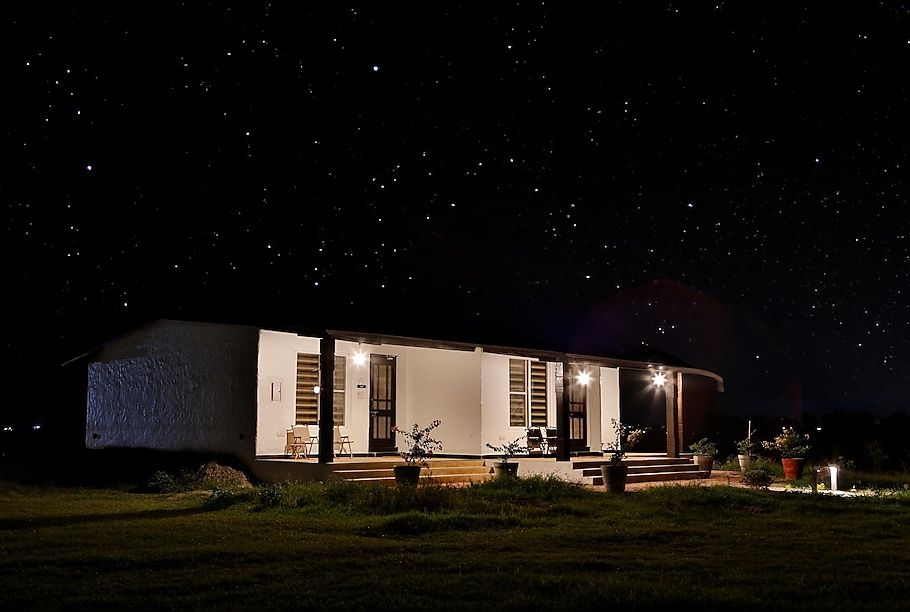
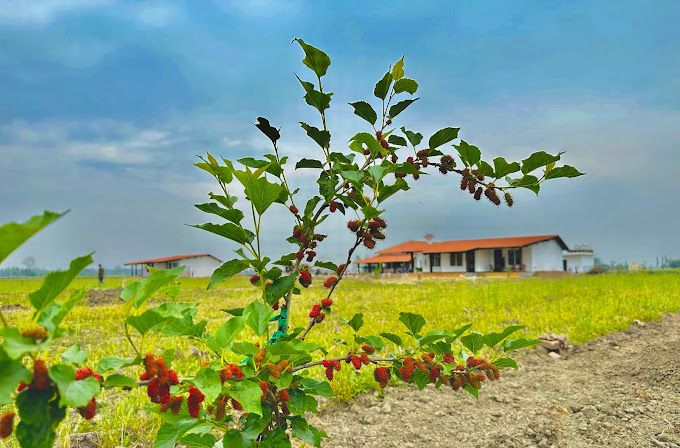
Because Dudhwa is a protected conservation zone, accommodations are clustered outside the park boundaries in the surrounding rural countryside and peripheral villages. Options range from small nature lodges to quiet camps and homestays that allow guests to enjoy the peaceful agrarian atmosphere of the Terai.
Staying close to the entry gates makes it convenient to attend dawn safaris without long early-morning transfers. You can discover and book verified camps, homestays, and outdoor getaways in the areas surrounding Dudhwa National Park on HireACamp.
Frequently asked questions
Where is Dudhwa National Park located?
Dudhwa National Park is located along the Indo-Nepal border in northern Uttar Pradesh, near the town of Gadeneya in the Lakhimpur Kheri district.
How far is Dudhwa National Park from Lucknow and Delhi?
Dudhwa is approximately 220 km from Lucknow, taking about 4.5 to 5 hours by road. From New Delhi, it is roughly 450 km away, taking about 7 to 8 hours to drive.
What wildlife is Dudhwa National Park known for?
The park is best known for its thriving population of swamp deer (barasingha), Royal Bengal tigers, one-horned rhinoceroses, Asian elephants, leopards, and over 400 species of resident and migratory birds.
When is the best time to visit Dudhwa National Park?
The park is generally open from mid-November to June. Winter offers pleasant, cool weather ideal for birdwatching, while spring and early summer provide good mammal sightings around drying waterholes.
How do safari bookings and permits work at Dudhwa?
Safaris inside Dudhwa National Park are regulated by the forest department in morning and afternoon shifts. Visitors should check locally for current permit procedures, vehicle availability, and entry rules before visiting.
Where you'll be
Gadeneya, Uttar Pradesh 262902 · 2 stays nearby shown with prices
As seen on Instagram
The posts this guide is built from
Stays near Dudhwa National Park
Book a place to stay close by
More places near Dudhwa National Park
Within 20 km
Built from 2 Instagram posts by 2 creators. Every tip links back to the post it came from, and where creators disagree we show both sides. Guide updated 23 Oct 2026.






