
Dwarkadhish Temple
Temple near Dwarka, Gujarat
5.4 km from Dwarka
The nearest town, for stays, food and fuel.
Dwarkadhish Temple, also known as the Jagat Mandir, is an ancient Hindu temple dedicated to Lord Krishna located on the western tip of the Saurashtra peninsula in Dwarka, Gujarat. Perched near the confluence of the sacred Gomti River and the Arabian Sea, it is revered as one of the Char Dham pilgrimage sites. Pilgrims and travellers visit from across the world to marvel at its soaring Chalukyan-style spire and immerse themselves in its centuries-old spiritual traditions.
Getting there
By road
- From DwarkaNearest town13 min · 9.1 km
Typical drive times without traffic. Stations and airports from OLA Maps; distances and typical drive times from OpenStreetMap (© OpenStreetMap contributors); notes from creators' Reels.
About Dwarkadhish Temple
Written with AI from map data and general knowledge. Check prices and timings locally before you go.
The Heritage of Dwarkadhish Temple
Dwarkadhish Temple stands at the spiritual heart of Dwarka, an ancient coastal city intimately linked with the legends of Lord Krishna. According to tradition, the main shrine was originally established thousands of years ago, with the current multi-tiered sandstone structure dating back several centuries. As a prominent pillar of the Char Dham pilgrimage circuit, the temple represents profound devotion and rich cultural continuity in western India.
The deity worshipped here is Lord Krishna in his royal form as the King of Dwarka, known affectionately as Dwarkadhish. Over the centuries, the shrine has weathered maritime winds and historical upheavals, remaining an enduring sanctuary for seekers, scholars, and everyday worshippers seeking peace along the edge of the Arabian Sea.
Architecture and Sacred Spaces
The temple structure, known as Jagat Mandir, rises majestically over five storeys and is supported by more than seventy intricately carved limestone and sandstone pillars. Its central spire, or shikhara, climbs over forty metres into the sky, creating a silhouette that is visible from far out at sea and across the surrounding plains. The exterior walls are adorned with carved motifs depicting celestial musicians, deities, floral friezes, and mythological narratives.
Visitors enter through one of two primary gates that frame the spiritual journey. The southern entrance is Swarga Dwar, or the Gate to Heaven, approached by a grand flight of steps rising from the Gomti Ghat. The northern exit is Moksha Dwar, symbolizing liberation from earthly cycles. High atop the spire flutters the sacred fifty-two-yard flag, known as the Dhwaja, crafted in bright colours and changed several times each day in a solemn ceremony observed with great enthusiasm by gathered devotees.
Read more
Best Time to Visit Dwarka
The coastal climate of the Saurashtra region makes the winter months from October to March the most comfortable time to visit Dwarkadhish Temple. During this period, daytime temperatures remain moderate and pleasant, accompanied by gentle maritime breezes that make exploring the temple complex and walking along the Gomti Ghat effortless.
Summers from April to June can be warm and humid, with strong afternoon sun reflecting off the paved temple courtyards. The monsoon months, from July through September, bring sporadic rains and dramatic coastal skies. While visiting during the major festival of Janmashtami in late monsoon offers an electric atmosphere of devotional singing and communal celebrations, travellers should be prepared for dense crowds and longer wait times.
Rituals and Experiences at the Temple
A visit to Dwarkadhish Temple offers several meaningful rituals throughout the day. Devotees often begin by visiting Gomti Ghat, where the river meets the sea, performing ceremonial ablutions and feeding local sea birds or river fish. The walk up the stone stairs through Swarga Dwar brings you directly into the energetic rhythm of the temple courtyards.
Inside the sanctum, the daily cycle of worship includes several grand aartis, each accompanied by traditional bells, cymbals, and Vedic chants. Another captivating sight is the changing of the grand temple flag. Priests scale the dizzying heights of the spire using sheer manual skill to unfurl a new flag, a ritual carried out rain or shine. Watching the vibrant silk catch the coastal wind against the backdrop of the open sky is a signature memory for many who visit.
Places to Visit Nearby
Dwarka offers several natural and sacred sites within easy reach of the main temple. A short drive away lies Rukmini Devi Mandir, known for its fine architectural carvings and tranquil compound. Further afield on the peninsula sits the Nageshwar Jyotirlinga Temple, one of the twelve sacred Shiva shrines in the country, marked by a massive outdoor statue of Lord Shiva.
Travellers interested in marine life and coastal landscapes can head north to Beyt Dwarka, an island reached by boat or bridge from Okha, which houses another significant Krishna shrine alongside calm sandy shores. For leisure and nature, Shivrajpur Beach and Mithapur Beach offer expansive stretches of clean shoreline and quiet waters. Shivrajpur is particularly popular for water sports and recreational coastal walks.
How to Reach Dwarkadhish Temple
Dwarka is well connected by rail and road to the rest of Gujarat and major Indian cities. Dwarka Railway Station receives regular long-distance trains from cities such as Ahmedabad, Rajkot, Mumbai, and New Delhi. The temple complex is just a short auto-rickshaw or taxi ride away from the railway station.
For air travellers, the closest domestic airports are located in Jamnagar and Porbandar, both situated a few hours away by road, while Rajkot offers broader commercial flight connections. Excellent state and national highways link Dwarka to Ahmedabad, Jamnagar, and Somnath, making road trips by private car or intercity bus smooth and scenic.
Tips for Your Visit
Because Dwarkadhish Temple is an active and deeply revered pilgrimage centre, visitors must observe traditional decorum. Dress modestly with shoulders and knees covered; traditional Indian attire is generally preferred and appreciated. Footwear must be deposited at designated cloakrooms outside the entrance gates before climbing the stone stairs.
Electronic devices, cameras, and mobile phones are strictly prohibited within the inner sanctum, so plan to leave them at your accommodation or use the secure locker facilities available near the temple perimeter. Morning and evening aarti sessions draw heavy footfall, so arriving early gives you a better opportunity to sit comfortably and witness the proceedings without being rushed.
Where to Stay in Dwarka
Dwarka provides diverse accommodation options suited to pilgrims, solo wanderers, and families alike. Staying close to the temple allows you to attend early morning or late evening darshans on foot, while properties slightly farther out along the coastal fringe offer quieter surroundings and open ocean views.
If you prefer experiential lodging, comfortable homestays, rural cottages, and tented beach camps across the Dwarka and coastal Saurashtra region can be discovered and booked on HireACamp. These stays provide a relaxed base from which to explore the temples, nearby beaches, and marine life at your own pace.
Frequently asked questions
Are mobile phones and cameras allowed inside Dwarkadhish Temple?
No, mobile phones, cameras, and large electronic gadgets are strictly prohibited inside the main shrine. Lockers and cloakroom facilities are available near the entrance to store your belongings before darshan.
What is the dress code for visiting the temple?
Visitors are expected to dress modestly, keeping shoulders and knees covered. Traditional Indian attire such as kurtas, dhotis, sarees, or salwar suits is recommended to respect local customs.
How long does a visit to Dwarkadhish Temple typically take?
A standard visit for darshan usually takes between one to two hours, depending on crowd levels. During major festivals or during the morning and evening aartis, wait times can extend significantly.
Which airport is closest to Dwarkadhish Temple?
The nearest domestic airports are in Jamnagar and Porbandar, with Rajkot Airport offering wider nationwide connectivity. Travellers can hire a private taxi or take a train from these cities to reach Dwarka.
What is the significance of the flag atop the temple?
The temple flag, called the Dhwaja, features the sun and moon symbols representing the enduring presence of Lord Krishna. It is changed several times daily in a traditional ritual carried out by temple priests.
Where you'll be
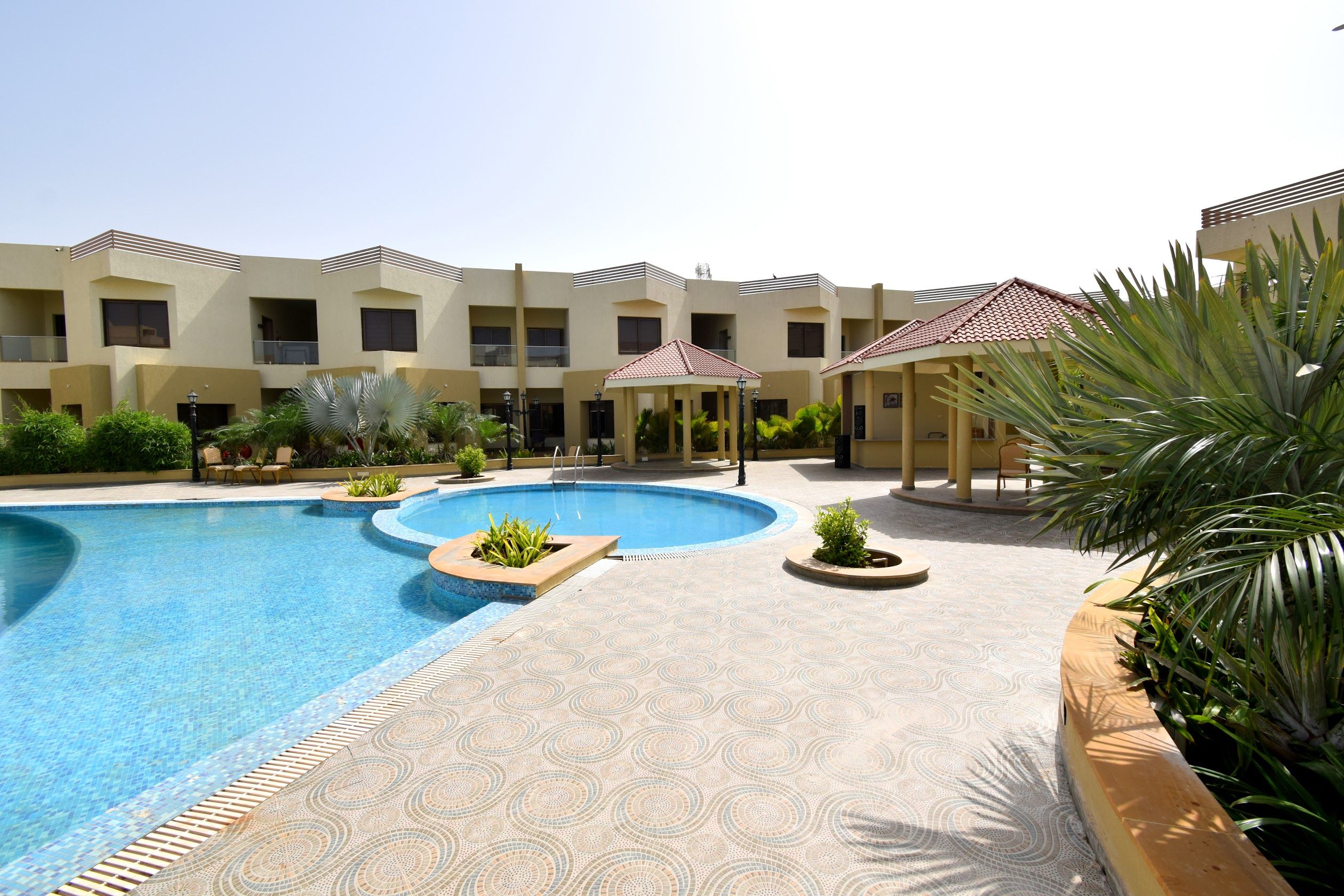
Dwarka , Gujrat, Dwarka, GJ · 1 stay nearby shown with prices
Stays near Dwarkadhish Temple
Book a place to stay close by
More places near Dwarkadhish Temple
Within 20 km

Built from 0 Instagram posts by 0 creators. Every tip links back to the post it came from, and where creators disagree we show both sides.






