
Elephanta Island
Island near Gharapuri, Maharashtra
600 m from Gharapuri
The nearest town, for stays, food and fuel.
Elephanta Island, historically known as Gharapuri, is an island located in the waters of Mumbai Harbour off the coast of Maharashtra. Celebrated for its UNESCO World Heritage-listed rock-cut cave temples dedicated to Lord Shiva, the island draws pilgrims, history lovers, and day-trippers from around the globe. Visitors make the journey to admire ancient basalt sculptures, wander forested paths, and enjoy a quiet respite from the surrounding mainland.
Getting there
By road
- From GharapuriNearest town1 min · 500 m
- From Mumbai 45 min · 15 km
- From Pune3 hr 10 min · 156 km
- From Nashik4 hr 20 min · 192 km
Typical drive times without traffic. Stations and airports from OLA Maps; distances and typical drive times from OpenStreetMap (© OpenStreetMap contributors); notes from creators' Reels.
About Elephanta Island
Written with AI from map data and general knowledge. Check prices and timings locally before you go.
About Elephanta Island
Elephanta Island lies nestled within Mumbai Harbour, positioned east of the bustling southern tip of Mumbai and north of the coastal mainland near Kegaon. Known locally as Gharapuri, which translates to the city of caves, the island is defined by two low hillocks separated by a narrow valley. Its slopes are covered in thick canopy consisting of palm trees, tamarind, and mango groves, maintaining a rustic rhythm that feels far removed from the urban energy across the water.
The island acquired its modern name from Portuguese sailors who discovered a massive rock-cut sculpture of an elephant resting near the water's edge. While that ancient sculpture was later relocated to the mainland, the colonial name endured. Today, small fishing and farming settlements inhabit the island, coexisting alongside ancient stone relics that have stood firm for centuries.
The Rock-Cut Caves of Elephanta Island
The primary draw of Elephanta Island is its remarkable complex of rock-cut cave temples carved directly into the hard basalt cliffs. Dating roughly between the fifth and eighth centuries, these excavated sanctuaries represent some of the most celebrated examples of medieval Indian rock architecture, dedicated predominantly to Lord Shiva.
The grand main cave features expansive relief panels capturing diverse aspects of Shaivite philosophy and mythology. Dominating the cavernous central hall is the celebrated three-headed Trimurti sculpture, depicting Shiva as the creator, preserver, and destroyer. Walking through the pillared corridors, visitors can study intricate carved panels showcasing Shiva in the cosmic Nataraja dance, his wedding to Parvati, and the descent of the sacred river Ganges. Nearby, smaller unadorned caves and unfinished chambers provide a fascinating look at the quarrying techniques used by ancient artisans.
Read more
Things to do on Elephanta Island
Beyond the primary cave complex, Elephanta Island invites travellers to slow down and explore on foot. A paved path leads uphill from the main boat jetty, flanked by open-air stalls selling local handicrafts, carved wooden curios, semi-precious stones, and refreshments. For those wishing to bypass the initial walk across the pier, a miniature toy train operates between the boat drop-off and the base of the stone steps.
Travellers with extra stamina can hike up to Cannon Hill, the island's highest ridge. Here, two massive old British-era cannons sit atop the promontory, providing a peaceful resting spot framed by panoramic views of cargo ships anchored in the bay and distant industrial coastlines. Birdwatching along the quieter eastern slopes and wandering down toward the local fishing hamlets offer a glimpse into everyday coastal life that contrasts sharply with the rock-cut tourist hub.
Best time to visit Elephanta Island
The climate on Elephanta Island mirrors coastal Maharashtra, bringing hot summers, torrential monsoons, and pleasant, breezy winters. The winter period from November to February is widely considered the best time to visit. During these months, daytime temperatures remain moderate, humidity drops, and the boat crossing over the open water is smooth and enjoyable.
Summers from March to May bring rising heat and heavy humidity, making the uphill walk toward the cave complex physically demanding. The monsoon season between June and September transforms the island into a vibrant green landscape with refreshed foliage and misty breezes. However, sea conditions can turn rough during heavy squalls, and ferry schedules are frequently disrupted or suspended altogether during periods of heavy rain or high tides. Always check local sea conditions and operational notices before planning a monsoon excursion.
How to reach Elephanta Island
Reaching Elephanta Island involves a scenic boat journey across Mumbai Harbour. Regular passenger ferries depart from the jetties near the Gateway of India in South Mumbai. The voyage across the bay takes passengers past naval vessels, merchant ships, and flocking seabirds, offering an expansive perspective on the city shoreline before approaching the island's stone pier.
Travellers coming from Navi Mumbai or Raigad can also inquire locally about passenger launches operating from regional coastal points near Uran or Kegaon, depending on operational seasons. Upon arrival at the island's jetty, visitors can either walk along the long causeway or board the small toy train that covers the distance to the base of the hill. From there, a broad stone stairway lined with local stalls climbs toward the entrance of the cave complex. Palanquins carried by local porters are often available along the stairway for elderly visitors or those with limited mobility.
Tips for visiting Elephanta Island
A day trip to Elephanta Island requires comfortable walking shoes, as exploring the island involves navigating numerous stone steps, uneven rocky trails, and uphill slopes. Lightweight cotton clothing, sunglasses, and a wide-brimmed hat are essential for staying cool under the coastal sun. Carrying a refillable water bottle is strongly advised to stay hydrated throughout the walk.
Visitors should remain alert regarding the local monkeys that roam around the stairs and cave verandas. These animals are accustomed to human presence and will quickly snatch food packets, sugary drinks, or unattended sunglasses. Keep snacks zipped inside a backpack rather than carrying them in transparent bags. Lastly, check the departure timings for the final evening ferry returning to the mainland so you do not risk missing the last boat back across the harbour.
Places to visit nearby
Because Elephanta Island is primarily experienced as an excursion from the harbour, combining it with mainland attractions in South Mumbai or the Raigad coast makes for a rewarding itinerary. At the primary boarding point on the Mumbai side, the Gateway of India stands as an imposing historic waterfront arch, flanked by grand colonial architecture and buzzing seaside promenades.
A short stroll inland leads into the Kala Ghoda arts district, known for its historic streetscapes, contemporary art galleries, and vibrant cultural atmosphere. Visitors can also explore historic retail hubs such as Crawford Market and Mangaldas Market to experience the energetic trade of textiles, spices, and everyday goods. Across the harbour toward the south lies the Mandwa jetty, which serves as a gateway to the beaches, coastal villages, and seaside fortresses of the Alibaug coastline.
Where to stay near Elephanta Island
Elephanta Island does not cater to overnight tourist stays, as the island winds down once the last daytime ferries head back to the mainland. Most travellers choose to stay in nearby Mumbai or along the Alibaug and Raigad coastal belt, both of which offer convenient maritime access for day excursions.
Whether you prefer a peaceful rural homestay tucked away in coastal greenery, a community-run guesthouse, or a campsite under the coastal palms, options across Maharashtra can be found on HireACamp. Booking your stay along the nearby coast allows you to catch early morning ferries to Elephanta Island and explore the surrounding shoreline at a comfortable, leisurely pace.
Frequently asked questions
What is the historical name of Elephanta Island?
The island was historically known as Gharapuri, which translates to the city of caves in the local Marathi language. It was named Elephanta by Portuguese navigators after they found a massive stone elephant statue near the shore.
Can visitors stay overnight on Elephanta Island?
No, overnight tourist accommodations are not available on the island. Visitors typically complete their trip during daylight hours and take a return ferry back to Mumbai or the Raigad mainland.
Is Elephanta Island accessible during the monsoon season?
While the island remains inhabited year-round, passenger boat services from the mainland are heavily dependent on sea conditions. Ferries are frequently delayed or suspended during periods of severe rain and rough tides between June and September.
Is there transport assistance for climbing the hill to the caves?
Yes, a miniature toy train operates along the long jetty to take visitors to the base of the hill. For the climb up the stone stairs, palanquins carried by local porters are usually available for elderly travellers or anyone with mobility concerns.
Where you'll be
Maharashtra · 2 stays nearby shown with prices
Stays near Elephanta Island
Book a place to stay close by
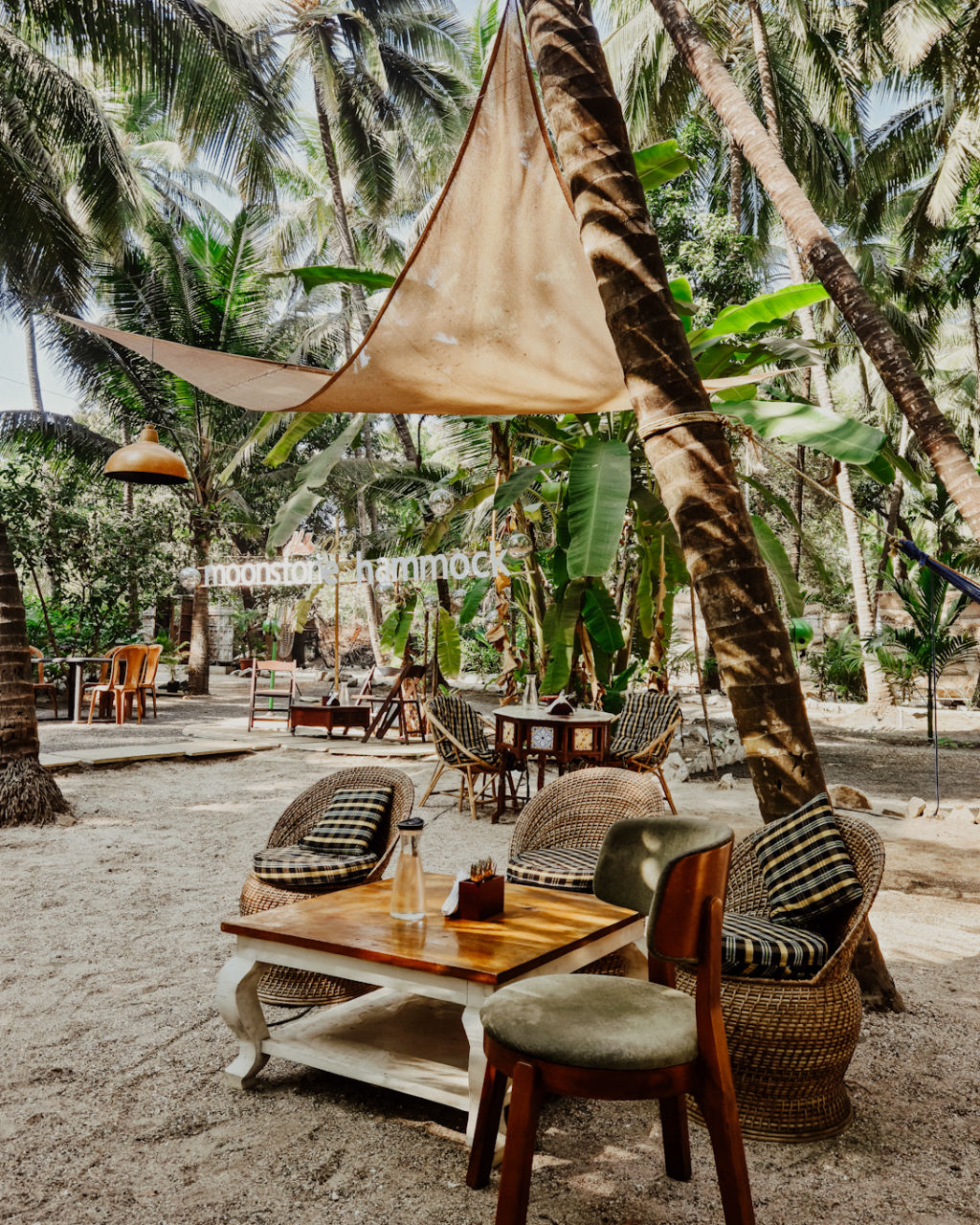
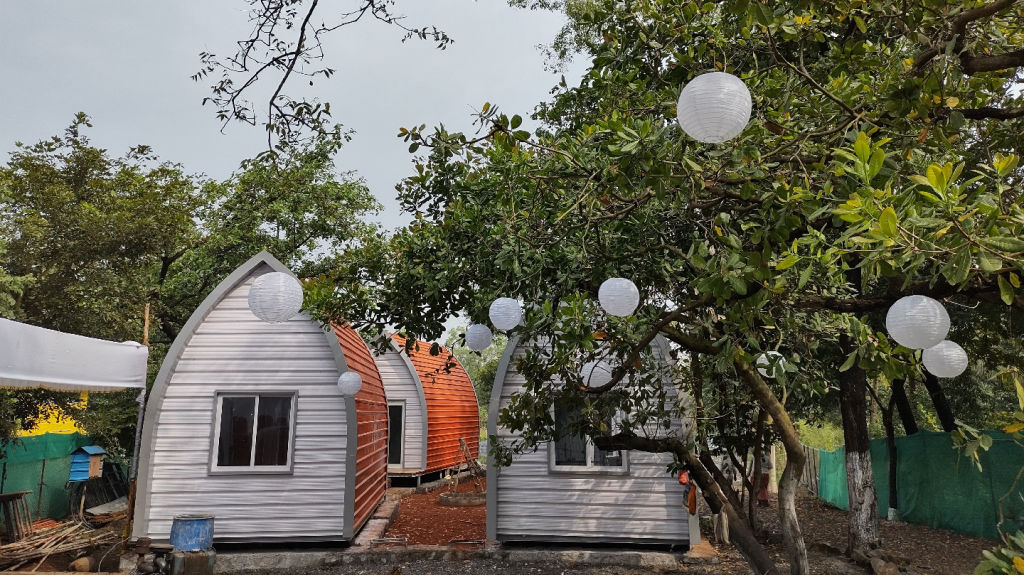
More places near Elephanta Island
Within 20 km


Lists for this area
Ranked by how many creators recommend each place


Built from 0 Instagram posts by 0 creators. Every tip links back to the post it came from, and where creators disagree we show both sides.






