
Eravikulam National Park
National park near Pothamedu, Kerala
6.6 km from Pothamedu
The nearest town, for stays, food and fuel.
Eravikulam National Park is a high-altitude sanctuary situated along the Western Ghats near Devikulam and Munnar in Kerala. Spanning rolling montane grasslands and stunted shola cloud forests, it is famous as the primary sanctuary of the endangered Nilgiri Tahr and the base of South India's highest summit, Anamudi. Travellers visit to take in expansive mountain views, walk along misty paths, and observe wildlife thriving in a rare alpine ecosystem.
Getting there
By road
- From PothameduNearest town19 min · 10 km
- From Munnar36 min · 17 km
- From Kochi2 hr 35 min · 122 km
- From Madurai4 hr · 167 km
Typical drive times without traffic. Stations and airports from OLA Maps; distances and typical drive times from OpenStreetMap (© OpenStreetMap contributors); notes from creators' Reels.
About Eravikulam National Park
Written with AI from map data and general knowledge. Check prices and timings locally before you go.
The High-Altitude Landscape of Eravikulam
Eravikulam National Park preserves one of the most distinctive high-elevation ecosystems in the southern Western Ghats. Perched high above the tea-carpeted slopes of the Idukki district, the park encompasses an undulating plateau defined by continuous montane grasslands interspersed with sheltered valleys of stunted evergreen cloud forests, locally known as sholas. This fragile mosaic functions as a vital hydrological catchment, feeding several perennial hill streams and rivers that flow across Kerala and Tamil Nadu.
Dominating the landscape is Anamudi, which rises along the southern boundary of the sanctuary. As the highest peak in South Asia outside the Himalayas, its towering presence creates dramatic microclimates where cool air collides with warm moisture, often draping the rolling ridges in thick, shifting blankets of cloud. The high altitude keeps the park significantly cooler than the surrounding lowlands throughout the year, fostering an environment where specialized mosses, orchids, and endemic alpine plants flourish in the thin mountain air.
Wildlife and the Nilgiri Tahr
The primary ecological treasure of Eravikulam National Park is the Nilgiri Tahr, an endangered mountain goat endemic to the cliff edges and grassy slopes of the Western Ghats. The park shelters the largest surviving wild population of this agile species. Due to decades of dedicated conservation and habitat preservation, the Tahr in the designated visitor zone have grown accustomed to human presence, offering travellers an extraordinary opportunity to observe them grazing tranquilly along the slopes without disturbing their natural foraging habits.
Beyond the Nilgiri Tahr, the varied terrain supports an array of specialized wildlife adapted to the chilly heights. Visitors who look closely along the forest fringes may spot small mammals such as the dusky striped squirrel, the stripe-necked mongoose, or the Nilgiri marten. The skies and thicket understories shelter high-altitude bird life, including the Nilgiri pipit, the Kerala laughingthrush, and various raptors riding the thermals off the cliffs. The park is also famous for the mass blooming of the Neelakurinji flower, a rare natural phenomenon occurring once every twelve years that paints entire hillsides in soft shades of purple and blue.
Read more
What to Expect During Your Visit
To protect this fragile biodiversity, access within Eravikulam National Park is carefully restricted and regulated by forest authorities. Tourism is centered around the Rajamalai zone, the designated tourism area where managed safari vehicles carry visitors up from the valley entrance along narrow, winding mountain tracks. The journey itself provides remarkable vantage points over steep tea plantations, cascading mountain streams, and the sheer granite cliffs flanking the plateau.
At the main dropping point, visitors continue on foot along a designated paved trail that ascends gently through the open grasslands. This walk offers expansive views into deep ravines and across the distant ridges of the High Ranges. Because entry numbers and safari transport are capped daily to prevent overcrowding and habitat distress, visitors should plan to book permits or transport slots well in advance through official wildlife department channels, particularly during peak holiday seasons.
Best Time to Visit Eravikulam National Park
The climate in Eravikulam varies markedly between the changing monsoon currents and the dry mountain winters. The period from September through March generally provides the most comfortable conditions for exploring the park. In the immediate aftermath of the southwest monsoon, the landscape emerges in radiant greens, the air is clean, and the streams are brimming with runoff. As winter sets in between December and February, daytime temperatures remain crisp and sunny, though night and early morning temperatures frequently drop close to freezing, bringing morning frost to the open meadows.
Travellers should note that the park typically closes to visitors for a few weeks in the late winter or early spring during the calving season of the Nilgiri Tahr, ensuring newborn kids and nursing mothers remain undisturbed. The monsoon season from June to August brings torrential rainfall, heavy cloud cover, and occasional landslides across the ghat passes, making outdoor visits difficult. Always check local forest department announcements regarding seasonal closures before finalizing your travel dates.
How to Reach Eravikulam National Park
Eravikulam National Park is easily accessible from the hill towns of Devikulam and Munnar, which serve as the primary gateways for visitors. Munnar lies approximately eight kilometres to the south, while Devikulam is situated just a short drive beyond. The entry gate to the Rajamalai safari area is positioned along the road connecting Munnar to Udumalpet, winding through verdant tea estates before reaching the park checkpost.
For travellers arriving from farther away, the nearest major transit points are located in the plains of Kerala and Tamil Nadu. Cochin International Airport and the railway stations at Aluva and Ernakulam serve as the most common entry hubs on the western side. From the railway stations or airport, the drive up to the highlands takes approximately four hours along scenic, winding mountain highways. From the eastern side in Tamil Nadu, travellers can approach through Pollachi and Udumalpet, traversing scenic foothill forests before climbing up the Western Ghats into the tea country.
Places to Visit Near Eravikulam
A trip to Eravikulam can easily be paired with several notable nature spots and cultural landmarks scattered across the surrounding highlands. Just south of Munnar, Attukad Waterfalls cascades through a deep ravine surrounded by jungle and tea terraces, offering an impressive spectacle after the monsoon rains. Farther down the hillside toward the lower valleys, Karimban Kuthu Waterfalls and Anayadikuthu Waterfalls provide quieter cascades tucked away from the main tourist routes.
For visitors interested in broader outdoor exploration, the Idukki Dam, an impressive engineering feat spanning the Kuravan and Kurathi hills, lies within driving distance to the south, bordered by the scenic Hill View Park. Birdwatchers can make an excursion down into the foothills to Thattekad Bird Sanctuary, one of peninsular India's richest lowland bird habitats along the Periyar River basin. Cultural and religious stops in the broader region include the serene Kurisumala Ashram situated among quiet meadows, the historic Sree Varaha Swami Temple, and Kaliyar Juma Masjid.
Where to Stay Around Eravikulam National Park
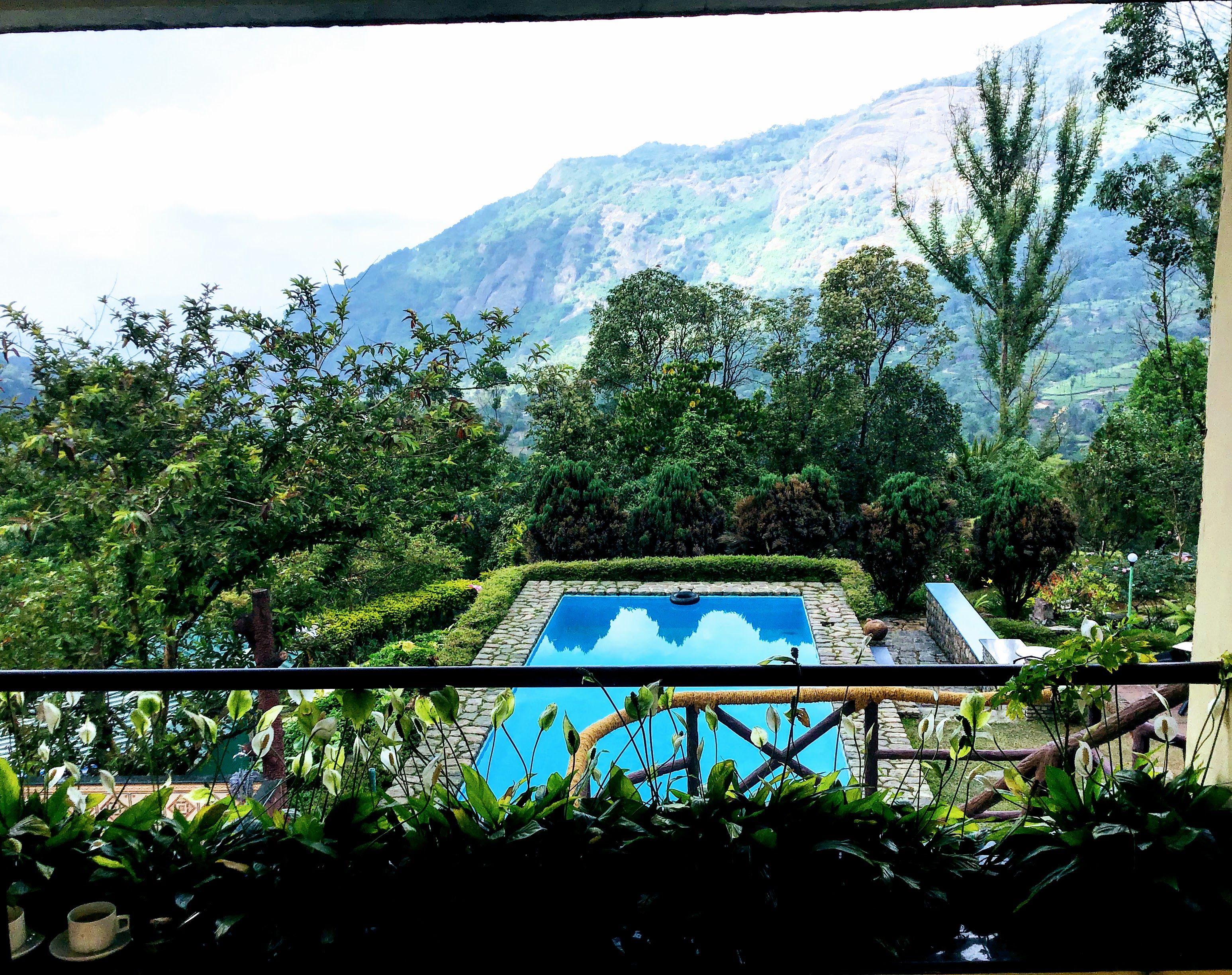
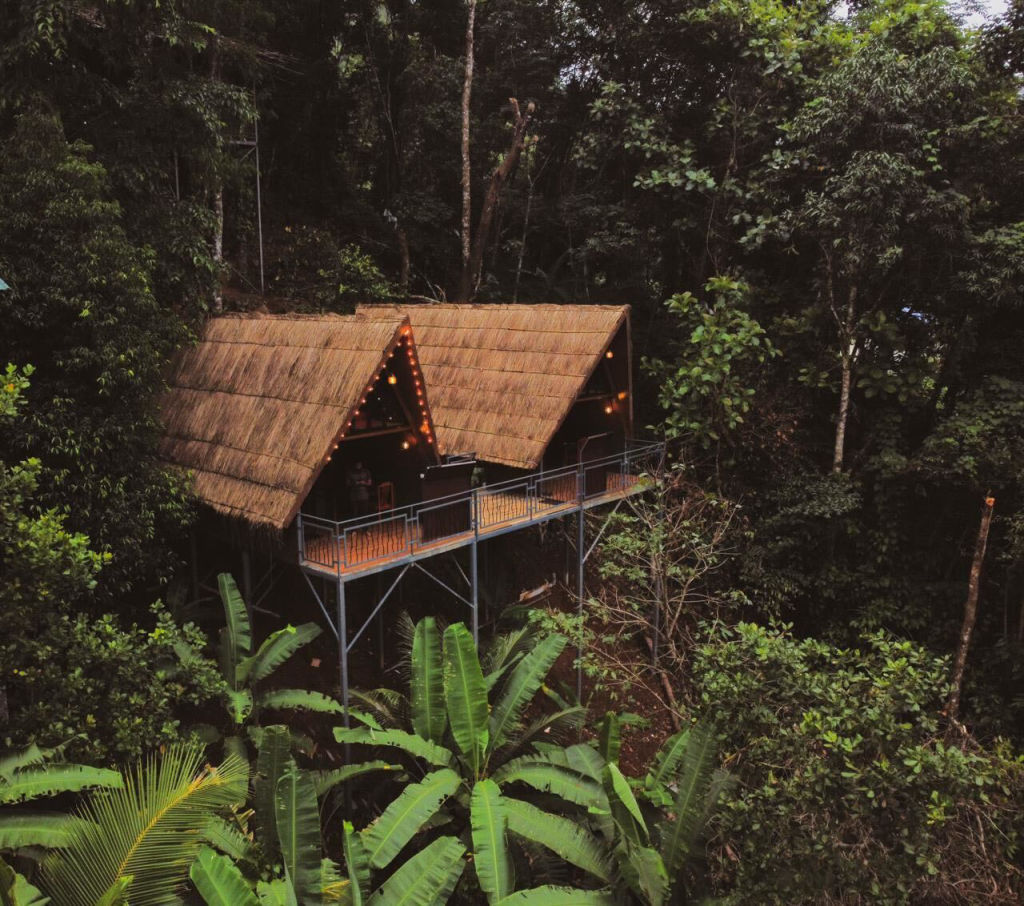
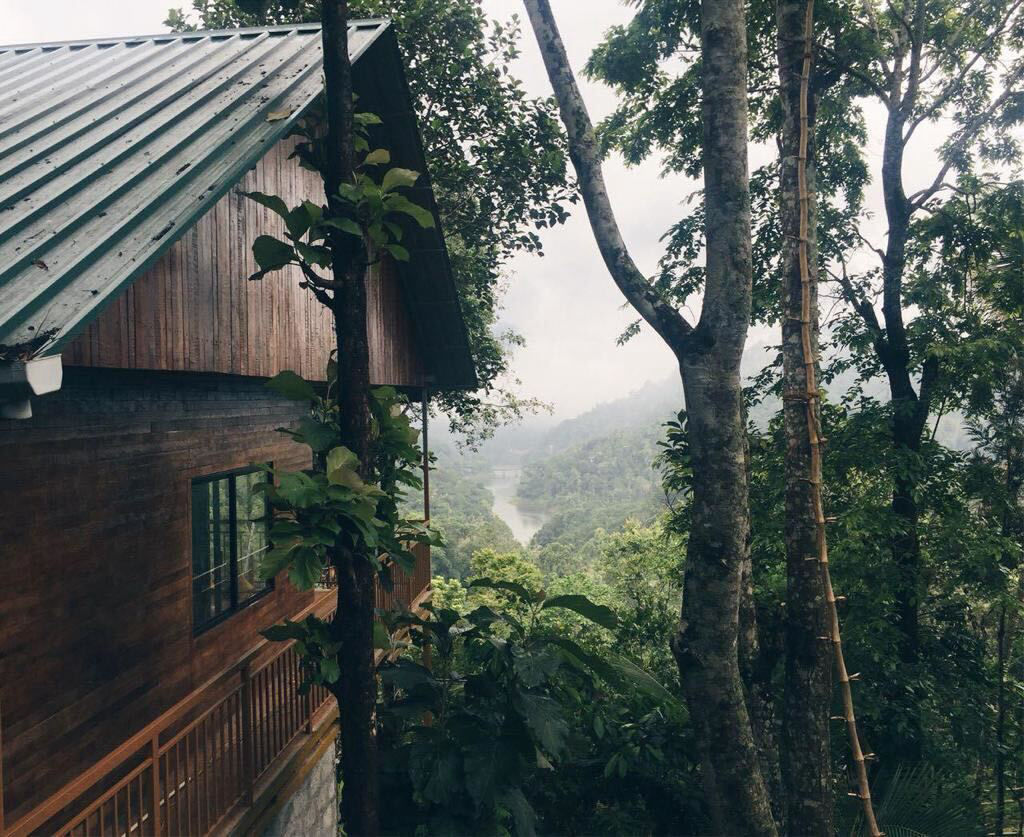
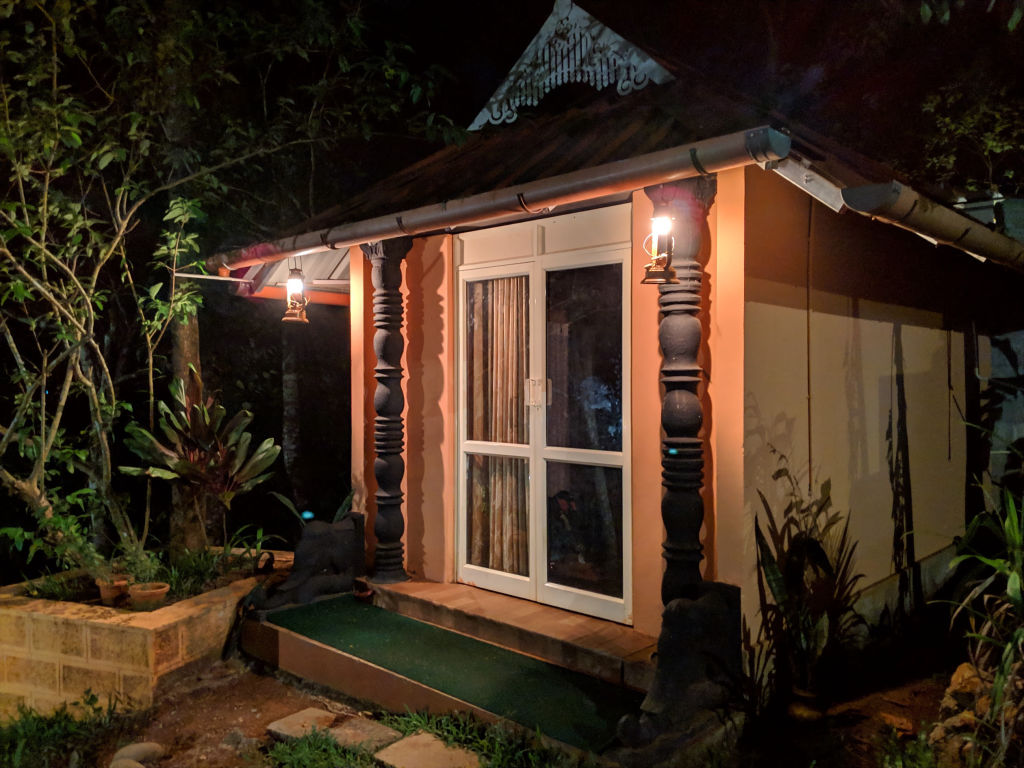
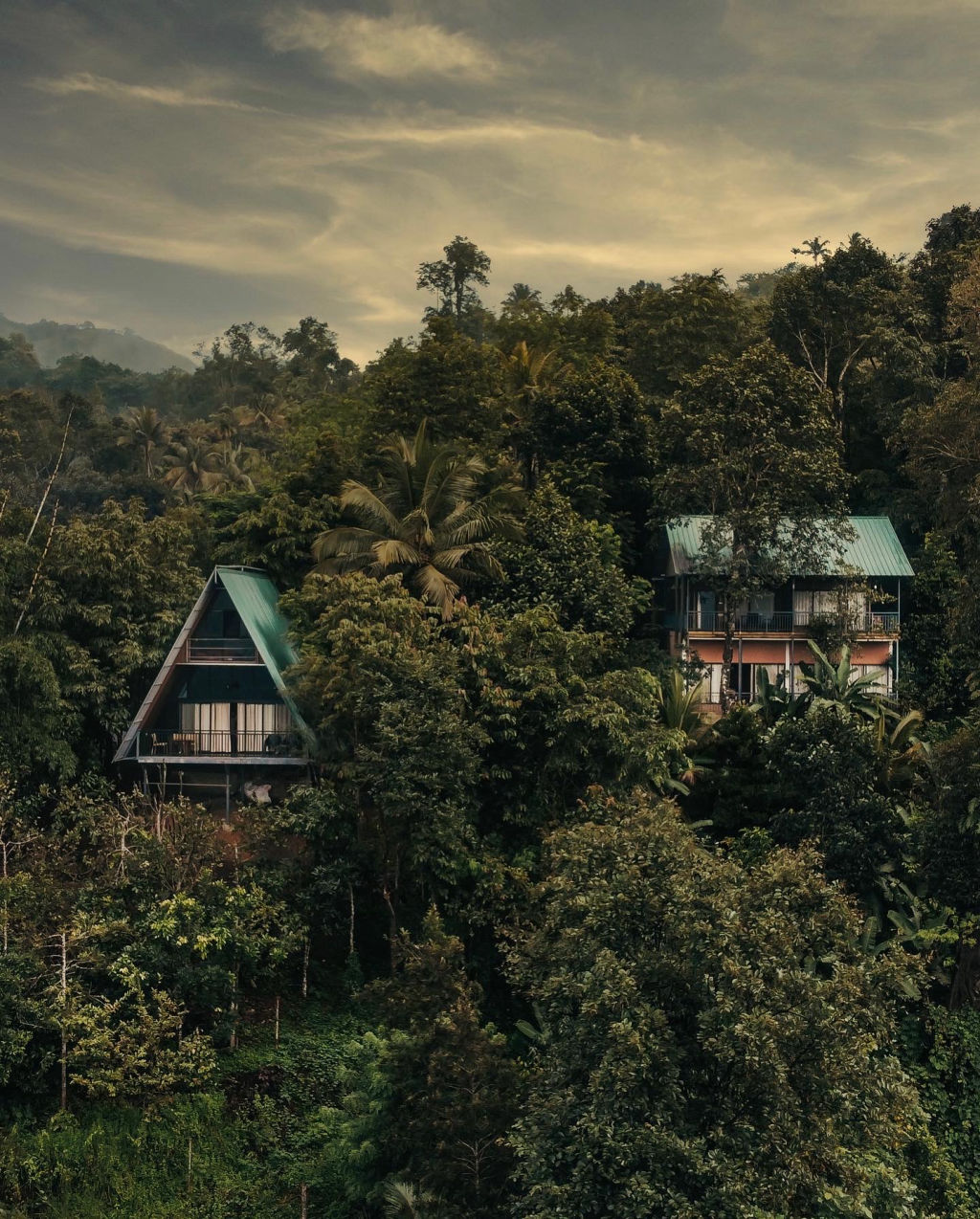
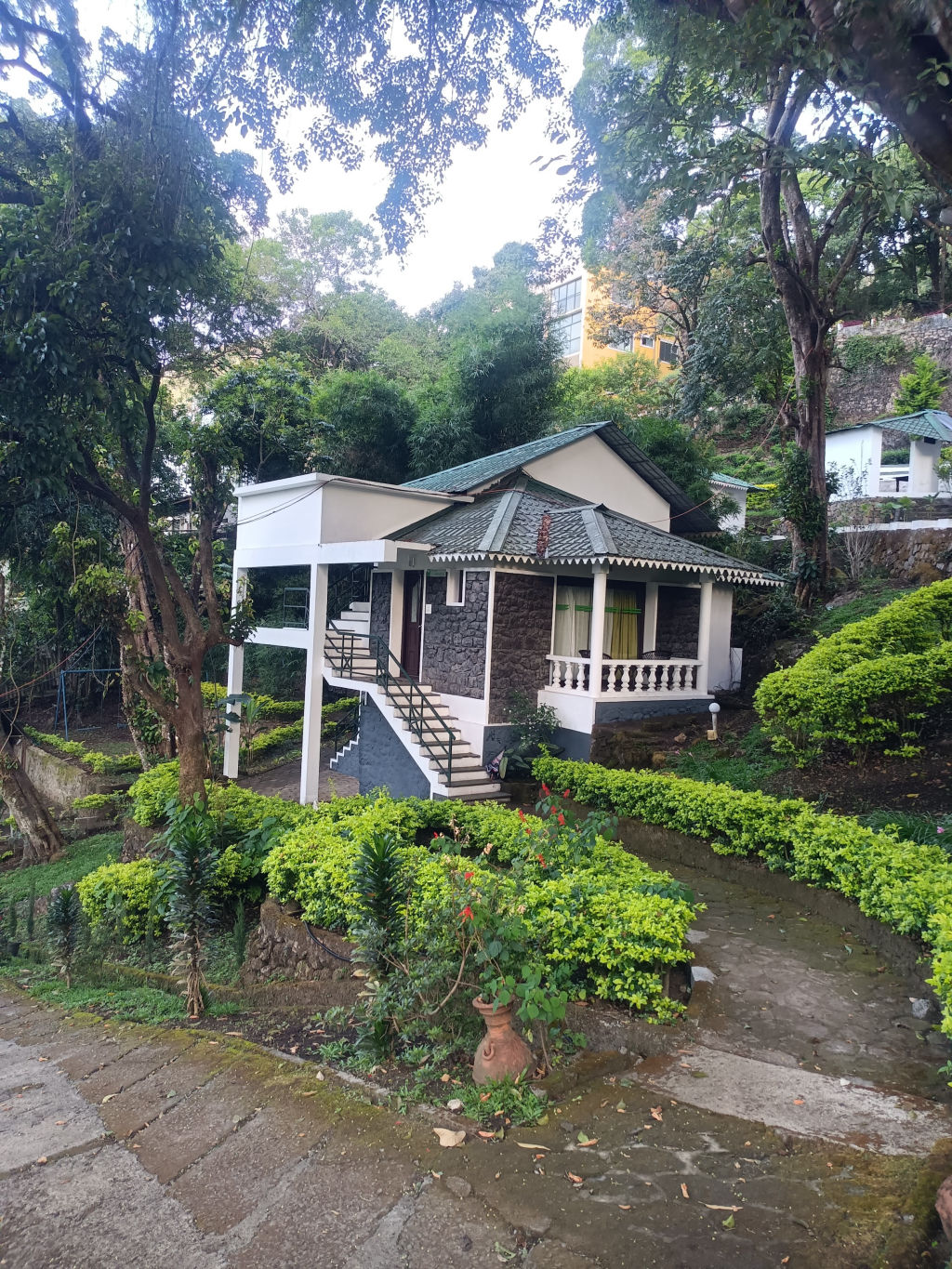
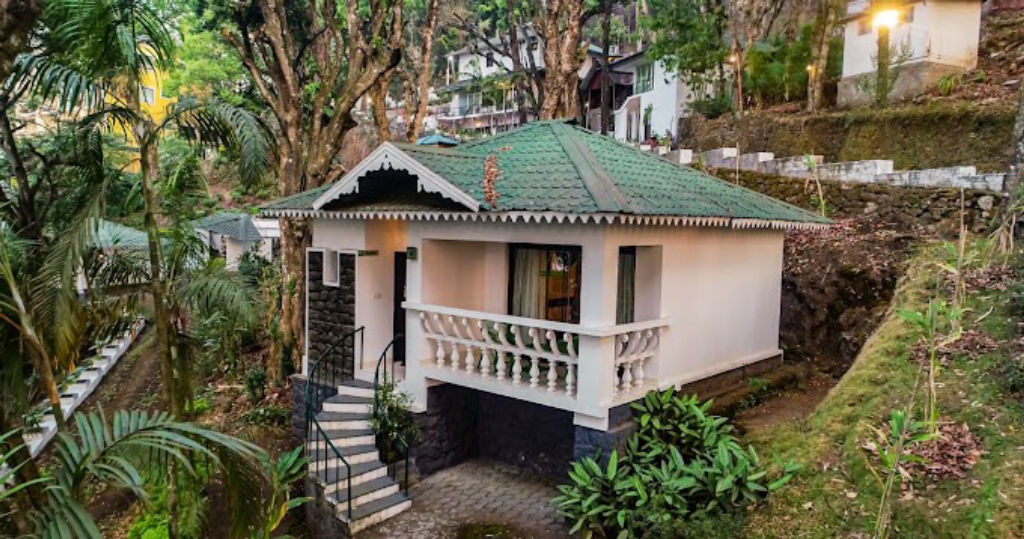
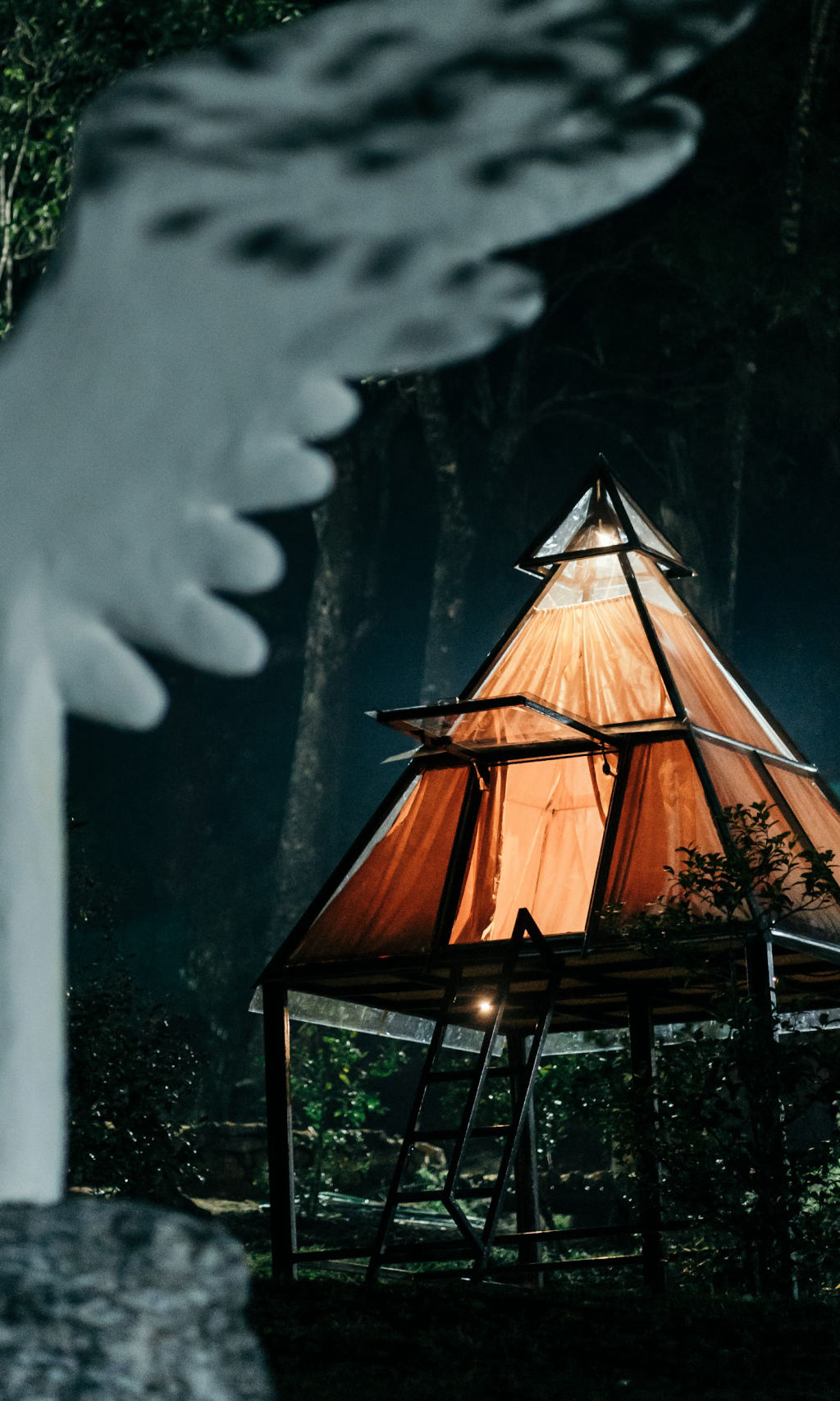
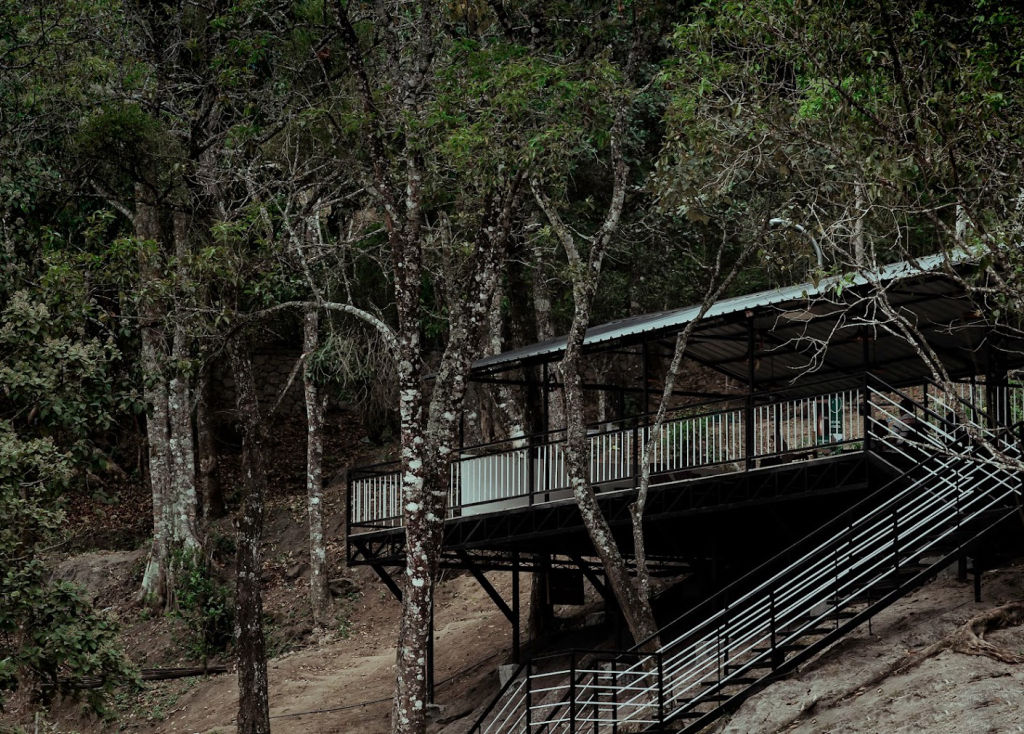
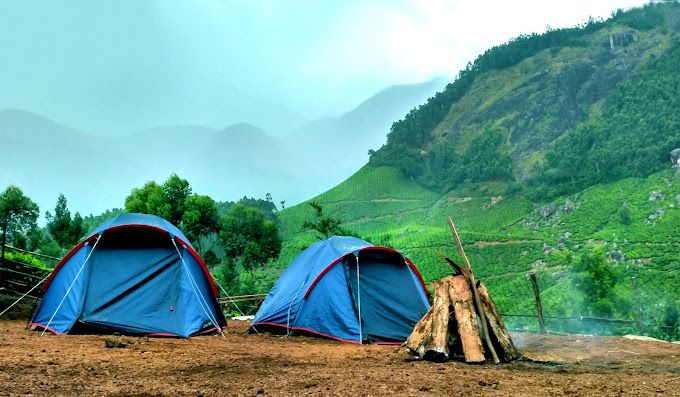
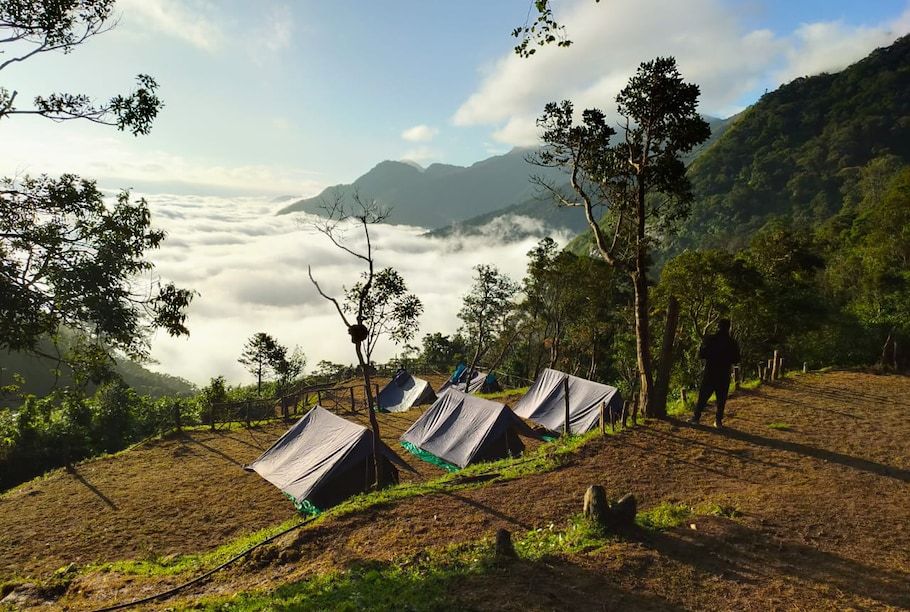
Because overnight stays inside the national park are strictly prohibited to safeguard wildlife, travellers base themselves in the nearby highland settlements. The surrounding areas of Devikulam, Munnar, and neighboring tea valley hamlets offer a diverse selection of accommodations suited for nature lovers, trekkers, and families. Staying on the rural edges of these settlements allows you to wake up to misty mornings, bird song, and easy access to the morning safari departures.
You can find outdoor camps, hillside homestays, and plantation getaways in the area on HireACamp. Booking a stay nestled among the private estates or along riverfront valleys nearby ensures you experience the tranquility of the Western Ghats while remaining within convenient striking distance of Eravikulam National Park and surrounding regional trails.
Frequently asked questions
What is Eravikulam National Park famous for?
The park is best known for being the primary habitat of the endangered Nilgiri Tahr, housing peninsular India's highest summit, Anamudi, and hosting the mass flowering of the Neelakurinji shrub every twelve years.
Can you see the Nilgiri Tahr during a standard visit?
Yes, Nilgiri Tahr are frequently seen grazing on the open grassy slopes along the designated Rajamalai visitor trail, as they are habituated to regulated human presence.
Can visitors trek to the summit of Anamudi?
Trekking to the summit of Anamudi is restricted to protect the fragile core habitat, though visitors can view the towering peak from designated trails within the Rajamalai tourism zone.
When does the park close for the calving season?
Eravikulam National Park generally closes for roughly two months during the late winter or early spring calving period of the Nilgiri Tahr, so travellers should check local forest department schedules before planning their trip.
How do visitors travel inside Eravikulam National Park?
Private vehicles are not permitted beyond the entrance gate. Forest department safari buses transport visitors to the Rajamalai area, after which travellers explore a designated paved trail on foot.
Where you'll be
National Park, Devikulam · 12 stays nearby shown with prices
Stays near Eravikulam National Park
Book a place to stay close by

More places near Eravikulam National Park
Within 20 km


Lists for this area
Ranked by how many creators recommend each place


Built from 0 Instagram posts by 0 creators. Every tip links back to the post it came from, and where creators disagree we show both sides.






