
Eravikulam National Park
National park near Munnar, Kerala
1.8 km from Munnar
The nearest town, for stays, food and fuel.
Eravikulam National Park is a high-altitude sanctuary situated along the crest of the Western Ghats near Munnar and Devikolam in Kerala. Renowned as the primary refuge of the endangered Nilgiri tahr, the park encompasses rolling montane grasslands, deep shola valleys, and South India's highest peak, Anamudi. Visitors travel here to witness sweeping views of mist-clad tea hills, vibrant wildlife, and the rare mass flowering of the Neelakurinji shrub.
Getting there
By road
- From MunnarNearest town14 min · 4.4 km
- From Kochi2 hr 35 min · 127 km
- From Madurai3 hr 40 min · 154 km
- From Coimbatore3 hr 45 min · 156 km
Typical drive times without traffic. Stations and airports from OLA Maps; distances and typical drive times from OpenStreetMap (© OpenStreetMap contributors); notes from creators' Reels.
About Eravikulam National Park
Written with AI from map data and general knowledge. Check prices and timings locally before you go.
Landscape and Ecology of Eravikulam National Park
Spanning an expanse of high-elevation plateau in the Kannan Devan Hills of the southern Western Ghats, Eravikulam National Park protects one of the most distinctive ecosystems in peninsular India. The terrain is characterized by undulating montane grasslands interspersed with stunted evergreen forests known locally as sholas. These shola-grassland complexes act as massive natural sponges, capturing cloud moisture and feeding vital perennial river systems, including tributaries of the Periyar and Chalakudy rivers.
Rising dramatically above the plateau is Anamudi, which stands at an elevation of 2,695 meters and represents the highest point in India south of the Himalayas. The stark contrast between the windswept grasslands on the crests and the dense, moss-draped canopies in the sheltered ravines supports an astonishing array of flora and fauna. Microclimates shift rapidly here, moving from radiant sunshine to impenetrable mountain mist within minutes, lending the landscape an ever-changing atmospheric quality.
Wildlife and the Nilgiri Tahr
The park is globally celebrated for sustaining the largest surviving population of the Nilgiri tahr, an endangered wild mountain goat endemic to the high ranges of the Western Ghats. In Eravikulam, these agile ungulates have grown accustomed to the presence of quiet observers along designated safari paths, offering travellers rare opportunities to watch them graze along precipitous crags and rocky outcrops with remarkable poise.
Beyond the tahr, Eravikulam harbours a wide spectrum of mammalian wildlife, including the elusive leopard, Nilgiri marten, stripe-necked mongoose, Indian porcupine, and herds of sambar deer. Birdlife is equally rich in the high-elevation sholas, with endemic and restricted-range species such as the Nilgiri pipit, white-bellied blue robin, Kerala laughingthrush, and Nilgiri wood pigeon frequenting the canopies. During certain cycles, the slopes undergo an extraordinary transformation when the Neelakurinji plant blossoms, carpeting the hillsides in vivid shades of purple and blue once every twelve years.
Read more
Things to Do in and Around the Park
Visiting Eravikulam National Park revolves around immersive nature viewing and exploring the upland terrain through designated park services. Visitors generally board park-operated transit buses from the base counter up to the main plateau area, where paved walking tracks allow for slow exploration without disturbing the fragile high-altitude environment. Strolling along the designated walkways provides unhindered vantage points of the precipitous cliffs, deep valleys, and distant tea plantations.
Photography is immensely popular here, particularly during clear morning hours when the light highlights the textures of the granite bluffs and dew-soaked grass. Naturalists and birdwatchers will appreciate spending unhurried time scanning the shola fringes for rare endemic birds and alpine butterflies. While the summit of Anamudi itself is not open for trekking due to conservation regulations, viewing its massive rock face from the tourist zone remains one of the defining experiences of visiting the high ranges.
Best Time to Visit Eravikulam National Park
The climate in Eravikulam is pleasantly cool throughout most of the year, though seasonal shifts dictate the overall experience. The post-monsoon and winter months, spanning from September through February, are widely considered the most comfortable time to explore. During this period, the rains subside, leaving the hills emerald green and the atmosphere crisp, with daytime temperatures hovering comfortably and nights turning noticeably cold.
Travellers should note that the park typically closes to the public for a brief spell during the late winter and early spring, usually between late January and March, for the annual calving season of the Nilgiri tahr. Summer, running from April to May, brings pleasant daytime weather, making it a welcome escape from the heat of the plains. The southwest monsoon arrives by June and lasts through August, bringing torrential downpours, thick cloud cover, and frequent winds, which can limit visibility on the plateau.
How to Reach Eravikulam National Park
Eravikulam National Park is accessed primarily through Munnar and the nearby settlement of Devikolam in the Idukki district of Kerala. The forest information and entry check-posts are situated a short drive away from Munnar town, easily reached by local taxis, auto-rickshaws, or private vehicles navigating the winding mountain roads.
For those travelling from afar, the nearest railheads are located in the plains at Aluva, Ernakulam, and Kottayam, while the closest air gateway is Cochin International Airport. From Kochi or the lowlands, the road journey ascends through scenic ghat passes lined with rubber plantations, spice gardens, and cascading waterfalls before reaching the tea-covered highlands. State transport buses and private vehicles regularly ply the routes connecting Munnar with major cities across Kerala and neighbouring Tamil Nadu.
Places to Visit Nearby
The region around Eravikulam and Devikolam offers numerous natural landmarks worth integrating into an itinerary. A short distance away lies Attukad Waterfalls, where mountain cascades crash down through thick forest cover and rocky boulders, providing a scenic spot for photography and quiet walks. Further out in the surrounding valleys, Chilandiyar Waterfall offers another picturesque stop set amidst serene mountain greenery.
Travellers can also explore the heritage tea plantations that blanket the hills, scenic hill view points, and local adventure parks situated along the roads branching out from Munnar. A longer excursion eastward toward the border regions leads to destinations like Kadamparai Dam, where the landscape transitions into rugged hills, reservoir backwaters, and untamed woodland.
Tips for Your Visit
Because Eravikulam is an ecologically fragile protected reserve, strict rules are enforced to protect wildlife and prevent habitat degradation. Single-use plastics, littering, smoking, and off-path hiking are prohibited. Visitors should carry drinking water in reusable flasks and pack away any personal waste to dispose of in municipal bins in town.
Weather on the plateau can change abruptly, so bringing layered clothing, a windproof or waterproof jacket, and comfortable walking shoes is strongly recommended. Mornings are often clear, while afternoons frequently draw in heavy fog and showers. It is wise to verify park opening schedules and closure windows locally in Munnar prior to setting out, as timings may adjust depending on seasonal conditions and wildlife welfare requirements.
Where to Stay Near Eravikulam National Park
There are no private overnight accommodations allowed inside the core zones of the national park, ensuring the wilderness remains protected. Visitors base themselves in the surrounding high-range areas, including Munnar, Devikolam, and the quiet tea estates tucked along the slopes.
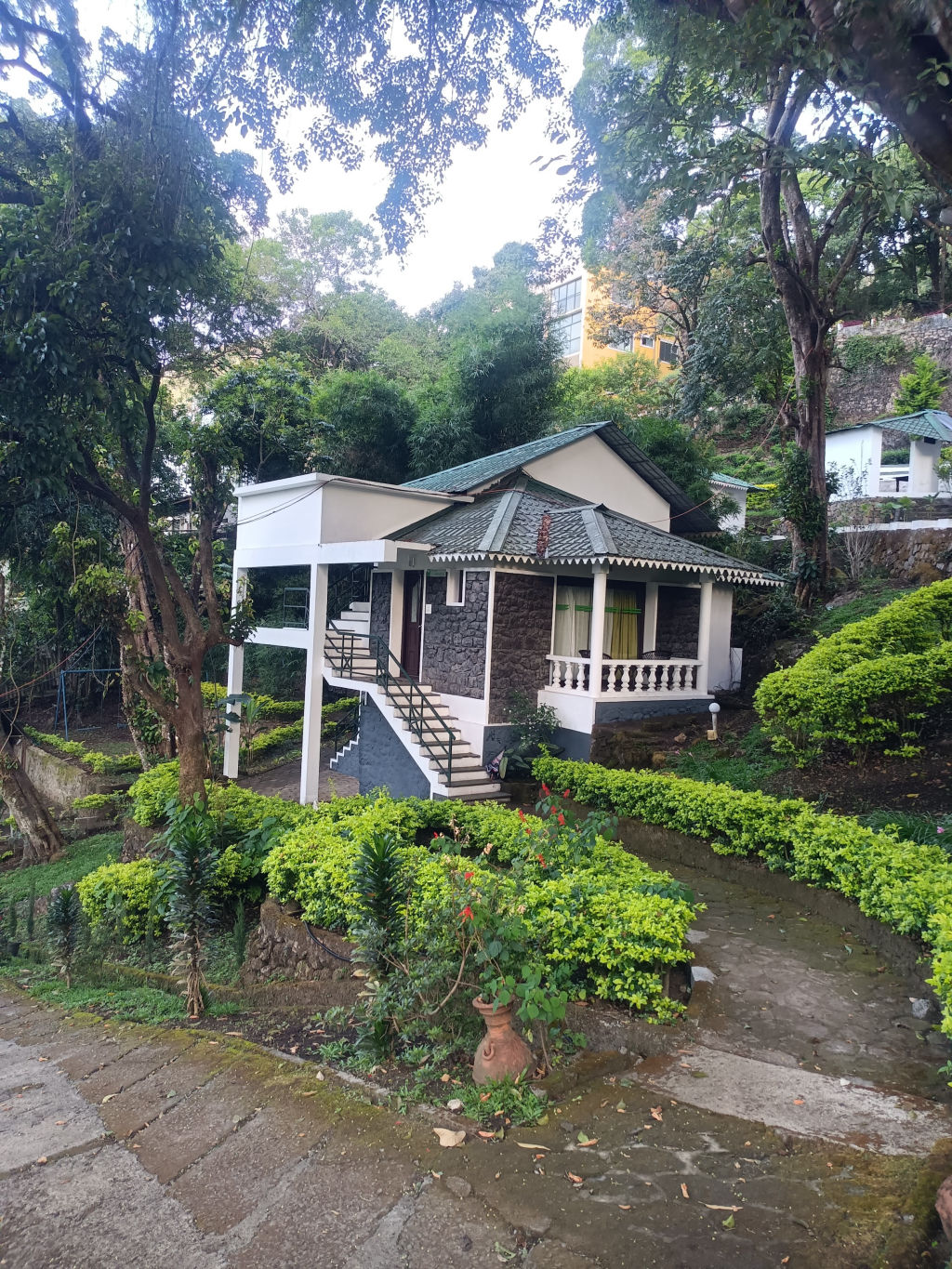
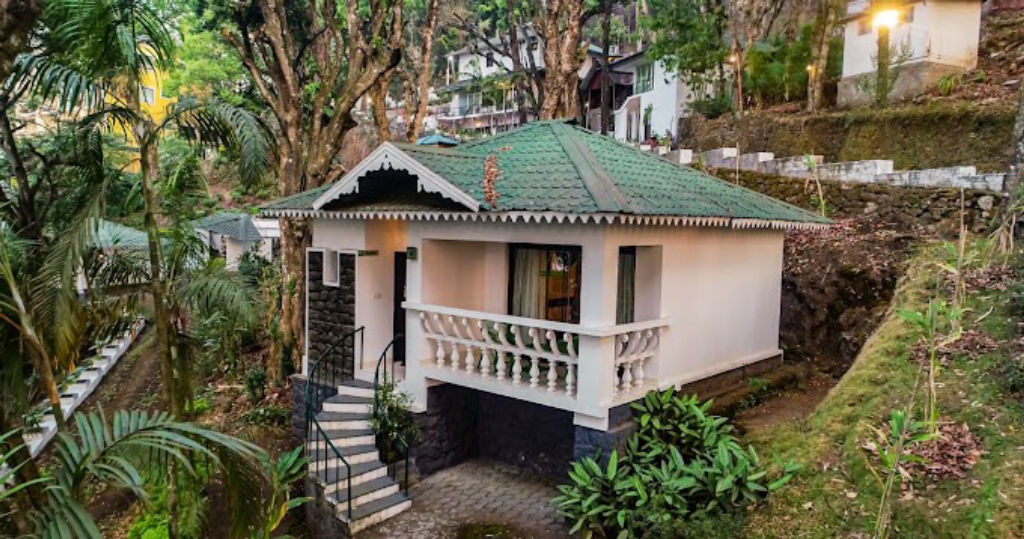
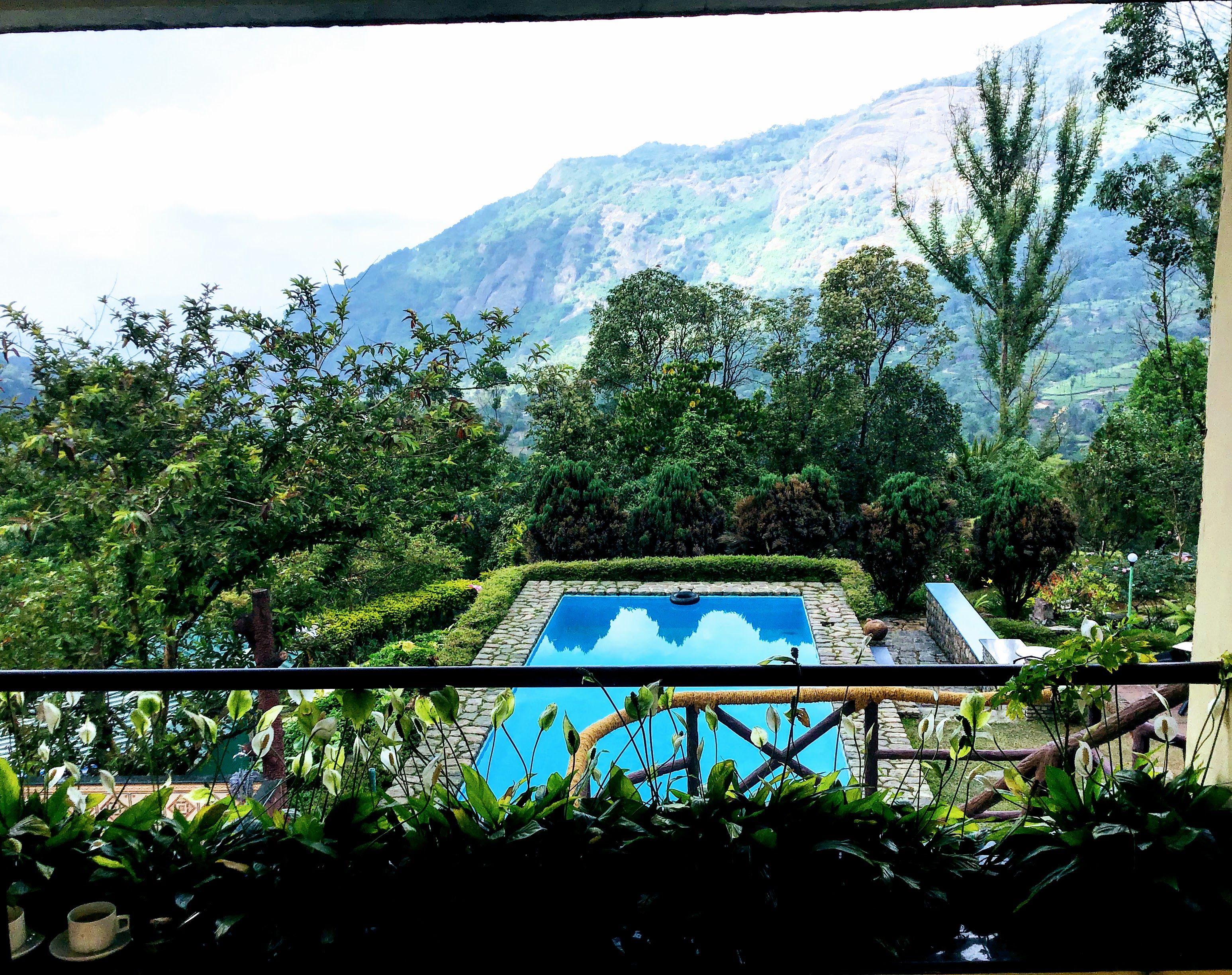
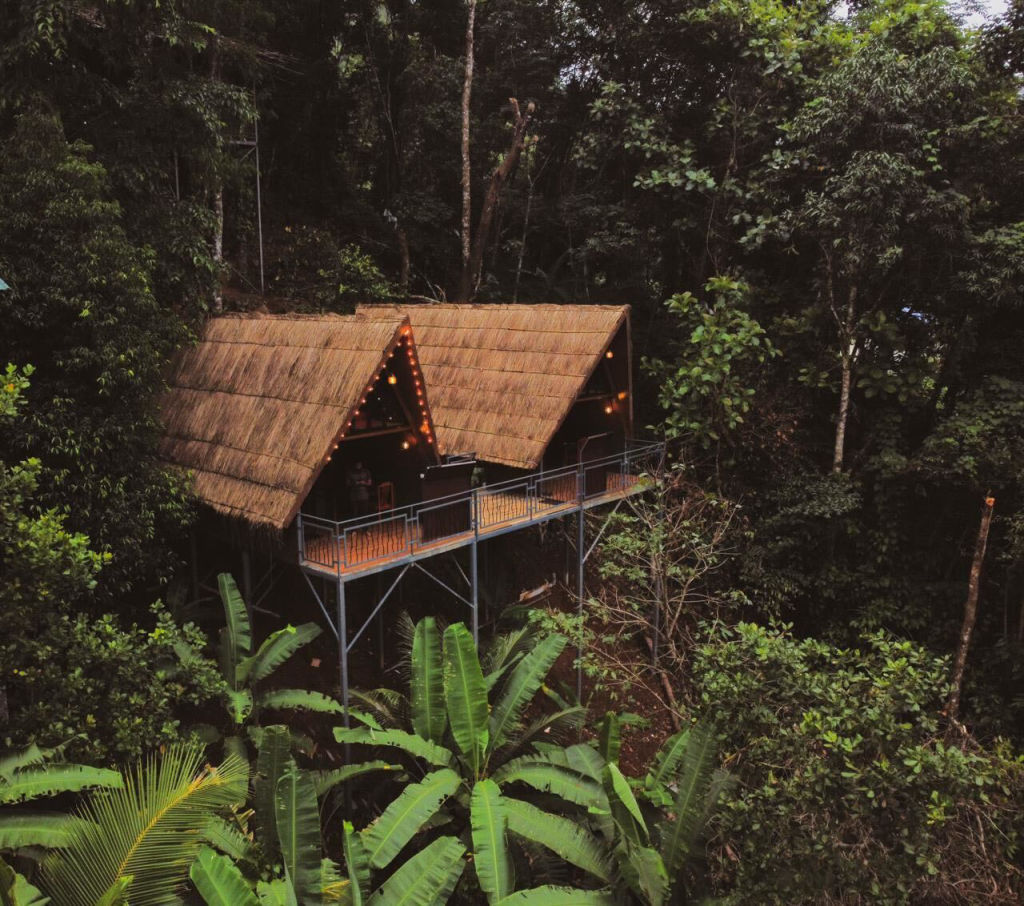
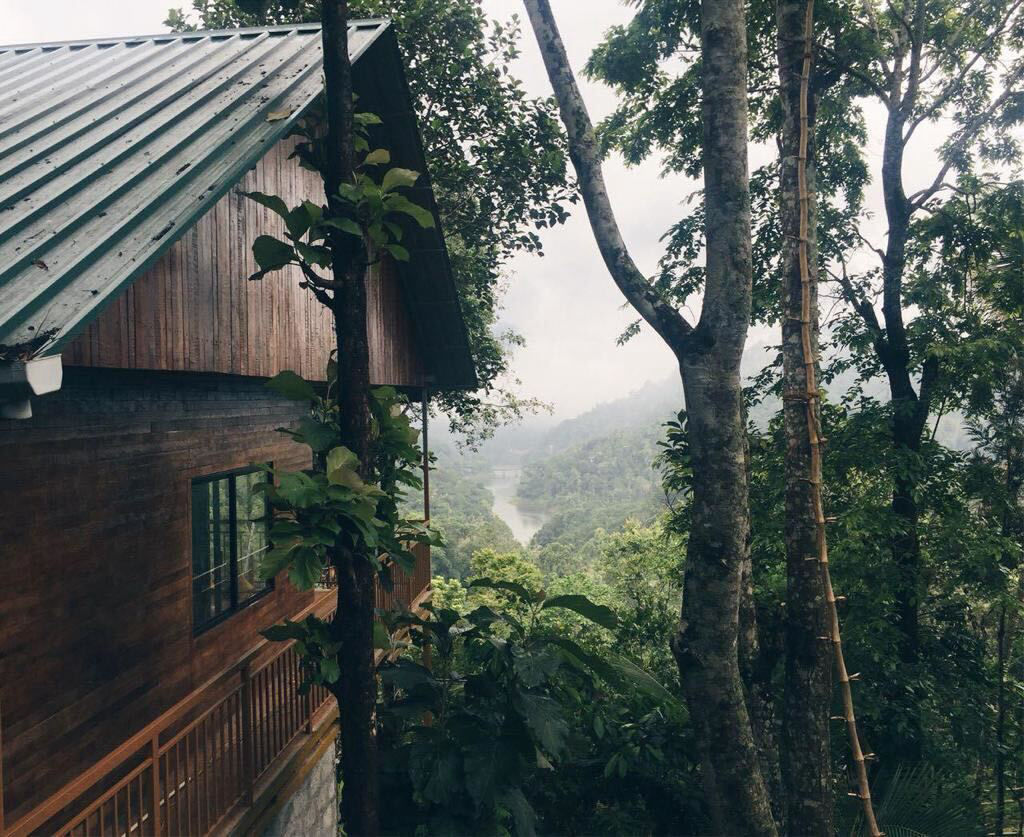
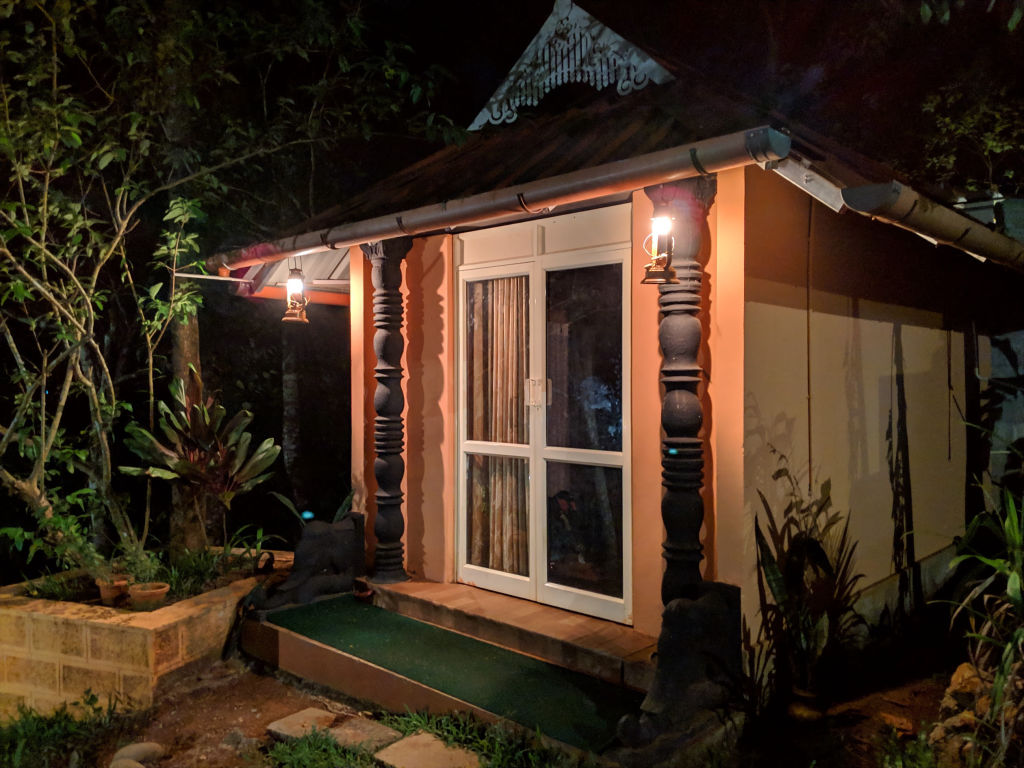
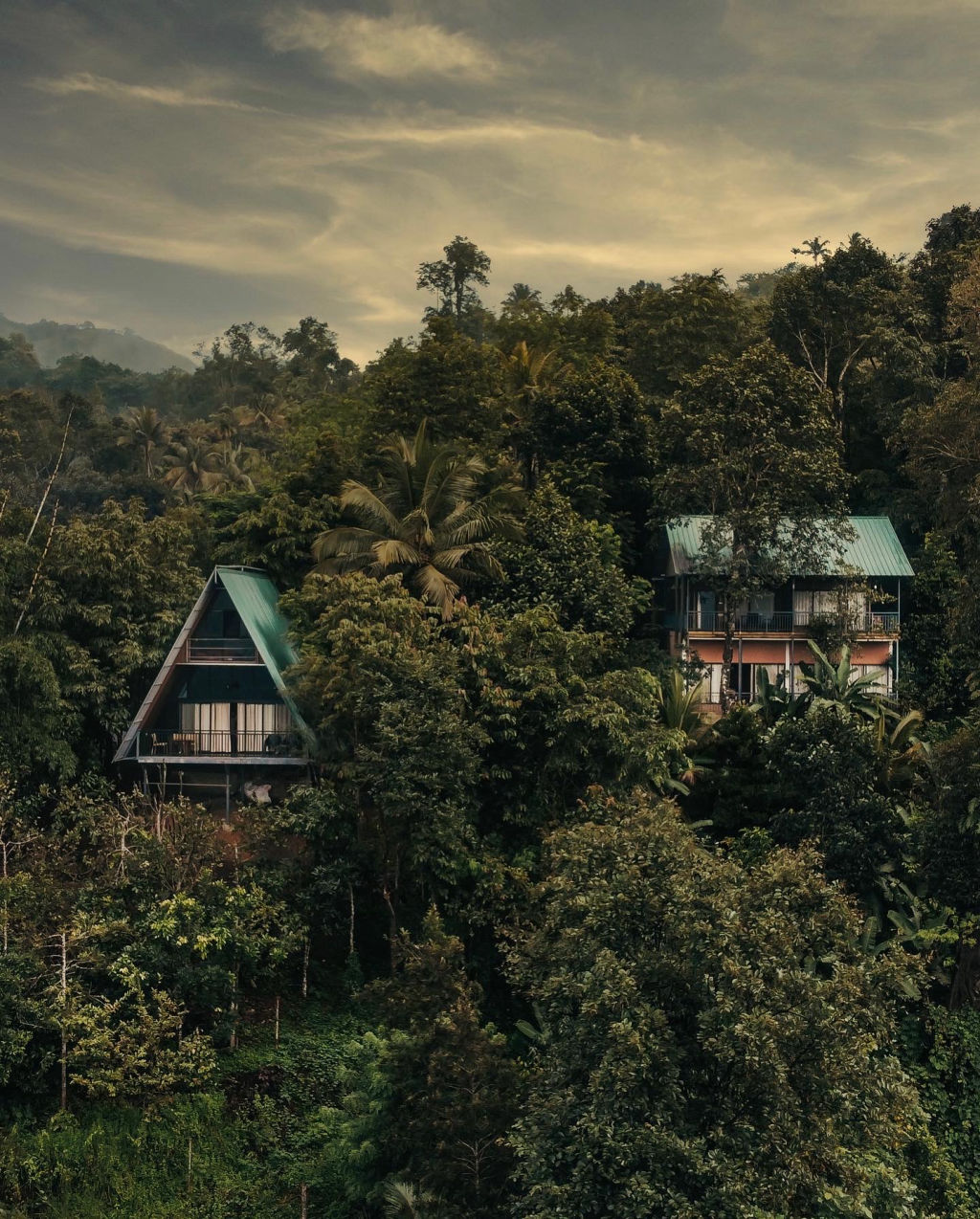
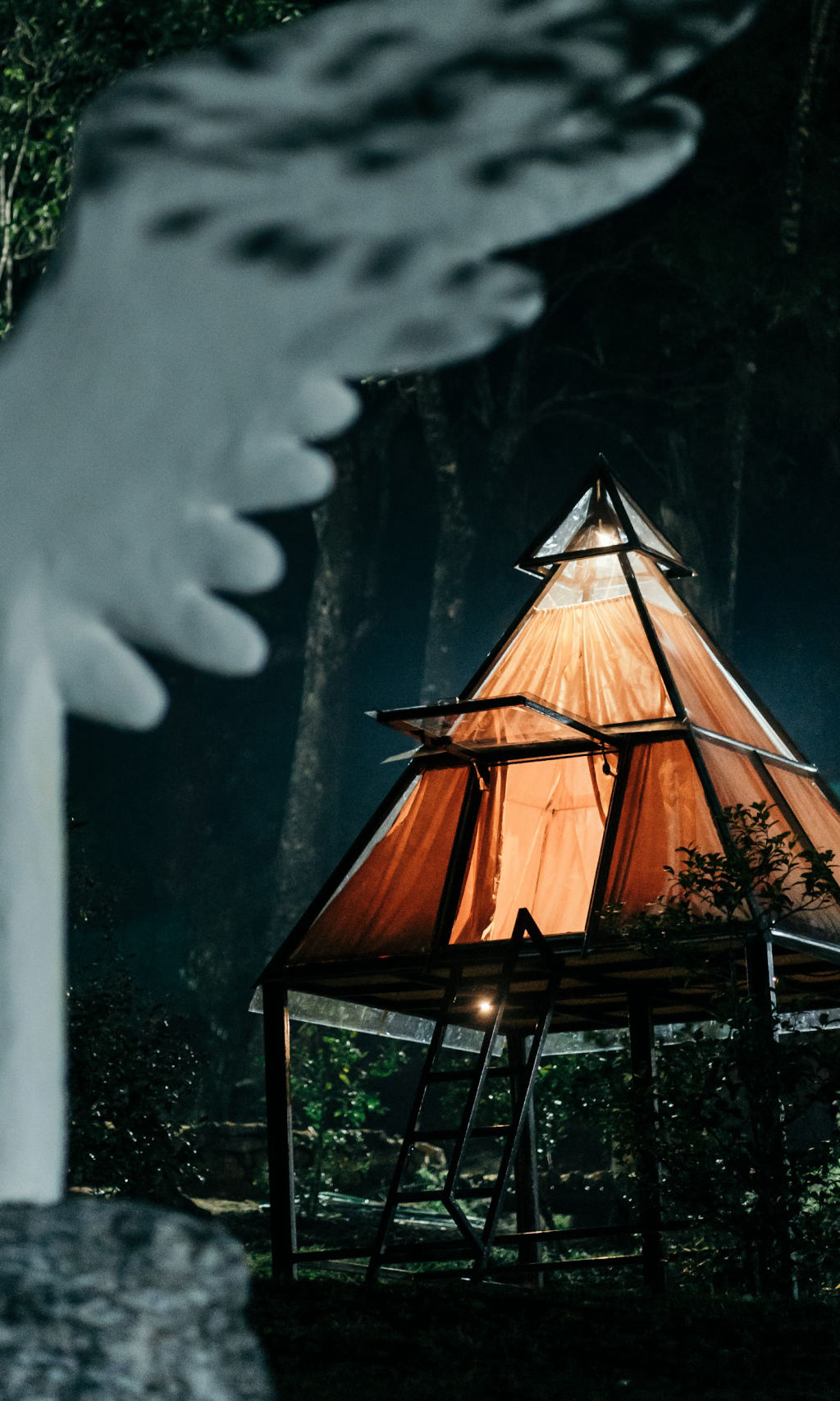
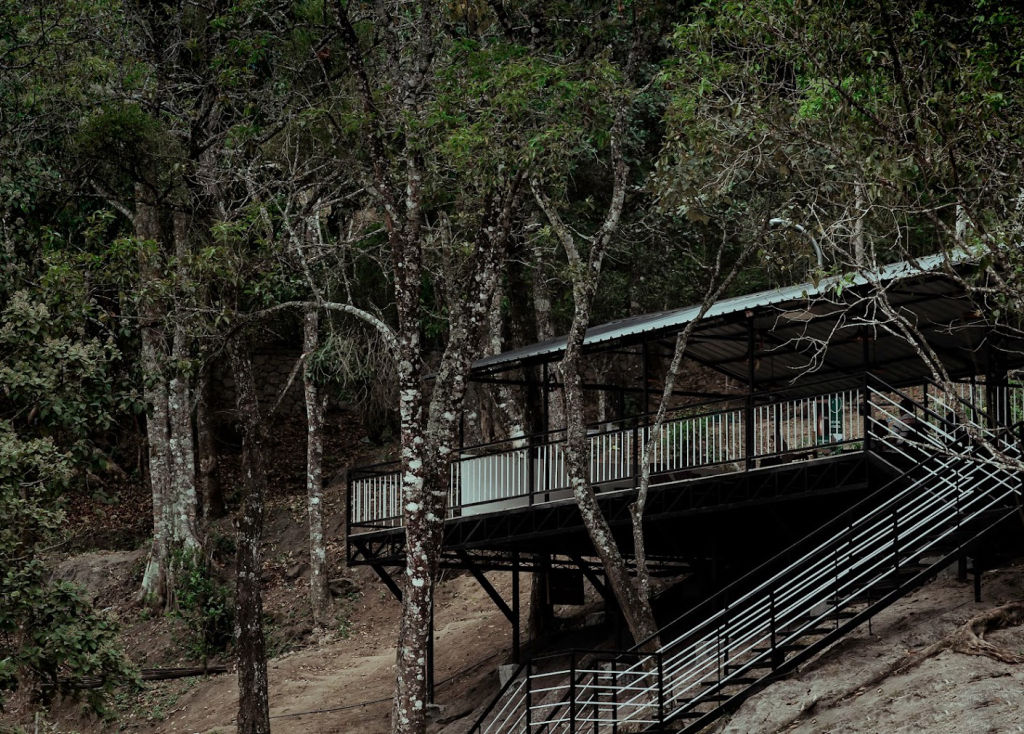
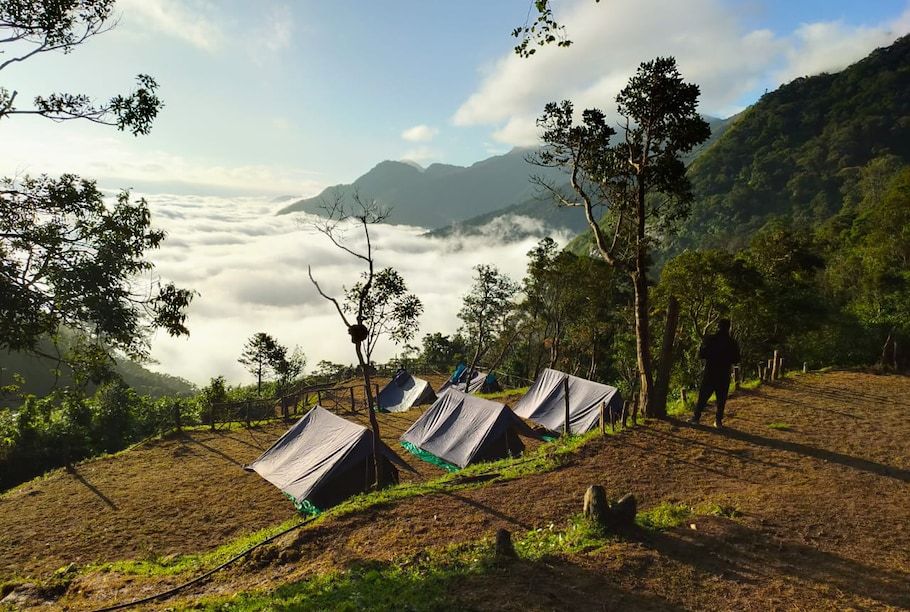
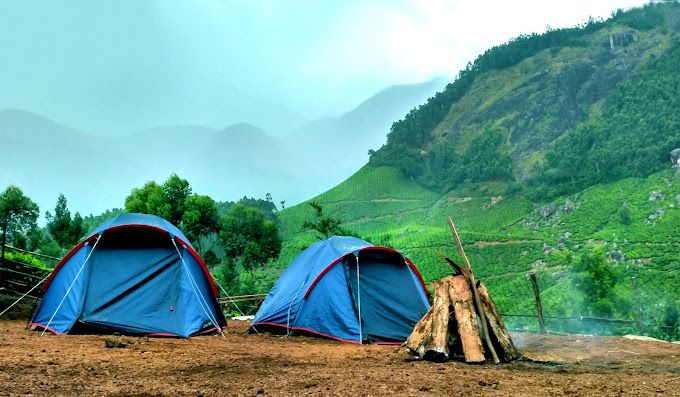
A wide spectrum of accommodation options is available to suit different travel styles, ranging from experiential campsites overlooking the mist to peaceful family-run homestays and heritage plantation stays. Travellers can find and book vetted camps, homestays, and unique outdoor stays around the area on HireACamp.
Frequently asked questions
What is Eravikulam National Park famous for?
Eravikulam National Park is best known as the premier sanctuary for the endangered Nilgiri tahr, a mountain ungulate endemic to the Western Ghats. It is also famous for harbouring Anamudi peak, the highest mountain in South India, and for the periodic flowering of the Neelakurinji shrub.
When does Eravikulam National Park close for calving season?
The park typically closes for visitor access for a few weeks between late January and March each year to allow an undisturbed calving period for the Nilgiri tahr. Travellers should check local announcements before planning their trip during these months.
Can you trek to the summit of Anamudi inside the park?
Treks to the top of Anamudi are currently restricted to safeguard the fragile high-altitude ecosystem and wildlife corridors. Visitors can, however, view the peak clearly from the permitted walking trails within the park's tourism zone.
How do visitors explore the park?
Private vehicles are left at the entrance facility, and visitors are transported up to the plateau via park-operated safari minibuses. From the bus drop-off point, guests explore on foot along designated paved pathways.
What should I wear while visiting Eravikulam National Park?
Wear comfortable walking shoes with good grip and dress in breathable layers. High-elevation winds and shifting mountain fog can make the plateau chilly, so carrying a warm pullover and a rain jacket is advisable.
Where you'll be
Forest Information Centre Wildlife Warden’s Office,Munnar, Devikulam · 12 stays nearby shown with prices
Stays near Eravikulam National Park
Book a place to stay close by

More places near Eravikulam National Park
Within 20 km


Lists for this area
Ranked by how many creators recommend each place


Built from 0 Instagram posts by 0 creators. Every tip links back to the post it came from, and where creators disagree we show both sides.






