
Ghatotkach Temple
Temple near Manali, Himachal Pradesh
1.3 km from Manali
The nearest town, for stays, food and fuel.
Ghatotkach Temple is a historic open-air woodland shrine located along Hadimba Temple Road in Manali, Himachal Pradesh. Dedicated to the legendary warrior Ghatotkacha from the Indian epic Mahabharata, it sits peacefully among towering deodar cedars just a short walk from the temple of his mother, Hidimba Devi. Travellers and pilgrims visit to appreciate its unique rustic architecture, traditional woodcraft, and quiet mountain atmosphere.
Getting there
By road
- From ManaliNearest town5 min · 1.1 km
- From Chandigarh5 hr 45 min · 269 km
- From Ludhiana6 hr 10 min · 300 km
- From Amritsar8 hr 15 min · 410 km
Typical drive times without traffic. Stations and airports from OLA Maps; distances and typical drive times from OpenStreetMap (© OpenStreetMap contributors); notes from creators' Reels.
About Ghatotkach Temple
Written with AI from map data and general knowledge. Check prices and timings locally before you go.
The shrine of Ghatotkach Temple in Manali
Ghatotkach Temple stands within the dense Dhungri deodar forest in the upper reaches of Manali, Himachal Pradesh. Unlike many grand multi-tiered shrines across northern India, this sacred site has a distinctive and unpretentious character. It is an open-air wooden sanctum built around towering cedar trunks, deeply rooted in the traditional spiritual practices of the Kullu Valley.
The temple is dedicated to Ghatotkacha, a celebrated figure from the Mahabharata renowned for his loyalty, unmatched physical strength, and sacrificial valor. Visitors coming to the Dhungri forest often pair their visit here with the neighbouring Hidimba Devi Temple. While the mother's temple draws large crowds of sightseers throughout the day, the clearing around Ghatotkach Temple often maintains a calm, contemplative air beneath the shade of ancient evergreen trees.
Mythological roots and cultural importance
According to the Mahabharata, Ghatotkacha was born to the Pandava prince Bhima and the forest-dwelling demoness Hidimba. During the great war of Kurukshetra, his immense combat prowess proved decisive for the Pandavas. His fierce night-time offensive forced Karna to expend the fatal weapon granted by Indra, an act that saved Arjuna's life at the ultimate cost of Ghatotkacha's own.
Because of this legendary self-sacrifice, communities across the Kullu region revere Ghatotkacha as a powerful guardian deity. In local Himachali traditions, deities are viewed not as distant celestial beings but as active protectors of their respective villages. Ghatotkach Temple embodies this living faith, serving as an important local shrine where residents continue to make offerings, hold prayers, and honor ancestral heritage.
Read more
The forest landscape and shrine features
The physical structure of Ghatotkach Temple is fascinating in its rustic simplicity. Rather than a formal stone sanctum, the shrine features carved wooden uprights, traditional iron tridents, sacred bells, and hanging offerings set against the natural woodland. In accordance with age-old tribal and hill customs, horns of mountain animals and metallic charms have historically been affixed around the tree trunks and wooden planks as votive offerings, representing prayers for protection and prosperity.
Surrounding the temple is the Dhungri forest, dominated by fragrant Himalayan deodars that rise dozens of metres into the clear mountain sky. Narrow earthen trails weave across the pine needle-covered ground around the shrine. Sunlight filters through the high canopy in thin beams, creating a tranquil environment where travellers can pause away from the bustle of central Manali.
Best time to visit Ghatotkach Temple
Ghatotkach Temple can be visited throughout the year, with each season offering a different perspective on the surrounding landscape. The spring and summer months, stretching from April to June, offer the most comfortable weather for walking through the forest. Days are pleasantly warm, rainfall is rare, and the surrounding trails are completely clear.
The monsoon period between July and September brings heavy rainfall to Himachal Pradesh, making mountain roads prone to landslides and forest paths muddy and slippery. While the woods are exceptionally green and atmospheric during this time, travel can be unpredictable.
Autumn, from October to November, brings crisp air, golden sunlight, and clear mountain vistas as temperatures begin to dip. Winter, from December to February, sees cold weather and occasional heavy snowfall, turning the Dhungri forest and the temple roof into a serene white landscape. If you travel during winter, be prepared with heavy woollens and boots with good grip for walking on packed snow and ice.
How to reach Ghatotkach Temple
Ghatotkach Temple is conveniently situated along Hadimba Temple Road, approximately two kilometres from the Mall Road in Manali. For travellers staying in Old Manali or the central market, reaching the shrine on foot is a pleasant walk that takes between twenty and thirty minutes uphill through village pathways and forest roads.
Local auto-rickshaws and taxis operate regularly from the main town centre and can drop visitors at the parking area near the Dhungri grounds, from where it is just a short stroll beneath the trees to the shrine.
For those travelling to Manali from outside the region, the nearest broad-gauge railway stations are located down in the plains at Chandigarh and Kalka, several hours away by road. The nearest airport is at Bhuntar in Kullu, roughly fifty kilometres south of Manali. Frequent long-distance buses and private cars link Manali with major north Indian cities like Delhi, Chandigarh, and Shimla via National Highway 3.
Tips for visiting the temple
Visiting Ghatotkach Temple requires minimal planning, but taking a few practical measures ensures a smooth experience. Wear comfortable walking shoes with firm tread, as the surrounding pathways consist of dirt, stones, and exposed tree roots that can be slick after rain or snow.
Remember that this is an active religious shrine held in deep regard by local residents. Dress modestly, keep your voice low, and respect local guidelines regarding photography around the inner altar. If you wish to make an offering or sit in prayer, do so without obstructing others.
Early morning and late afternoon are generally the best times of day to visit. During these hours, the light through the tall deodars is gentle, and the forest is quietest before day-tripper traffic picks up in the Dhungri area. Checking local weather updates is always wise before heading out, particularly during the winter and rainy seasons.
Where to stay near Ghatotkach Temple
Because Ghatotkach Temple is located so close to the heart of Manali, visitors have a wide variety of lodging options within walking distance or a short drive. The Old Manali neighbourhood, located just across the hillside, is popular for its laid-back atmosphere, mountain architecture, and traditional village lanes.
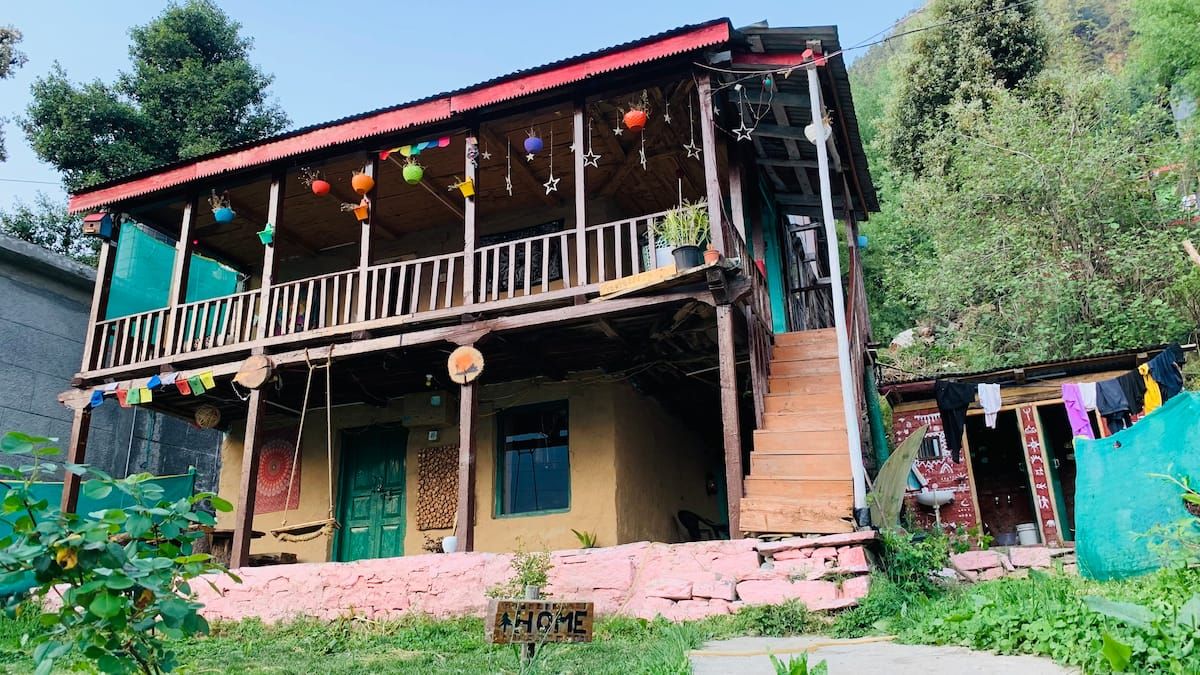
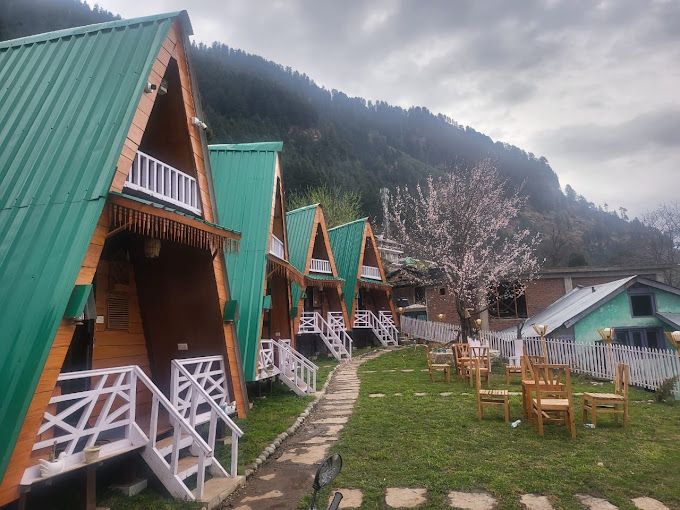
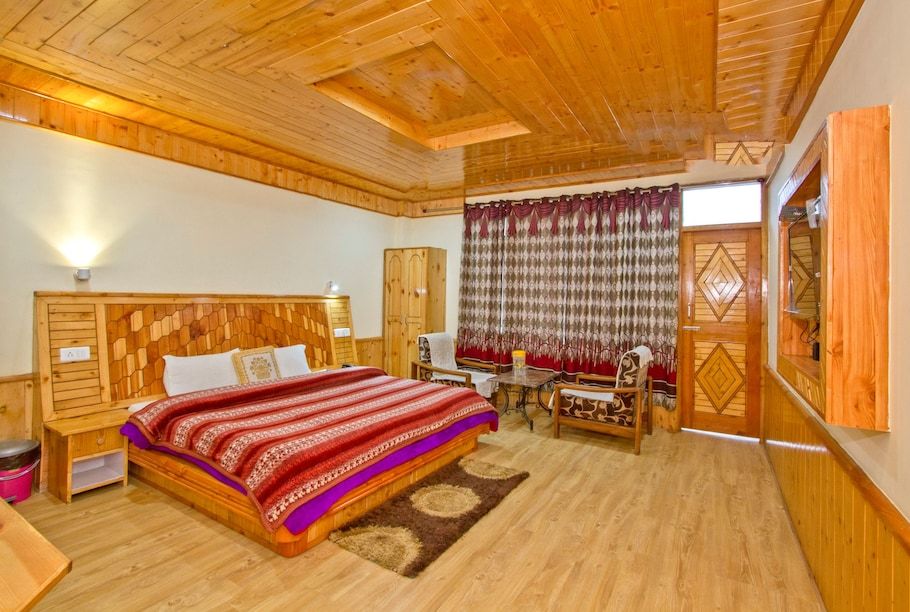
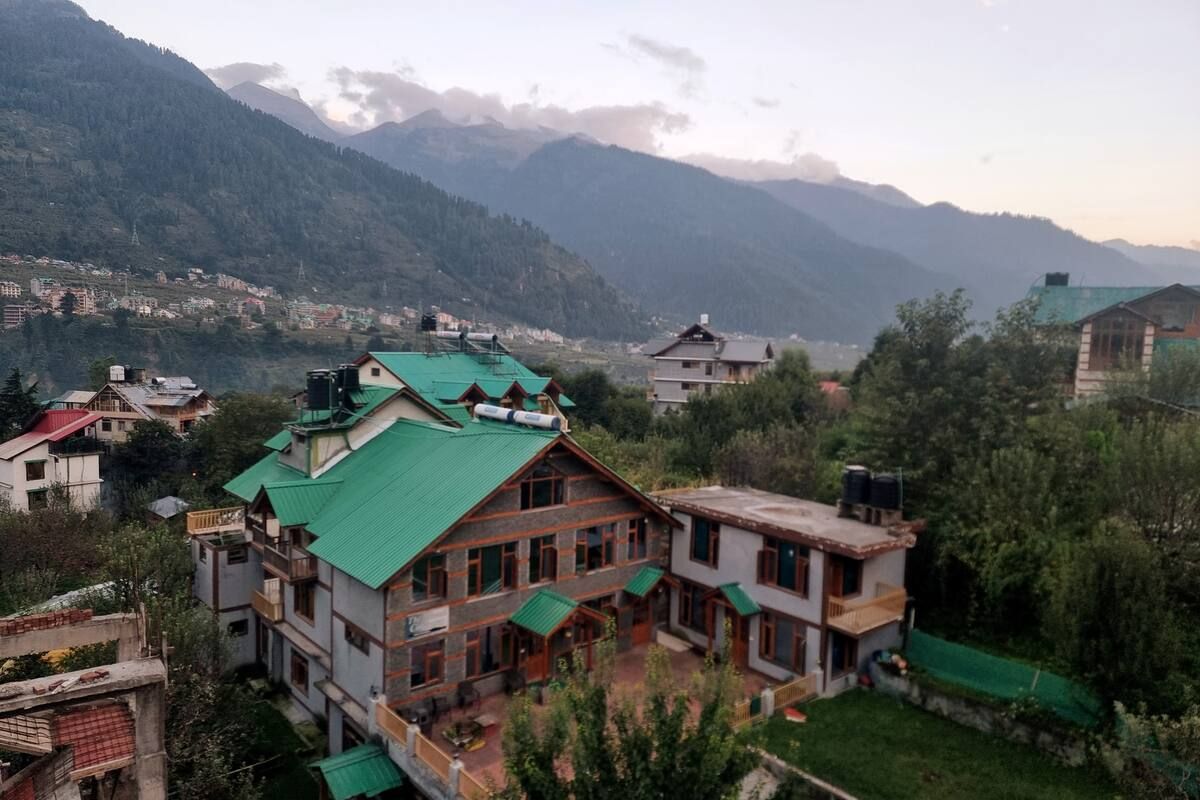
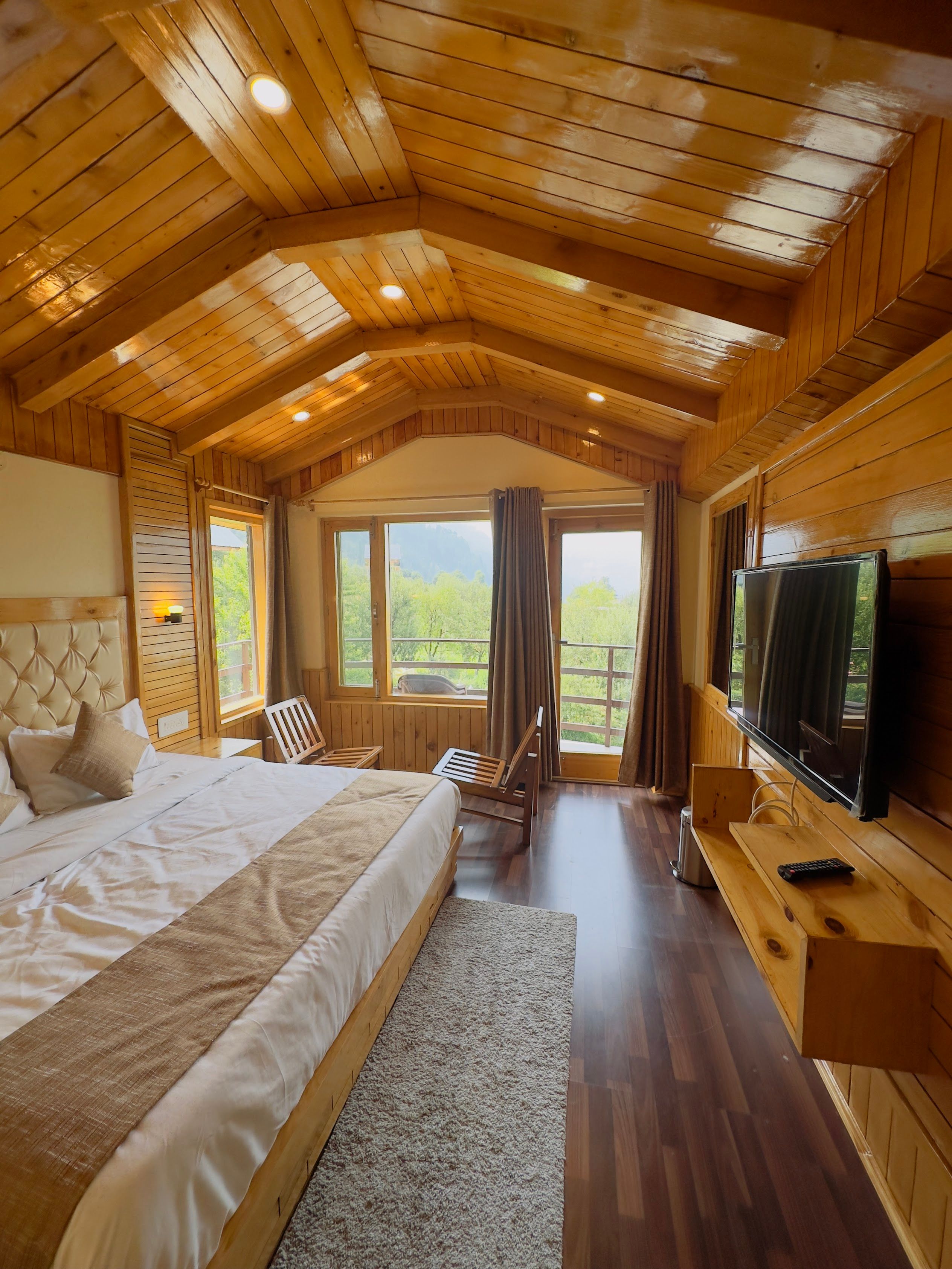
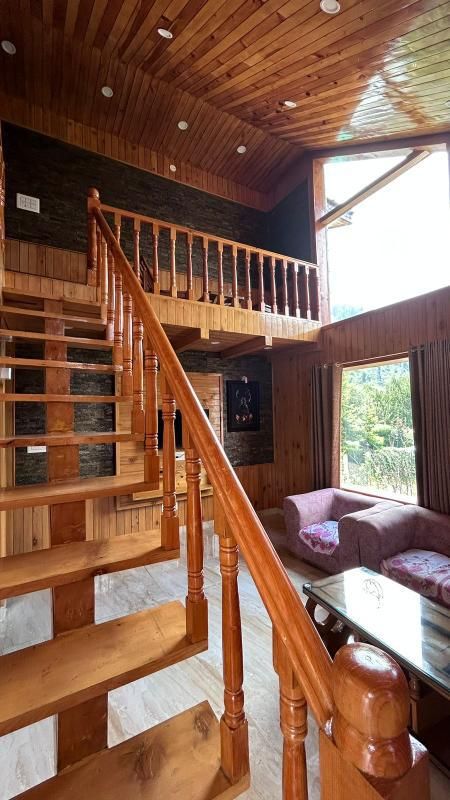
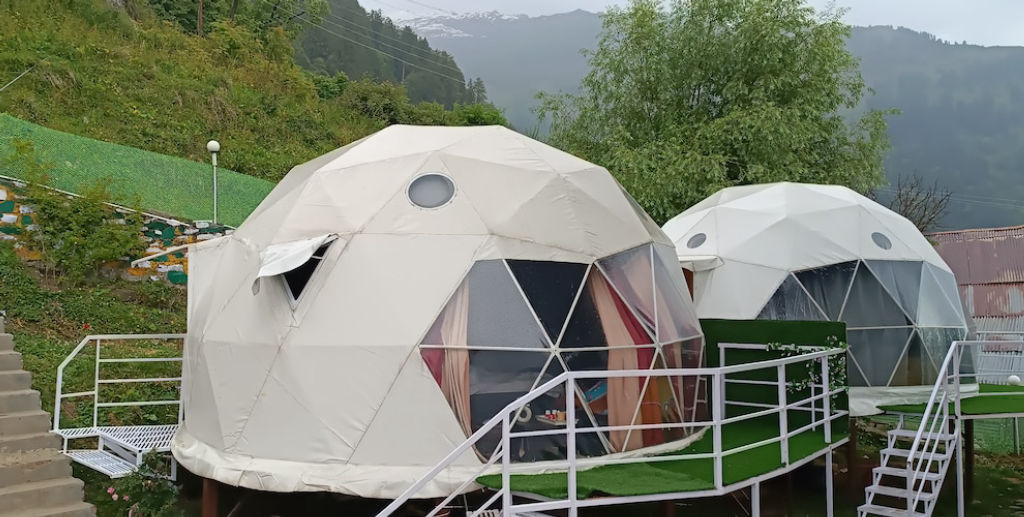
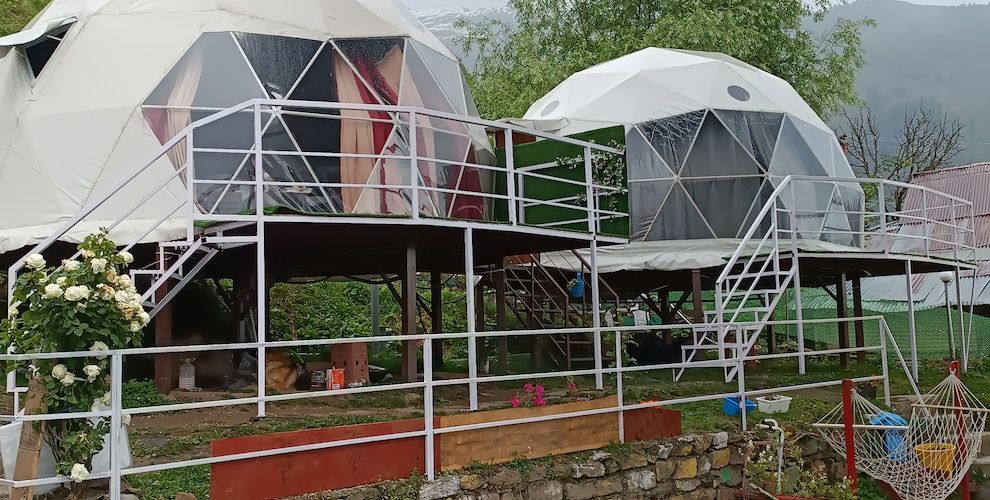
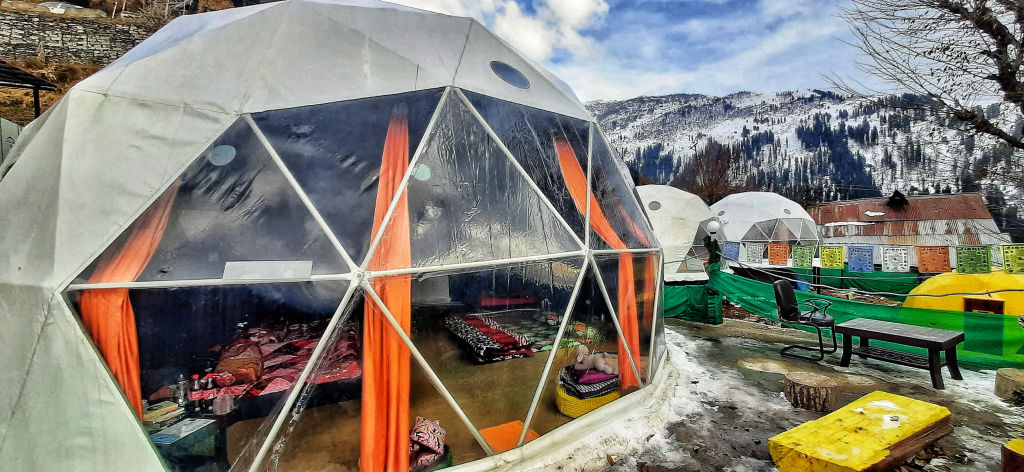
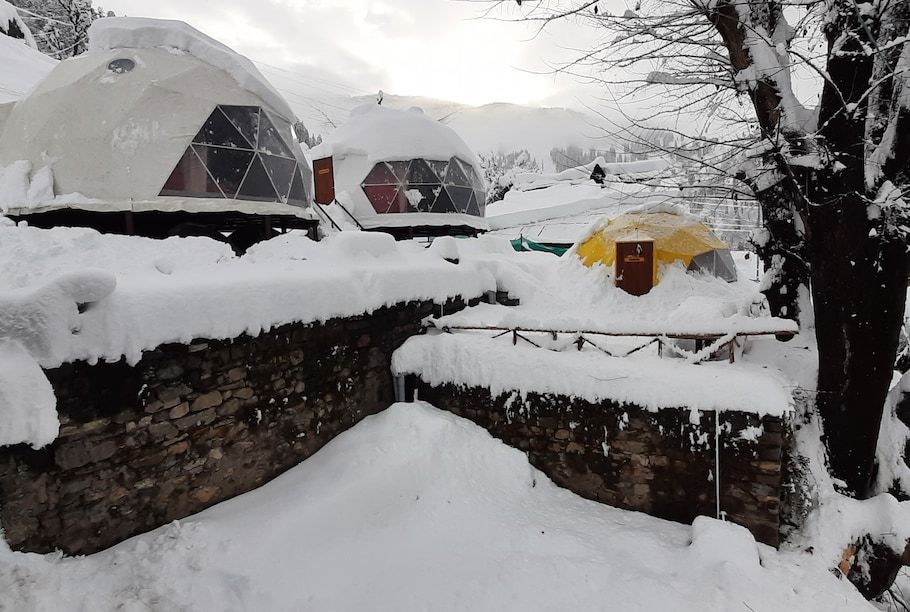
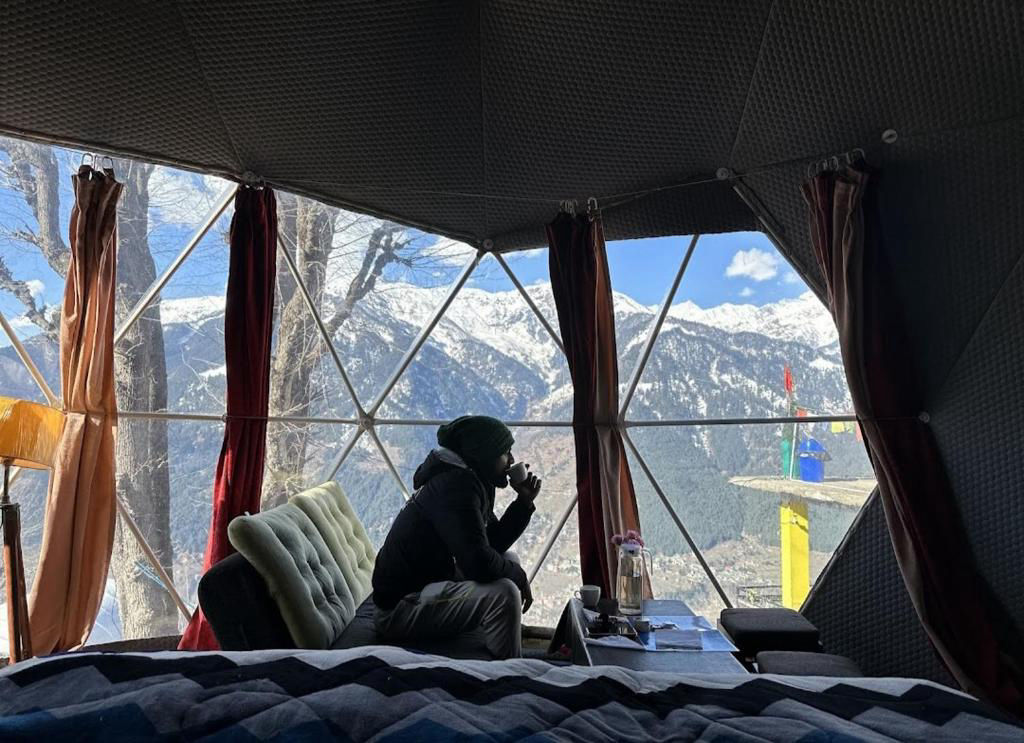
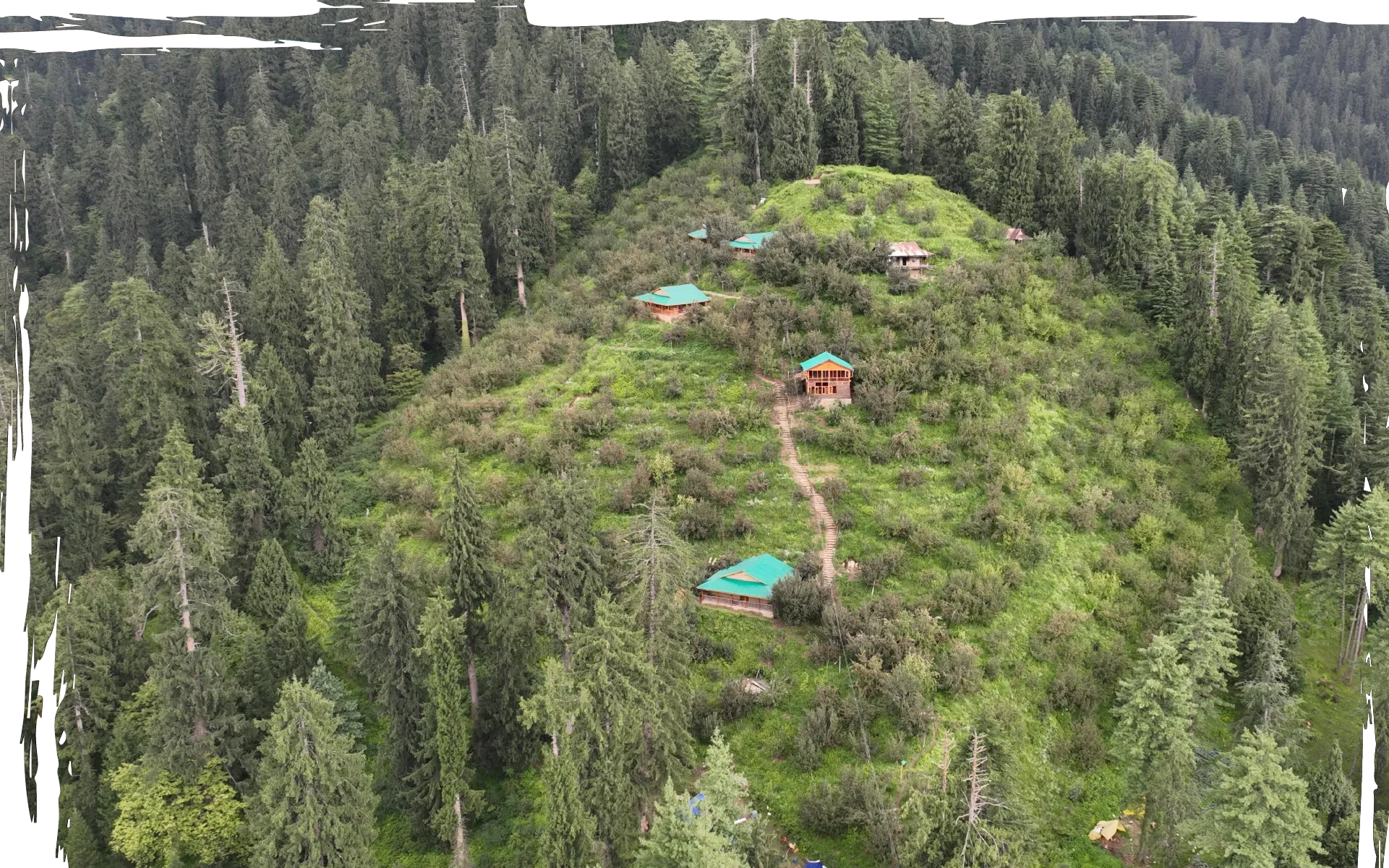
For those seeking a closer connection to nature, riverside camps, quiet homestays, and mountain cottages can be found throughout the Kullu Valley and in nearby hamlets along the Beas River. You can easily find and book verified camps, homestays, and peaceful retreats in and around Manali on HireACamp to suit your travel style.
Frequently asked questions
Where is Ghatotkach Temple located?
Ghatotkach Temple is located along Hadimba Temple Road in Manali, Himachal Pradesh, within the Dhungri deodar forest just a short walk from Hidimba Devi Temple.
Who is Ghatotkach Temple dedicated to?
The temple is dedicated to Ghatotkacha, the son of Bhima and the demoness Hidimba from the Indian epic Mahabharata, revered locally for his supreme strength and loyalty.
Can I walk to Ghatotkach Temple from the centre of Manali?
Yes, the temple is approximately two kilometres from the Mall Road in Manali and can easily be reached on foot in twenty to thirty minutes, or by a short taxi or auto-rickshaw ride.
Are there entry fees or strict timings to visit the shrine?
The temple is an open forest shrine, but operational rules and prayer timings can change depending on local customs, so it is best to check locally upon arrival.
What is the best time of year to visit the temple?
The most pleasant weather is between April and June, as well as during the clear autumn months of October and November, though winter visits offer beautiful snow-covered scenery.
Where you'll be
Hadimba Temple Rd, Manali · 12 stays nearby shown with prices
Stays near Ghatotkach Temple
Book a place to stay close by
More places near Ghatotkach Temple
Within 20 km


Built from 0 Instagram posts by 0 creators. Every tip links back to the post it came from, and where creators disagree we show both sides.






