
Ghushmeshwar Mahadev Temple
Temple near Siwarh, Rajasthan
500 m from Siwarh
The nearest town, for stays, food and fuel.
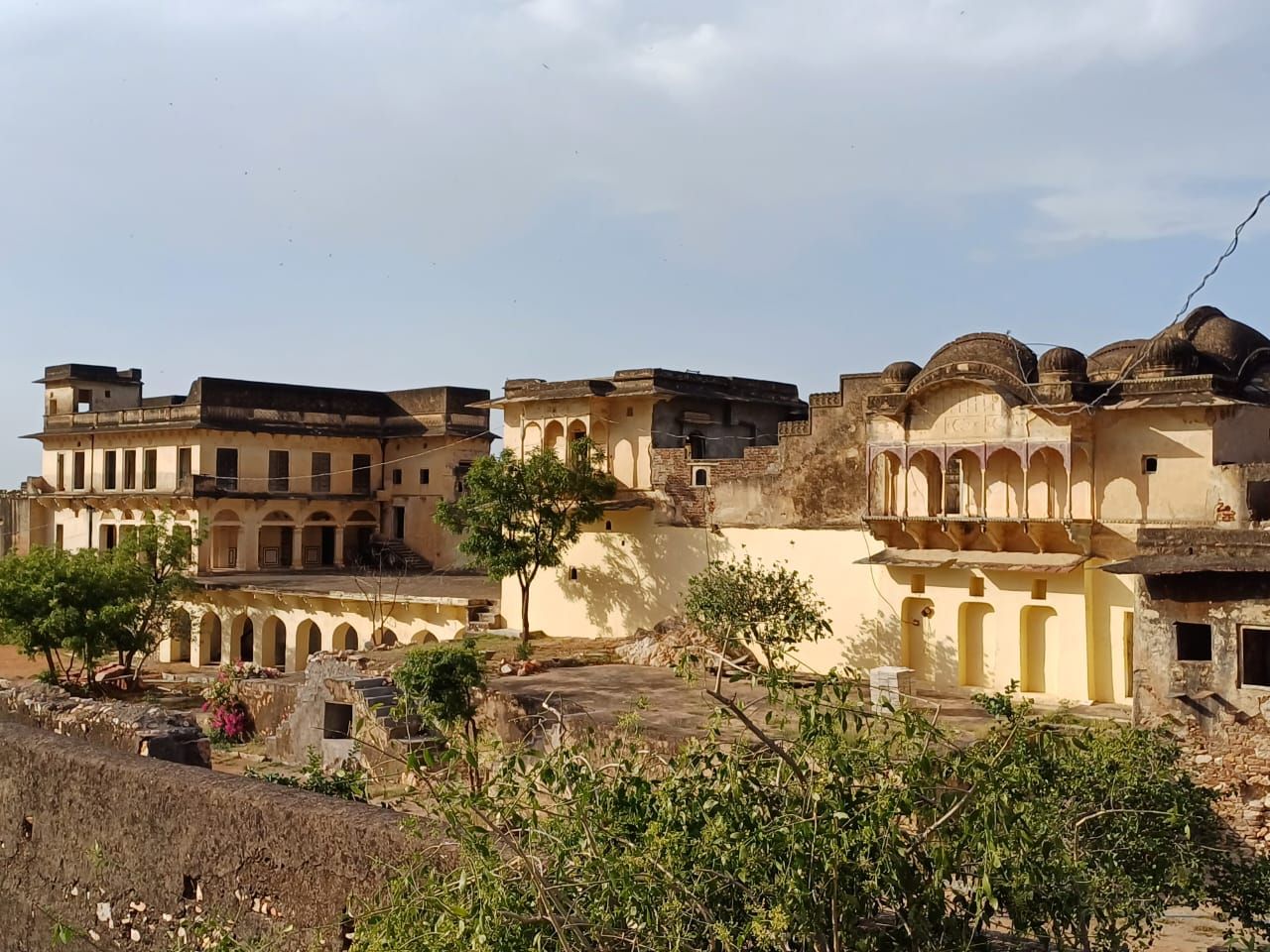
Ghushmeshwar Mahadev Temple is a revered Hindu pilgrimage site situated near Chauth ka Barwara in Rajasthan. Dedicated to Lord Shiva, the temple is believed by many devotees to be linked to the twelfth Jyotirlinga tradition. Pilgrims and travellers visit throughout the year to offer prayers, admire its serene heritage architecture, and experience the quiet devotion of eastern Rajasthan.
Getting there
By road
- From SiwarhNearest town2 min · 600 m
- From Jaipur2 hr 35 min · 122 km
- From New Delhi5 hr · 326 km
Typical drive times without traffic. Stations and airports from OLA Maps; distances and typical drive times from OpenStreetMap (© OpenStreetMap contributors); notes from creators' Reels.
About Ghushmeshwar Mahadev Temple
Written with AI from map data and general knowledge. Check prices and timings locally before you go.
Significance of Ghushmeshwar Mahadev Temple
Ghushmeshwar Mahadev Temple holds deep spiritual importance across eastern Rajasthan. According to local lore and devotional traditions, this shrine is associated with Ghushma, a pious devotee whose unwavering worship of Lord Shiva brought her son back to life and invoked the divine presence of the deity. For centuries, pilgrims have journeyed here to seek blessings for family harmony, well-being, and inner peace.
The temple structure reflects regional Rajasthani craftsmanship, featuring stone arches, pillared hallways, and intricately carved niches that house sacred images. Unlike larger metropolitan temples, the atmosphere here retains a tranquil, meditative quality for much of the week, allowing visitors to spend quiet moments in the sanctum without feeling rushed.
Best time to visit Ghushmeshwar Mahadev Temple
The ideal time to visit Ghushmeshwar Mahadev Temple is between October and March. During these autumn and winter months, daytime temperatures across Rajasthan remain pleasantly mild, with cool mornings and crisp evenings that make travelling by road and exploring outdoor temple courtyards comfortable.
Summers in this region run from April through June and bring intense heat, with daytime temperatures often climbing above forty degrees Celsius. If you visit in the summer months, plan your darshan for early morning or late evening. The monsoon season, lasting from July to September, brings moderate rain that revives the dry scrubland and washes over the ancient stone masonry, creating a refreshing atmosphere for a peaceful temple tour.
Read more
Festivals and rituals at the temple
The temple becomes a focal point of intense celebration during Maha Shivratri, which usually falls in February or March. Thousands of pilgrims arrive from surrounding districts to participate in day-and-night vigils, chant ancient mantras, and perform abhishek with milk, water, and sacred bilva leaves. During this festival, regional fairs often spring up around the complex, featuring local handicraft stalls and folk performances.
The holy month of Shravan, which spans parts of July and August, also sees an influx of devotees. Mondays during Shravan are especially meaningful, with long lines of worshippers holding traditional brass vessels filled with sanctified water. If you want to experience the site in deep contemplation, consider visiting on regular weekdays outside major festival dates.
How to reach Ghushmeshwar Mahadev Temple
Ghushmeshwar Mahadev Temple is located near the rural settlement of Chauth ka Barwara in Rajasthan. Travellers arriving by train can look for connections halting at Chauth ka Barwara railway station or head to larger regional rail junctions such as Sawai Madhopur, which connect directly to major cities across northern and western India.
If you prefer road travel, the temple can be reached easily by car, private taxi, or state bus services operating across eastern Rajasthan. Jaipur is the closest major domestic airport and hub, offering frequent flights from across the country. From Jaipur or nearby regional centres, driving via rural highways takes you past scenic agricultural fields, arid hillocks, and small historic villages.
Tips for your visit
When visiting Ghushmeshwar Mahadev Temple, dress modestly out of respect for local customs, keeping shoulders and knees covered. As with most sacred sites in India, you will be required to leave your footwear outside the entrance gate before stepping onto the temple flagstones. Socks are recommended during warmer months, as the stone surfaces can heat up significantly under the afternoon sun.
Carry sufficient drinking water, sun protection, and some cash for small offerings or local transport, as electronic payment networks in rural pockets can occasionally be slow. Before scheduling your darshan, check locally for specific aarti timings and temple open hours, as these can shift during seasonal festivals or lunar observances.
Places to explore nearby
A trip to Ghushmeshwar Mahadev Temple can easily be paired with other heritage and nature destinations in the region. The iconic Ranthambore National Park lies within comfortable driving distance, offering wildlife safaris through thick deciduous forests where Royal Bengal tigers, leopards, and varied bird species roam amidst ancient fort ruins.
Closer to the temple, history enthusiasts can visit Kakor Fort, an atmospheric hilltop stronghold that overlooks the surrounding plains. The region also features notable spiritual sites including the Annapurna Dungari Ganesh Temple, the ancient Jain Temple in Tonk Nasia, the revered shrines at Devdham Jodhpuriya, and the quiet Palai Balaji Temple. Exploring these landmarks provides an authentic look into the intertwined religious and architectural tapestry of eastern Rajasthan.
Where to stay around Ghushmeshwar Mahadev Temple
Travellers visiting the temple have access to varied accommodation options across the surrounding district. Depending on your travel preferences, you can choose to stay in tranquil countryside settings, traditional village homestays, or rustic wilderness camps set close to forest buffers.
Booking a homestay allows you to experience warm Rajasthani hospitality and home-cooked meals, while outdoor getaways and camps nearby offer unpolluted night skies and scenic daytime walks. You can browse and book unique camps, nature getaways, and homestays nearby directly on HireACamp to make your pilgrimage trip complete.
Frequently asked questions
Where is Ghushmeshwar Mahadev Temple located?
Ghushmeshwar Mahadev Temple is located near the town of Chauth ka Barwara in the state of Rajasthan, India.
What is the best time of year to visit Ghushmeshwar Mahadev Temple?
The best time to visit is during the winter season between October and March, when the weather is cool and pleasant for sightseeing.
Are there other attractions near Ghushmeshwar Mahadev Temple?
Yes, nearby attractions include Ranthambore National Park, Kakor Fort, Annapurna Dungari Ganesh Temple, and Devdham Jodhpuriya.
What should I wear when visiting the temple?
Visitors should dress modestly with shoulders and knees covered, and remove their shoes before entering the sacred sanctum.
Where can I find accommodation near Ghushmeshwar Mahadev Temple?
You can find local homestays, peaceful rural retreats, and experiential camps nearby by exploring the listings available on HireACamp.
Where you'll be
Chauth Ka Barwara · 1 stay nearby shown with prices
Stays near Ghushmeshwar Mahadev Temple
Book a place to stay close by
More places near Ghushmeshwar Mahadev Temple
Within 20 km
Built from 0 Instagram posts by 0 creators. Every tip links back to the post it came from, and where creators disagree we show both sides.






