
Giri River
Riverside spot near Theog, Uttarakhand
6 km from Theog
The nearest town, for stays, food and fuel.
The Giri River is an important Himalayan waterway flowing through gentle riverbeds, agricultural terraces, and pine-clad hills near Sainj. Originating in high ridgelines and cutting deep valleys through the outer mountain ranges, it offers travellers a peaceful riverside setting far removed from dense tourist corridors. People travel here to relax along its quiet shores, listen to the rhythmic flow of water, and experience rural mountain life at an unhurried pace.
Getting there
By road
- From TheogNearest town26 min · 21 km
- From Chandigarh3 hr 10 min · 133 km
- From Dehradun4 hr 55 min · 223 km
- From Ludhiana5 hr 20 min · 245 km
Typical drive times without traffic. Stations and airports from OLA Maps; distances and typical drive times from OpenStreetMap (© OpenStreetMap contributors); notes from creators' Reels.
About Giri River
Written with AI from map data and general knowledge. Check prices and timings locally before you go.
About the Giri River and its landscape
The Giri River, often referred to locally as Giri Ganga in its upper reaches, is a prominent tributary of the Yamuna River system. Flowing through the lower elevation valleys of the region, the river carves out fertile basins surrounded by terraced fields, orchards, and forested hill slopes. Near the settlement of Sainj, the river takes on a broad and accessible character where wide banks of smooth pebbles, sandbars, and shallow pools define the shoreline.
The topography around the river is typical of the lesser Himalayan ranges. Slopes rise steadily from the water, carpeted by mixed woodlands of Himalayan pine, oak, and wild shrubs. The river supports local agriculture, with villagers cultivating seasonal crops and fruit trees along the terraced valley floor. The sound of moving water and the refreshing breeze funnelled through the valley make the banks of the Giri River an inviting natural space to sit, walk, and disconnect from urban routines.
Things to do along the Giri River
Spending time beside the Giri River is primarily about slowing down and enjoying open outdoor spaces. Walking along the riverbank allows visitors to explore changing shoreline terrain, from smooth gravel plains to larger rock formations worn down by centuries of water flow. Travellers frequently set up day picnics on the dry, elevated banks where they can read, sketch, or listen to the water without disruption.
Birdwatching is rewarding along the river corridor, especially during the morning and late afternoon hours. Species such as kingfishers, wagtails, plumbeous water redstarts, and various Himalayan songbirds frequent the water line and the flanking tree cover. For photography enthusiasts, the valley presents changing compositions throughout the day as morning mist gives way to bright sunlit reflections on the water and soft golden shadows across the enclosing ridges before twilight.
Read more
Best time to visit Giri River
The best time to visit the Giri River is during the post-monsoon and early summer months, extending from September through November and from March through June. During autumn, from September to November, the monsoon rains have cleared, leaving the river water relatively clear and the surrounding valley slopes lush, vibrant green. Days are comfortably sunny, while evenings bring a crisp, cool breeze that makes outdoor walks pleasant.
Spring and early summer, from March to June, offer warm sunshine during the day with refreshing mountain breezes that make riverside exploration a welcome retreat from the heat of the northern plains. River levels during this period are moderate, providing plenty of dry shoreline to wander across safely. The monsoon months between July and August are generally not recommended for waterside excursions because heavy rainfall in the catchment areas can cause water levels to surge unpredictably and turn the river muddy.
How to reach Giri River
The Giri River near Sainj is accessible via mountain roads connecting to major hill routes in the region. The nearest major transport hub is Shimla, located roughly twenty kilometres away in straight-line terms, though actual driving distances vary based on the specific mountain bends and approach routes taken. From Shimla, travellers can drive or hire local taxis down towards the valley through scenic wooded routes that gradually descend toward the riverbed.
Travellers arriving by air can fly to Shimla Airport at Jubbarhatti or Chandigarh International Airport, with Chandigarh offering the broadest connectivity across domestic airlines. From Chandigarh, the road journey into the hills follows well-paved national highways before branching onto regional district roads leading toward Sainj and the Giri River basin. For those using the rail network, Kalka serves as the broad-gauge terminal, from where visitors can either take the historic narrow-gauge mountain train up to Shimla or continue directly by road.
Places to visit around Giri River
The area surrounding the Giri River offers a mix of cultural landmarks, wildlife spaces, and hill town viewpoints within easy driving distance. The Shimla Water Catchment Wildlife Sanctuary sits roughly fourteen kilometres away, known for its dense temperate forests, tranquil walking trails, and rich birdlife. Nearby at Kufri, approximately thirteen kilometres away, the high-altitude zoo offers glimpses of Himalayan wildlife alongside wide vistas of distant snow-crested peaks.
Travellers interested in local history and architecture can head toward Junga Old Palace, situated about eighteen kilometres from the area, which reflects the royal heritage of the historic Keonthal state. A short drive further brings you to the Ridge and Christ Church in central Shimla, roughly twenty kilometres distant, offering classic colonial architecture, bustling pedestrian walkways, and expansive vantage points over the surrounding hills. Exploring these varied attractions provides a well-rounded itinerary balancing nature, culture, and mountain landscapes.
Tips for visiting Giri River
When planning an excursion down to the Giri River, practical preparation helps ensure a safe and enjoyable outing. Always wear sturdy, closed-toe walking shoes or sport sandals with good grip, as rocks along the riverbed can be smooth, damp, and unstable underfoot. Bringing a hat, sunglasses, and a good sunscreen is recommended, as the open valley floor offers limited overhead shade during midday hours.
Mountain river currents can be stronger and deeper than they appear from the surface, so visitors should exercise caution and avoid stepping into fast-flowing or murky water. It is advisable to monitor local weather forecasts before heading toward the river, especially during seasons prone to sudden showers. Carry adequate drinking water and light refreshments, and remember to pack out all plastic, wrappers, and food waste to protect the natural health and cleanliness of the Giri River corridor.
Where to stay near Giri River
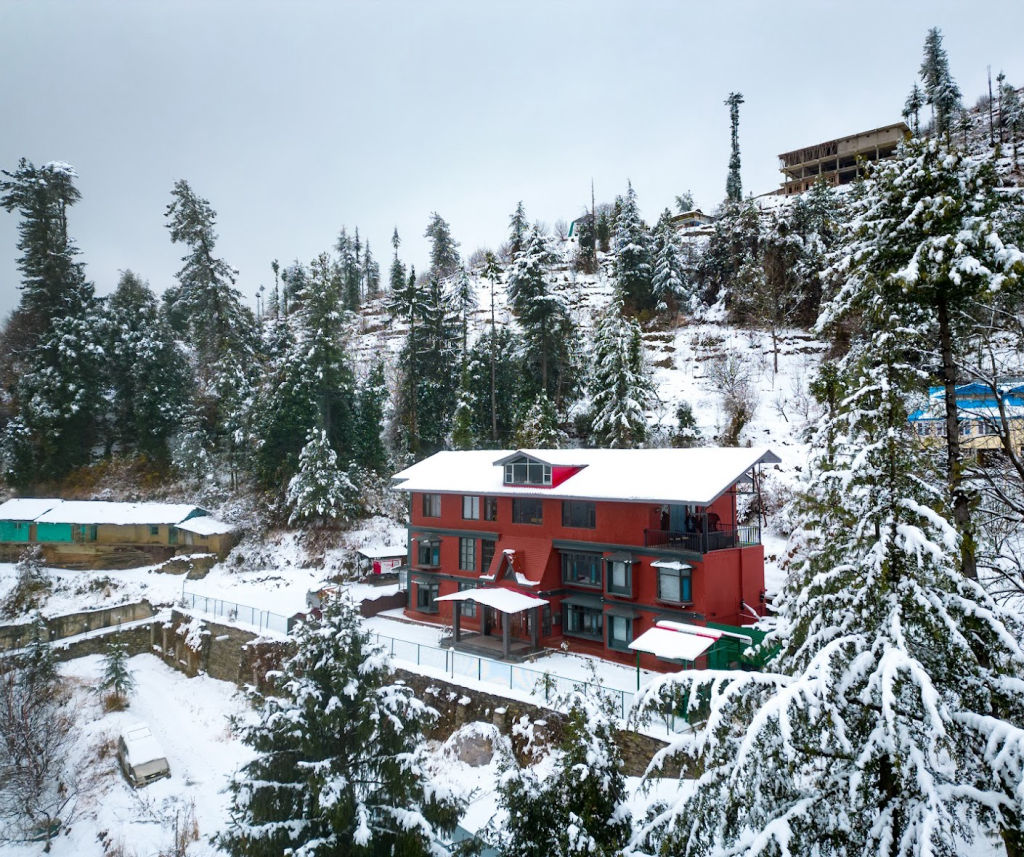
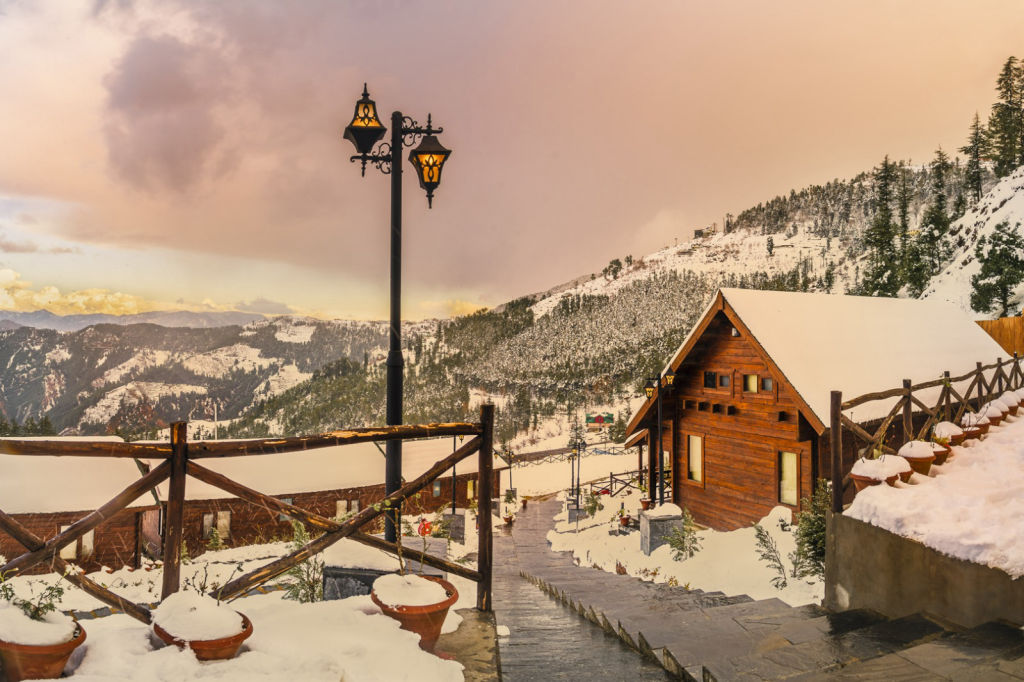
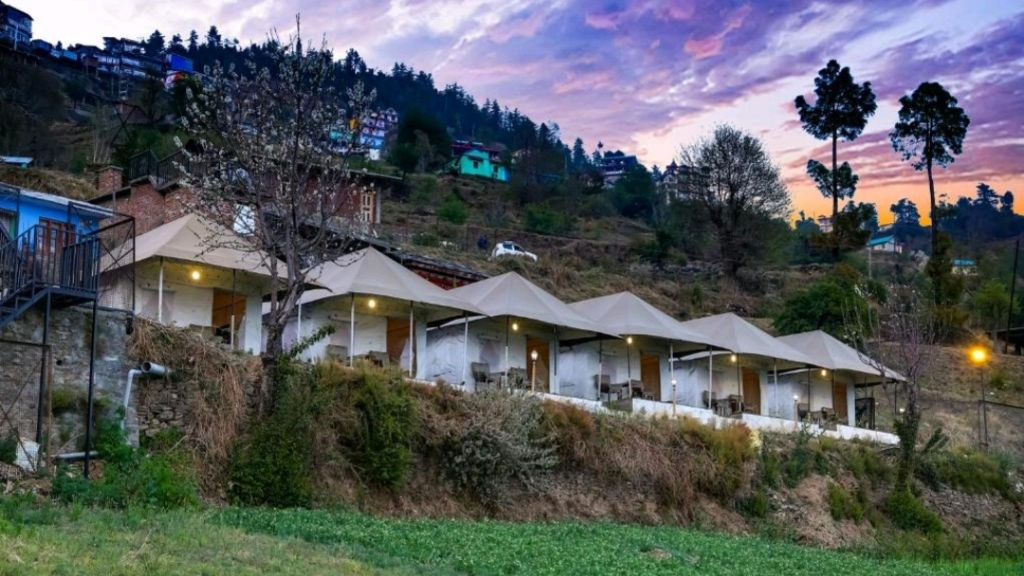
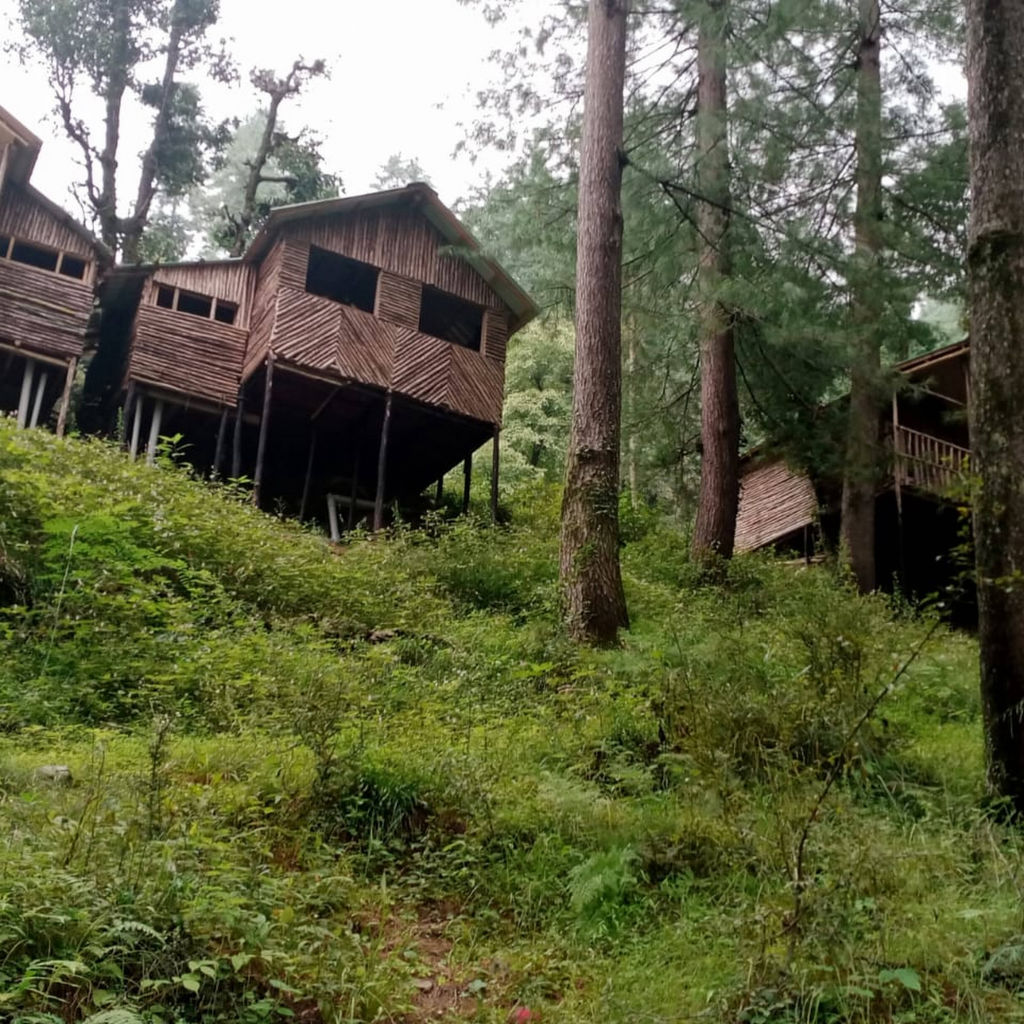
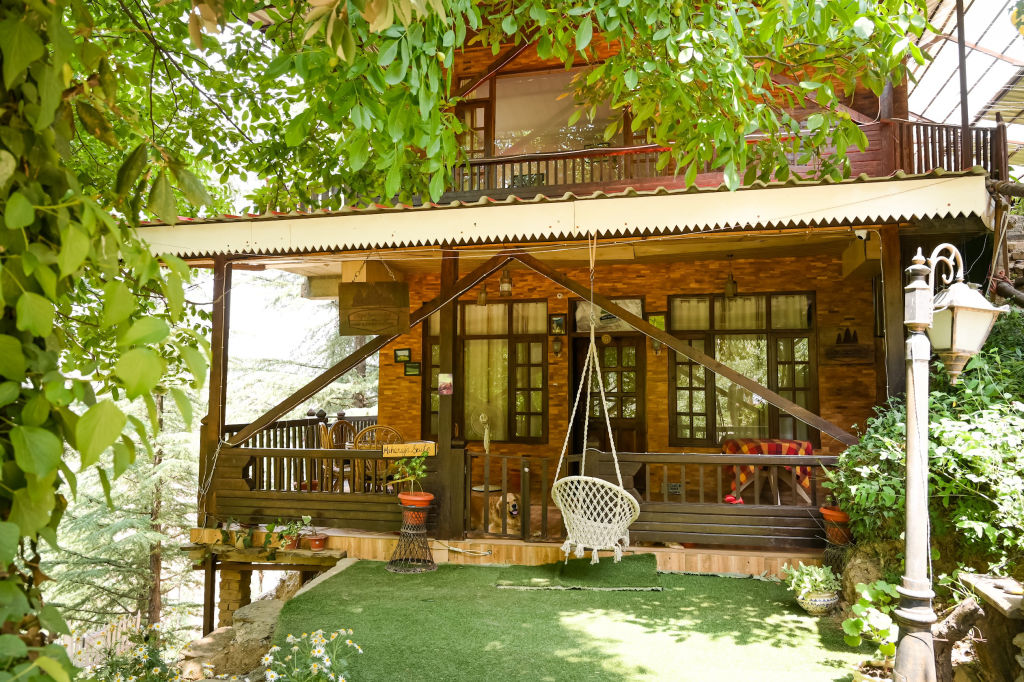
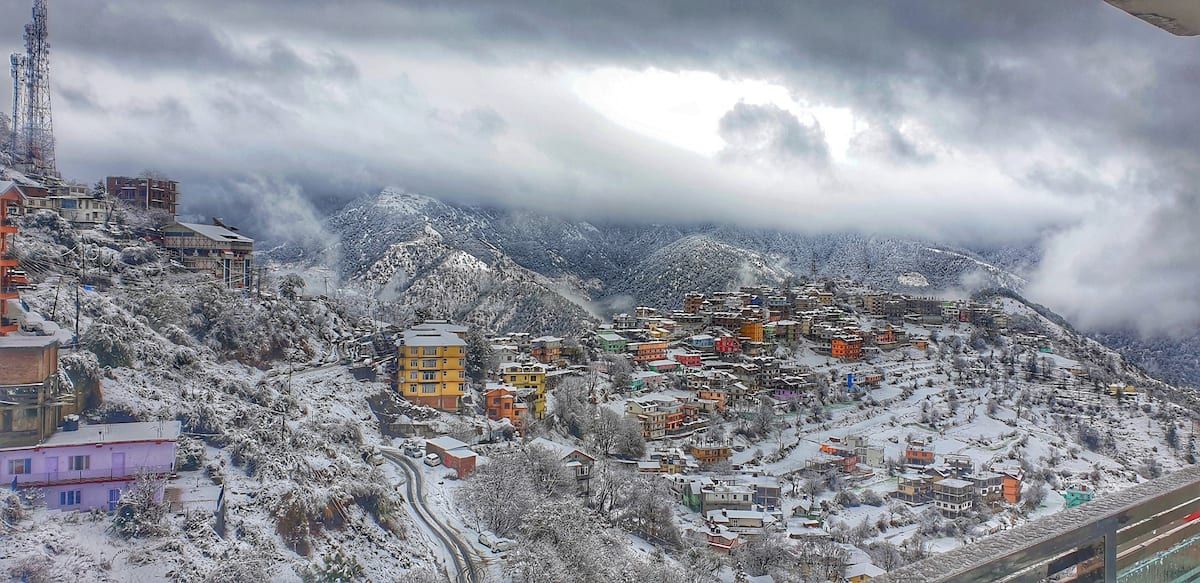
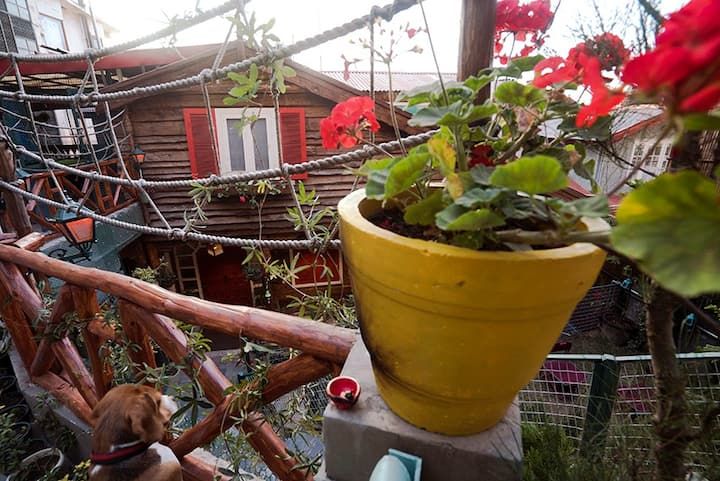
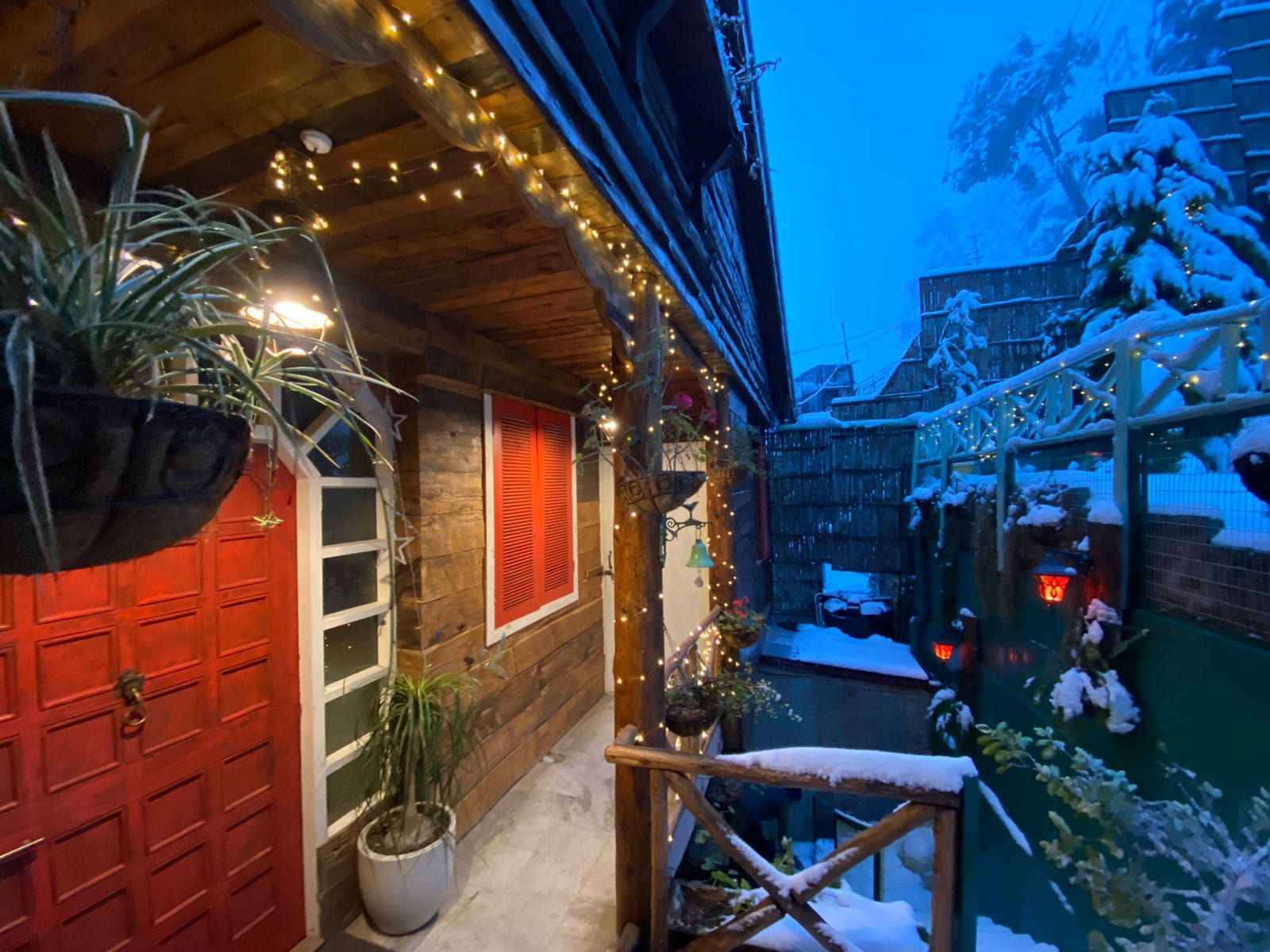
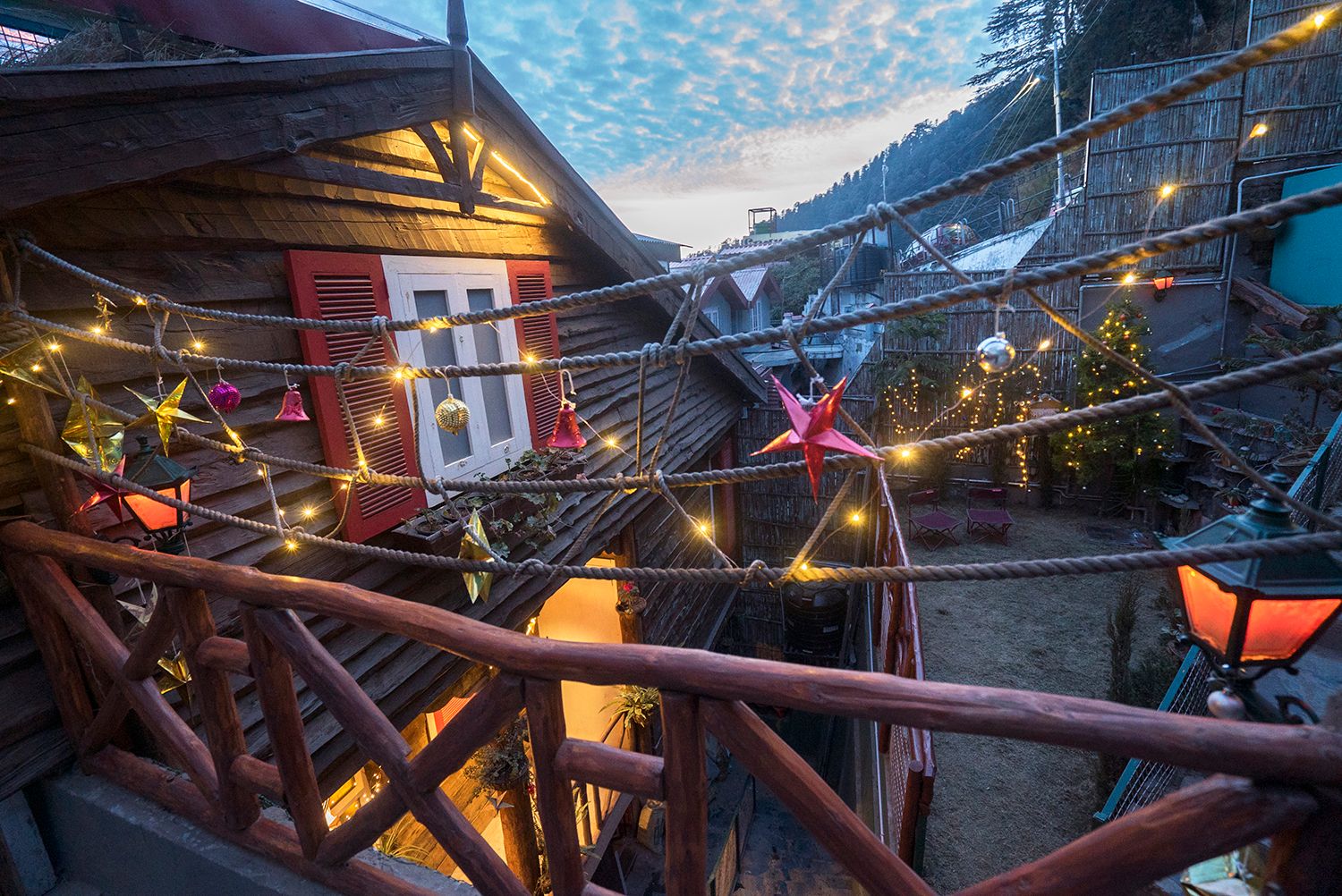
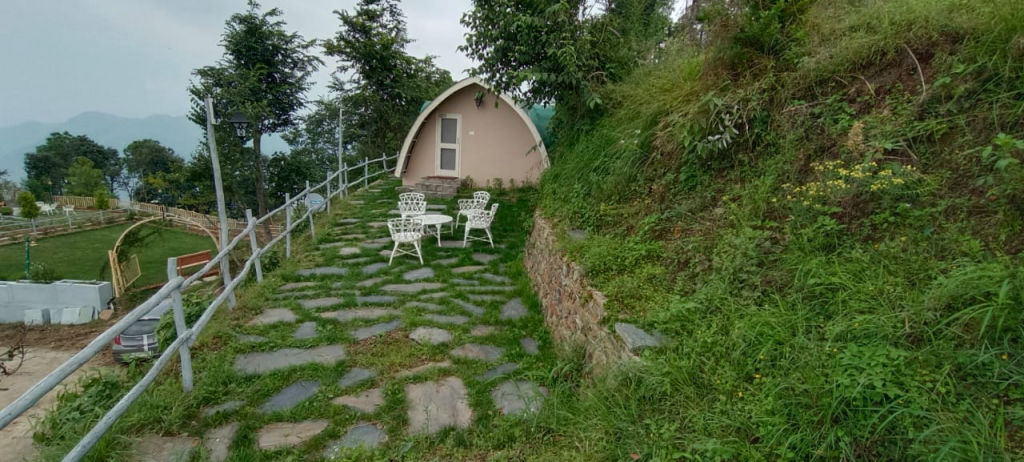
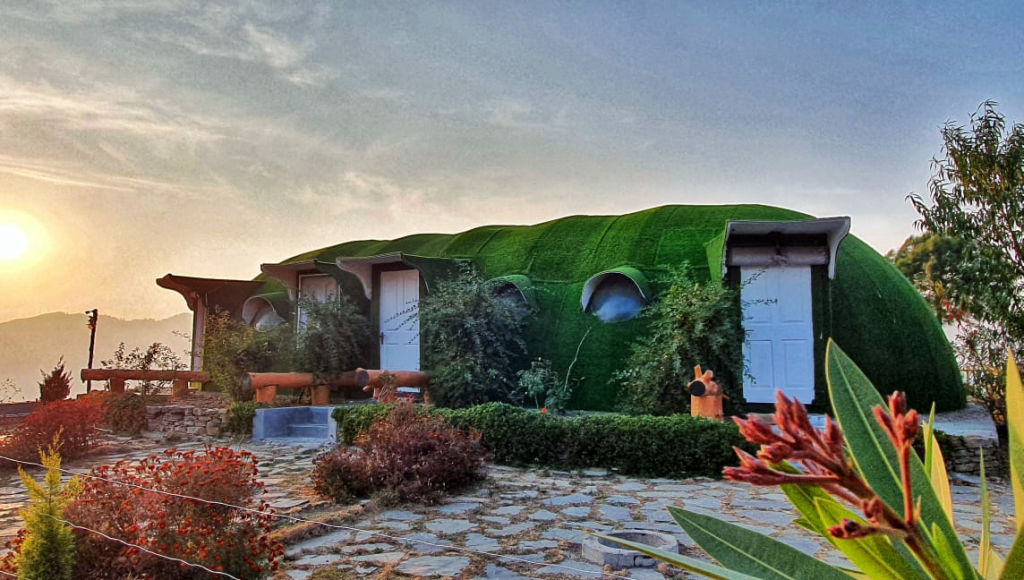
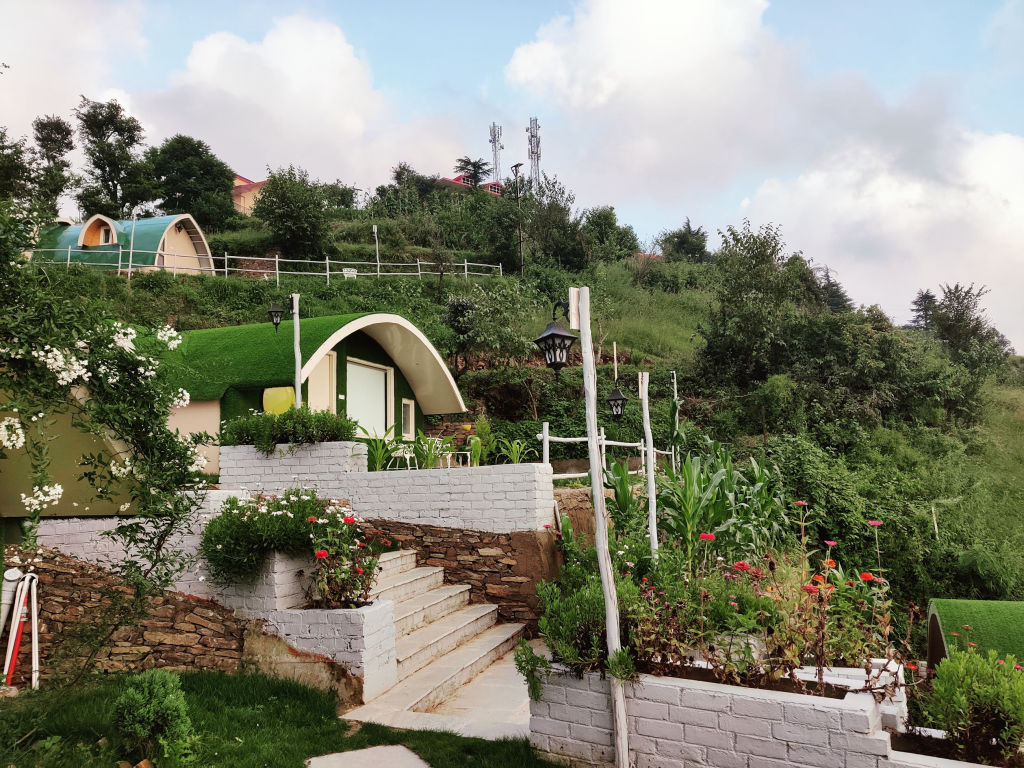
Visitors looking to stay near the Giri River can choose from several relaxing accommodation options located throughout the surrounding valley and hillsides. Riverside camps provide an immersive outdoor experience where you can sleep to the sound of flowing water and wake up directly beside nature. Traditional homestays in nearby villages like Sainj offer comfortable rooms, local home-cooked meals, and a closer look at daily mountain hospitality. You can explore and book verified riverside camps, traditional cottages, and homestays around the Giri River on HireACamp.
Frequently asked questions
Is the Giri River safe for swimming?
Swimming in the Giri River is generally not recommended due to hidden currents, uneven rocky beds, and variable water depths. Visitors are advised to stick to shallow edge pools and keep a safe distance from rushing water.
What is the best season to explore the Giri River?
The most pleasant months to visit are from October to November and from March to June, when weather conditions are dry and river levels remain steady and accessible.
Can I reach the Giri River by public transport?
Buses and shared vehicles operate regularly between Shimla and the rural market town of Sainj, from where local taxis or short walks can take you down to riverside access points.
Are there picnic spots available along the Giri River?
Yes, the open, gravelly banks and dry boulder stretches near Sainj provide plenty of natural spots for a quiet family picnic, provided visitors carry out all their trash.
What wildlife might I see around the Giri River?
The river basin hosts diverse riverine bird species including wagtails, kingfishers, and redstarts, along with common small mammals and butterflies typical of lower Himalayan forested valleys.
Where you'll be
Sainj, HP · 12 stays nearby shown with prices
Stays near Giri River
Book a place to stay close by
More places near Giri River
Within 20 km


Lists for this area
Ranked by how many creators recommend each place


Built from 0 Instagram posts by 0 creators. Every tip links back to the post it came from, and where creators disagree we show both sides.






