
Golconda Fort
Fort near Bandlaguda, Telangana
3.7 km from Bandlaguda
The nearest town, for stays, food and fuel.
Golconda Fort is a monumental medieval citadel perched on a granite hill in Hyderabad, Telangana. Renowned for its ingenious acoustic engineering, formidable royal palaces, and historic ties to the legendary Golconda diamond trade, it draws travellers eager to explore Deccan architectural heritage and sweeping city views. Climbing its ancient stone steps offers an intimate look into centuries of military strategy, courtly life, and dramatic sieges.
Getting there
By road
- From BandlagudaNearest town17 min · 6.1 km
- From Hyderabad32 min · 14 km
Typical drive times without traffic. Stations and airports from OLA Maps; distances and typical drive times from OpenStreetMap (© OpenStreetMap contributors); notes from creators' Reels.
About Golconda Fort
Written with AI from map data and general knowledge. Check prices and timings locally before you go.
History and architecture of Golconda Fort
Golconda Fort stands as one of the most imposing defensive complexes in peninsular India. Its origins trace back to the Kakatiya dynasty, who originally erected an earthen fortress on this distinctive granite hill during the thirteenth century. Later, under the Bahmani Sultanate and particularly during the reign of the Qutb Shahi dynasty in the sixteenth and seventeenth centuries, the site was expanded into a fortified stone city surrounded by massive granite ramparts. The fortress became the vibrant capital of the Golconda Sultanate and served as the administrative core of the world-famous Golconda diamond trade, which once processed historic gems including the Koh-i-Noor and the Hope Diamond.
The engineering of the fort is celebrated for its acoustic and hydraulic innovations. At the Fateh Darwaza, the grand entrance gate, a single handclap beneath the central dome carries clearly to the Bala Hissar pavilion at the highest point of the hill, roughly a kilometer away. This design served as an early warning system against incoming threats. Across the complex, elaborate water supply networks, multi-layered defensive gates embedded with iron spikes, and double-walled ramparts reflect a thoughtful blend of Persian and regional Deccan military architecture.
What to see inside Golconda Fort
A walk through the fort complex takes visitors across multiple terraces, royal quarters, and military installations. Near the base, the Fateh Darwaza sets the tone with its towering wooden gates, reinforced with sharp iron spikes meant to discourage war elephants from charging during a siege. Further inside, travellers encounter the historic mortuary baths, the royal armory, and expansive granaries that once sustained the inhabitants through long months of encirclement by opposing armies.
Ascending the stone pathways leads through several inner gateways, including the Balahisar Darwaza, decorated with carvings of peacocks and mythical creatures that highlight the artistic synthesis of the period. Higher up the hillside sits the Ibrahim Mosque, showing early Qutb Shahi artistic influences, and a stone cell famously associated with Bhakta Ramadas, a royal official imprisoned here who carved representations of Hindu deities into the stone walls. At the summit rests the Bala Hissar, the high citadel pavilion that rewards visitors with unobstructed views across the urban landscape of Hyderabad and the rocky Deccan plateau.
Read more
Best time to visit Golconda Fort
The Deccan region experiences three distinct seasons, with temperatures fluctuating significantly between summer and winter. The most comfortable months to explore Golconda Fort are from October through March. During this period, the winter days are relatively mild and dry, making the strenuous uphill trek far more manageable under moderate sunlight.
The summer months, stretching from April to June, bring intense heat to Telangana, with midday temperatures frequently climbing high enough to make exploring the exposed stone ramparts exhausting. The monsoon arrives between July and September, washing the granite boulders clean and coaxing patches of green grass out of the stone crevices. While visiting during the rainy season provides dramatic skies and cooler breezes, the ancient stone steps can become slippery, requiring extra care while climbing.
How to reach Golconda Fort
Golconda Fort is situated in the western quarter of the Hyderabad metropolitan area in Telangana, easily reached from various parts of the city and nearby localities like Bandlaguda. The fort is well connected to major transit hubs across the state.
Travellers arriving by air at Rajiv Gandhi International Airport can reach the fort by road via outer ring roads and arterial city routes. Those coming by rail can travel from Hyderabad Deccan (Nampally), Secunderabad Junction, or Kacheguda stations, all of which have regular city buses, auto-rickshaws, and private cabs heading toward the Golconda area. Because traffic across the city can be dense during peak hours, it is wise to set out early in the morning to allow plenty of time for your visit.
Tips for exploring Golconda Fort
Exploring Golconda Fort requires a fair amount of physical stamina, as reaching the Bala Hissar involves climbing hundreds of uneven granite steps cut directly into the hillside. It is best to wear comfortable walking shoes with reliable grip and carry sufficient drinking water, especially as facilities thin out as you climb higher into the ruins.
Sun protection is essential throughout the year. A wide-brimmed hat, sunglasses, and light cotton clothing make a substantial difference when navigating the open courtyards and stone pathways. Engaging an official local guide at the entrance can greatly enrich the experience, as guides demonstrate the unique acoustic echoes of the gates and unravel the centuries of military and royal intrigue embedded in the stone walls.
Places to visit near Golconda Fort
The area surrounding Golconda Fort is rich in historical and cultural attractions. Just two kilometres away lie the Qutub Shahi Tombs, an evocative complex of grand domed mausoleums set amidst landscaped gardens where the rulers of Golconda were laid to rest. Visiting the tombs alongside the fort provides a complete perspective on the dynasty's architectural legacy.
Further into the city, travellers can visit the opulent Chowmahalla Palace, once the official residence of the Nizams of Hyderabad, and the Salar Jung Museum, which houses an immense private collection of global art and antiquities. For leisure and open spaces, Durgam Cheruvu lake and Hussain Sagar offer scenic water bodies and walking paths, while the Nehru Zoological Park and Sudha Car Museum provide engaging stops nearby.
Where to stay near Golconda Fort
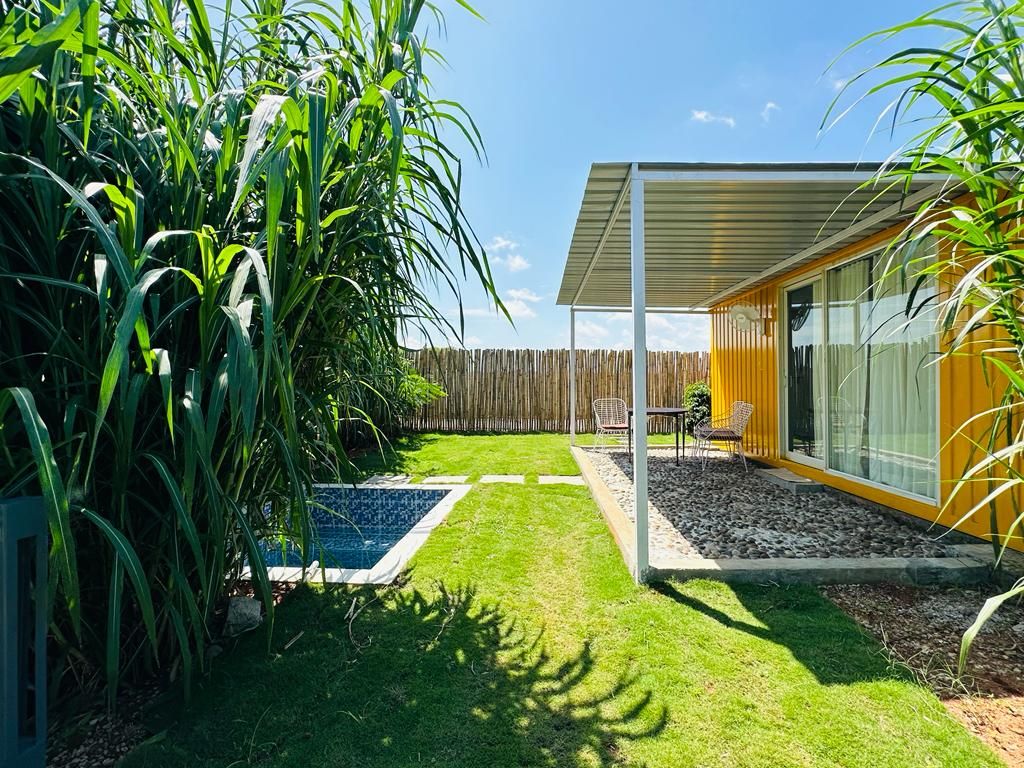
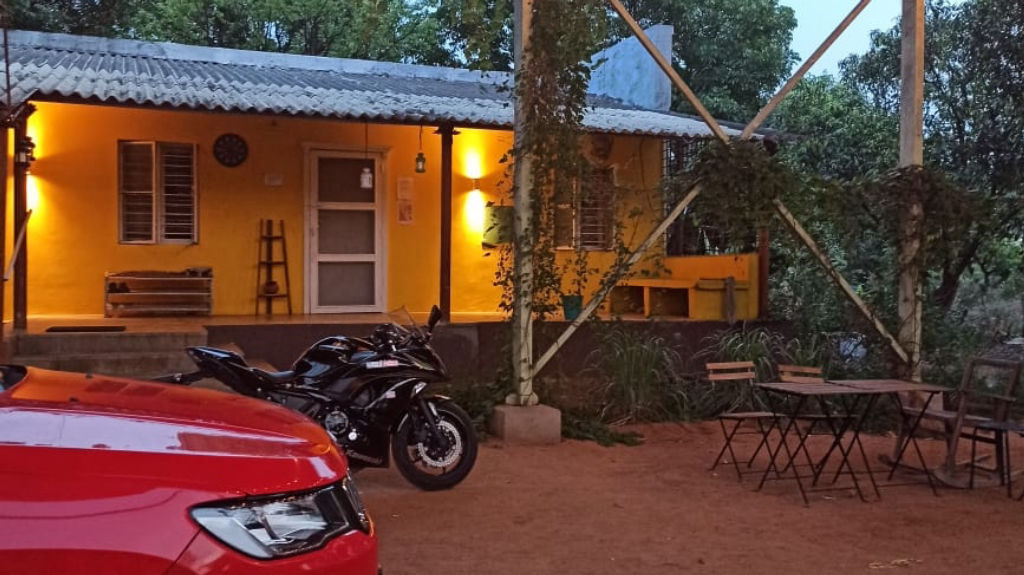
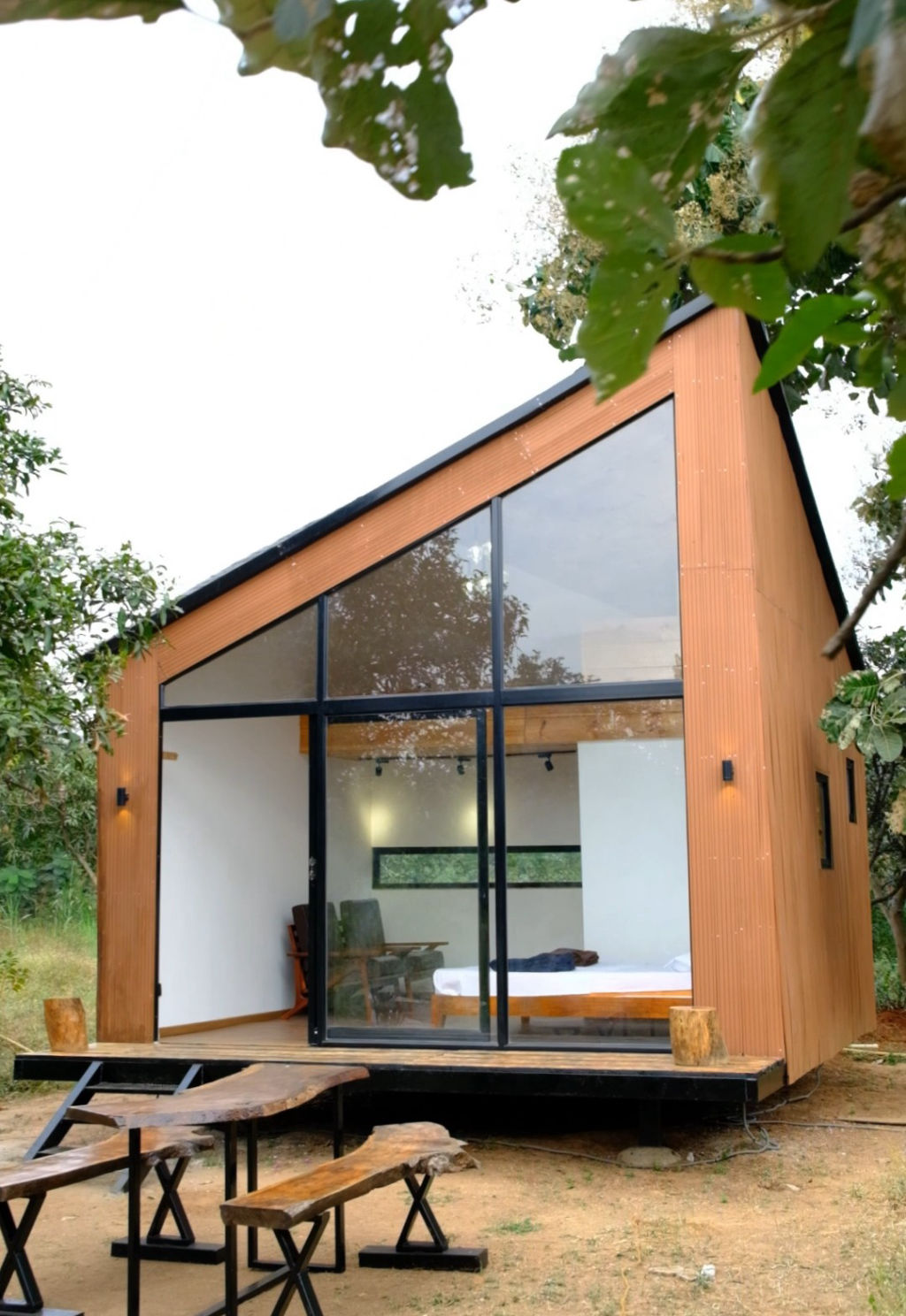
While there are no camping options directly inside the heritage perimeter of the fort, visitors have a wide range of accommodation choices across Hyderabad and the surrounding Telangana countryside. Travellers seeking a peaceful base away from dense urban streets can find quiet homestays, nature retreats, and outdoor getaways on HireACamp. These stays allow you to balance cultural day trips into historic citadels with relaxed evenings in green, open surroundings.
Frequently asked questions
How many steps are there to climb at Golconda Fort?
Visitors climb roughly 350 to 400 stone steps to reach the Bala Hissar pavilion at the summit. The ascent is moderately steep but is broken up by courtyards, terraces, and ruins where you can rest along the way.
Why is Golconda Fort famous for its acoustics?
The fort features a celebrated acoustic design where a handclap beneath the dome of the entrance gate, Fateh Darwaza, can be heard clearly at the hilltop pavilion nearly a kilometer away. This mechanism was engineered to alert guards and royal residents of approaching visitors or attackers.
How much time is needed to explore Golconda Fort?
Most travellers spend between two and three hours exploring the gates, palaces, and climbing to the summit. Setting aside half a day allows you to visit the nearby Qutub Shahi Tombs as well without rushing.
Is Golconda Fort accessible for visitors with limited mobility?
While the lower courtyards and entrance gates have relatively even surfaces, reaching the royal quarters and the summit pavilion requires climbing steep, uneven stone stairs, making the upper portions difficult for visitors with mobility challenges.
What was the connection between Golconda Fort and diamonds?
The fortress served as the capital and secure treasury for the Golconda Sultanate, which controlled the rich diamond mines of the Deccan plateau. Renowned diamonds such as the Koh-i-Noor, Hope Diamond, and Daria-i-Noor passed through the gem trade centered here.
Where you'll be
Telangana · 3 stays nearby shown with prices
Stays near Golconda Fort
Book a place to stay close by
More places near Golconda Fort
Within 20 km


Lists for this area
Ranked by how many creators recommend each place


Built from 0 Instagram posts by 0 creators. Every tip links back to the post it came from, and where creators disagree we show both sides.






