
Hairakhan
Destination in Uttarakhand
Hairakhan is a serene mountain village situated in the Kumaon region of Uttarakhand along the banks of the Gautami Ganga river. Known internationally for its association with the spiritual teacher Haidakhan Babaji, it draws pilgrims, yogic practitioners, and nature lovers seeking peace. Surrounded by pine forests, terraced fields, and quiet riverbeds, it offers an unhurried retreat into the lower Himalayas.
Getting there
By road
- From Dehradun7 hr 45 min · 362 km
- From New Delhi8 hr 10 min · 345 km
- From Lucknow8 hr 55 min · 452 km
- From Chandigarh11 hr 55 min · 551 km
Typical drive times without traffic. Stations and airports from OLA Maps; distances and typical drive times from OpenStreetMap (© OpenStreetMap contributors); notes from creators' Reels.
About Hairakhan
Written with AI from map data and general knowledge. Check prices and timings locally before you go.
About Hairakhan
Tucked away in the quiet river valley of the Gautami Ganga in Uttarakhand, Hairakhan is an idyllic Kumaoni hamlet renowned for its spiritual aura and pristine natural environment. The village gained global recognition during the twentieth century as the primary seat of the mystic Haidakhan Babaji, whose teachings on truth, simplicity, and love continue to draw travellers and spiritual seekers from across the world.
Away from commercialized tourist circuits, Hairakhan retains an undisturbed rural character. Dense stands of oak, pine, and sal coat the slopes that frame the valley, while the river gently cuts through stone terraces and sandy banks. The clean mountain air, sweeping vistas of rolling Himalayan foothills, and the rhythmic sound of rushing water make Hairakhan a deeply rejuvenating haven for anyone looking to slow down.
Things to do in and around Hairakhan
The daily rhythm in Hairakhan centres on nature, contemplation, and outdoor exploration. One of the most fulfilling activities is walking along the wide, pebble-strewn banks of the Gautami Ganga river. The gentle flow of water and scenic isolation create a wonderful setting for meditation, yoga, reading, or simply enjoying the tranquil mountain scenery.
Visiting the local ashram is another central experience. Travellers can attend morning and evening prayer sessions, observe traditional temple rituals, and learn about the local monastic way of life. The surrounding hillsides offer rewarding walking trails that meander through pine groves and traditional Kumaoni farming hamlets. For birdwatchers, the valley is home to diverse Himalayan species, including barbets, flycatchers, treecreepers, and raptors soaring on thermal currents above the ridge.
Read more
Places to visit near Hairakhan
Hairakhan serves as a scenic gateway to several natural attractions in the Kumaon region. A short drive into the hills brings you to Malwa Tal, an expansive and remarkably quiet lake framed by steep forested hills. It offers an unspoiled alternative to the busier water bodies of the lower Himalayas, ideal for travellers who appreciate untamed nature.
Further uphill lies Naukuchiatal, the famed nine-cornered freshwater lake known for peaceful shoreline walks and boating. Travellers can also plan an excursion to Bhalugaad Waterfall, where a short jungle hike leads to an energetic mountain cascade dropping into an emerald pool. For wide vistas of the snow-clad Greater Himalayan peaks, Mukteshwar sits along a high ridge nearby, offering cool orchard groves, historic temples, and scenic vantage points.
Best time to visit Hairakhan
Hairakhan can be visited throughout the year, with each season offering a unique perspective of the valley. Spring and summer, from March through June, bring pleasant daytime weather and mild evenings, making it an excellent time to escape the heat of the plains. The river waters are clear, and walking trails are easy to navigate.
The monsoon season, lasting from July to September, transforms the Kumaon hills into vivid shades of emerald green. While the swollen river and misty valley make for atmospheric sights, heavy downpours can occasionally disrupt travel on mountain roads, so checking route updates locally is recommended before setting out. Autumn and winter, from October to February, offer crisp mountain air, brilliant blue skies, and optimal visibility for viewing distant Himalayan peaks. Winter nights are cold, but the bright, sunny days are perfect for walking and quiet reflection.
How to reach Hairakhan
Hairakhan is reachable by road through the transport hubs of southern Kumaon. The closest railway station is at Kathgodam, which has regular rail connections to New Delhi, Lucknow, and other major northern cities. From Kathgodam or the adjacent city of Haldwani, private taxis and shared local transport run up into the hills toward the valley.
Travellers arriving by air can fly to Pantnagar Airport, which serves as the nearest domestic air link. From Pantnagar, road transport can be hired to complete the drive through Haldwani and up into the mountains. For those driving from Delhi, the journey follows the national highway route through Moradabad and Rampur before entering the foothills. The mountain roads in this area wind through dense greenery and scenic river crossings, making daylight travel the safest and most enjoyable choice.
Tips for your visit to Hairakhan
Because Hairakhan is an offbeat rural valley, carrying sufficient cash is essential. Automated teller machines are not widely available in the immediate village, so it is best to withdraw cash in Kathgodam, Haldwani, or nearby market towns before ascending into the valley.
Mobile network coverage can be intermittent in deeper sections of the river valley; downloading offline road maps and saving key contact information beforehand is advisable. Sturdy walking shoes are recommended for navigating stony riverbeds and uneven earthen tracks. When visiting temples and ashram spaces, dress modestly and respect local customs of quietude. Finally, please practice responsible travel by taking back all non-biodegradable waste to municipal disposal points in the larger towns.
Where to stay in Hairakhan
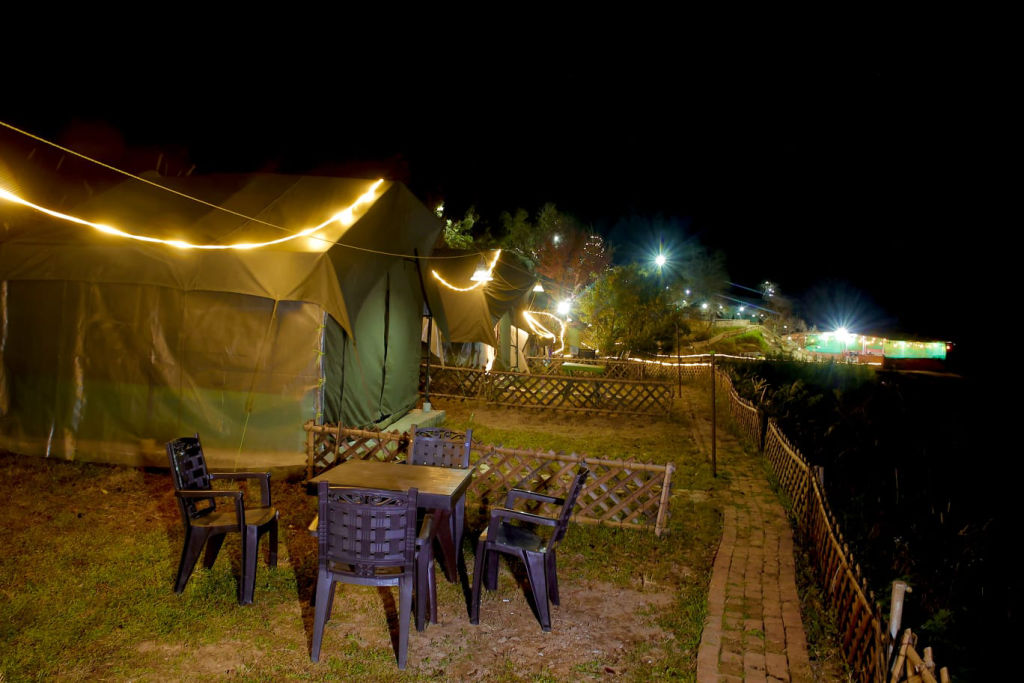
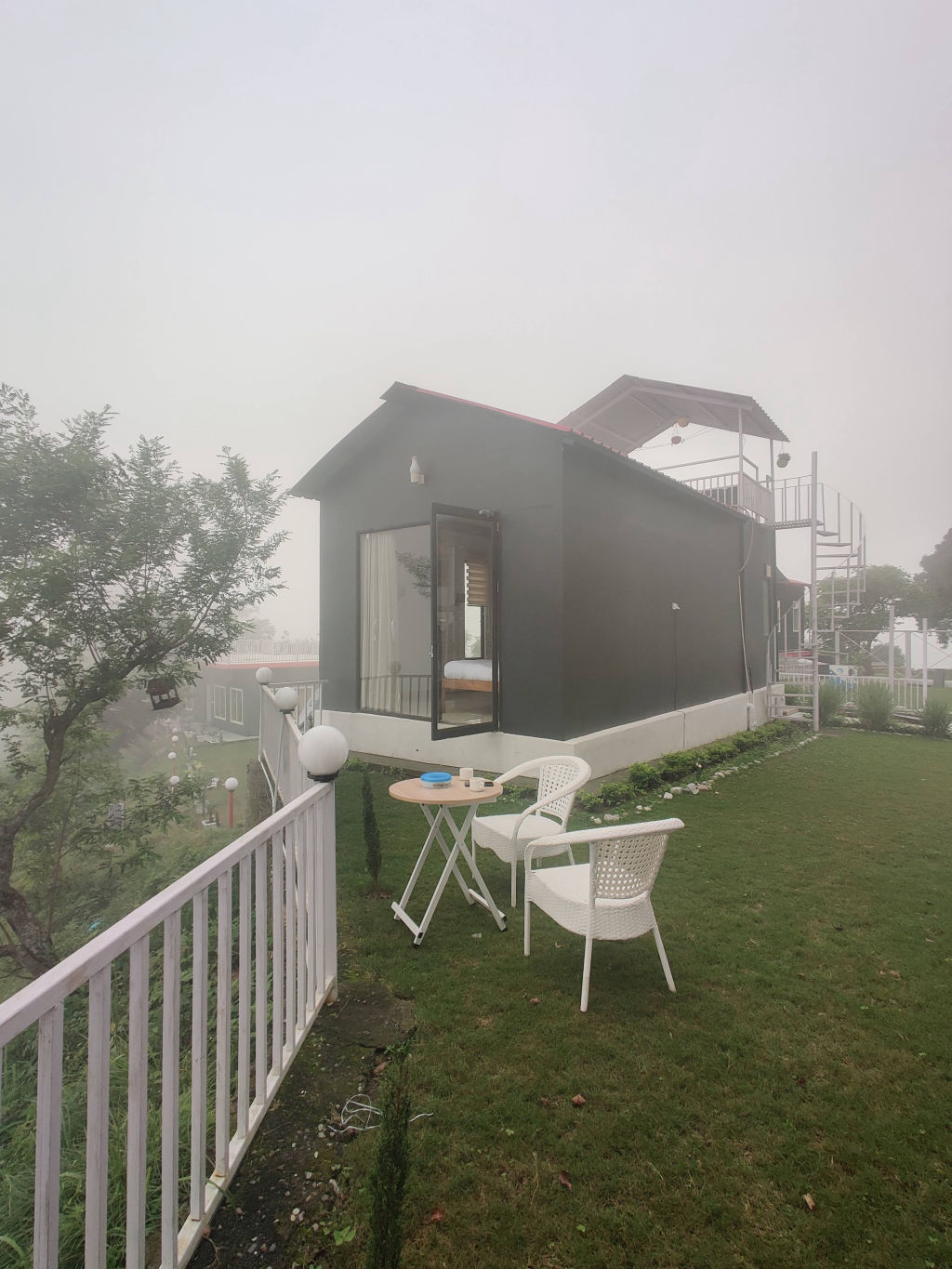
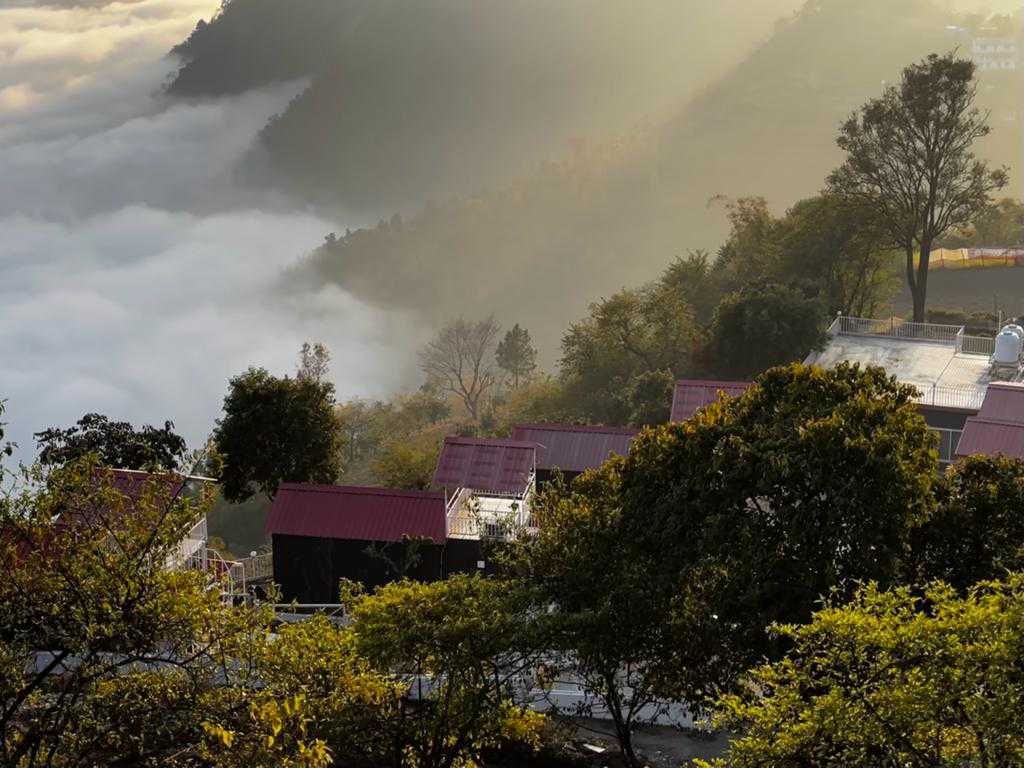
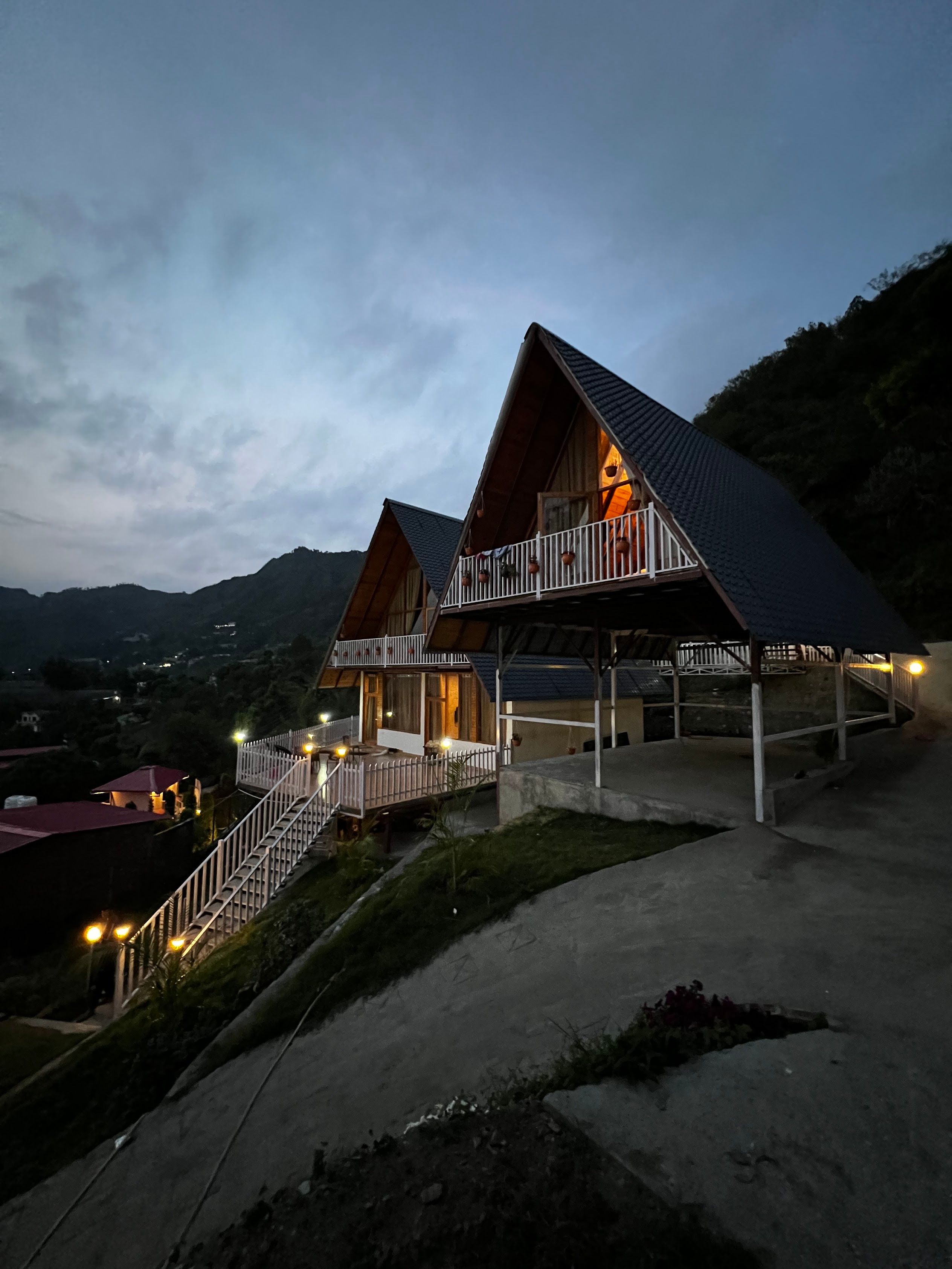
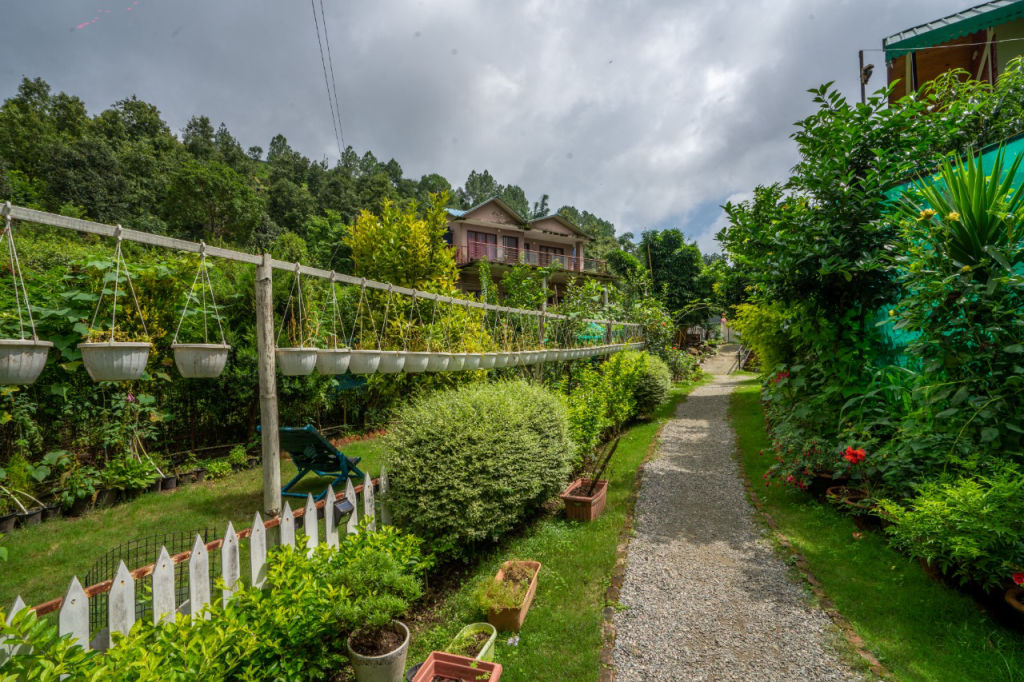
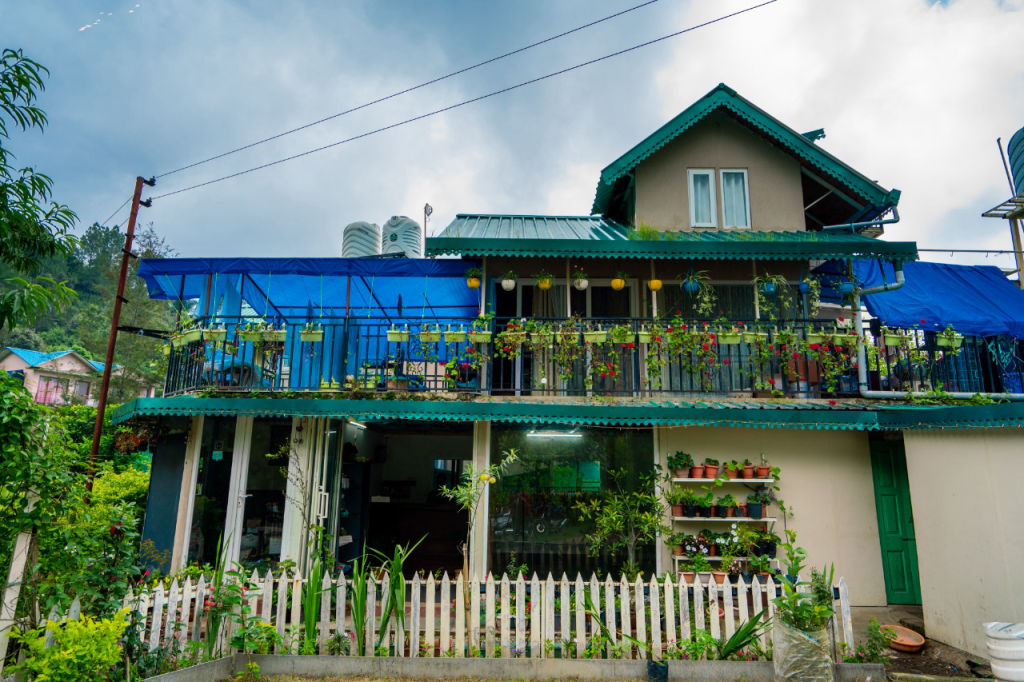
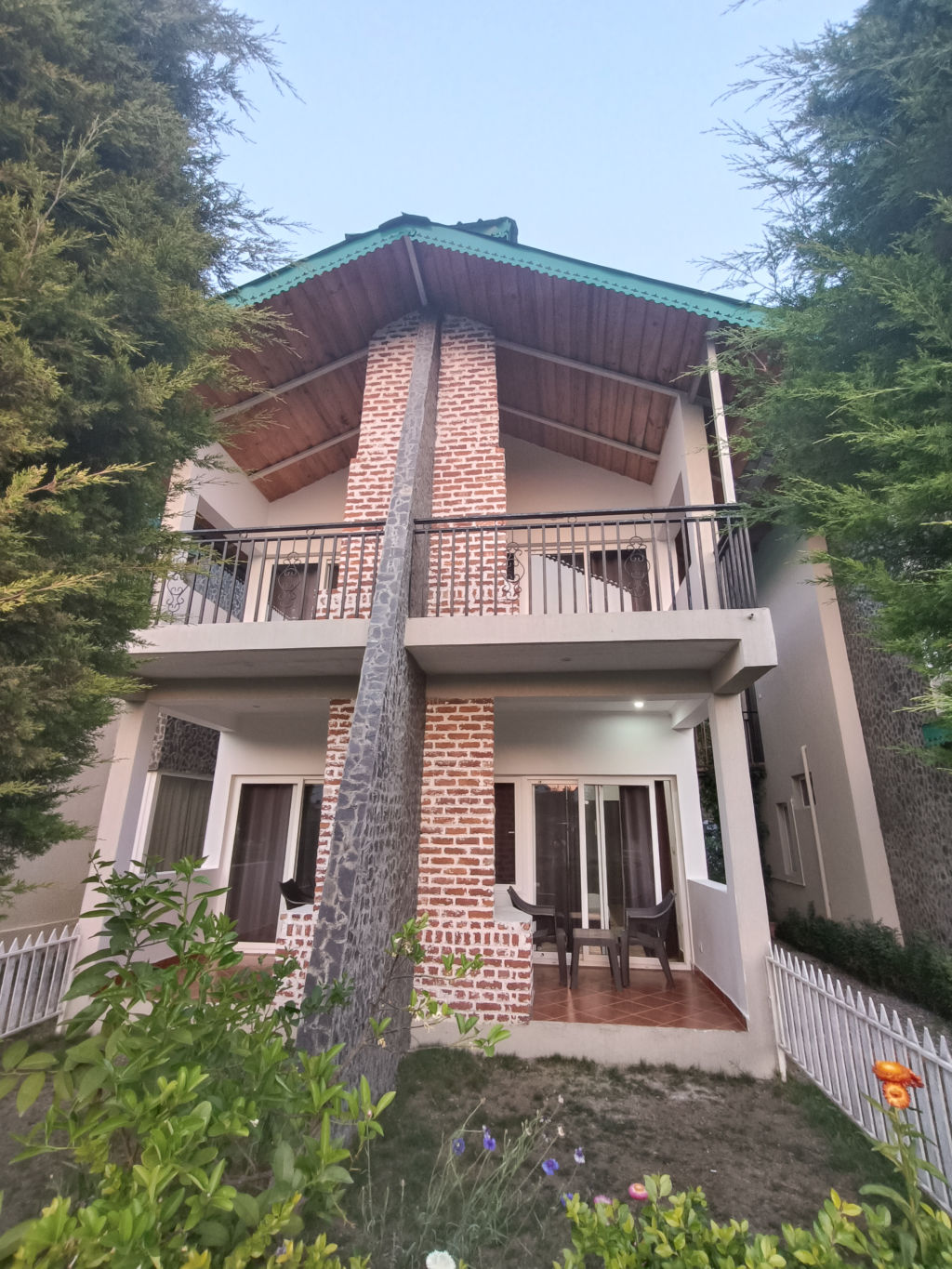
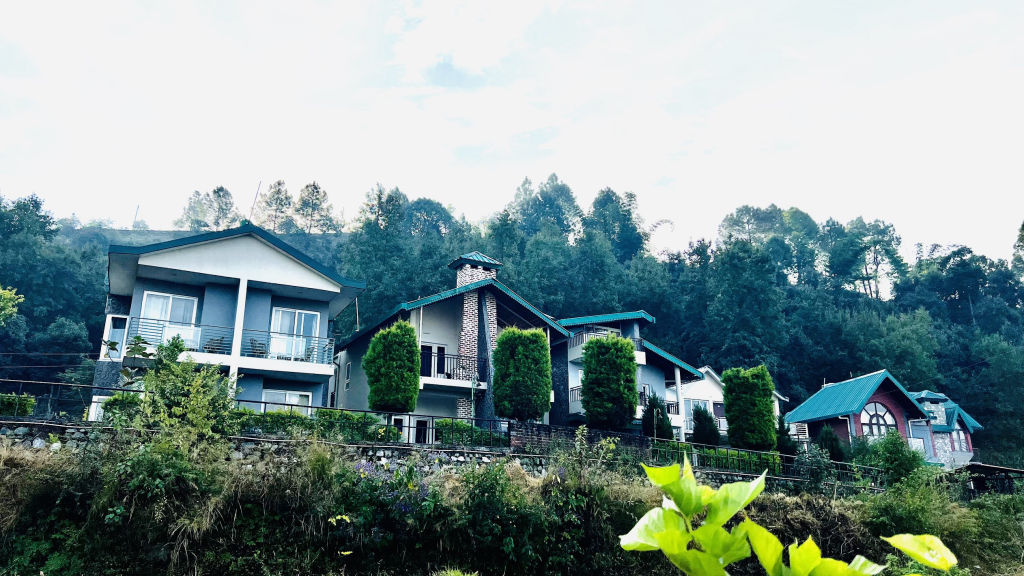
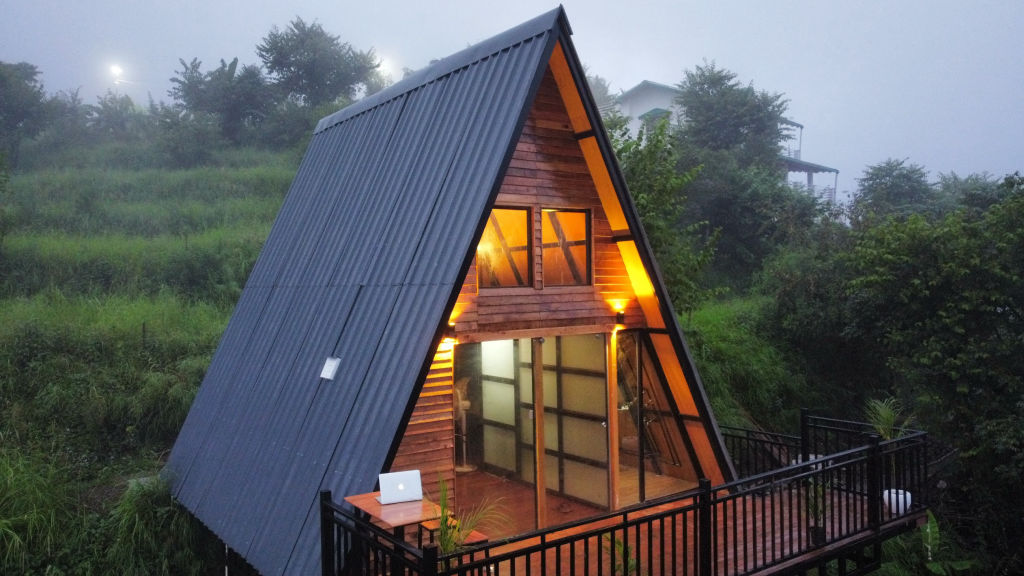
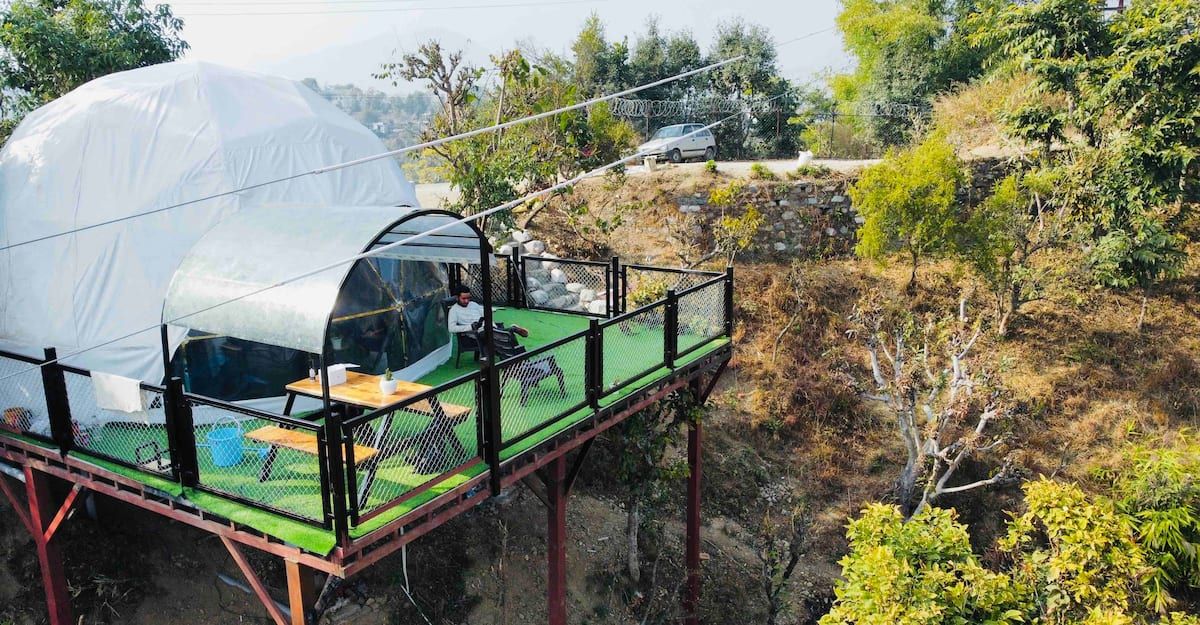
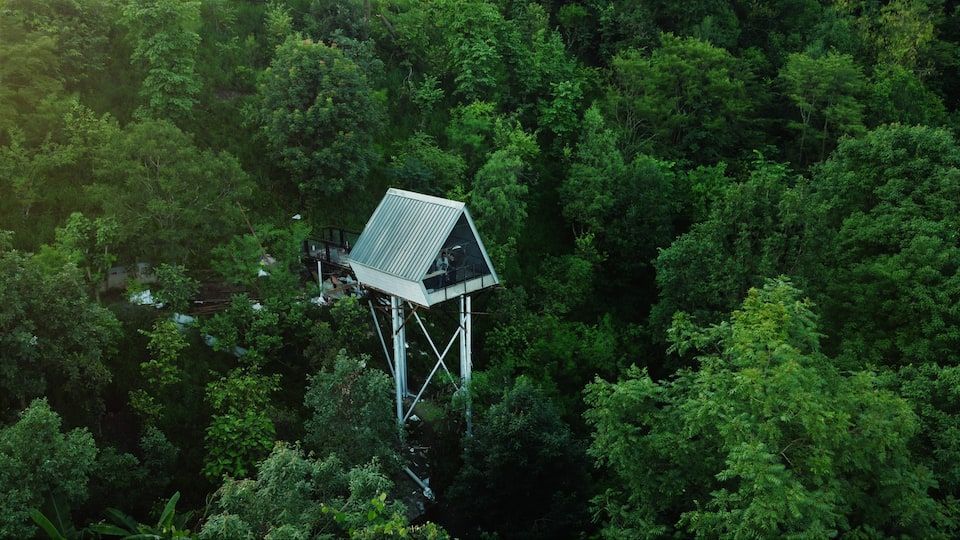
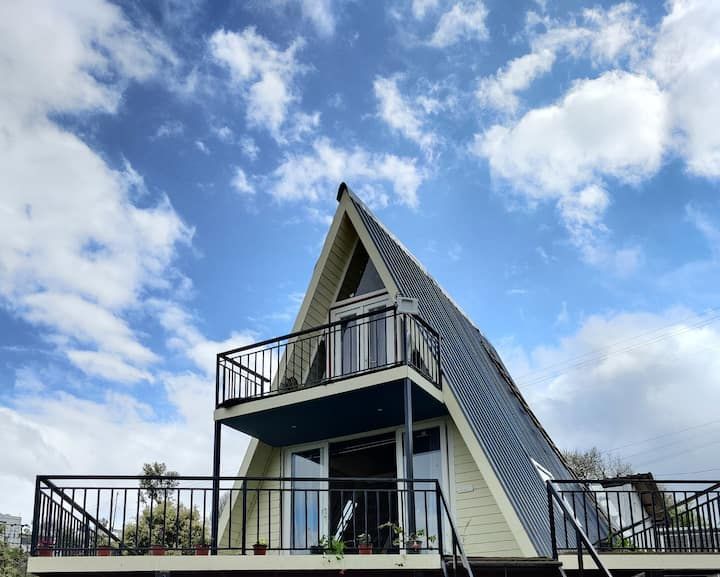
Accommodation around Hairakhan focuses on simplicity, peace, and close proximity to nature. Travellers can choose from spiritual ashram guest facilities, family-run village homestays, and rustic nature retreats along the river valley and nearby foothills. Staying in a homestay allows you to experience warm Kumaoni hospitality and enjoy simple, wholesome local meals prepared with fresh regional produce.
For those who love being outdoors, peaceful campsites along nearby valleys offer the chance to sleep beneath clear Himalayan night skies. You can discover and book verified homestays, nature retreats, and outdoor camps in and around Hairakhan on HireACamp.
Frequently asked questions
What is Hairakhan known for?
Hairakhan is renowned for its tranquil river valley setting along the Gautami Ganga and its spiritual heritage as the home and ashram site of the mystic Haidakhan Babaji.
What is the nearest railway station to Hairakhan?
The nearest major railway station is Kathgodam, which is well connected to Delhi and other prominent Indian cities by regular passenger and express trains.
What natural attractions are close to Hairakhan?
Nearby natural highlights include Malwa Tal, the nine-cornered lake of Naukuchiatal, Bhalugaad Waterfall, and the high Himalayan viewpoint ridge of Mukteshwar.
When is the best time of year to visit Hairakhan?
The most pleasant months to visit are from October to November for clear skies and crisp air, and from March to June for comfortable daytime weather and outdoor walking.
Are there ATMs and digital payment options in Hairakhan?
Banking facilities and digital network connections can be limited in the rural valley, so it is recommended to carry adequate cash from larger towns like Kathgodam or Haldwani.
Where you'll be
12 stays nearby shown with prices
Stays near Hairakhan
Book a place to stay close by
Things to do in Hairakhan
48 places creators recommend within 30 km
Built from 0 Instagram posts by 0 creators. Every tip links back to the post it came from, and where creators disagree we show both sides.






