
Idukki Dam
Dam near Idukki, Kerala
1.1 km from Idukki
The nearest town, for stays, food and fuel.
Idukki Dam is one of the highest double-curvature arch dams in Asia, constructed across the Periyar River between the rugged peaks of Kuravan and Kurathi hills in Kerala. Located in the Western Ghats near Thodupuzha, the massive engineering project forms a vast reservoir surrounded by dense forests and dramatic highland scenery. Travellers visit to witness the sheer scale of the concrete arch and enjoy the cool, tranquil mountain landscape of the high ranges.
Getting there
By road
- From IdukkiNearest town18 min · 5.7 km
- From Kochi2 hr 40 min · 112 km
- From Madurai3 hr 55 min · 176 km
- From Thiruvananthapuram5 hr 40 min · 237 km
Typical drive times without traffic. Stations and airports from OLA Maps; distances and typical drive times from OpenStreetMap (© OpenStreetMap contributors); notes from creators' Reels.
About Idukki Dam
Written with AI from map data and general knowledge. Check prices and timings locally before you go.
About Idukki Dam and Its Engineering
Built across the Periyar River, Idukki Dam is celebrated as one of the tallest double-curvature arch dams in Asia. The structure spans a narrow, dramatic gorge between two colossal granite massifs known locally as Kuravan Mala and Kurathi Mala. Unlike standard gravity dams that rely on their sheer weight to resist the pressure of impounded water, an arch dam utilizes its curved shape to transfer the massive hydrostatic load outward into the natural rock faces of the canyon walls.
Together with the nearby Cheruthoni Dam and Kulamavu Dam, it forms an expansive highland reservoir that supplies water to power a significant portion of Kerala's electricity grid. The project stands as a monumental feat of civil engineering constructed in steep, remote mountain terrain during the latter half of the twentieth century. For visitors, the geometric curve of the concrete barrier rising high above the riverbed provides a remarkable sight against the wild greenery of the Western Ghats.
The Landscape of Kuravan and Kurathi Hills
The terrain surrounding Idukki Dam is defined by steep ridgelines, deep gorges, and dense evergreen forests characteristic of the Periyar river basin. The reservoir itself branches out into numerous narrow inlets and quiet bays that lap against the forested hillsides, creating a peaceful aquatic landscape tucked into the mountains.
Because the reservoir basin is relatively undisturbed, the area serves as an important habitat for indigenous wildlife. Forest corridors in the vicinity are home to Asian elephants, gaur, sambar deer, and a rich variety of highland bird species. During the morning and late afternoon, mist frequently rolls across the water and blankets the granite peaks, creating a cool microclimate that offers a refreshing retreat from the warmer plains below.
Read more
Things to Do at Idukki Dam
Exploring Idukki Dam is largely an open-air sightseeing experience centered on walking, viewpoints, and appreciating the expansive mountain panorama. Walking across the crest of the dam provides sweeping perspectives down into the deep gorge on one side and across the blue expanse of the reservoir on the other. From the dam top, visitors can also view the neighboring Cheruthoni Dam, which serves as the spillway structure for the joint reservoir.
During seasons when pedestrian access across the dam is permitted, electric cart transfers or buggies are often operated along the top, offering a comfortable alternative for visitors who prefer not to walk the full distance. Nearby viewpoints developed along the perimeter roads offer elevated platforms for taking in the full scale of the arch dam set between the two granite mountains. Seasonal boat rides are also occasionally conducted on the reservoir by local authorities, allowing travellers to observe the forested shoreline and rocky outcrops from the water.
Best Time to Visit Idukki Dam
The post-monsoon and winter months from October to March are generally the most rewarding time to plan a trip to Idukki Dam. During this period, the reservoir is full, the surrounding forests are lush and vibrant, and the daytime weather remains pleasant with cool mountain breezes. Clear skies during these months also ensure excellent visibility across the reservoir and the distant peaks.
The southwest monsoon, spanning from June to September, brings intense rainfall to the high ranges. While the monsoon transforms the catchment area into a verdant landscape with swollen streams, heavy showers can make driving through the ghat roads challenging, and access to the dam structure may be limited during periods of high water release. The summer months from April to May are warmer, though still milder than the coastal lowlands, and the receding water levels offer an interesting view of the exposed rock faces and original gorge bed.
How to Reach Idukki Dam
Idukki Dam is situated in central Kerala, with the bustling foothill town of Thodupuzha serving as the primary transit point from the plains. The route from Thodupuzha winds through scenic ghat roads, passing rubber plantations, spice gardens, and cascading streams before climbing into the cooler forest belts of the upper ranges.
Cochin International Airport is the nearest major airport, located approximately three to four hours away by road depending on traffic and driving conditions. The closest major railway junctions are situated at Aluva and Kottayam, both of which offer frequent public bus services and private taxi hires toward the Idukki high ranges. Driving a personal vehicle or hiring a cab provides the greatest flexibility for exploring the winding mountain roads and viewpoints scattered around the reservoir.
Places to Visit Nearby
A visit to Idukki Dam can easily be combined with several natural and cultural landmarks in the surrounding region. Down toward the foothills near Thodupuzha lies Malankara Dam, an irrigation reservoir that features calm waters and peaceful surrounding greenery ideal for a relaxing stop.
Travellers interested in highland viewpoints can travel toward Ilaveezhapoonchira, a lofty windswept plateau known for its rolling grasslands and spectacular sunset views over the lowlands. Further north toward the tea highlands, picturesque spots such as Attukad Waterfalls showcase cascading mountain streams framed by tea gardens. Cultural stops in the region include the historic Sree Annamala Nathar Mahadeva Temple and the ancient St. Mary's Knanaya Catholic Forane Church in Chunkom, offering travellers an engaging mix of local history alongside natural sights.
Tips for Your Visit and Where to Stay
Because Idukki Dam is a critical infrastructure installation, strict security protocols are maintained on and around the structure. Public entry onto the dam top is regulated and may only be opened during specific festival seasons or tourist periods, so it is always sensible to verify current visiting permissions locally before travelling. Personal belongings such as mobile phones, bags, and cameras are often restricted on the dam wall and may need to be stored in secure lockers at the gate.
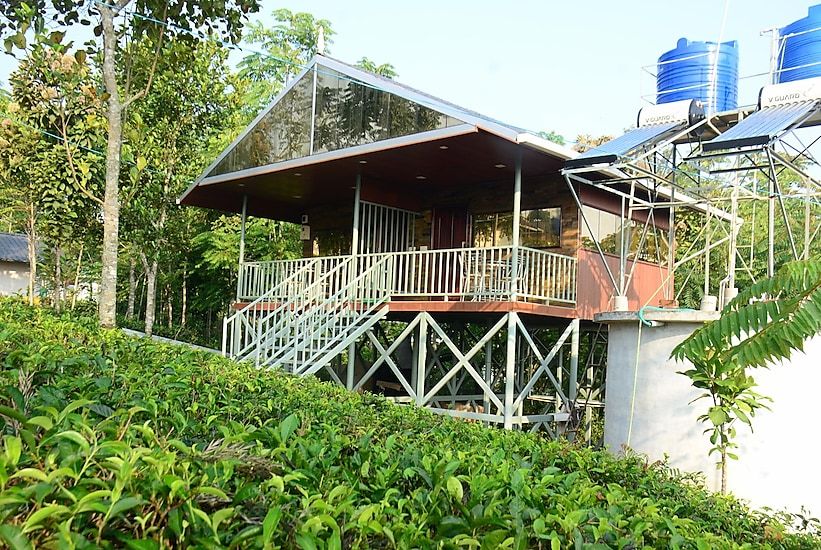
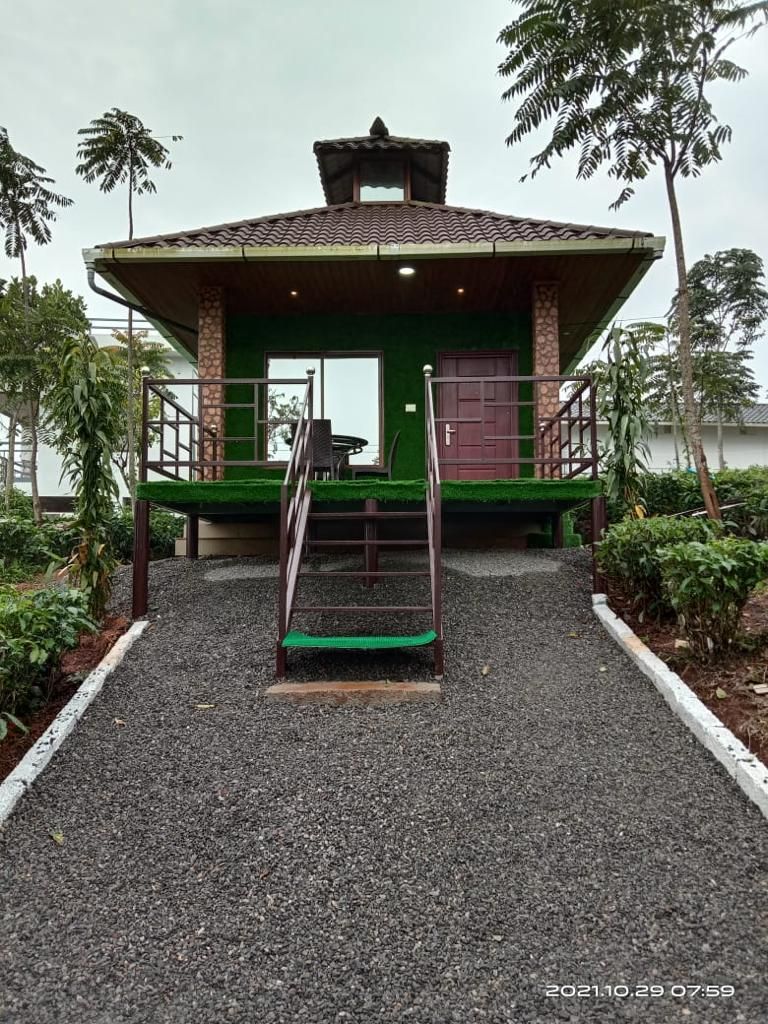
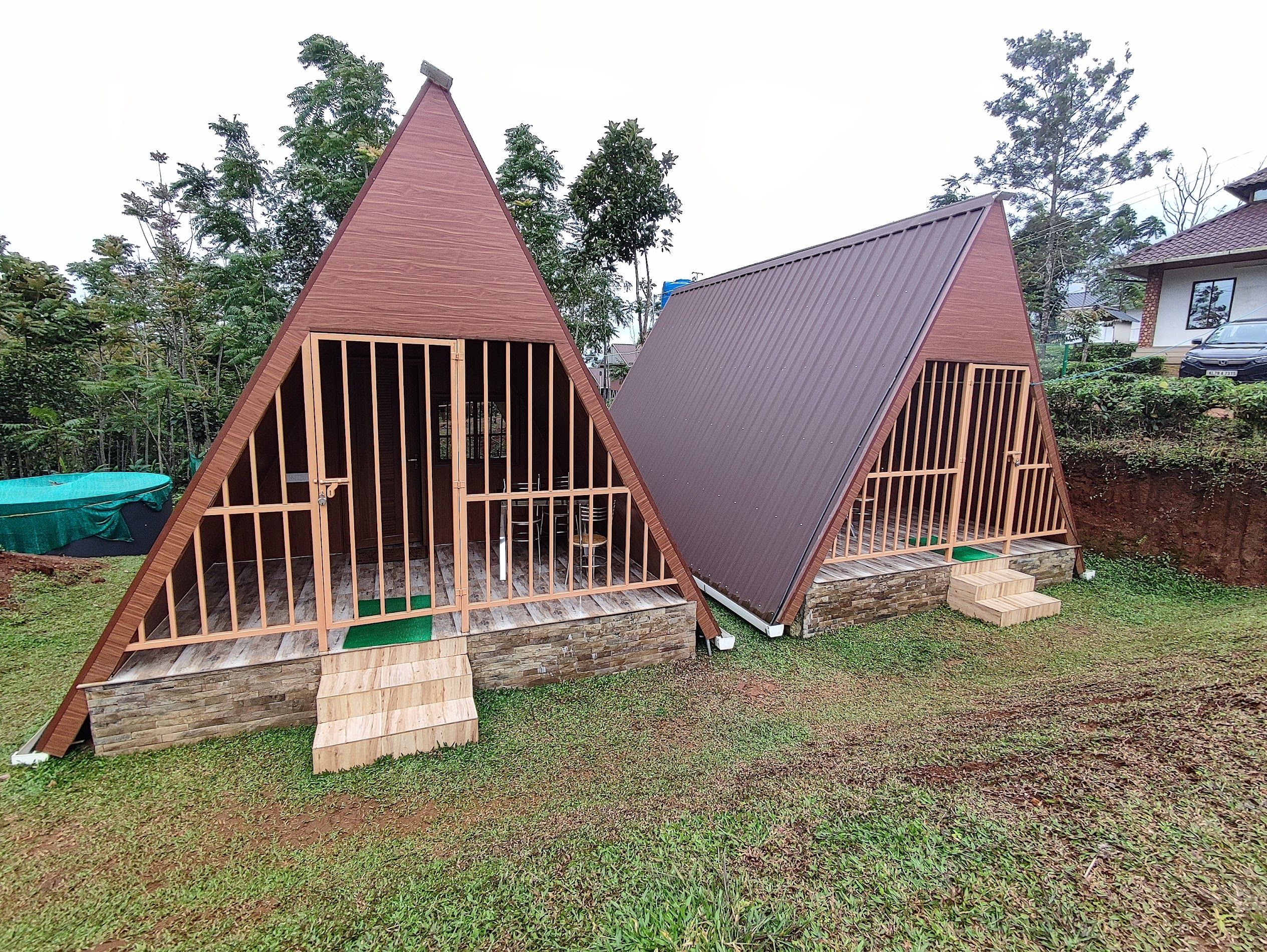
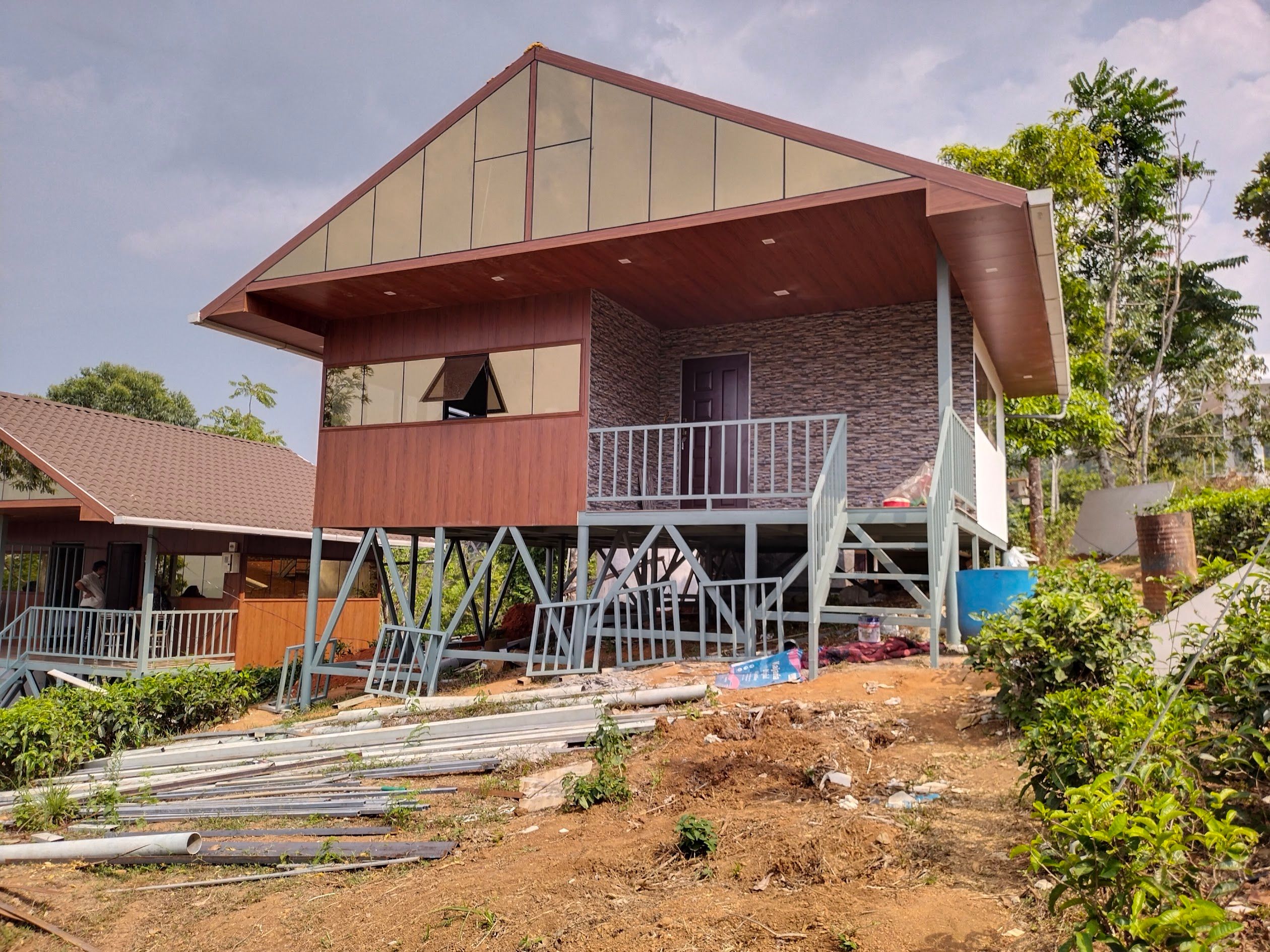
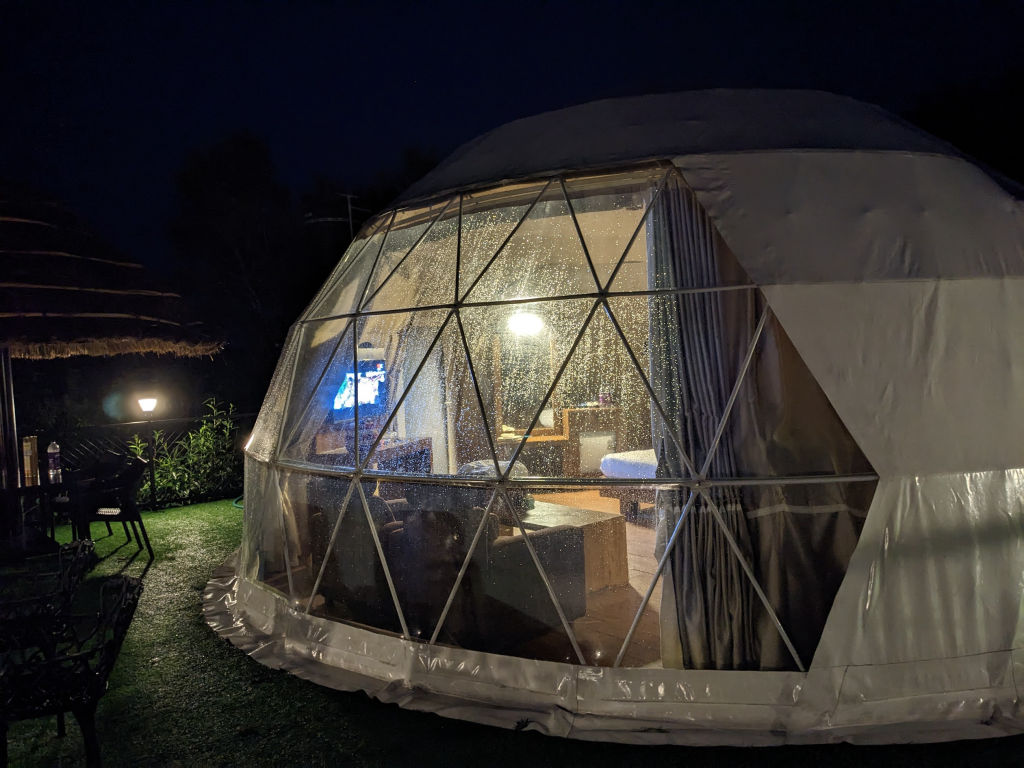
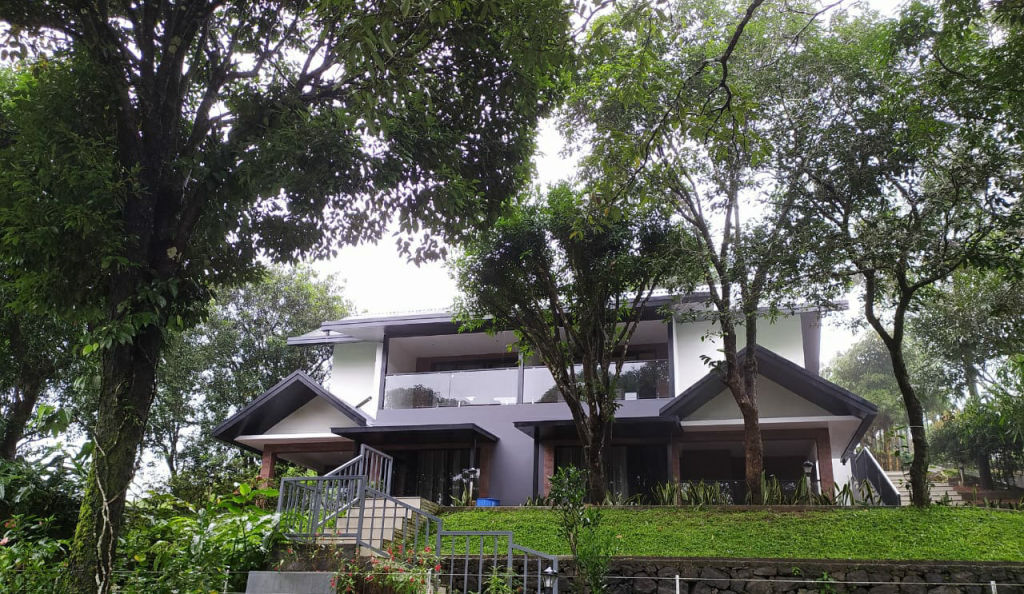
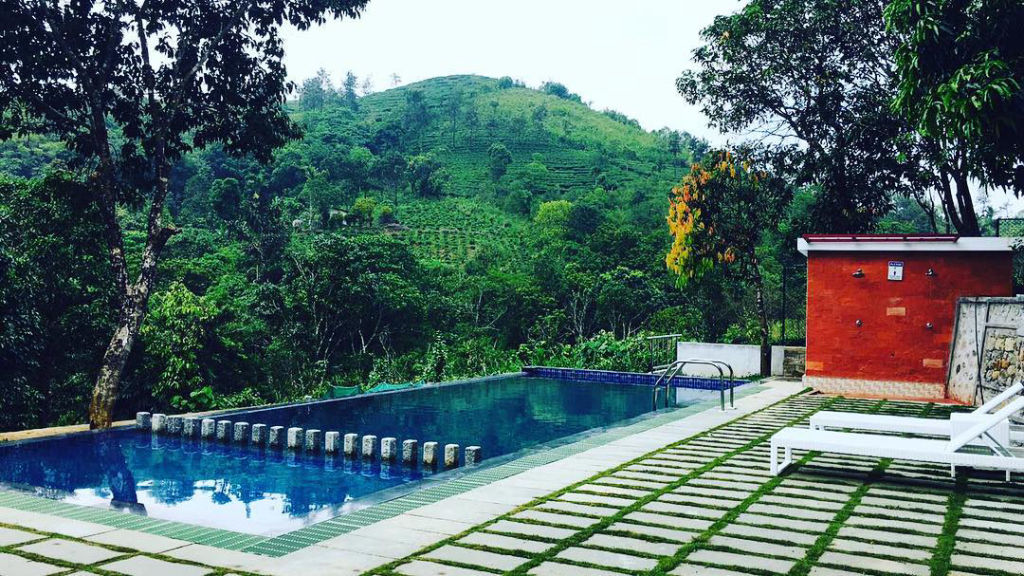
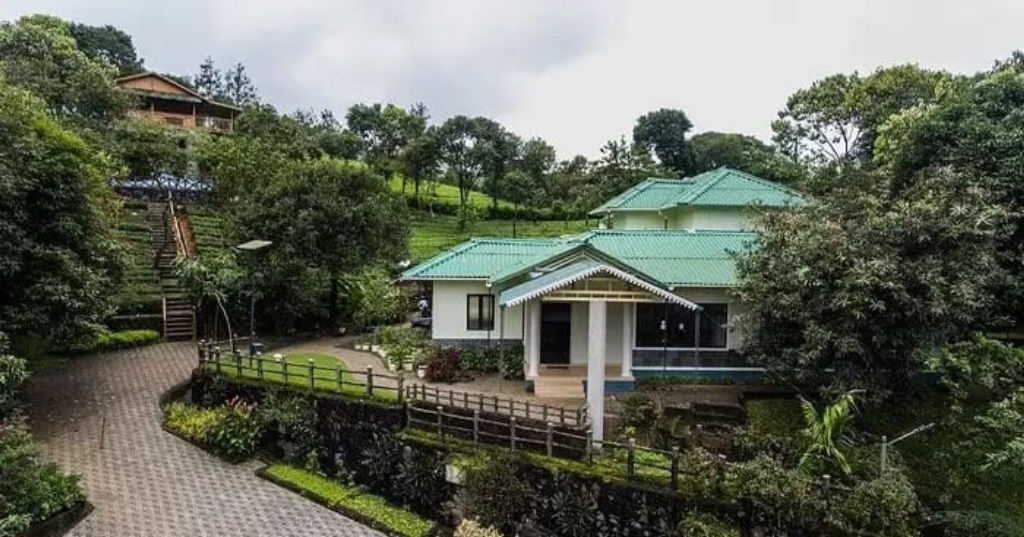
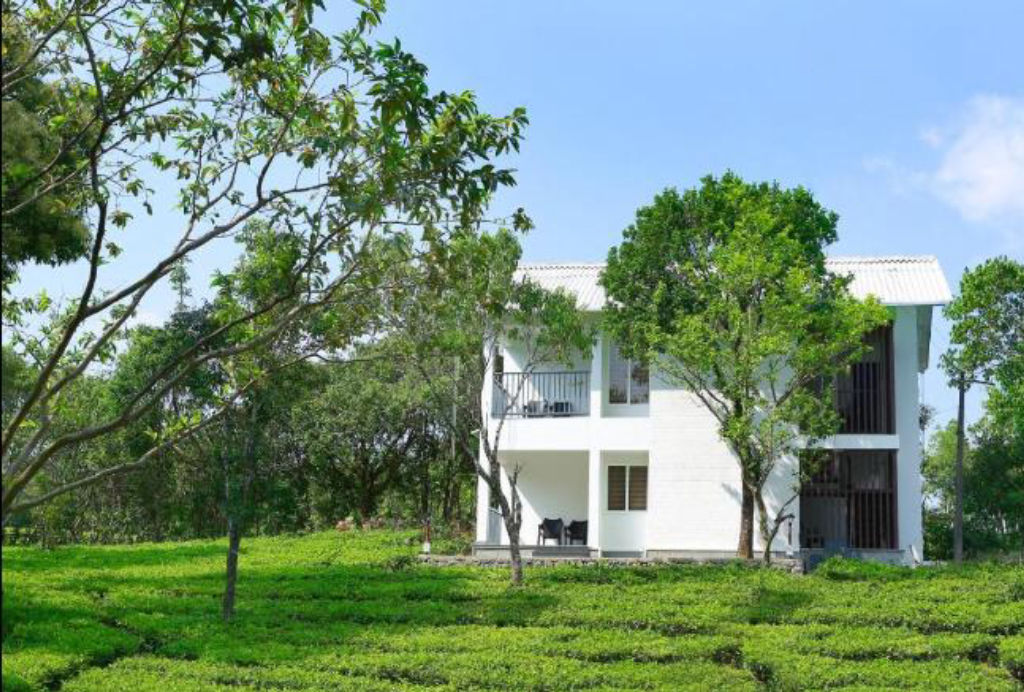
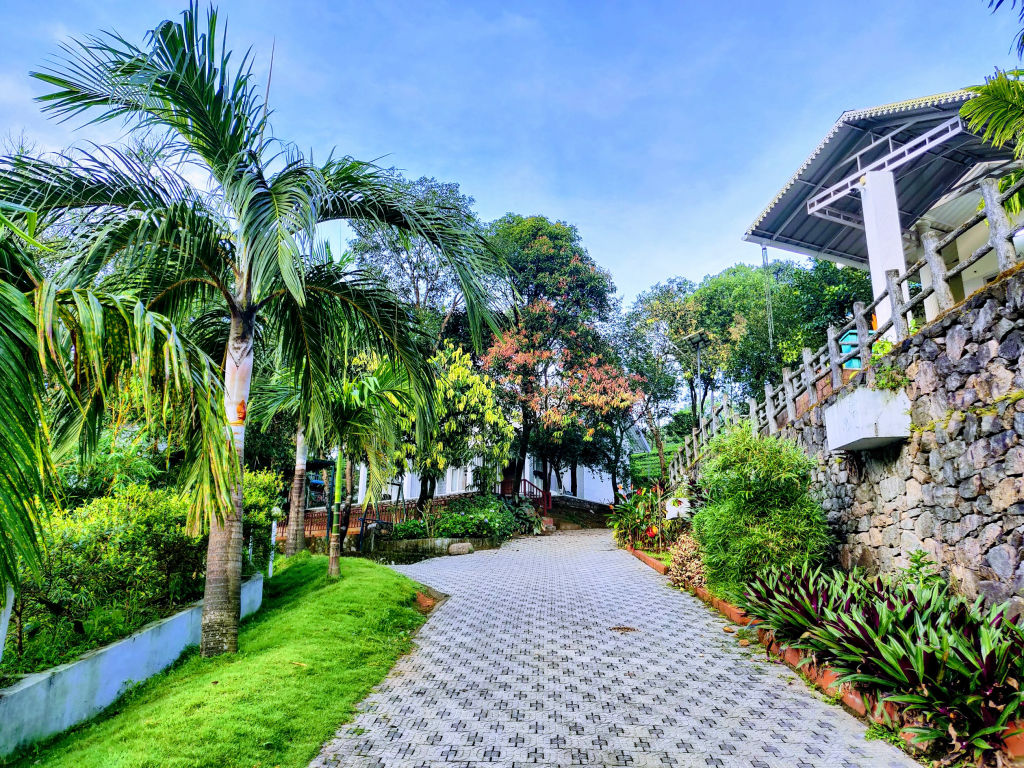
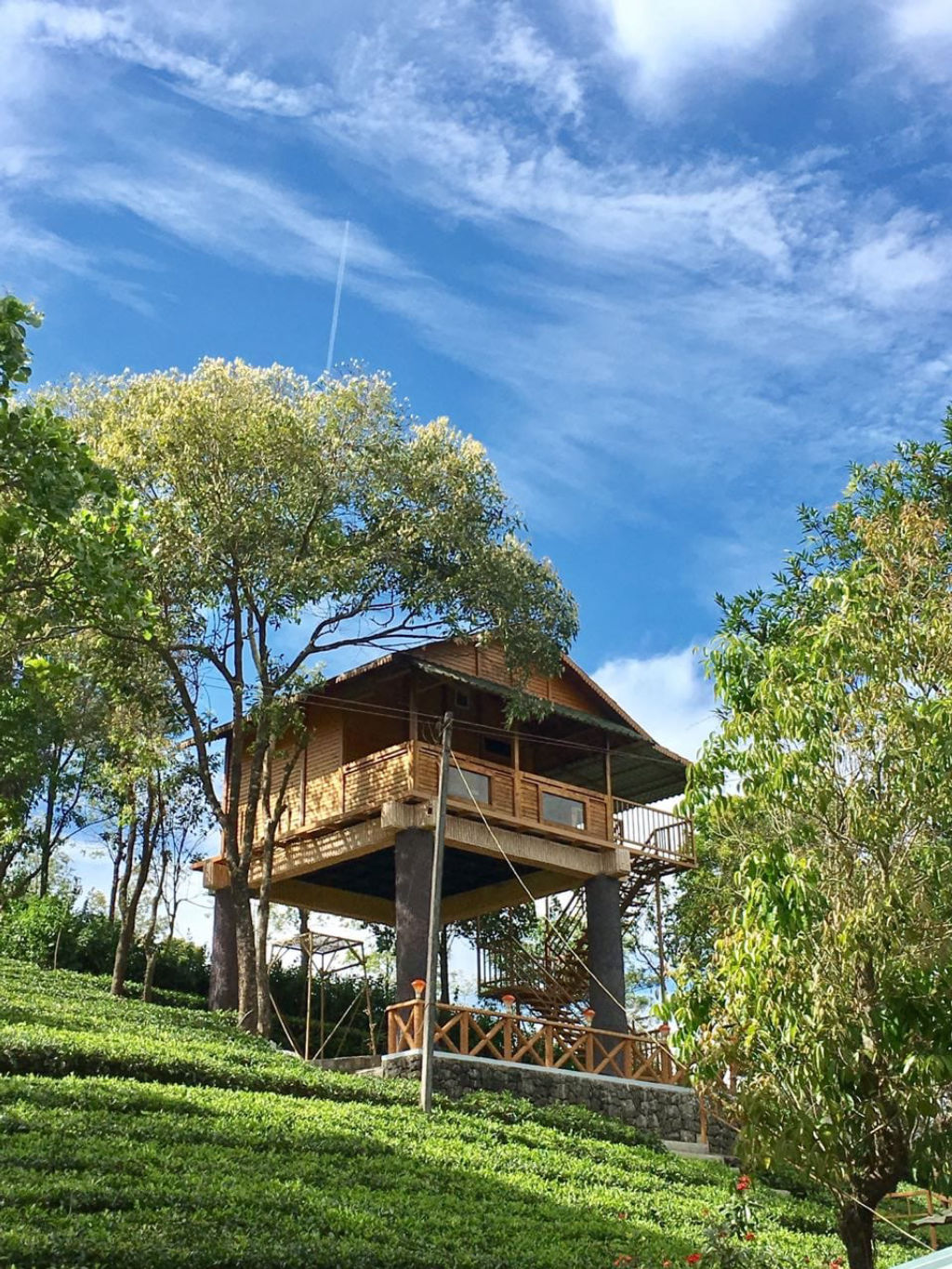
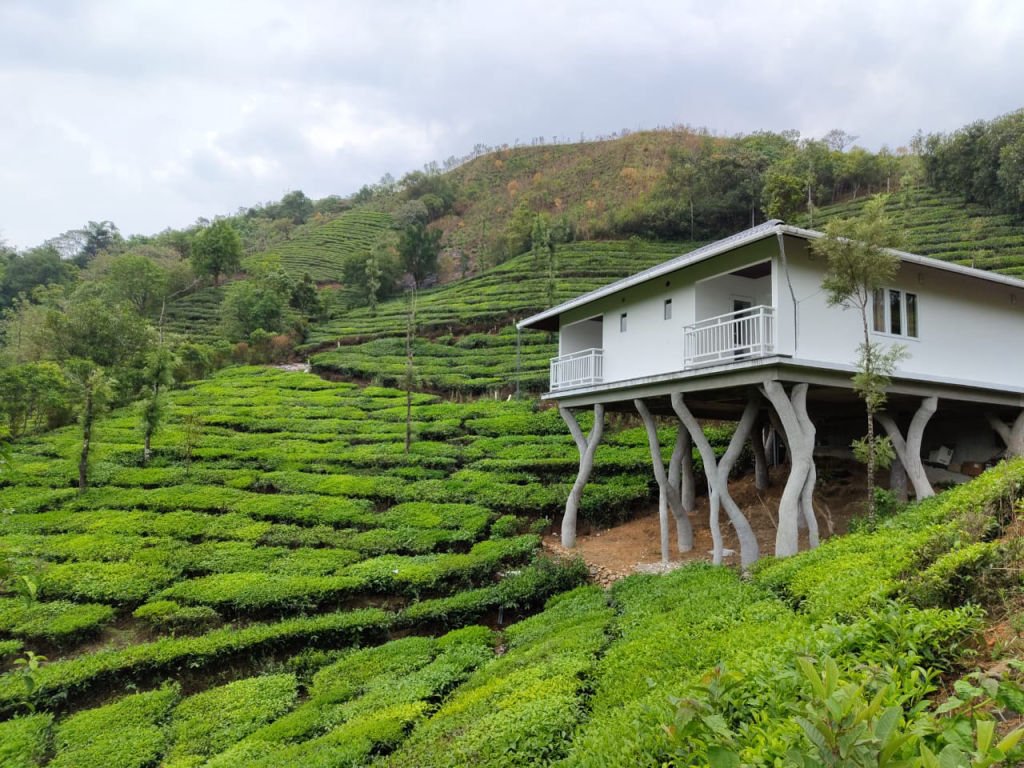
Visitors should wear comfortable walking shoes and carry adequate sun protection, as the walk along the dam provides little overhead shade. When planning an overnight stay, the hill country around Idukki and Thodupuzha offers a variety of nature camps, rustic cottages, and plantation homestays that can be booked through HireACamp to experience the tranquility of the Western Ghats.
Frequently asked questions
What is unique about the design of Idukki Dam?
Idukki Dam is one of the tallest double-curvature arch dams in Asia. Its curved concrete design transfers the immense pressure of the impounded reservoir water outward into the natural granite abutments of Kuravan and Kurathi hills.
Is Idukki Dam open to tourists throughout the year?
Public entry onto the dam wall is subject to security regulations and is typically permitted only during designated holiday periods and tourism seasons. Visitors should check locally with tourism authorities or district administrative updates before planning their trip.
What is the nearest town to Idukki Dam?
Thodupuzha is the nearest major town and serves as the main commercial and transit gateway for travellers climbing up into the high ranges toward Idukki Dam.
Are cameras and mobile phones allowed on Idukki Dam?
Security regulations often prohibit mobile phones, cameras, and large bags on the dam crest itself. Visitors are generally required to deposit these items at official security counters near the entry gate before proceeding onto the walkway.
What is the best season to visit the dam area?
The post-monsoon and winter months from October to March offer the best conditions, featuring full reservoir levels, lush green landscapes, and comfortable temperatures for sightseeing.
Where you'll be
Idukki, Thodupuzha · 12 stays nearby shown with prices
Stays near Idukki Dam
Book a place to stay close by
More places near Idukki Dam
Within 20 km


Built from 0 Instagram posts by 0 creators. Every tip links back to the post it came from, and where creators disagree we show both sides.






