
Indian Institute of Advanced Study
Heritage & Culture near Jutogh, Himachal Pradesh
5.1 km from Jutogh
The nearest town, for stays, food and fuel.
The Indian Institute of Advanced Study is a premier residential research centre housed within the historic Viceregal Lodge on Observatory Hill in Shimla, Himachal Pradesh. Set amidst centuries-old deodars and manicured lawns, the estate stands as one of northern India's most prominent architectural monuments. Travellers visit to explore its rich political heritage, admire its Victorian-era craftsmanship, and enjoy tranquil walks through its high-altitude gardens.
Getting there
By road
- From JutoghNearest town19 min · 15 km
- From Chandigarh2 hr 30 min · 114 km
- From Ludhiana4 hr 30 min · 220 km
- From Dehradun4 hr 35 min · 230 km
Typical drive times without traffic. Stations and airports from OLA Maps; distances and typical drive times from OpenStreetMap (© OpenStreetMap contributors); notes from creators' Reels.
About Indian Institute of Advanced Study
Written with AI from map data and general knowledge. Check prices and timings locally before you go.
History of the Indian Institute of Advanced Study
The Indian Institute of Advanced Study occupies what was once known as the Viceregal Lodge. Built during the late nineteenth century under the direction of Lord Dufferin, the estate served as the official summer residence of the British Viceroy of India when Shimla functioned as the summer capital of the empire. Over several decades, the estate was the venue for critical political deliberations, including the Shimla Conference of 1945 and the historic discussions that eventually led to the partition of the subcontinent and the independence of India and Pakistan.
Following Indian independence, the grand estate was renamed Rashtrapati Niwas and functioned as a presidential retreat. In the early 1960s, President Dr. Sarvepalli Radhakrishnan envisioned transforming the building into a national sanctuary for intellectual inquiry and post-doctoral research in the humanities, social sciences, and natural philosophy. In 1965, the Indian Institute of Advanced Study was formally inaugurated. Today, while resident scholars pursue interdisciplinary research in its libraries and offices, parts of the building and its extensive gardens remain open to travellers interested in history and heritage.
Architecture and grounds of the Viceregal Lodge
The main building is an imposing example of the Jacobethan and English Renaissance architectural styles, designed by the British architect Henry Irwin. Constructed out of grey local sandstone quarried from the surrounding hills, it features gabled roofs, prominent chimneys, parapets, and stately mullioned windows. The building was remarkably advanced for its time, incorporating an independent electric system, fire-fighting systems, and hydraulic water setups when modern infrastructure was rare across the Himalayas.
Inside, the interiors are finished in richly carved teak woodwork imported from Burma and complemented by polished cedar panelling. High ceilings, grand staircases, and historic drawing rooms preserve the aesthetic of the colonial era. The library, established in the historic ballroom, houses a vast collection of academic texts and rare manuscripts. As you walk through the guided portions of the interior, historic photographs and plaques outline the key political meetings that unfolded in these very rooms.
Read more
The gardens and Observatory Hill landscape
Perched on Observatory Hill, the Indian Institute of Advanced Study is surrounded by broad terraces, manicured floral gardens, and old stands of Himalayan cedar, pine, and oak. The grounds are carefully cultivated with seasonal flowers, native shrubs, and traditional English rose beds that flourish during the warmer months.
Walking along the perimeter paths offers commanding views across the Shimla ridge and distant Himalayan ridgelines. Because vehicular access is restricted within the immediate grounds, the estate is peaceful and quiet compared to the bustling town centre. Travellers often spend unhurried hours exploring the grassy knolls, admiring the botanical variety, and photographing the stone facade against towering forest canopies.
Best time to visit
The estate can be visited throughout the year, with each season presenting a different atmosphere. Spring and summer, stretching from March to June, bring comfortable daytime temperatures, lush greenery, and vibrant flower beds across the lawns. This is the most popular time for walking through the gardens and exploring the interiors without dealing with intense mountain chill.
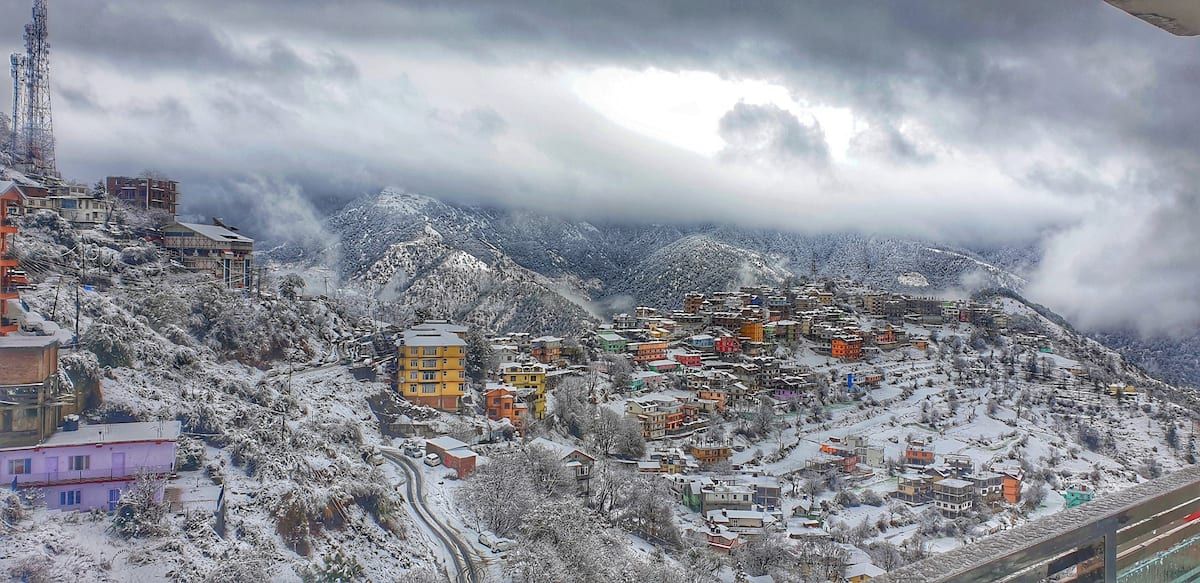
The monsoon months of July and August envelop the hill in shifting mists and dramatic clouds, lending the old stone structure a moody, atmospheric charm. The grounds turn vivid green, though walking outside requires an umbrella and reliable footwear. Autumn, spanning September to November, brings crystal-clear blue skies, crisp mountain air, and outstanding panoramic visibility of the surrounding hills. Winter brings a drop in temperature from December through February, with frosted lawns and occasional snowfall that covers the gables and deodars in white.
How to reach the Indian Institute of Advanced Study
The institute is located on Observatory Hill in the western quarter of Shimla, roughly a few kilometres from the historic town centre. Shimla is accessible by road from major northern cities such as Chandigarh and New Delhi via national highways. Travellers arriving by train can journey to Kalka railway station and take the historic mountain railway up to Shimla, enjoying scenic transit through the Shivalik foothills.
Once in Shimla, travellers can reach the institute by hiring local taxis, using local bus routes heading towards Summer Hill, or enjoying a brisk uphill walk along the winding ridge road. Because parking close to the gates can be limited during peak travel seasons, check local transport options before setting out.
Tips for your visit
Because the institute functions as an active academic centre, visitors must stay within designated public paths and follow all posted guidelines. Guided tours are typically conducted for small groups to see the accessible interior galleries; check on-site upon arrival for tour times and entry protocols.
Photography is generally permitted throughout the outdoor gardens and exterior grounds, but interior photography may be restricted to preserve historical items and respect ongoing academic work. Wear comfortable walking shoes, as exploring the terraced lawns and stone pathways involves gradual inclines. Even during mild months, bringing a light jacket is wise, as shade under the thick deodar canopies can feel noticeably cool.
Places to explore nearby
Shimla offers several cultural and scenic landmarks within easy reach of Observatory Hill. Central landmarks like The Ridge and the historic neo-Gothic Christ Church serve as the traditional heart of town, located within a short distance eastward. Strolling through the vibrant lanes of Lower Bazaar provides an authentic look at local commerce, traditional hill food, and daily life.
Nature enthusiasts can take day journeys further afield into the surrounding pine belts, venturing out towards peaceful viewpoints and traditional temples situated in neighboring towns and hamlets. Walking routes connecting Summer Hill to central Shimla provide plenty of woodland scenery along shaded forest paths.
Where to stay
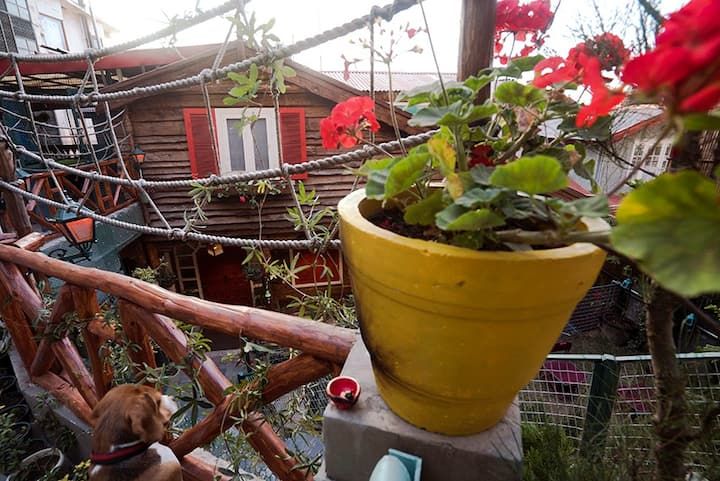
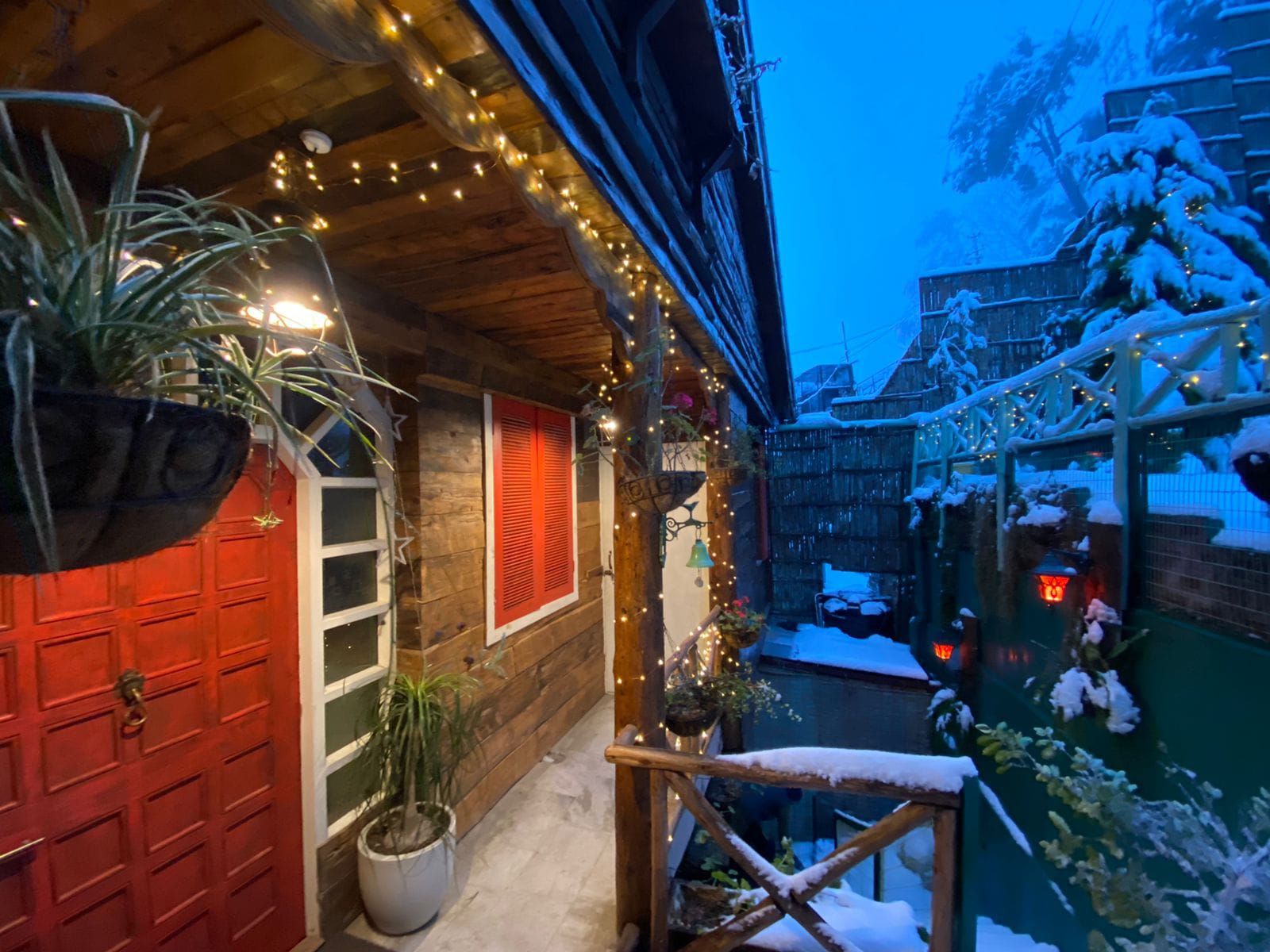
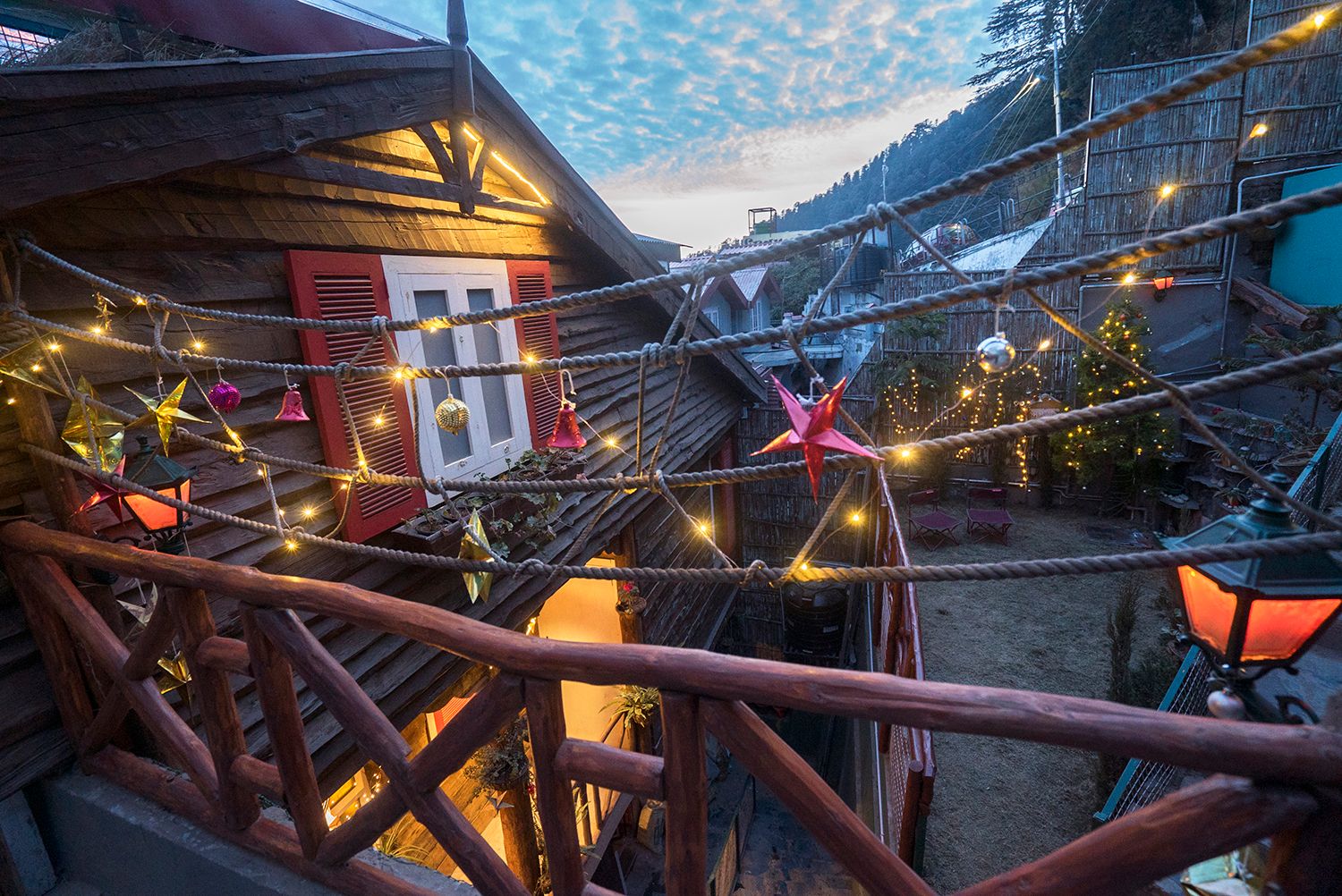
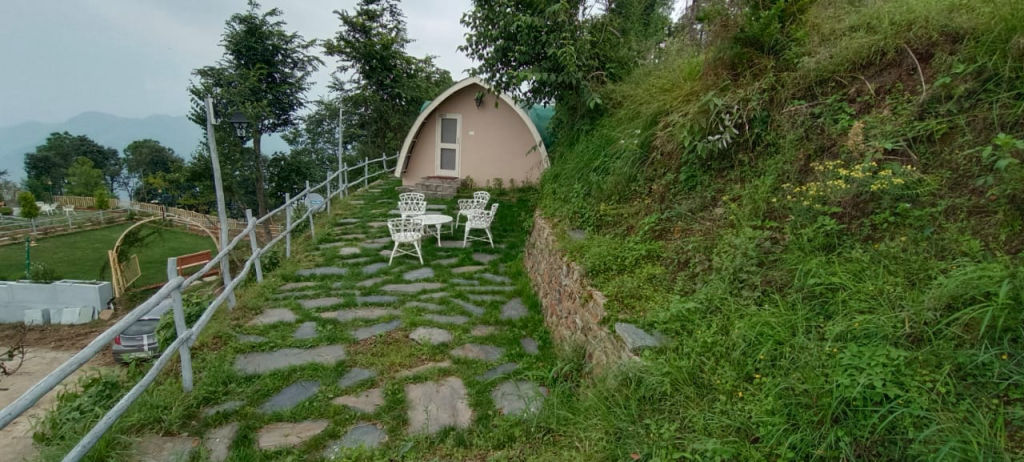
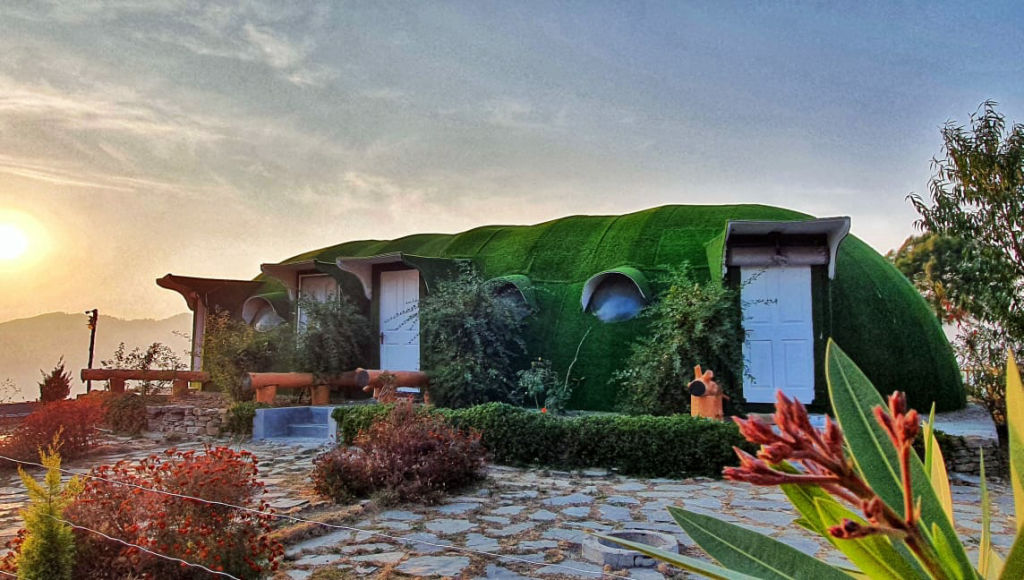
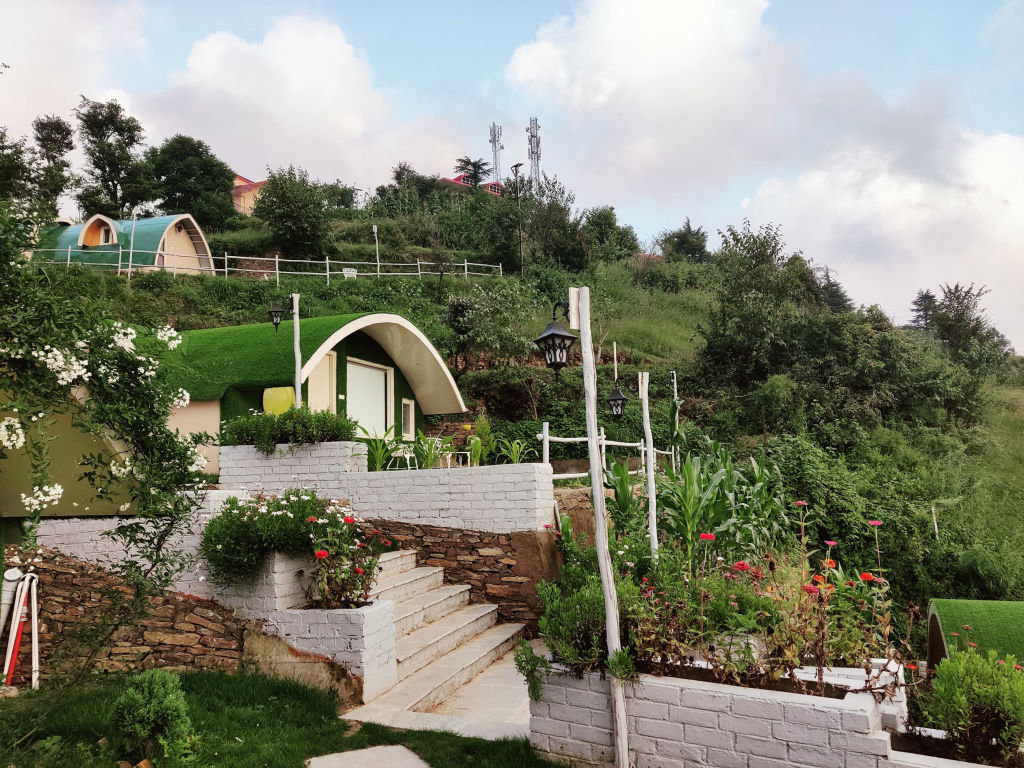
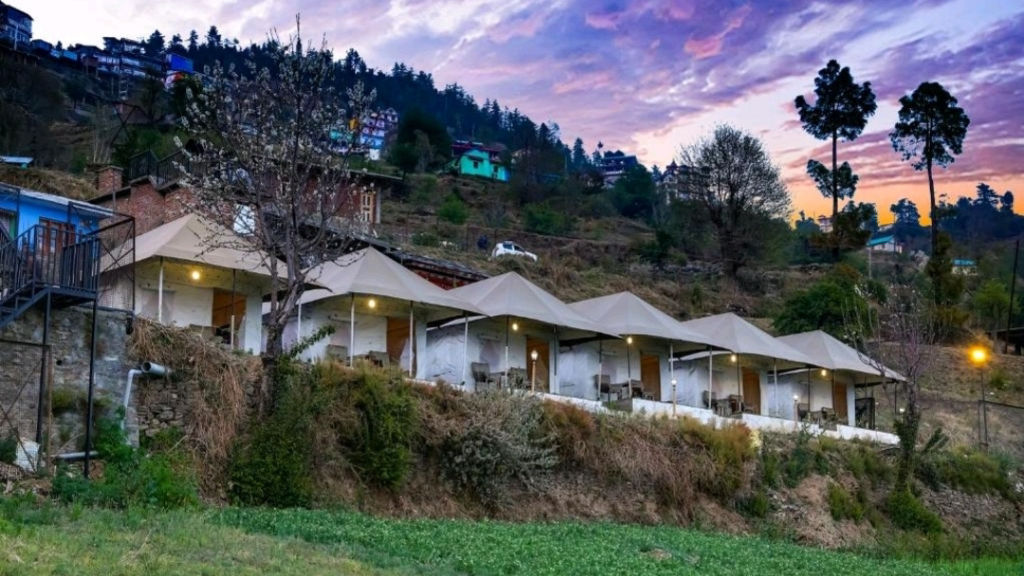
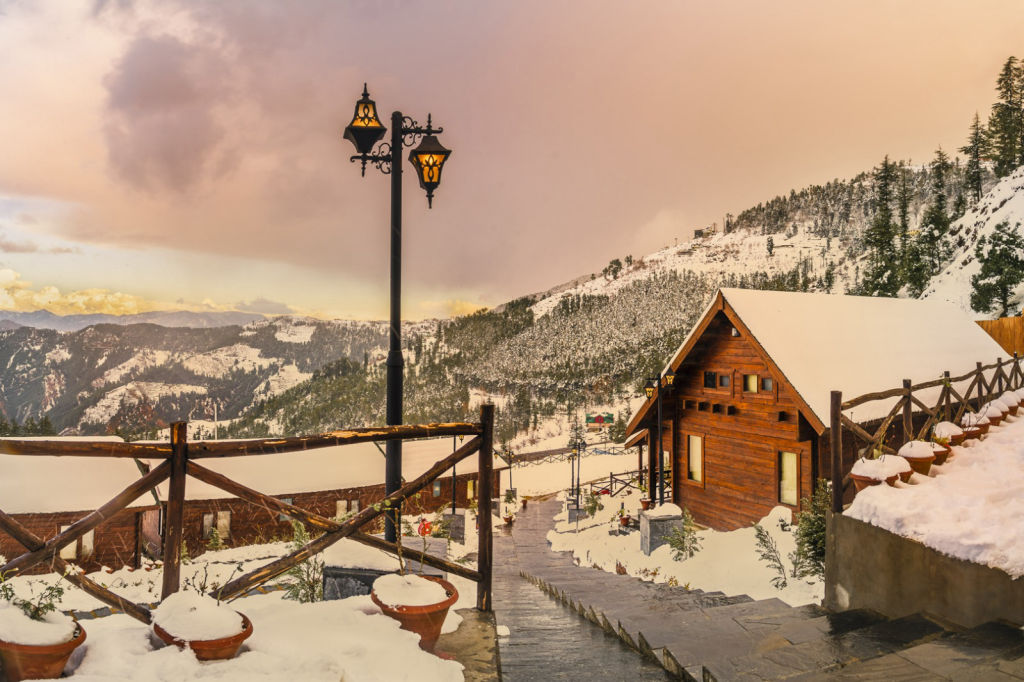
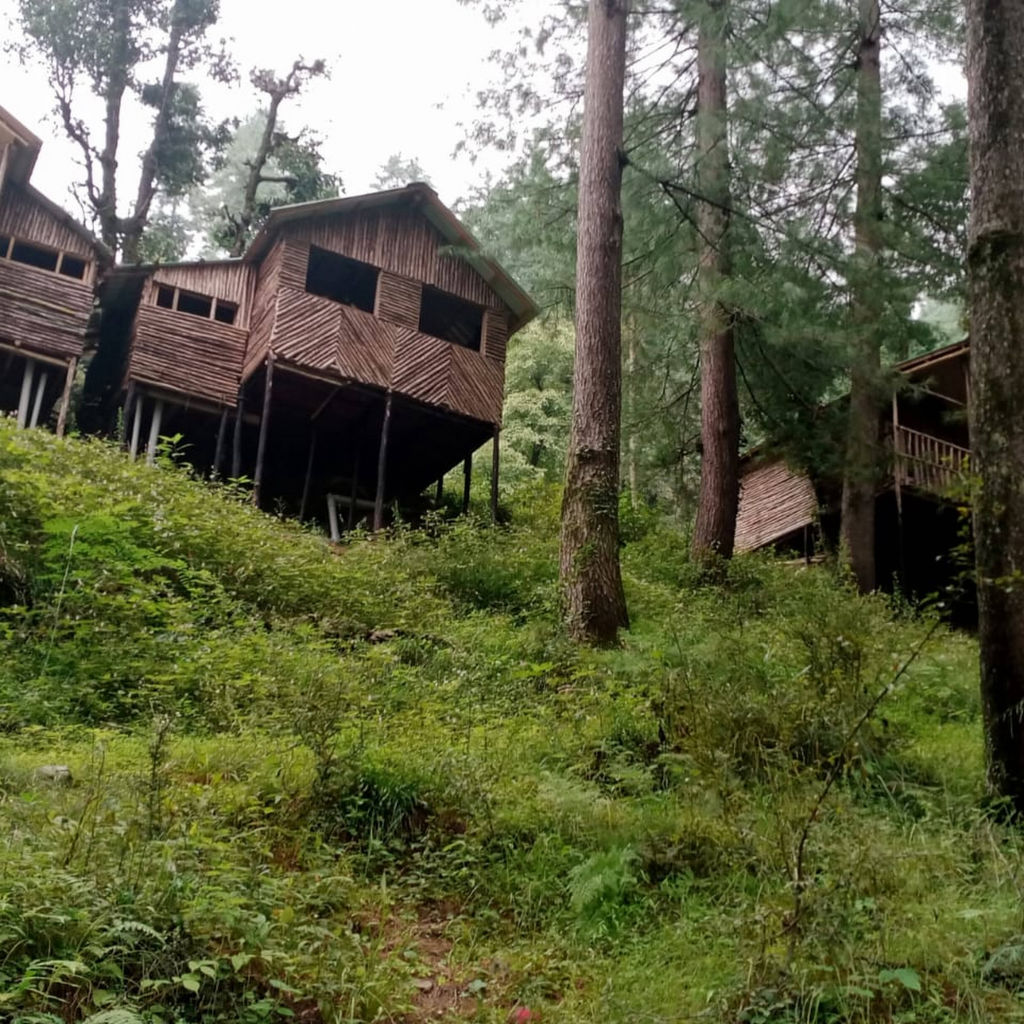
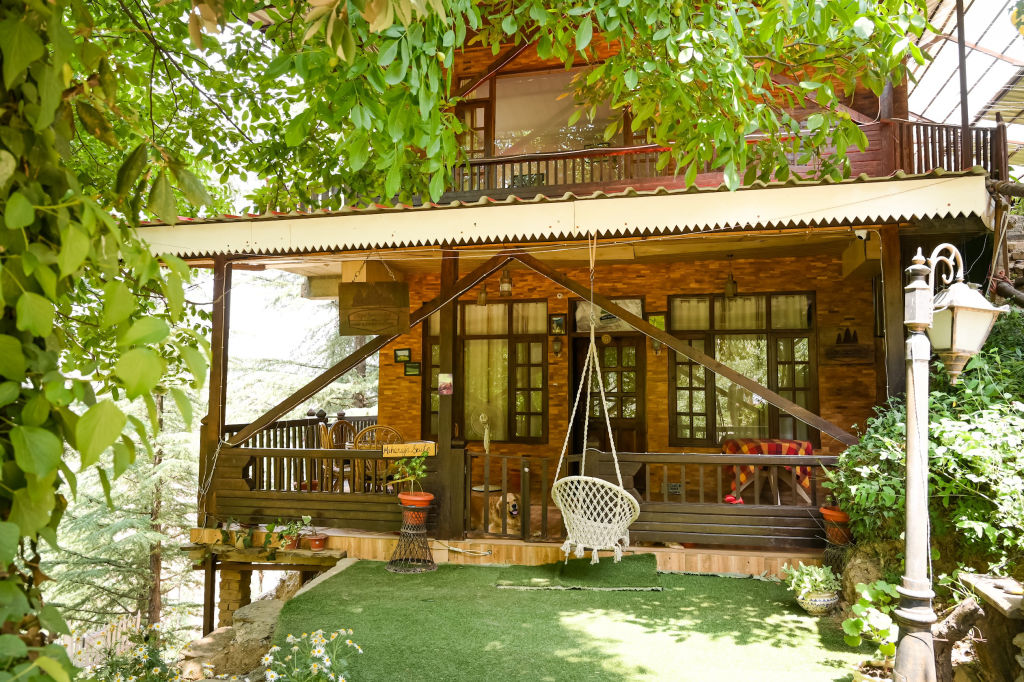
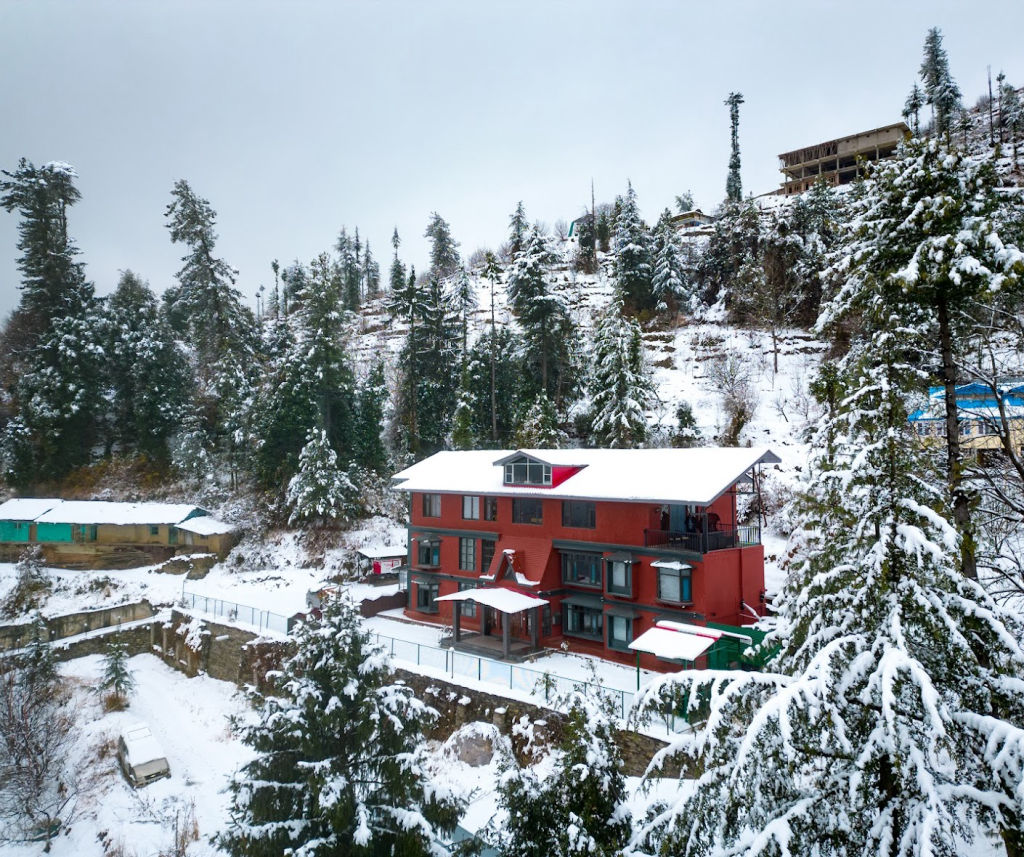
Travellers visiting Shimla have a diverse range of accommodation options, ranging from heritage homestays tucked into residential apple orchards to tranquil hillside cottages outside the town bustle. For those wanting an immersive outdoor experience close to nature, camping sites and eco-retreats in the surrounding pine valleys offer crisp mountain air and starlit nights. You can browse and book unique homestays, cottages, and outdoor camps across Shimla on HireACamp.
Frequently asked questions
What was the Indian Institute of Advanced Study used for originally?
The building was originally constructed as the Viceregal Lodge, serving as the summer residence of the British Viceroy during colonial rule. It later became a presidential retreat known as Rashtrapati Niwas before being dedicated to research in 1965.
Can tourists enter the main building of the institute?
Yes, designated historic wings and exhibition rooms of the main building are accessible to visitors via guided tours. Travellers should check locally on arrival for current tour schedules and guidelines.
Is photography allowed inside the Indian Institute of Advanced Study?
While photography of the exterior building and the extensive gardens is widely enjoyed, photography inside the historic rooms and library is typically restricted to safeguard delicate interiors and maintain an academic atmosphere.
How much time is needed to visit the estate?
Most visitors spend between one to two hours exploring the interior exhibition rooms and wandering through the surrounding lawns, terraces, and garden pathways.
Where you'll be
Shimla · 12 stays nearby shown with prices
Stays near Indian Institute of Advanced Study
Book a place to stay close by
More places near Indian Institute of Advanced Study
Within 20 km


Lists for this area
Ranked by how many creators recommend each place


Built from 0 Instagram posts by 0 creators. Every tip links back to the post it came from, and where creators disagree we show both sides.






