
Jain Temple
Temple near Sultan Bathery, Kerala
700 m from Sultan Bathery
The nearest town, for stays, food and fuel.
The Jain Temple in Sulthan Bathery is an ancient granite shrine that stands as one of the most significant historical monuments in Wayanad, Kerala. Built around the thirteenth century, the temple showcases classical Vijayanagara architectural influences and later served as an ammunition battery for Tipu Sultan's army. Travellers visit this protected site to admire its carved stone pillars, peaceful courtyard, and layered historical heritage.
Getting there
By road
- From Sultan BatheryNearest town1 min · 800 m
- From Mysuru2 hr 25 min · 115 km
- From Coimbatore4 hr 25 min · 195 km
- From Bengaluru4 hr 40 min · 265 km
Typical drive times without traffic. Stations and airports from OLA Maps; distances and typical drive times from OpenStreetMap (© OpenStreetMap contributors); notes from creators' Reels.
About Jain Temple
Written with AI from map data and general knowledge. Check prices and timings locally before you go.
History of the Jain Temple at Sulthan Bathery
The Jain Temple in Sulthan Bathery traces its origins to the thirteenth century, a time when Jain merchants and settlers migrated across the Deccan plateau into the forested highlands of Wayanad. Originally dedicated to Jain Tirthankaras, the temple served as a bustling spiritual and cultural centre along early trade corridors linking Karnataka and northern Kerala. Over the centuries, it witnessed the rise and fall of various regional dynasties, remaining an enduring sanctuary amidst the changing highland landscape.
In the late eighteenth century, the site acquired an unexpected chapter in its history during the Anglo-Mysore Wars. The ruler of Mysore, Tipu Sultan, utilized the solid stone structure as an ordnance depot and battery to store arms and ammunition for his military campaigns across the Malabar region. This military association transformed the town's earlier name, Ganapathivattom, into Sultan's Battery, later anglicized and localized as Sulthan Bathery. Today, the monument is preserved under archaeological care, standing as a quiet testament to both spiritual devotion and military history.
Architecture and Layout of the Temple
The temple is constructed entirely out of heavy granite slabs, demonstrating the restraint and structural mastery characteristic of Vijayanagara and late Hoysala architectural traditions. Elevated on an unadorned stone plinth, the complex consists of an open entrance pavilion, an inner assembly hall supported by rows of square pillars, and an inner sanctum. The monolithic pillars are carved with subtle bas-relief motifs depicting floral designs, dancers, geometric symbols, and Jain iconography.
Walking through the pillared hall reveals the deliberate simplicity of the interior, designed to remain cool and dim even during bright tropical afternoons. The sanctum, once home to the primary idol, is framed by stone lintels bearing faint traces of historic carvings. Behind the main hall sits a secondary chamber that is believed to have provided secure shelter and storage during troubled eras. The open green grounds surrounding the temple provide ample breathing room to step back and study the masonry, joints, and stone roof slabs that have endured centuries of monsoon rains.
Read more
Best Time to Visit Sulthan Bathery
Because Sulthan Bathery sits on the Wayanad plateau roughly a thousand metres above sea level, the climate remains relatively moderate compared to the coastal plains of Kerala. The post-monsoon and winter months from October to February offer the most comfortable weather for exploring the temple. During this period, the days are bright and clear, while evenings bring a cool highland chill that makes walking around the stone complex pleasant.
The summer months between March and May bring warmer conditions during mid-day, though morning and evening hours remain suitable for sightseeing. The southwest monsoon arrives in June and continues through September, blanketing the region in heavy rainfall and washing the granite structures in deep grey tones. Visiting during the rains offers lush scenery, but you should carry an umbrella and step carefully on damp outdoor stones that can become slick.
How to Reach the Jain Temple
The Jain Temple is situated directly along the Bangalore-Calicut Highway within the town boundaries of Sulthan Bathery, making it one of the most accessible heritage sites in Wayanad. Regular state-run and private buses operate frequently through Sulthan Bathery, connecting it to major transit hubs across Kerala, Karnataka, and Tamil Nadu.
For those travelling by air, the nearest airport is Calicut International Airport at Kozhikode, from where you can take a bus or hire a taxi up the Thamarassery ghat pass. If you are arriving by train, Kozhikode Railway Station and Mysore Junction serve as convenient rail connections. Travellers driving from Bengaluru or Mysuru pass through forested routes and cross the state border into Wayanad, reaching the temple shortly after entering the town.
Tips for Your Visit to the Jain Temple
As the Jain Temple is a designated heritage monument and sacred space, visitors are expected to maintain quiet and decorum throughout the premises. You will need to remove your footwear before stepping onto the stone platforms and interior halls, so wearing shoes that slip on and off easily is helpful. On sunny days, the exposed stone flooring outside can warm up quickly by noon, making early morning or late afternoon visits far more comfortable.
Photography of the architecture and grounds is generally permitted, though you should avoid using tripods or disturbing other visitors who may be meditating or resting on the steps. There are no facilities such as baggage counters within the immediate sanctum, so keep your personal belongings light and carry a refillable water bottle to stay hydrated during your walk. Always verify the current opening hours and visitor regulations locally before planning your itinerary.
Places to Visit Nearby
Sulthan Bathery is ideally placed for exploring cultural ruins, viewpoints, and nature reserves across eastern Wayanad. A short journey away lie the ruins of Veliyambam Kotta Temple and the historic Jain Temple at Panamaram, both of which offer further insight into the medieval Jain and Hindu heritage of the valley. Those interested in local legends can also visit the Sree Seetha Devi Temple, located amidst scenic rural backdrops.
For travellers drawn to forest landscapes and wildlife, Sulthan Bathery borders large protected tracts. Bandipur National Park across the Karnataka border and Mudumalai Tiger Reserve in Tamil Nadu are accessible by road, providing opportunities to spot wild elephants, deer, and diverse bird species along forested highway corridors. Closer to town, seasonal cascades like Chethalayam Falls and scenic ridges like Needle Rock View Point provide refreshing breaks in nature.
Where to Stay near Sulthan Bathery
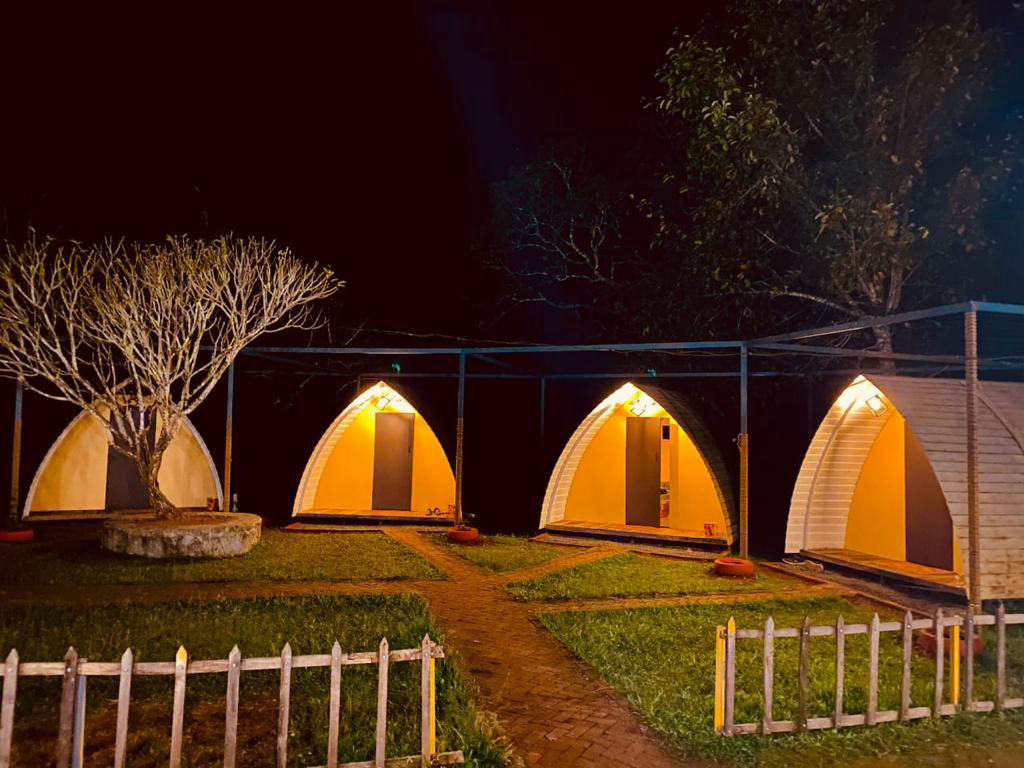
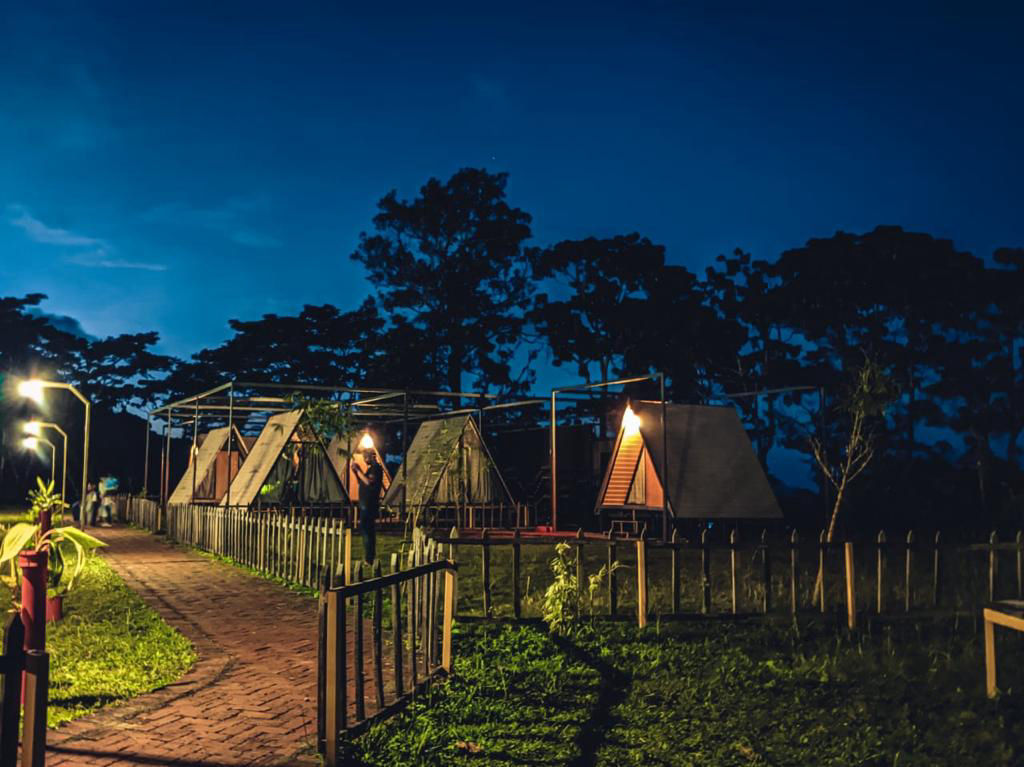
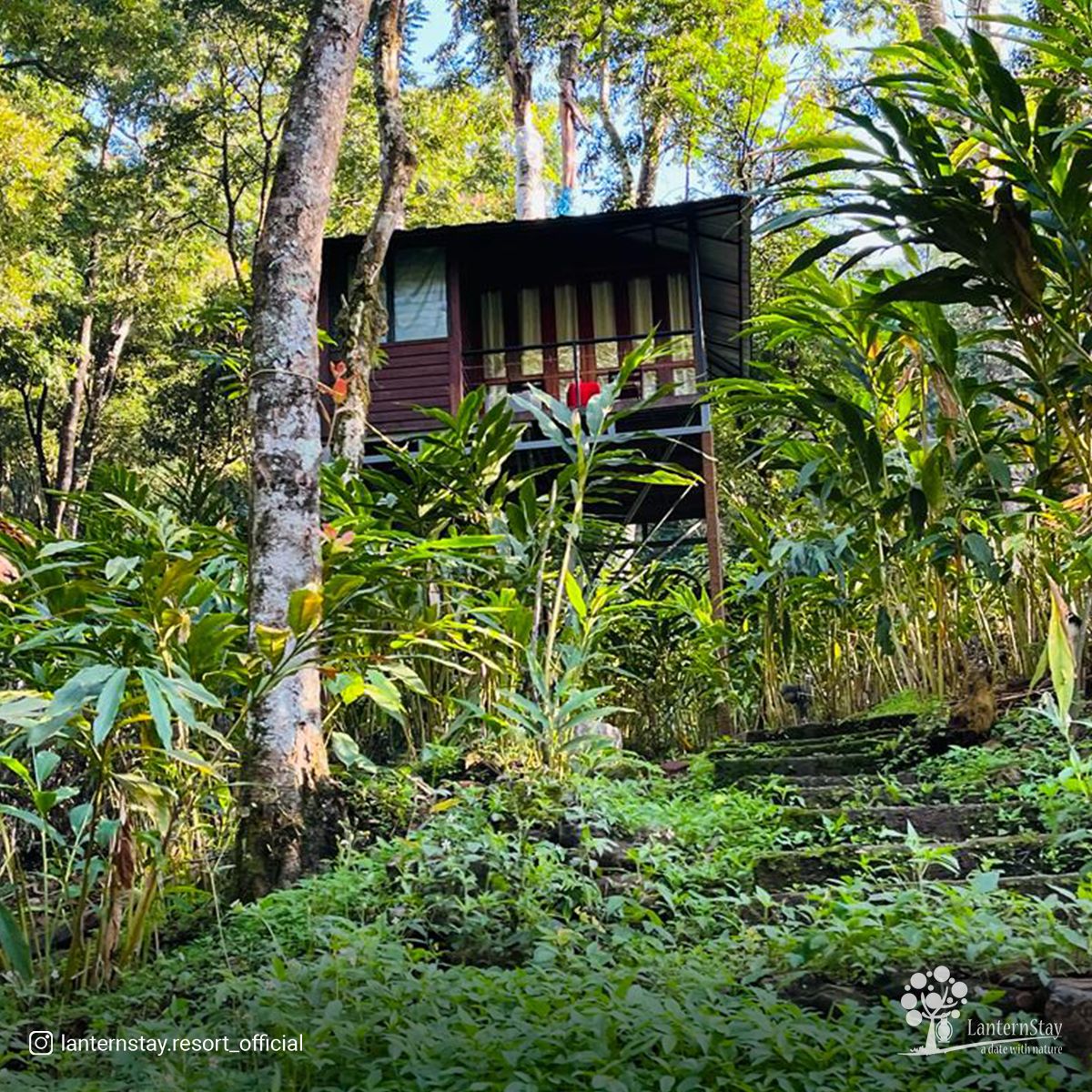
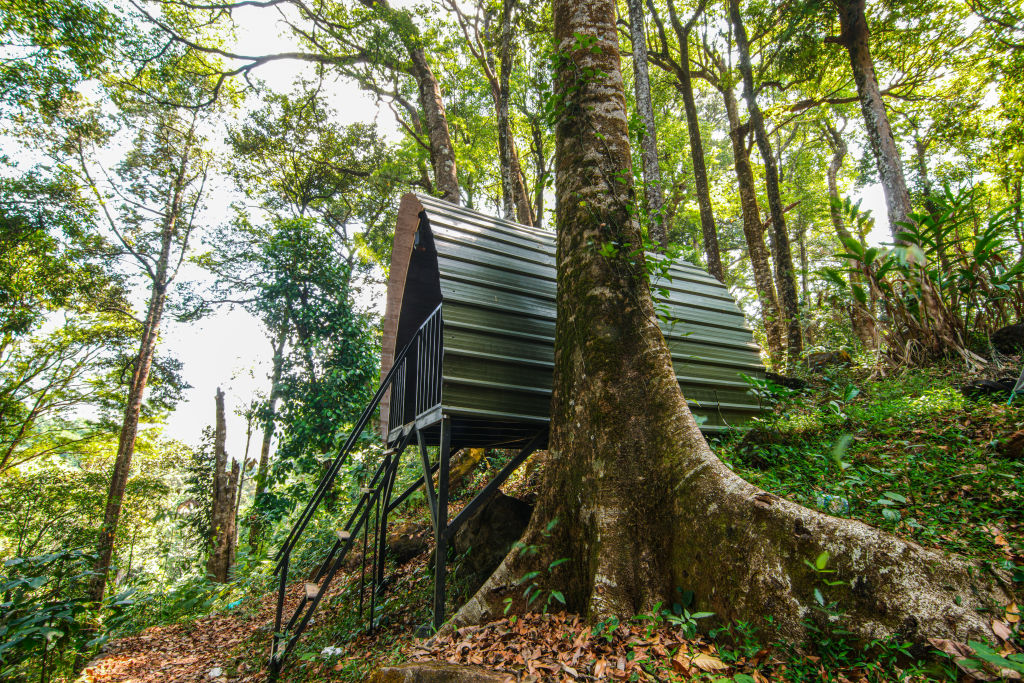
Sulthan Bathery is one of the primary commercial centres of Wayanad, offering a practical base for exploring the surrounding plantations, temples, and wildlife reserves. Accommodation options around the town range from plantation homestays set amidst coffee and pepper vines to quiet campsites nestled on the hill slopes outside the town centre.
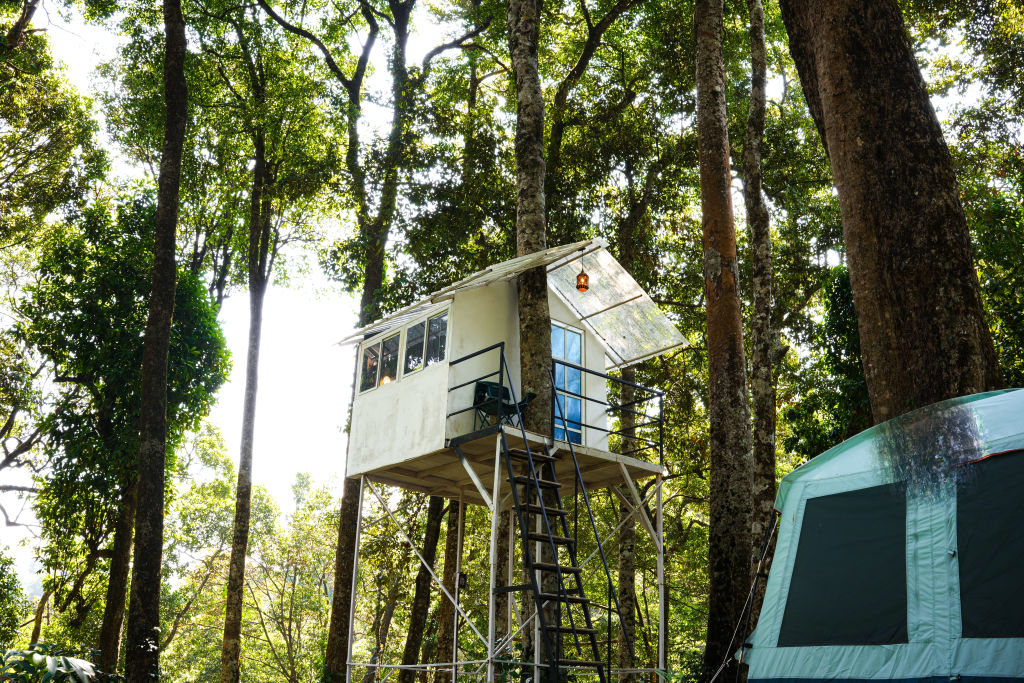
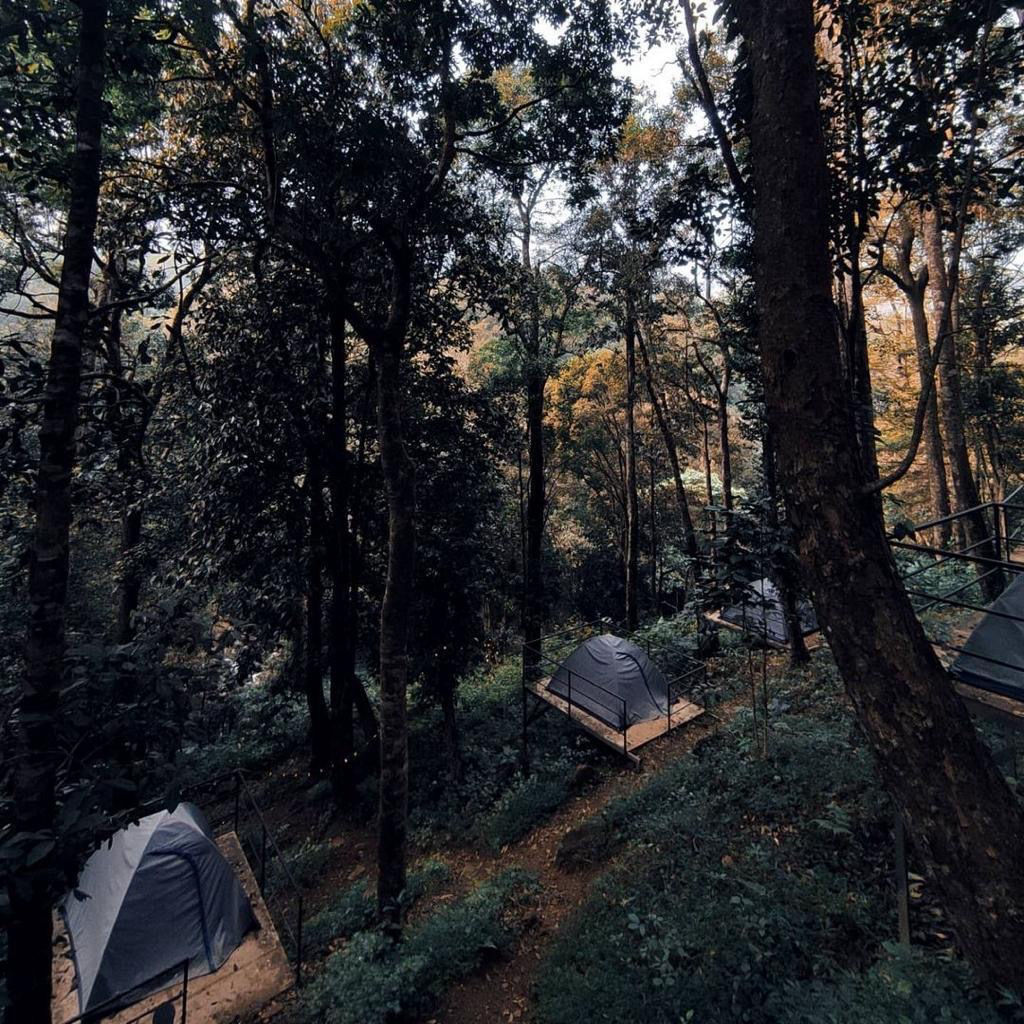
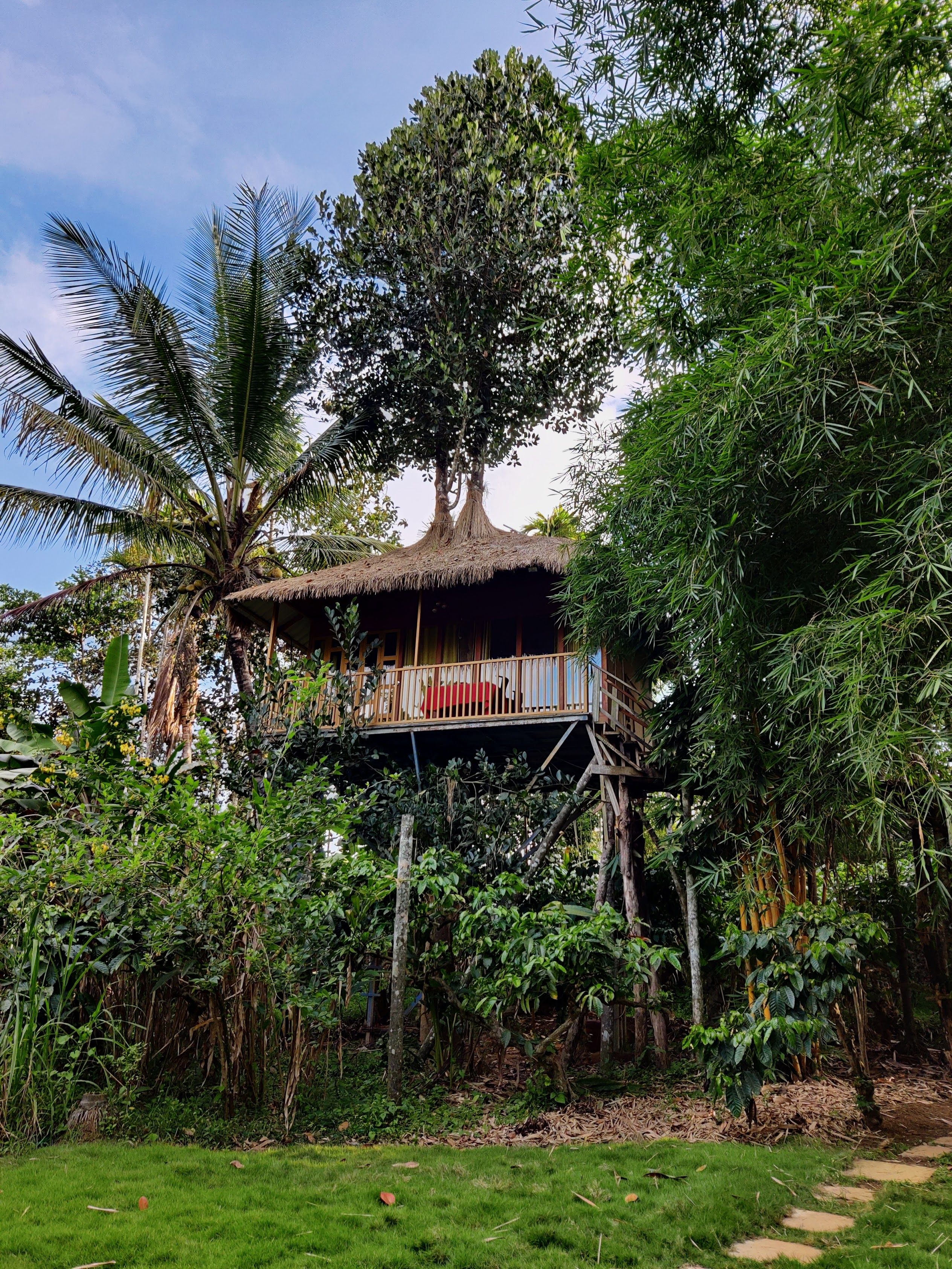
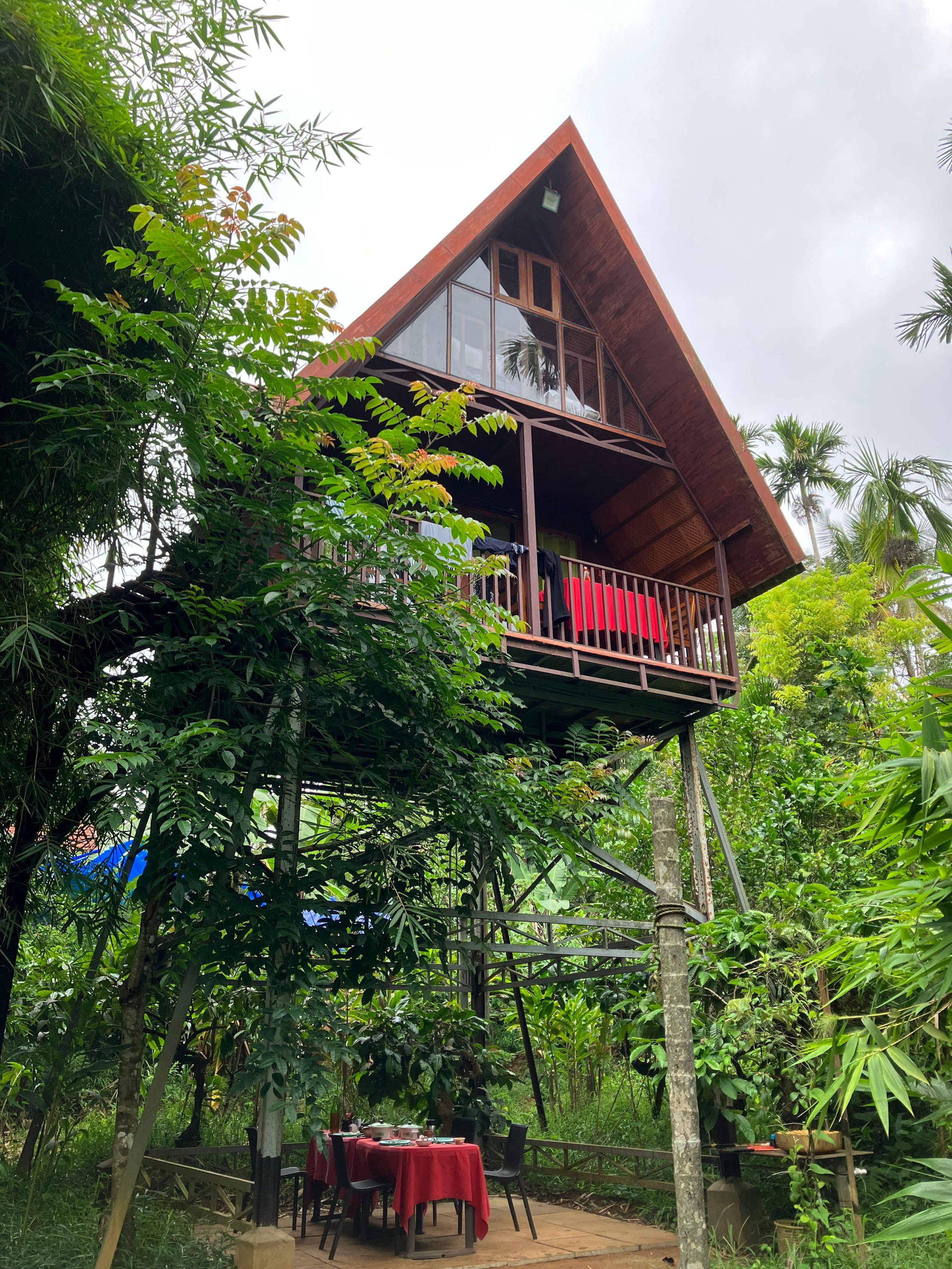
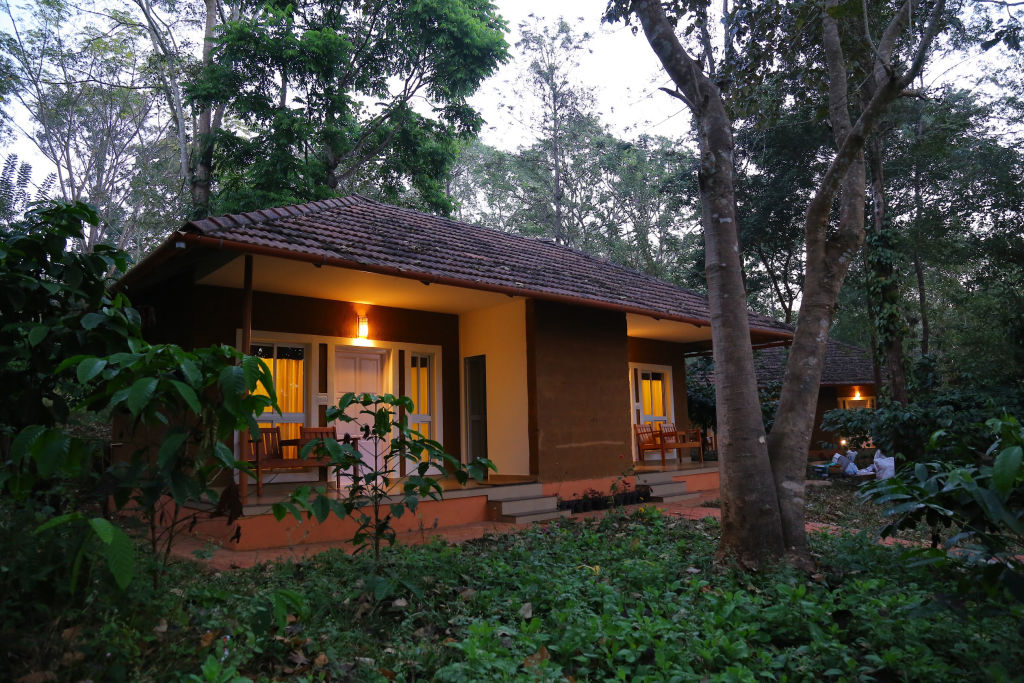
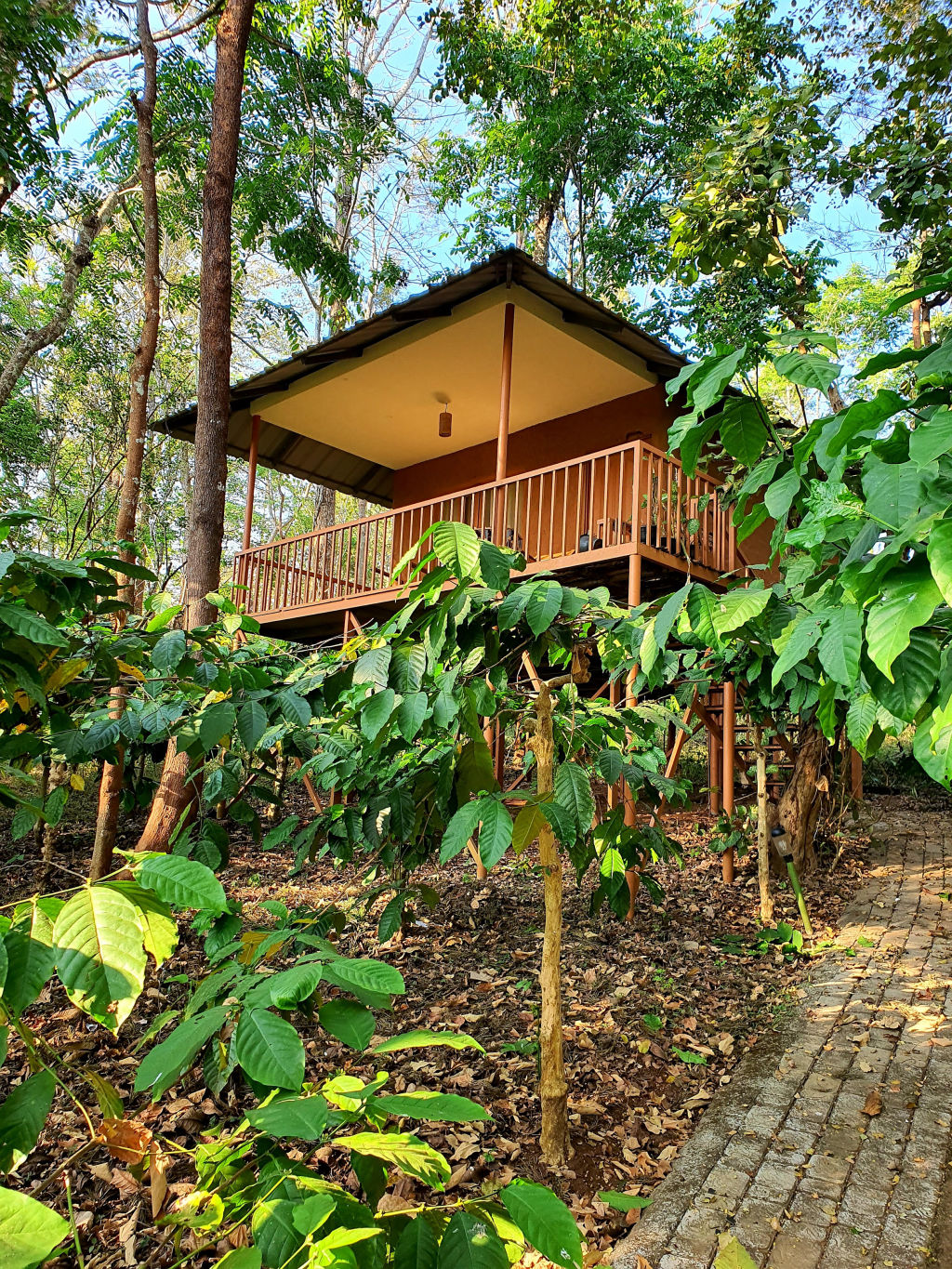
Staying slightly away from the highway provides a peaceful rural atmosphere accompanied by cool breezes and birdsong. You can find and book vetted nature retreats, homestays, and open-air campsites in and around Sulthan Bathery on HireACamp to suit your travel style.
Frequently asked questions
What is the historical significance of the Jain Temple in Sulthan Bathery?
Constructed in the thirteenth century, the temple was an important spiritual centre for Jain traders migrating into Kerala. It later gained historic prominence when Tipu Sultan used it as an ammunition depot, giving the town of Sulthan Bathery its modern name.
Where exactly is the temple located?
The temple is situated along the Bangalore-Calicut Highway within the municipal limits of Sulthan Bathery town in Wayanad district, Kerala.
Is there an entry fee to visit the Jain Temple?
The temple is maintained as a protected heritage site. Visitors should check locally on arrival for any nominal entry requirements or current guidelines set by authorities.
How long does it take to explore the temple?
Most visitors spend between thirty and forty-five minutes walking through the pillared halls, examining the stone carvings, and resting in the surrounding garden area.
Can I visit the Jain Temple during the monsoon?
Yes, the temple remains open during the monsoon months, though you should exercise caution while walking on wet exterior stone steps and bring rain protection.
Where you'll be
Bangalore-Calicut Highway, Sulthanbathery · 12 stays nearby shown with prices
Stays near Jain Temple
Book a place to stay close by


More places near Jain Temple
Within 20 km


Built from 0 Instagram posts by 0 creators. Every tip links back to the post it came from, and where creators disagree we show both sides.






