
Jain Temple Panamaram
Ruins near Panamaram, Kerala
5.6 km from Panamaram
The nearest town, for stays, food and fuel.
The Jain Temple Panamaram consists of ancient stone ruins situated near Panamaram and Mananthavady in the Wayanad district of Kerala. Set amid tranquil greenery, these weathered remains reflect the historic presence of Jainism and distinctive temple architecture in northern Kerala. Visitors come here to observe the intricate stone carvings, step into a quieter era of the region's past, and appreciate the peaceful natural surroundings.
Getting there
By road
- From PanamaramNearest town12 min · 7.3 km
- From Mysuru3 hr · 137 km
- From Coimbatore4 hr 55 min · 215 km
- From Bengaluru5 hr 5 min · 280 km
Typical drive times without traffic. Stations and airports from OLA Maps; distances and typical drive times from OpenStreetMap (© OpenStreetMap contributors); notes from creators' Reels.
About Jain Temple Panamaram
Written with AI from map data and general knowledge. Check prices and timings locally before you go.
History and Heritage of Jain Temple Panamaram
Wayanad holds a quiet yet deeply significant place in the history of Jainism in southern India. Centuries ago, vibrant Jain communities settled along the trade and pilgrim corridors linking Karnataka and Kerala across the Western Ghats. The ruins at Panamaram stand as evocative witnesses to this legacy, dating back several centuries to an era when stone temples dedicated to Tirthankaras were established in key settlements.
Over the centuries, the influence of these communities diminished, and natural weathering gradually reclaimed parts of the complex. Today, what remains of the Jain Temple Panamaram serves as an invaluable archaeological remnant. It offers travellers a rare glimpse into the medieval religious and social fabric of Wayanad, illustrating how different faiths and cultures coexisted and left lasting footprints upon the highland landscape.
Architectural Remains and Setting
The site of the Jain Temple at Panamaram is characterised by carved stone slabs, pillars, lintels, and plinths resting quietly beneath the shade of local trees. The stone masonry features classical South Indian architectural motifs, with sculpted columns, floral patterns, and depictions associated with Jain iconography. Many of the blocks show careful joinery techniques typical of historical stone temples built across the Deccan and Western Ghats.
Unlike active pilgrimage centers, the atmosphere at these ruins is understated and contemplative. Moss and vegetation gently cling to ancient granite blocks, while birds call from the surrounding canopy. The presence of nearby riverbanks and lush rural landscapes adds to the sense of isolation and discovery, making it an engaging stop for those drawn to archaeology, photography, or unhurried explorations away from crowded tourist circuits.
Read more
Best Time to Visit Panamaram
The highland climate of Wayanad shapes the experience of visiting open-air historical sites. The months from October to March are widely regarded as the most comfortable period to explore the ruins. During this post-monsoon and winter window, temperatures are pleasant, mornings are often crisp, and the surrounding countryside remains lush and green without excessive humidity or persistent rainfall.
Visiting during the south-west monsoon between June and September reveals the region at its most vibrant green, but heavy rains can make paths slick and outdoor walking challenging. The summer months from March to May bring warmer afternoons, though early mornings and late afternoons remain relatively mild under the plantation and tree canopy. To enjoy the carved stone details and natural setting comfortably, plan your visit during the cooler hours of the day.
How to Reach Jain Temple Panamaram
Panamaram is situated in the north-central part of Wayanad district, positioned between major regional hubs such as Mananthavady, Sulthan Bathery, and Kalpetta. Mananthavady serves as the closest major town, located within an easy drive along state roads that wind through coffee estates, bamboo thickets, and small hamlets. Local buses and taxis run regularly between Mananthavady and Panamaram.
For those travelling from farther away, Kozhikode provides the nearest major railway junction and international airport. The road journey from Kozhikode ascends the scenic Thamarassery Ghat into the Wayanad plateau before continuing inland toward Panamaram. Travellers arriving from Karnataka can approach via Mysore and Gundlupet, traversing scenic forest corridors before crossing the Kerala border into Wayanad.
Tips for Your Visit
Because the temple site is a historical ruin rather than a commercialised attraction, facilities directly at the location are minimal. Wearing sturdy, comfortable footwear is advisable, as the ground can be uneven with loose stones, roots, and damp patches. Carry your own drinking water and sun protection, especially if you plan to spend time examining the carvings in detail.
Visitors are urged to treat the site with care and reverence. Avoid climbing on unstable masonry, shifting stone fragments, or defacing structural remnants in any way. Respecting local guidelines and maintaining silence allows the quiet dignity of the historic space to remain undisturbed for others. It is also wise to check locally with residents in Panamaram or Mananthavady for current approach paths and any seasonal changes.
Places to Visit Around Panamaram
A visit to the ruins at Panamaram fits naturally into a broader day trip across northern Wayanad. The nearby town of Mananthavady holds historical interest, known for its connections to the resistance of the Pazhassi Raja and traditional hill markets. The surrounding countryside is interspersed with tea and coffee plantations, scenic river crossings, and quiet country roads suitable for gentle motoring.
Nature enthusiasts can extend their travels into the nearby protected forests of the Nilgiri Biosphere. Large sanctuaries like Nagarhole National Park and Bandipur National Park lie across the nearby Karnataka border, offering opportunities to experience wild elephant corridors and dense deciduous forests. Closer to the base of the ghats, streams and forest reserves create ideal conditions for birdwatching and tranquil walks.
Where to Stay Near Panamaram
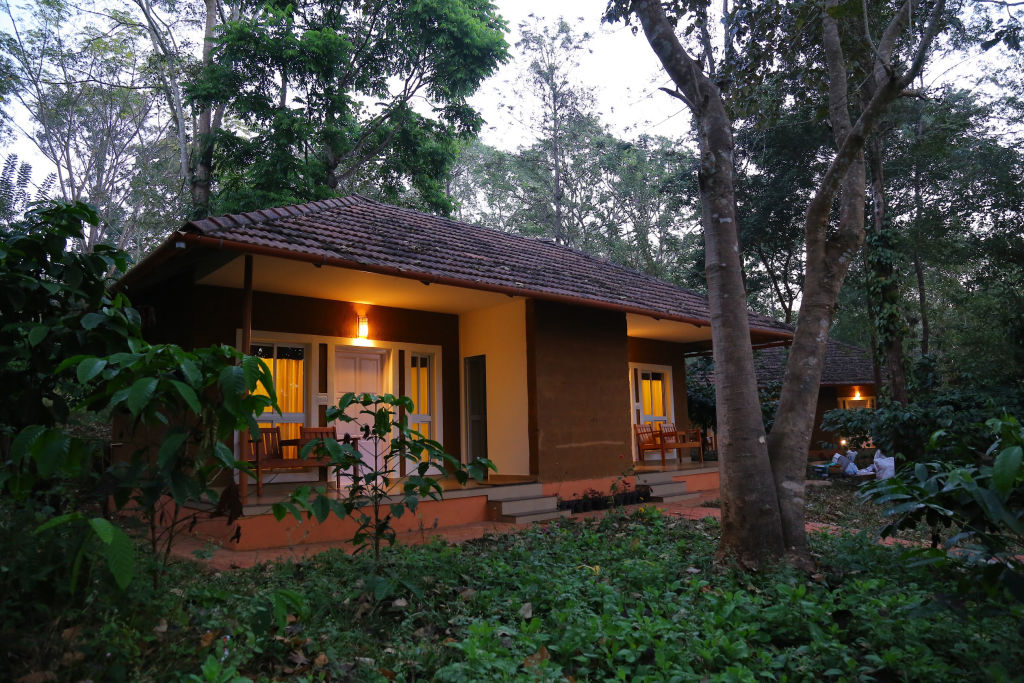
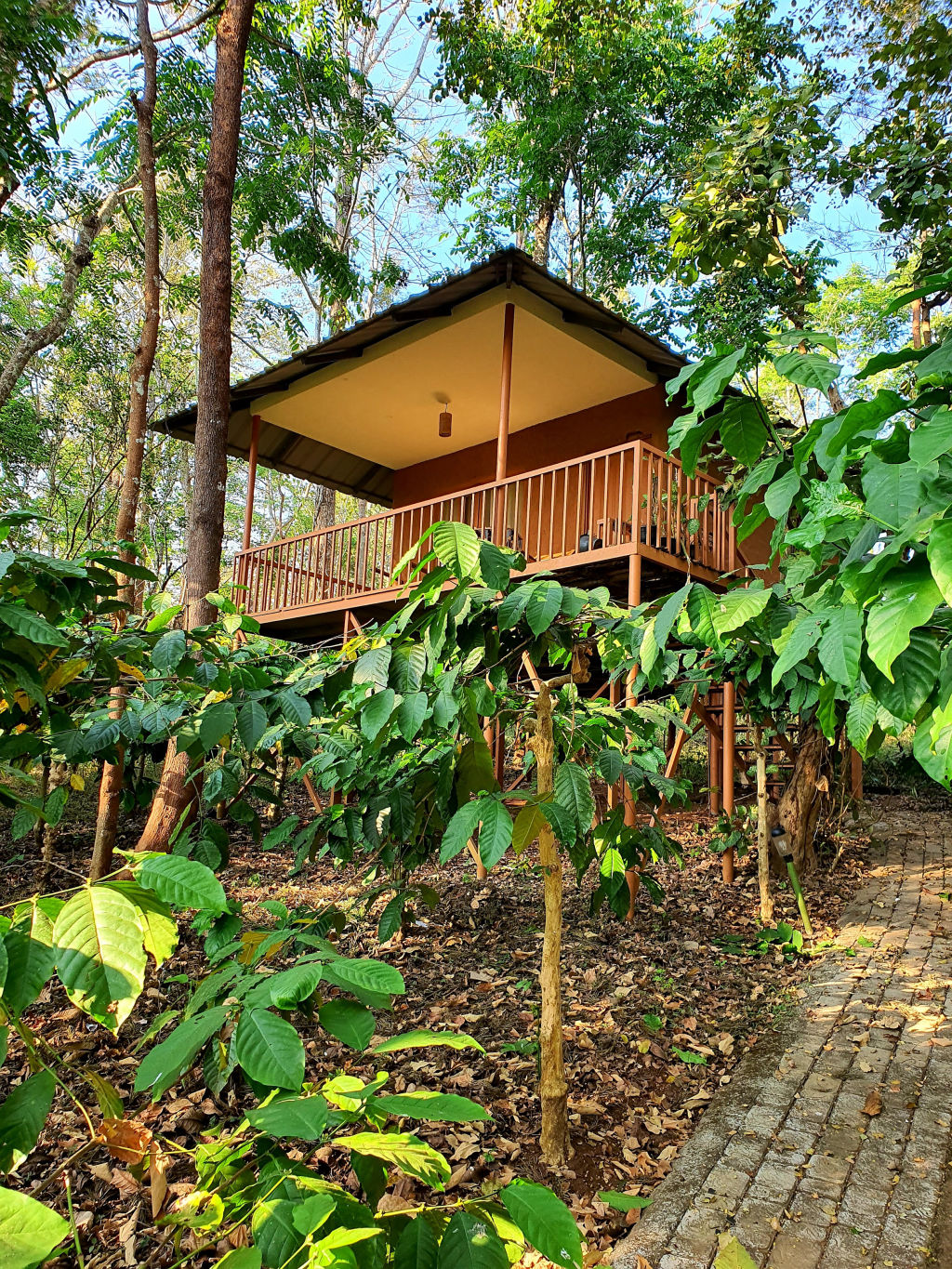
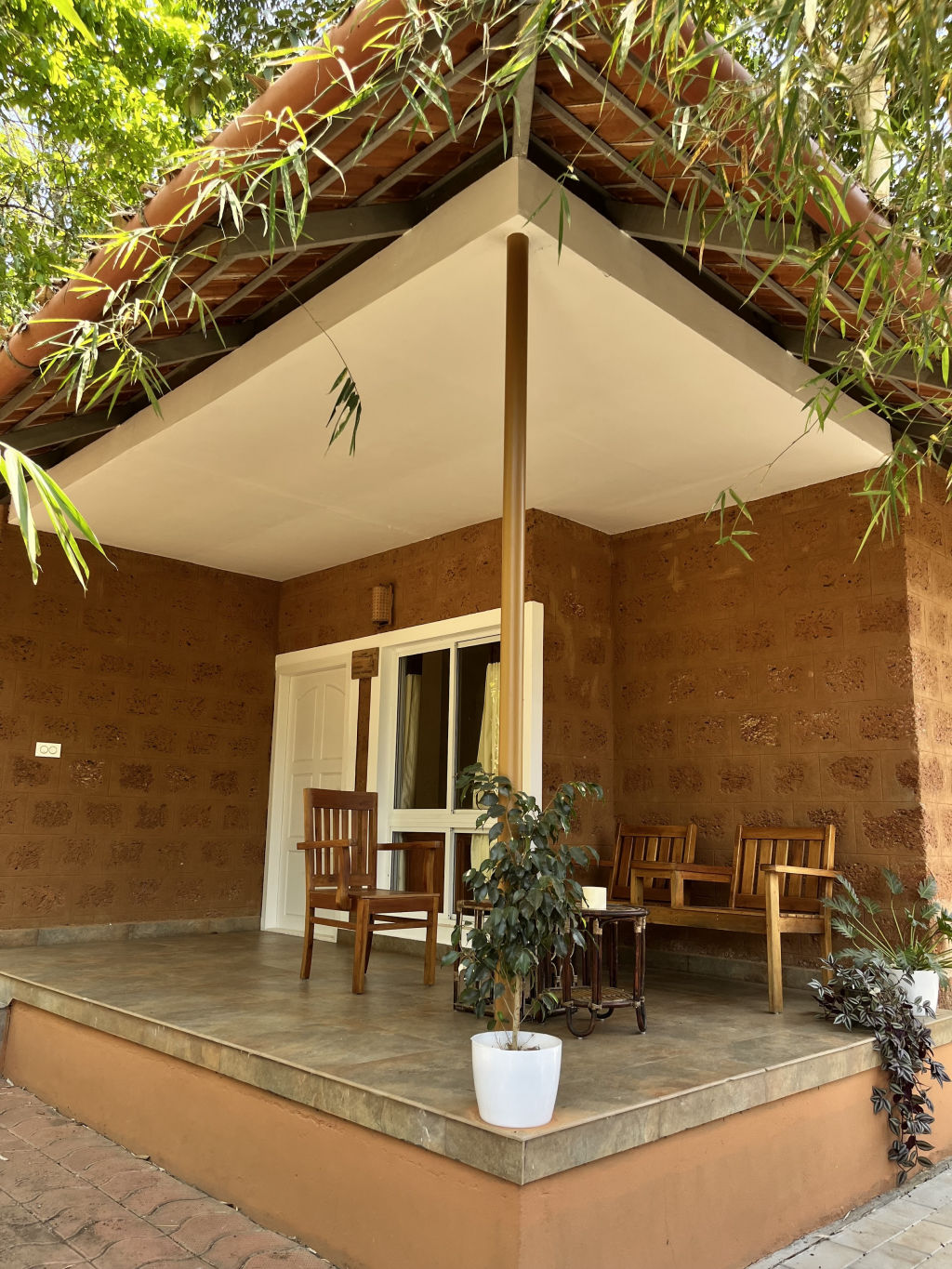
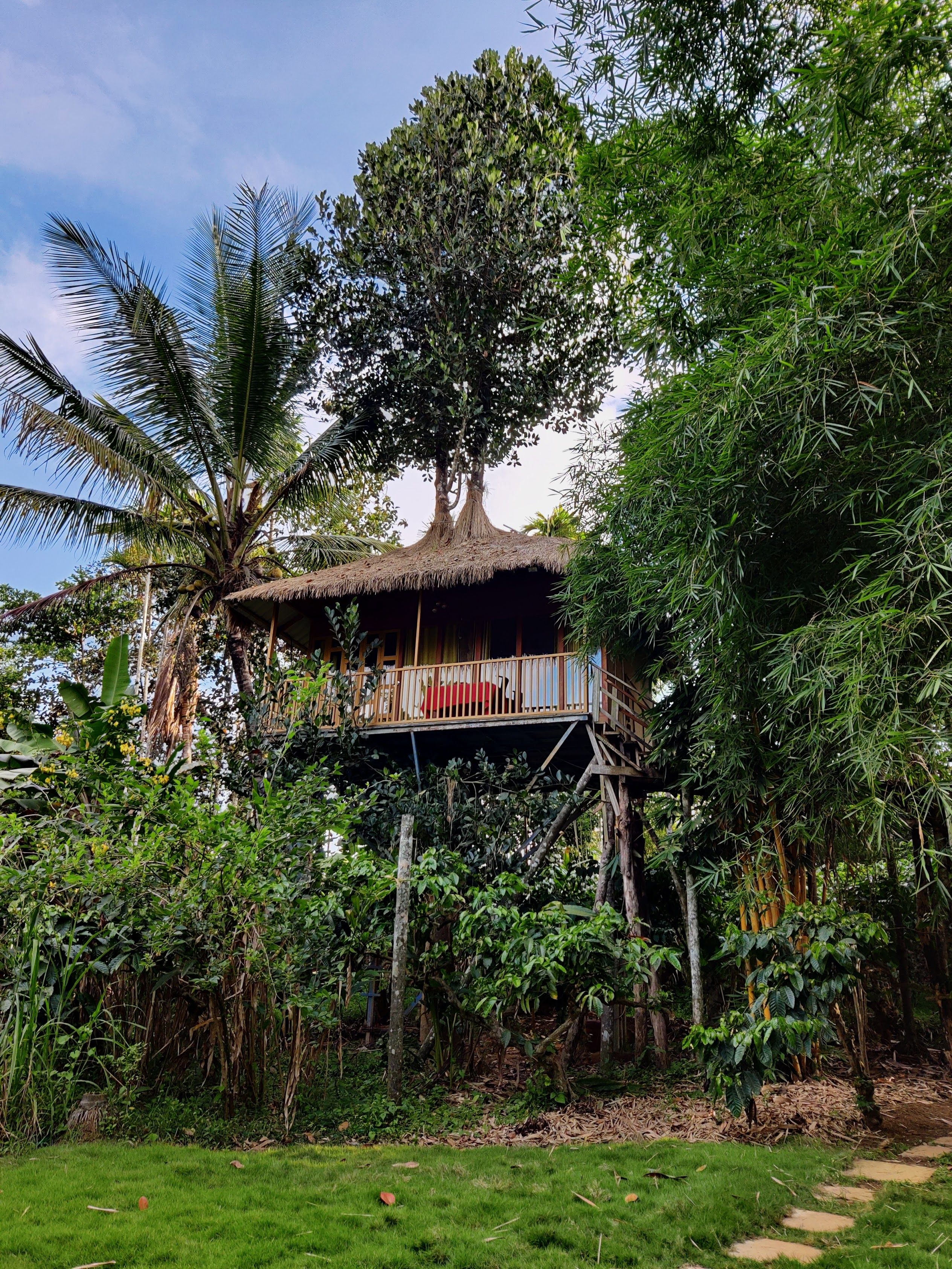
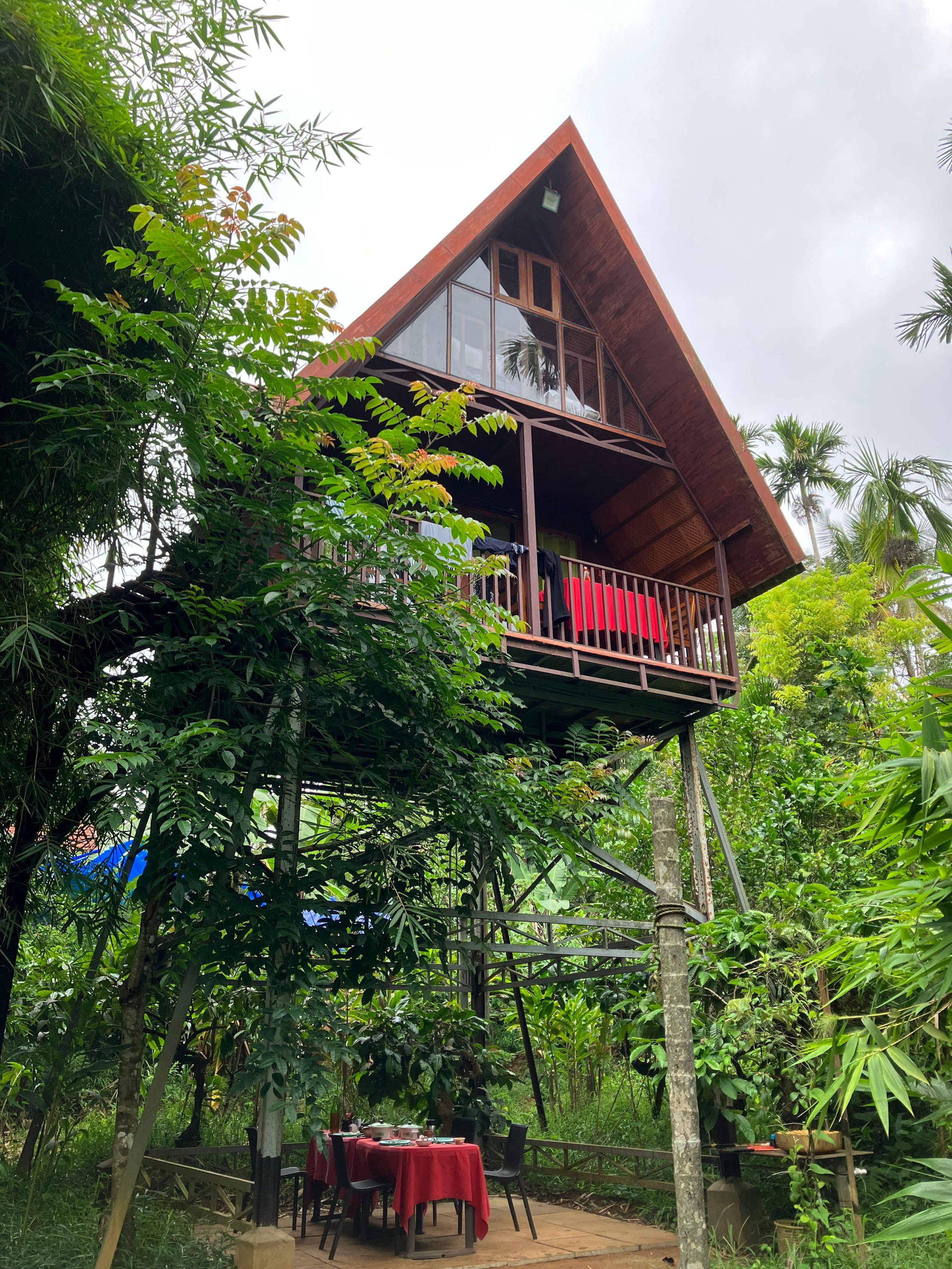
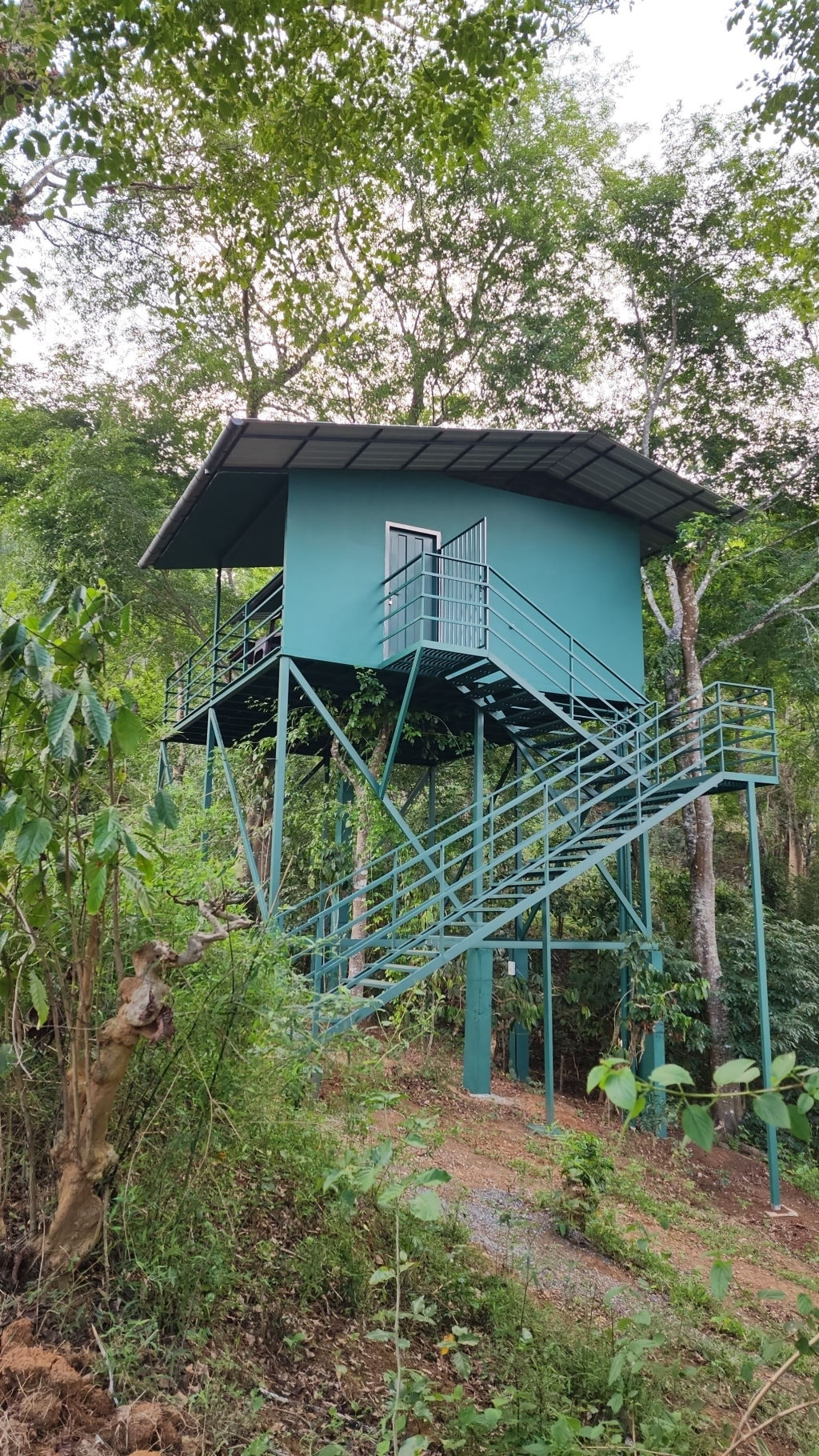
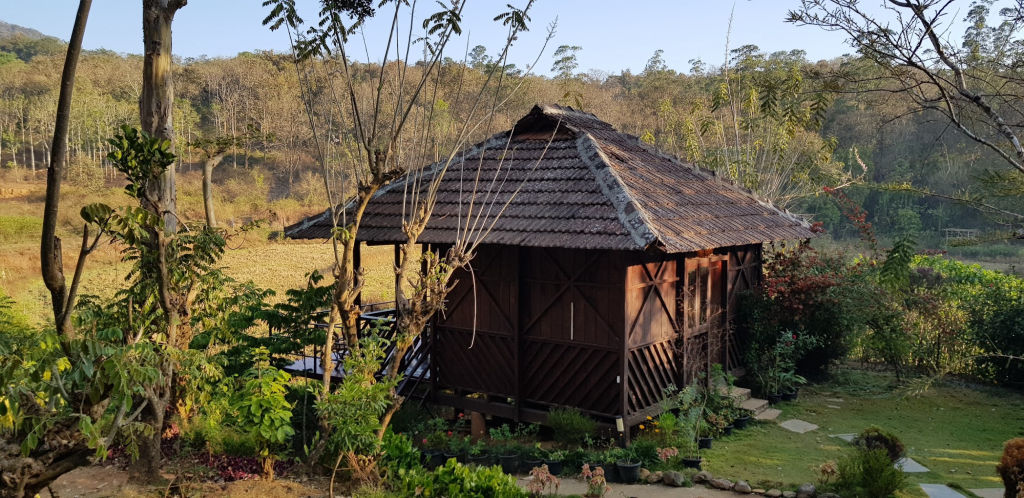
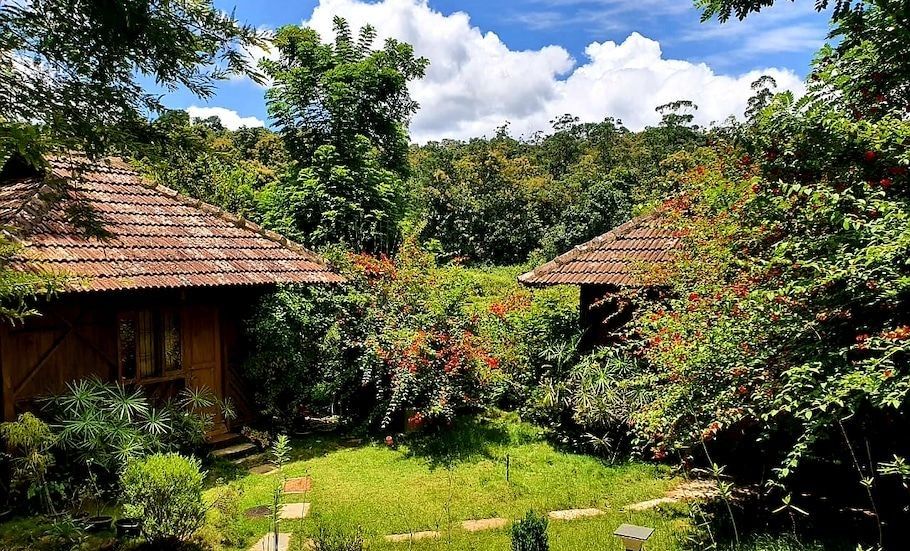
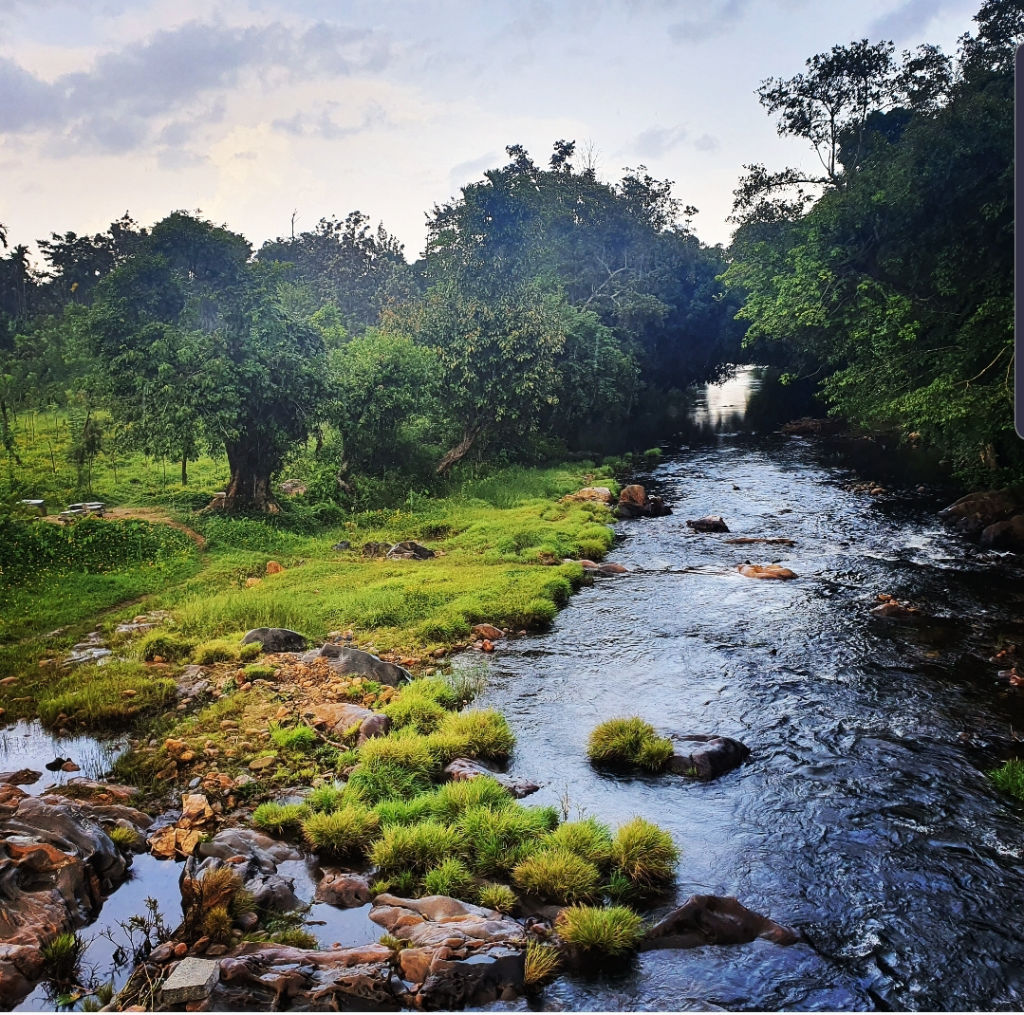
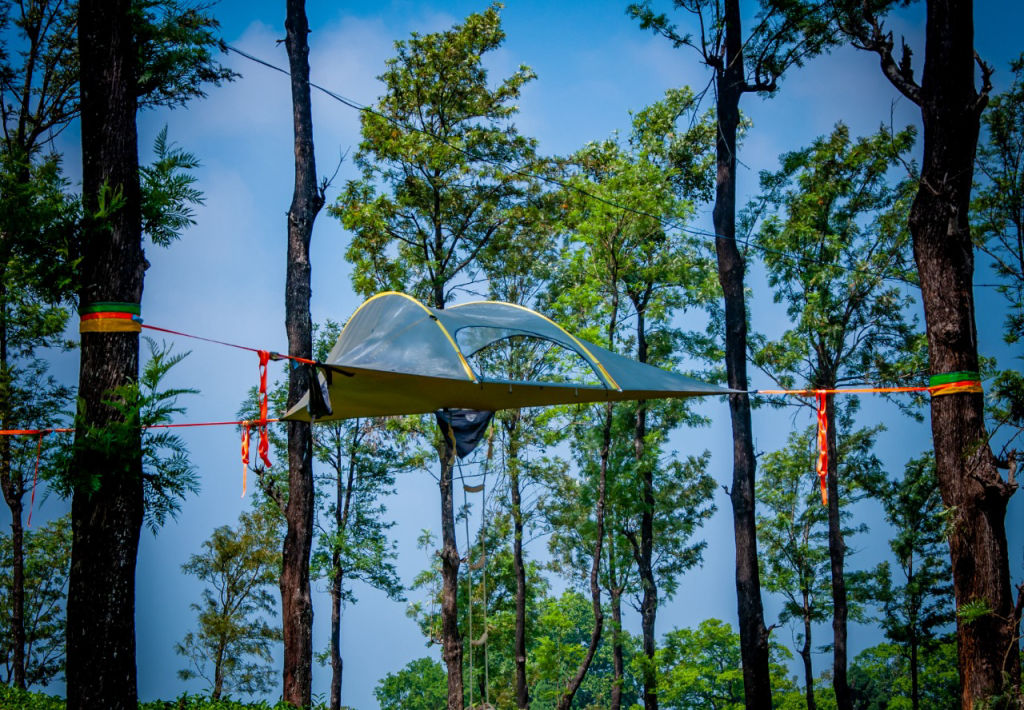
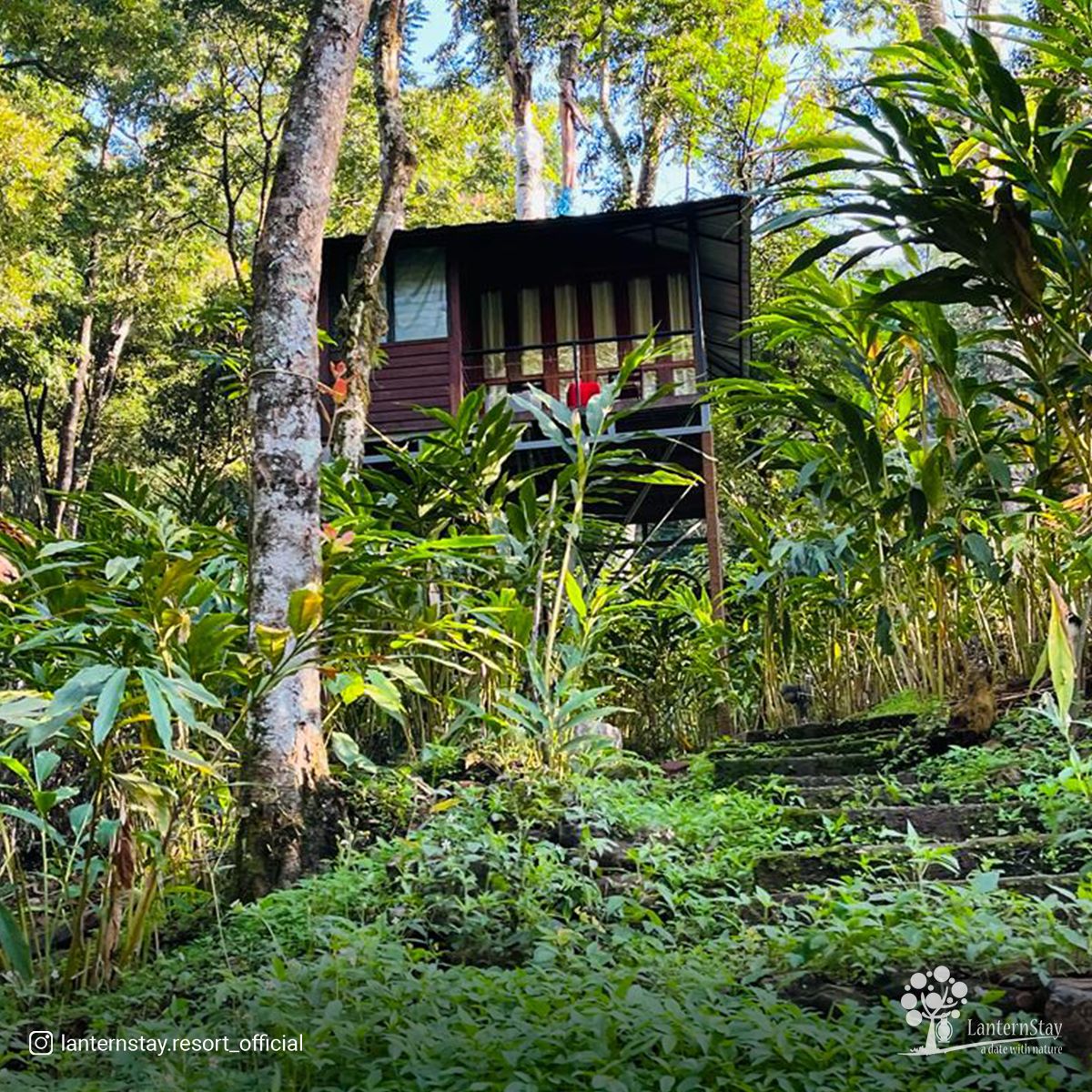
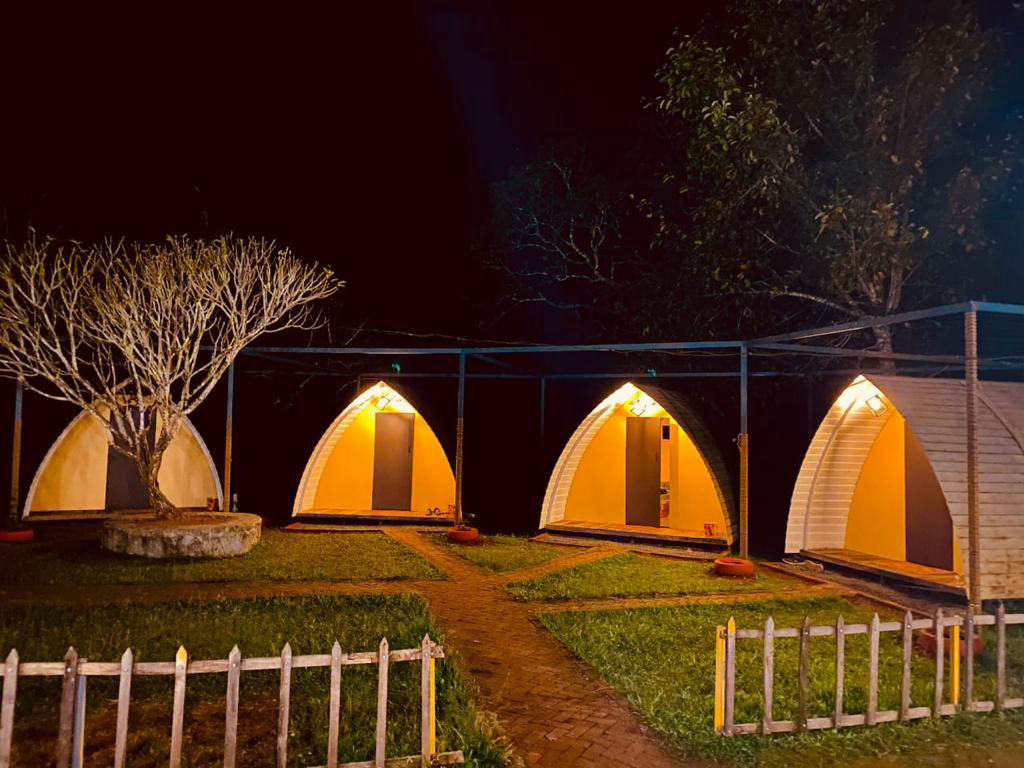
Wayanad is renowned for its diverse nature-oriented accommodations, ranging from rustic plantation stays and traditional family-run homestays to peaceful riverside campsites. Staying in the vicinity of Mananthavady or Panamaram provides convenient access to both historical sites and the wild landscapes of northern Kerala.
Travellers interested in outdoor experiences, scenic homestays, or verified campsites around Wayanad can find and book an array of independent stays on HireACamp. Booking in advance is recommended during holiday periods and the peak winter months when travel across the Western Ghats is at its height.
Frequently asked questions
What is Jain Temple Panamaram known for?
It is known for the surviving stone ruins and carved granite pillars of a medieval Jain temple, offering insight into the historical presence of Jainism in Wayanad.
Where is the temple ruin located?
The ruins are located near Panamaram village, close to the town of Mananthavady in the Wayanad district of Kerala, India.
Is an entry ticket required to visit the ruins?
There is generally no formal ticketing setup at the open site, but visitors should check locally upon arrival for any community guidelines or updates.
What is the best time of day to explore the site?
Early morning and late afternoon are the best times to visit, providing pleasant light for viewing stone carvings and cooler temperatures for walking around the ruins.
How can I find accommodation near Panamaram?
You can find and book vetted campsites, local homestays, and outdoor getaways around Wayanad and Mananthavady on HireACamp.
Where you'll be
Wyanad, Mananthavady · 12 stays nearby shown with prices
Stays near Jain Temple Panamaram
Book a place to stay close by
More places near Jain Temple Panamaram
Within 20 km


Built from 0 Instagram posts by 0 creators. Every tip links back to the post it came from, and where creators disagree we show both sides.






