
Jakhu Hill
Peak near Mashobra, Himachal Pradesh
5.7 km from Mashobra
The nearest town, for stays, food and fuel.
Jakhu Hill is the highest peak in Shimla, rising high above the town amid dense deodar and pine forests. Crowned by an ancient temple dedicated to Lord Hanuman, the summit commands sweeping views across the surrounding Shivalik ranges and distant snow-capped peaks. Travellers visit the hill for its invigorating walking trails, refreshing mountain vantage points, and spiritual heritage.
Getting there
By road
- From MashobraNearest town28 min · 10 km
- From Chandigarh2 hr 55 min · 119 km
- From Ludhiana4 hr 50 min · 221 km
- From Dehradun5 hr · 235 km
Typical drive times without traffic. Stations and airports from OLA Maps; distances and typical drive times from OpenStreetMap (© OpenStreetMap contributors); notes from creators' Reels.
About Jakhu Hill
Written with AI from map data and general knowledge. Check prices and timings locally before you go.
An introduction to Jakhu Hill
Rising high above the historic hill station of Shimla, Jakhu Hill stands as the highest geographical elevation in the local landscape. Covered in thick stands of Himalayan cedar, pine, and oak trees, the peak serves as a tranquil, evergreen canopy that shields the hilltop from the bustling lanes of the town below. For generations, the hill has been a defining feature of the horizon, framing Shimla against the backdrop of the greater Himalayas.
Because the summit sits noticeably higher than the town centre, the atmosphere at the top is distinctly crisp and cool throughout the year. On clear mornings, you can gaze across terraced green slopes to spot snow-dusted ridges on the northern horizon. The peaceful setting and expansive viewpoints make Jakhu Hill a favoured retreat for walkers, nature lovers, and devotees alike.
Jakhu Temple and cultural heritage
At the crest of Jakhu Hill stands the revered Jakhu Temple, an ancient religious site dedicated to Lord Hanuman. According to local lore and the epic Ramayana, Hanuman paused on this summit to rest while journeying to collect the Sanjeevani herb from the Himalayas. The ground where his feet are believed to have rested has long been treated with deep reverence by pilgrims who make the journey to pay their respects.
In recent years, the hilltop has become celebrated for the towering statue of Lord Hanuman that rises high above the tree canopy. Standing prominent against the open sky, the red-hued landmark is visible from numerous vantage points across Shimla. The temple grounds carry a calm, meditative quality, filled with the sounds of bells, morning chants, and the gentle rustling of cedar needles in the mountain wind.
Read more
Hiking and walking the trails
Ascending Jakhu Hill on foot is one of the classic walking experiences around Shimla. The trail typically starts near The Ridge and winds gradually upward past heritage houses before entering dense woodland. The walk is continuous and steady, offering an invigorating workout through shaded pathways that stay cool even on sunny afternoons.
Along the winding paths, natural clearings in the forest reveal shifting viewpoints over the town below and the valleys stretching toward the horizon. Wooden benches along the route allow walkers to rest, catch their breath, and soak in the stillness of the mountain forest. For travellers who appreciate outdoor walking without venturing deep into rugged backcountry, the trail to the summit delivers an accessible and deeply satisfying experience.
Best time to visit Jakhu Hill
Jakhu Hill experiences distinct seasonal shifts, and each brings its own unique character to the landscape. Spring and summer, stretching from March to June, bring mild daytime temperatures and bright, open skies. This is the most popular time for walking to the summit, as pleasant breezes make the uphill trek comfortable and the visibility across the Himalayan ranges is at its best.
The monsoon months of July and August coat the slopes in thick, drifting clouds and lush green undergrowth. While the uphill paths can be damp and slippery, the forest takes on a mystical, rain-washed mood. Autumn arrives in September and October with crisp air and crystal-clear skies, making it an excellent time for photography and long-range mountain viewing. Winter, spanning December through February, brings freezing temperatures and periodic snowfall that transforms the deodars into a quiet, snow-covered wonderland.
How to reach Jakhu Hill
Jakhu Hill is situated immediately above Shimla, making it straightforward to reach by foot, road, or ropeway. Travellers coming from outside Himachal Pradesh generally travel by road or rail into Shimla via Kalka or Chandigarh. Once in town, you can begin the walk to the peak directly from the pedestrian areas near The Ridge.
For those who prefer not to make the steep hike, an aerial ropeway connects the Ridge area with the summit in just a few minutes, gliding over the tree tops and offering spectacular aerial vistas. Local taxis can also make the journey along winding hill roads leading directly to the upper parking areas near the temple grounds, though walking or riding the ropeway remains the most scenic way to arrive.
Places to explore nearby
A trip up Jakhu Hill is easy to combine with other prominent sights in the Shimla area. Just a short descent away lies The Ridge, a wide open pedestrian esplanade where visitors gather to enjoy valley views and evening strolls. Overlooking this square is Christ Church, an iconic neo-Gothic structure renowned for its preserved architectural character and stained-glass windows.
Travellers with a day to spare can venture into the surrounding hill country. Sadhupul Lake, located a short drive down the valley, provides a relaxing riverside setting for a calm afternoon. Farther along the mountain roads, places like Shree Ramlok Mandir, Kali Tibba Temple, and the panoramic viewpoints around Dagshai offer additional opportunities to explore the scenic ridges and quiet countryside of the region.
Tips for your visit and wildlife etiquette
Jakhu Hill is well known for its resident community of rhesus macaque monkeys that roam the surrounding woods and temple perimeter. Visitors must take simple precautions to ensure a smooth visit. Keep items like spectacles, sunglasses, caps, mobile phones, and small bags securely tucked away inside your backpack. Carrying loose food, prams, or transparent plastic bags will draw immediate curiosity from the monkeys.
Sturdy walking shoes with solid tread are recommended, especially if you choose to climb on foot or visit after rain or winter snowfall when paved paths can be slick. Even during the warmer summer months, the peak sits in deep shade and at a higher altitude than town, so carrying a light windbreaker or fleece is always a good idea.
Where to stay near Jakhu Hill
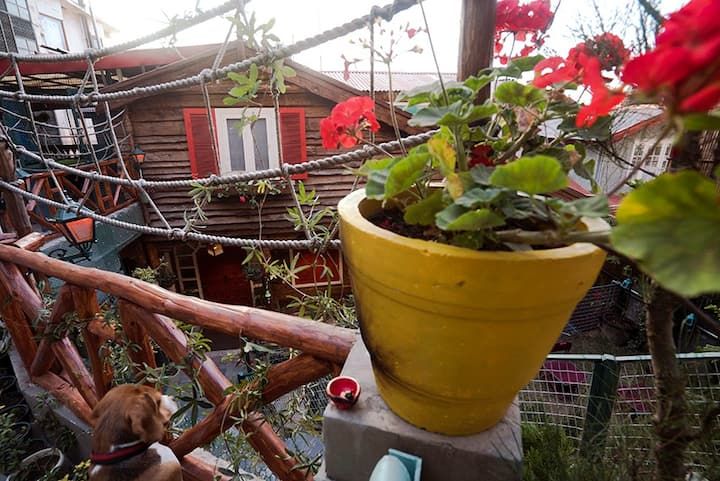
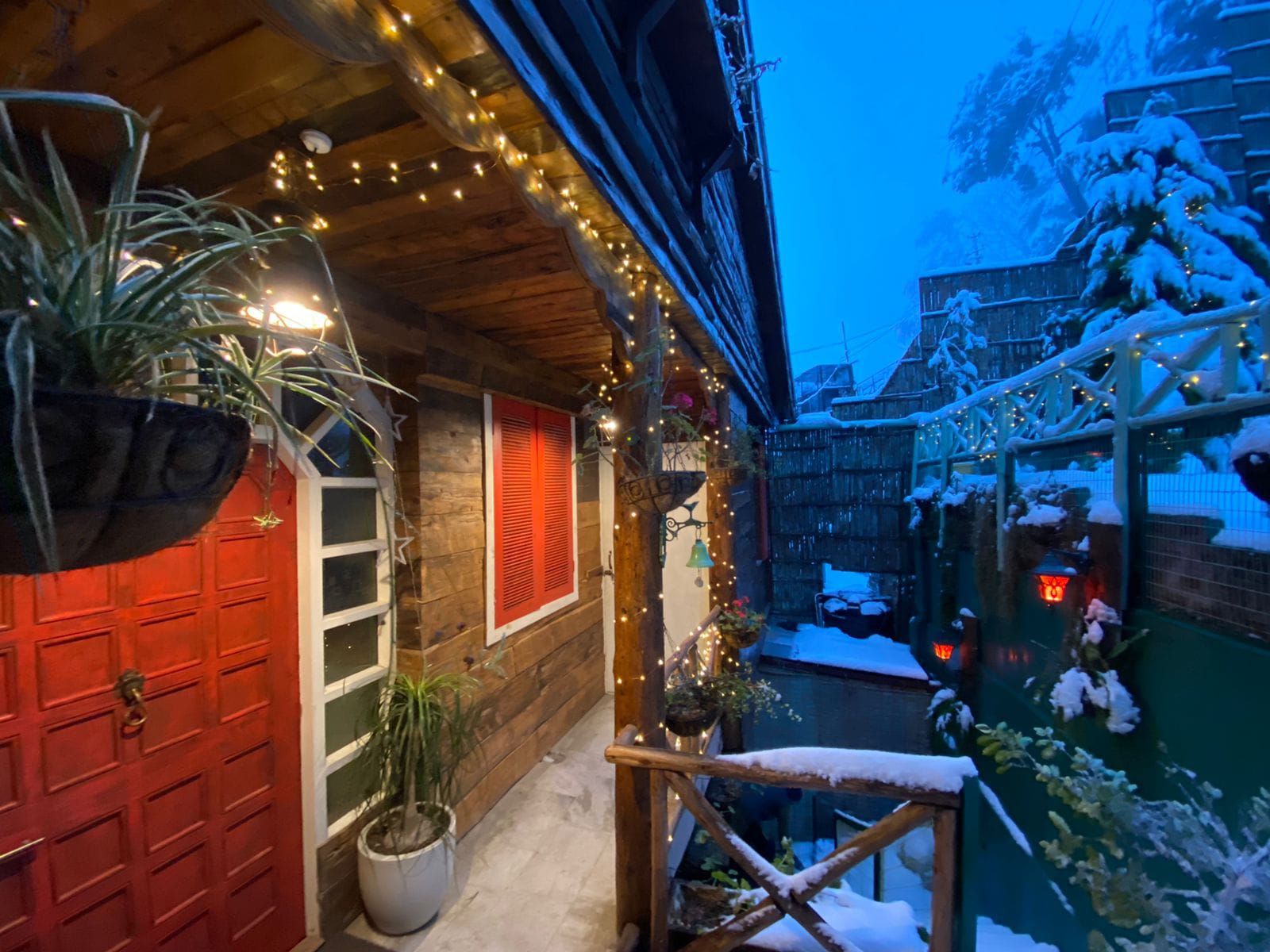
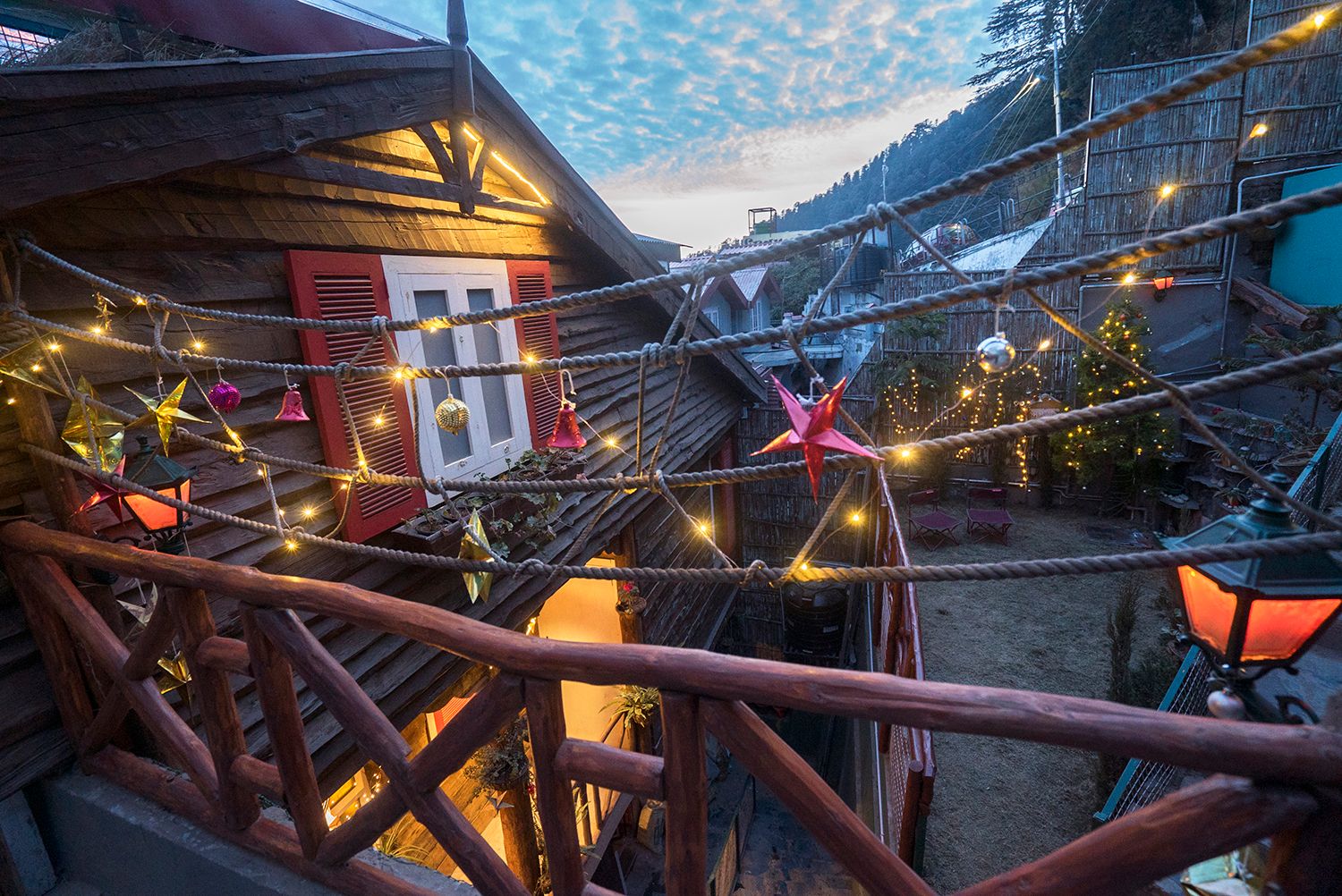
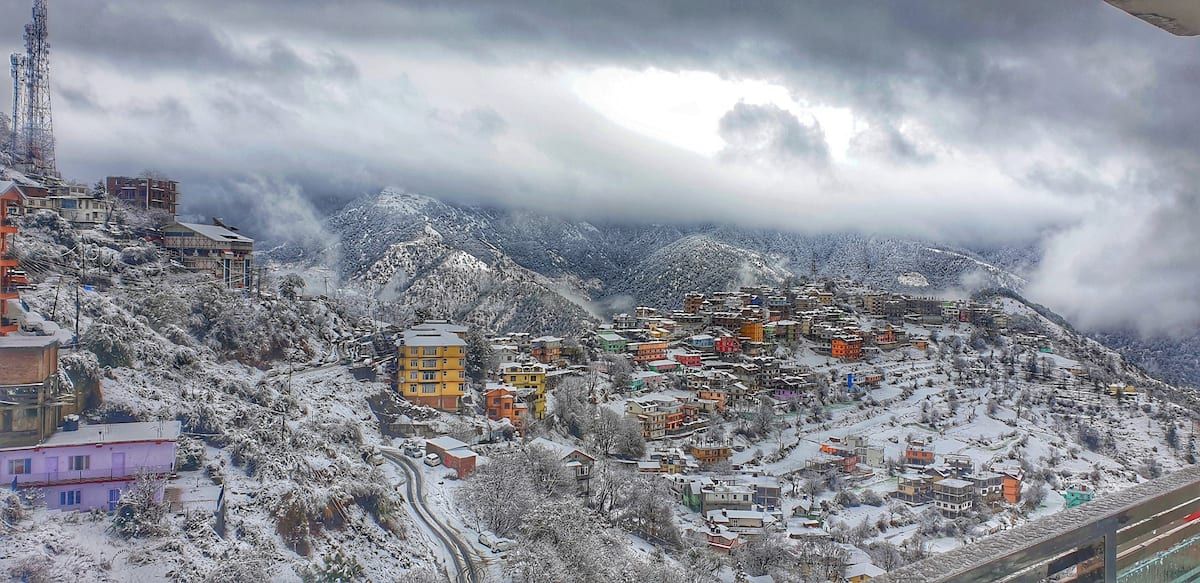
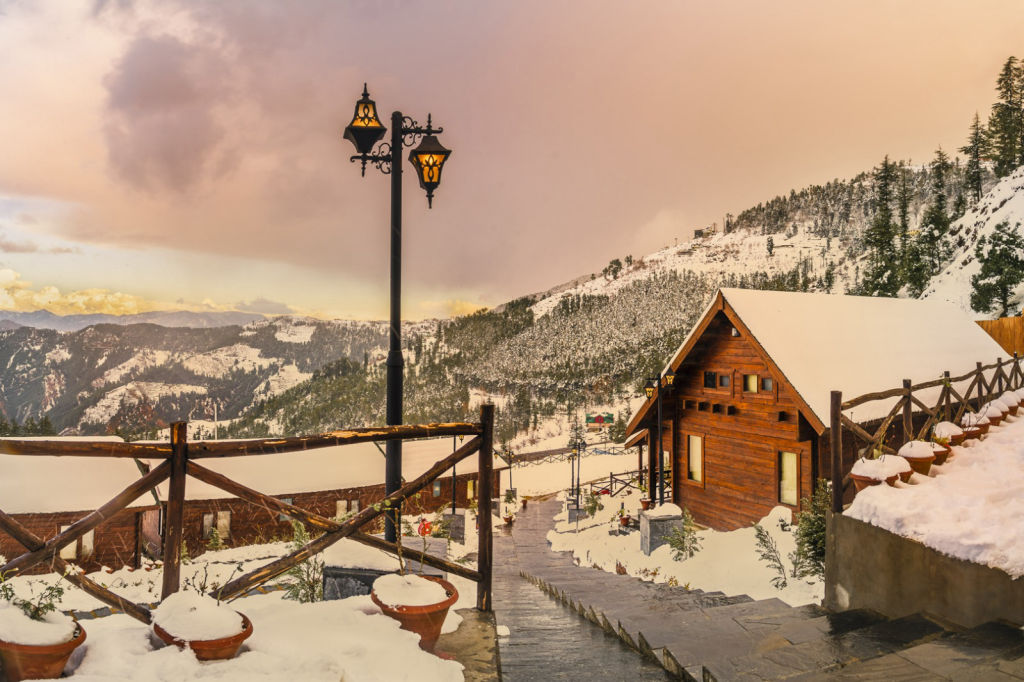
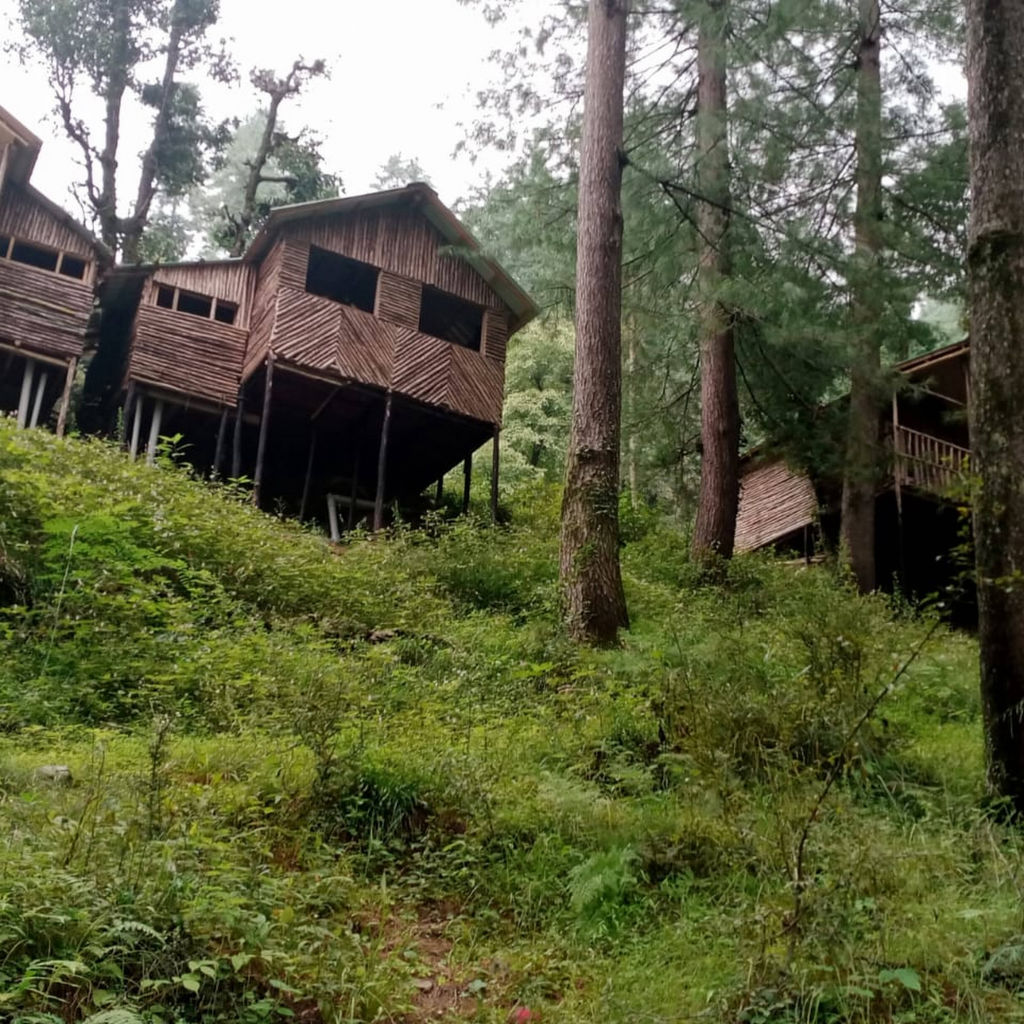
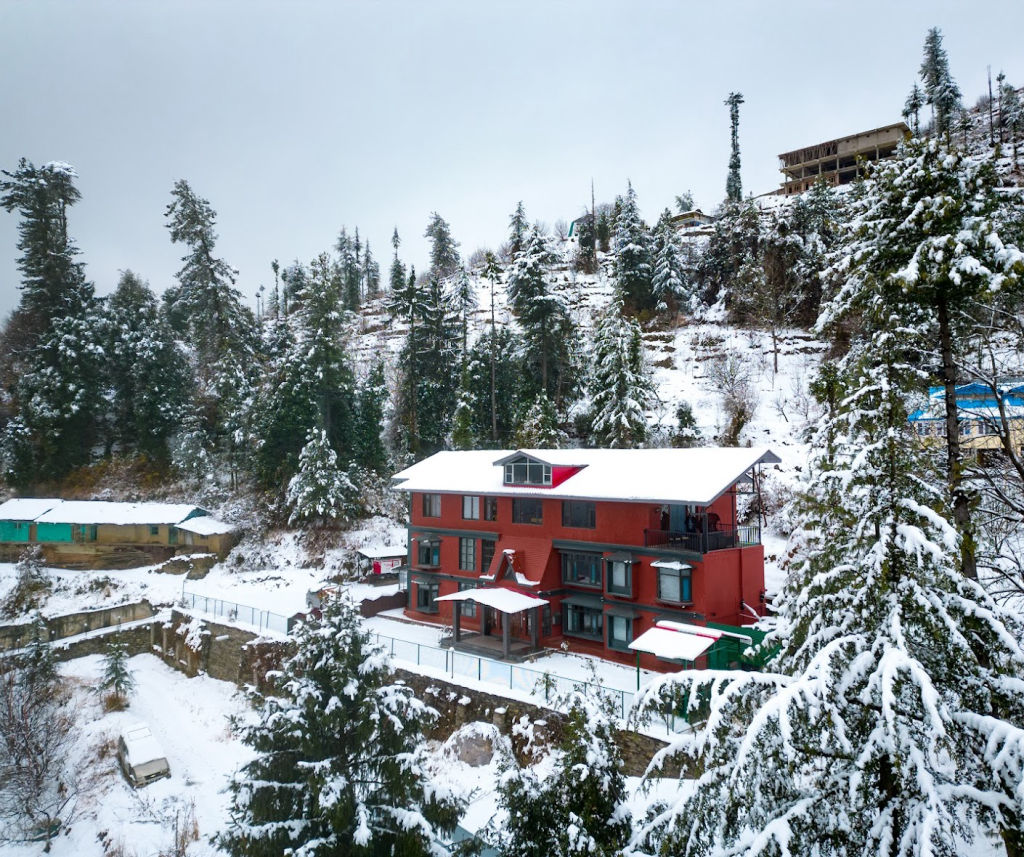
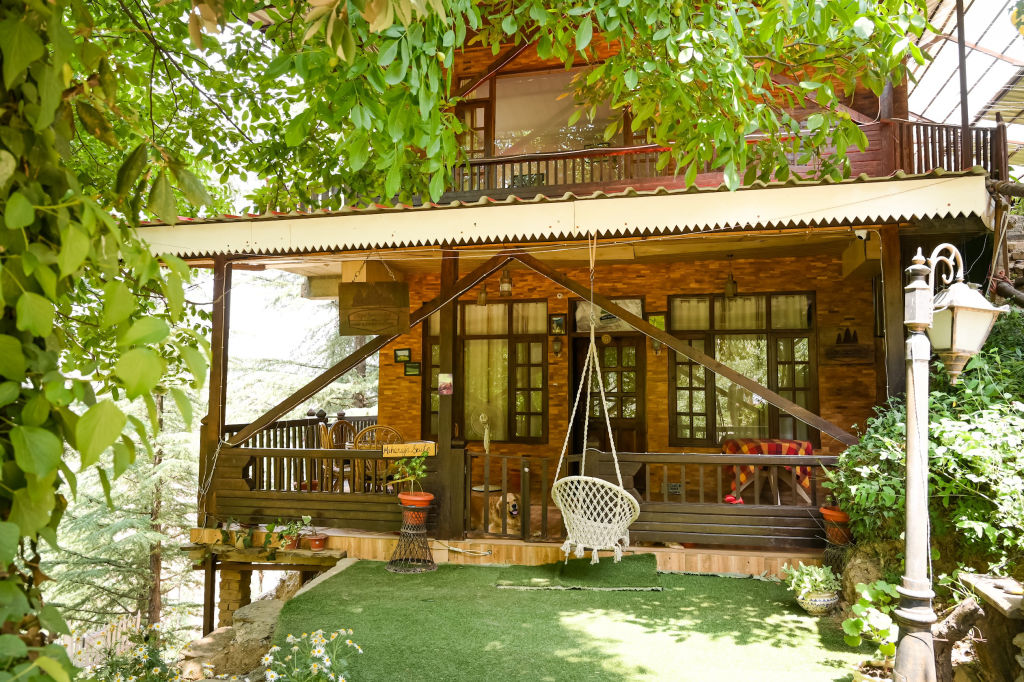
Travellers visiting Jakhu Hill can choose from a broad variety of stays situated around Shimla and its outlying pine-covered ridges. The immediate town offers traditional mountain cottages, heritage properties, and hillside homestays within easy reach of the walking tracks leading to the peak.
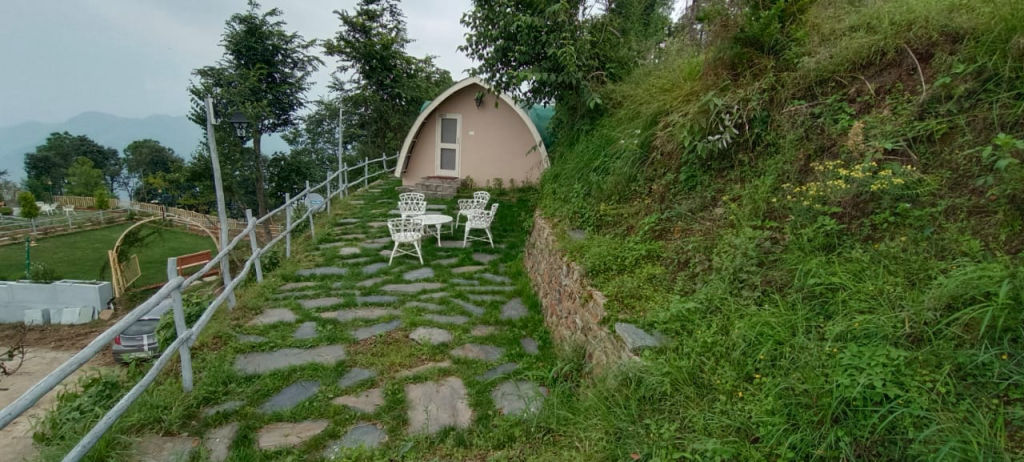
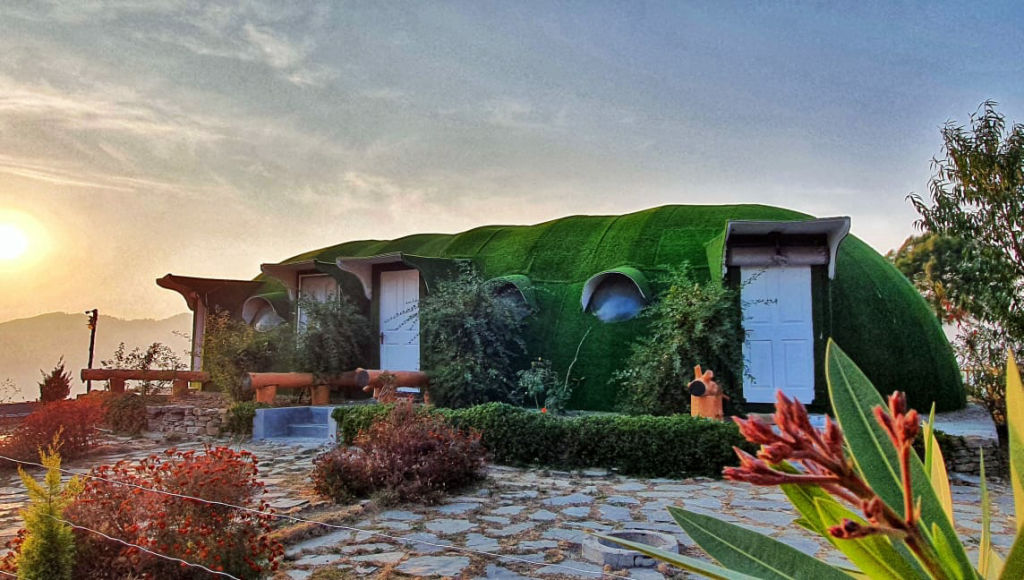
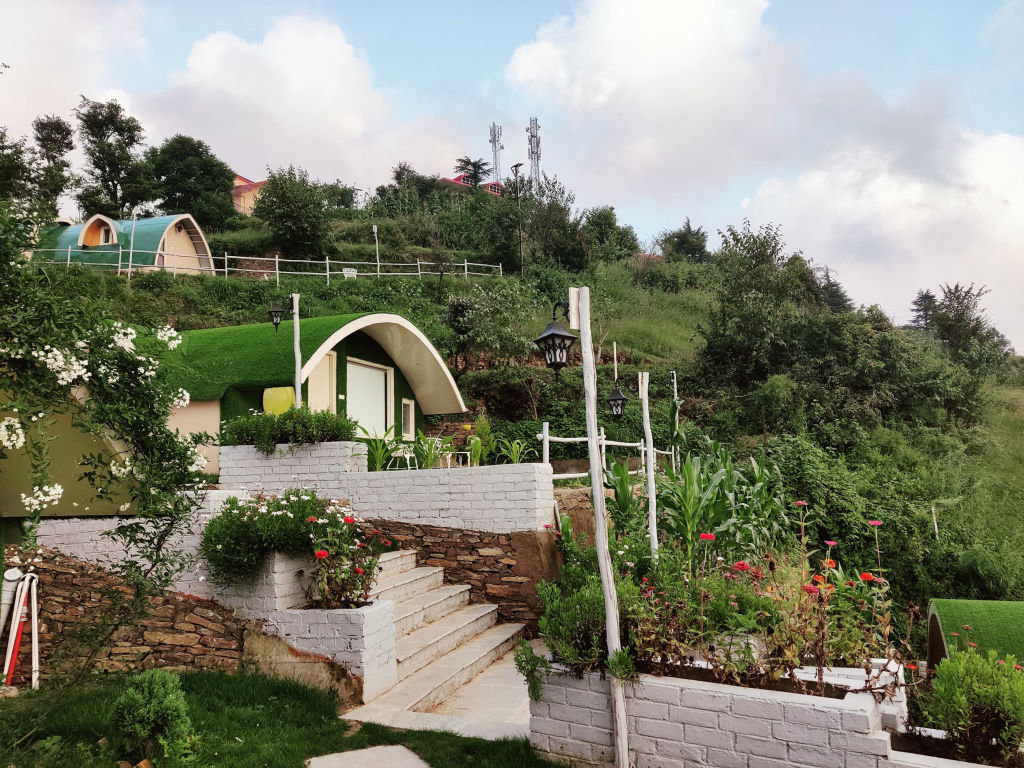
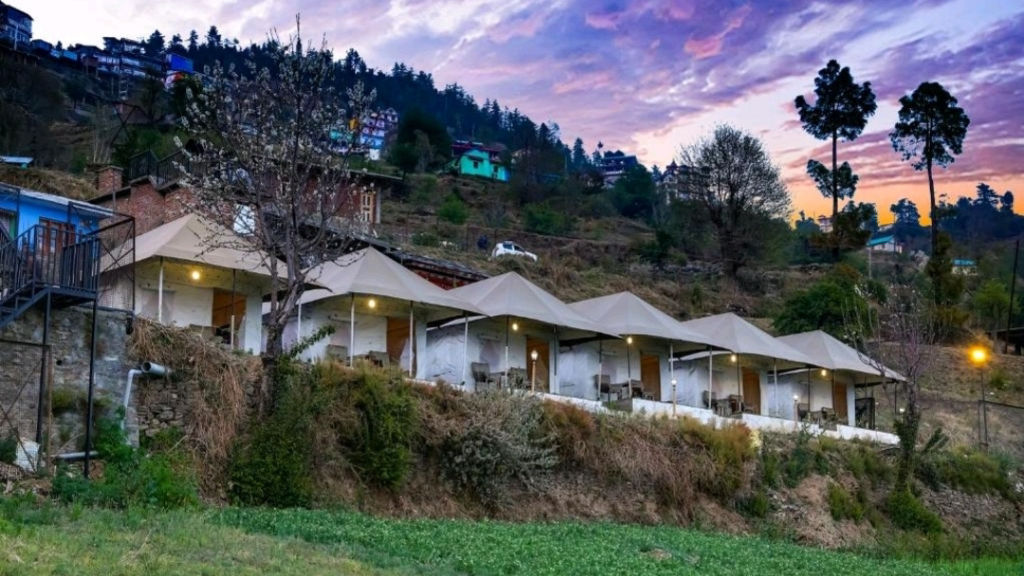
Those looking to escape the town centre and enjoy open skies, quiet forest trails, and rural mountain views can find scenic homestays, nature retreats, and campsites across the surrounding valleys on HireACamp. Staying slightly outside the main hub allows you to unwind in quiet natural surroundings while remaining within easy reach of Jakhu Hill and Shimla.
Frequently asked questions
How long does it take to walk up Jakhu Hill?
The walk from The Ridge to the top of Jakhu Hill takes most walkers between thirty and forty-five minutes. The path is continuously uphill, so taking short breaks along the shaded trail is common.
Is there a ropeway available to reach Jakhu Hill?
Yes, an aerial ropeway operates between the Ridge area and the summit of Jakhu Hill, providing a quick and scenic ride over the forest canopy.
Does it snow at Jakhu Hill during winter?
Jakhu Hill frequently receives snowfall during the peak winter months of December, January, and February, giving the high ridge and its deodar woods a classic winter cover.
What precautions should visitors take regarding monkeys at Jakhu Hill?
Visitors should keep all loose belongings, including sunglasses, phones, and hats, securely zipped inside bags. Avoid carrying visible food or snacks in your hands, as this attracts the monkeys.
Can Jakhu Hill be visited throughout the year?
Jakhu Hill is accessible in all seasons, offering cool forest walks in summer, misty mountain vistas during the monsoon, and snowy landscapes in the heart of winter.
Where you'll be
Himachal Pradesh · 12 stays nearby shown with prices
Stays near Jakhu Hill
Book a place to stay close by
More places near Jakhu Hill
Within 20 km


Lists for this area
Ranked by how many creators recommend each place


Built from 0 Instagram posts by 0 creators. Every tip links back to the post it came from, and where creators disagree we show both sides.






