
Jhilmil Jheel Conservation Reserve
Wildlife sanctuary near Sultanpur, Uttarakhand
11 km from Sultanpur
The nearest town, for stays, food and fuel.
Jhilmil Jheel Conservation Reserve is a protected wetland sanctuary situated in the Haridwar district of Uttarakhand, near the town of Sultanpur. It is celebrated as one of the last remaining refuges of the swamp deer in the state, set against a mosaic of oxbow lakes, reed beds, and alluvial grasslands. Wildlife enthusiasts and birdwatchers visit the reserve to experience an undisturbed natural environment teeming with resident and migratory species.
Getting there
By road
- From SultanpurNearest town1 hr 20 min · 46 km
- From Dehradun1 hr 40 min · 71 km
- From New Delhi4 hr 20 min · 250 km
- From Chandigarh5 hr 15 min · 240 km
Typical drive times without traffic. Stations and airports from OLA Maps; distances and typical drive times from OpenStreetMap (© OpenStreetMap contributors); notes from creators' Reels.
About Jhilmil Jheel Conservation Reserve
Written with AI from map data and general knowledge. Check prices and timings locally before you go.
Understanding Jhilmil Jheel Conservation Reserve
Jhilmil Jheel Conservation Reserve spans a crucial tract of wetland and riverine forest in the upper Gangetic floodplains. Formed by seasonal channels, oxbow marshes, and alluvial woodlands, the reserve represents a delicate and increasingly rare ecosystem in northern India. It earned its conservation status in 2005 after researchers and forest officials discovered a thriving, isolated population of swamp deer that had long vanished from most of the surrounding plains.
The reserve forms an important ecological bridge between the Shivalik foothills and the agricultural terrain of the Terai belt. Because it experiences far fewer crowds than famous national parks, Jhilmil Jheel offers a quiet, unhurried outdoor experience. Visitors come here not for high-speed tourist circuits, but to observe nature in an authentic, tranquil riverine habitat.
Wildlife and Birdwatching at Jhilmil Jheel
The primary ecological jewel of Jhilmil Jheel Conservation Reserve is the swamp deer, locally known as barasingha. These graceful herbivores are easily recognized by their sprawling, multi-tined antlers and their preference for shallow marshes and tall grasses. Alongside the deer, the reserve shelters spotted deer, sambar, nilgai, wild boars, and barking deer. Elephants also periodically migrate through the reserve from adjacent protected corridors, while leopards and smaller carnivores prowl the dense scrub.
For birdwatchers, the reserve is an extraordinary destination. The complex network of water bodies, mudflats, and reed beds attracts hundreds of resident and migratory bird species. In the colder months, flocking waterfowl including mallards, pintails, pochards, and bar-headed geese settle on the open waters. You can also spot kingfishers, storks, herons, egrets, and birds of prey circling the canopy and scanning the wetlands for fish.
Read more
Best time to visit Jhilmil Jheel
The ideal period to visit Jhilmil Jheel Conservation Reserve is between November and April, when the weather in this part of Uttarakhand is cool, dry, and comfortable for open safari drives. Early winter brings a huge influx of migratory birds from Central Asia and northern latitudes, making December and January exceptional months for avid birding.
As spring approaches in March and April, the dense wetland grasses thin out, significantly improving visibility for viewing swamp deer and other mammals near the waterholes. The summer months of May and June can become quite hot, though wildlife viewings around water bodies remain rewarding. Monsoons arrive in July and last through September, bringing torrential rains that flood low-lying marshes and forest tracks; safaris during this time are generally limited or suspended depending on seasonal track conditions.
How to reach Jhilmil Jheel Conservation Reserve
Jhilmil Jheel is located near Sultanpur in the Haridwar district of Uttarakhand. It is well connected to major travel hubs in northern India, with Haridwar and Rishikesh serving as the most practical bases for onward travel.
By road, Haridwar is roughly 25 to 30 kilometres away, while Rishikesh lies about 35 to 40 kilometres to the north. Travelers can hire local taxis or drive private vehicles from either city along the regional highways. The nearest major railway stations are at Haridwar and Rishikesh, both of which receive regular trains from New Delhi, Dehradun, and other metropolitan centers. For those traveling by air, Jolly Grant Airport in Dehradun is the closest operational airport, from where you can take a taxi down to the reserve.
Tips for your visit
To make the most of your safari in Jhilmil Jheel Conservation Reserve, plan to start during the early morning hours or late in the afternoon. Wildlife is most active during these cooler parts of the day, particularly near the edge of the marshes and grasslands.
Carry a capable pair of binoculars and a camera with a telephoto lens, as swamp deer and migratory waterfowl often maintain a careful distance from safari vehicles. Wear earthy, muted colors such as greens, browns, and khakis to blend into the forest landscape, and pack insect repellent along with warm layers for chilly morning drives in winter. Always listen to your registered forest guide, refrain from making loud noises, and ensure that no litter is left behind in the reserve.
Places to visit nearby
A trip to Jhilmil Jheel Conservation Reserve pairs naturally with visits to several nearby natural and cultural landmarks. Rajaji National Park is located in close proximity, with its safari booking counters about 19 kilometres away, offering vast tracts of dry deciduous forest and dense elephant populations.
Further north, around 35 to 38 kilometres from the reserve, lies the holy town of Rishikesh. Here you can explore iconic spots like Triveni Ghat, Parmarth Niketan Ashram, Ram Jhula, and the historic Beatles Ashram. For those interested in day hikes or temple visits, Neelkanth Mahadev Temple and the scenic riverbanks of the Ganga provide rich cultural and spiritual experiences to balance your wildlife safari.
Where to stay
Since Jhilmil Jheel is an ecologically sensitive conservation area, development inside the reserve is strictly restricted to preserve natural habitats. Most travelers choose to base themselves in the serene countryside, riverbanks, or rural edges between Haridwar and Rishikesh.
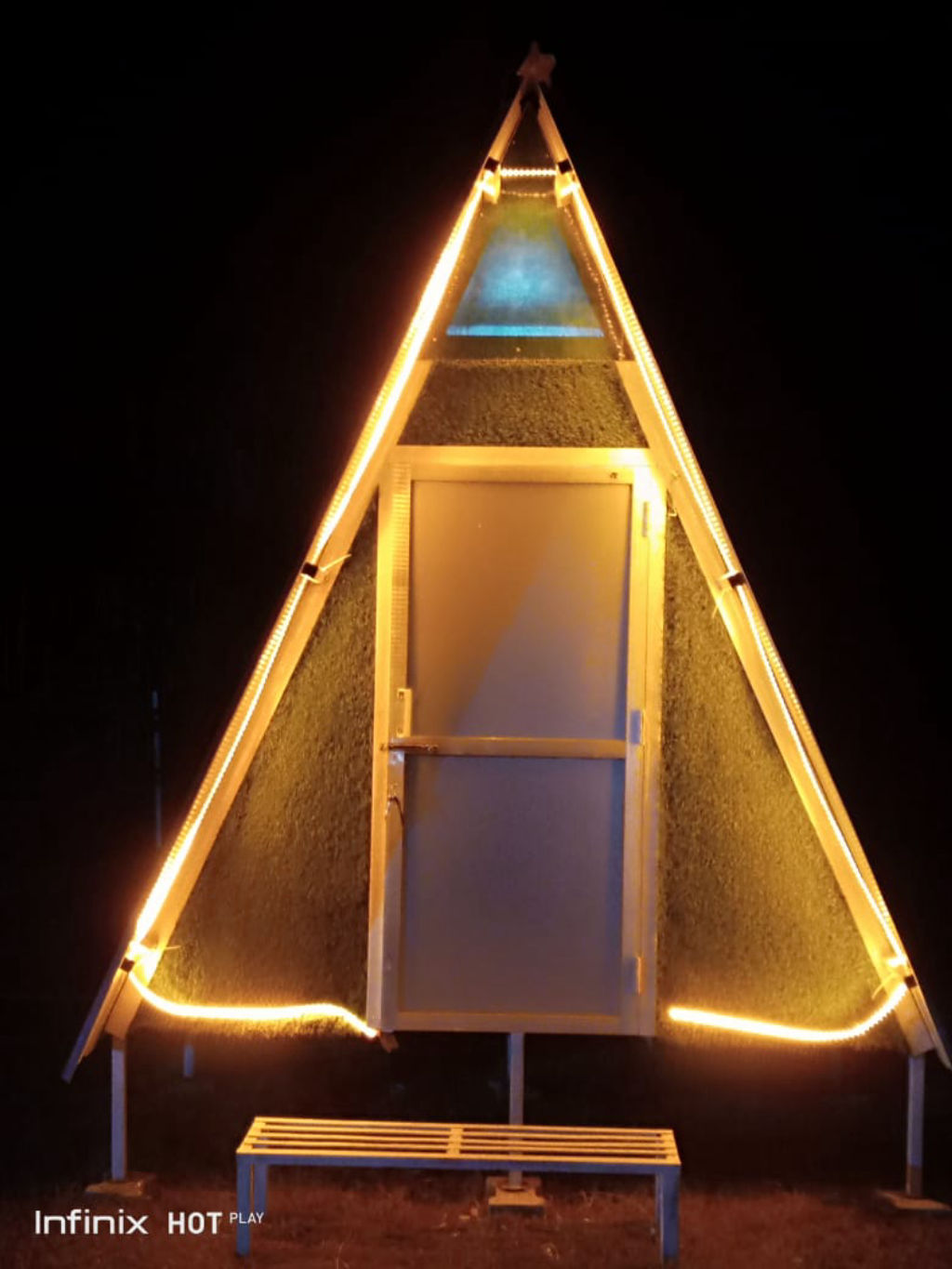
You can find comfortable riverside camps, peaceful homestays, and farm retreats near the reserve and its neighbouring districts on HireACamp. Staying at an outdoor campsite or village homestay nearby lets you enjoy tranquil morning bird calls and rural Uttarakhand hospitality while keeping you within easy driving distance of your wildlife safari.
Frequently asked questions
What is Jhilmil Jheel Conservation Reserve famous for?
Jhilmil Jheel is best known for harbouring a population of swamp deer (barasingha), an endangered deer species found in very few areas across northern India. It is also celebrated for its rich wetland birdlife and resident riverine wildlife.
Which is the nearest town to Jhilmil Jheel?
Sultanpur is the nearest local town to the reserve. The major pilgrimage cities of Haridwar and Rishikesh are also close by and serve as convenient bases for visitors.
When is the best time for birdwatching at the reserve?
The peak season for birdwatching is from November to February, when thousands of migratory waterfowl join resident wetland birds in and around the reserve's oxbow lakes.
Are safaris available at Jhilmil Jheel Conservation Reserve?
Yes, forest safaris with authorized vehicles and local guides are organized to explore the designated tracks. Visitors should check locally at the forest department office regarding seasonal timings and vehicle arrangements.
Can I visit Rajaji National Park and Jhilmil Jheel on the same trip?
Yes, Rajaji National Park is located just under 20 kilometres away, making it easy to combine both reserves into a single wildlife itinerary.
Where you'll be
1 stay nearby shown with prices
Stays near Jhilmil Jheel Conservation Reserve
Book a place to stay close by
More places near Jhilmil Jheel Conservation Reserve
Within 20 km


Lists for this area
Ranked by how many creators recommend each place


Built from 0 Instagram posts by 0 creators. Every tip links back to the post it came from, and where creators disagree we show both sides.






