
Jim Corbett National Park
National park near Nainital, Uttarakhand
1.9 km from Nainital
The nearest town, for stays, food and fuel.
Jim Corbett National Park, situated in the Shivalik foothills of Nainital district in Uttarakhand, is India's oldest national park and a premier tiger reserve. Famed for its dense sal forests, scenic river valleys, and rich biodiversity, the park attracts wildlife enthusiasts, birdwatchers, and nature lovers from across the world. Travellers visit to experience open-jeep safaris, peaceful riverbanks along the Ramganga, and the chance to encounter diverse Himalayan wildlife in their natural habitat.
Getting there
By road
- From NainitalNearest town12 min · 8.3 km
- From Dehradun6 hr 10 min · 287 km
- From New Delhi6 hr 35 min · 288 km
- From Lucknow7 hr 50 min · 436 km
Typical drive times without traffic. Stations and airports from OLA Maps; distances and typical drive times from OpenStreetMap (© OpenStreetMap contributors); notes from creators' Reels.
About Jim Corbett National Park
Written with AI from map data and general knowledge. Check prices and timings locally before you go.
About Jim Corbett National Park
Established in 1936 as Hailey National Park and later renamed, Jim Corbett National Park stands as the cornerstone of Project Tiger in India. Spanning across diverse terrains of riverine belts, marshy depressions, grasslands, and large water bodies, the reserve represents the rich ecosystem of the sub-Himalayan belt.
The park's landscape is shaped by the Ramganga, Kosi, and Sonanadi rivers, which provide a dependable water source for the region's wildlife. Its dramatic changes in elevation, transitioning from low river valleys to the rugged contours of the lower Himalayas, create microclimates that support hundreds of species of plants, birds, and mammals.
Wildlife and landscapes of Corbett
Jim Corbett National Park is celebrated for having one of the highest densities of Bengal tigers in the wild. Beside tigers, the expansive grasslands and dense sal woodlands are home to Asian elephants, leopards, sloth bears, sambar deer, barking deer, hog deer, and wild boars. The watercourses and marshes harbour both the mugger crocodile and the endangered fish-eating gharial.
Bird life within the reserve is exceptionally diverse, with over six hundred recorded resident and migratory species. Keen birders frequently spot crested serpent eagles, fishing eagles, great pied hornbills, kingfishers, and a variety of Himalayan thrushes and woodpeckers along the forest trails and riverbeds.
Read more
Safari zones and exploring the park
The park is traditionally divided into multiple eco-tourism zones to manage wilderness tourism sustainably. Zones such as Dhikala, Bijrani, Jhirna, Dhela, and Durga Devi each present distinct topographies, ranging from the open chaur grasslands of Dhikala to the deep mixed forests of Durga Devi. Certain zones remain accessible year-round, while others close during the peak monsoon season due to flooded riverbeds.
Exploring these zones is done via guided open-top safari jeeps or morning canter safaris, accompanied by registered forest guides. Because visitor permits and vehicle quotas are tightly managed by forest authorities to prevent habitat disturbance, visitors should plan and verify their permits well in advance through official reserve channels.
Best time to visit Jim Corbett National Park
The winter season, extending from November to February, is regarded as the most pleasant time to visit the park. Days are clear and crisp with moderate daytime temperatures, making full-day forest safaris comfortable, though mornings and evenings can get very cold.
From March to June, the summer brings warmer conditions, causing waterholes to shrink and forest cover to thin. While the afternoons become hot, this season offers higher visibility around remaining water sources, making it a favoured period for wildlife viewing. The monsoon months, from July to October, bring heavy rainfall that replenishes the river systems, though several interior safari tracks close temporarily for safety.
How to reach the reserve
Ramnagar serves as the primary railway head and entry hub for Jim Corbett National Park. It is well connected by direct trains and regular highway transport from New Delhi and other prominent North Indian cities. Travellers flying in can arrive at Pantnagar Airport, which is the closest commercial airport, or the international hub at New Delhi, continuing by road to the reserve.
For travellers coming from hill stations like Nainital, the scenic drive descends through pine-clad ridges and foothill curves into the plains of the Corbett landscape, making it straightforward to combine high-altitude Himalayan sightseeing with lower-elevation wildlife excursions.
Places to explore nearby
Beyond the core safari boundaries, the surrounding landscape offers rich natural and cultural value. The Pawalgarh Conservation Reserve, located adjacent to the park, is renowned for its tranquil forest corridors and exceptional birdwatching opportunities, drawing nature photographers seeking quieter trails away from main safari routes.
Visitors can also spend time exploring the ancient Sitavani Temple nestled inside the Sitavani reserve forest, a sanctuary steeped in local folklore and rich in bird species. If you are travelling towards the upper hills of Nainital district, stops at serene spots like Sariyatal Lake allow you to experience quiet mountain waters amidst tranquil oak and pine belts.
Where to stay around Jim Corbett National Park
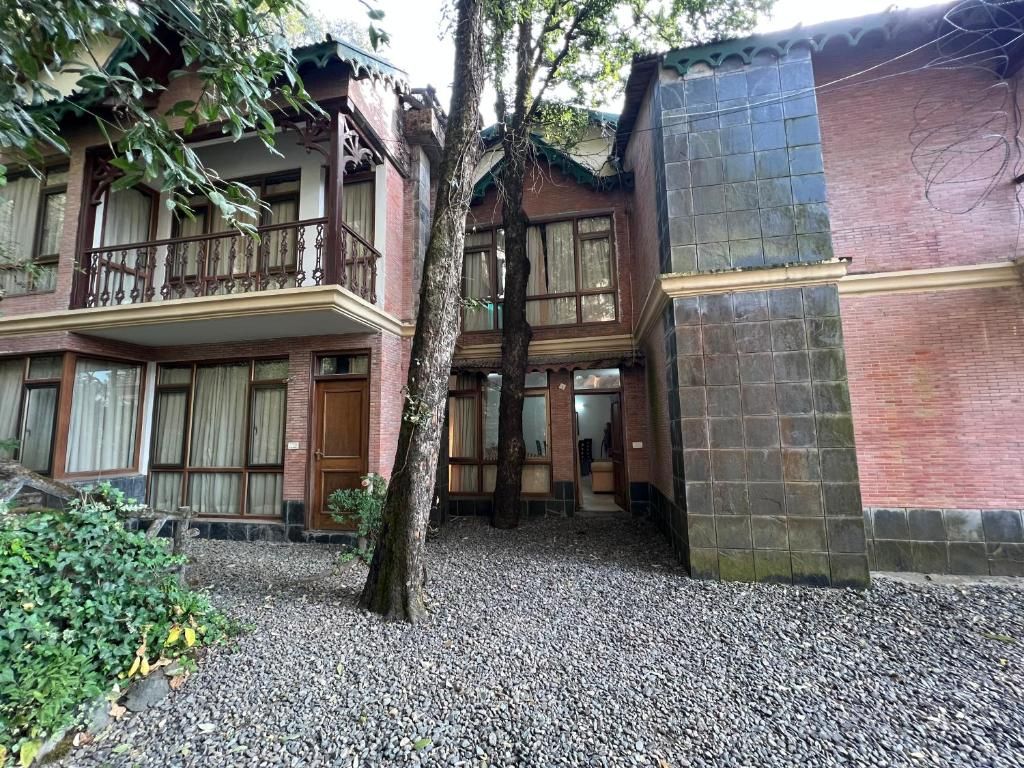
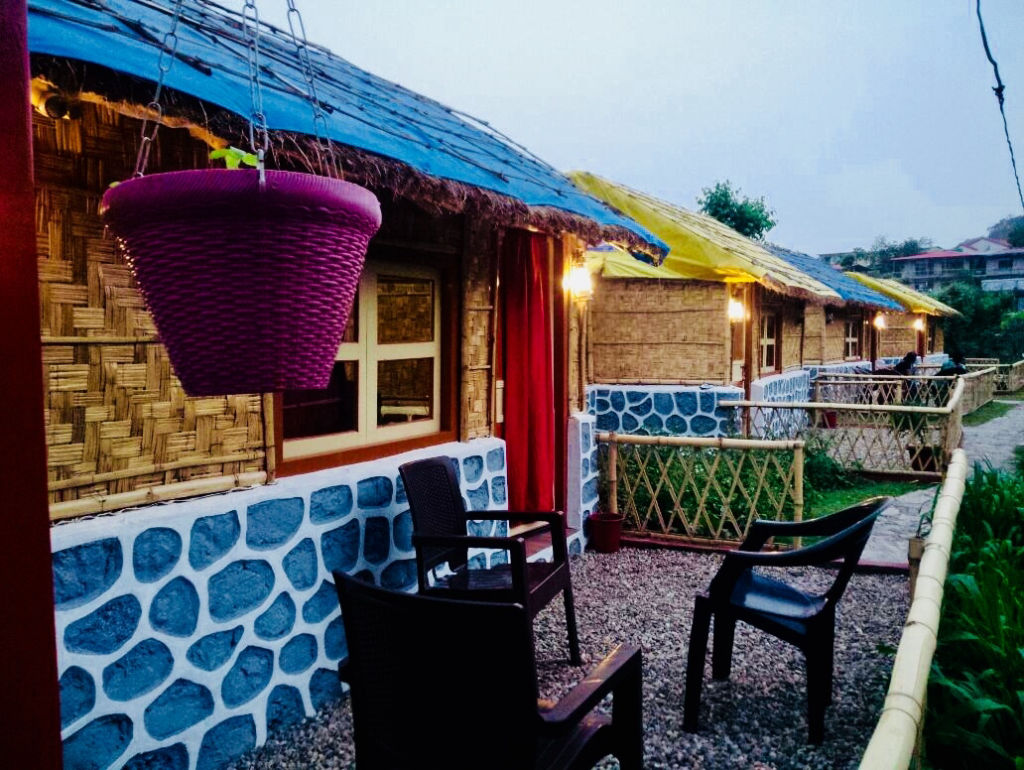
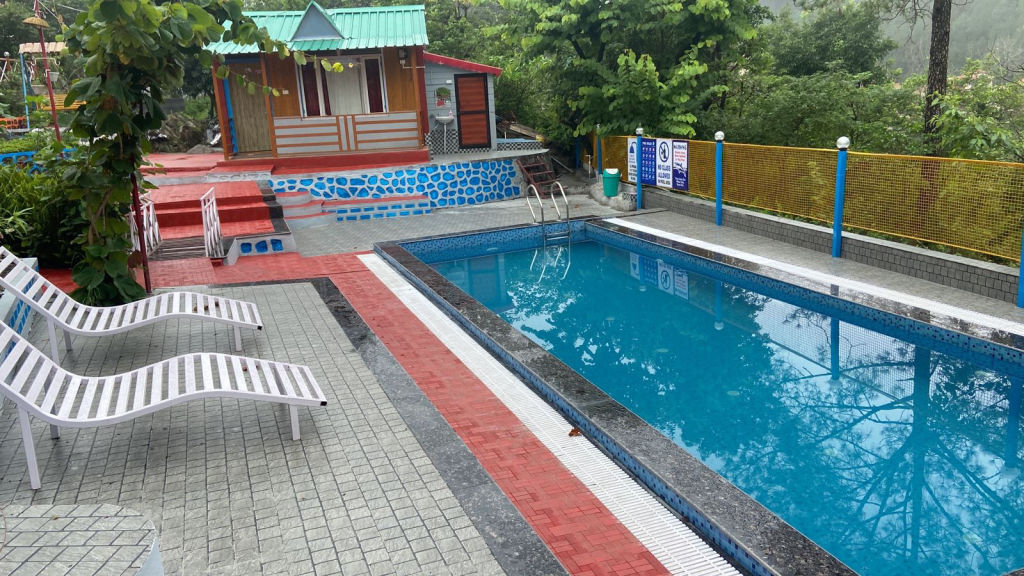
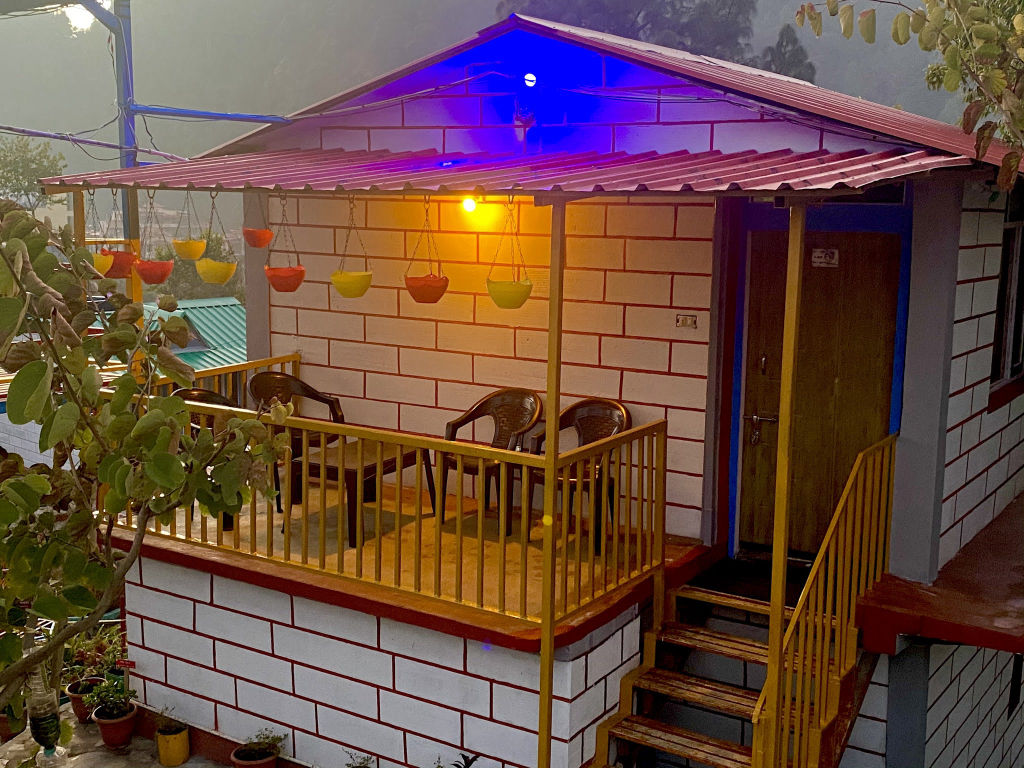
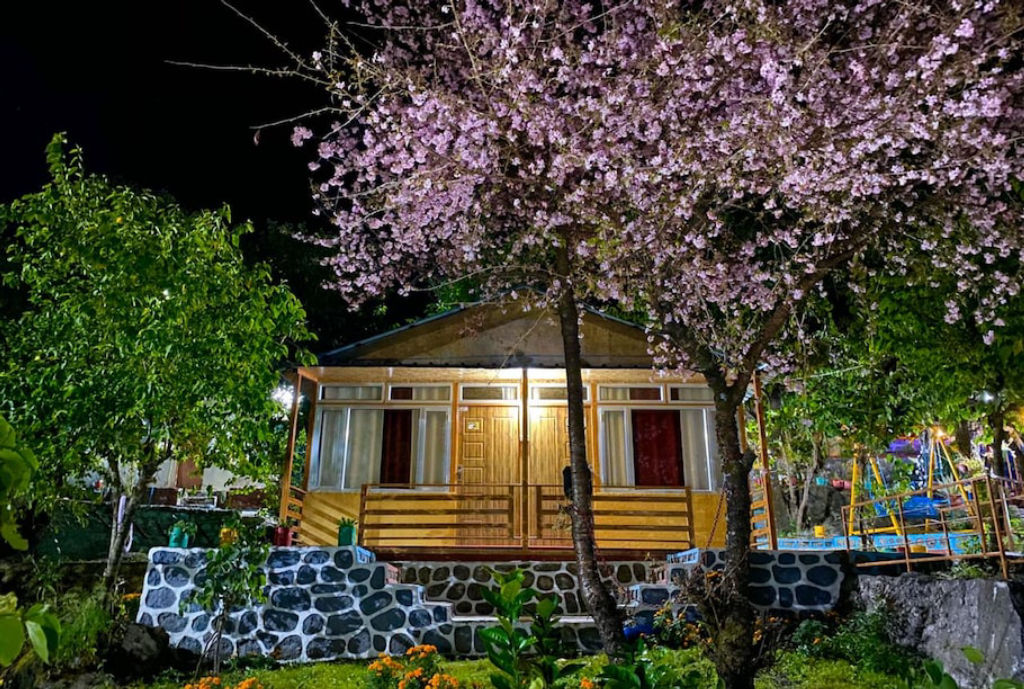
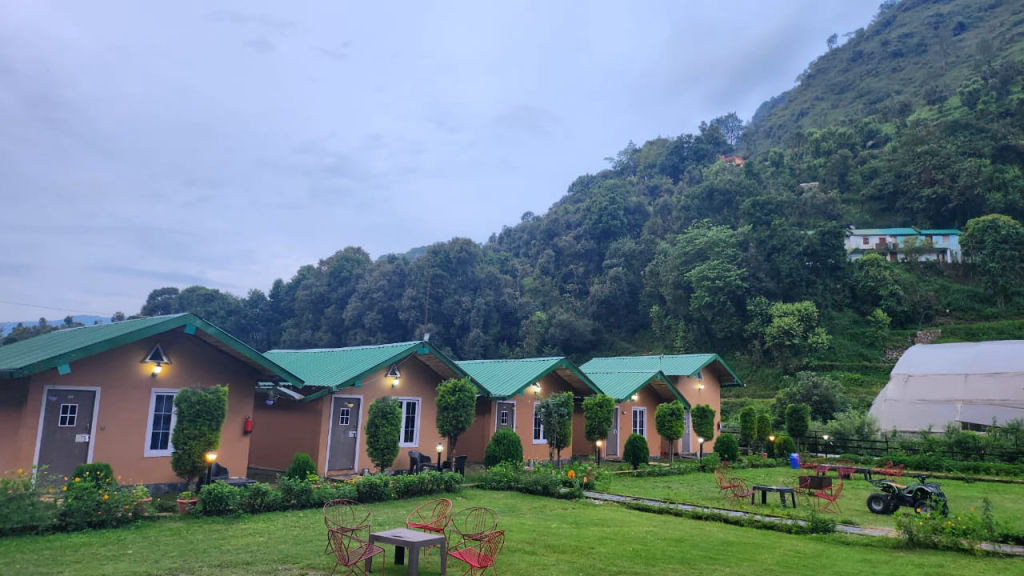
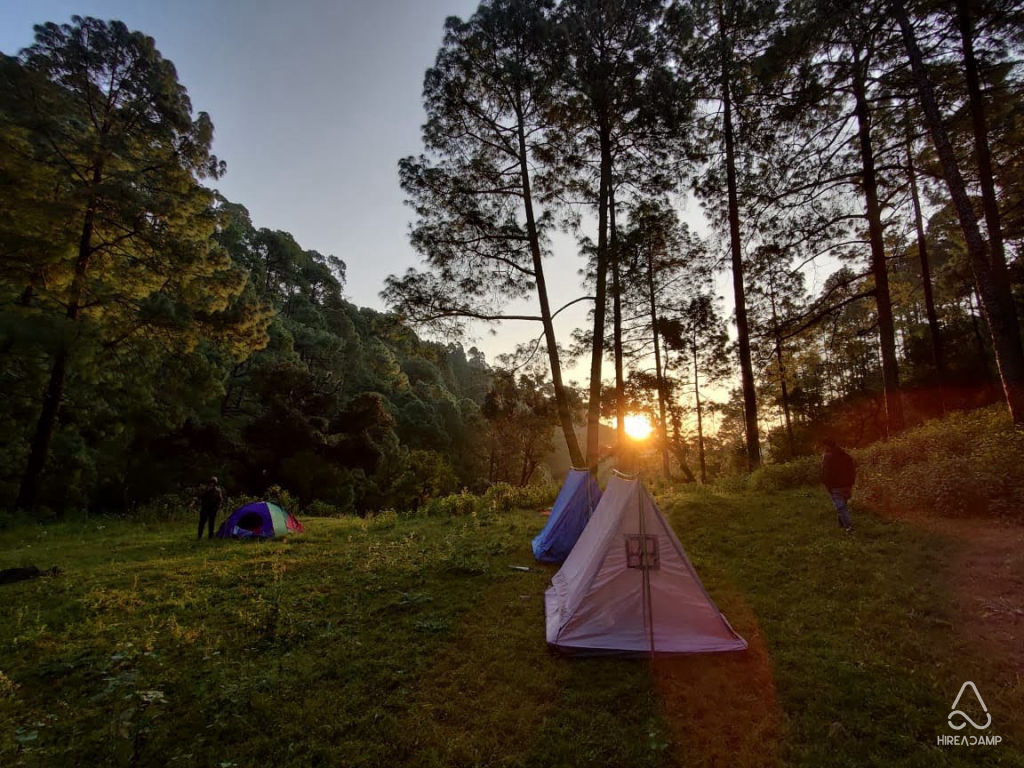
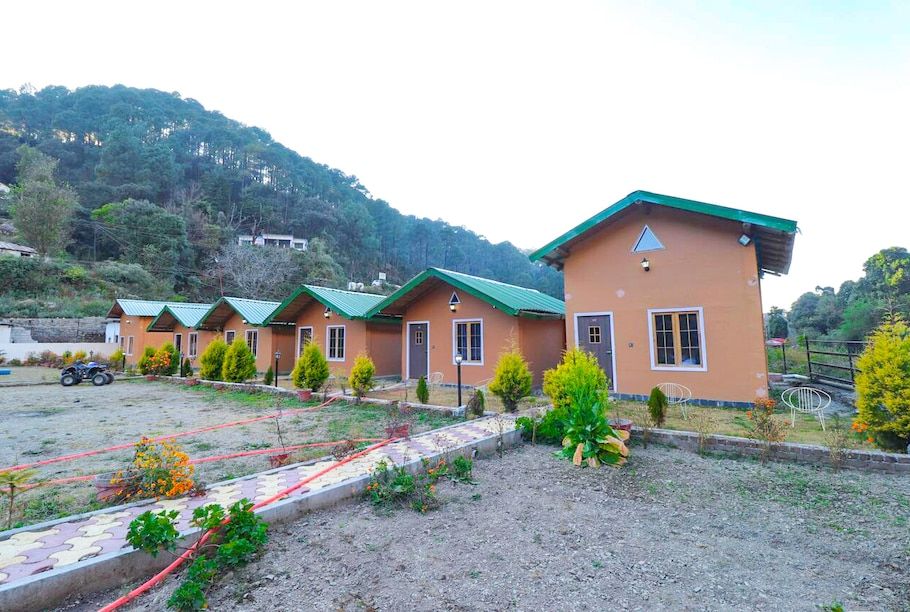
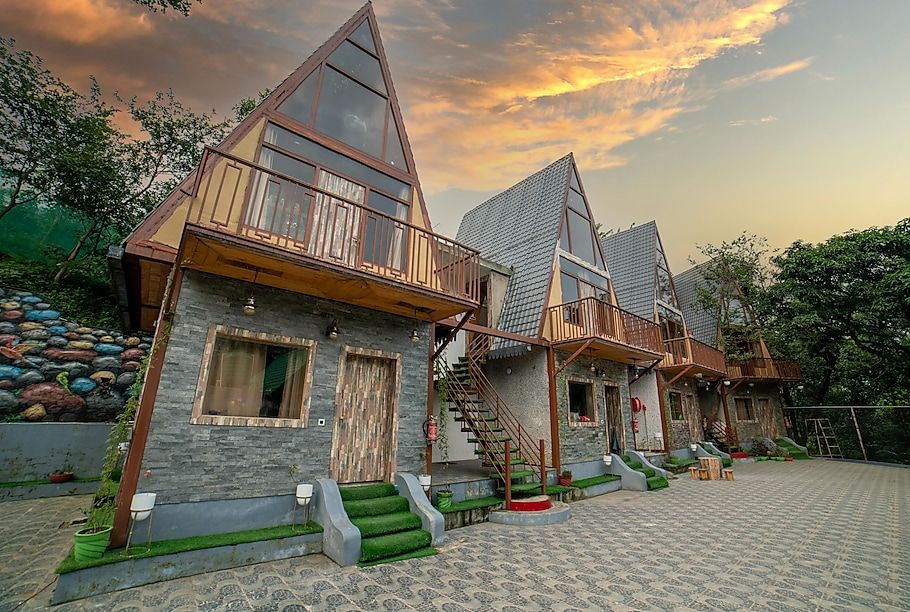
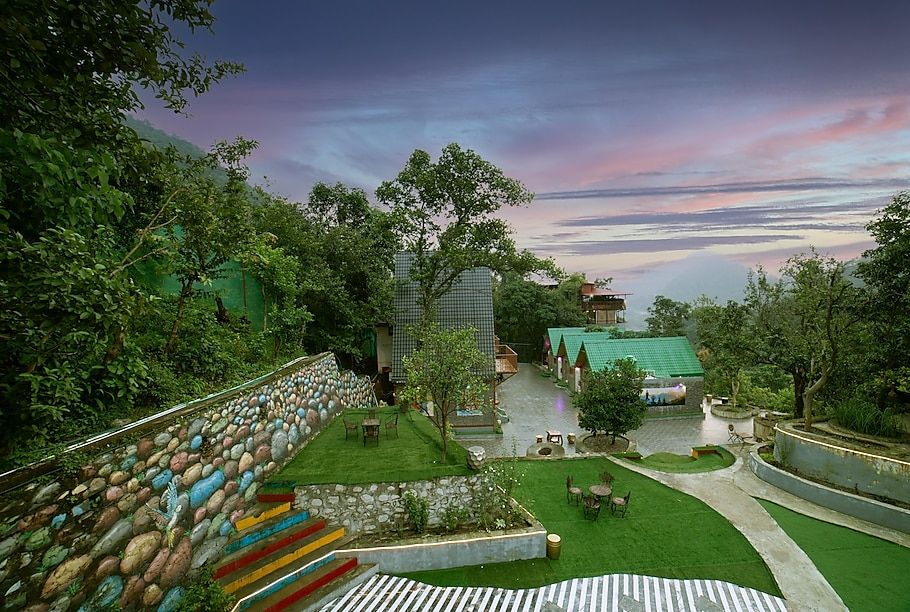
Accommodation options surround the reserve periphery, particularly clustered along the course of the Kosi River and throughout the forested corridors of Ramnagar and Nainital district. Whether you prefer an eco-friendly camp under the forest canopy, a peaceful rural homestay close to village orchards, or a nature cottage by the riverbank, staying close to nature enriches the Corbett wilderness experience.
A selection of riverside camps, homestays, and outdoor retreats situated around Jim Corbett National Park and the surrounding Himalayan foothills can be browsed and booked directly on HireACamp.
Frequently asked questions
What is Jim Corbett National Park best known for?
Jim Corbett National Park is renowned as India's first national park and a flagship tiger reserve, known for its thriving population of Bengal tigers, wild Asian elephants, and hundreds of bird species.
Is the park open throughout the year?
Certain safari zones such as Jhirna and Dhela remain open year-round, weather permitting, while other prominent zones like Dhikala close during the monsoon season. Travellers should check the current status of specific zones with official forest authorities before traveling.
How do visitors explore the core forest areas?
Visitors explore designated zones through authorized four-wheel-drive safari jeeps or forest canters, always accompanied by a registered driver and local nature guide.
Which airport and railway station are nearest to Jim Corbett National Park?
The nearest railway station is Ramnagar, while the nearest domestic airport is at Pantnagar. Delhi provides the nearest major international airport connection.
Where you'll be
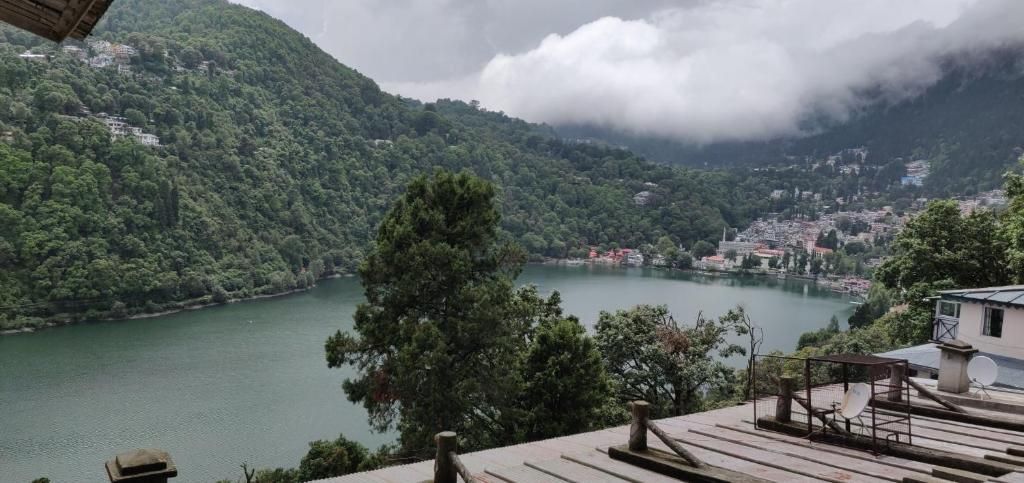
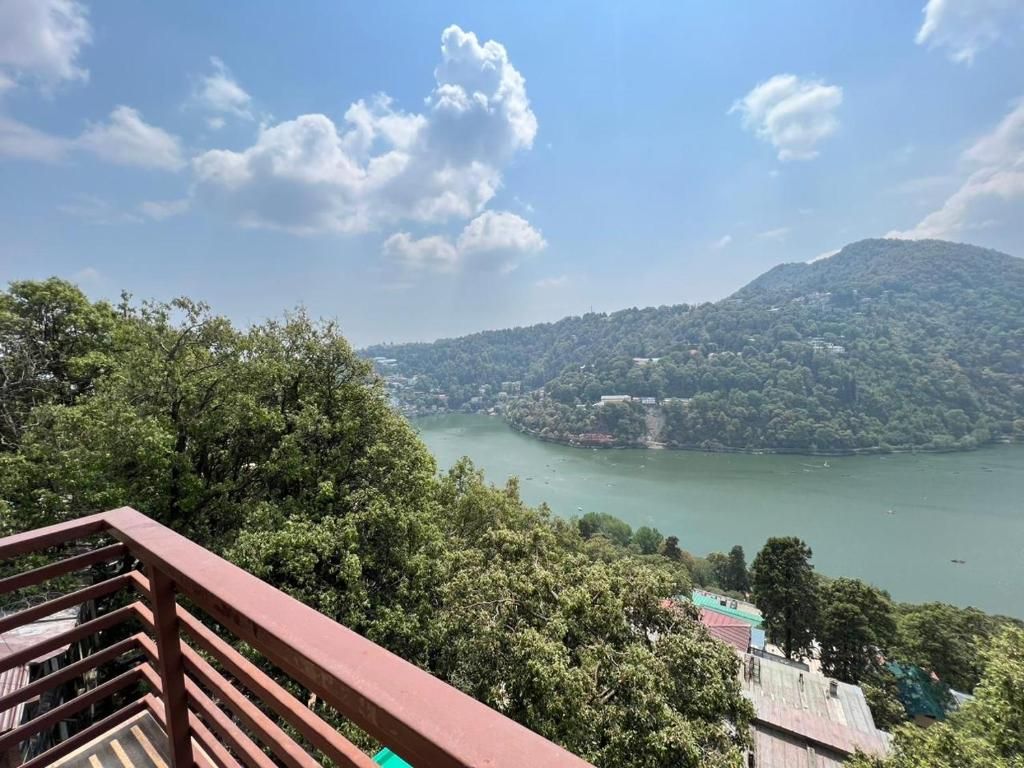
Nainital, Nainital · 12 stays nearby shown with prices
Stays near Jim Corbett National Park
Book a place to stay close by
More places near Jim Corbett National Park
Within 20 km
Built from 0 Instagram posts by 0 creators. Every tip links back to the post it came from, and where creators disagree we show both sides.






