
Kalpeshwar Mandir
Temple near Helang, Uttarakhand
6.2 km from Helang
The nearest town, for stays, food and fuel.
Kalpeshwar Mandir is an ancient rock-cut cave temple dedicated to Lord Shiva, situated in the serene Urgam Valley near Joshimath in Uttarakhand. It is revered as the fifth shrine in the celebrated Panch Kedar pilgrimage circuit and holds distinction as the only Panch Kedar temple that remains accessible throughout the winter months. Travellers and pilgrims journey here to experience its peaceful Himalayan setting, lush terraced farms, and deep spiritual heritage.
Getting there
By road
- From HelangNearest town45 min · 15 km
- From Dehradun6 hr 20 min · 290 km
- From New Delhi9 hr 40 min · 502 km
- From Chandigarh10 hr · 459 km
Typical drive times without traffic. Stations and airports from OLA Maps; distances and typical drive times from OpenStreetMap (© OpenStreetMap contributors); notes from creators' Reels.
About Kalpeshwar Mandir
Written with AI from map data and general knowledge. Check prices and timings locally before you go.
Significance and history of Kalpeshwar Mandir
Kalpeshwar Mandir holds a venerated position in Hindu tradition as one of the Panch Kedar temples, a cluster of five holy shrines scattered across the Garhwal region of Uttarakhand. According to local folklore rooted in the Mahabharata, the Pandavas sought redemption from Lord Shiva after the Kurukshetra war. Shiva assumed the form of a bull to avoid them, and when pursued, parts of his divine form surfaced at five distinct Himalayan spots. At Kalpeshwar, Shiva's matted tresses, known as the Jata, are said to have appeared.
The temple itself is housed within a natural stone cave surrounded by rugged mountain faces. Inside the sanctum, the naturally occurring rock formation resembling locks of hair is worshipped with profound devotion. Unlike the other four Panch Kedar temples—Kedarnath, Tungnath, Rudranath, and Madhyamaheshwar—which are shut during the harsh snowy winter months and their deities relocated to lower shrines, Kalpeshwar Mandir stays open all year round. A sacred wishing tree, traditionally associated with the mythical Kalpavriksha, is also revered near the temple complex.
The landscape of Urgam Valley
Kalpeshwar is set within the fertile and picturesque Urgam Valley, a broad Himalayan basin fed by the gentle Kalpganga river. The surrounding geography contrasts sharply with the barren, steep cliffs found higher up in the Garhwal mountains. Here, the landscape features dense forests of pine, oak, and deodar intermingled with apple orchards, stepped fields of kidney beans, potatoes, and barley, and rustic wooden homes.
Walking through the valley toward the shrine offers a rare glimpse into quiet village life in Uttarakhand. Traditional stone houses with slate roofs sit alongside narrow paved pathways lined with wild mountain herbs. The air is crisp and filled with the murmur of the Kalpganga, which flows just below the cave temple. The gentle terrain of Urgam Valley makes it far less physically strenuous than other high-altitude Himalayan pilgrimages, drawing nature lovers and walkers alongside traditional pilgrims.
Read more
Best time to visit Kalpeshwar Mandir
Because Kalpeshwar Mandir is situated at an elevation lower than the other Panch Kedar shrines, it can be visited in almost any season. However, the experience varies significantly between periods, and understanding the weather patterns will help you plan your journey.
The summer months, extending from April through June, offer pleasant weather with clear skies and comfortable daytime temperatures. This is a favoured window for families, casual trekkers, and pilgrims travelling across the Garhwal belt. The valley is green and vibrant, and pathways are generally dry and easy to walk.
The monsoon season, spanning July and August, brings heavy rainfall across the lower Himalayas. Urgam Valley turns spectacularly green with swollen streams and mist-draped peaks, but the journey involves navigating rain-slicked paths and occasional mountain road blocks. Travellers visiting during this time should be prepared for delays and damp conditions.
Autumn, from September to November, brings crisp air, golden foliage, and exceptional mountain clarity, making it one of the most rewarding periods for photography and quiet reflection. Winter brings cold nights and occasional snowfall in the upper reaches of the valley, while the temple itself remains functional, creating a serene, snow-draped backdrop for hardy winter visitors.
How to reach Kalpeshwar Mandir
Reaching Kalpeshwar Mandir involves travelling into the Chamoli district of Uttarakhand toward the high-altitude hub of Joshimath. From major transit hubs such as Rishikesh, Haridwar, or Dehradun, visitors can travel by road along the Badrinath national highway along the Alaknanda river corridor.
The turn-off for Urgam Valley branches away from the main highway at Helang, situated between Pipalkoti and Joshimath. From Helang, a winding mountain road climbs steadily into the valley, passing small settlements and forested spurs. In recent years, motorable roads have reached closer to the temple, significantly reducing the walking distance.
From the village roadhead in Urgam, a gentle walking path leads visitors across the river and up stone steps directly to the entrance of the cave shrine. The walk is generally manageable for people of varying fitness levels. Local shared taxis operate intermittently between Helang and Urgam, though hiring private transport or planning ahead is advisable if you are on a fixed schedule.
Places to explore nearby
The broader region around Joshimath and Gopeshwar is rich in spiritual landmarks and outdoor trails. Trekkers can embark on the trail toward Rudranath, another of the Panch Kedar shrines, known for its demanding high-altitude meadows and dramatic cliffside views. The historic Gopinath Temple in Gopeshwar is another significant architectural and spiritual site nearby, showcasing ancient stone masonry.
Further south and west lie the serene landscapes of the Chopta Valley, frequently described as the gateway to Tungnath Temple and the summit of Chandrashila. Nature enthusiasts can also explore the Kedarnath Musk Deer Sanctuary, an extensive protected forest sheltering diverse Himalayan wildlife and rare flora. To the north, Joshimath serves as a base for excursions into high-altitude border valleys and sacred trekking routes such as the Pangarchula Peak trail.
Practical tips for your visit
Dress appropriately in modest, comfortable clothing suited for walking on stone paths and visiting an active place of worship. Even during summer, mountain mornings and evenings can be brisk, so carrying a warm fleece or light jacket is recommended. In winter, thermal innerwear and heavy woollens are essential.
Sturdy walking shoes with reliable grip are useful, especially if you plan to explore the surrounding footpaths and village trails across Urgam Valley. Carrying a refillable water bottle, a small first-aid kit, and enough cash for day-to-day needs is wise, as digital payment connectivity can be patchy in mountain hamlets. Always respect local customs, ask permission before photographing village residents or rituals, and pack out any personal waste to keep the valley clean.
Where to stay around Urgam and Joshimath
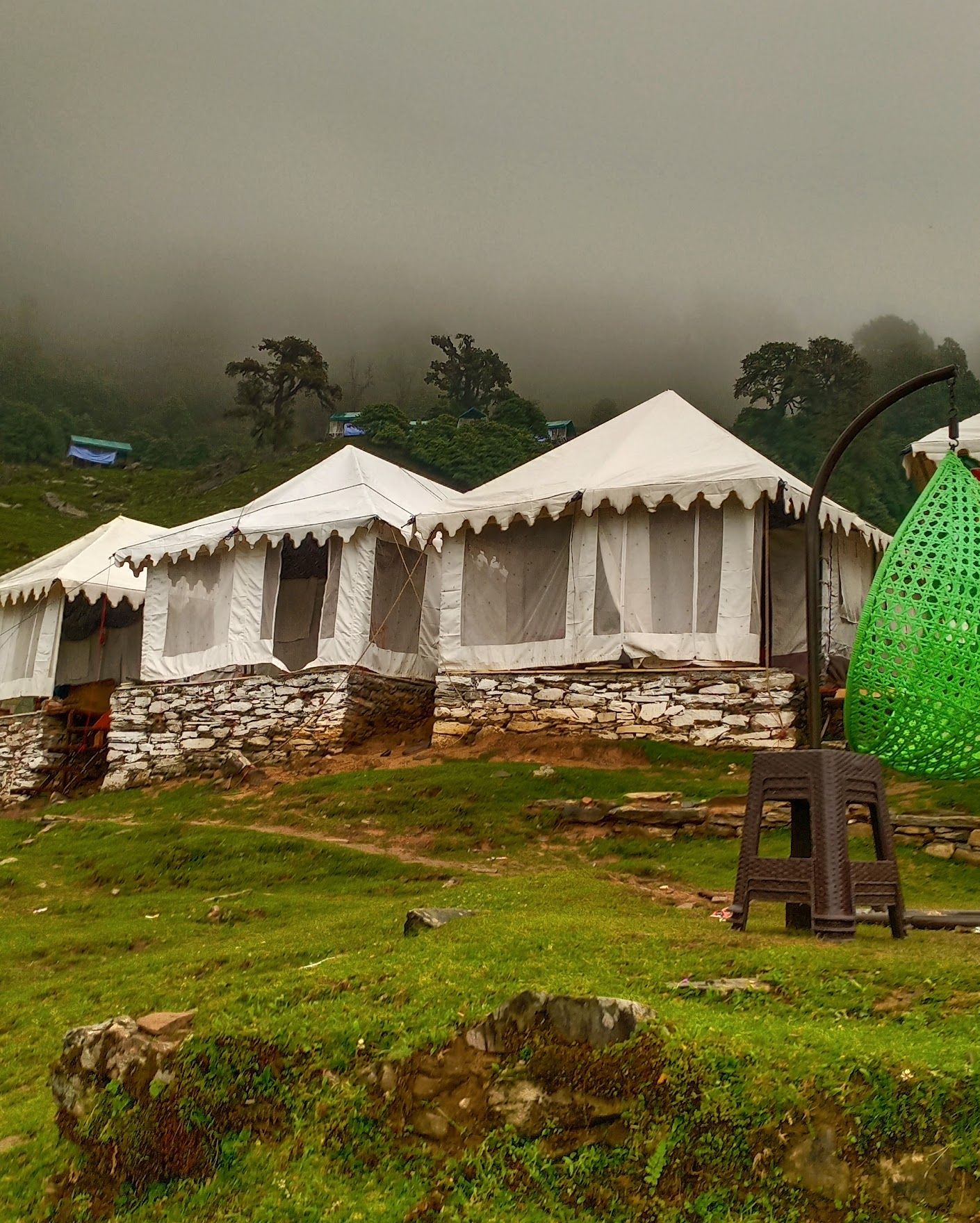
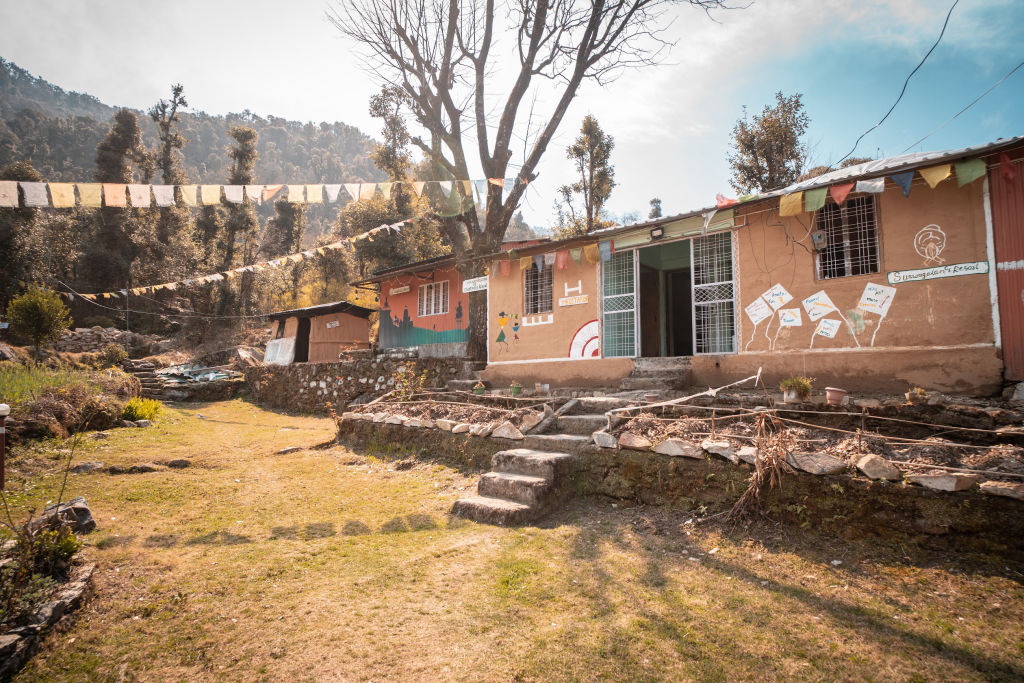
Visitors looking to stay close to Kalpeshwar Mandir can find basic village homestays and community guest houses in and around Urgam Valley. These stays offer authentic home-cooked Garhwali meals and an opportunity to experience rural mountain hospitality firsthand.
For a broader choice of accommodations, Joshimath and the surrounding towns provide numerous choices ranging from quiet rural settings to hillside retreats. Travellers interested in camping, riverside cottages, and curated homestays across the region can browse available properties on HireACamp to suit their travel itinerary.
Frequently asked questions
Does Kalpeshwar Mandir remain open during the winter?
Yes, Kalpeshwar Mandir is the only temple among the Panch Kedar shrines that stays open throughout the entire year, allowing visitors and pilgrims to pay homage even in mid-winter.
How difficult is the walk to Kalpeshwar Mandir?
The walk to Kalpeshwar Mandir is relatively gentle and short compared to the other Panch Kedar temples, following well-laid village trails and stone steps that most travellers can complete comfortably.
Which part of Lord Shiva is worshipped at Kalpeshwar?
According to legend, Lord Shiva's matted hair, or Jata, appeared at Kalpeshwar, and it is revered in the form of natural rock formations inside the cave.
Where is the turn-off for Urgam Valley located?
The route to Urgam Valley branches off from the Rishikesh-Badrinath highway at Helang, located between Pipalkoti and Joshimath.
Can I visit Kalpeshwar Mandir in a single day from Joshimath?
Yes, many travellers make a comfortable day trip to Kalpeshwar Mandir from Joshimath by driving down to Helang, continuing up into Urgam, and returning by evening.
Where you'll be
Urgam · 2 stays nearby shown with prices
Stays near Kalpeshwar Mandir
Book a place to stay close by
More places near Kalpeshwar Mandir
Within 20 km
Built from 0 Instagram posts by 0 creators. Every tip links back to the post it came from, and where creators disagree we show both sides.






