
Kasarsai Dam
Dam near Maan, Maharashtra
6.7 km from Maan
The nearest town, for stays, food and fuel.
Kasarsai Dam is a small earthen dam located in the Mawal taluka of Maharashtra, tucked close to the town of Maan and the expanding western edges of Pune. Built across a tributary in the Sahyadri foothills, the reservoir has evolved into a popular scenic retreat for city dwellers seeking quiet waters, open skies, and rolling green hills. Visitors frequently head here during mornings and evenings to unwind by the water, watch sunsets, and enjoy relaxed picnics away from urban traffic.
Getting there
By road
- From MaanNearest town41 min · 15 km
- From Pune1 hr 15 min · 28 km
- From Mumbai 2 hr 15 min · 131 km
- From Nashik4 hr 50 min · 221 km
Typical drive times without traffic. Stations and airports from OLA Maps; distances and typical drive times from OpenStreetMap (© OpenStreetMap contributors); notes from creators' Reels.
About Kasarsai Dam
Written with AI from map data and general knowledge. Check prices and timings locally before you go.
About Kasarsai Dam
Kasarsai Dam is situated in the scenic rural landscape of Mawal, just outside the industrial and residential corridors of western Pune. Built primarily for local irrigation and water storage, the dam holds a calm and expansive body of water framed by low-lying hills of the Western Ghats. Over the years, the reservoir rim has gained popularity among local day-trippers and outdoor lovers who want an easy, unhurried escape into nature.
The surroundings are characterized by quiet farmland, small hamlets, and patches of grassland that shift dramatically in color depending on the season. While the dam itself is modest compared to the massive multipurpose reservoirs of the Western Ghats, its gentle waters and open horizons create a restful atmosphere, making it a dependable spot for unwinding on weekends.
Things to do at Kasarsai Dam
The primary appeal of Kasarsai Dam lies in its quiet lakeside environment. Many people visit in the late afternoon to sit along the grassy banks, watch the sun sink behind the hills, and take in the cool evening breeze off the water. The wide horizon makes it an excellent location for landscape photography, especially during golden hour when the water mirrors the shifting hues of the sky.
Depending on the day and season, local vendors may offer simple pedal boating or motorboat rides across parts of the reservoir, though visitors should check operating conditions and safety standards on the ground before participating. The surrounding backroads and village lanes also lend themselves well to relaxed morning walks and cycling. The open lakeside is a great setting for self-contained daytime picnics, provided visitors pack out all their trash and leave the surroundings clean.
Read more
Best time to visit
The best time to visit Kasarsai Dam is during the monsoon and winter seasons, roughly spanning from late June through February. The monsoon brings consistent rain, swelling the reservoir, filling local streams, and cloaking the surrounding hills in vivid shades of green. Mist often hangs low over the water during July and August, creating a refreshing atmosphere for nature lovers.
From October onwards, as the monsoon retreats, the weather turns cool, clear, and pleasant. Winters bring crisp mornings and comfortable afternoons, making it the ideal window for daytime outings, photography, and camping under the stars. By late March, the summer heat intensifies significantly across the Deccan plateau, making visits during midday harsh and dry, though sunrise and sunset hours remain relatively calm.
How to reach Kasarsai Dam
Kasarsai Dam is easily accessible by road from Pune and Mumbai. Located close to Maan and Hinjawadi, travelers driving from western Pune can reach the reservoir within an hour under regular traffic conditions. The route runs along well-paved arterial roads before transitioning into narrower village roads that wind gently toward the dam wall and shoreline.
Travelers driving from Mumbai can take the Mumbai-Pune Expressway and exit toward Somatane or Dehu Road, followed by local highways toward Kasarsai village. The drive usually takes between two and a half to three hours depending on departure points and highway conditions. The nearest major railway stations are in Pune and Lonavala, from which private cabs or local auto-rickshaws can be hired to complete the remaining journey to the dam.
Tips for your visit
Because Kasarsai Dam is a scenic outdoor location with limited public amenities right at the water, it is sensible to carry adequate drinking water, light snacks, and sun protection such as a hat or umbrella. Footwear with reliable grip is recommended if you plan to walk along the earthen edges or climb the grassy mounds near the embankment.
Swimming in the reservoir is not advised, as water depths vary unpredictably and the muddy bed can be hazardous. If you plan to rent boats or engage in local recreational water activities, ensure you use life jackets. To protect the peaceful rural environment and local wildlife, visitors should avoid playing loud music outdoors and ensure that all plastic wrappers and bottles are gathered and disposed of responsibly in designated urban bins.
Places to visit nearby
A trip to Kasarsai Dam can be combined with visits to several other historic and natural landmarks across the Mawal region. Just a short drive away lies Hadshi Lake, known for its tranquil lakeside setting and the nearby Sant Darshan Museum. Further toward the Sahyadri ridges are the famous hill reservoirs of Pawna Lake and Mulshi Lake, both known for their expansive waters and panoramic mountain scenery.
History enthusiasts can drive toward the ancient rock-cut Karla Caves or undertake a hike to Lohagad Fort, an imposing fortress perched high on the ridge with sweeping vistas across the ghats. The popular hill towns of Lonavala and Khandala, with attractions like Bhushi Dam and scenic walking trails, are also situated within comfortable driving distance for travelers seeking a multi-stop itinerary.
Where to stay
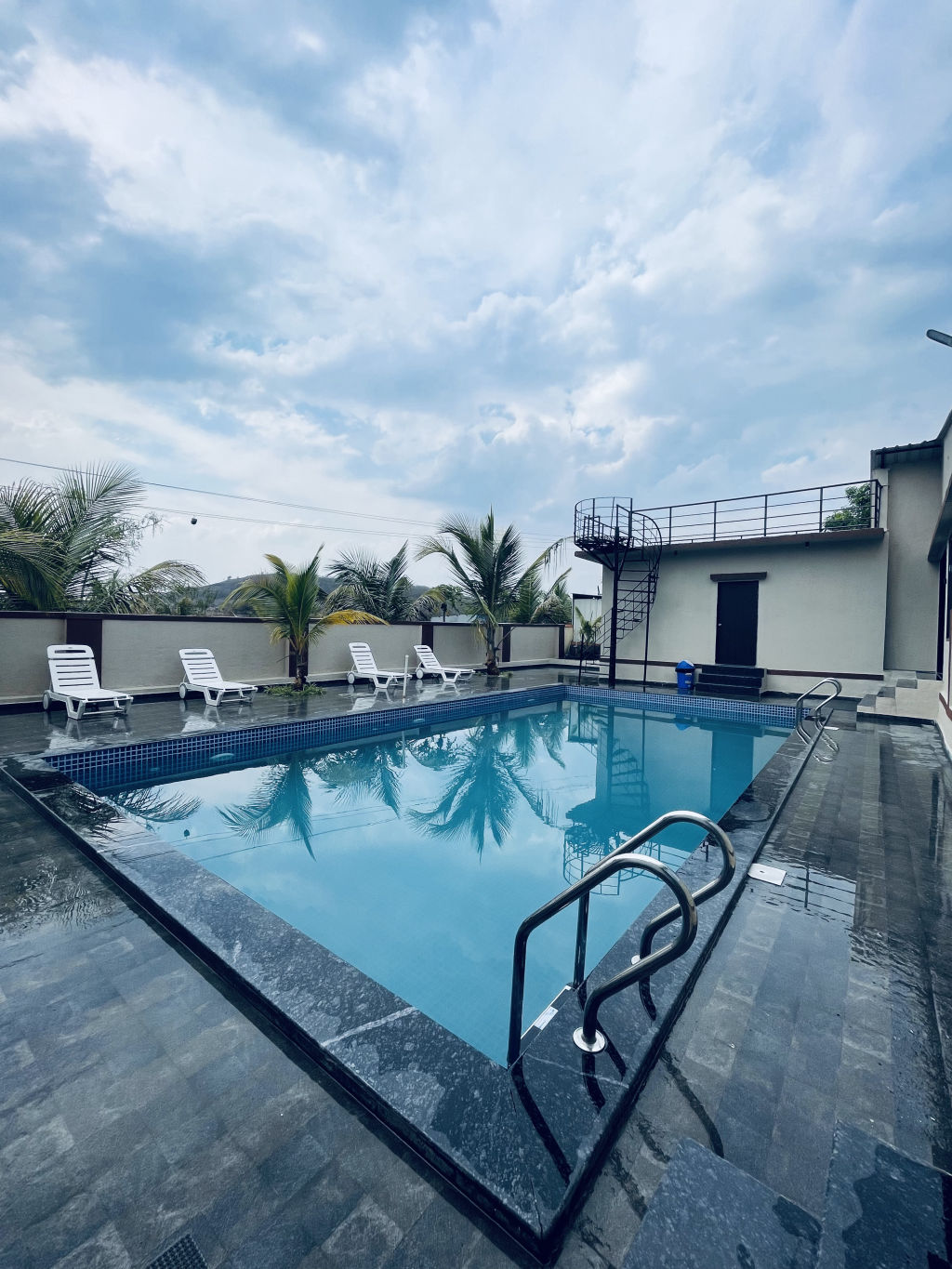
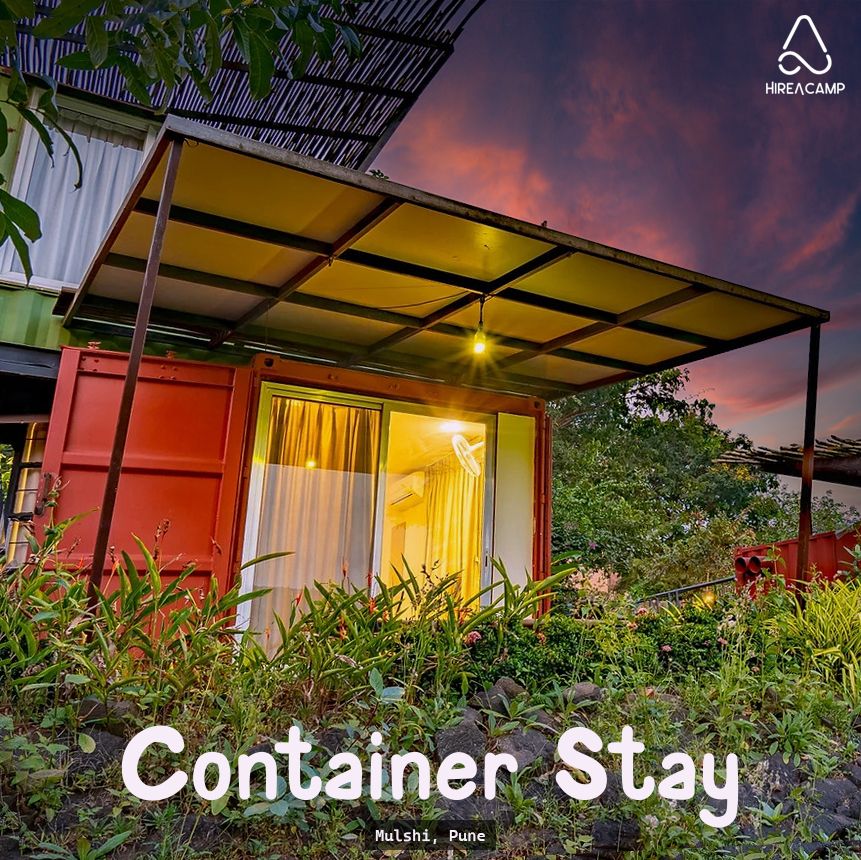
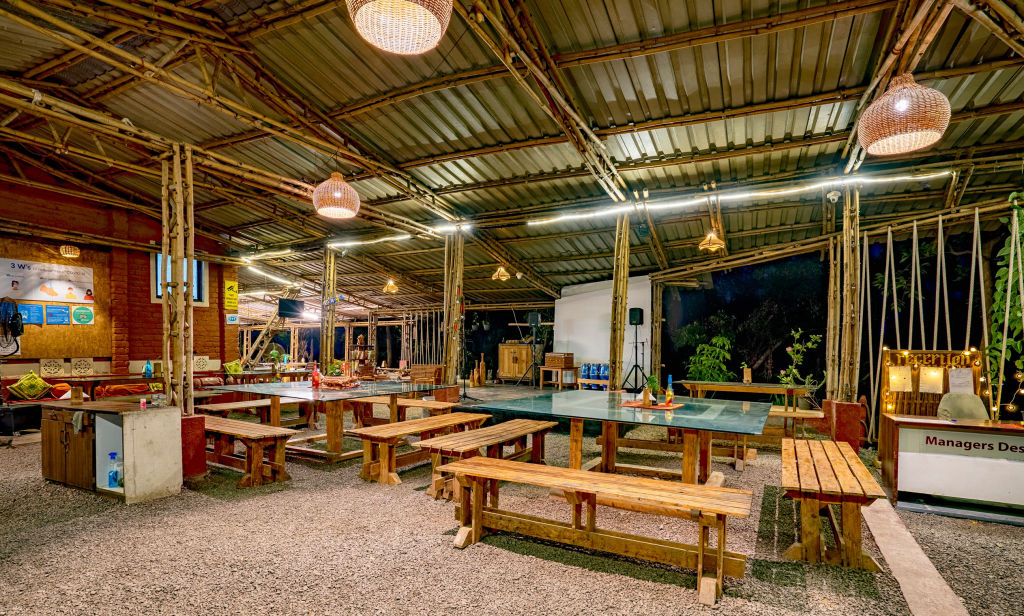
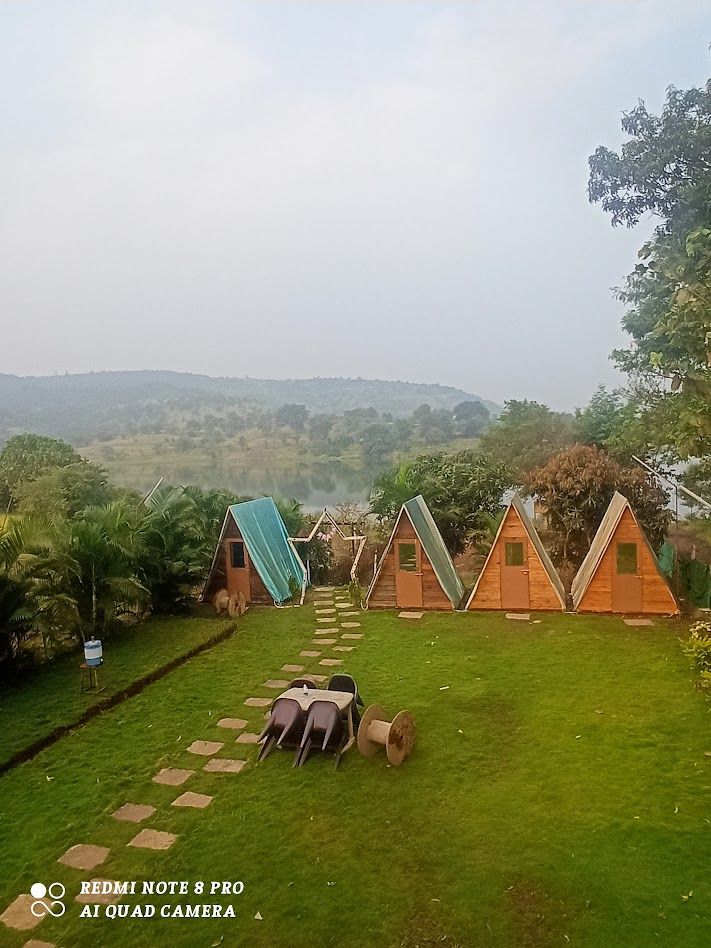
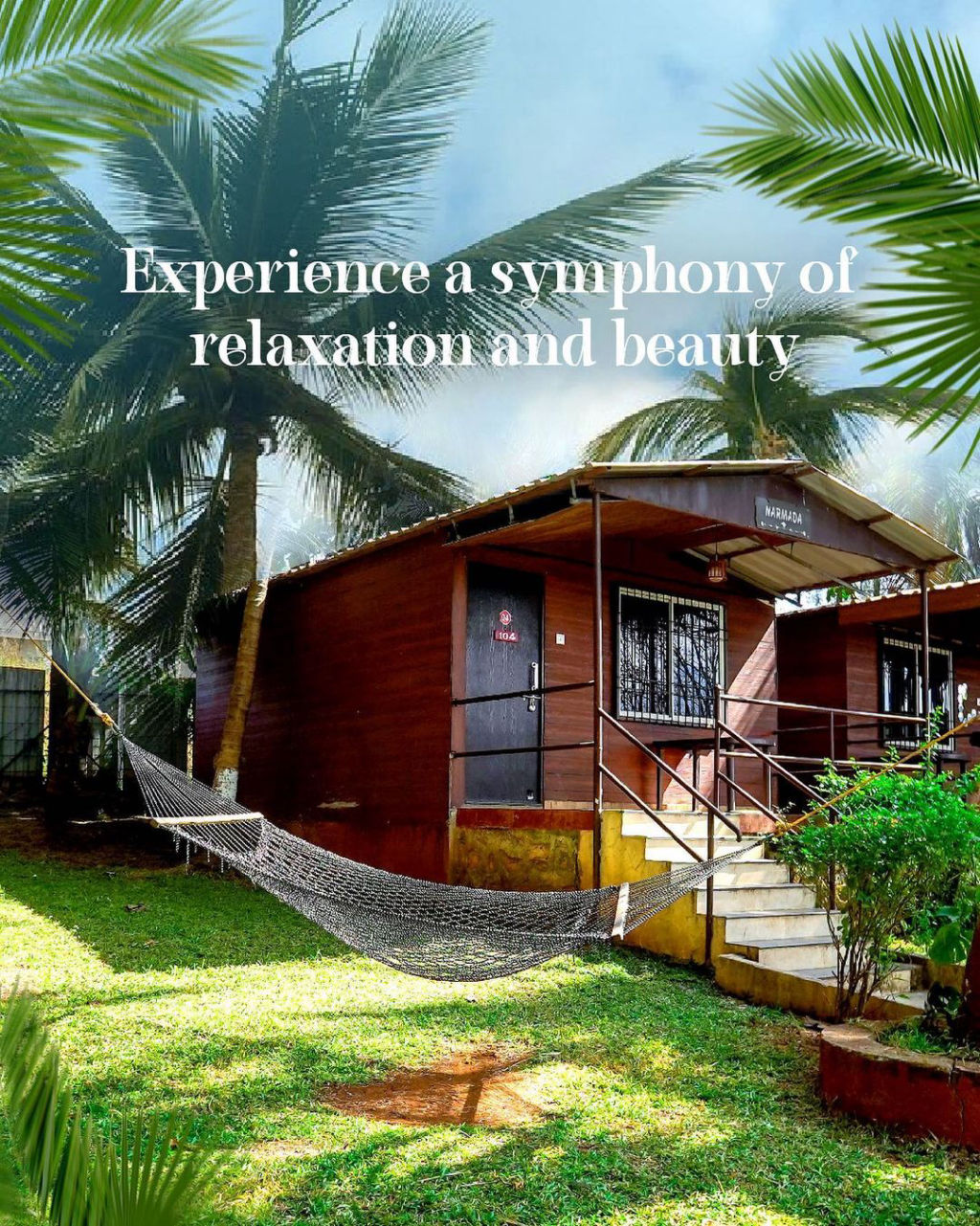
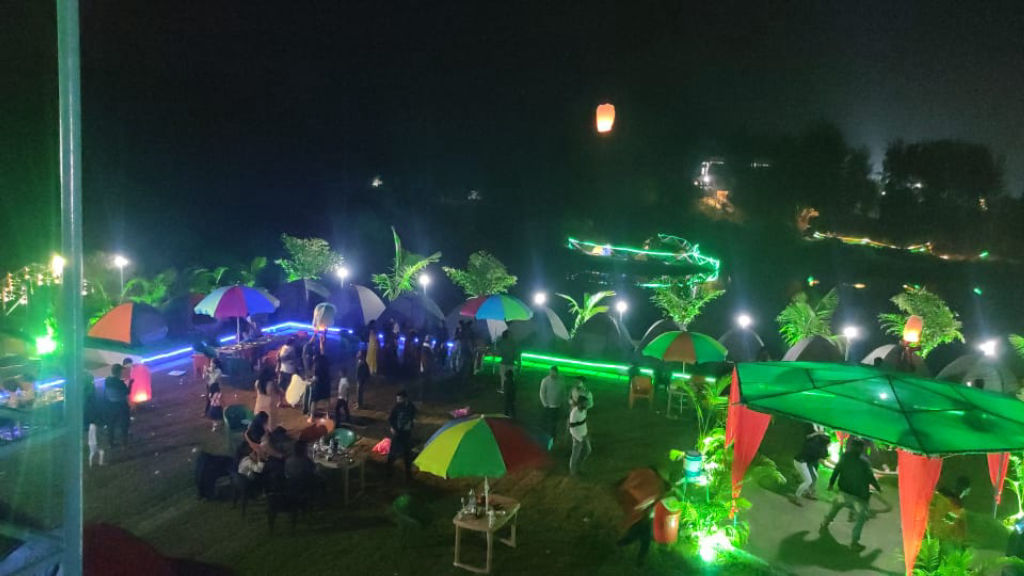
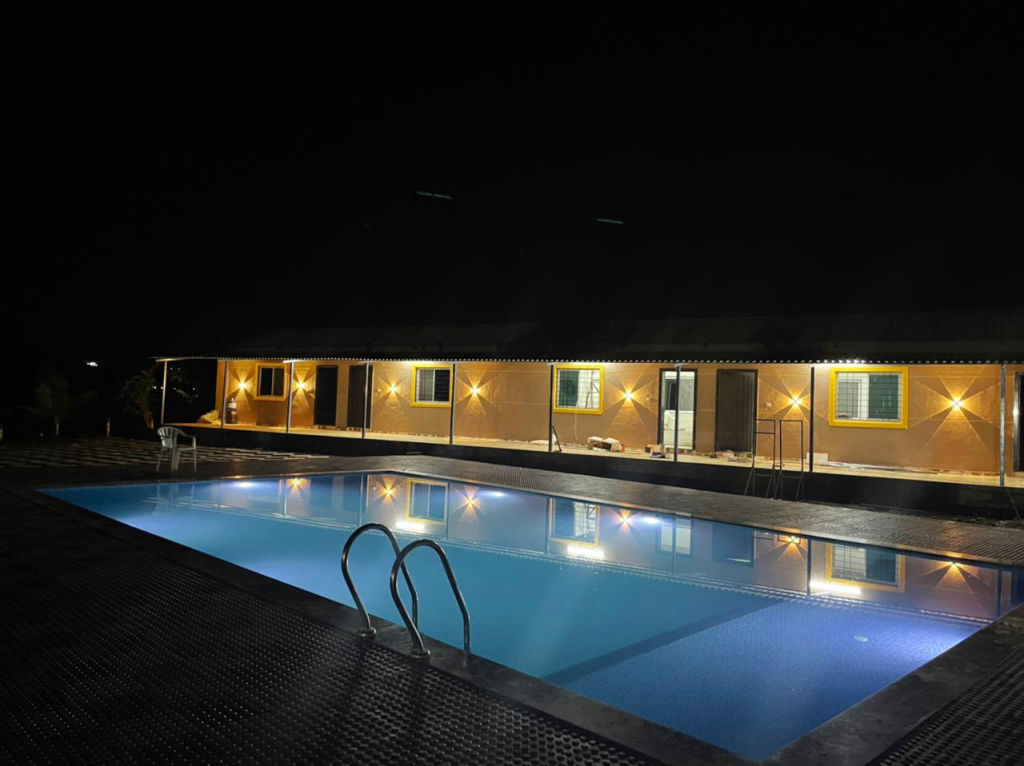
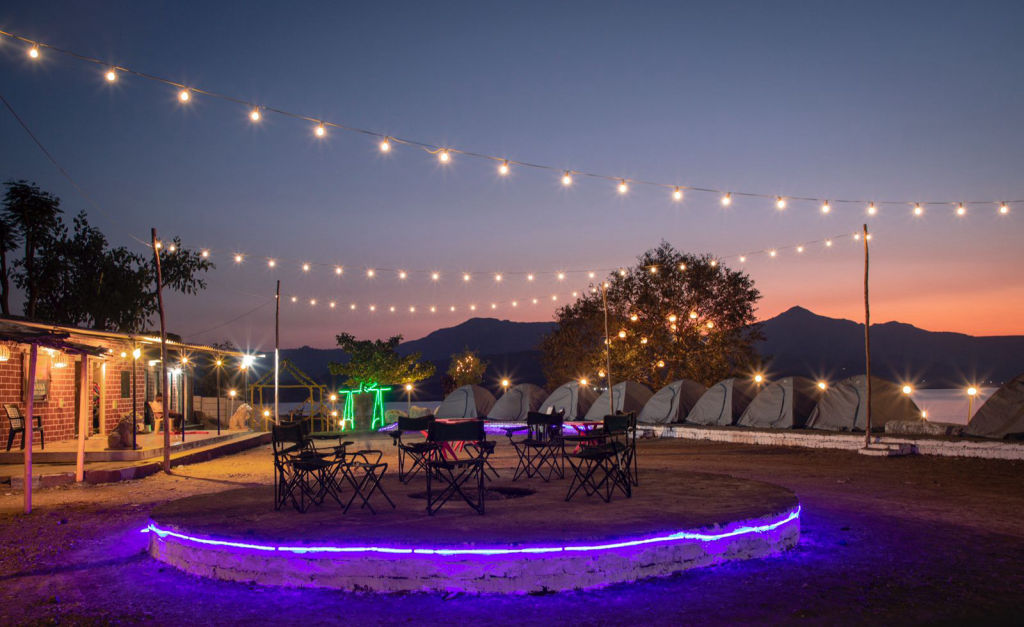
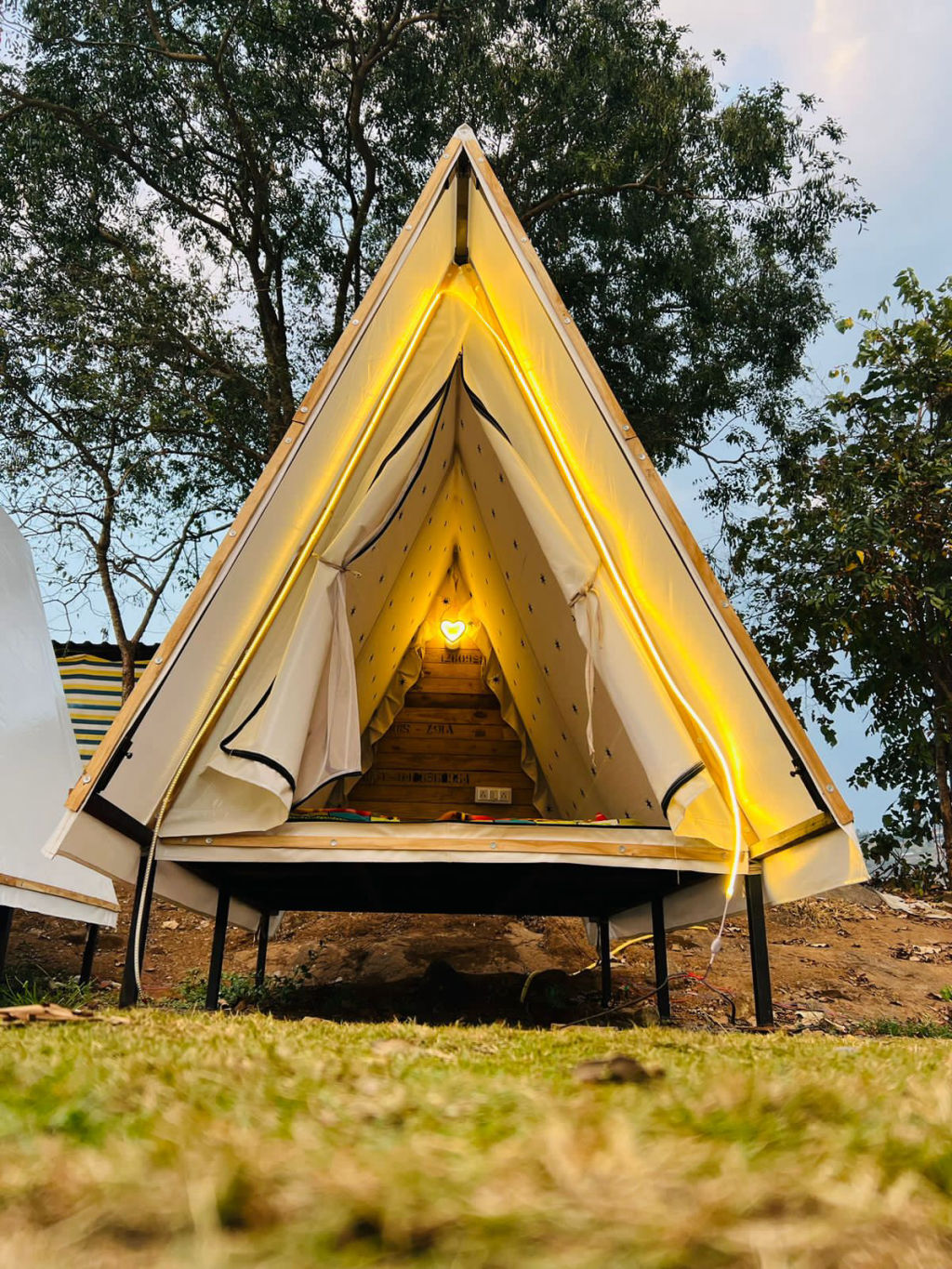
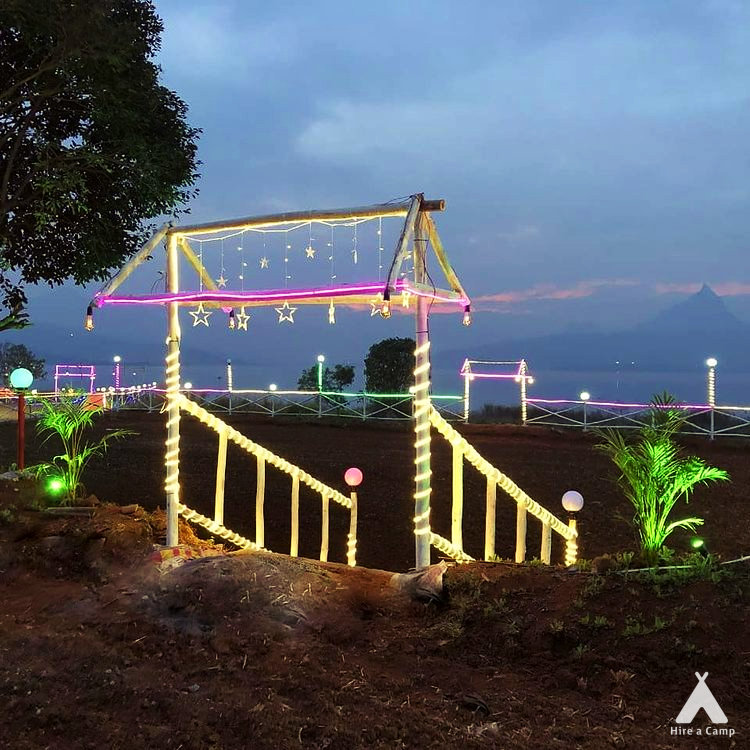
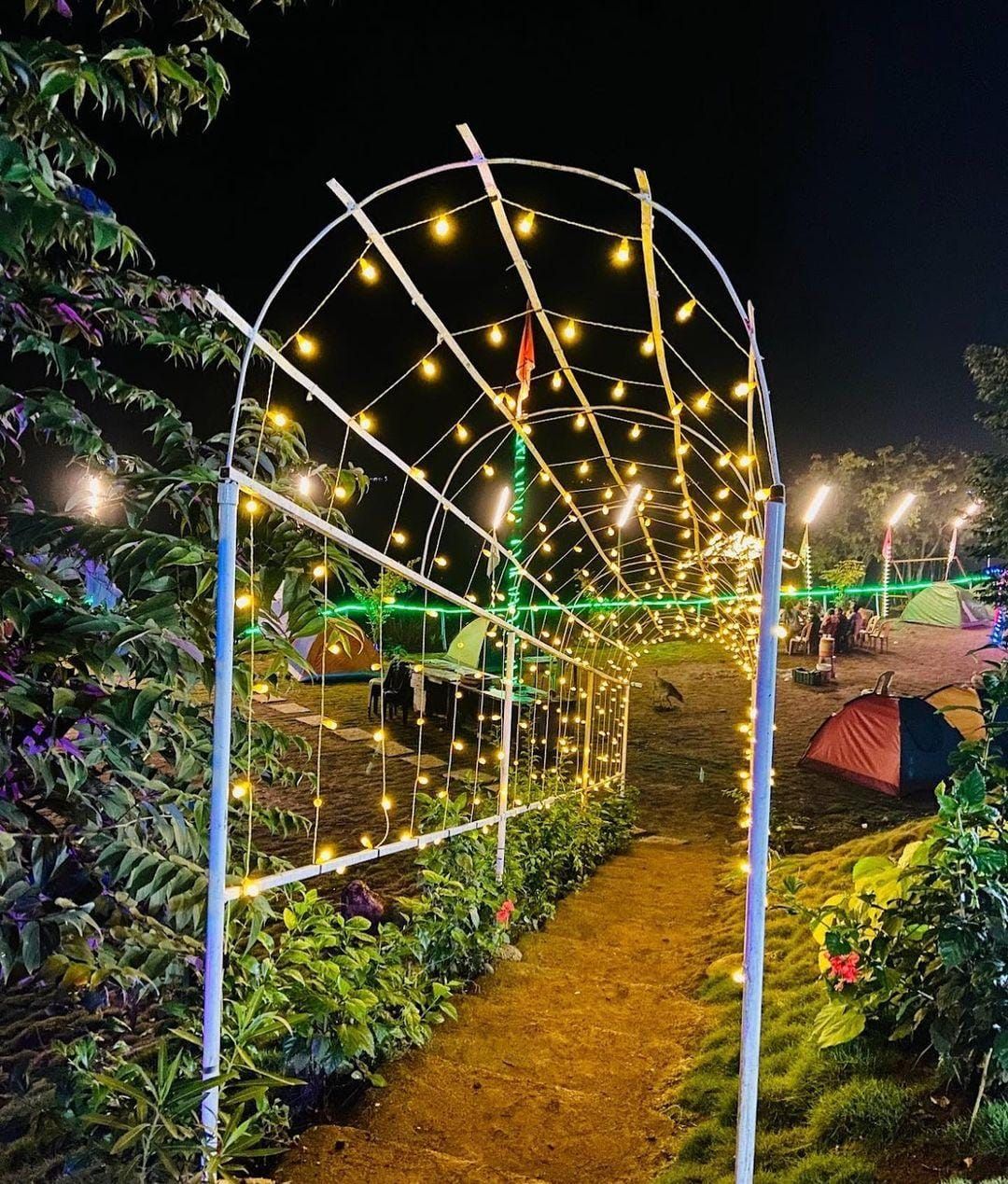
The rural stretch around Kasarsai and the broader Mawal taluka offers a tranquil base for travelers wishing to stay overnight away from city center noise. Lakeside campsites, private eco-stays, cottages, and comfortable village homestays can be found throughout the area, especially closer to the reservoirs of Mawal and the hills flanking the Western Ghats.
These properties provide a peaceful setting to enjoy evening campfires, clear starry skies, and quiet mornings by the water. You can explore and book verified camps, homestays, and outdoor getaways around Kasarsai Dam through HireACamp to match your preferred travel style.
Frequently asked questions
Where is Kasarsai Dam located?
Kasarsai Dam is situated in Mawal taluka in Maharashtra, located near the town of Maan and within an easy driving distance from western Pune.
Can you go boating at Kasarsai Dam?
Boating is sometimes operated by local vendors near the water edge, but availability depends on the season and local administrative permissions. Travelers should verify safety equipment and operational status on site.
Is swimming allowed in Kasarsai Dam?
Swimming in Kasarsai Dam is discouraged due to varying water depths, underwater currents, and uneven reservoir beds. Visitors are advised to stay along the shoreline for safety.
What is the best time of day to visit Kasarsai Dam?
Early mornings and late afternoons are the best times to visit, offering cooler temperatures, pleasant breezes, and scenic sunrise or sunset views across the reservoir.
Are there stay options near Kasarsai Dam?
Yes, several homestays, rural cottages, and outdoor campsites operate around the surrounding villages of Mawal. You can discover and reserve stays through HireACamp.
Where you'll be
Mawal, MH · 12 stays nearby shown with prices
Stays near Kasarsai Dam
Book a place to stay close by
More places near Kasarsai Dam
Within 20 km


Lists for this area
Ranked by how many creators recommend each place


Built from 0 Instagram posts by 0 creators. Every tip links back to the post it came from, and where creators disagree we show both sides.


