
Kodaikanal Solar Observatory
Museum near Kodaikanal, Tamil Nadu
2.8 km from Kodaikanal
The nearest town, for stays, food and fuel.
The Kodaikanal Solar Observatory is a historic astronomical research centre perched high in the Palani Hills of Tamil Nadu. Established in 1899 and operated by the Indian Institute of Astrophysics, the site features a dedicated astronomy museum alongside century-old observational instruments. Visitors travel here to explore its scientific heritage, learn about solar physics, and enjoy sweeping views of the surrounding mist-covered valleys.
Getting there
By road
- From KodaikanalNearest town8 min · 3.4 km
- From Madurai2 hr 55 min · 120 km
- From Coimbatore4 hr 5 min · 172 km
- From Kochi6 hr 20 min · 279 km
Typical drive times without traffic. Stations and airports from OLA Maps; distances and typical drive times from OpenStreetMap (© OpenStreetMap contributors); notes from creators' Reels.
About Kodaikanal Solar Observatory
Written with AI from map data and general knowledge. Check prices and timings locally before you go.
About Kodaikanal Solar Observatory
The Kodaikanal Solar Observatory stands on the upper slopes of the Palani Hills in Tamil Nadu, representing one of the oldest operational solar research stations in the world. Established in 1899 by the Indian Astronomical Services, the facility was chosen for its clean atmospheric conditions, high elevation, and relatively dust-free skies above the lower cloud layer. Today, it functions under the administration of the Indian Institute of Astrophysics and remains an active centre for studying solar activity, terrestrial magnetism, and atmospheric physics.
The observatory gained international scientific fame in 1909 when British astronomer John Evershed discovered the radial outflow of gases across sunspots, a phenomenon now recognised across astrophysics as the Evershed effect. Over more than a century, the facility has compiled a continuous photographic and spectrographic record of the sun, making its archives invaluable for modern researchers tracking solar cycles. For everyday travellers, the observatory provides an engaging window into modern astronomical history set against an expansive mountain backdrop.
The Astronomy Museum and Exhibits
Within the observatory compound, a popular astronomy museum welcomes travellers curious about space, stars, and the history of science in India. The museum houses an array of antique instruments, brass equatorial telescopes, spectrographs, and observational tools that date back to the late nineteenth and early twentieth centuries. Informative displays, diagrams, and scale models explain the mechanisms behind solar flares, sunspots, eclipses, and stellar evolution.
A highlight of the visit is the collection of archival solar photographs, demonstrating how astronomers systematically charted solar dynamics long before modern digital sensors. On clear days during regular visiting sessions, staff members sometimes set up specialised telescopes fitted with protective solar filters, allowing travellers to safely view the surface of the sun and observe sunspots in real time. Because scientific research remains the primary function of the complex, visitors should verify current museum access and viewing schedules locally.
Read more
The Palani Hills Landscape
Beyond its scientific value, the Kodaikanal Solar Observatory is situated in a tranquil and verdant pocket of the hill station. Sitting at an altitude of more than two thousand metres above sea level, the grounds are framed by native shola vegetation, rolling montane meadows, and stands of tall eucalyptus and pine. The cool mountain air and relative seclusion offer a refreshing alternative to the busier streets around the town centre.
From the perimeter roads and approaches to the facility, travellers can look out over steep valleys dropping away toward the southern plains of Tamil Nadu. The surrounding canopy regularly shelters diverse regional wildlife, including Nilgiri langurs leaping through the upper branches, as well as native bird species like flycatchers, laughingthrushes, and sunbirds. Strolling along the quiet lanes leading toward the observatory provides a relaxing encounter with the montane ecology of the Western Ghats.
Best Time to Visit
Planning a trip to the observatory depends heavily on the seasonal weather patterns of Kodaikanal. The winter months from November through February generally offer the clearest skies, crisp daytime temperatures, and cool, brisk mornings. This period provides optimal atmospheric transparency, making it the most rewarding window for enjoying distant mountain vistas and participating in daytime solar observations.
The summer months between March and May are also pleasant, bringing mild weather that offers an escape from the heat of the plains. By contrast, the southwest and northeast monsoon seasons, spanning from June through October, bring persistent rainfall, thick mist, and heavy cloud cover. While the rain transforms the surrounding slopes into vibrant green expanses, heavy fog often blankets the ridges, drastically lowering visibility and hindering open-air viewing.
How to Reach the Observatory
The Kodaikanal Solar Observatory is located approximately three to four kilometres from the centre of Kodaikanal town. Travellers staying in the main town area can easily reach the site by hiring a local taxi or taking an auto-rickshaw for the brief drive uphill. Visitors who enjoy walking can also hike along the quiet roads leading up to the ridge, shaded by eucalyptus trees and offering gradual viewpoints along the way.
To reach the hill station itself, most visitors travel by road from nearby transit hubs across Tamil Nadu. The nearest railway station is Kodai Road at the foot of the hills, while larger rail junctions and airports are situated in Madurai and Coimbatore. From these transit points, frequent state buses and private taxis climb the winding ghat roads, passing through changing vegetation zones, plantations, and cascading streams before arriving at the plateau.
Tips for Your Visit
When planning your visit, aiming for the morning hours usually yields the clearest weather before afternoon cloud cover drifts over the higher ridges. Because public access to the museum and telescope sessions can fluctuate based on ongoing scientific schedules and seasonal policies, check the latest timings and operational guidelines locally in town before departing.
Temperatures at this elevation can feel cool even in the middle of the day, particularly when winds pick up across the open ridges, so carrying a light jacket or warm layer is advisable. Wear comfortable walking shoes, as navigating the grounds involves slopes and outdoor walking. Visitors should also keep in mind that the complex is a functioning research facility, so keeping noise levels down and observing posted instructions regarding restricted areas ensures a smooth visit for everyone.
Where to Stay Near the Observatory
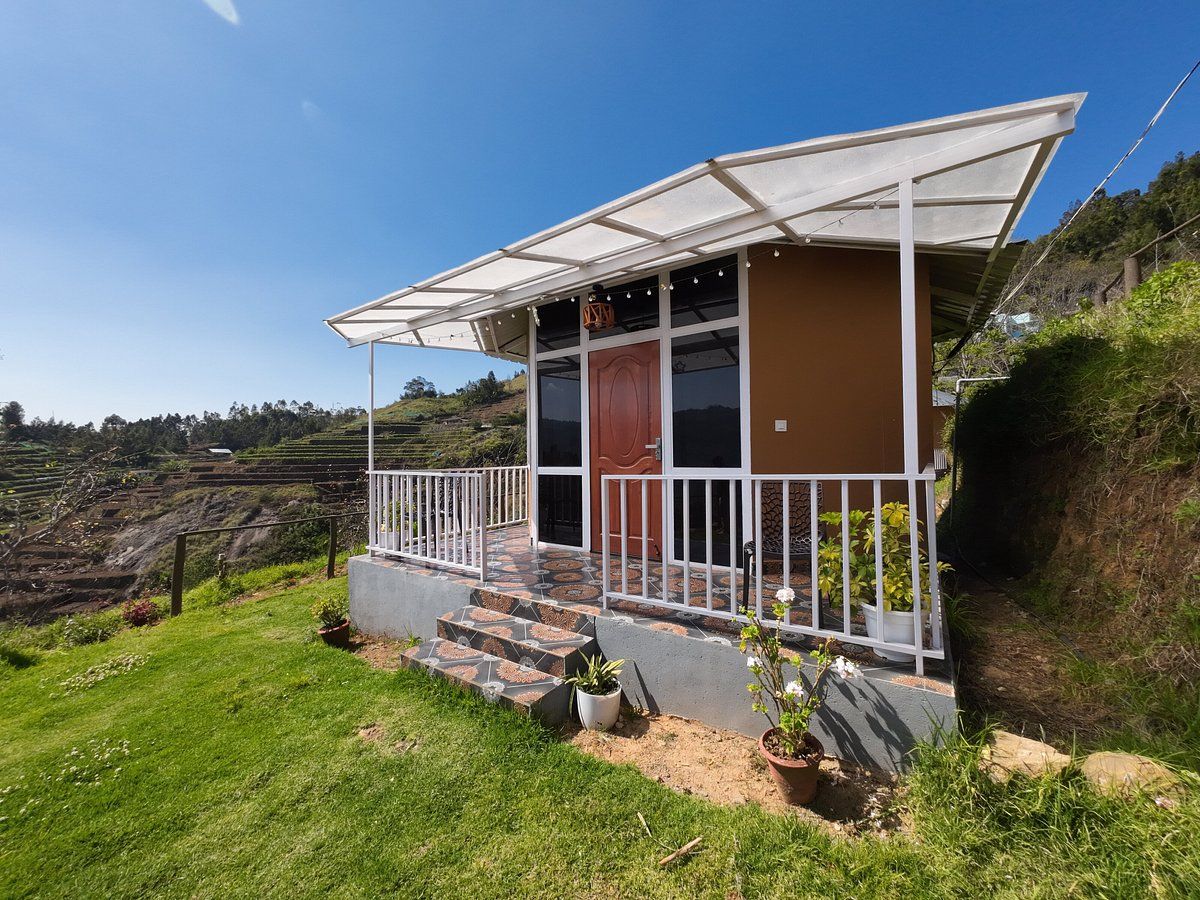
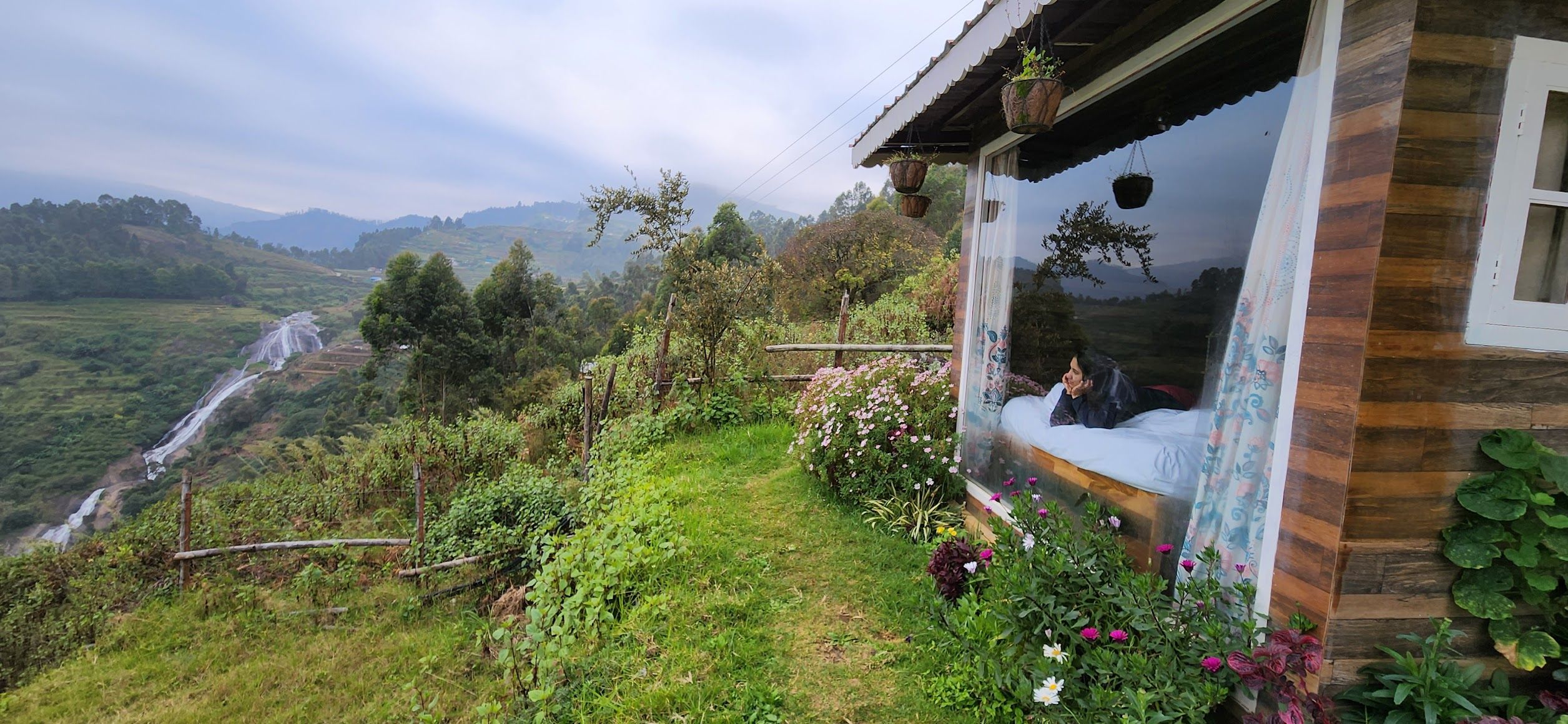
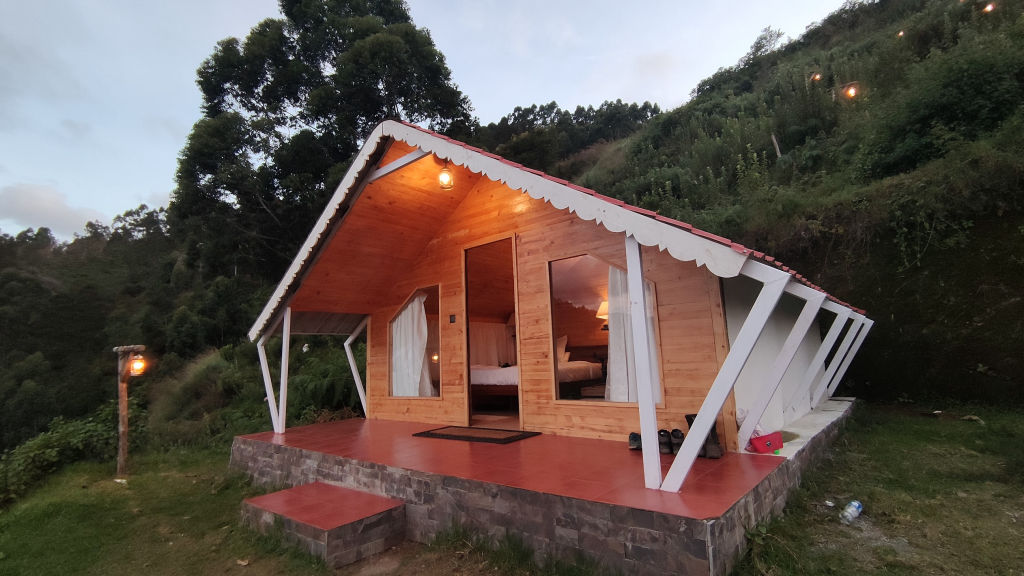
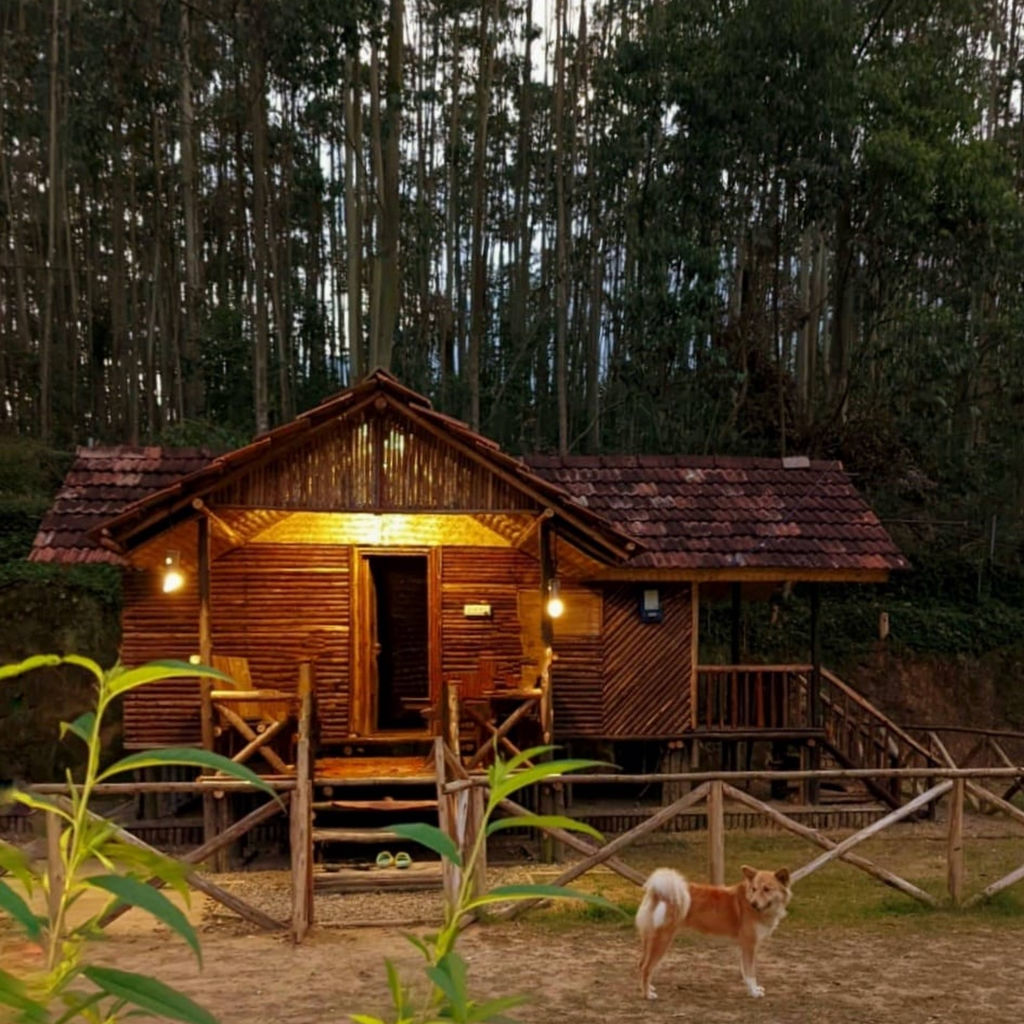
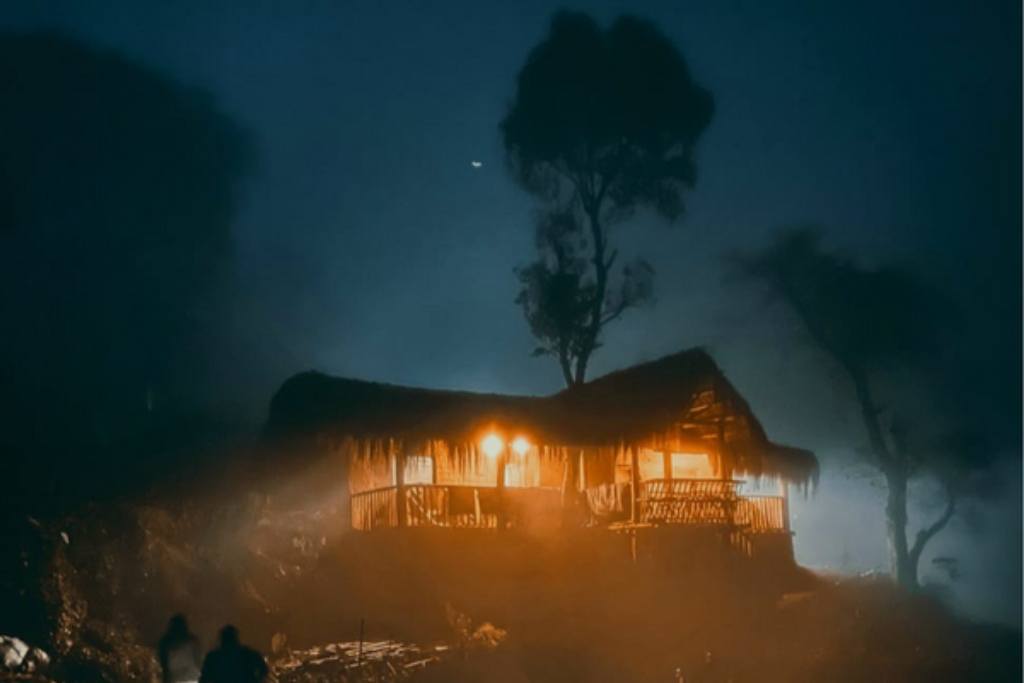
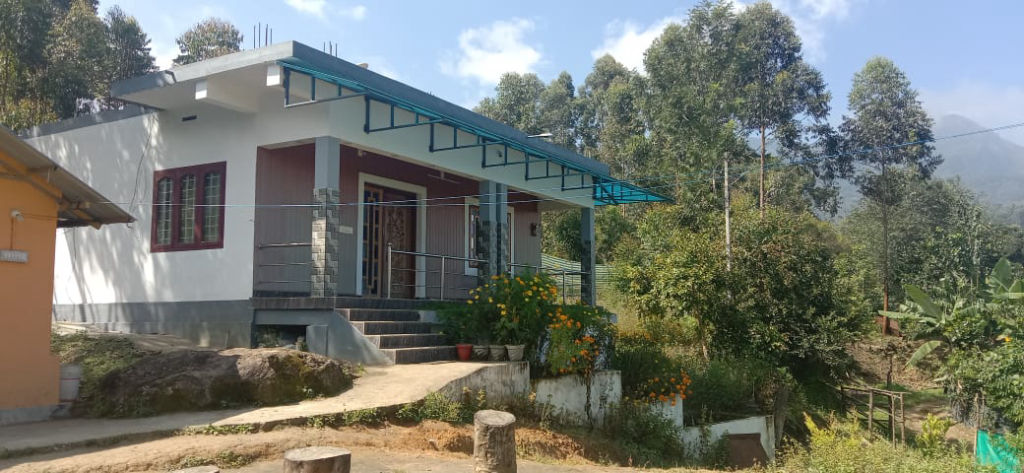
Kodaikanal offers a wide range of stay options, from valley-view cottages and heritage bungalows to quiet rural retreats nestled outside the urban core. Choosing accommodation away from the central market allows you to enjoy the peaceful stillness, starry night skies, and pine-scented breezes that first attracted astronomers to this high plateau.
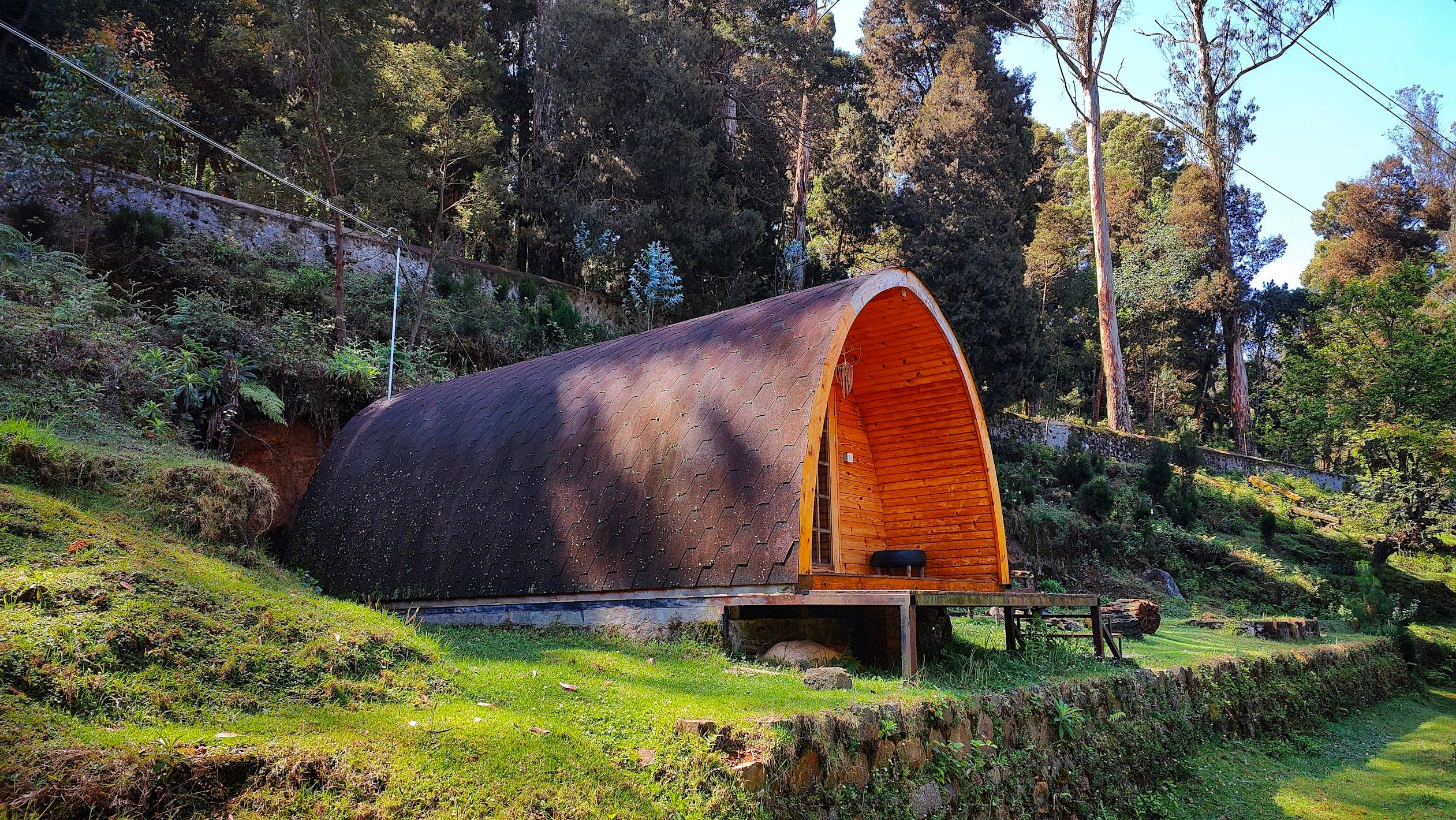
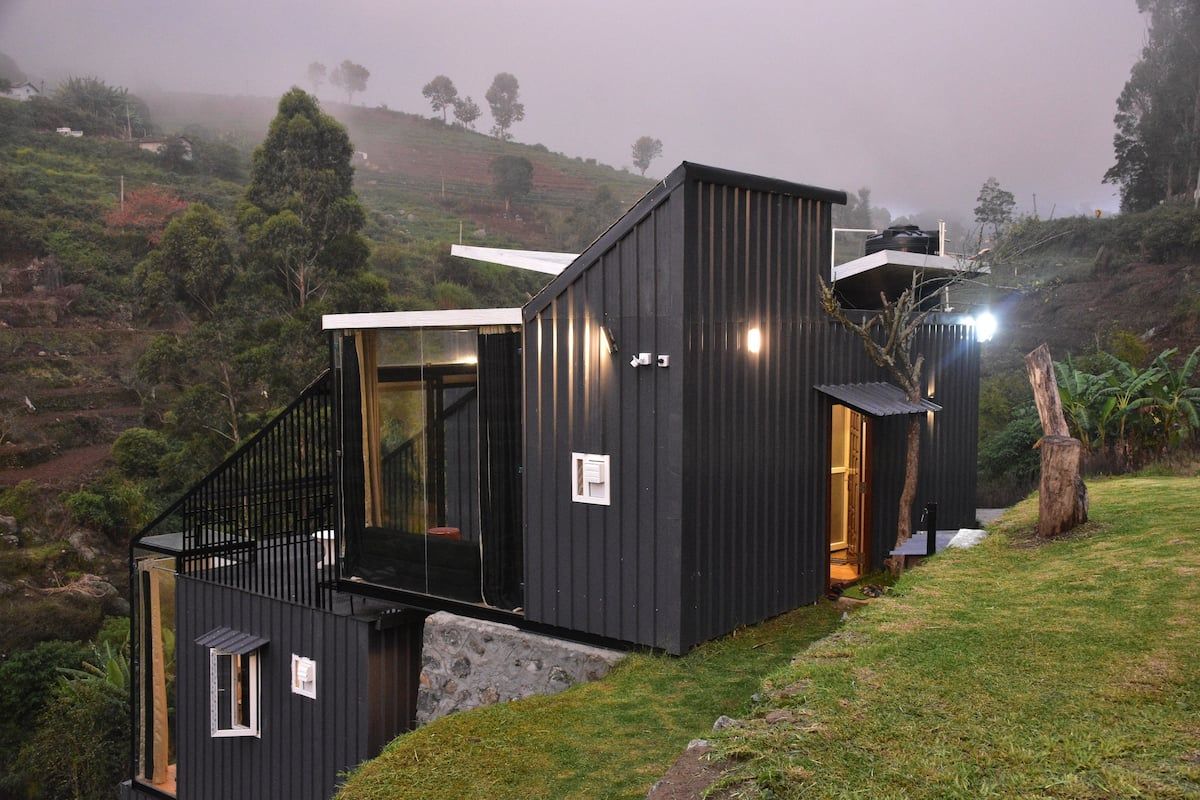
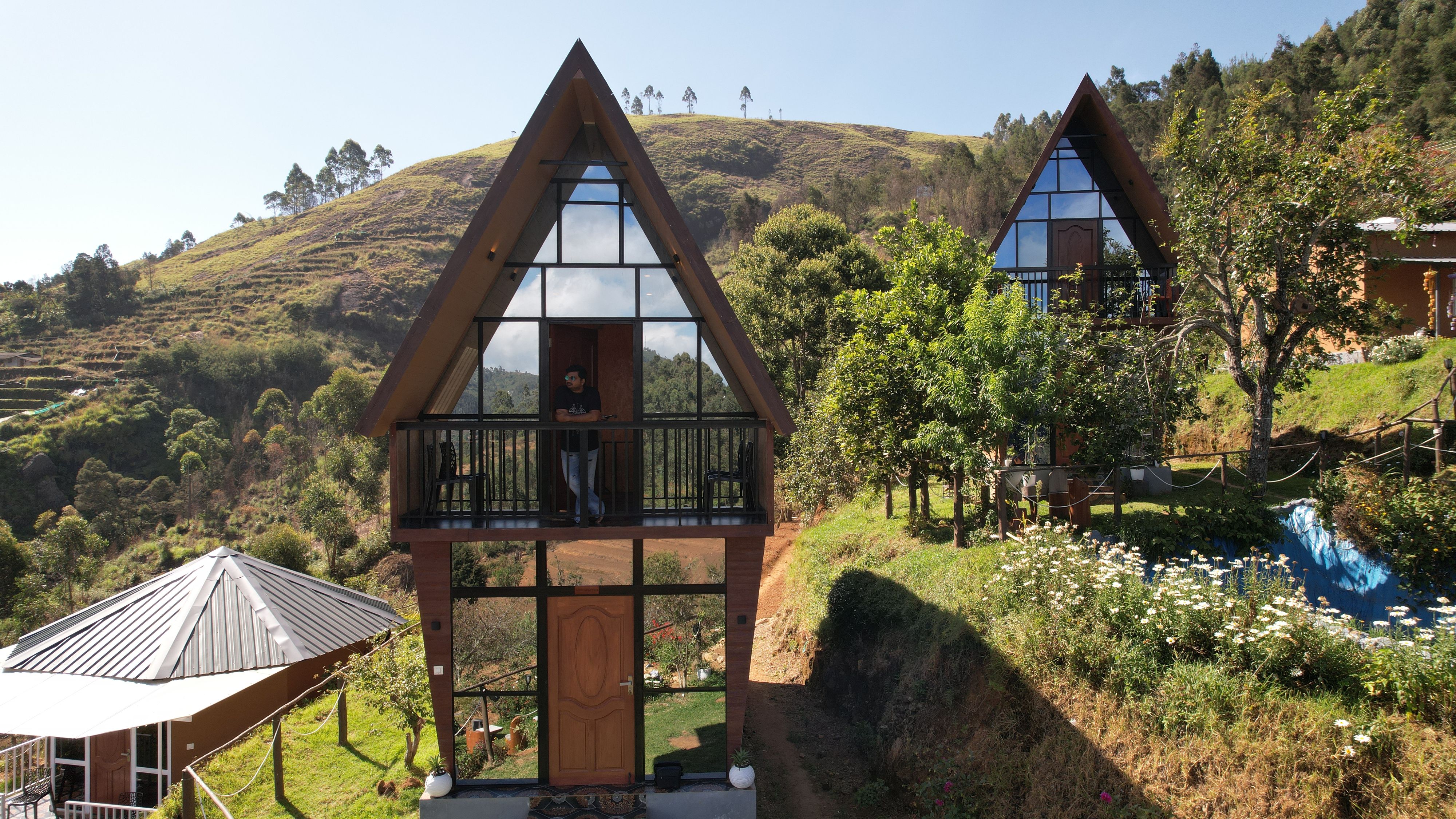
Travellers looking for immersive outdoor experiences, peaceful homestays, and scenic campsites across the Palani Hills can explore available properties on HireACamp. Booking a quiet retreat nearby provides a relaxed base to explore the solar observatory, regional waterfalls, and the network of forest trails that wind through the hills.
Frequently asked questions
What is the Kodaikanal Solar Observatory famous for?
The observatory is internationally known for its century-long continuous archive of solar data and for the discovery of the Evershed effect in 1909. It remains an active centre for astrophysical research and houses a public astronomy museum.
Can visitors view the sun through a telescope here?
On clear days during regular visiting sessions, the facility occasionally arranges daytime solar viewings using specialised filtered telescopes. Availability depends on current weather conditions and scientific scheduling, so it is best to check locally upon arrival.
How far is the observatory from Kodaikanal town centre?
The observatory is located approximately three to four kilometres from the town centre and can be reached via a short taxi ride, an auto-rickshaw, or an uphill walk.
What is the best time of year to visit?
The clearest skies and best conditions for observing occur during the winter months from November to February. The summer season from March to May is also pleasant, while the monsoon months often bring heavy mist and reduced sky visibility.
Are there entry fees or specific visiting hours?
Entry requirements and public museum hours are set by the research institute and may vary across seasons. Visitors should confirm current timings and entry details locally in Kodaikanal before making the trip up the hill.
Where you'll be
Kodaikanal · 12 stays nearby shown with prices
Stays near Kodaikanal Solar Observatory
Book a place to stay close by


More places near Kodaikanal Solar Observatory
Within 20 km


Built from 0 Instagram posts by 0 creators. Every tip links back to the post it came from, and where creators disagree we show both sides.






