
Kollam Beach
Beach near Kollam, Kerala
2.1 km from Kollam
The nearest town, for stays, food and fuel.
Kollam Beach, also known as Mahatma Gandhi Beach, is an expansive coastal destination located in the historic port town of Kollam along Kerala's southern coast. Facing the Arabian Sea, it is renowned for its wide sandy shores, open seaside promenades, and gentle ocean breezes. Travellers visit to experience peaceful sunset walks, witness traditional coastal fishing life, and use the beach as a starting point to explore the nearby backwaters.
Getting there
By road
- From KollamNearest town9 min · 3.3 km
- From Thiruvananthapuram1 hr 55 min · 66 km
- From Kochi3 hr 25 min · 143 km
- From Madurai5 hr 35 min · 265 km
Typical drive times without traffic. Stations and airports from OLA Maps; distances and typical drive times from OpenStreetMap (© OpenStreetMap contributors); notes from creators' Reels.
About Kollam Beach
Written with AI from map data and general knowledge. Check prices and timings locally before you go.
About Kollam Beach
Kollam Beach occupies a storied position on the southwestern coast of India. Historically known as Quilon, this coastal town served for centuries as an influential maritime hub trading with Phoenicians, Persians, Arabs, and Chinese merchants. The beach itself stretches along the open waters of the Arabian Sea, featuring a broad expanse of golden sand backed by coastal trees and an elevated waterfront promenade.
Unlike heavily commercialized tourist beaches, Kollam Beach retains an authentic everyday maritime rhythm. In the early mornings, local fishermen can be seen setting out or returning through the surf, while the evenings bring local residents and travellers to the paved seawall to catch the breeze. The shoreline also offers views of the coastal Tangasseri headland nearby, highlighting the region's enduring maritime character.
Things to do at Kollam Beach
The primary appeal of Kollam Beach is its unhurried, open ambiance. Walking along the shoreline or traversing the adjacent beachfront park allows you to take in uninterrupted panoramas of the sea. As late afternoon approaches, the horizon fills with striking shades of crimson and gold, making the promenade one of the premier sunset vantage points in the district.
Visitors who appreciate local coastal culture can watch fishermen mend expansive nets and navigate wooden skiffs near the shore. The open spaces are well-suited for relaxing with a book, seaside photography, or simply sitting on the embankment to listen to the continuous roll of the surf. The gentle evening winds also make the open grounds a popular spot for casual strolls after a day of sightseeing.
Read more
Best time to visit Kollam Beach
Like much of coastal Kerala, Kollam experiences a tropical maritime climate marked by distinct seasonal changes. The most pleasant time to visit Kollam Beach is during the cooler months from October to March. During this window, humidity levels drop, daytime temperatures remain moderate, and clear skies make evening visits by the shore especially rewarding.
From April onwards, the pre-monsoon summer brings higher heat and humidity, though the ocean breeze provides relief once the sun dips. The southwest monsoon sweeps in between June and September, transforming the coastal landscape into a vivid green. While high tides and rough ocean swells during the monsoon mean you must remain well away from the water line, witnessing the towering monsoon clouds drift across the Arabian Sea is a memorable sight for those who enjoy dramatic coastal weather.
Places to explore near Kollam Beach
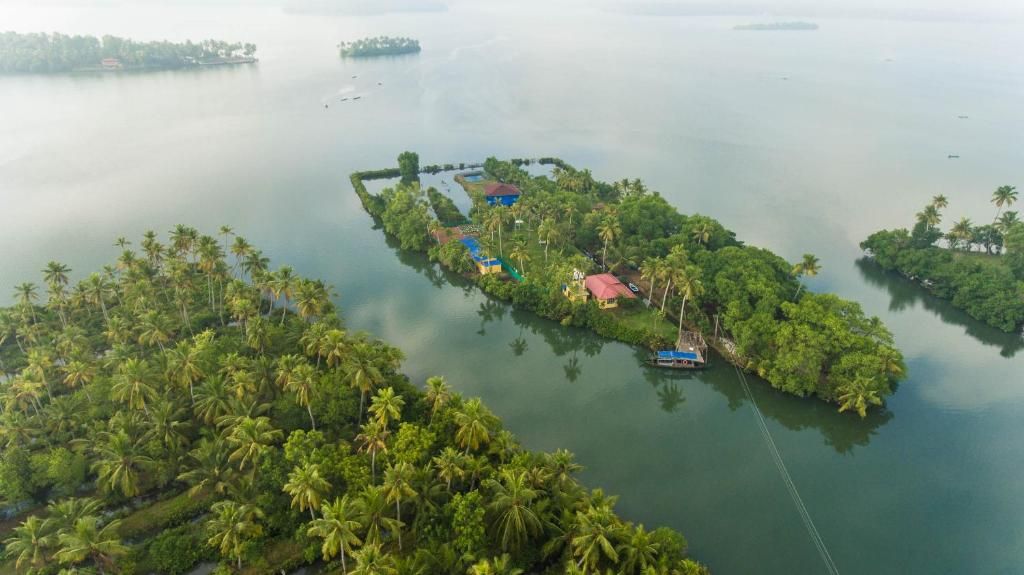
One of the greatest benefits of staying near Kollam Beach is its immediate proximity to Kerala's celebrated backwaters and distinct coastal landmarks. Just two kilometres inland lies Ashtamudi Lake, an expansive palm-fringed estuary with eight branching waterways where travellers can embark on scenic boat trips or try kayaking through sheltered water channels.
A short drive northeast brings you to Munroe Island, a network of tranquil islets interlaced with narrow canals, mangrove tunnels, and coir-weaving hamlets. If you travel south along the coastal road, you will encounter the tranquil waters of Kappil Beach, where the backwater lagoon directly borders the sea, followed by the towering laterite cliffs of Varkala Beach. For travellers interested in cultural landmarks and panoramic views, the monumental Jatayu Earth's Center is located around thirty-one kilometres inland amid rugged granite hills.
How to reach Kollam Beach
Kollam Beach is situated very close to Kollam town centre, making it simple to reach via public transit, rail, or private road travel. Local auto-rickshaws, municipal buses, and taxis operate regularly between the town's transport hubs and the beach entrance.
Kollam Junction is a major railway station on the Southern Railway network, connecting the town with direct trains from Kochi, Thiruvananthapuram, Bengaluru, Chennai, and Mumbai. If you are arriving by air, Trivandrum International Airport is the nearest terminal, located approximately seventy kilometres south of Kollam. From the airport, you can take a taxi or board an express train from Thiruvananthapuram Central to reach Kollam in roughly two hours. National Highway 66 connects the town directly to other major hubs along the Kerala coast.
Tips for visiting Kollam Beach
When planning your visit to Kollam Beach, safety along the water should come first. The Arabian Sea along this stretch features steep underwater gradients and strong undertows. Swimming is generally not advised unless designated safe zones are active and staffed by coastal lifeguards, so it is best to enjoy the water from the shallows or the dry sand.
To avoid the heat, schedule your beach walks for early morning or after four in the afternoon. Light, breathable clothing and comfortable walking sandals are ideal for moving across the sandy areas and paved pathways. Bring sunglasses, a sun hat, and drinking water in a reusable container. Remember to carry all personal trash back to town bins to help keep the public beach clean.
Where to stay near Kollam Beach
Travellers visiting the Kollam area have access to a rich variety of accommodations ranging from breezy beachside properties to serene backwater homestays. Bases near the coastline allow you to wake up to ocean views, while locations around Ashtamudi Lake and Munroe Island offer quiet immersion in Kerala's village waterways.
You can discover and book unique stays, waterfront cottages, and homestays near Kollam Beach on HireACamp. Booking an authentic local stay provides an easy way to experience the culinary traditions and scenic landscapes of the region at your own pace.
Frequently asked questions
Is swimming permitted at Kollam Beach?
Swimming is generally discouraged at Kollam Beach due to strong undertows and steep shoreline drop-offs. Visitors are advised to stay near the water's edge and check locally with coastal lifeguards for safe wading areas.
What is the nearest airport to Kollam Beach?
The closest airport is Trivandrum International Airport, located roughly seventy kilometres south of Kollam. From there, you can complete the journey by taxi, bus, or train.
Is Kollam Beach the same as Mahatma Gandhi Beach?
Yes, Kollam Beach is locally and officially known as Mahatma Gandhi Beach, referring to the open shoreline and waterfront park in Kollam town.
Can I visit Munroe Island and Ashtamudi Lake from Kollam Beach?
Yes, Ashtamudi Lake is just two kilometres from the beach, and Munroe Island is approximately thirteen kilometres away, making both easily accessible on day trips for backwater cruises and kayaking.
What is the best time of day to go to Kollam Beach?
Late afternoon and sunset are the most popular and comfortable times to visit, as temperatures cool down and you can watch the sunset over the Arabian Sea.
Where you'll be
Kollam · 1 stay nearby shown with prices
Stays near Kollam Beach
Book a place to stay close by
More places near Kollam Beach
Within 20 km


Built from 0 Instagram posts by 0 creators. Every tip links back to the post it came from, and where creators disagree we show both sides.






