
Kumaranalloor Devi Temple
Temple near Perumbaikad, Kerala
700 m from Perumbaikad
The nearest town, for stays, food and fuel.
Kumaranalloor Devi Temple is an ancient Hindu shrine dedicated to Goddess Bhagavathy, located just north of Kottayam town in Kerala. Renowned for its classic Kerala-style architecture, intricate wood carvings, and deep spiritual heritage, it draws pilgrims and heritage travelers from across the region. Visitors come to experience its peaceful temple courtyards, sacred lore, and the vibrant festive traditions of Central Travancore.
Getting there
By road
- From PerumbaikadNearest town2 min · 800 m
- From Kochi1 hr 35 min · 62 km
- From Thiruvananthapuram3 hr 50 min · 153 km
- From Madurai5 hr 5 min · 251 km
Typical drive times without traffic. Stations and airports from OLA Maps; distances and typical drive times from OpenStreetMap (© OpenStreetMap contributors); notes from creators' Reels.
About Kumaranalloor Devi Temple
Written with AI from map data and general knowledge. Check prices and timings locally before you go.
Heritage and Legend of Kumaranalloor Devi Temple
Kumaranalloor Devi Temple holds a revered position among the sacred Bhagavathy temples of Central Kerala. Dedicated to Goddess Karthyayani, the temple possesses a history intricately entwined with regional folklore and the ancient Chera dynasty. According to long-standing local lore, the sanctuary was originally conceived and constructed to enshrine Lord Kumara, another name for Subrahmanya. However, divine events and symbolic omens indicated that the Mother Goddess wished to reside at this site instead.
This shift prompted the historic declaration that the land was not meant for Kumara, giving rise to the Malayalam phrase Kumaran-alla-oor, which gradually evolved into the modern name Kumaranalloor. A parallel legend connects the temple deity with the royal court of Madurai, telling of a devotee who was miraculously guided to safety in Kerala. Today, the complex maintains an aura of deep devotion where traditional temple rituals continue undisturbed by the passage of time.
Architectural Highlights of the Temple
The architecture of Kumaranalloor Devi Temple is widely celebrated as a prime example of classical Kerala temple craft. Built using local laterite stone, teakwood, and terracotta roof tiles, the entire layout follows the traditional vastuvidya principles. The temple grounds are encircled by high outer walls, within which lies a broad sand-and-stone courtyard that provides a buffer from the outside world.
At the center stands the circular sanctum sanctorum, or sreekovil, topped with a conical roof clad in copper sheeting. The wooden brackets, gables, and beams supporting the roof feature elaborate carvings depicting scenes and characters from Hindu epics, executed with remarkable precision by master woodworkers of bygone centuries. Encircling the inner sanctum is the nalambalam corridor, adorned on its exterior by rows of brass oil lamps known as the vilakkumadam. When lit during evening rites, these lamps cast a warm glow across the polished stone pathways.
Read more
Festivals and Seasonal Celebrations
While Kumaranalloor Devi Temple remains a haven of contemplative quiet on regular days, it transforms into a hub of cultural expression during its festive seasons. The crowning celebration of the year is the Thrikkarthika festival, observed in the Malayalam month of Vrischikam, which corresponds to November and December. On the climactic day of Karthika, the sanctum and its sprawling courtyards are illuminated by thousands of earthen clay lamps, creating a breathtaking visual display.
The festival period brings classical temple arts, traditional percussion performances such as Chenda Melam and Panchavadyam, and ceremonial processions to the fore. Devotees gather from neighboring districts to participate in these rituals and witness the spectacle. For travelers interested in Kerala's living traditions, visiting during festival time offers an authentic look at community reverence and artistic heritage.
Best Time to Visit Kumaranalloor
The most comfortable time to visit Kumaranalloor Devi Temple is during the post-monsoon and winter months, spanning from October through March. During this period, Kottayam experiences moderate temperatures, less humidity, and clearer skies, making walking through the open-air temple courtyards very pleasant. Evenings in particular tend to be cool and breezy, providing an ideal setting for attending twilight rituals.
The southwest monsoon arrives between June and September, blanketing the surrounding landscape in vivid greenery. While periodic rainfall can interrupt outdoor transit, visiting the temple during the monsoon offers a uniquely atmospheric and quiet experience. The summer months from March to May bring higher heat and humidity across Central Kerala; those traveling during this season will find early morning or dusk visits the most agreeable.
How to Reach Kumaranalloor Devi Temple
Kumaranalloor Devi Temple is located along Vadakkenada Road, just outside Kottayam town, making it exceptionally easy to reach by road and public transport. Kottayam is a major railway and roadway junction in Kerala, connected to all prime cities across South India. From the Kottayam railway station or the central bus terminal, travelers can reach the temple in just a few minutes using local buses, auto-rickshaws, or taxis.
Travelers arriving by air will find Cochin International Airport to be the closest gateway. The road journey from the airport to the temple typically takes around two to two-and-a-half hours depending on highway traffic conditions. Visitors driving down from Kochi or Alappuzha can follow standard state highway routes that wind past scenic rubber plantations, canals, and rural villages before turning toward Kumaranalloor.
Tips for Pilgrims and Visitors
Kumaranalloor Devi Temple is an active place of worship with traditional codes of conduct that all visitors must follow. Men must wear a mundu or dhoti around the waist and remove their upper garments before entering the inner nalambalam enclosure. Women are expected to dress modestly in traditional attire such as sarees, set-mundu, or salwar suits. Western casuals, shorts, and footwear are not permitted inside the inner courtyard.
Footwear can be safely left at designated spots near the outer gateway. Photography and videography are strictly prohibited inside the inner complex and facing the sanctum to maintain the sanctity of the shrine. To witness the rituals at their most soulful, plan to arrive either during the early morning Nirmalyam darshan or around sunset when the temple lamps are ceremoniously lit. Visitors should check locally for exact daily darshan timings, as these may shift during festive periods.
Exploring Around Kottayam
A trip to Kumaranalloor Devi Temple pairs well with discovering the broader landscape of the Kottayam district. The region is celebrated for its lush waterways, expansive backwater networks, and agrarian scenery. A short drive to the west leads to the fringes of Vembanad Lake and Kumarakom, where visitors can enjoy leisurely boat rides along serene canals and observe migratory water birds resting in the wetlands.
Closer to the temple, travelers can relax in quiet open-air riverside parks such as Nalumanikattu or explore the vibrant market streets of Kottayam town. The surrounding countryside is dotted with century-old churches, heritage manor houses, and traditional culinary stops where authentic Kerala meals and refreshments are served. Combining temple heritage with backwater landscapes makes for a well-rounded day of exploration.
Where to Stay Near Kumaranalloor
The area around Kottayam and Kumaranalloor provides a wide range of accommodation choices suitable for different travel styles. Guests looking for easy transit links will find convenient homestays and heritage houses in and around Kottayam town itself, keeping them within quick reach of the temple and transport terminals.
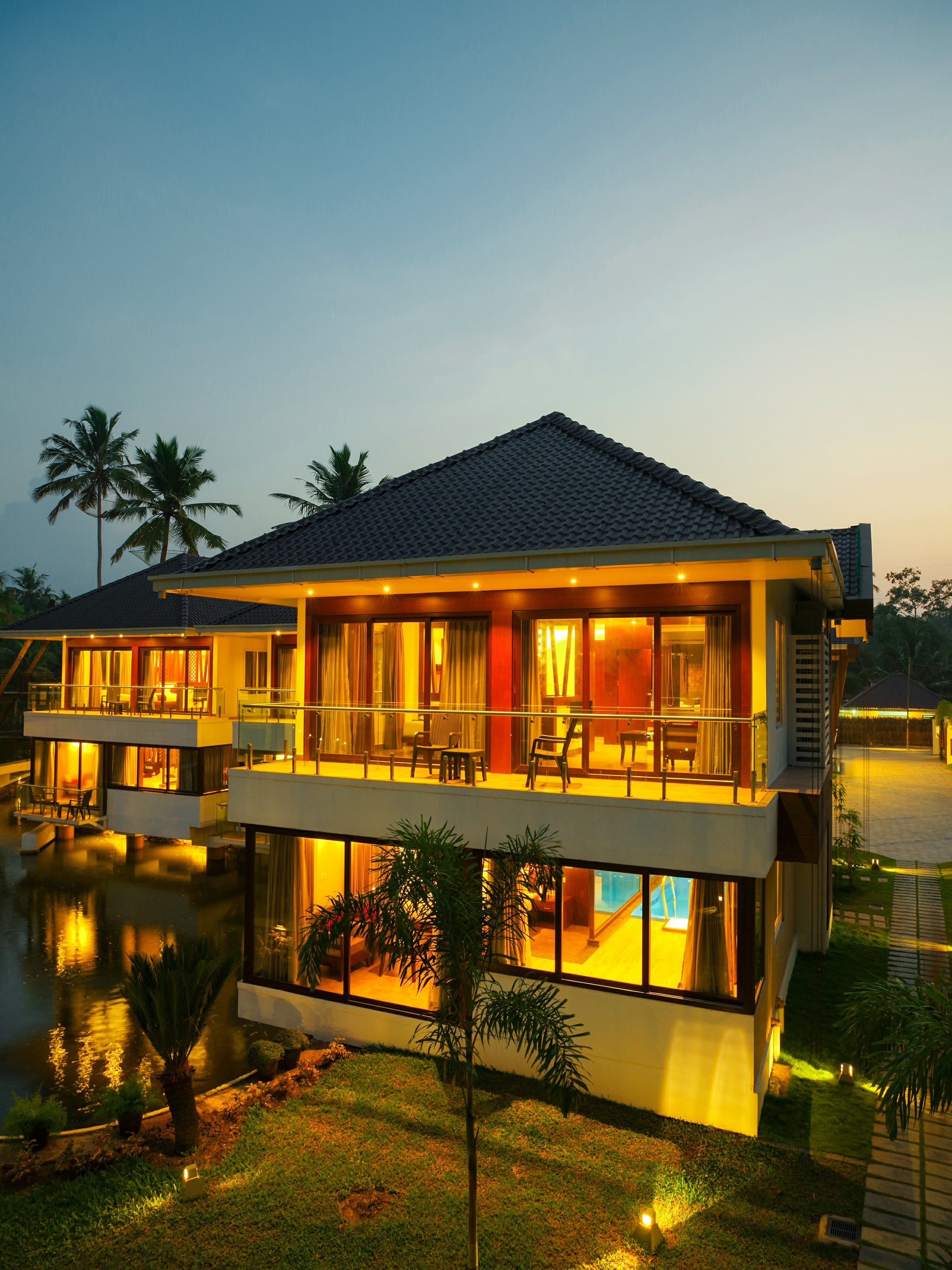
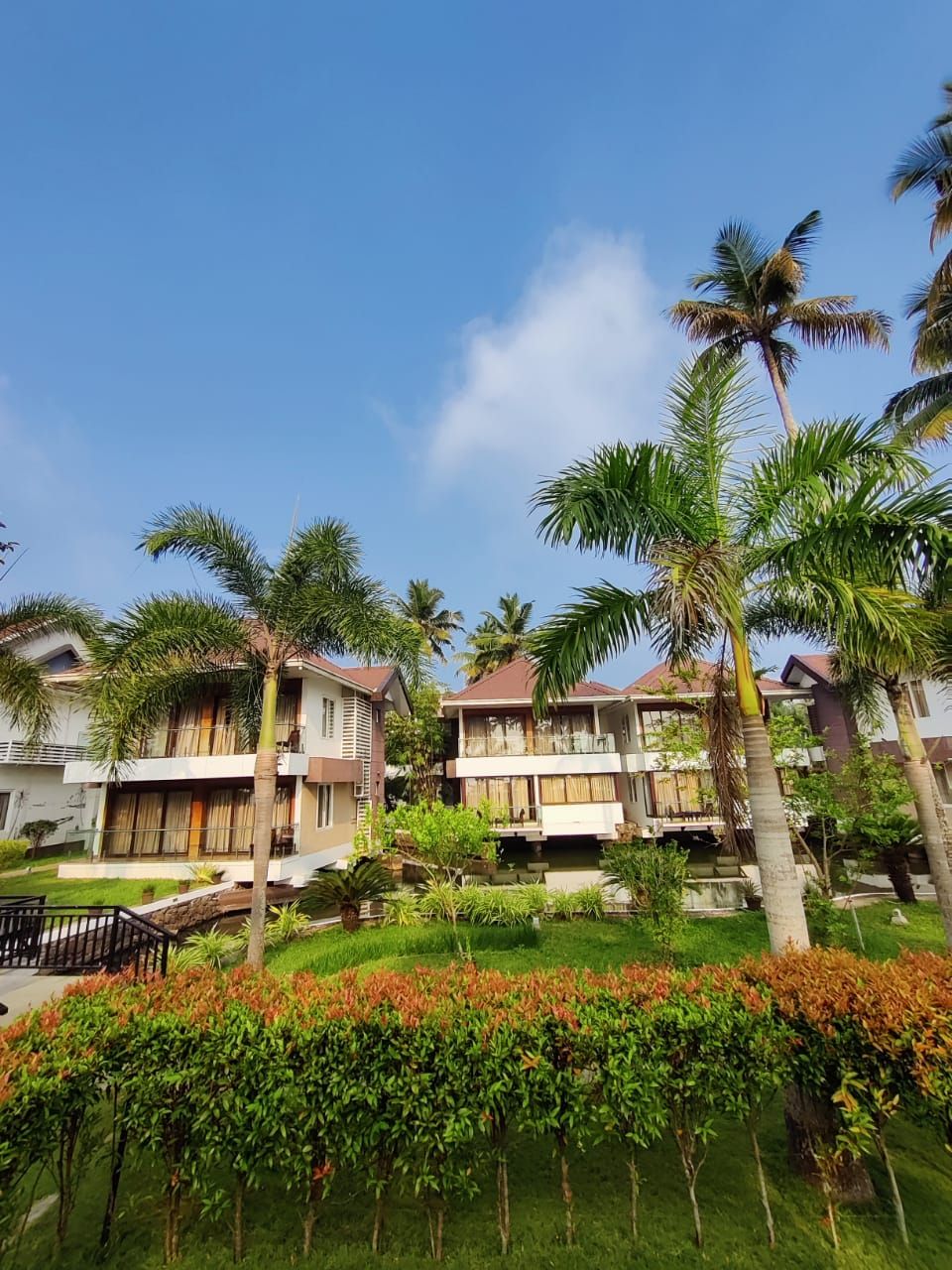
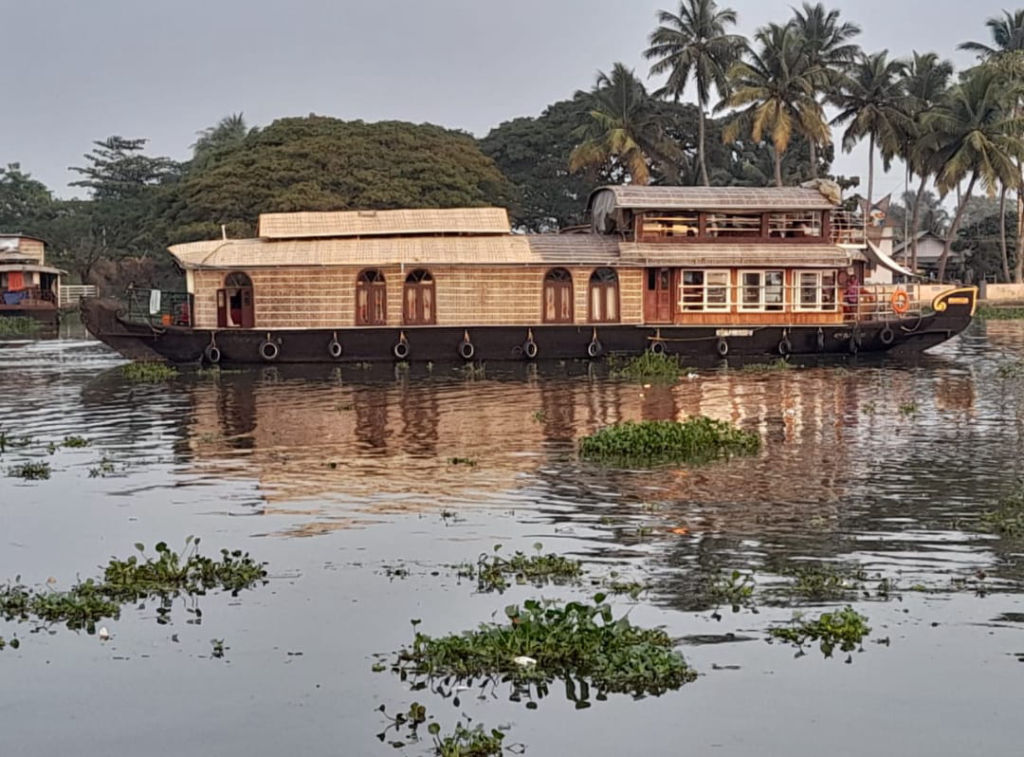
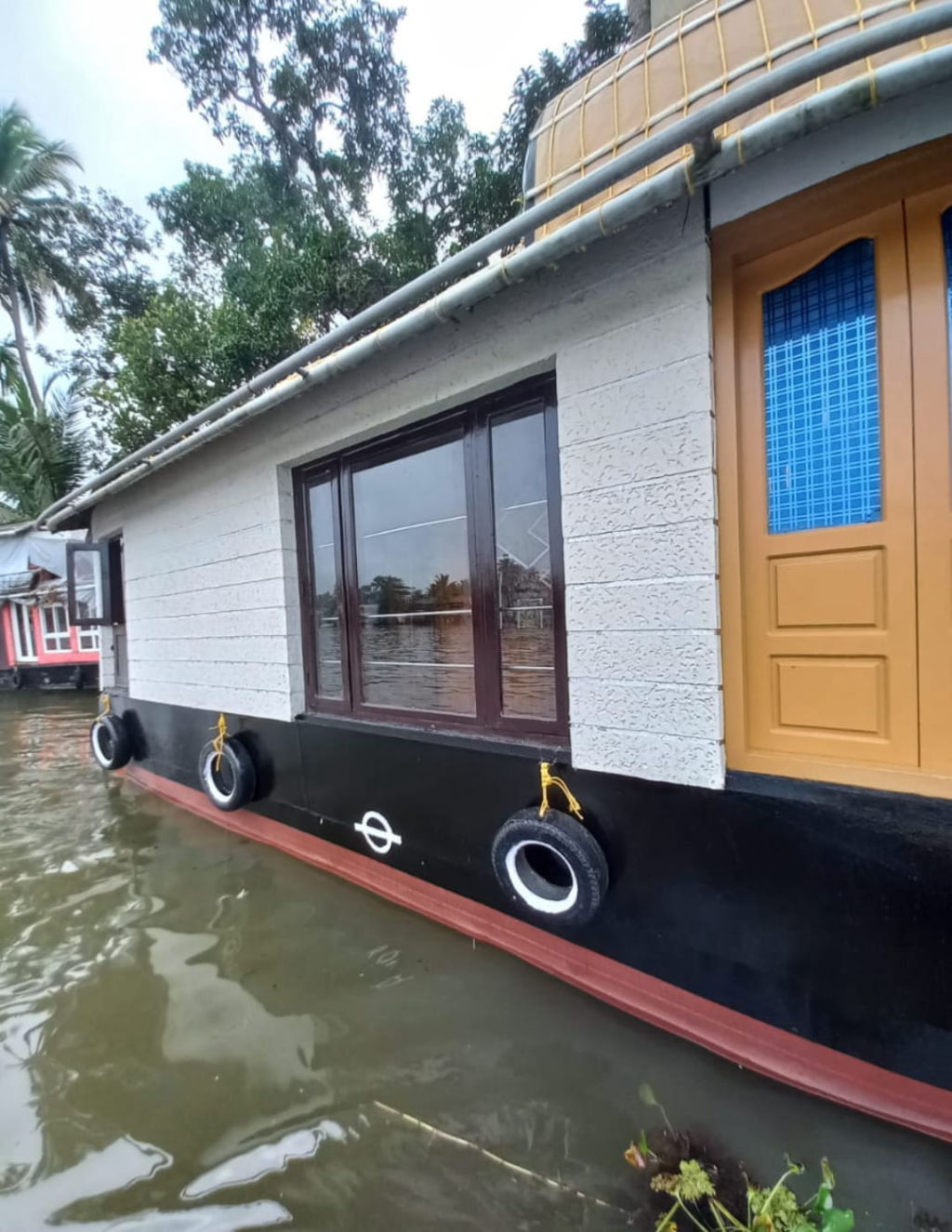
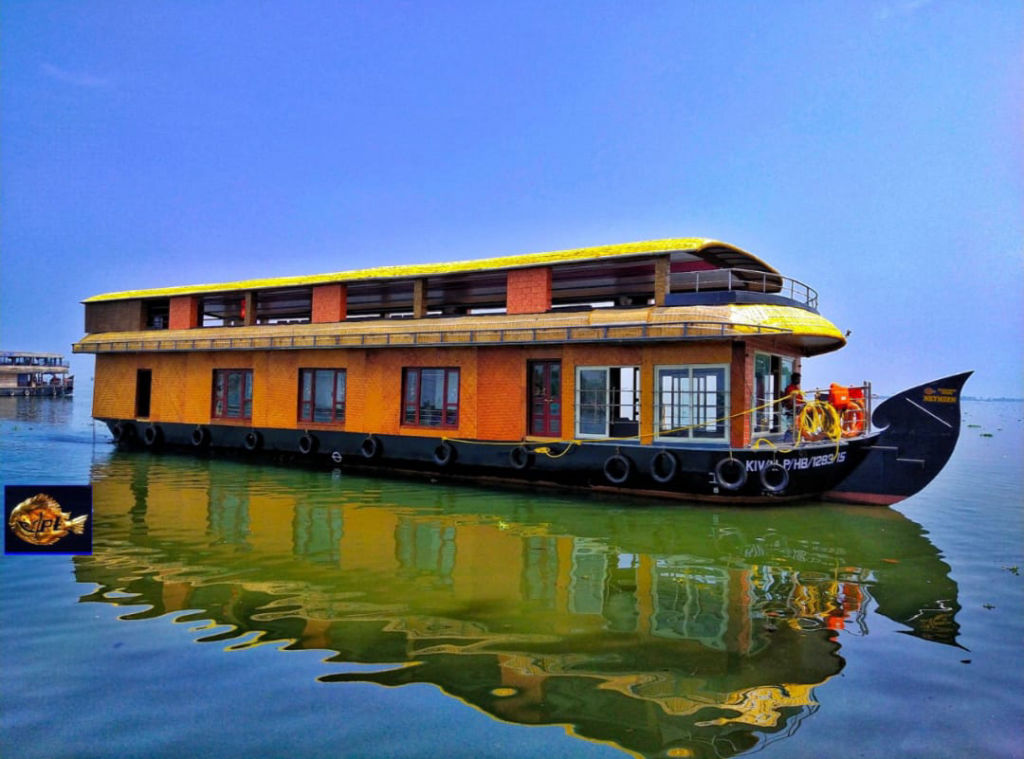
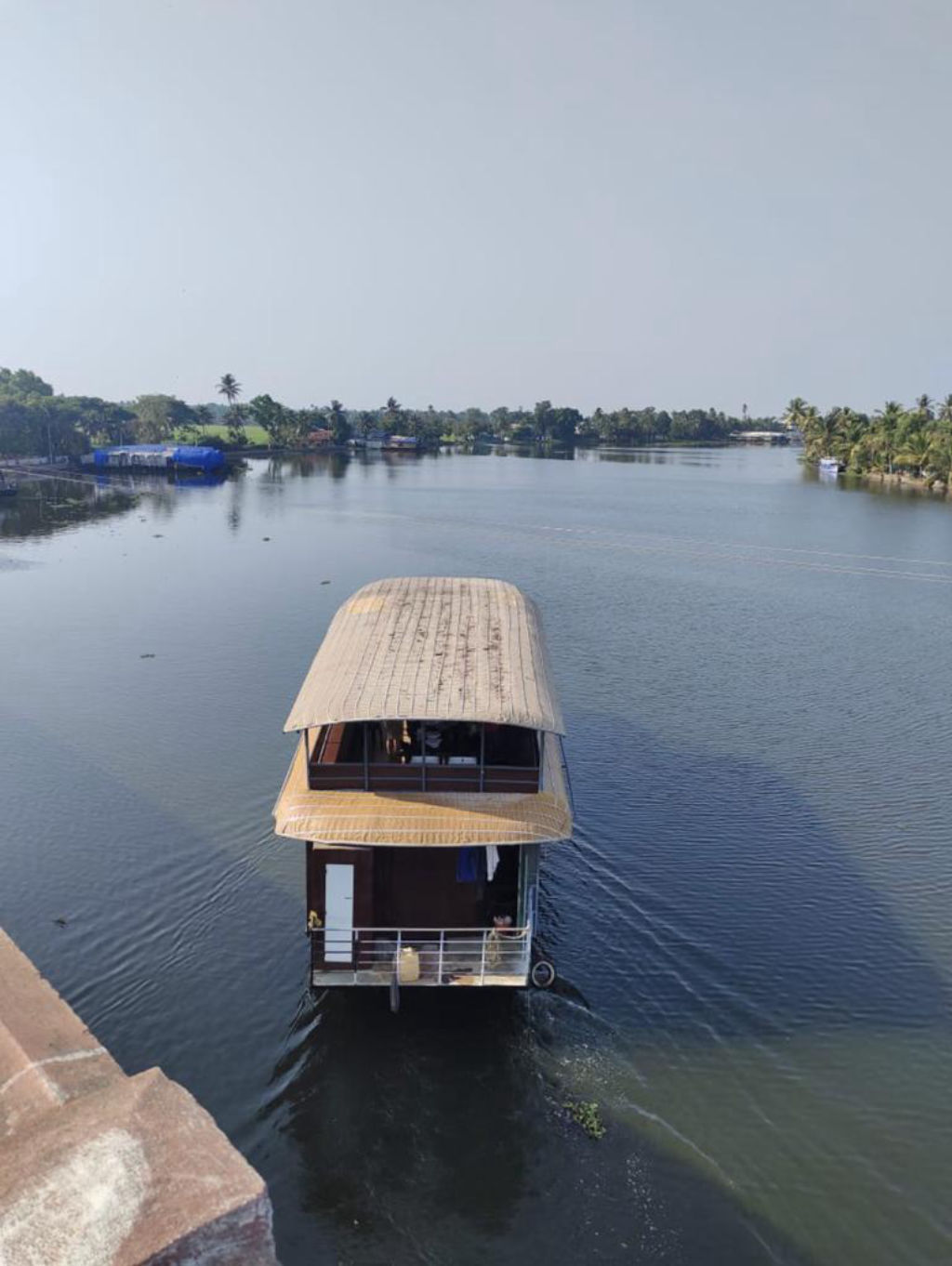
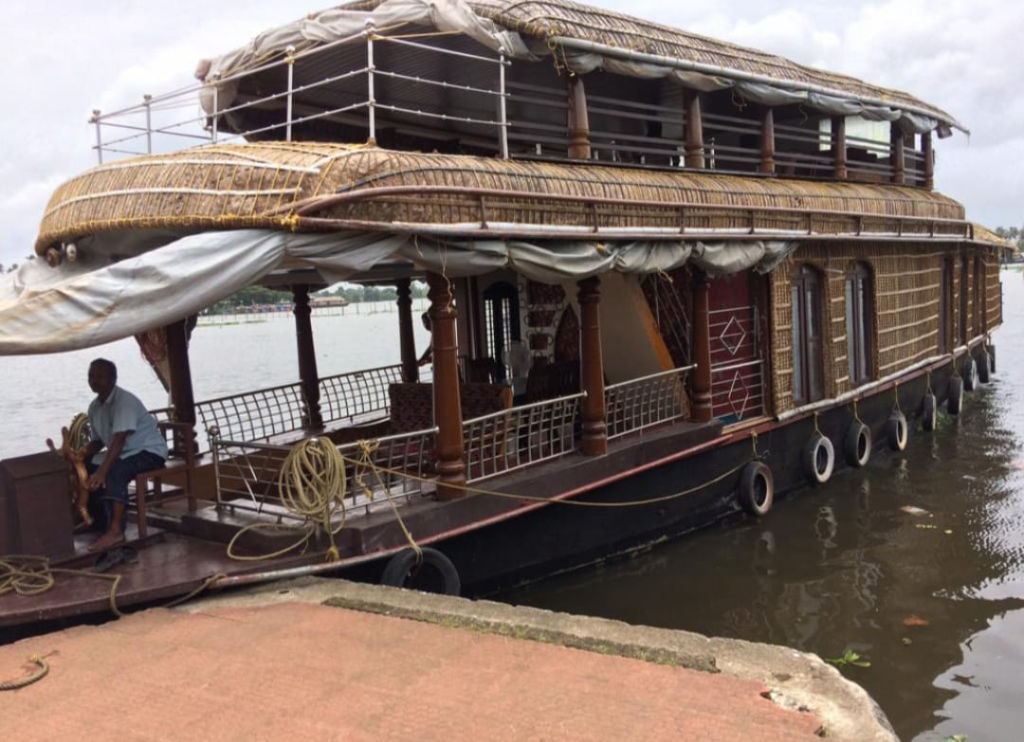
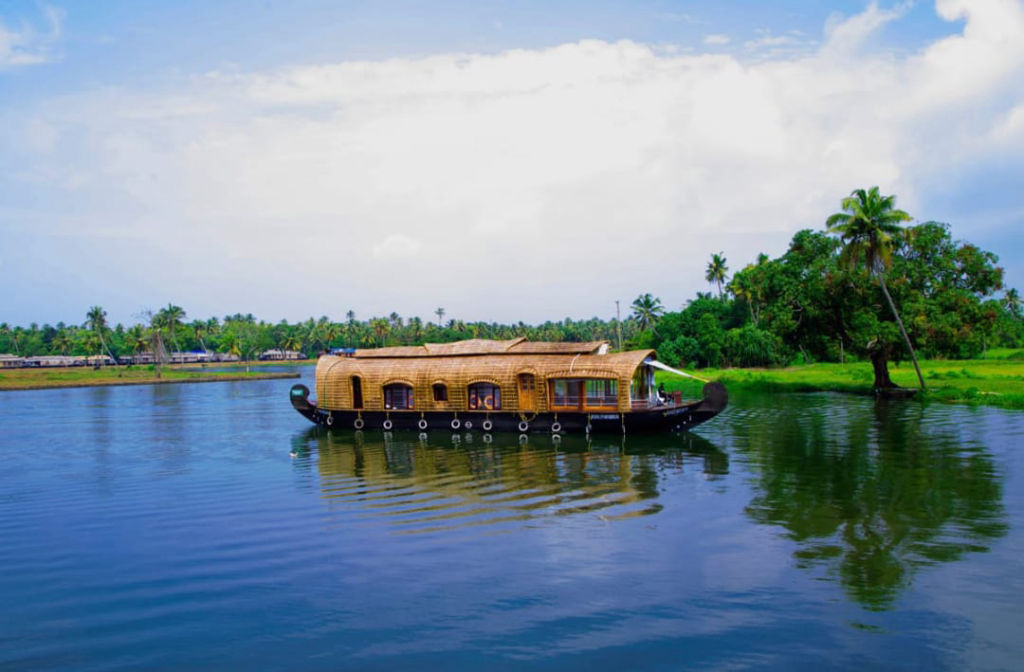
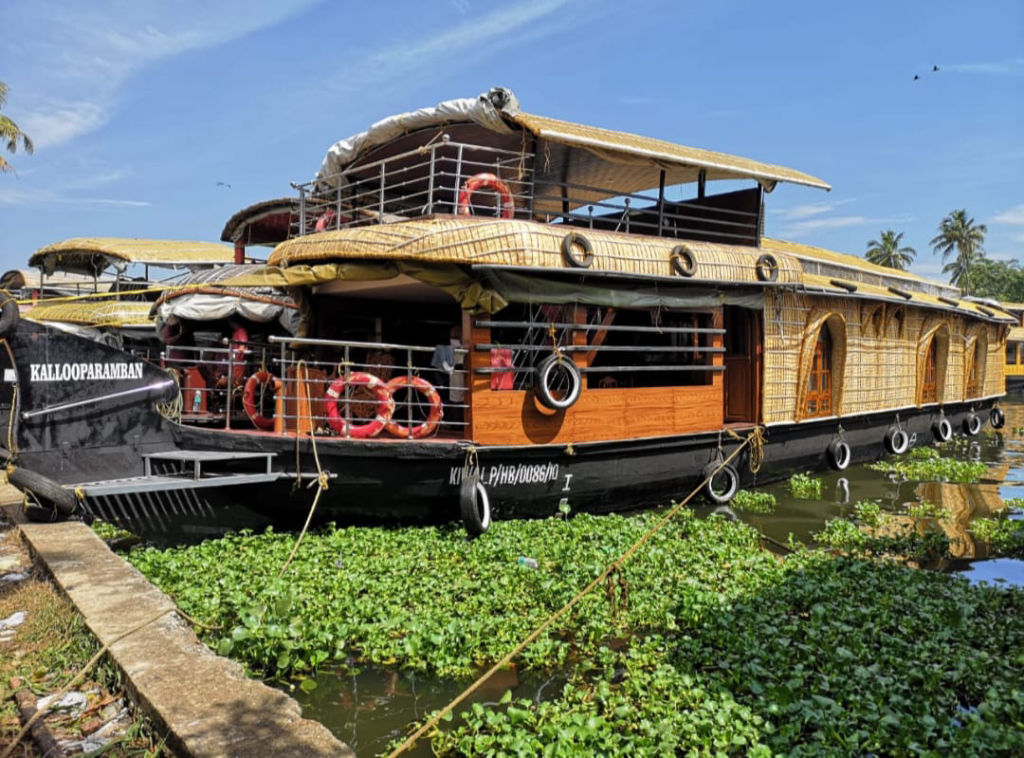
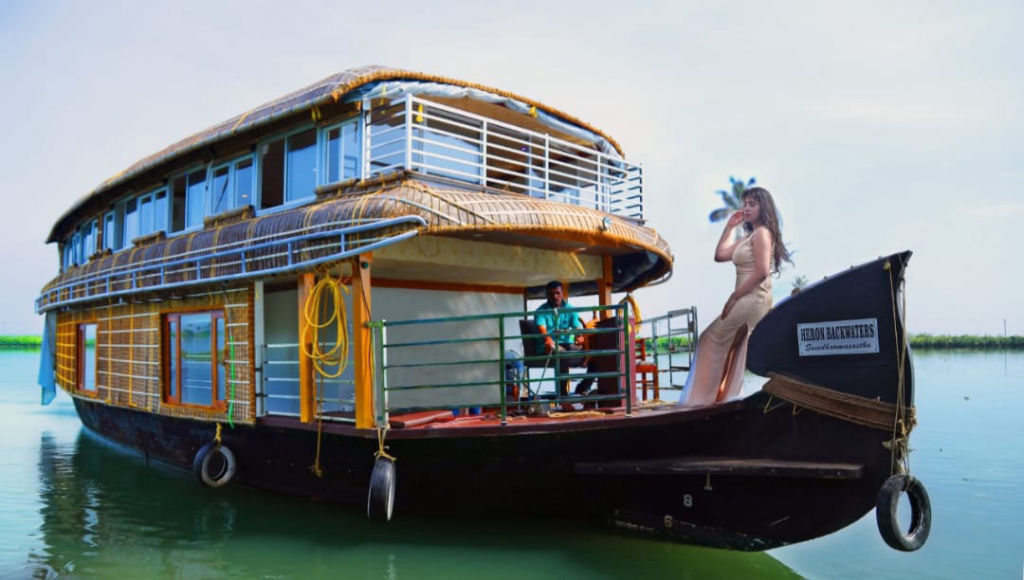
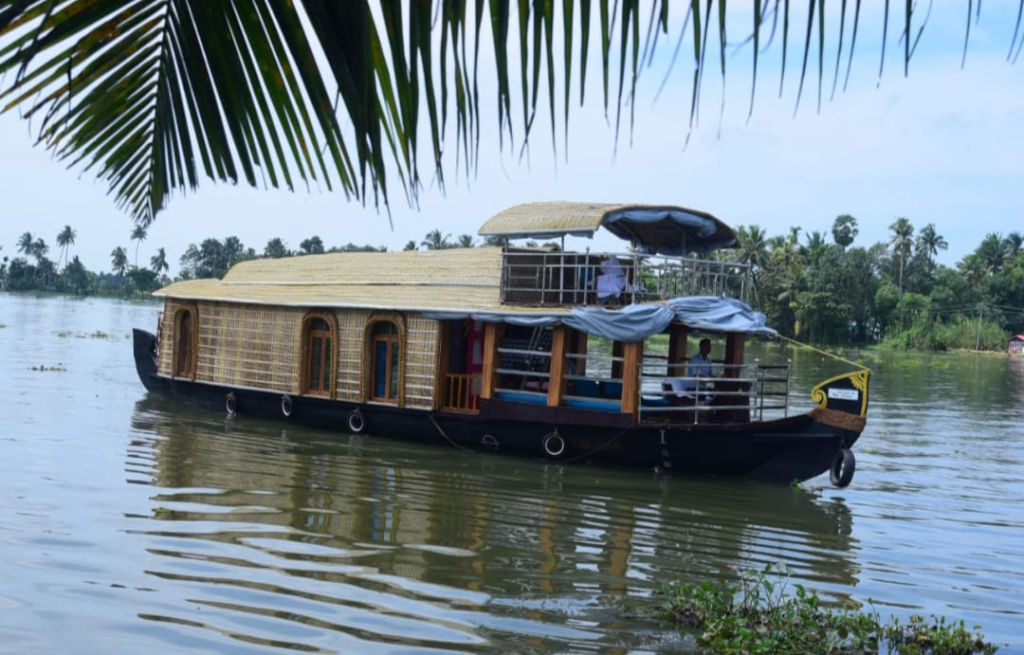
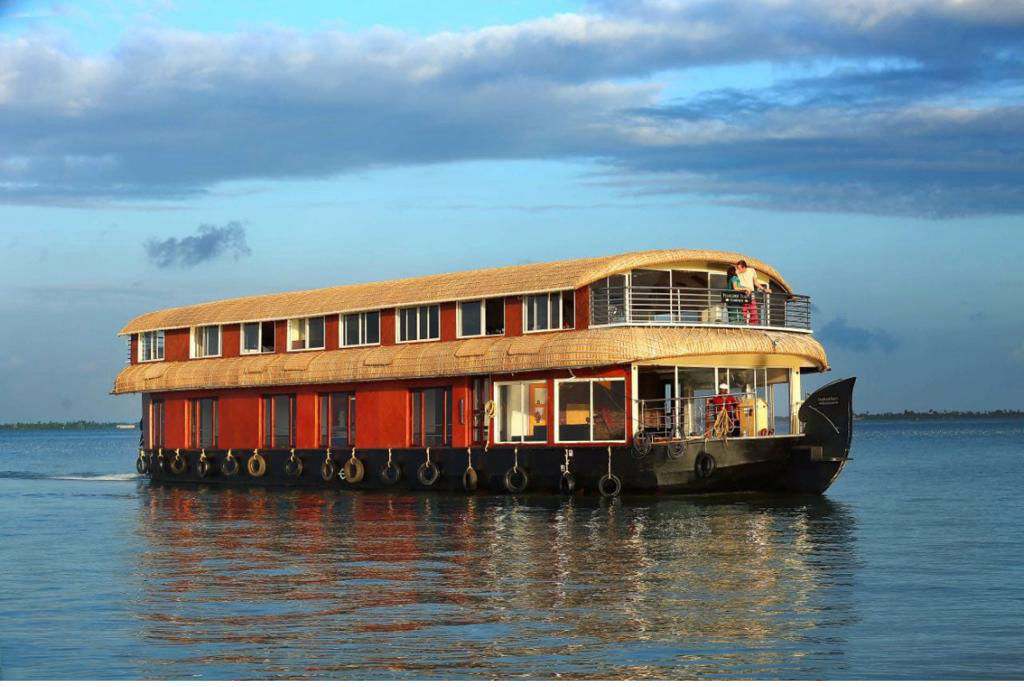
Travelers seeking a more immersive countryside stay can opt for peaceful lakeside cottages, eco-friendly plantation stays, or rustic retreats tucked along the backwater canals toward Kumarakom. You can discover and book verified homestays, nature retreats, and outdoor stays across this region on HireACamp.
Frequently asked questions
Where is Kumaranalloor Devi Temple located?
Kumaranalloor Devi Temple is located on Vadakkenada Road in Kumaranalloor, situated just a few kilometers north of Kottayam town in Kerala.
What is the best time of year to visit the temple?
The winter months from October to March offer the most pleasant weather, with the annual Thrikkarthika festival in November or December serving as the primary cultural highlight.
Is there a dress code at Kumaranalloor Devi Temple?
Yes, traditional Indian attire is mandatory. Men must remove their upper clothing and wear a mundu, while women should wear sarees, set-mundus, or salwar kameez.
How far is Kumaranalloor Devi Temple from the nearest railway station?
The temple is located just a few kilometers from Kottayam railway station and can be reached via a short ride on an auto-rickshaw, local bus, or taxi.
Is photography allowed inside Kumaranalloor Devi Temple?
Photography and videography are strictly prohibited inside the inner complex and near the sanctum sanctorum to respect temple sanctity.
Where you'll be
Vadakkenada Road, Kottayam · 12 stays nearby shown with prices
Stays near Kumaranalloor Devi Temple
Book a place to stay close by
More places near Kumaranalloor Devi Temple
Within 20 km


Built from 0 Instagram posts by 0 creators. Every tip links back to the post it came from, and where creators disagree we show both sides.






