
Kurinji Andavar Temple
Temple near Vilpatti, Tamil Nadu
1.5 km from Vilpatti
The nearest town, for stays, food and fuel.
Kurinji Andavar Temple is a quiet hill shrine dedicated to Lord Murugan, set atop a scenic ridge in Kodaikanal, Tamil Nadu. The temple is famed for its association with the rare Kurinji flower, which blankets the surrounding slopes in violet blooms once every twelve years. Visitors come here for its peaceful spiritual atmosphere as well as sweeping views across the valleys and distant Palani Hills.
Getting there
By road
- From VilpattiNearest town12 min · 5.4 km
- From Madurai2 hr 45 min · 116 km
- From Coimbatore4 hr · 168 km
- From Kochi6 hr 15 min · 275 km
Typical drive times without traffic. Stations and airports from OLA Maps; distances and typical drive times from OpenStreetMap (© OpenStreetMap contributors); notes from creators' Reels.
About Kurinji Andavar Temple
Written with AI from map data and general knowledge. Check prices and timings locally before you go.
About Kurinji Andavar Temple
Kurinji Andavar Temple stands on a gentle ridge overlooking the valleys of Kodaikanal in Tamil Nadu. The temple is dedicated to Lord Murugan, revered in ancient Tamil literature as the presiding deity of the Kurinji landscape, which represents mountainous regions. In Tamil, 'Andavar' means Lord or Ruler, making the temple's name an homage to the deity of these high hills. Built in the twentieth century, the shrine showcases traditional South Indian temple architecture with simple stone sanctums and modest gopurams that blend harmoniously into the surrounding pine-clad environment.
The atmosphere inside the temple complex remains remarkably tranquil compared to the bustling town centre. Devotees come throughout the day to offer prayers, seek blessings, and sit quietly in the open courtyards. The shrine holds deep cultural importance for the regional community, preserving classical Shaivite and Tamil spiritual traditions amid the mist-draped shola landscapes of the Upper Palani plateau.
The Significance of the Kurinji Flower
The temple derives a significant part of its fame from the Kurinji shrub, botanically known as Strobilanthes kunthiana. This unique endemic plant flourishes along the high-altitude grasslands of the Western Ghats and is celebrated for its synchronized flowering phenomenon, which takes place once every twelve years. During a major blooming cycle, the slopes around Kodaikanal and the temple grounds turn into a carpet of purplish-blue blossoms, drawing botanists, nature lovers, and pilgrims from across the country.
Historically, native hill communities such as the Paliyan and Muthuvan tribes tracked time and marked seasonal transitions based on the blooming of the Kurinji. The temple itself maintains garden patches where Kurinji shrubs are preserved, allowing visitors to see the foliage even during non-flowering years. Learning about this rare botanical cycle adds a distinctive natural dimension to a spiritual visit.
Read more
Panoramic Views of the Palani Hills
Beyond its devotional appeal, Kurinji Andavar Temple functions as an exceptional vantage point for observing the geography of the Western Ghats. Located along Kurinji Andavar Temple Road, the temple's elevated perch provides an unobstructed perspective over terraced slopes, small village settlements, and deep ravines dropping down toward the plains.
On bright, clear mornings before the mountain mist rolls in, visitors can see the distant contours of the sacred Palani hill temple, the Vaigai basin, and vast stretches of evergreen shola forest. The northern rim of the Palani Hills forms a dramatic backdrop that shifts in character through the day, from sharp sunlight in early hours to soft golden hues as sunset approaches. Photography enthusiasts and slow travellers often linger along the outer boundary wall to take in the breeze and watch the play of cloud shadows over the lower valleys.
Best Time to Visit Kurinji Andavar Temple
Kodaikanal enjoys a pleasant, subtropical highland climate throughout the year, making Kurinji Andavar Temple accessible across all seasons. However, the period between October and March offers crisp and pleasant weather, with clear skies that yield the finest valley views and comfortable daytime temperatures. Winter mornings can be chilly, often accompanied by thin layers of frost and low-lying ground mist that burn off by mid-morning.
Summer months from April to June bring warmer days and vibrant blooms across Kodaikanal's gardens, making it a popular time for families and holidaymakers. The southwest and northeast monsoons, spanning from July to November, transform the hillsides into lush green expanses. While rain and thick fog during the monsoons can obscure panoramic viewpoints, visiting during this time offers a misty, quiet experience with cascading waterfalls and fresh mountain air.
How to Reach Kurinji Andavar Temple
The temple is situated about three to four kilometres from the heart of Kodaikanal town, making it easy to access by road. Local taxis, auto-rickshaws, and private vehicles routinely make the short drive up Kurinji Andavar Temple Road. Travellers who enjoy walking can also hike up from central Kodaikanal through quiet residential streets shaded by eucalyptus and pine trees.
For travellers arriving from further away, Madurai is the nearest major transit hub, located approximately one hundred and twenty kilometres away with broad rail and domestic air connectivity. Coimbatore and Tiruchirappalli are also common gateways. From these cities, state transport buses, hired cabs, and private vehicles wind up the ghat roads via Batlagundu or Palani. Road travel times vary depending on hill traffic and weather, so plan accordingly.
Tips for Your Visit
Because Kurinji Andavar Temple is an active place of worship, visitors are encouraged to dress modestly, covering shoulders and knees out of respect for local customs. Footwear must be removed before entering the inner sanctum and courtyard areas, and dedicated shoe-keeping points are usually available near the entrance.
The early morning hours, shortly after sunrise, are generally the quietest and offer the clearest vistas of the plains before cloud cover thickens. Photography is often restricted inside the sanctum sanctorum, so look out for signage and follow instructions given by temple attendants. Winters can bring chilly mountain winds, so carrying a light sweater, shawl, or jacket is recommended. Small stalls selling seasonal fruits, mountain tea, and regional snacks operate along the access road outside the shrine.
Places to Visit Near the Temple
A trip to Kurinji Andavar Temple can easily be combined with other attractions in and around Kodaikanal. Silver Cascade waterfall lies just down the main ghat road, providing a dramatic stop where mountain water plunges over rugged rocks. Close by, the Shenbaganur Museum preserves botanical and zoological collections, offering deep insight into the ecology and natural history of the Palani Hills.
For peaceful nature walks, Bryant Park and the wooded trails around Tiger Shola and Adukkam Forest showcase the varied flora of the region. Architecture and heritage lovers can stop at La Salette Church, one of Kodaikanal's oldest shrines built in a graceful French-gothic style. Those looking for day trips deeper into the foothills can explore downstream attractions such as Kumbakkarai Falls or the expansive reservoirs of Manjalar Dam and Vaigai Dam.
Where to Stay
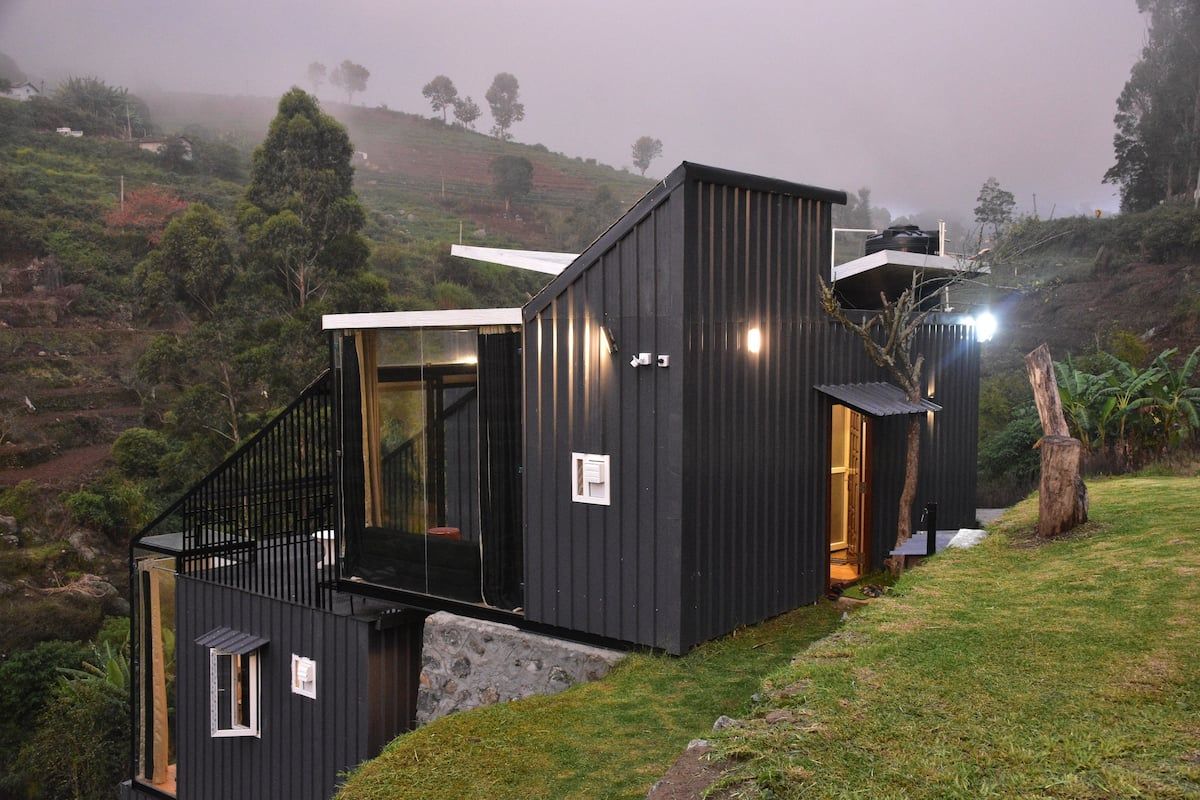
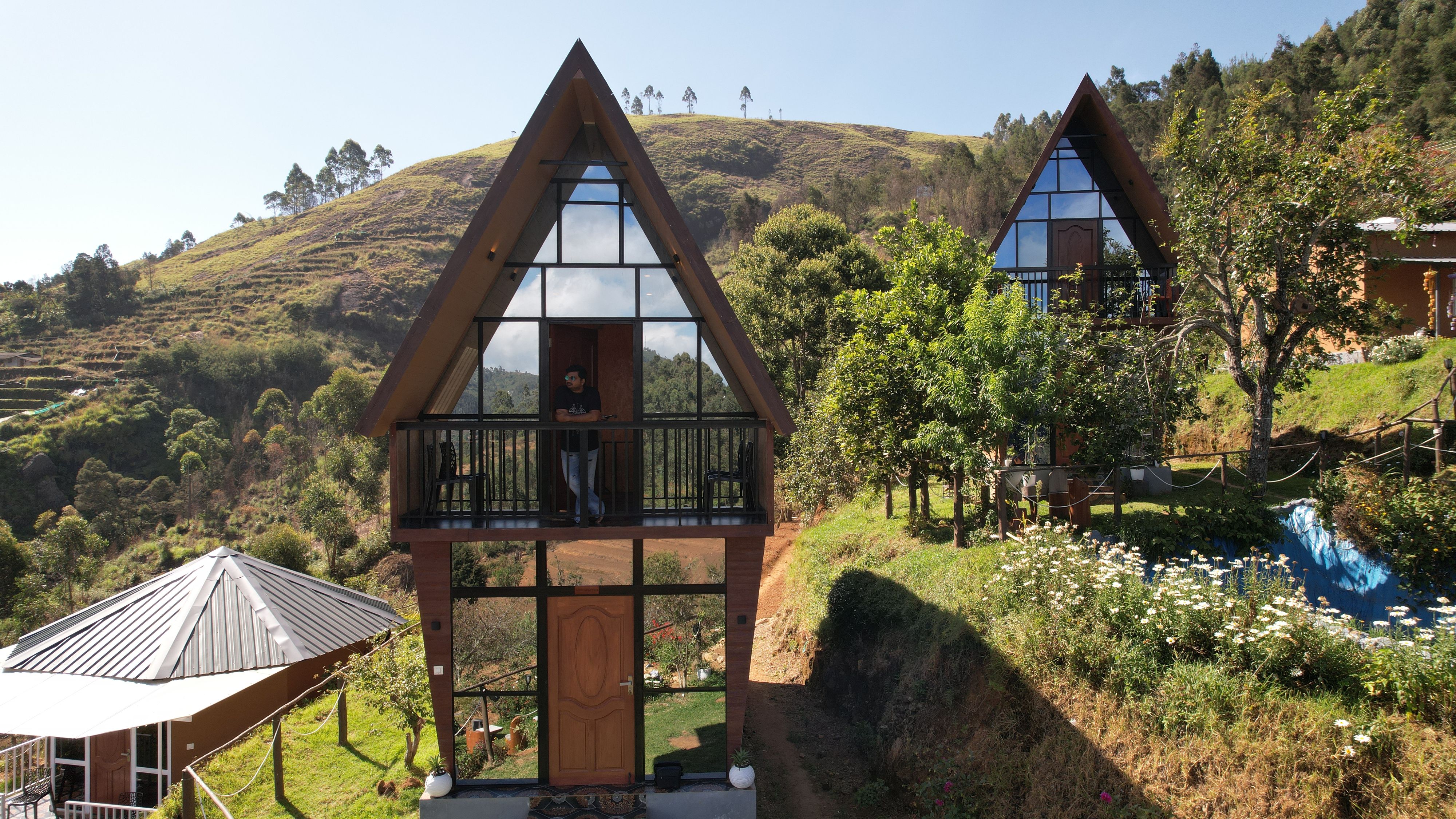
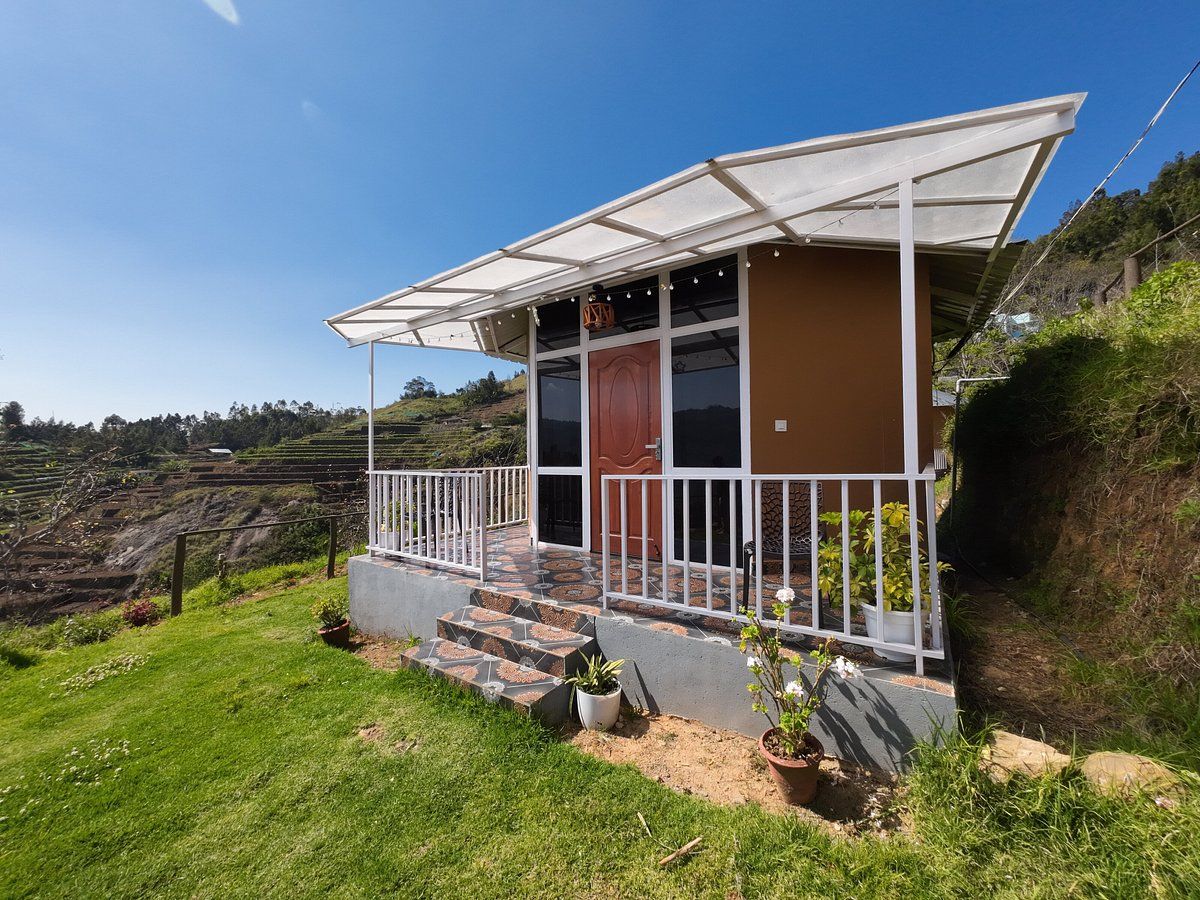
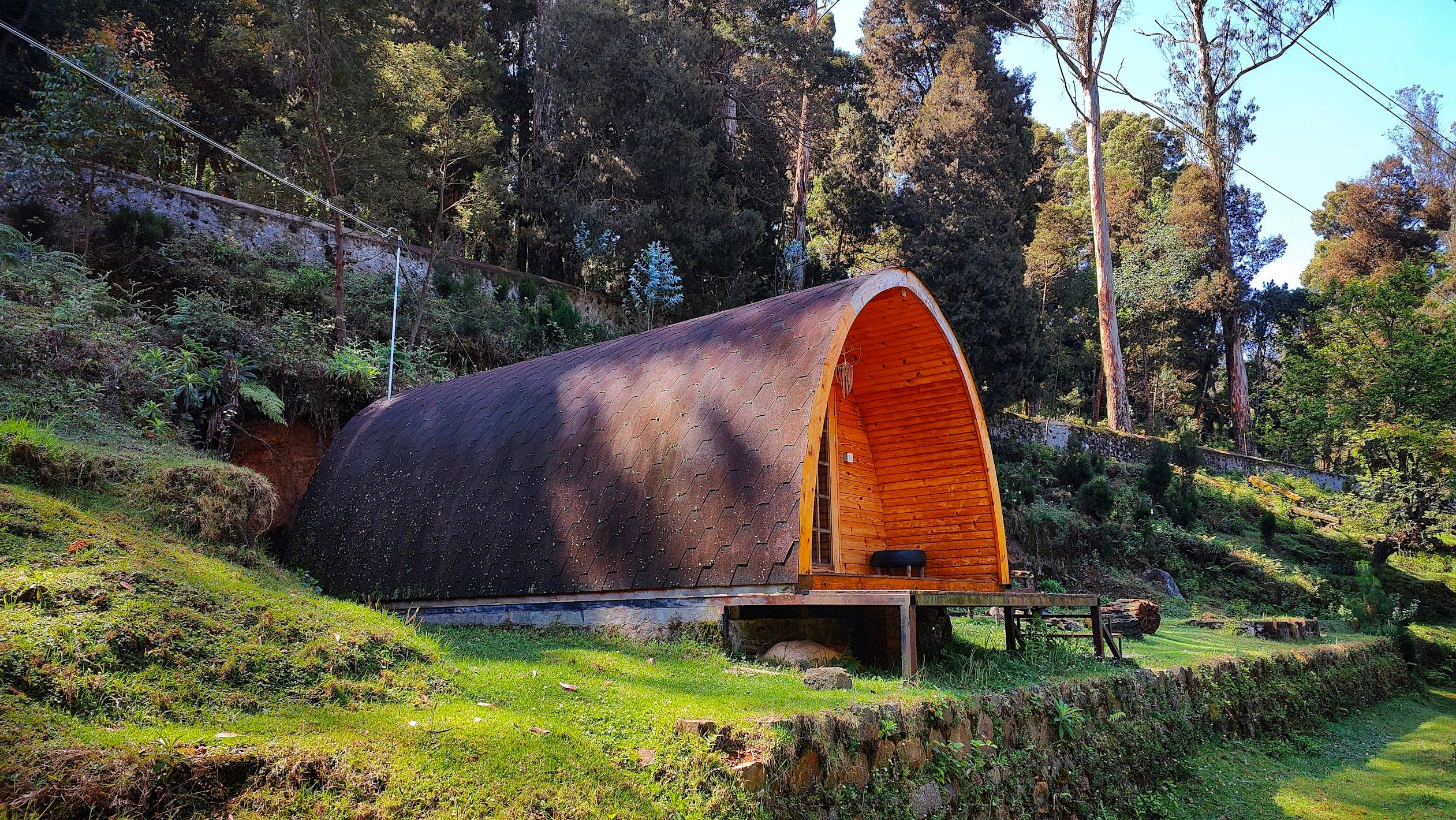
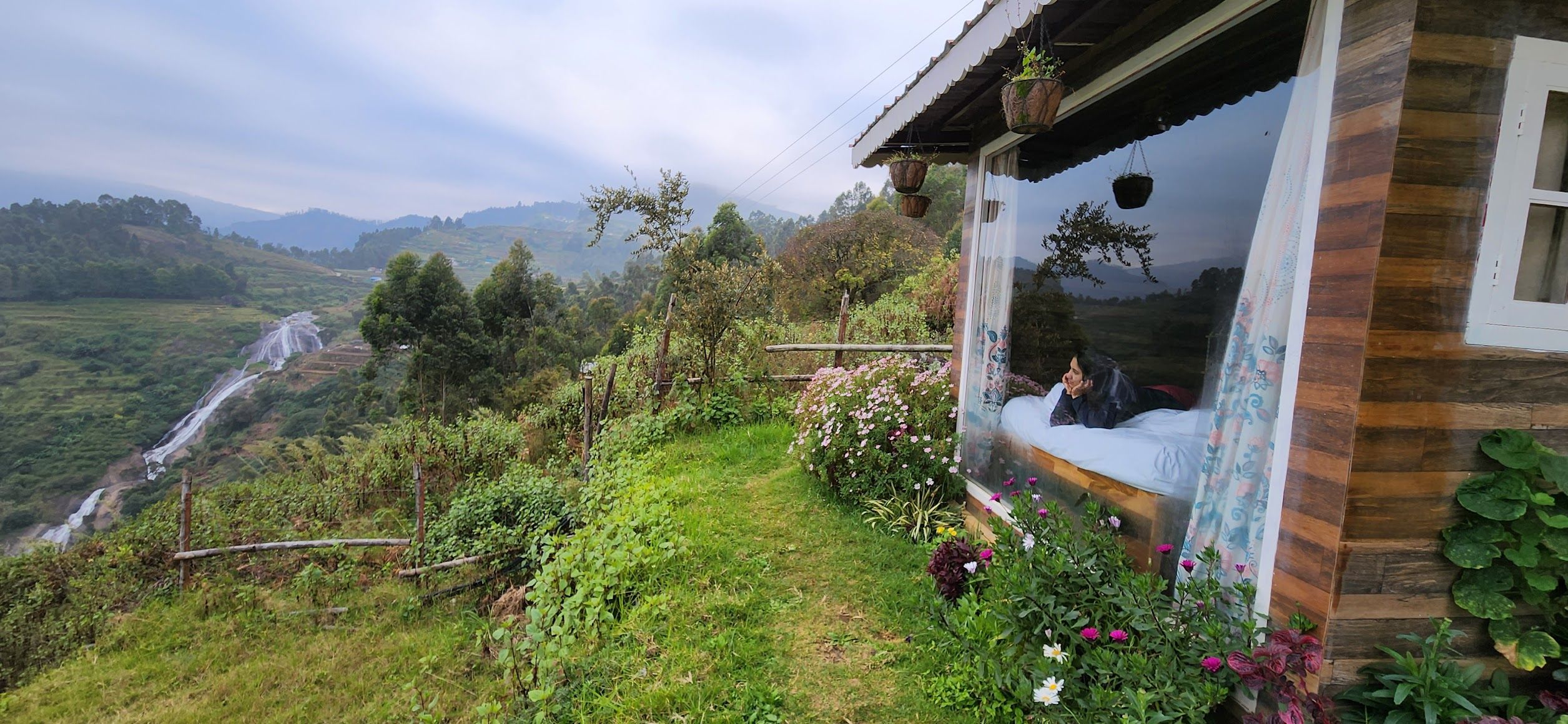
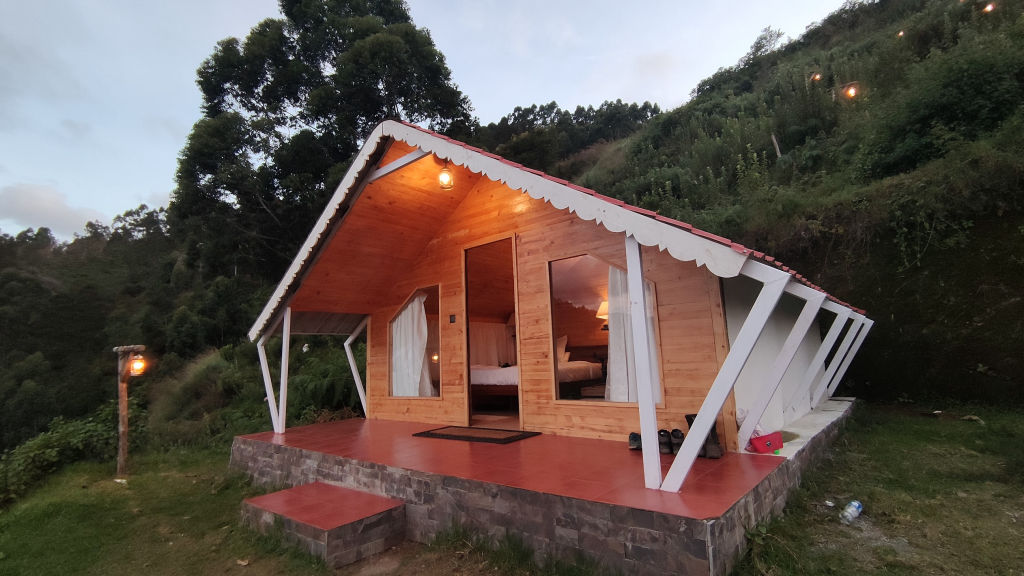
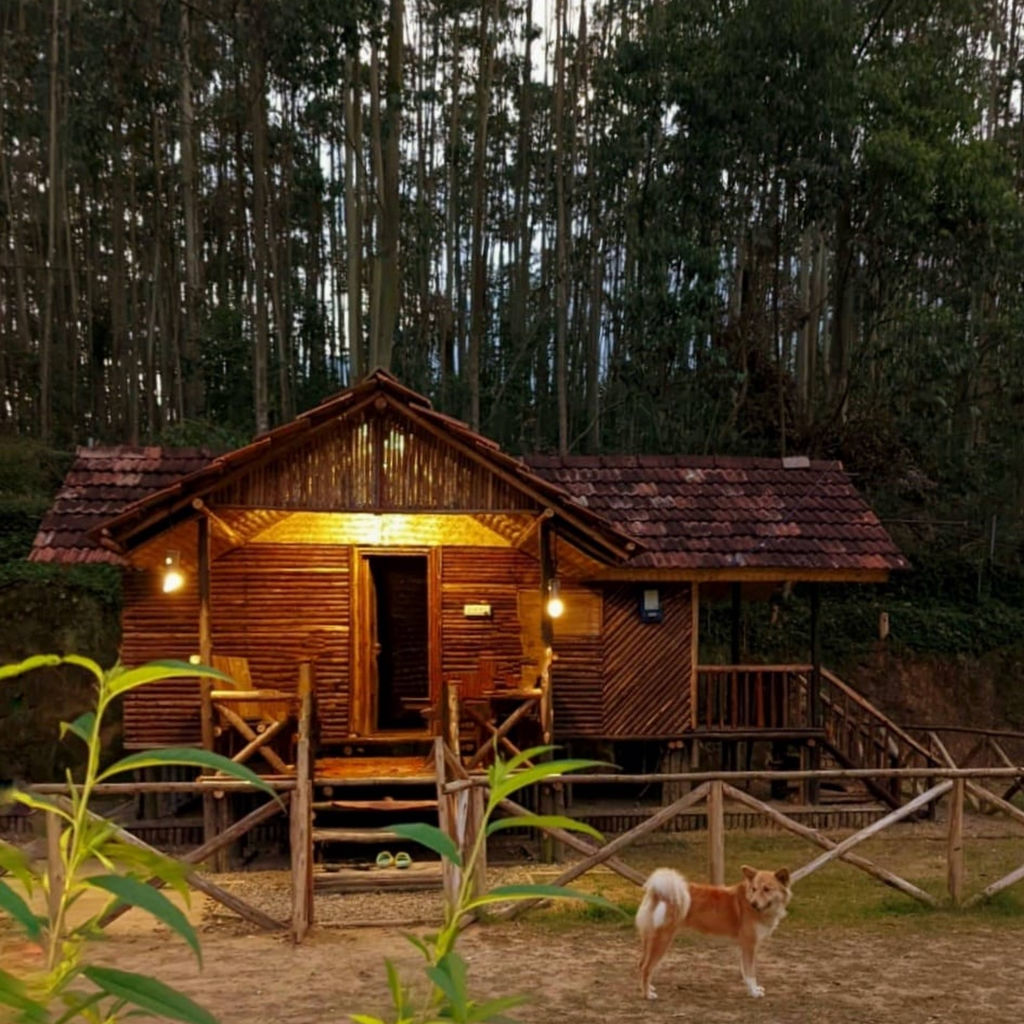
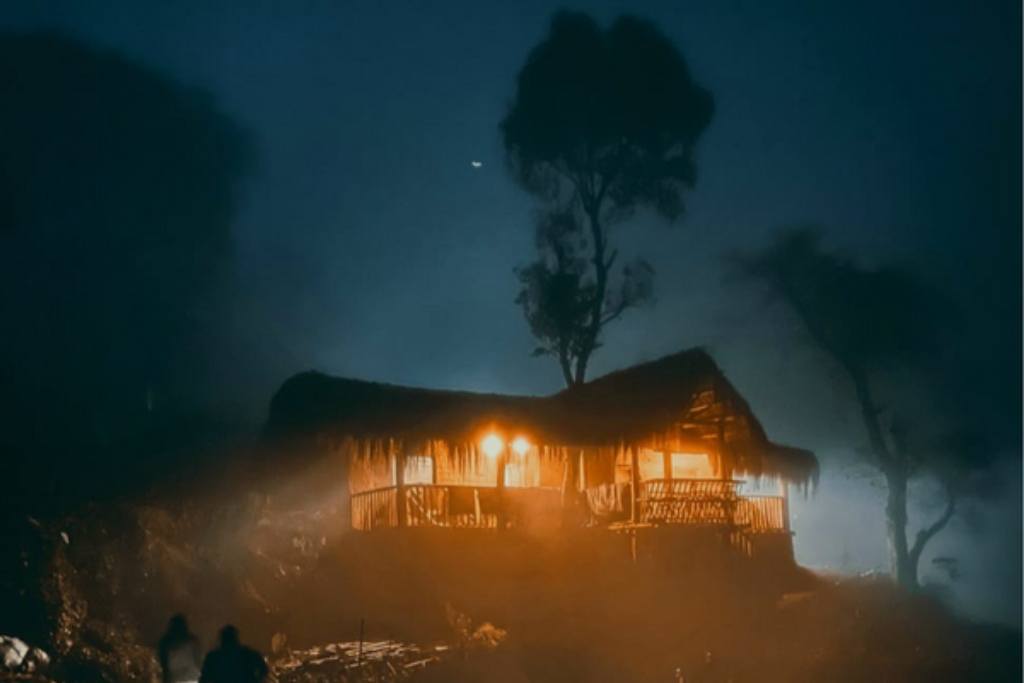
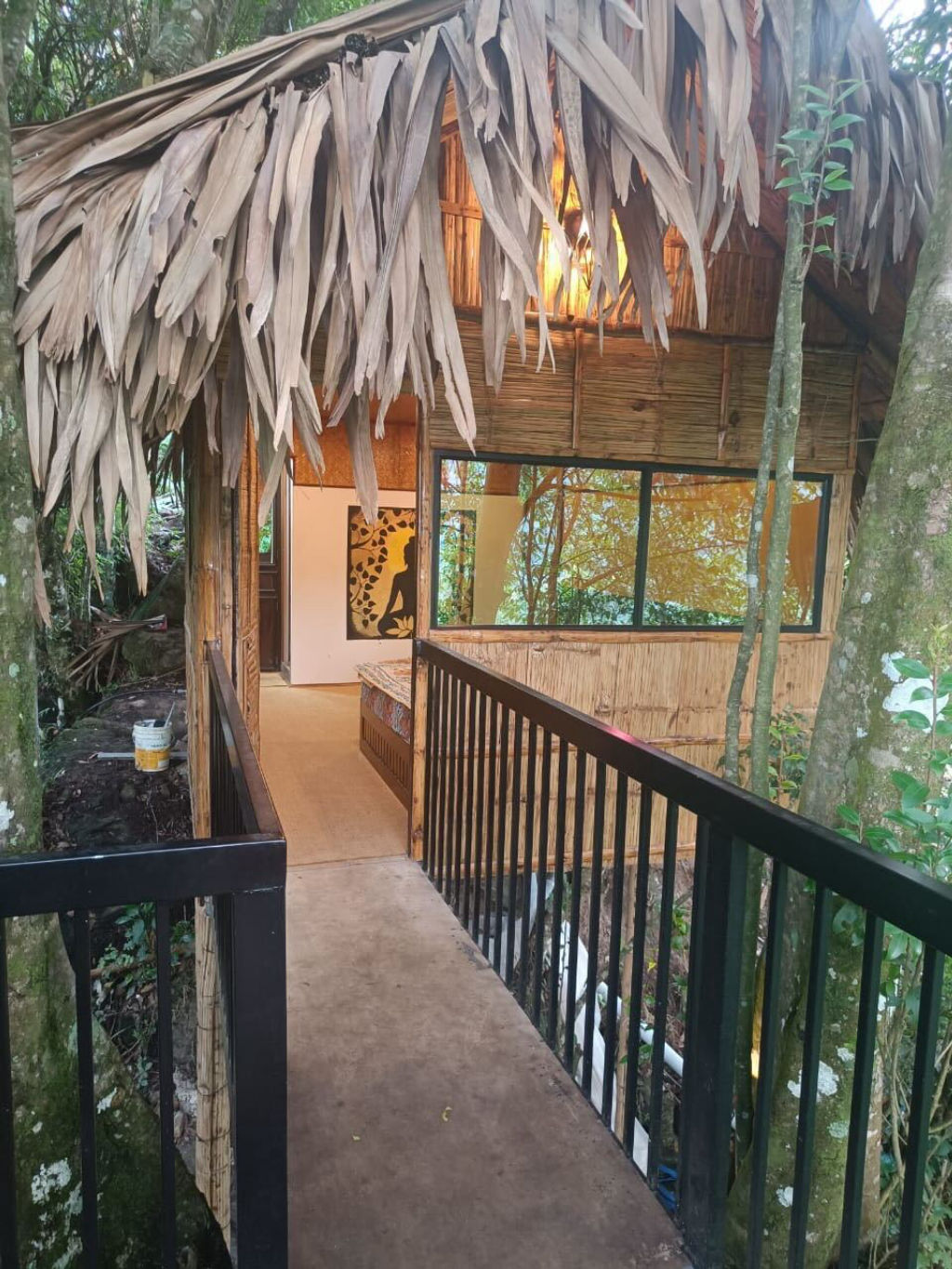
Kodaikanal offers a wide range of stay options across its wooded ridges, valley slopes, and lakeside areas. Whether you are looking for rustic mountain campsites tucked under pine forests, traditional heritage cottages, or quiet family-run homestays near the temple, you can browse and book verified options on HireACamp. Staying a little away from the town centre allows you to experience the silent nights, clear starlit skies, and crisp mountain mornings that define life in the Palani Hills.
Frequently asked questions
Who is the presiding deity of Kurinji Andavar Temple?
Lord Murugan is the presiding deity of the temple, worshipped here as the protector and lord of the Kurinji mountainous landscape according to ancient Tamil tradition.
What is the significance of the Kurinji flower at this temple?
The Kurinji flower (Strobilanthes kunthiana) blooms only once every twelve years, turning the hillsides around Kodaikanal into shades of purple and blue, and the temple preserves shrubs of this rare plant on its grounds.
How far is Kurinji Andavar Temple from Kodaikanal town centre?
The temple is located roughly three to four kilometres from the centre of Kodaikanal town and is easily reached by a short taxi or auto-rickshaw ride along Kurinji Andavar Temple Road.
Is photography allowed at Kurinji Andavar Temple?
Photography is usually permitted in the outer courtyards and viewpoint areas overlooking the valleys, but it is strictly restricted inside the main sanctum sanctorum.
What is the best time of day to visit the temple for views?
Early mornings and late afternoons are the best times to visit, as skies are clearer and offer expansive views over the Palani Hills before thick afternoon fog sets in.
Where you'll be
113, Kurinji Andavar Temple Road, Kodaikanal · 10 stays nearby shown with prices
Stays near Kurinji Andavar Temple
Book a place to stay close by
More places near Kurinji Andavar Temple
Within 20 km


Built from 0 Instagram posts by 0 creators. Every tip links back to the post it came from, and where creators disagree we show both sides.






