
Kurumbapatti Zoological Park
Zoo near Kondamanayakkanpatti, Tamil Nadu
3.9 km from Kondamanayakkanpatti
The nearest town, for stays, food and fuel.
Kurumbapatti Zoological Park is a mini zoo and wildlife reserve situated at the base of the Shevaroy Hills near Yercaud in Tamil Nadu. Spread across a gently sloping forest landscape, it offers visitors a chance to see indigenous wildlife, native birds, and diverse plant species in a serene natural setting. Travellers and families frequently visit the park to enjoy peaceful nature walks and learn about the local biodiversity before heading up the ghats to the hill station.
Getting there
By road
- From KondamanayakkanpattiNearest town13 min · 4.6 km
- From Bengaluru4 hr 20 min · 187 km
- From Coimbatore4 hr 30 min · 190 km
- From Madurai5 hr 25 min · 244 km
Typical drive times without traffic. Stations and airports from OLA Maps; distances and typical drive times from OpenStreetMap (© OpenStreetMap contributors); notes from creators' Reels.
About Kurumbapatti Zoological Park
Written with AI from map data and general knowledge. Check prices and timings locally before you go.
About Kurumbapatti Zoological Park
Kurumbapatti Zoological Park sits nestled along the verdant foothills of the Eastern Ghats, right near the approach road ascending toward Yercaud. Unlike urban concrete animal parks, Kurumbapatti is carved directly into a natural woodland environment, preserving much of the surrounding scrub and dry-deciduous forest. The natural topography gives the park an open, forest-like atmosphere that blends seamlessly into the backdrop of the rising hills.
Originally developed as a small deer safari and rescue enclosure, the park has grown under regional forest management into a recognized zoological facility and education center. It serves as an accessible stop for people travelling between the plains and the hill country, providing an immersive natural space where visitors can appreciate regional wildlife conservation without navigating massive crowds.
Wildlife and Natural Attractions
The primary draw of Kurumbapatti Zoological Park is its collection of native fauna housed within spacious, foliage-shaded enclosures. The park is especially well known for its healthy herds of spotted deer and sambar deer, which graze calmly beneath large native trees. In addition to deer, visitors can observe other mammalian residents including bonnet macaques, grey langurs, and blackbucks wandering through their dedicated zones.
The park is also home to a diverse selection of bird species. Walking along the pathways, birdwatchers can observe various native birds, waterbirds, parakeets, and peacocks. The dense green canopy surrounding the zoo naturally attracts numerous wild woodland birds, making the perimeter trees lively with calls and sightings. Well-marked enclosures also house a variety of reptiles, including marsh crocodiles and native snakes, providing educational insights into the reptile habitats of southern India.
Read more
Best Time to Visit
The foothill climate around Kurumbapatti Zoological Park differs somewhat from the cooler elevations of upper Yercaud. The ideal window to plan an excursion here is between October and March. During these post-monsoon and winter months, daytime temperatures are comfortable, humidity is moderate, and walking along the open outdoor trails is very pleasant.
The monsoon period from July through September brings substantial rainfall to the Shevaroy slopes, transforming the surrounding forests into lush, vibrant green landscapes. However, trails can occasionally become slick after heavy downpours. The summer months between April and June bring warmer daytime conditions at the base of the hills, so travellers visiting during this season will find early morning hours the most rewarding for viewing active wildlife.
How to Reach Kurumbapatti Zoological Park
Kurumbapatti Zoological Park is easily reached from nearby regional transit hubs. The historic city of Salem acts as the primary gateway, with its major railway junction and comprehensive bus networks connecting travellers from across Tamil Nadu and neighbouring states. From the center of Salem, local buses, taxis, and auto-rickshaws frequently ply the route toward the foothills heading in the direction of Yercaud.
For those travelling by car or motorbike from Yercaud, the drive descends down the winding ghat road with scenic valley overlooks before reaching the foothills where Zoology Park Road branches off. Road conditions are generally paved and straightforward, though drivers should maintain cautious speeds along the hill curves and watch for seasonal weather changes.
Tips for Your Visit
Plan to spend around two hours exploring the park at a comfortable, unhurried pace. Because the grounds are spread across natural terrain, wearing sturdy walking shoes or sneakers makes navigating the unpaved paths and slight inclines far more comfortable. The afternoon sun can be strong even during cooler months, so carrying drinking water, a wide-brimmed sun hat, and sunscreen is recommended.
Visitors should always practice responsible wildlife observation. Refrain from feeding the animals, tapping on enclosure fences, or making loud noises, as this disturbs the residents. Single-use plastic bottles and polythene bags should be carried out and disposed of responsibly. Entry tickets, camera charges, and vehicle parking guidelines are managed by the local forest department at the main gate, so check the posted notices locally on arrival for up-to-date entry rules.
Places to Visit Nearby
A visit to Kurumbapatti Zoological Park can be easily paired with a wider exploration of Yercaud and its scenic attractions located just higher up the range. Yercaud Lake is an iconic freshwater spot where visitors can enjoy boating and waterside strolls amidst towering silver oak trees.
Nature lovers should also stop at the Government Botanical Garden and the nearby Rose Garden, both of which showcase curated floral displays, exotic plant collections, and regional orchids. For expansive panoramic vistas, Heaven's Ledge provides dramatic views across the forested valleys, while Deer Park offers another chance to relax among gentle slopes and green lawns.
Where to Stay
Because of its close proximity to the hills, travellers often choose to base themselves either within Yercaud town or in quiet plantation villages scattered across the Shevaroy slopes. Staying up in the hills allows you to enjoy cooler evening temperatures, quiet forest nights, and easy access to viewpoints and nature walks.
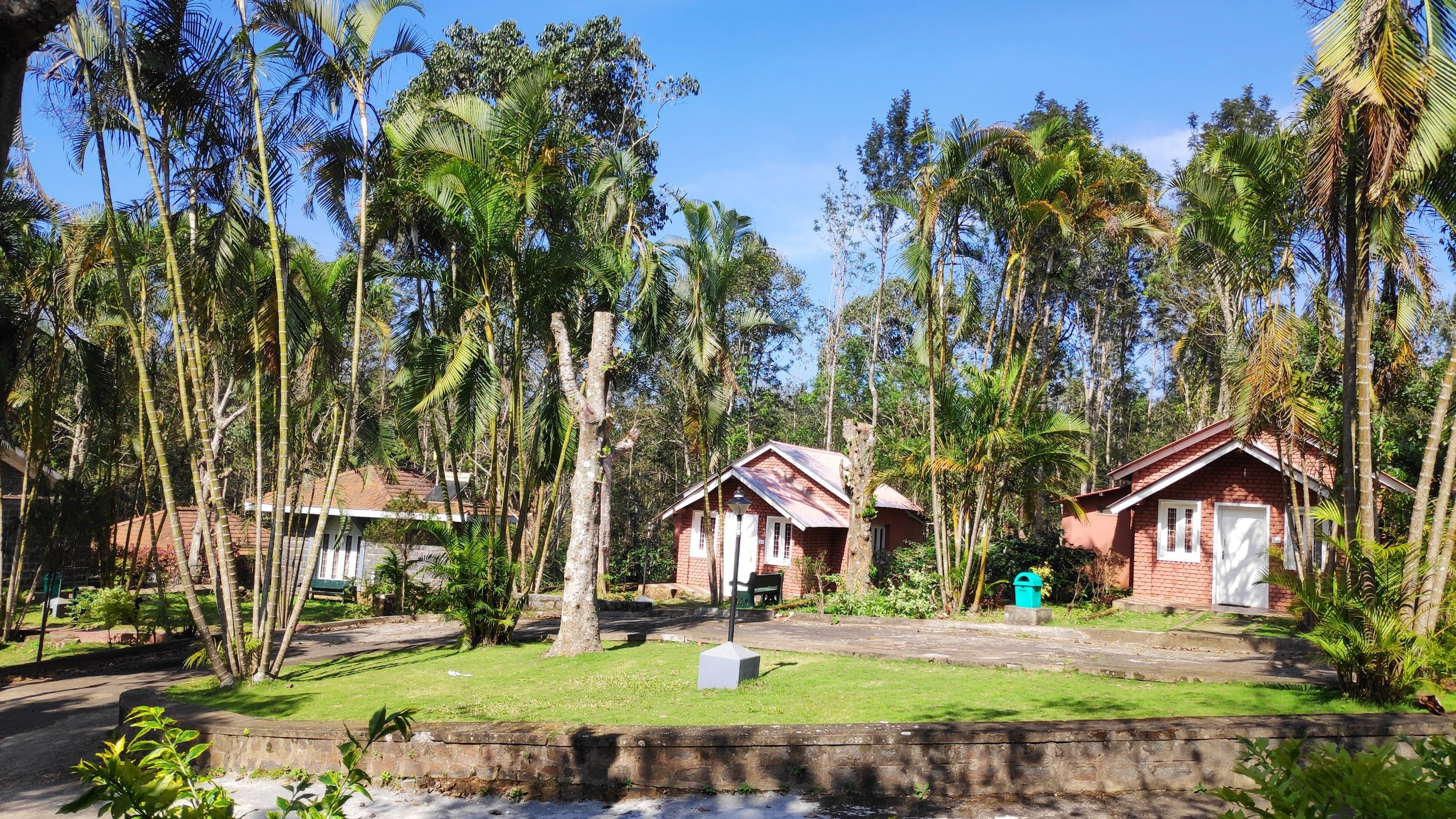
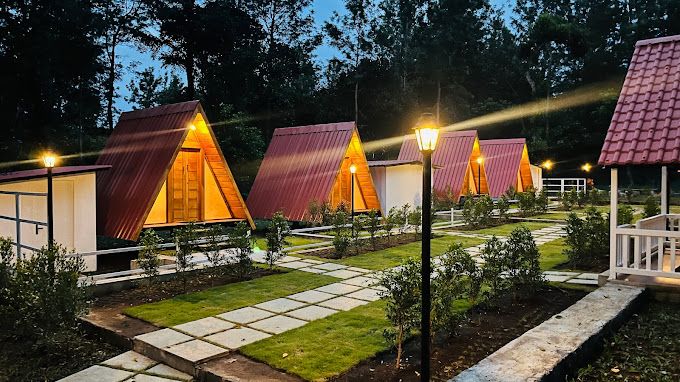
Whether you are searching for scenic hillside homestays, rustic farm retreats, or peaceful outdoor camps surrounded by coffee bushes, you can find and book an ideal stay tailored to your route on HireACamp.
Frequently asked questions
What kind of animals can be seen at Kurumbapatti Zoological Park?
Visitors can see spotted deer, sambar deer, blackbucks, primates, crocodiles, several snake species, and diverse native and water birds such as peacocks and parakeets.
How long does a visit to Kurumbapatti Zoological Park usually take?
Most visitors spend between one and a half to two hours walking through the grounds and exploring the various animal enclosures.
Is the park suitable for children and families?
Yes, the park is very family-friendly, offering spacious walking pathways, shaded rest areas, and educational exhibits focused on regional wildlife.
Are entry fees and permits required for the zoo?
Yes, standard admission passes are issued by the forest department at the entrance gate; please check current ticket rates and camera guidelines locally upon arrival.
How far is the zoo from Yercaud town center?
The park is situated near the foothills along the ghat road, roughly five to six kilometers in straight-line distance from central Yercaud.
Where you'll be
Zoology Park Road, Yercaud, TN · 2 stays nearby shown with prices
Stays near Kurumbapatti Zoological Park
Book a place to stay close by
More places near Kurumbapatti Zoological Park
Within 20 km
Built from 0 Instagram posts by 0 creators. Every tip links back to the post it came from, and where creators disagree we show both sides.






