
Mandore
Destination in Rajasthan
Mandore is an ancient historic town situated just north of Jodhpur in Rajasthan. Before the founding of Jodhpur in the fifteenth century, it served as the royal seat of power for the Parihar and Rathore rulers of Marwar. Today, travellers visit Mandore to walk among elaborate red sandstone cenotaphs, ancient temple ruins, and landscaped heritage gardens.
Getting there
By road
- From Jodhpur43 min · 17 km
- From Jaipur7 hr 15 min · 337 km
Typical drive times without traffic. Stations and airports from OLA Maps; distances and typical drive times from OpenStreetMap (© OpenStreetMap contributors); notes from creators' Reels.
Mandore and Jodhpur Travel Itinerary
Mandore, the ancient capital of Marwar, offers historic gardens, nearby monsoon waterfalls, and quick access to Jodhpur's historic forts, royal cenotaphs, and vibrant old city alleyways. This guide features streamlined 1-day, 2-day, and 3-day routes arranged by geography and timing.
Mandore Garden to Mehrangarh Fort
Best for travellers with a single day seeking core historic landmarks
Day 1
Mandore Heritage and Royal Fortresses
morning
Mandore GardenAbout 1 hr 30 min
Take an open mini vehicle or toy train ride through the garden grounds. You can reach the site by auto-rickshaw.
midday
Swadeshi Sweet HomeAbout 30 min · 300 m from the last stop
Sample churma chakki prepared using pure desi ghee right outside Mandore Garden.
midday
Jaswant ThadaAbout 1 hr · 5.3 km from the last stop
Explore the marble monument known as the Taj Mahal of Rajasthan. Carry cash for the ₹30 entry fee.
afternoon
Mehrangarh FortAbout 2 hr 30 min · 900 m from the last stop
Walk the ramparts for 360-degree Blue City views, explore the inner courtyards and palaces, and consider the Flying Fox zipline. The fort closes at 5:30 PM.
evening
Pachetia HillAbout 1 hr · 300 m from the last stop
Climb up to catch sunset views around 5:30 PM overlooking the blue houses of the old town.
- Do not attempt to drive cars deep into the narrow lanes of the Old City, as vehicles can easily get stuck; complete the last leg on foot or by auto-rickshaw.
- When booking accommodations in the Old City, verify street access, vehicle parking availability, and luggage walking distances beforehand.
- Avoid relying on app-based cabs like Ola or Uber when leaving Jaswant Thada, as drivers are unavailable for pick-ups there; use rented or personal transport instead.
- Carry physical cash for ticket counters at heritage sites such as Jaswant Thada.
- Decline informal offers from touts claiming exclusive access to closed sections of Mehrangarh Fort, as these are often retail traps; rely solely on official tickets and certified guides.
- Arrive earlier in the day at Mehrangarh Fort if you plan to do the Flying Fox zipline, as activities close well before the fort's 5:30 PM gate closure.
Visit lengths are suggestions; distances are straight-line between stops.
About Mandore
Written with AI from map data and general knowledge. Check prices and timings locally before you go.
Understanding Mandore and its heritage
Mandore holds deep significance in the history of Rajasthan as the traditional capital of the Marwar kingdom. Long before Rao Jodha established the fortified city of Jodhpur in 1459, rulers governed the surrounding desert lands from this strategic valley. The area bears remnants of multiple eras, having been held by the Pratihara dynasty before coming under the Rathore clan in the late fourteenth century.
Unlike traditional Rajput cremation grounds, the royal cenotaphs, known locally as dewals, are built along the lines of Hindu temples rather than simple chhatri canopies. Built with carved local red sandstone, these monumental structures rise several storeys high, complete with ornate spires, carved columns, and expansive pillared pavilions set against rugged sandstone outcrops.
Things to see and do in Mandore
The focal point of any visit to Mandore is the Mandore Garden complex, situated about a kilometre from the centre of the historic settlement. Walking through the pathways, you will encounter the towering dewals of former maharajas, including the impressive memorial of Maharaja Ajit Singh. The intricate carvings depict deities, celestial dancers, and floral bands that have weathered centuries of desert winds.
Within the grounds stands the Hall of Heroes, an intriguing gallery carved directly out of the natural rock face. It features vibrant statues depicting local folk deities, warrior legends, and regional heroes mounted on horseback. Nearby, the Shrine of the Three Hundred Million Gods showcases colourful representations of various deities. Visitors can also explore the weathered ruins of the old Mandore Fort perched on the hilltop above, offering wide views of the surrounding semi-arid landscape and rock formations.
Read more
Places to visit around Mandore
Because Mandore lies only a short drive north of central Jodhpur, it serves as an effortless base to explore the wider region. Just five to six kilometres away sits the iconic Mehrangarh Fort, towering over the Blue City on a sheer cliff. Below the fort, the white marble memorial of Jaswant Thada offers quiet lakeside terraces and delicate jali screen work.
Closer to the old city quarters, about six kilometres away, you can explore the bustling bazaars around Ghanta Ghar, the historic clock tower, and sample traditional street snacks in the lanes nearby. The intricately engineered stepwell of Toorji Ka Jhalra Bavdi sits within walking distance of the clock tower. For those interested in local ecology, the Rao Jodha Desert Rock Park lies adjacent to Mehrangarh, showcasing restored native desert flora amidst ancient volcanic rock formations. A quiet evening walk through Navchowkiya reveals the iconic indigo-painted Brahmin homes of old Jodhpur.
Best time to visit Mandore
The winter months from October to March offer the most pleasant weather for exploring Mandore and the surrounding Marwar region. Daytime temperatures during these months remain comfortable and mild, making it ideal for walking through extensive outdoor gardens, climbing steps, and exploring open-air stone ruins without the intense desert heat.
Summers from April to June are scorching, with daytime temperatures routinely exceeding forty degrees Celsius, which makes outdoor sightseeing draining. The monsoon season between July and September brings intermittent showers that bring greenery to the arid gardens and hillsides, though humidity levels rise significantly during these months.
How to reach Mandore
Mandore is well connected by road and rail due to its proximity to Jodhpur, the second-largest city in Rajasthan. Jodhpur Airport operates regular flights connecting the region to major Indian cities such as Delhi, Mumbai, and Jaipur. From the airport, Mandore is easily reachable by hiring a local taxi or autorickshaw.
Jodhpur Junction is an important railway hub with trains running across the country, while Mandore itself has a smaller suburban railway station where select regional and express trains stop. Travellers arriving by bus or private vehicle will find the town easily accessible via national and state highways connecting Jodhpur to Bikaner and Nagaur.
Tips for your visit
The gardens and ruins are home to a large population of langurs and macaque monkeys. While they are accustomed to human presence, it is best not to carry uncovered food items or feed them, as this can invite unwanted attention. Keep your belongings secure while walking around the cenotaphs.
Wear sturdy, comfortable walking shoes, as you will encounter uneven stone paths, loose gravel, and flights of stairs while exploring the dewals and upper fort ruins. Carrying drinking water and sun protection, including a hat and sunglasses, is highly recommended throughout the year.
Where to stay around Mandore
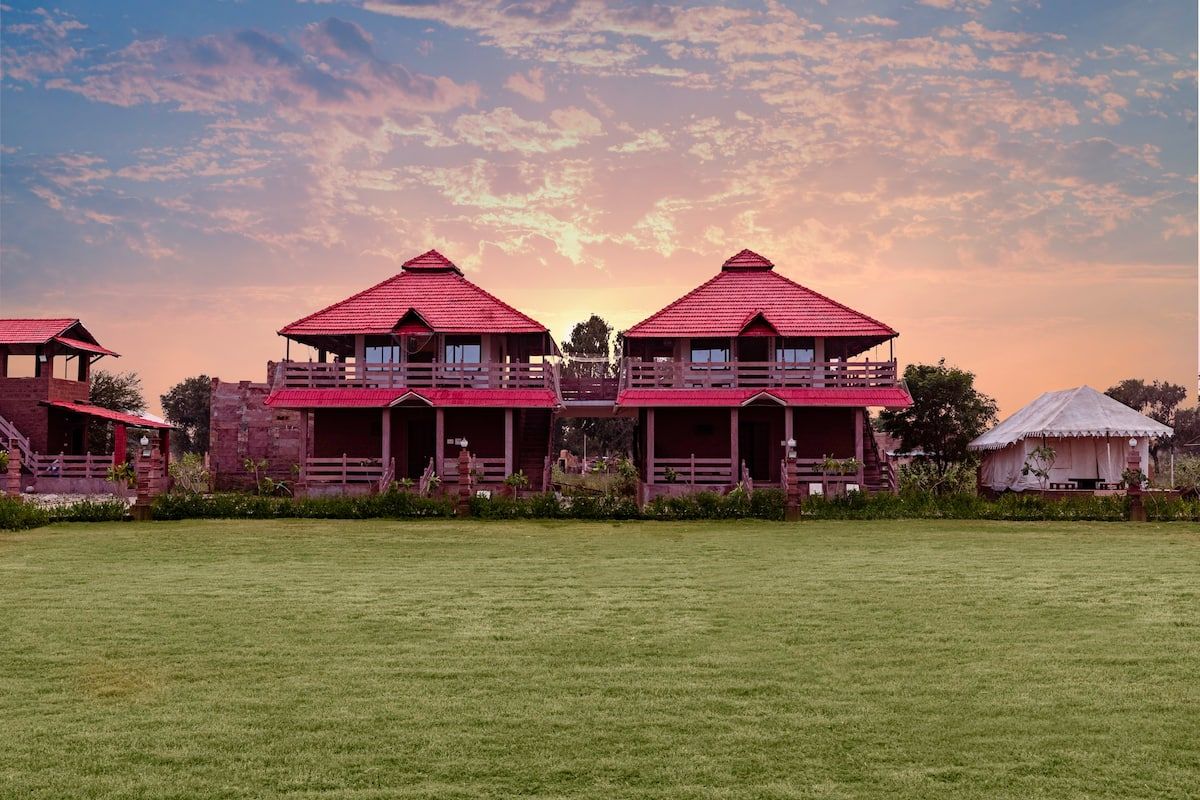
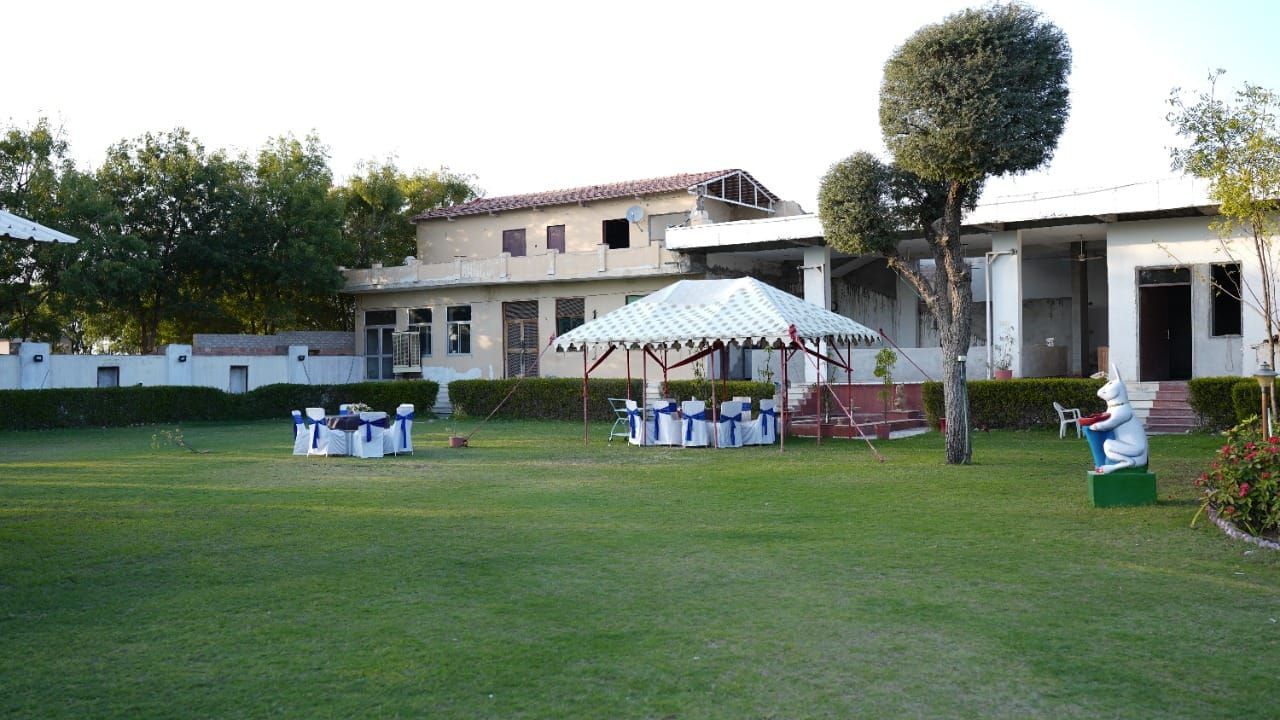
Staying near Mandore allows you to experience the historic heritage of the desert kingdom while avoiding the dense traffic and noise of central Jodhpur. Accommodations in the surrounding area range from peaceful rural farm stays and boutique homestays to experiential campsites situated on the outskirts of the Thar Desert.
Travellers looking for authentic homestays, nature retreats, and camp setups around Mandore and the greater Jodhpur district can find curated listings on HireACamp. These stays offer an atmospheric alternative to commercial city hotels, with opportunities to enjoy home-cooked Rajasthani meals and open starry desert nights.
Frequently asked questions
Why is Mandore historically important?
Mandore was the capital of the Marwar region under the Parihar and Rathore dynasties until 1459, when Rao Jodha moved the capital to the newly established fort city of Jodhpur.
What are the main attractions in Mandore Garden?
The main attractions include the temple-style red sandstone cenotaphs of Marwar rulers, the rock-cut Hall of Heroes, the Shrine of the Three Hundred Million Gods, and the hilltop ruins of the old fort.
How far is Mandore from Jodhpur?
Mandore is located approximately eight to nine kilometres north of central Jodhpur, making it a quick and convenient day or half-day excursion.
Can I visit Mandore and Mehrangarh Fort on the same day?
Yes, because Mehrangarh Fort and Mandore are separated by only about six kilometres in straight-line distance, you can comfortably visit both sites on the same day.
Where you'll be
2 stays nearby shown with prices
Stays near Mandore
Book a place to stay close by
Things to do in Mandore
45 places creators recommend within 30 km


Lists for this area
Ranked by how many creators recommend each place


Built from 0 Instagram posts by 0 creators. Every tip links back to the post it came from, and where creators disagree we show both sides.






