
Manesar
Destination in Haryana
Manesar is an expanding industrial and leisure hub situated in the Gurugram district of Haryana, set against the backdrop of the rugged Aravalli range. Originally a quiet rural hamlet along the Delhi-Jaipur highway, it has grown into a favored weekend getaway destination for city dwellers seeking open green spaces, farm experiences, and outdoor recreation. Visitors travel here to escape urban congestion, unwind at peaceful countryside retreats, and explore nearby heritage monuments.
Getting there
By road
- From New Delhi56 min · 43 km
- From Jaipur3 hr 50 min · 274 km
- From Dehradun4 hr · 296 km
- From Chandigarh4 hr 45 min · 305 km
Typical drive times without traffic. Stations and airports from OLA Maps; distances and typical drive times from OpenStreetMap (© OpenStreetMap contributors); notes from creators' Reels.
About Manesar
Written with AI from map data and general knowledge. Check prices and timings locally before you go.
About Manesar and its Landscape
Manesar is located in the southern plains of Haryana, directly flanking the National Highway 48 that connects Delhi to Jaipur. The landscape here presents an interesting juxtaposition of modern industrial infrastructure and tranquil rural charm. Low-lying ridges and scrub forests of the ancient Aravalli range frame parts of the horizon, lending the region a dry, semi-arid character interspersed with patches of farmland, mustard fields, and expansive open plots.
Over the past few decades, Manesar transitioned from a cluster of quiet agricultural villages into a thriving manufacturing and corporate node. Despite this rapid development, the outskirts retain an earthy village ethos. The surrounding countryside provides breathing room from the dense urban sprawl of neighboring Gurugram and Delhi, making it a natural magnet for travellers seeking short breaks without traveling long distances.
Things to do in and around Manesar
One of the chief attractions of Manesar is the chance to immerse oneself in rustic and agrarian pastimes. Many open-air spaces and rural retreats offer visitors the opportunity to try their hand at traditional pottery, tractor rides, camel cart journeys, and ethnic folk arts. These day-long rural experiences are particularly well suited for families looking to introduce children to agrarian traditions that are rarely seen in modern cities.
For outdoor and adventure enthusiasts, the open grounds and rolling terrain provide a venue for obstacle courses, zip-lining, target shooting, and cycling along quiet village lanes. Golf is another popular activity in the area, with well-tended greens drawing players across seasons. Evenings in the countryside are quiet, giving travellers ample time to gather around bonfires during the colder months or stargaze away from the brightest city lights.
Read more
Heritage and Cultural Getaways Nearby
Travellers basing themselves around Manesar have convenient access to an array of prominent cultural and archaeological landmarks situated roughly thirty to forty kilometers away in South and Central Delhi. A short drive toward the Mehrauli zone reveals an extraordinary concentration of historic structures. The Mehrauli Archaeological Park features centuries of continuous architectural history, including ancient stepwells like Rajon Ki Baoli and medieval tombs nestled amidst green groves.
Just adjacent stands the towering Qutab Minar, an iconic medieval victory tower surrounded by ancient sandstone ruins and ornate colonnades. Spiritual landmarks like the ancient Shri Yogmaya Temple and tranquil institutions like the Ashoka Mission and Cambodian Monastery offer reflective spaces nearby. For art and garden enthusiasts, the sprawling landscaped grounds of The Garden of Five Senses, the Mughal-era garden tombs at Lodhi Garden and Safdarjung Tomb, and the historic lake precinct at Hauz Khas Fort make for rewarding day excursions.
Best Time to Visit Manesar
The winter season, lasting from October through March, is widely considered the best time to visit Manesar. During these months, the daytime temperatures remain pleasantly cool and sunny, making outdoor activities, cycling, and sightseeing comfortable. Nighttime temperatures drop significantly between December and January, creating the ideal atmosphere for evening campfires and outdoor dining.
Summers, spanning from April to June, bring intense heat with daytime temperatures frequently exceeding forty degrees Celsius, which limits outdoor recreation primarily to early morning and late evening. The monsoon arrives in July and extends through September, breathing life into the parched Aravalli scrubland and turning the rural tracts lush and green. If you plan to visit during the monsoon, check local weather updates for rainfall and road conditions along the highway corridors.
How to Reach Manesar
Manesar is exceptionally well connected by road due to its position along National Highway 48. Travellers driving from Gurugram can reach the area in approximately thirty to forty-five minutes, while the journey from central Delhi typically takes between one and two hours depending on prevailing highway traffic. Taxis, app-based cabs, and private vehicles are the most convenient choices for getting there.
For those arriving by air, Indira Gandhi International Airport in New Delhi is the nearest major airport, situated roughly thirty-five kilometers away. Railway connectivity is available via the Gurugram Railway Station or the primary stations in New Delhi and Old Delhi. From the railway hubs, direct taxis or regional buses heading toward Dharuhera and Jaipur provide easy onward connections to Manesar.
Tips for Your Visit to Manesar
Because National Highway 48 carries significant commercial and commuter traffic, it is advisable to time your departure outside of standard weekday rush hours to ensure a smooth drive. If you plan to explore rural tracks, farm premises, or outdoor parks, sturdy walking shoes and sun protection like wide-brimmed hats and sunscreen are essential.
If you plan to visit historic monuments in nearby Delhi, check local ticketing and visiting rules in advance, as many heritage premises operate on regulated schedules. In the winter months, pack warm layers including light jackets or sweaters, as rural open spaces can feel noticeably chillier after dusk compared to urban centers.
Where to Stay in Manesar
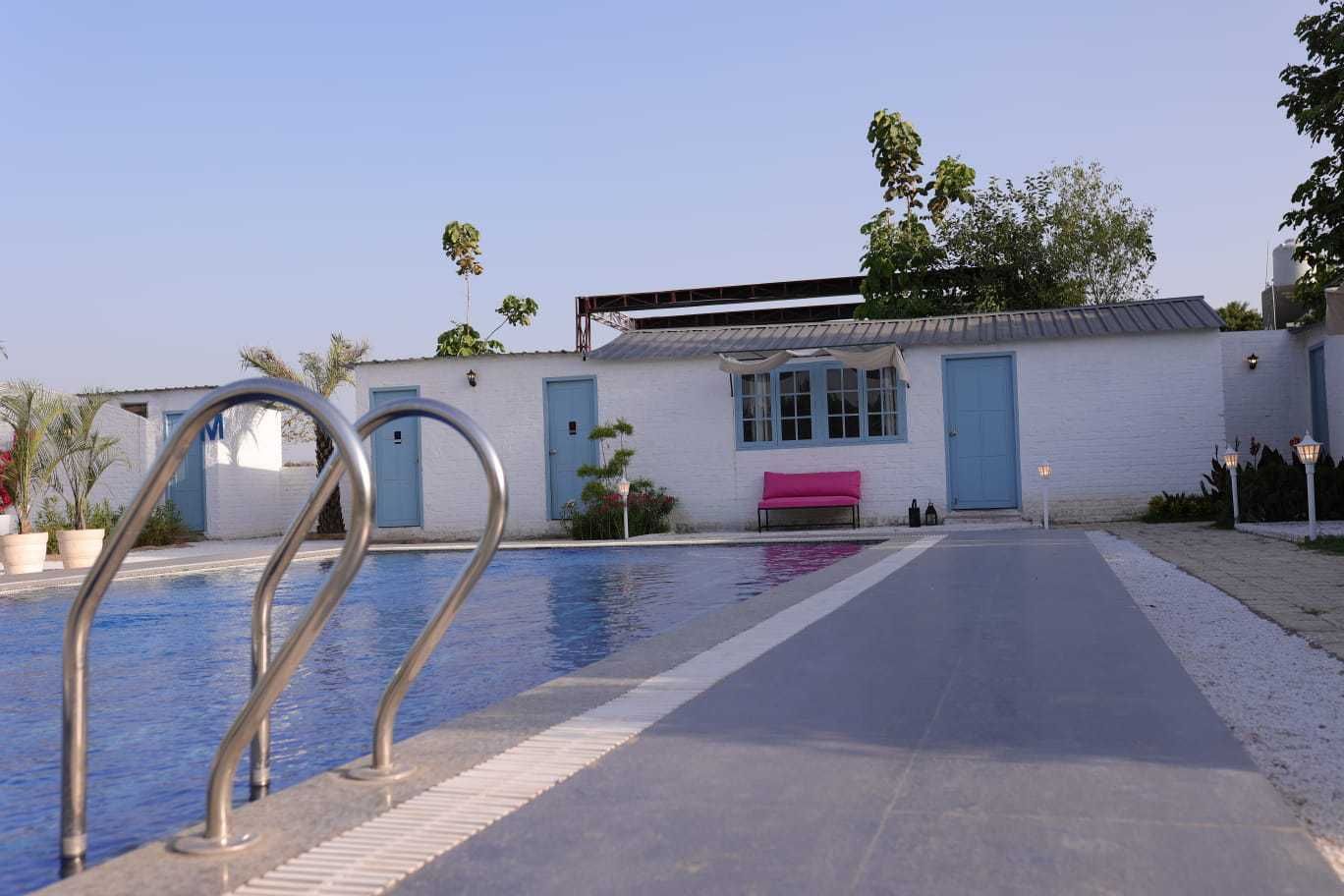
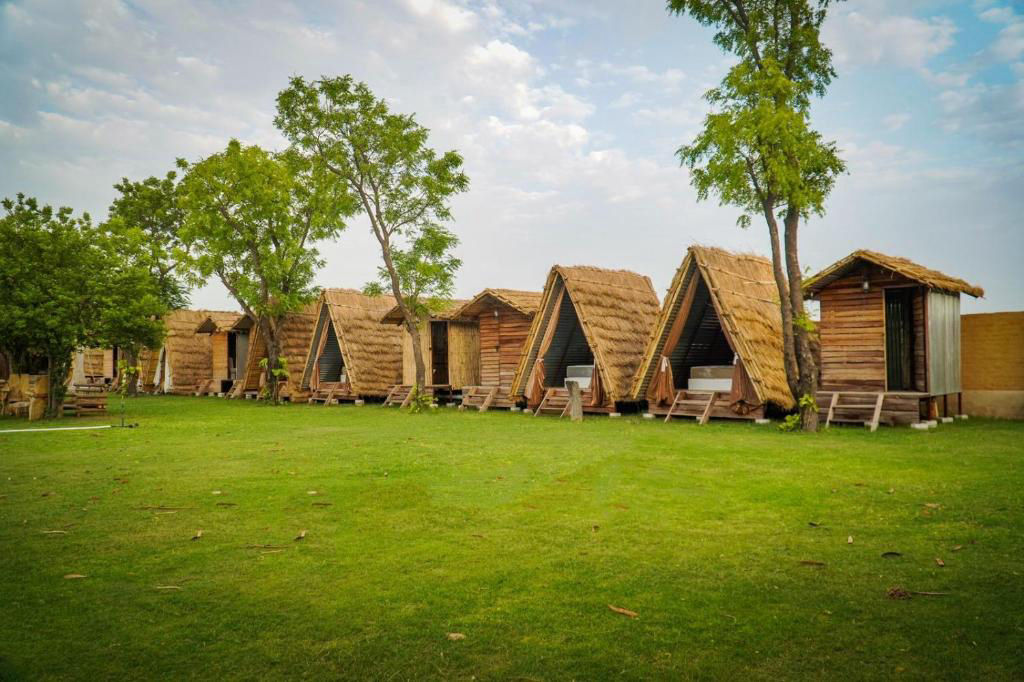
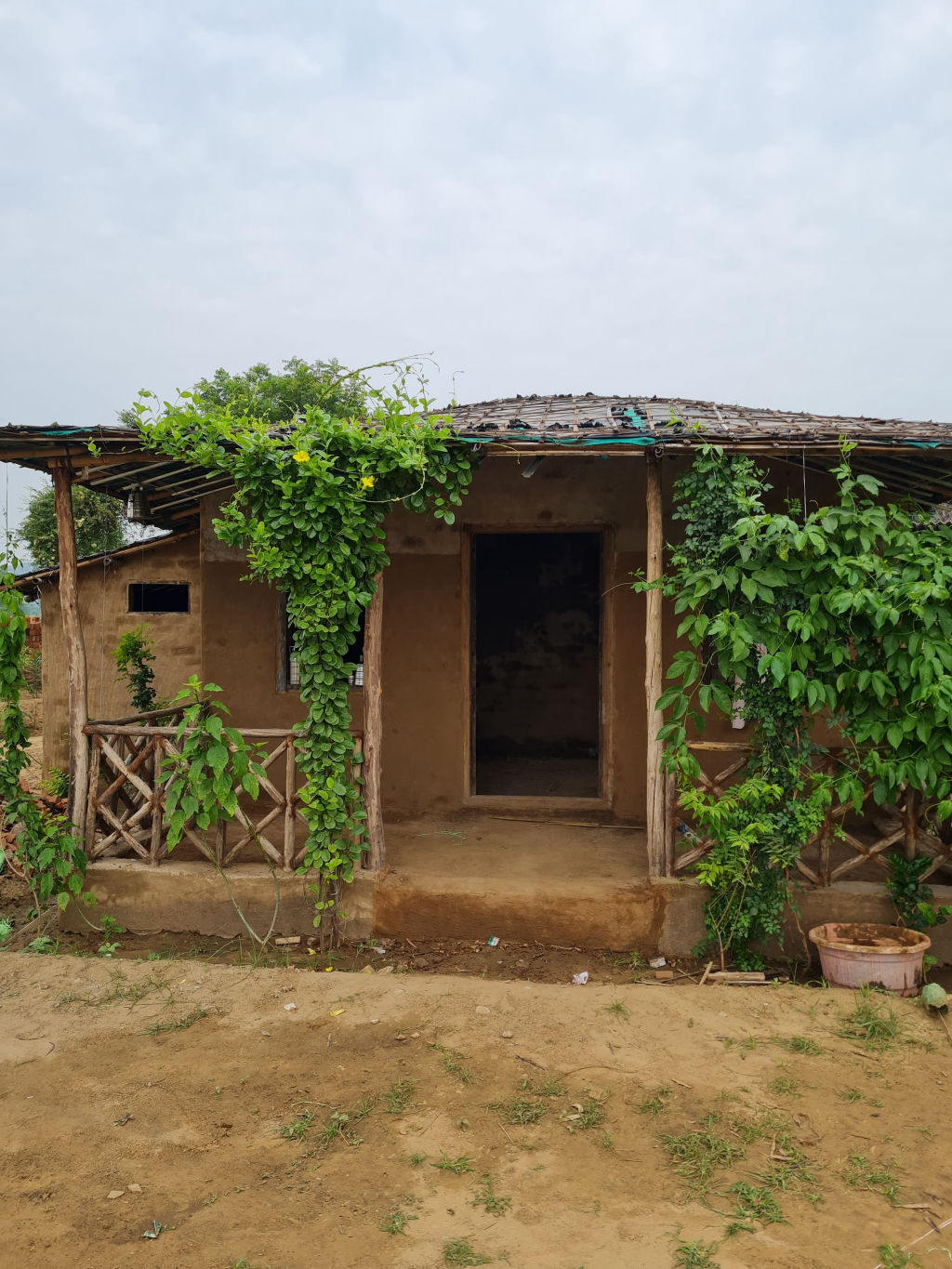
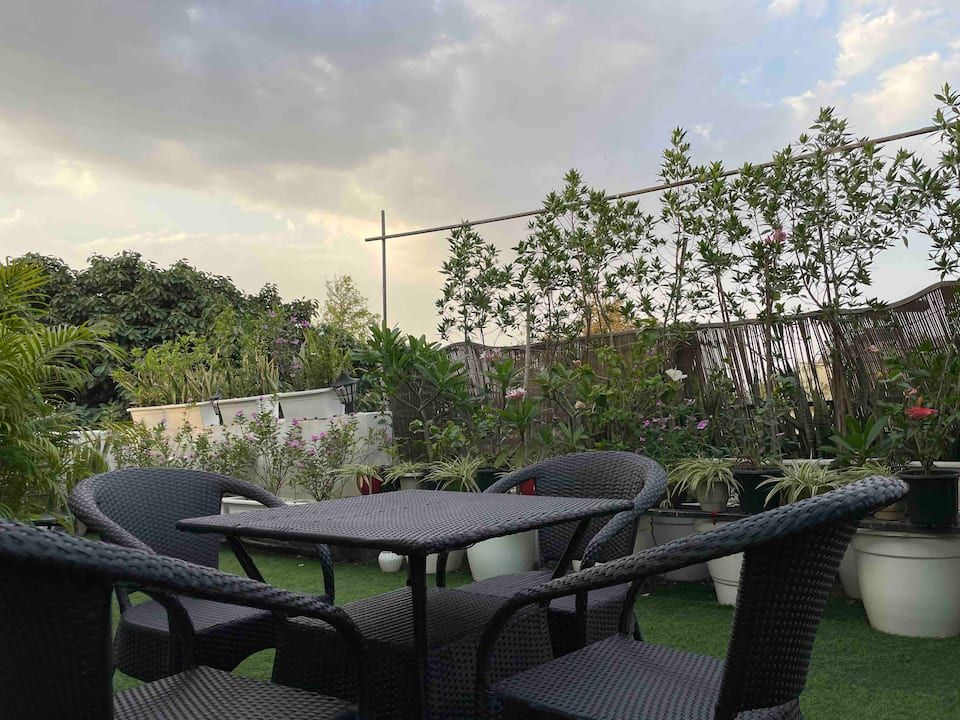
Accommodation options in and around Manesar cater to various preferences, from quiet farmhouses and rustic homestays to nature camps and full-scale country retreats. These properties emphasize open lawns, alfresco leisure, and recreational activities suited for weekend escapes.
You can explore and book verified camps, homestays, and outdoor getaways around Manesar directly on HireACamp to suit your travel style and group size.
Frequently asked questions
What is Manesar best known for?
Manesar is known as a major industrial node in Haryana that also serves as a peaceful countryside getaway with farm retreats, adventure activity parks, and open green spaces.
How far is Manesar from Delhi?
Manesar is located approximately forty-five to fifty kilometers southwest of central Delhi, easily accessible via National Highway 48.
What historic places can I visit near Manesar?
Within a drive of thirty to forty kilometers, visitors can explore prominent historic monuments including Qutab Minar, Mehrauli Archaeological Park, Rajon Ki Baoli, and Hauz Khas Fort.
Which months are ideal for camping or outdoor trips in Manesar?
The cooler months from October to March offer the most comfortable weather for outdoor sports, day picnics, and overnight camping.
Where can I find unique stays in Manesar?
A curated range of countryside homestays, retreats, and open-air campsites in and around Manesar can be booked through HireACamp.
Where you'll be
4 stays nearby shown with prices
Stays near Manesar
Book a place to stay close by
Things to do in Manesar
48 places creators recommend within 30 km


Lists for this area
Ranked by how many creators recommend each place


Built from 0 Instagram posts by 0 creators. Every tip links back to the post it came from, and where creators disagree we show both sides.






